In today’s fast-paced world, holistic wellness programs have gained immense popularity as people seek a more comprehensive approach to health and relaxation. These programs offer an integrated experience that combines the best of traditional therapies to rejuvenate the body and mind, promoting not only relaxation but overall wellness.
In Bangkok, Loft Thai Spa is leading the way with its thoughtfully designed holistic wellness programs, where clients can experience the transformative effects of Thai massage, aromatherapy, herbal compress treatments, and mindfulness practices in one harmonious session.
As one of Bangkok’s premier wellness destinations, Loft Thai Spa is dedicated to providing a nurturing environment that supports holistic well-being. With a team of skilled therapists and a range of natural therapies rooted in traditional Thai practices, Loft Thai Spa is more than just a spa – it’s a sanctuary for those seeking physical rejuvenation and mental clarity. This article delves into the components of holistic wellness, the benefits of each therapy, and what makes Loft Thai Spa’s wellness programs truly unique.
The Essence of Holistic Wellness
Holistic wellness is an approach that seeks to address all aspects of health, including the physical, emotional, and mental components of well-being. Unlike conventional spa treatments that may focus on isolated physical benefits, holistic wellness programs embrace the interconnectedness of mind and body. Each therapy within these programs complements the others, creating a balanced experience that leaves clients feeling rejuvenated on every level.
At Loft Thai Spa, the philosophy of holistic wellness guides each treatment. The spa’s carefully curated wellness programs combine traditional Thai massage with additional therapeutic elements like aromatherapy and mindfulness, creating a comprehensive approach that goes beyond relaxation to support overall health.

The Key Components of Holistic Wellness Programs at Loft Thai Spa
- Traditional Thai Massage
Thai massage, a cornerstone of Thai culture and healing, is an ancient practice that combines acupressure, stretching, and deep tissue work. This form of massage is renowned for its therapeutic benefits, including improved flexibility, enhanced circulation, and pain relief. Traditional Thai massage at Loft Thai Spa is delivered by skilled therapists trained in this art, helping clients relieve muscle tension and stimulate energy flow throughout the body. - Aromatherapy
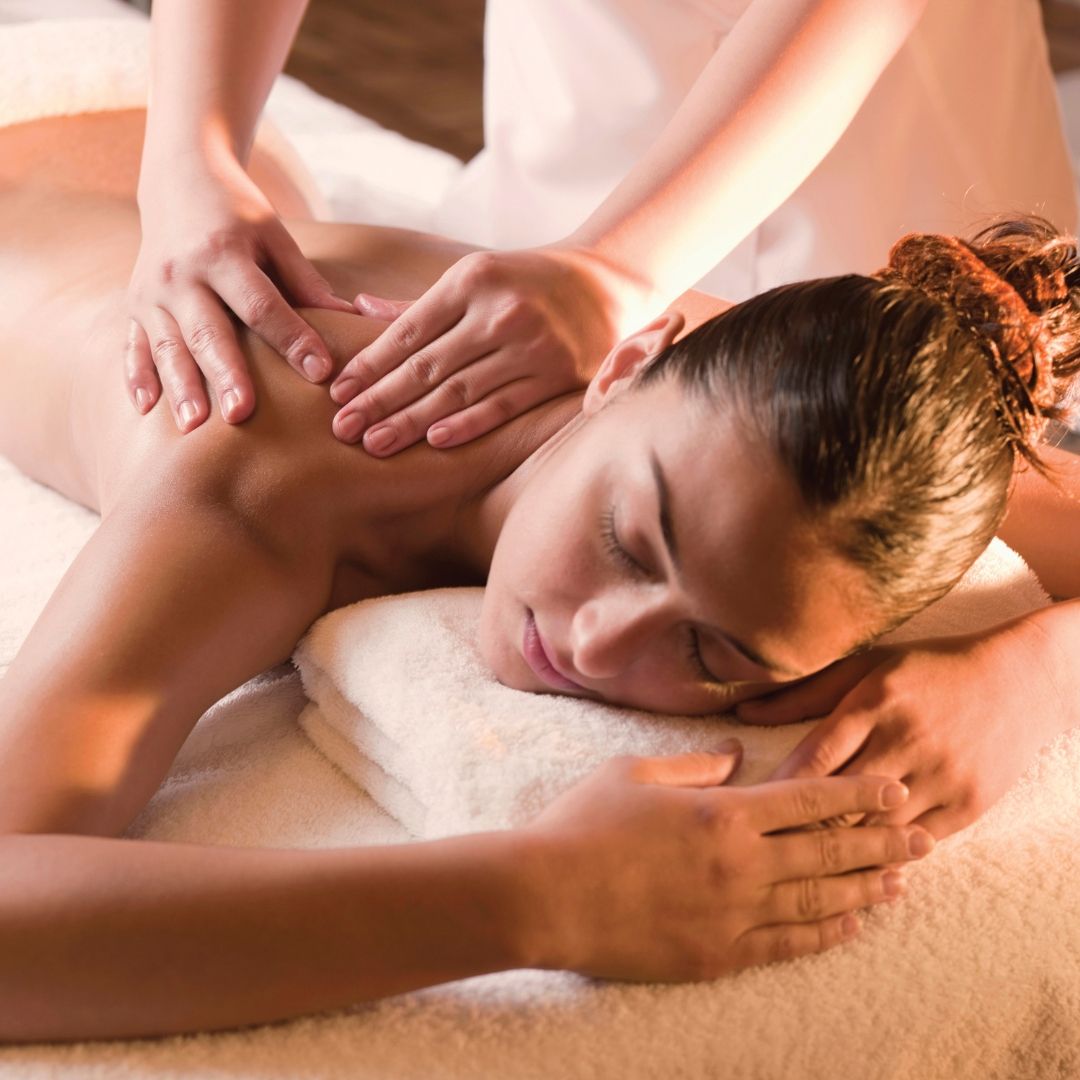
Aromatherapy uses essential oils derived from plants to enhance physical and emotional well-being. At Loft Thai Spa, each aromatherapy session is customized with blends that suit the client’s mood and therapeutic needs. Essential oils like lavender, eucalyptus, and lemongrass are applied to promote relaxation, relieve stress, and elevate the massage experience. This fusion of scent and touch deepens relaxation and connects clients with nature’s calming essence. - Herbal Compress Therapy
The herbal compress is a staple of Thai traditional medicine, made from bundles of healing herbs wrapped in cotton cloth. These compresses are steamed to release their natural oils and aromas before being applied to the body. Herbal compress therapy at Loft Thai Spa combines the benefits of heat and herbal properties, easing muscle soreness, promoting circulation, and soothing the skin. Common ingredients like turmeric, ginger, lemongrass, and kaffir lime leaves are chosen for their anti-inflammatory and detoxifying effects, making the compress an essential part of the spa’s holistic approach. - Mindfulness Practices
Mindfulness practices, such as guided breathing and meditation, are integrated into the wellness programs at Loft Thai Spa to encourage clients to connect with their inner calm. Practicing mindfulness during a spa session enhances the benefits of physical treatments, allowing clients to experience a deeper sense of relaxation and clarity. Mindfulness is especially effective in reducing stress, improving focus, and promoting emotional resilience, making it a valuable addition to holistic wellness.
Why Holistic Wellness Programs Are Increasing in Popularity
- Growing Focus on Mental Health
With increased awareness around mental health, more people are recognizing the importance of a balanced approach to wellness. Holistic programs that incorporate mindfulness and relaxation techniques appeal to those seeking to reduce stress and anxiety. - Desire for a Natural and Sustainable Lifestyle
Many individuals today prefer natural, non-invasive therapies over synthetic treatments. The use of plant-based essential oils, herbal compresses, and traditional massage aligns with this desire, offering a sustainable path to wellness. - Connection Between Physical and Mental Health
Holistic wellness programs emphasize the link between the body and mind, creating an environment where clients can heal physically and emotionally. This integrated approach addresses the root causes of tension and stress rather than merely treating symptoms. - Demand for Comprehensive Wellness Experiences
Modern consumers are increasingly seeking immersive wellness experiences that provide a sense of escape and renewal. Holistic programs like those at Loft Thai Spa fulfill this need by offering an all-encompassing experience that supports long-lasting well-being.
The Loft Thai Spa Holistic Wellness Experience: What to Expect
- Personalized Consultation
Each wellness journey at Loft Thai Spa begins with a personalized consultation to understand the client’s needs and preferences. This step ensures that each treatment is tailored to provide the best therapeutic benefits. - Customized Aromatherapy Selection
Clients are invited to choose an essential oil blend that resonates with their mood and health goals. Loft Thai Spa’s aromatherapy blends are carefully crafted to enhance relaxation, energy, or balance, setting the tone for a deeply rejuvenating experience. - Therapeutic Thai Massage
The session includes a therapeutic Thai massage, which may incorporate stretches, acupressure points, and gentle movements to relieve tension and improve flexibility. The massage is performed with attention to each client’s comfort level, ensuring a relaxing yet invigorating experience. - Herbal Compress Application
Warm herbal compresses are applied to areas of tension and soreness, infusing the body with heat and natural healing properties. This part of the treatment relaxes tight muscles and enhances the benefits of the massage, allowing for deep relaxation. - Guided Mindfulness and Relaxation Techniques
As part of the holistic approach, clients are guided through breathing exercises and mindfulness techniques to enhance their state of relaxation. This mindfulness practice allows clients to fully engage with the present moment, deepening the therapeutic effects of each treatment. - Post-Treatment Tea Ritual
Each holistic wellness program concludes with a tea ritual featuring a selection of Thai herbal teas. This ritual encourages clients to savor the moment of calm and reflect on their experience, creating a gentle transition from spa to daily life.
The Benefits of Loft Thai Spa’s Holistic Wellness Programs
- Enhanced Physical Well-Being
The combination of Thai massage, herbal compress, and aromatherapy promotes relaxation, eases muscle tension, and improves circulation, creating lasting physical benefits that support overall health. - Stress Relief and Emotional Balance
Mindfulness and aromatherapy work together to reduce stress and create a sense of calm, helping clients manage emotional well-being and build resilience against daily challenges. - Detoxification and Immune Support
The herbal compresses and massage techniques stimulate lymphatic drainage, aiding in detoxification and boosting immune function, particularly beneficial for individuals in urban environments. - Improved Mental Clarity and Focus
Mindfulness practices promote mental clarity, improve focus, and allow clients to achieve a balanced state of mind, which can positively impact productivity and mood long after the session.
FAQs About Holistic Wellness Programs at Loft Thai Spa
- How often should I participate in a holistic wellness program?
The frequency depends on your wellness goals, but many clients benefit from monthly sessions to maintain both physical and mental well-being. - Are these programs suitable for everyone?
Yes, holistic wellness programs are suitable for most individuals. However, clients with specific medical conditions should consult their healthcare provider before starting any new wellness regimen. - Can I customize my wellness program?
Absolutely! Loft Thai Spa offers personalized consultations, allowing clients to tailor their program based on their preferences and wellness needs. - What should I wear to the spa for a holistic wellness session?
It’s best to wear loose, comfortable clothing. Loft Thai Spa also provides robes and amenities to ensure your comfort throughout the experience.
Conclusion
Holistic wellness programs at Loft Thai Spa offer an unparalleled experience that harmonizes body and mind. By combining traditional Thai massage with aromatherapy, herbal compresses, and mindfulness, Loft Thai Spa provides a deeply transformative journey for clients in Bangkok. This approach to wellness addresses every layer of well-being, creating a comprehensive experience that supports relaxation, mental clarity, and physical rejuvenation.
As more people embrace the benefits of holistic health, Loft Thai Spa remains at the forefront of this movement, offering a sanctuary where clients can reconnect with themselves in a nurturing environment. For those in search of a wellness program that goes beyond the ordinary, Loft Thai Spa’s holistic offerings provide a path to total renewal and long-lasting well-being in the heart of Bangkok.
UPDATED LOFT THAI GUIDE
Additional guidance and current information
The following editorial update expands on the original Loft Thai article with practical context, current treatment guidance and further reading.
First, a Clarification About the current Menu
The legacy article described a fixed Loft Thai programme that combined Thai massage, customised essential oils, herbal compress, guided meditation and a tea ceremony in one standard session.
The current menu offers relevant treatments but does not publish that exact therapist-led mindfulness programme as one bookable service. This update does not invent a package to preserve the old marketing story.
Instead, it provides a planning framework using current rituals and clearly labels any mindfulness pause as a simple guest practice, not psychotherapy or clinical instruction.
What “Wellness” Can Mean Without a Medical Claim
Wellness is a broad everyday term. In a spa context, it can describe time set aside for rest, body awareness, sensory comfort and supportive hospitality.
It does not mean that one appointment treats the root cause of disease, balances every aspect of mental health or produces lasting physiological change.
A useful wellness plan defines the desired experience—quiet, movement, warmth, scent or focused touch—then selects components that fit.
Component 1: Traditional Thai Massage
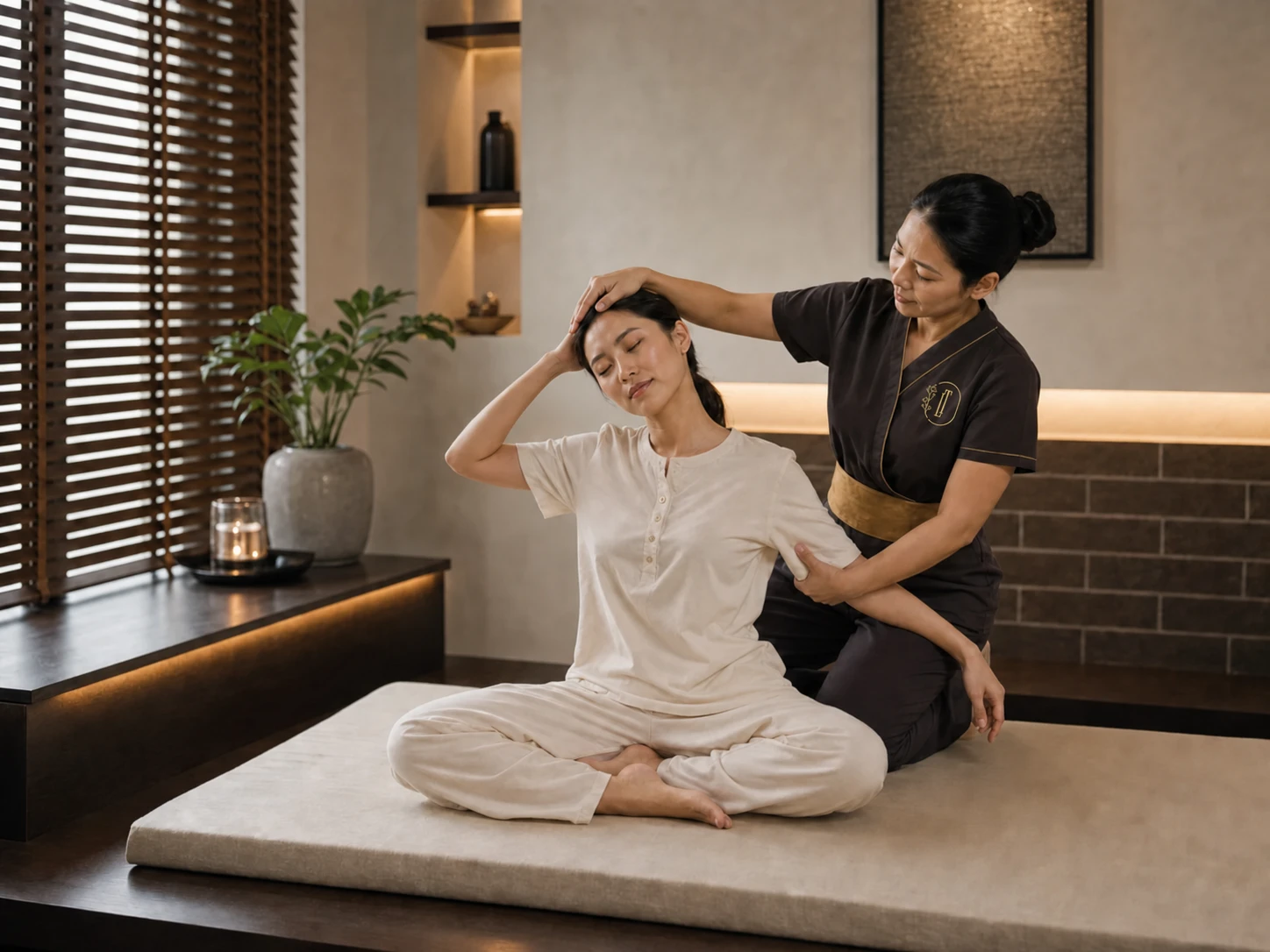
Traditional Thai Massage is performed clothed and uses compression, rocking, pressure and assisted movement. It can provide an active contrast to seated work or travel, but pressure and range should be adapted.
The current menu lists 60 minutes at 1,000 THB, 90 minutes at 1,400 THB and 120 minutes at 1,900 THB.
Choose it when clothing, movement and a more participatory bodywork rhythm appeal. Choose a gentler oil direction when rest and flowing touch are the priority.
Component 2: Aromatherapy Oil Massage
Aromatherapy Oil Massage uses warm botanical oils with flowing pressure-point work. Scent can shape the atmosphere and personal experience even when a specific health outcome is uncertain.
The current menu lists 90 minutes at 2,000 THB and 120 minutes at 2,800 THB. Product and fragrance preferences should be discussed before the oil is applied.
Essential oils are biologically active aromatic substances, not automatically harmless because they are natural. Skin sensitivity, asthma, migraine, pregnancy and fragrance intolerance may require adaptation or an unscented alternative.
Component 3: A Simple Mindfulness Pause
Mindfulness involves present-moment awareness without immediate judgment. During a spa visit, a simple version may mean noticing breathing, contact with the treatment surface and changes in tension.
The US National Center for Complementary and Integrative Health notes possible benefits across some stress, anxiety and sleep research while also warning that evidence quality varies and results are sometimes interpreted too optimistically.
A two-minute breathing pause is not the same as a structured mindfulness-based clinical programme. It should not replace psychotherapy, medication or other indicated care.
Mindfulness Is Usually Low Risk, Not Risk Free
NCCIH reports that meditation and mindfulness usually have few risks, but studies have not examined harms consistently and some participants report negative experiences such as increased anxiety or depression.
Guests who feel distressed by closing their eyes, focusing inward or controlling the breath can keep their eyes open, orient to the room, breathe normally or skip the practice.
A spa therapist should not present a brief breathing cue as mental-health treatment.
Optional Component: Thai Herbal Compress
Thai Herbal Compress adds steamed fabric bundles and warmth after traditional Thai massage. The current service is listed at 3,200 THB for 90 minutes, with herbal, eucalyptus, lemongrass or plai-and-camphor directions.
The appeal is the combination of heat, aroma, pressure and ritual. It should not be described as removing toxins or boosting immunity.
Heat level, skin integrity, sensation and medical conditions matter. Guests with reduced heat sensitivity or acute inflammation need particular caution.
Current One-Booking Fusion Options
Siamese Aroma combines Thai massage and aromatherapy in one 90-minute ritual listed at 2,000 THB. It is the most direct current expression of the article’s Thai-plus-aroma idea.
Thai Combination also blends acupressure, Thai stretching, Swedish-style strokes and balm. It is listed at 2,000 THB for 90 minutes and 2,800 THB for 120 minutes.
Neither should be presented as a formal mindfulness course. The guest can still request a quiet treatment and use a brief self-guided breathing pause.
How to Design a Half-Day Wellness Itinerary
Start by choosing one primary body treatment rather than stacking every available modality. Add time before the appointment to arrive, change and discuss pressure, scent and heat.
After the treatment, leave a quiet transition before returning to traffic, work or a flight. A simple meal, normal hydration and an unhurried walk are more credible than a prescribed detox routine.
If booking multiple services, confirm the sequence, total time, breaks and whether the combination is appropriate for your health history.
- Choose one main goal: movement, warmth, scent or rest
- Confirm total door-to-door duration
- Disclose fragrance, heat and pressure sensitivities
- Keep the breathing pause optional
- Avoid scheduling an intense first-time ritual before a critical commitment
A 90-Minute Plan for Sensory Balance
For one appointment, choose Siamese Aroma, Thai Combination, Aromatherapy Oil Massage or Thai Herbal Compress according to the desired sensory direction.
Use the consultation to reduce the number of competing elements. A calm fragrance, moderate pressure and quiet room may feel more coherent than combining strong aroma, deep work, heat and stretching.
Begin and end with one or two minutes of normal, unforced breathing if that feels comfortable.
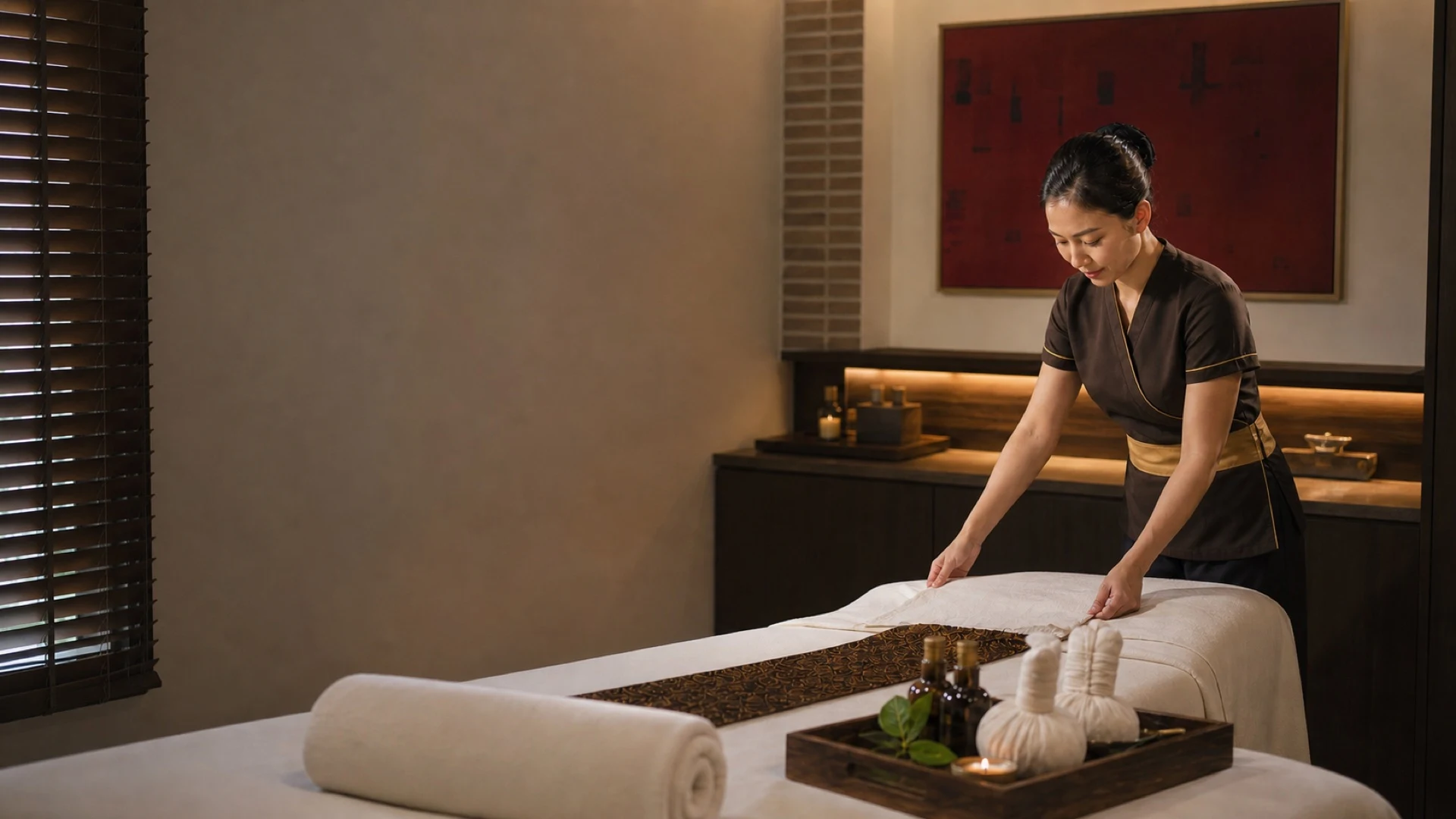
A Two-Visit Plan for Guests Who Want Both Styles
A guest curious about classic Thai movement and oil-based relaxation may prefer separate visits rather than a very long first session.
The first visit can introduce Traditional Thai Massage at moderate pressure. A later Aromatherapy appointment then provides a different comparison without fatigue from stacking techniques.
Spacing is a comfort decision, not a detox or recovery prescription.
Consultation Questions for an Integrated Ritual
Ask which components are actually included, which products and essential oils will be used, how hot the compresses become and whether treatment clothing or draping changes between stages.
Share pregnancy, recent surgery, anticoagulant use, allergies, asthma, migraine, sensory changes, acute injury and current mental-health concerns when relevant.
Decide in advance whether you want conversation, silence, a fragrance-free option or no stretching.
Four Claims a Responsible Wellness Programme Should Avoid
Massage and herbal compresses should not be sold as detoxification or immune support. Aromatherapy should not be presented as a substitute for medical or psychological treatment.
Mindfulness should not be promised to resolve anxiety, trauma or depression in one spa session. A monthly schedule should not be prescribed universally without evidence or personal context.
A professional experience can be valuable without making these claims.
Thai Spa Scope Includes Meditation—but Context Still Matters
Thailand’s public guidance lists meditation among services that may be offered in a spa business, alongside body treatments, facial care, compresses and movement practices.
That legal service category does not turn every brief breathing cue into a clinical programme or prove that every massage appointment includes meditation.
The provider should publish the actual service, duration, facilitator and boundaries when a structured meditation element is sold.
Integration Works Best When Every Element Has a Purpose
Thai massage, aromatherapy, herbal warmth and mindfulness can form a coherent Bangkok wellness ritual when the guest chooses them deliberately.
The strongest plan is not the one with the longest list of therapies. It is the one with clear scope, suitable pressure, tolerable fragrance, safe heat and enough time to settle.
That is a more professional definition of holistic care than promising total renewal.
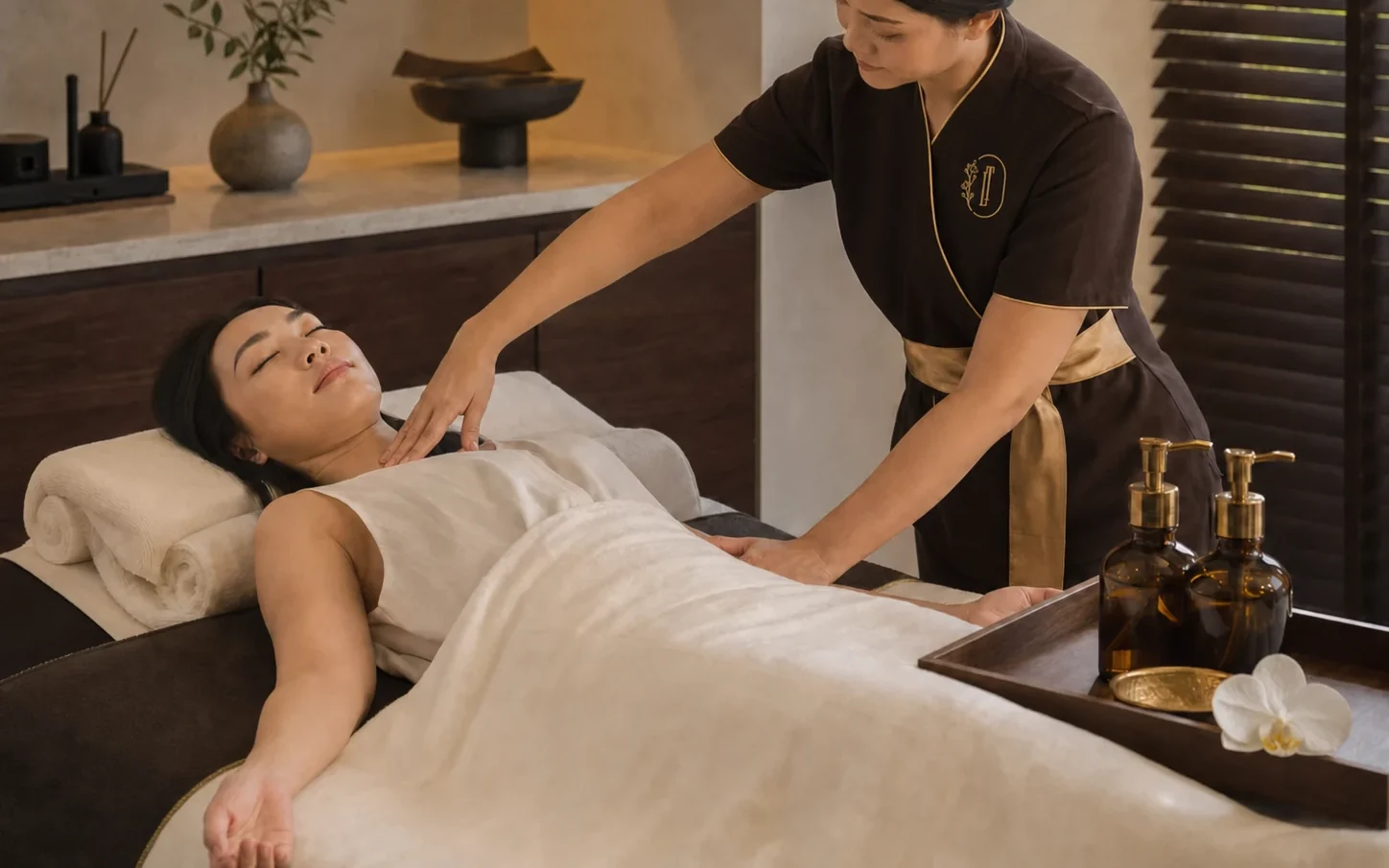
“The most credible wellness ritual creates time, sensory coherence and choice without pretending to cure, detoxify or transform every guest.”
Loft Thai Editorial Team
Continue your research
REFERENCES
Sources & further reading
PRACTICAL GUIDANCE
Frequently Asked Questions
Does Loft Thai currently sell one programme combining all four elements?
The current menu has relevant treatments and fusion services, but it does not publish the exact legacy Thai massage, aromatherapy, herbal compress and guided-mindfulness programme as one standard booking.
Which current service combines Thai massage and aromatherapy?
Siamese Aroma is listed as a 90-minute Thai-and-aroma fusion at 2,000 THB. Thai Combination offers another blended direction.
Is mindfulness always relaxing?
No. Many people find it useful, but some experience discomfort or increased distress. Any breathing or awareness cue should be optional.
Are essential oils safe for everyone?
No. Fragrance or botanical oils can aggravate skin sensitivity, asthma, migraine or other conditions. Disclose concerns and request an alternative when needed.
Can this wellness ritual detoxify the body or boost immunity?
Those outcomes should not be promised. The realistic goals are relaxation, sensory comfort, body awareness and an enjoyable spa experience.
CONTINUE READING
Related stories
Aromatherapy Journeys: Emotional Well-Being and Shared Sensory Memory
Aromatherapy has long been cherished as a bridge between the physical senses and emotional well-being. For couples, particularly those beginning their life journey together, the experience of sharing soothing scents can foster intimacy, reduce stress, and…
Read the guide
The Art of Thai Massage A Tradition Perfected at one of the Best Spa in Bangkok
Thai massage is more than just a form of relaxation; it is an art, a philosophy, and a cultural treasure that reflects the spirit of Thailand. Recognized by UNESCO as an Intangible Cultural Heritage of Humanity in 2019, Thai massage holds a special place in…
Read the guide
Complete Guide to Massage in Bangkok From Street to Luxury
Bangkok has always been a city of contrasts, a place where sacred temples stand alongside futuristic shopping malls, where golden pagodas rise just a few steps away from neon-lit nightlife, and where serenity can be found amid chaos.
Read the guide
Best Thai Massage in Bangkok: Traditional vs Aromatic Oil vs Deep Tissue Which One Is Right For You?
Bangkok is one of the few cities in the world where massage is not just a service—it’s culture. You can book a session almost anywhere, at almost any price, and still find talented hands. That’s the magic of Thailand. But it also creates the biggest problem…
Read the guide