Traditional Thai massages and other treatments to calm the mind, body, and spirit are available at The Loft Thai Spa in Bangkok, a haven of rest and renewal. The use of meditation and relaxation techniques is one of the essential components of the spa experience. These practices are crucial for improving general well-being and assisting visitors to leave the facility feeling reenergized and refreshed.
Experience the Healing Benefits of Thai Massage
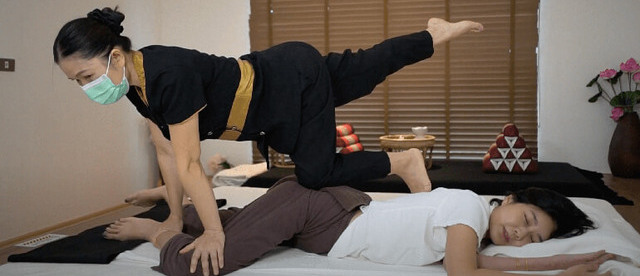
Thai massage is a distinctive type of bodywork that incorporates aspects of shiatsu, yoga, and conventional Chinese medicine. It is a holistic method intended to harmonize the body's energy systems, facilitate healing, and relieve stress. To relieve tension and increase flexibility, the massage therapist employs a combination of pressure, stretching, and rocking motions. The ability of Thai massage to encourage relaxation and stress alleviation is one of its main advantages. In order to evoke a sense of serenity and tranquility and aid clients in letting go of tension and stress, the massage therapist uses smooth, flowing strokes. Those who are experiencing a lot of stress or anxiety may find this to be extremely helpful.
Enhance Your Spa Experience with Meditation and Relaxation Techniques
The Loft Thai Spa offers spa treatments that include meditation and relaxation techniques in addition to the physical advantages of Thai massage. These rituals can assist visitors in calming their minds and concentrating on the here and now, which can be a potent deterrent to stress and worry. The ancient art of meditation has been utilized for thousands of years to encourage calmness and wellbeing. Visitors to the Loft Thai Spa are welcome to take part in individualized guided meditation sessions. To assist visitors in achieving a deep state of relaxation, these sessions could incorporate guided imagery, deep breathing exercises, and other methods. Another crucial aspect of the spa experience is relaxation. There are many relaxation rooms and lounge areas at The Loft Thai Spa where visitors may unwind and let stress and tension go. With cozy seats and calming lighting, these areas are intended to be pleasant and tranquil. While they unwind, visitors can also sip on a cup of tea or a drink of water.
Additional Therapies and Services to Improve Your Spa Experience
To improve the spa experience, The Loft Thai Spa also provides a range of other therapies and services. These include reflexology, aromatherapy, and conventional Thai herbal compress. Each of these services can be tailored to each visitor's unique requirements and is intended to encourage relaxation and overall wellness.
In conclusion, the Loft Thai Spa in Bangkok offers a haven of renewal and relaxation that integrates traditional Thai massage, meditation, and relaxation methods. These procedures are essential for boosting general wellbeing and assisting visitors to leave feeling renewed and revitalized. The Loft Thai Spa offers a variety of treatments and services that can assist you in achieving a state of profound relaxation and peace, regardless of whether you're coping with high levels of stress or are just trying to unwind and relax.
UPDATED LOFT THAI GUIDE
Additional guidance and current information
The following editorial update expands on the original Loft Thai article with practical context, current treatment guidance and further reading.
Meditation, Mindfulness and Relaxation Are Different
Meditation refers to many practices that organise attention around breathing, sensation, sound, imagery, a phrase or another focus.
Mindfulness usually emphasises present-moment awareness without immediate judgement, while relaxation describes a felt state or a group of techniques.
A person can meditate without feeling relaxed, and can relax during massage without formally meditating.
Create a Clear Transition Into the Appointment
Bangkok traffic, navigation, messages and check-in can keep attention on the next task.
Arrive with enough time to use the restroom, complete consultation and place the phone on silent without rushing.
The goal is not to empty the mind; it is to finish the practical decisions before the treatment starts.
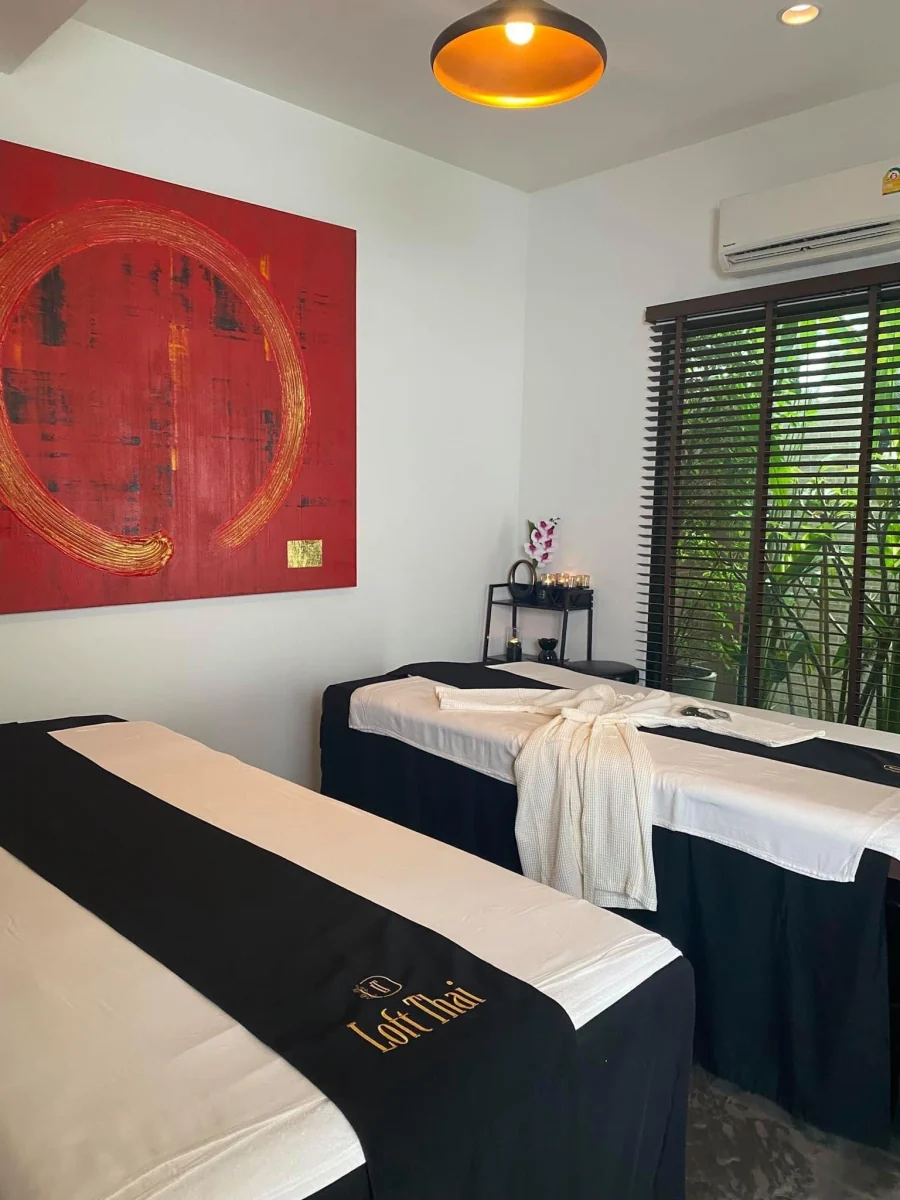
Use Breath Awareness Without Forcing Depth
A simple option is to notice one natural inhalation and exhalation, then return attention to the room.
Deep or prolonged breathing is not required and may feel uncomfortable, dizzying or emotionally activating for some people.
Keep breathing ordinary, change position if needed and stop the exercise when it does not feel supportive.
Use Sensation as Information, Not a Test
Notice contact with the table or mat, room temperature, pressure and any area that feels guarded or exposed.
This awareness should improve communication rather than encourage endurance.
Tell the therapist when pressure, stretch, heat, scent, sound or draping needs to change.
Silence Is One Option, Not a Luxury Rule
Some guests settle in silence; others feel safer with brief explanation or light conversation.
Agree on the communication style while preserving necessary check-ins and stop signals.
A quiet room should never make a guest feel unable to ask a question.
Choose Sound by Preference and Function
Music can mask outside noise and create continuity, but an unfamiliar track, repetition or volume can become distracting.
Ask for lower volume, a different soundscape or silence when available.
Do not treat a playlist as a clinical intervention or promise that a frequency will produce a health outcome.
Light and Temperature Shape Attention
Low light may feel restful, while consultation and movement require enough visibility for safe communication.
Temperature preference changes with clothing, oil, water, heat and time.
Request an adjustment early instead of trying to meditate through discomfort.
Aroma Can Support a Ritual but Also Overload It
Aromatherapy massage adds topical and airborne fragrance to the room.
Ask which oil, carrier and room scent are used, especially with allergy, asthma, migraine, pregnancy, skin sensitivity or fragrance preference.
Choosing unscented care is compatible with a thoughtful relaxation ritual.
Thai Massage Uses Attention Through Movement
Traditional Thai massage commonly combines broad pressure, rocking, assisted movement and supported stretches.
Awareness can follow contact and range of motion while the therapist adjusts leverage and pace.
The guest does not need to visualise energy flow or accept a spiritual explanation for the technique to be meaningful.
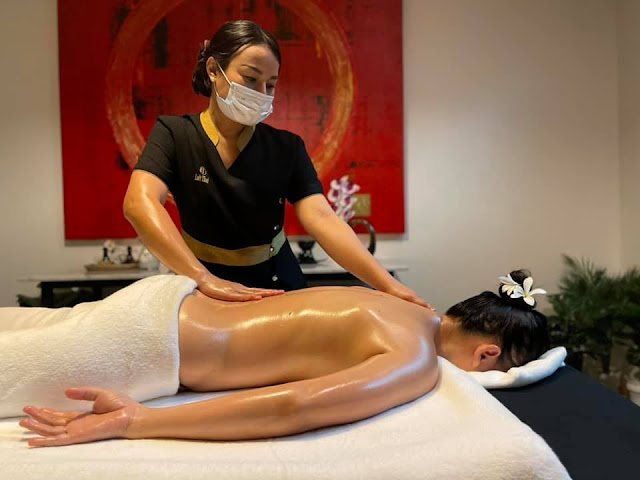
Oil Massage Offers a More Continuous Rhythm
An oil format usually involves skin contact, draping and longer gliding sequences than clothed Thai massage.
A consistent rhythm may make it easier to rest, but pressure and product still need active consent.
Current Aromatherapy Oil Massage is listed at 2,000 THB for 90 minutes and 2,800 THB for 120 minutes.
Heat and Water Need More Than Relaxing Language
Warm stones, herbal compresses and water rituals add temperature, moisture and different exit requirements.
A guest may enjoy warmth without wanting meditation, and may feel trapped if a cue implies they should remain still.
Confirm temperature, duration, supervision and an immediate way to pause.

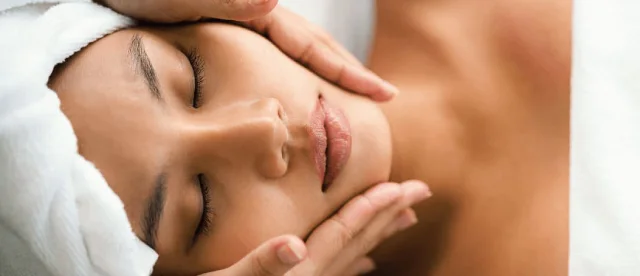
Facial and Head Spa Direct Attention to the Face and Scalp
Close facial touch, water, scalp massage and products can feel restful to one guest and intense to another.
Discuss eye covering, sound, water flow, neck support, exfoliation, scent and conversation before the service.
Present-moment awareness should never override skin, scalp, respiratory or sensory discomfort.
A Three-Minute Spa Attention Practice
First minute: notice the room, support and temperature. Second minute: identify one comfortable sensation and one requested adjustment.
Third minute: let breathing remain natural and choose whether to follow touch, sound or simple rest.
Repeat only when useful; there is no score and no requirement to maintain concentration.
Leave Space Between Treatment and the Next Task
Sit up slowly, take water if desired and check how you feel before returning to messages or Bangkok travel.
Record one practical preference for a future visit, such as pressure, scent, music or neck support.
The treatment does not need a dramatic insight to have been worthwhile.
Meditation Can Be Uncomfortable for Some People
NCCIH notes that relatively few studies have assessed adverse effects and definite safety claims are not possible.
Anxiety, low mood, trauma-related responses, dizziness or distress can make inward attention difficult.
Open the eyes, orient to the room, speak to the therapist and seek appropriately qualified support when symptoms are persistent or severe.
Keep Wellness Evidence in Proportion
Research covers many different meditation, mindfulness and relaxation programmes, populations and outcomes.
A brief spa cue is not equivalent to a structured clinical programme and should not be advertised as treatment for anxiety, depression, insomnia, pain or trauma.
Massage and meditation should not delay medical or mental-health care.
Design the Ritual Around Choice
Meditation can be a small optional layer around a spa visit rather than its hidden promise.
The most useful sequence is consultation, sensory choice, a clear treatment, permission to adjust and an unhurried transition out.
Choose the massage, facial, head spa or signature journey first; then add only the attention practices that genuinely suit you.
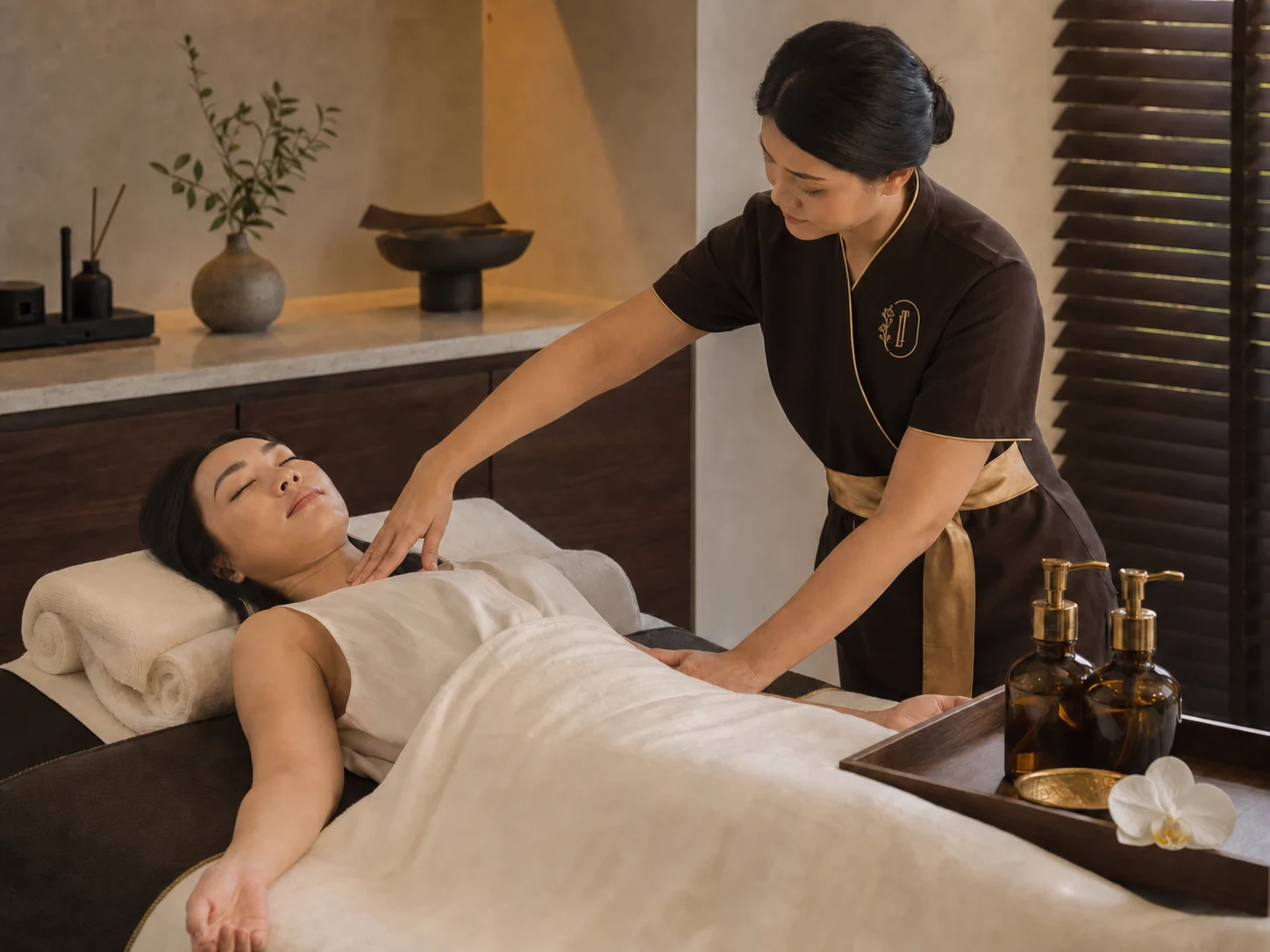
“Relaxation is not a performance. A useful spa ritual gives the guest enough choice to settle, speak, pause or remain fully alert.”
Loft Thai Editorial Team
Continue your research
REFERENCES
Sources & further reading
PRACTICAL GUIDANCE
Frequently Asked Questions
Does Loft Thai currently include guided meditation in every treatment?
No such universal inclusion appears in the reviewed current menu. Confirm any guided element directly for the selected treatment and branch.
Do I need to meditate to relax during a massage?
No. You may rest, talk briefly, follow the massage sensations or remain alert. Meditation is optional.
What is a simple practice before a spa treatment?
Notice room support, temperature and one natural breath, then identify any adjustment you want before the treatment begins.
What if closing my eyes or focusing inward feels uncomfortable?
Keep your eyes open, orient to the room, change the focus, speak to the therapist or stop the practice. Persistent distress needs appropriate professional support.
Can meditation during a spa visit treat anxiety or insomnia?
A brief spa practice is not treatment and should not replace qualified care. Evidence from structured programmes cannot be transferred automatically to a massage-room cue.
CONTINUE READING
Related stories
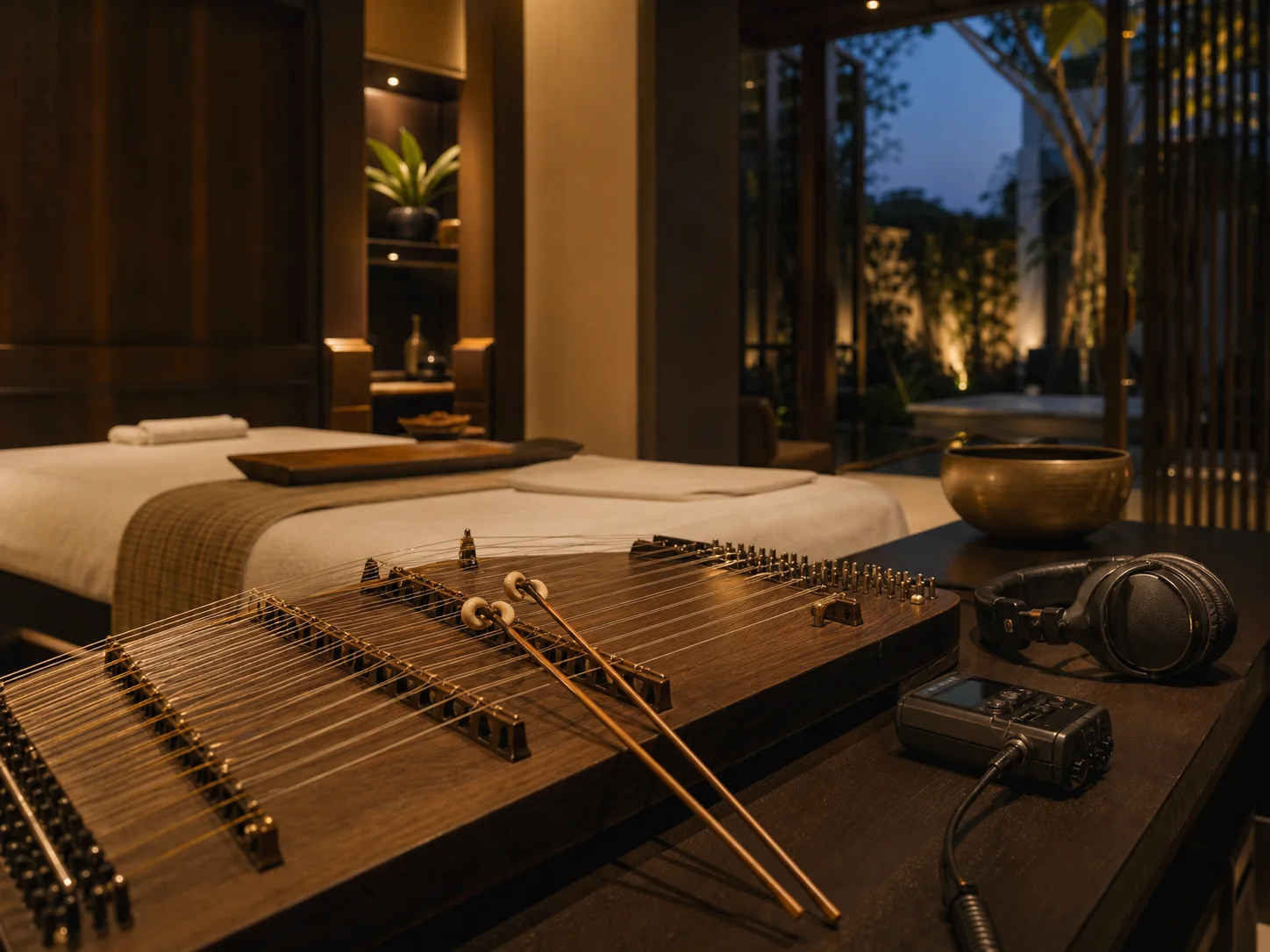
Incorporating Yoga and Meditation into Your Spa Routine: Loft Thai Bangkok Services
In today's hectic world, many people now place a high importance on their overall health and relaxation. As a result, spas and wellness facilities have become much more well-liked in recent years. By including yoga and meditation in the regimen, you can…
Read the guide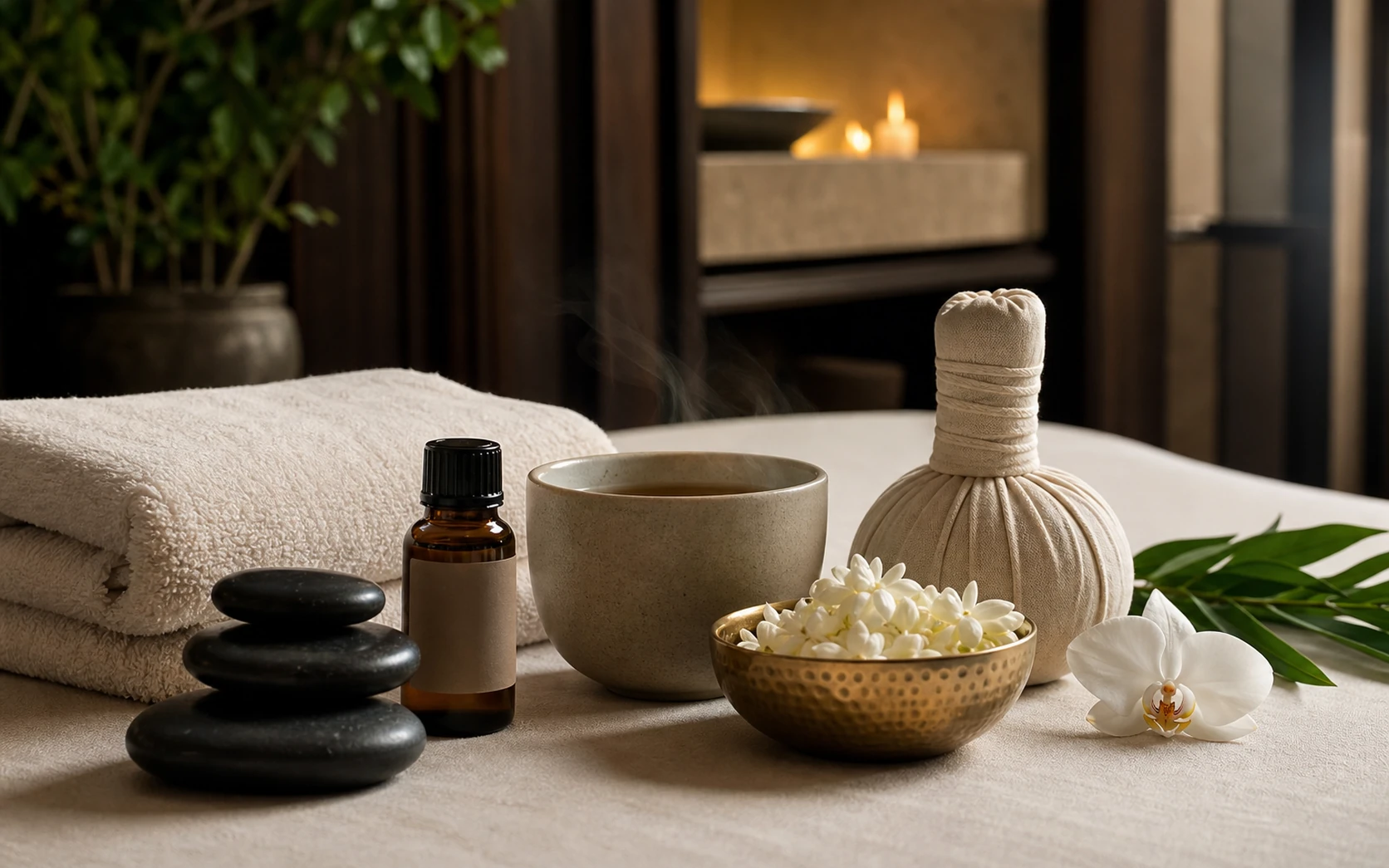
The Importance of Relaxation and Self-Care for Mental Health: Loft Thai Spa Services
Self-care and relaxation are crucial for preserving excellent mental health. Finding the time and space to care for ourselves can be difficult in today's fast-paced environment, but doing so has many advantages. Releasing tension and practicing self-care can…
Read the guide
Unlocking Ultimate Relaxation Digitally
Digital Keys to Ultimate Relaxation Finding moments of peace and tranquility in today's hectic environment is more crucial for sustaining one's mental and physical health. The digital world has created new opportunities for obtaining relaxation practices and…
Read the guide
A Complete Guide to Wellness Programs Combining Thai Massage, Aromatherapy, and Mindfulness
In today’s fast-paced world, holistic wellness programs have gained immense popularity as people seek a more comprehensive approach to health and relaxation. These programs offer an integrated experience that combines the best of traditional therapies to…
Read the guide