
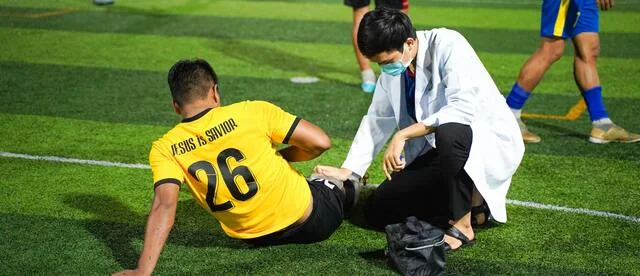
Sports injuries are a common occurrence for athletes and fitness enthusiasts alike. Whether you're a professional athlete or simply enjoy working out, muscle injury can happen to anyone.
One way to help speed up the recovery process and prevent further injury is through sport massage therapy.
Muscle injury can occur due to a variety of reasons, such as overuse, poor technique, or accidents. When a muscle is injured, it can become inflamed, swollen, and painful. This can limit your range of motion, cause discomfort, and even prevent you from continuing with your physical activities.
Sport massage therapy is a type of massage that is specifically designed for athletes and those who engage in physical activities. It involves a combination of techniques that help improve circulation, reduce inflammation, and promote healing. Here are some ways that sport massage therapy can help with muscle injury:
Improve Circulation
One of the main benefits of sport massage therapy is that it can help improve circulation. By using various techniques, such as kneading and stroking, massage therapists can help increase blood flow to the injured area. This can help deliver vital nutrients and oxygen to the muscles, which can promote healing and reduce inflammation.
Reduce Inflammation
Inflammation is a natural response to injury, but it can also be a hindrance to healing. When inflammation is present, it can cause pain, stiffness, and swelling. Sport massage therapy can help reduce inflammation by increasing circulation and promoting lymphatic drainage. This can help remove waste products and excess fluid from the injured area, which can help reduce inflammation and promote healing.
Increase Range of Motion
When a muscle is injured, it can become stiff and limit your range of motion. This can make it difficult to perform certain movements and can even lead to further injury. Sport massage therapy can help increase range of motion by promoting relaxation and reducing muscle tension. By using various techniques, massage therapists can help release tight muscles and improve flexibility.
Prevent Further Injury
One of the biggest benefits of sport massage therapy is that it can help prevent further injury. By promoting healing and reducing inflammation, massage therapy can help reduce the risk of re-injury. Additionally, massage therapists can help identify areas of the body that may be at risk for injury and provide advice on how to prevent future injuries.
In conclusion, sport massage therapy can be an effective way to help speed up the recovery process and prevent further injury. Whether you're a professional athlete or simply enjoy working out, muscle injury can happen to anyone. By using various techniques, massage therapists can help improve circulation, reduce inflammation, increase range of motion, and prevent further injury. If you're dealing with a muscle injury, consider incorporating sport massage therapy into your recovery plan.
UPDATED LOFT THAI GUIDE
Additional guidance and current information
The following editorial update expands on the original Loft Thai article with practical context, current treatment guidance and further reading.
Begin with Four Different Scenarios
Delayed-onset muscle soreness follows unfamiliar or demanding exercise and often feels diffuse across the worked muscles.
A strain affects muscle or tendon, a sprain affects ligament, and a fracture or joint injury may initially be mistaken for either.
Massage decisions should follow the scenario and symptoms, not the athlete’s determination to recover faster.
Emergency Signs Come Before a Spa
A crack at injury, visible deformity, a cold or discoloured limb, loss of feeling, marked pins and needles or inability to use the body part requires urgent assessment.
Chest symptoms, sudden breathlessness or suspected blood clot also belong outside spa scope.
Do not ask a massage therapist to test a potentially fractured or unstable structure through pressure.
Worsening Pain, Swelling or Function Needs Assessment
NHS guidance recommends urgent advice when pain, swelling or bruising is severe or worsening, weight-bearing is limited, movement is very difficult or symptoms are not improving.
Fever or feeling unwell can indicate a problem beyond ordinary training soreness.
A clinical assessment can determine whether imaging, rehabilitation or another treatment is appropriate.
Early Sprain or Strain Is Usually Not Massage Time
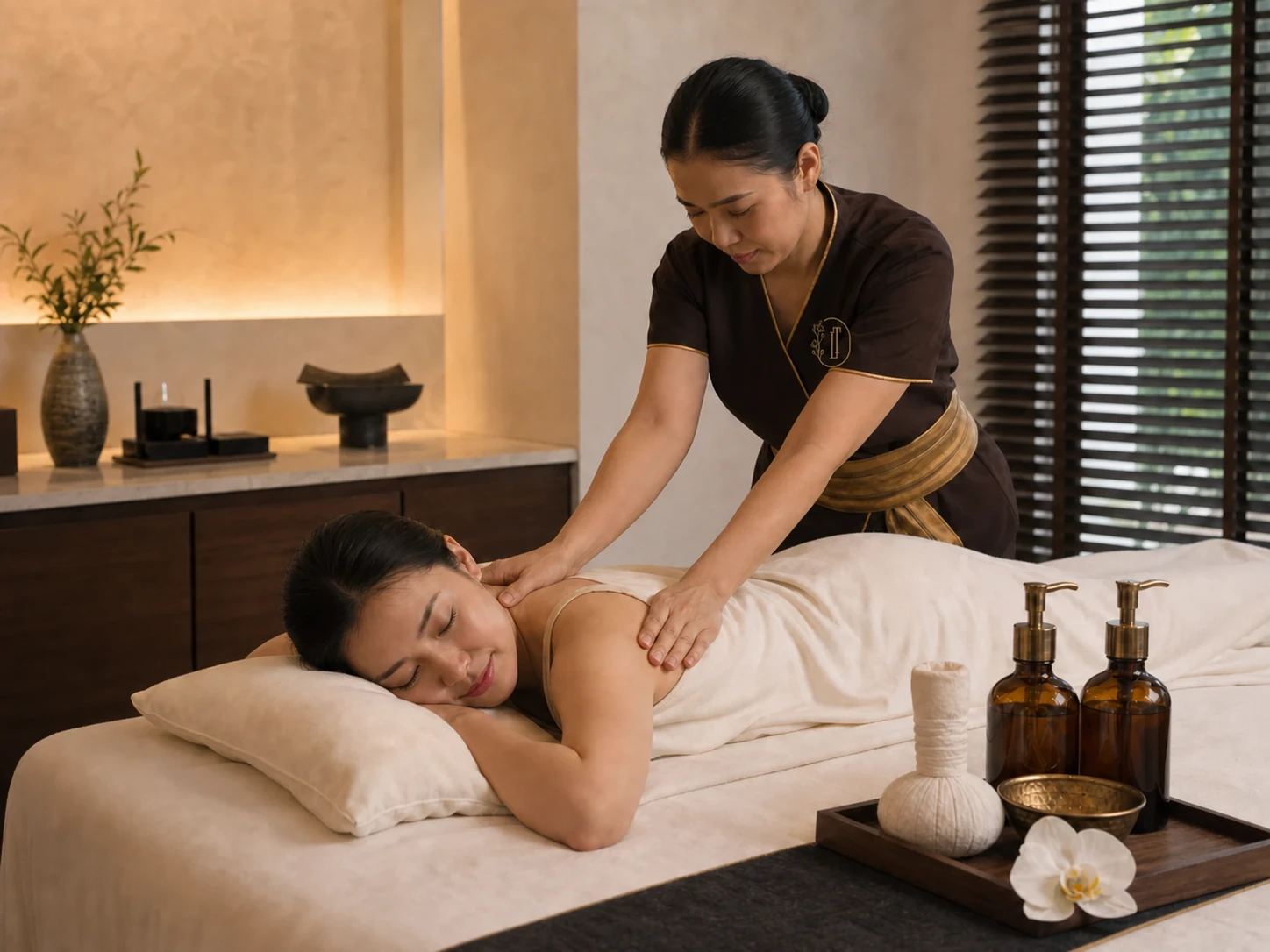
NHS guidance for the first two to three days after a sprain or strain includes protection, rest, ice, compression and elevation.
It specifically advises avoiding massage in that early period because it may increase swelling.
Individual medical guidance can differ, so follow the plan given by the clinician who assessed the injury.
The Therapist Does Not Diagnose the Injury
A spa therapist can ask about the event, symptoms and medical advice, but cannot confirm whether tissue is torn or a joint is stable.
Words such as knot, tightness or inflammation should not substitute for diagnosis.
When uncertainty changes the safety of pressure or movement, postpone and obtain appropriate assessment.
DOMS Is Not the Same as Acute Injury
Delayed-onset muscle soreness commonly appears after unfamiliar or intense exercise and may peak after the session rather than during one traumatic moment.
It usually feels like stiffness or tenderness across muscles used in training, without deformity or major functional loss.
A guest who is unsure should not self-diagnose DOMS simply to keep a massage appointment.
What the Largest Sports-Massage Review Found
A 2020 systematic review and meta-analysis included 29 studies and 1,012 participants.
It found no evidence that massage directly improved strength, jump, sprint, endurance or fatigue.
Small statistically significant effects were reported for flexibility and delayed-onset muscle soreness, which is far narrower than guaranteed faster recovery.
Massage Is Not a Performance Shortcut
A pleasant or looser feeling after treatment does not prove that sprint speed, endurance or force production has improved.
Hard pre-event massage can even feel sedating or change how an athlete perceives readiness.
Warm-up, conditioning, sleep, nutrition, training design and rehabilitation retain distinct roles.
Do Not Promise Faster Tissue Healing
Healing time depends on tissue, injury severity, blood supply, loading plan, health status and rehabilitation.
The archived claim that massage delivers nutrients, removes waste and therefore accelerates healing compresses a complex process into a marketing story.
A spa session should not alter a clinician’s protection or return-to-load plan without coordination.
Massage Does Not Prevent Every Future Injury
Previous injury, rapid load increase, fatigue, technique, equipment and sport-specific exposure all affect injury risk.
A therapist may notice tenderness or movement preference, but cannot guarantee that massage prevents re-injury.
Return-to-sport decisions should consider restored function, strength, tolerance and professional guidance.
Bring the Clinical Plan into the Consultation
Share the diagnosis if known, injury date, imaging, surgery, rehabilitation stage, medication and restrictions.
Describe training performed in the previous 72 hours and the next planned event.
If a clinician has marked an area as no-touch or limited load, that instruction takes priority.
The current Sport Massage
The reviewed current menu lists Sport Massage at 90 minutes for 2,800 THB and 120 minutes for 3,600 THB.
The service description says pressure and focus areas are adapted to activity and condition.
Treat claims about faster recovery, flexibility or injury-risk reduction as goals to discuss, not guaranteed outcomes.
Best Fit: Healthy Training or Cleared Recovery Context
A spa sports massage is easier to scope when the guest is generally healthy, the target area is not acutely injured and the goal is ordinary training or travel-related muscle comfort.
It may also fit a clinician-cleared recovery plan when restrictions are explicit.
A fresh, undiagnosed injury is not a routine massage scenario.
Pressure Should Follow Tissue Tolerance
Sports massage does not have to mean maximum pressure.
The therapist can begin broadly, work around rather than directly on a sensitive area and reassess after each technique.
Sharp, radiating, electric or escalating pain is a stop signal, not proof that scar tissue is breaking.
Timing Changes the Session
Before an event, the athlete may want a shorter, non-fatiguing preparation rather than long deep work.
After ordinary training, the goal may be comfort and awareness of how the body feels.
During rehabilitation, the scope should align with clinician guidance and avoid interfering with the planned exercise load.
Choose 90 Minutes for a Defined Focus
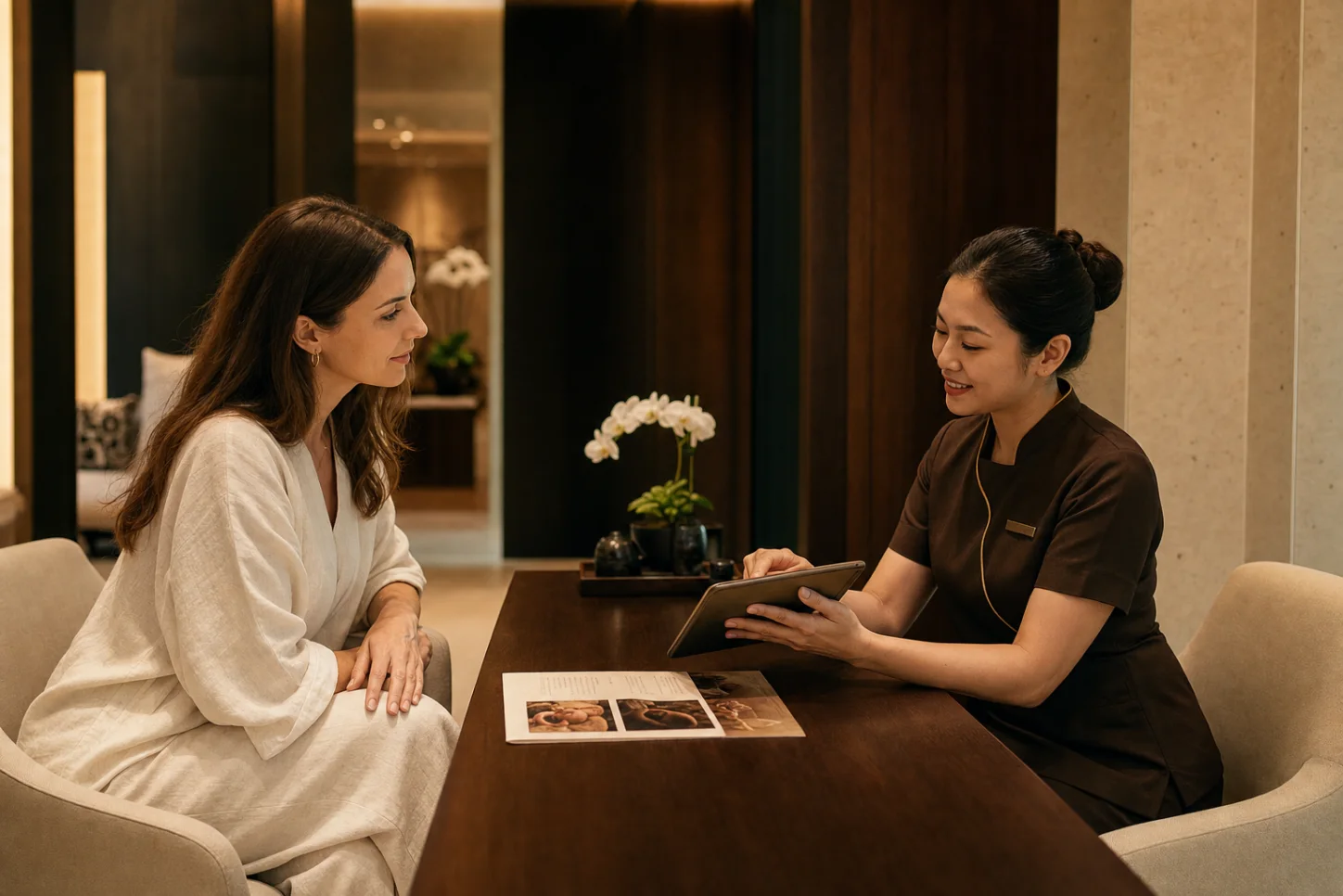
The 90-minute format can cover consultation, a limited number of priority regions and a controlled finish.
It is not necessary to treat every muscle used by the sport.
A narrow, well-tolerated plan is often more informative than chasing multiple old injuries in one visit.
Choose 120 Minutes for More Areas or Slower Pace
The longer format can accommodate a broader full-body training pattern or slower transitions.
Longer does not mean deeper, faster healing or superior performance.
Confirm that the added time suits the athlete’s hydration, fatigue, travel and next training session.
After the Session, Test Ordinary Function First
Stand and walk normally, notice unexpected soreness and avoid using a temporarily looser feeling as permission for maximal exercise.
Return to training according to the established plan rather than an arbitrary massage interval.
New swelling, weakness, instability or worsening pain needs reassessment.
Fifteen Questions Before Booking
Ask about therapist training, exact technique, pressure, focus areas, oil, stretching, duration and price.
Confirm which symptoms or diagnoses lead the spa to decline or modify treatment and how clinical restrictions are recorded.
Finally, disclose the injury date, diagnosis, medication, current load and next competition or flight.
The Fastest Safe Choice May Be to Wait
Sports massage can be a useful comfort ritual in healthy training or appropriately cleared recovery.
It cannot diagnose an injury, guarantee performance, prevent re-injury or compress tissue healing into one session.
When acute symptoms are present, timely assessment is a stronger recovery decision than forceful massage.
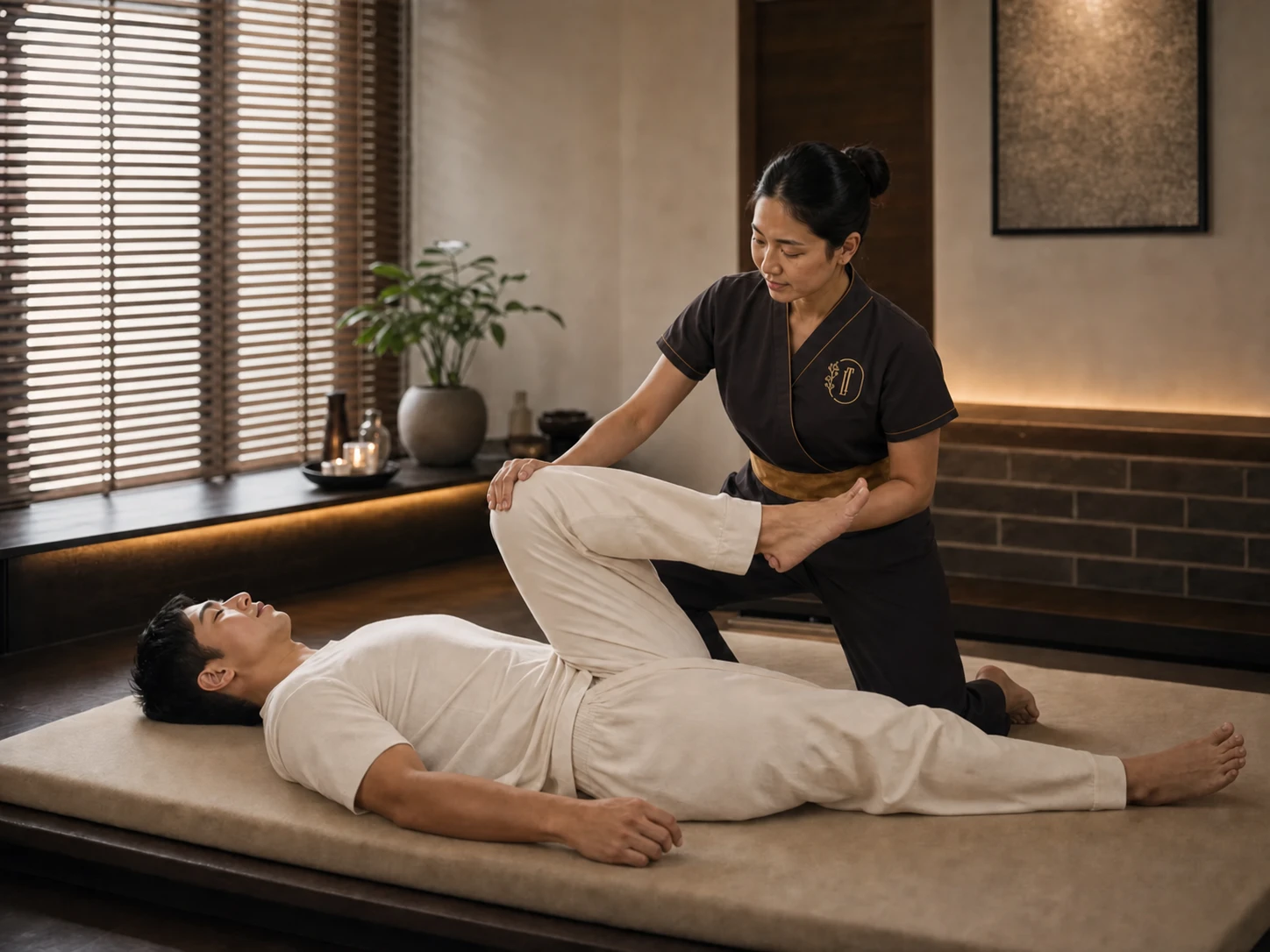
“Massage cannot diagnose a tear, rule out a fracture or replace a return-to-sport assessment.”
Loft Thai Editorial Team
Continue your research
REFERENCES
Sources & further reading
PRACTICAL GUIDANCE
Frequently Asked Questions
Should I get sports massage immediately after a sprain or strain?
NHS guidance advises avoiding massage during the first two to three days of a sprain or strain. Seek assessment when symptoms are severe, worsening or uncertain.
Can sports massage make an injury heal faster?
Current evidence does not support a general guarantee of faster tissue healing. Recovery depends on the injury, loading plan, health context and rehabilitation.
Does sports massage improve athletic performance?
A 2020 meta-analysis found no direct improvement in strength, jump, sprint, endurance or fatigue, though small effects were reported for flexibility and delayed-onset soreness.
What does Loft Thai’s current Sport Massage cost?
The reviewed current menu lists 90 minutes at 2,800 THB and 120 minutes at 3,600 THB. Confirm current price and availability.
What should I tell the therapist about an injury?
Share the injury date, diagnosis, imaging, surgery, medication, rehabilitation stage, restrictions, current symptoms and next planned training or competition.
CONTINUE READING
Related stories
Sports Recovery Massage in Bangkok: Best Treatments After Training or Travel (2026)
Bangkok is an amazing city for training—gyms, boxing, running routes, Pilates studios, and that “walk-all-day” lifestyle that quietly racks up 15,000–25,000 steps without you noticing. It’s also a city where travel fatigue hits hard: long flights, heat,…
Read the guide
Understanding the Difference Between Soft Tissue Massage and Deep Tissue Massage
Massage therapy has become an integral part of modern wellness routines, offering a wide range of physical and mental benefits. Whether it's to relieve stress, improve posture, or recover from muscular fatigue, different massage techniques cater to different…
Read the guide
How to Choose the Right Massage Package for Your Needs at Loft Thai Spa in Bangkok
There are several places in Bangkok where you may get a massage. But selecting the ideal massage package can be challenging, particularly if you're not familiar with the various massages and treatments on offer. We have a range of massage packages available at…
Read the guide
Combining Massage Therapy and a Loft Thai Spa Experience in Bangkok
If you suffer from Office Syndrome, you know how debilitating it can be to deal with the aches and pains associated with sitting at a desk all day.
Read the guide