
Soreness in muscles is a normal feeling that we experience after exertion. In fact, soreness helps our muscles recover on a cellular level by helping them repair any microscopic damage caused by intense force or trauma. So, it is just a normal response to injury and overuse.
But that does not mean that it is a pleasant feeling. Not having your usual mobility can ruin the whole workout experience for many. Countless people are so bothered by the post-workout pain that they refuse to do it.
So, is there a way to fix it?
Well, CBD Oil Massage might just be the answer to your prayers!
This type of soreness usually goes away after a few days and most people have no problems with it. But if you start to experience recurring muscle soreness after a workout or other physically demanding activities, it might be time for you to get professional medical care.
Sometimes, soreness is related to microscopic tears in the muscle fibers that occur as a result of the exercise. These microscopic tears are what trigger the muscle spasm and subsequent pain that many athletes experience.
Since fibers are delicate structures, they are more prone to injury.
Furthermore, the inflammatory response that occurs in response to muscle soreness causes a local increase in the production of several proteins called cytokines.
Proteins made by neutrophils and macrophages (both activated muscle cells) are released into the bloodstream, where they initiate an inflammatory response by the various immune cells in your body.
This activation, in turn, causes pain and tenderness along the affected muscle fibers.
Using CBD Oil for muscle aches after a workout
CBD is an exclusive cannabinoid-rich formula made from special strains of cannabis. CBD has been shown to increase muscle recovery from injury and reduce inflammation in patients suffering from multiple sclerosis (MS), fibromyalgia, cancer, arthritis, and other muscle-related conditions.
Therefore, it is increasingly being used to help offer relief to patients with injuries or diseases that cause muscle fatigue and spasms.
What does the research say about CBD for muscle recovery?
Animal studies have shown that CBD can help with muscle spasms in patients with multiple sclerosis, and clinical trials are currently ongoing for other health conditions including multiple sclerosis and multiple sclerosis-related pain.
The compound is often used as part of an overall treatment regime for multiple sclerosis, but there is also some evidence that suggests that CBD can help with muscle spasms in patients without multiple sclerosis.
Cannabinoids have been shown to help with muscle pain. It has been observed that CBD can temporarily reduce inflammation and help with recovery time after an injury. Research also shows that it can boost testosterone by acting on the growth hormone-releasing mechanism.
The science behind CBD and muscle recovery
Scientists have identified a molecule that helps facilitate the healing of muscle injuries. This molecule triggers the release of histamine, which helps break down scar tissues and improves blood circulation.
CBD - the main compound in marijuana, which binds with the cannabinoid receptors in the brain, has been shown to target those cannabinoid receptors that are present in the process of increasing blood flow and improving histamine levels within the muscle. Thus, CBD is believed to accelerate the process of muscle recovery.
In other words, CBD prepares muscle cells to flare up enough to jump-start repair when necessary.
How to use CBD for muscle aches after a workout
Workout routines with stops and starts can cause inflammation and pain. Sore muscles mean a sore body and that does not make anybody feel good.
While painkillers are a great way to manage aches and pains, they are known to be highly addictive. That’s why CBD can be used as an excellent natural remedy and alternative to addictive painkillers.
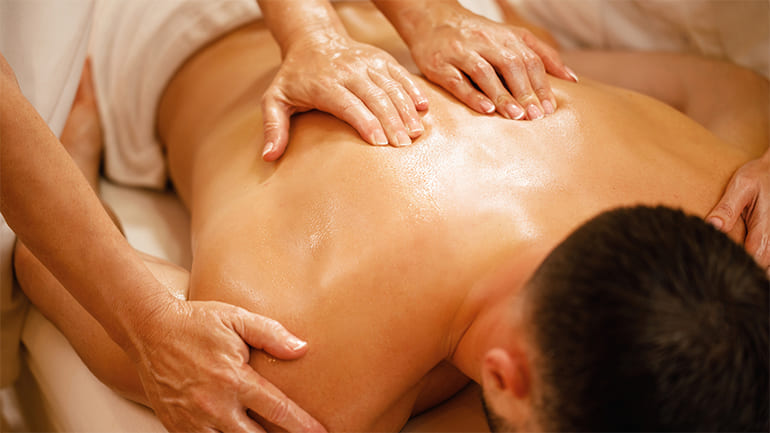
A simple way to alleviate post-workout muscle pain is by massaging the irritated area.
Using CBD topicals such as oils, tinctures, or creams in your massage therapy is an effective way to speed up the recovery.
CBD’s anti-inflammatory properties allow you to relax your muscles and calm your mind while, at the same time, giving you powerful pain relief.
Initial findings show that using cannabis-infused oils for a massage after exercise can reduce muscle soreness and inflammation as compared to the usual treatment. So, it might be worth giving it a try.
Alternatively, you can also consume CBD edibles to alleviate post-workout soreness. Since consuming CBD products ensures that it gets mixed in the bloodstream faster, it is possible to get quicker results with CBD edibles like gummies, oils, tinctures, and capsules.
CBD Oil is changing the way people see Cannabis, one product at a time.
For those who lead an active lifestyle, Loft Thai Spa offers high-quality organic, non-GMO, full-spectrum CBD products that are locally sourced and certified in Thailand.
Our wide range of products includes topicals, capsules, tinctures, and edibles that come with less than 0.2% THC. We also offer gluten-free vegan CBD options to support those contributing to the planet by leading a plant-based diet. They are so healthy that you don’t have to feel guilty for using them after a great workout session.
UPDATED LOFT THAI GUIDE
Additional guidance and current information
The following editorial update expands on the original Loft Thai article with practical context, current treatment guidance and further reading.
current Status: No CBD Massage Listed
The reviewed Loft Thai menu does not list a CBD-, hemp- or cannabis-named massage or recovery service.
The old CBD catalogue, edible and product claims should therefore be read as archive material rather than current availability.
Ask for live confirmation and a complete product label before assuming any cannabinoid ingredient is offered.
What Delayed-Onset Muscle Soreness Feels Like
ACSM describes DOMS as soreness that can begin 12 to 24 hours after unfamiliar loading and peak around 24 to 72 hours.
It is often associated with eccentric work, where a muscle lengthens while producing force.
Lactic acid accumulation is not the established explanation for soreness that appears the next day.
Soreness and Injury Are Not the Same
General tenderness and stiffness after a new session differ from sudden sharp pain, a pop, major swelling, bruising, instability or loss of function.
Severe pain, marked weakness, dark urine, fever, numbness or symptoms that worsen rather than settle require appropriate medical assessment.
Massage should not be used to test or work through a suspected acute injury.
What the Archived CBD Article Overstated
The old page presented CBD as an effective natural alternative to medication and claimed faster repair, reduced inflammation and powerful pain relief.
It also linked CBD to testosterone, histamine, blood flow, anxiety and serious conditions without adequate clinical support.
A spa article should not advise replacing prescribed or over-the-counter medicine with an unapproved product.
Topical, Oral and Prescription CBD Are Different
A massage oil or cream contacts skin; a tincture, capsule, gummy or prescription drug follows a different exposure route.
Evidence or safety information from one route cannot automatically establish the dose, absorption or effect of another.
The archived claim that oral products enter the bloodstream faster does not make them appropriate self-treatment for workout soreness.
The 2024 Topical CBD Pilot Was Negative
A randomised, double-blind, placebo-controlled pilot examined CBD cream after exercise.
The study did not find significant effects on muscle soreness or performance recovery.
A pilot is small and not the final word, but its result directly contradicts a guaranteed topical-recovery claim.
The 2024 Systematic Review Found Limited Data
A systematic review searched evidence on CBD, exercise capacity and post-load recovery in healthy active people.
Only seven studies met its inclusion criteria, and the authors described limited evidence for strength measures and post-load recovery.
They called for more research on safety across CBD administration protocols.
A Mechanism Is Not a Clinical Outcome
Laboratory or animal findings about cannabinoid receptors, inflammatory pathways or muscle cells can generate research questions.
They do not prove that a retail topical speeds human muscle repair, raises testosterone or treats disease.
Marketing should follow controlled human evidence rather than converting biological plausibility into certainty.
Product Identity and Batch Quality Matter
CBD, THC, hemp seed oil, cannabis extract and fragrance are not interchangeable label terms.
A credible topical needs the amount per container or dose, ingredient list, intended use, batch identity and contaminant information.
Organic, full spectrum, local, non-GMO or certified claims need their own verifiable records.
CBD Has Safety and Interaction Questions
FDA notes unanswered questions about CBD absorption, cumulative exposure, dose and product quality.
Its consumer guidance also identifies potential drug interactions and other risks, particularly for ingested CBD.
Pregnancy, breastfeeding, medication use, liver concerns, allergy or competition rules deserve qualified advice rather than a spa promise.
Massage Evidence Must Also Stay Proportionate
NCCIH notes possible short-term benefits for some pain conditions while describing variable and sometimes low-quality evidence.
That evidence does not establish that massage repairs muscle fibres faster or makes hard training immediately safe.
Massage can be chosen as a wellness experience without assigning it a medical recovery result.
Give the Therapist a Training Context
Share the activity, training day, affected areas, onset, pain quality, swelling, bruising, previous injury and next event.
Mention medication, skin reactions, allergies and whether a coach or clinician has advised restrictions.
The therapist should adapt or postpone rather than diagnose an injury.
Current Alternative: Sport Massage
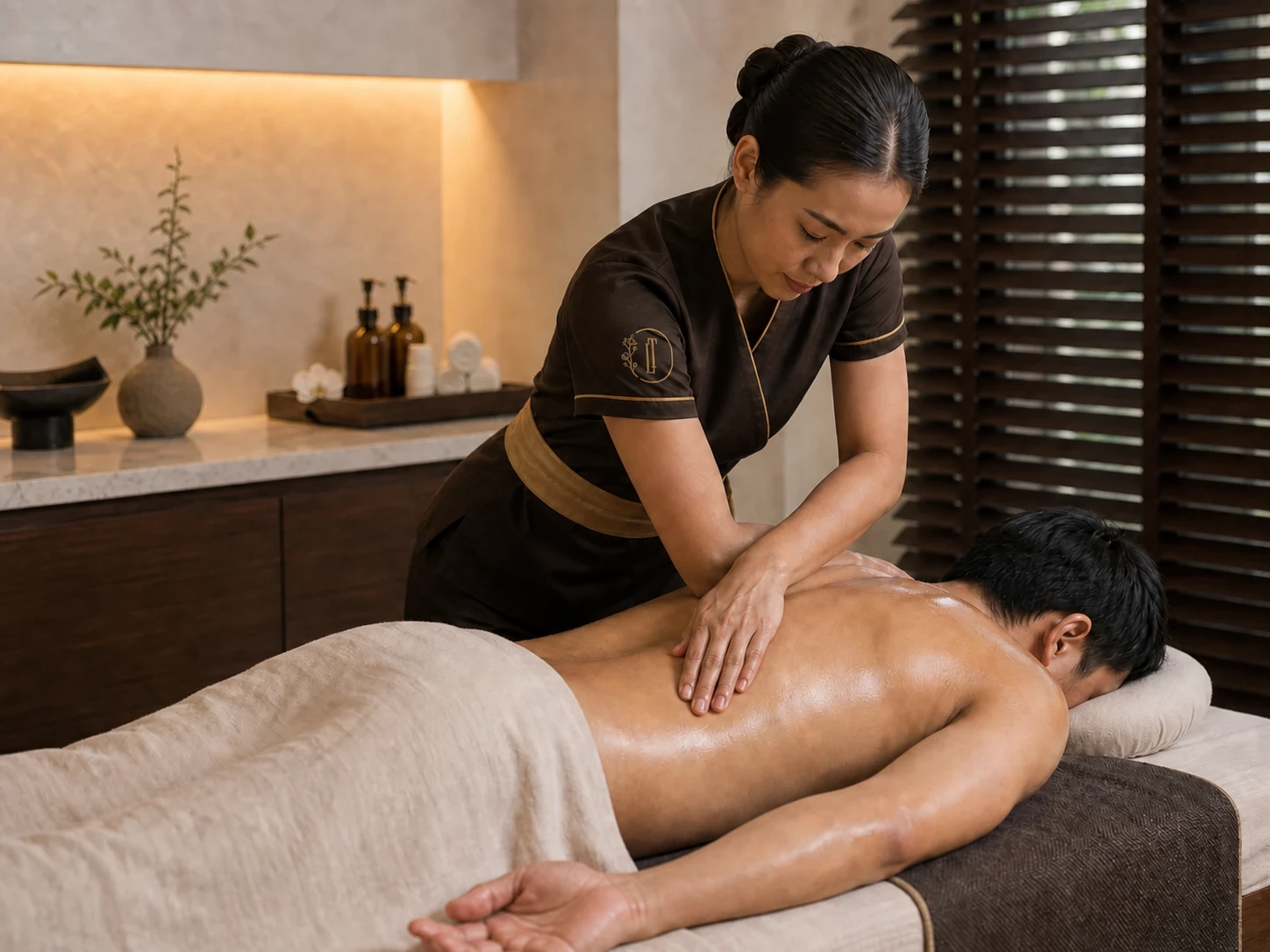
The current menu lists Sport Massage at 2,800 THB for 90 minutes and 3,600 THB for 120 minutes.
Its value is a training-aware plan with targeted technique, not the addition of a CBD product.
An acute or unexplained problem may need clinical assessment before massage.
Current Alternative: Deep Tissue Oil Massage
Deep Tissue Oil Massage is listed at 2,400 THB for 90 minutes and 3,200 THB for 120 minutes.
It uses slower, more focused oil-based pressure where appropriate.
It should be chosen for technique and pressure preference, not as proof of faster post-workout repair.
More Pressure Is Not More Recovery
Sore tissue may be sensitive to compression, stretch and sustained pressure.
Agree on intensity and report sharp pain, numbness, tingling, joint strain, nausea or dizziness immediately.
A therapist should never treat pain tolerance as a measure of athletic commitment.
Build a Wider Recovery Plan
Training load, sleep, nutrition, hydration and progressive return to activity remain separate parts of recovery planning.
A massage appointment should fit around the next training session or journey rather than justify ignoring persistent symptoms.
Ask a qualified sports or healthcare professional when recovery is repeatedly delayed.
After the Session
Notice whether movement, tenderness or swelling changes over the following hours and day.
Avoid a maximal training session simply because massage temporarily changes how the area feels.
Seek care if symptoms are severe, progressive, neurological or inconsistent with ordinary post-exercise soreness.
Choose Evidence and a current Service
The archive documented an earlier CBD trend but made recovery, pain, disease and product claims that should not be repeated.
Current research does not justify a guarantee that topical CBD reduces post-workout soreness or improves performance recovery.
Choose a current Sport or Deep Tissue service only when massage is suitable, and keep injury assessment separate.
“A plausible mechanism, popular ingredient and soothing massage do not prove that topical CBD accelerates muscle recovery.”
Loft Thai Editorial Team
Continue your research
REFERENCES
Sources & further reading
- American College of Sports Medicine: Delayed-Onset Muscle Soreness
- PubMed: Topical CBD and Muscle Soreness Pilot Study
- PubMed: CBD Performance and Post-Load Recovery Systematic Review
- US FDA: What Consumers Need to Know About CBD Products
- NCCIH: Massage Therapy — What You Need to Know
- Loft Thai: Current Spa Menu
PRACTICAL GUIDANCE
Frequently Asked Questions
Does Loft Thai currently list CBD oil massage?
No CBD-, hemp- or cannabis-named massage appears on the reviewed current menu.
Does topical CBD reduce post-workout soreness?
A 2024 randomised pilot found no significant effect on muscle soreness or performance recovery, and broader evidence remains limited.
When does DOMS usually begin?
ACSM describes delayed soreness as beginning about 12 to 24 hours after unfamiliar loading and often peaking around 24 to 72 hours.
Which current massage is designed around activity context?
Sport Massage is listed at 2,800 THB for 90 minutes and 3,600 THB for 120 minutes.
Should massage be used on a suspected acute injury?
No. Sudden sharp pain, major swelling, bruising, instability or loss of function need appropriate assessment rather than harder pressure.
CONTINUE READING
Related stories
Benefits of CBD Oil Massages
Cannabis has been around for many years now and businesses have started to incorporate its use of it into their products and services.
Read the guide
Sports Recovery Massage in Bangkok: Best Treatments After Training or Travel (2026)
Bangkok is an amazing city for training—gyms, boxing, running routes, Pilates studios, and that “walk-all-day” lifestyle that quietly racks up 15,000–25,000 steps without you noticing. It’s also a city where travel fatigue hits hard: long flights, heat,…
Read the guide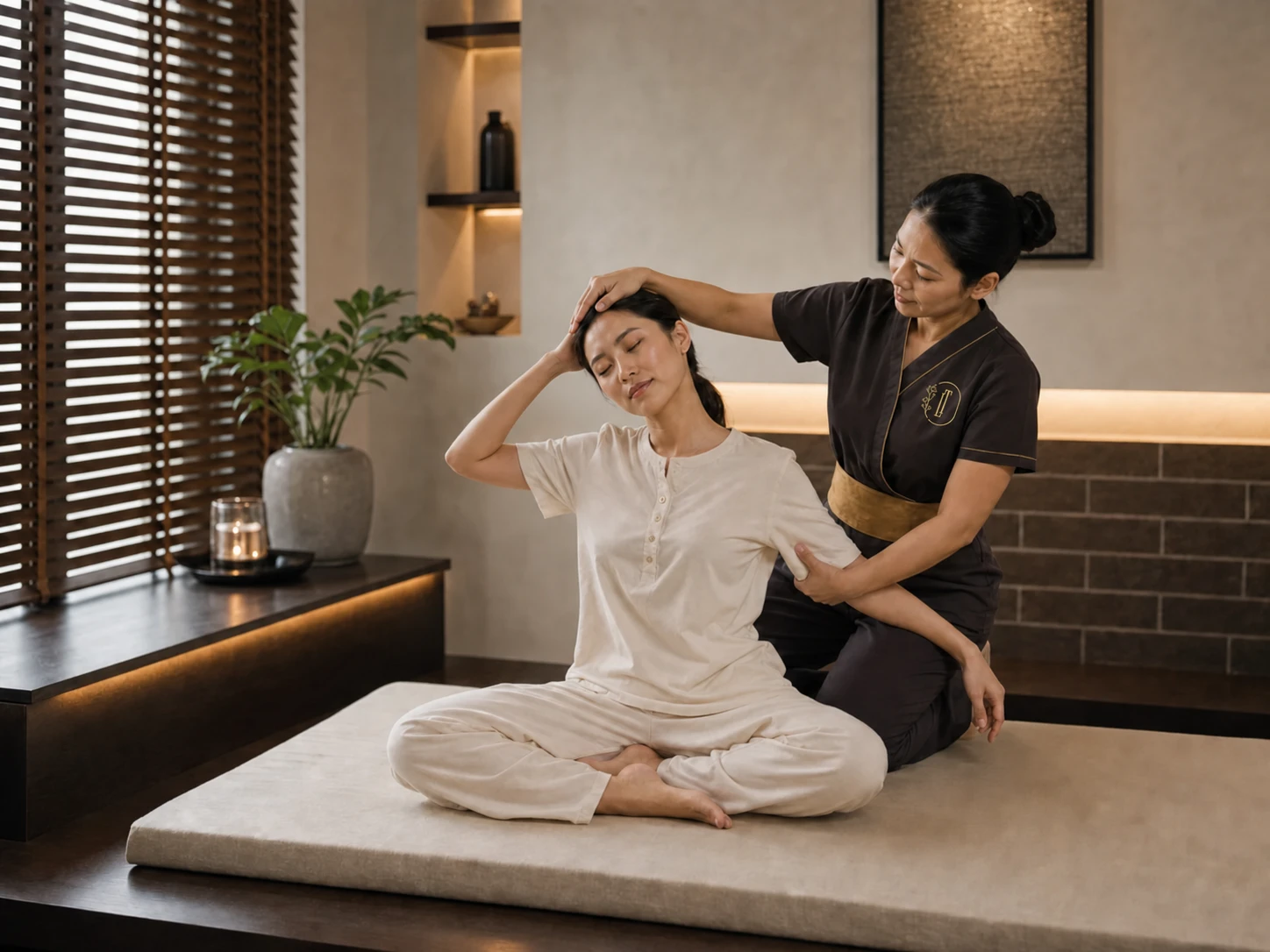
Choosing the Right Massage Technique and Treatment for your Body
Receiving a massage after a long day at work is always something that people are looking for to find that relaxation and peace within their bodies. Having a wonderful session with the help of the hands and parts of the body from the therapists allows the…
Read the guide
The Differences in Technique and Pressure Between Aromatherapy Oil Massage and Deep Tissue Oil Massage
People have used massage therapy to relax, relieve stress, and ease physical pain for thousands of years. Many approaches and styles have developed over time to accommodate varied demands and preferences.
Read the guide