
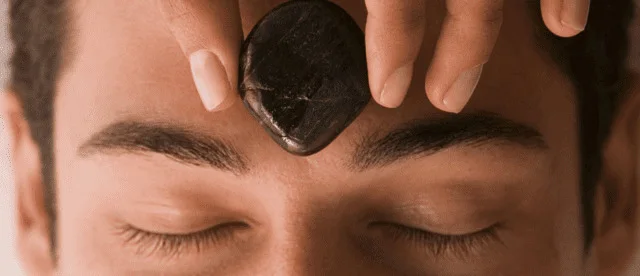
The goal of ASMR massage is to provide a calming and relaxing experience that can help reduce stress and anxiety levels, as well as promote better sleep quality. ASMR massage is a relatively new trend in wellness, but it has gained popularity due to its effectiveness in inducing relaxation and its potential therapeutic benefits.
What is ASMR massage?
ASMR massage is a type of massage that utilizes specific triggers to induce a feeling of relaxation and well-being. ASMR stands for "Autonomous Sensory Meridian Response," which is a term used to describe the pleasurable tingling sensation that some people experience in response to certain stimuli, such as soft sounds or visual cues. ASMR massage combines traditional massage techniques with ASMR triggers, such as whispering, tapping, and scratching, to create a unique and soothing experience.
Despite ASMR's recent emergence into the mainstream, there exists a large community of individuals who appreciate ASMR videos and similar content. While the precise mechanisms behind ASMR are not entirely clear, research indicates that it can offer significant advantages to those who experience it. ASMR has been shown to lower stress and anxiety levels and improve the quality of sleep. For some, ASMR is a pleasant way to decompress and unwind. However, mounting research suggests that ASMR may also have therapeutic benefits.
The Benefits of ASMR Massage
ASMR massage is a type of massage that aims to induce the autonomous sensory meridian response (ASMR), a relaxing and pleasurable sensation that some people experience in response to certain stimuli. However, there is no universal formula for ASMR massage, as each person may respond differently to the stimuli. While some may find soft sounds or a light touch to be calming and soothing, others may prefer visual cues, such as watching the therapist perform gentle movements.
One of the main goals of ASMR massage is to create a relaxing environment that can help reduce stress and anxiety. This is achieved by stimulating the senses of sight, hearing, and touch. Soft lighting and soothing music can help create a peaceful atmosphere, while the therapist's gentle touch can provide physical comfort and promote relaxation.
Techniques Used in ASMR Massage
During an ASMR massage, the therapist may use various techniques to trigger the ASMR response, such as whispering, tapping, or rubbing. The therapist may also use props such as brushes, feathers, or textured surfaces to create different sensations on the skin.
One of the key aspects of ASMR massage is the emphasis on the head, neck, and face, as these are areas where people tend to hold tension. By massaging these areas, the therapist can help release tension and promote relaxation. The massage may also include other areas of the body, such as the shoulders, back, and arms, depending on the client's needs and preferences.
The ASMR response is thought to be mediated by the release of certain neurotransmitters, such as dopamine and serotonin, which are associated with feelings of pleasure and well-being. This may explain why ASMR massage can have therapeutic benefits, such as reducing stress and anxiety levels, improving mood, and promoting better sleep quality.
The Experience of an ASMR Massage
In summary, ASMR massage works by stimulating the senses of sight, hearing, and touch in a way that promotes relaxation and induces the pleasurable ASMR response. While there is no single formula for ASMR massage, the therapist may use various techniques and props to create different sensations and trigger the response. By promoting feelings of calm and well-being, ASMR massage can have therapeutic benefits and help improve overall physical and mental health.
During an ASMR massage, you can expect a unique experience that focuses on relaxation and sensory stimulation. The environment is typically calm and peaceful, with soft lighting and gentle music playing in the background. The massage therapist will use various techniques to stimulate the senses and create a soothing atmosphere.
The massage itself may involve light touches, gentle strokes, and subtle movements designed to produce a tingling sensation in the body. This sensation is often described as a "brain massage" and can be very pleasurable for those who experience it. The massage therapist may also incorporate visual cues, such as gentle hand movements, into the session to enhance the overall experience.
The Role of ASMR Triggers in Massage Therapy
It's important to note that ASMR massage is not a traditional form of therapeutic massage, and it's not intended to address specific physical issues or pain. Rather, it's designed to promote relaxation, reduce stress, and improve overall well-being.
It's worth noting that ASMR massage can vary depending on the preferences of the client and the therapist. Some people may prefer more intense pressure, while others may prefer a lighter touch. It's important to communicate your preferences with your therapist before the massage begins to ensure that you get the experience that's right for you. Overall, the focus of ASMR massage is to provide a relaxing and soothing experience that promotes a sense of well-being.
ASMR massage can be a great solution for those who experience strong tension in their body. The physical contact provided during the massage helps to reduce anxiety and tension. When this physical touch is combined with a calming atmosphere, the tension that the person is experiencing can simply melt away. ASMR massage has been known to create a feeling of euphoria, which is often referred to as a "brain gasm" massage. During the massage, clients can finally let go of their thoughts and live in the moment, enjoying a sense of deep relaxation and tranquility.
The Importance of Visual and Auditory Cues in ASMR Massage
Visual cues:
In addition, to touch, visual cues can also be effective triggers for ASMR during a massage. Watching the therapist's hands move and seeing the oils and tools used during the massage can be calming and mesmerizing for some people.
Auditory triggers:
ASMR can also be triggered by certain sounds, such as the sound of the therapist's voice, the rustling of sheets, or the sound of oil being applied to the skin. These sounds can create a sense of calm and relaxation for the client, enhancing the overall massage experience.
Overall, there are various alternative massage techniques that can trigger ASMR, and each individual may respond differently to different triggers. By incorporating these triggers into the massage, therapists can create a more personalized and relaxing experience for their clients.
UPDATED LOFT THAI GUIDE
Additional guidance and current information
The following editorial update expands on the original Loft Thai article with practical context, current treatment guidance and further reading.
What ASMR Actually Means
Autonomous Sensory Meridian Response describes a pleasant tingling or static-like sensation that some people report across the scalp, neck and sometimes the back or limbs.
Common triggers include whispering, soft speech, tapping, slow hand movements, methodical tasks and close personal attention.
The name is a community-created term for a subjective experience. It is not an anatomical meridian, a diagnosed condition or evidence that a particular nerve pathway has been treated.
The Response Is Personal, Not Universal
Some people experience reliable tingles, some enjoy the sounds without tingling and others find whispering, mouth sounds or repetitive tapping unpleasant.
Research consistently treats ASMR sensitivity as an individual difference rather than a response that can be delivered on demand.
A credible spa should therefore ask about preferences and describe the session’s observable features instead of selling a guaranteed neurological effect.
Online ASMR and an In-Person Spa Session Are Different
Most familiar ASMR content is audiovisual: a viewer controls the volume, screen, creator and moment of exit.
A spa adds real touch, fragrance, temperature, wet hair, product contact and another person in the room. Those elements can deepen comfort for one guest and create sensory overload for another.
Evidence from an ASMR video cannot be transferred automatically to a scalp massage, facial or full-body treatment.
“ASMR Massage” Is Not One Standard Massage Modality
There is no single recognised sequence, pressure map, training syllabus or professional scope attached to the phrase ASMR massage.
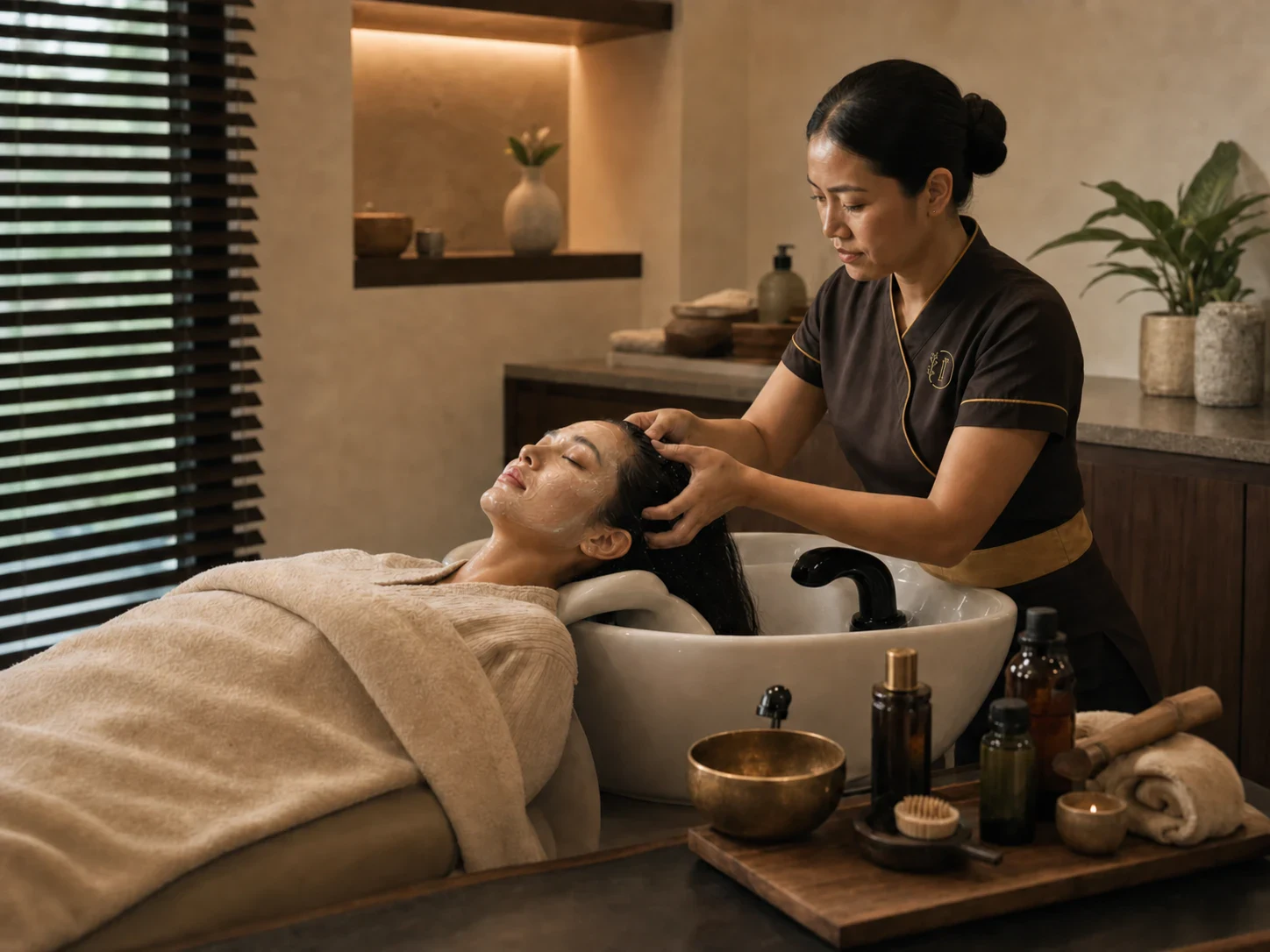
A creator may use simulated personal attention, tool sounds and hand movements, while a spa may use quiet speech, scalp work, water sounds or methodical product application.
The exact service name and sequence matter more than the trend label when comparing a booking.
What the First Large ASMR Survey Found
A 2015 PeerJ study documented ASMR as a previously understudied experience and surveyed people who self-identified as ASMR users.
The work helped describe common triggers and reported uses, but it was not a clinical trial of massage and did not establish a treatment for insomnia, anxiety or pain.
Self-selection is central: participants already recognised themselves as people who experience ASMR.
What the 2018 Laboratory Study Adds
A 2018 PLOS ONE paper compared self-identified ASMR experiencers with matched non-experiencers while they watched videos.
The ASMR group reported more pleasant affect during ASMR videos, and the laboratory portion observed both a lower heart rate and higher skin conductance.
Those mixed physiological signals are interesting, but the study did not test a spa treatment, establish a disease mechanism or show that every viewer relaxes.
The Evidence Boundary
Current research supports describing ASMR as a real subjective experience for a subset of people.
It does not justify claims that ASMR massage releases dopamine or serotonin in a clinically meaningful dose, treats anxiety, fixes sleep or improves general physical and mental health.
Any therapeutic possibility remains a research question, not a promise to attach to a Bangkok spa menu.
Sound: Water, Bowls, Voice and Repetition
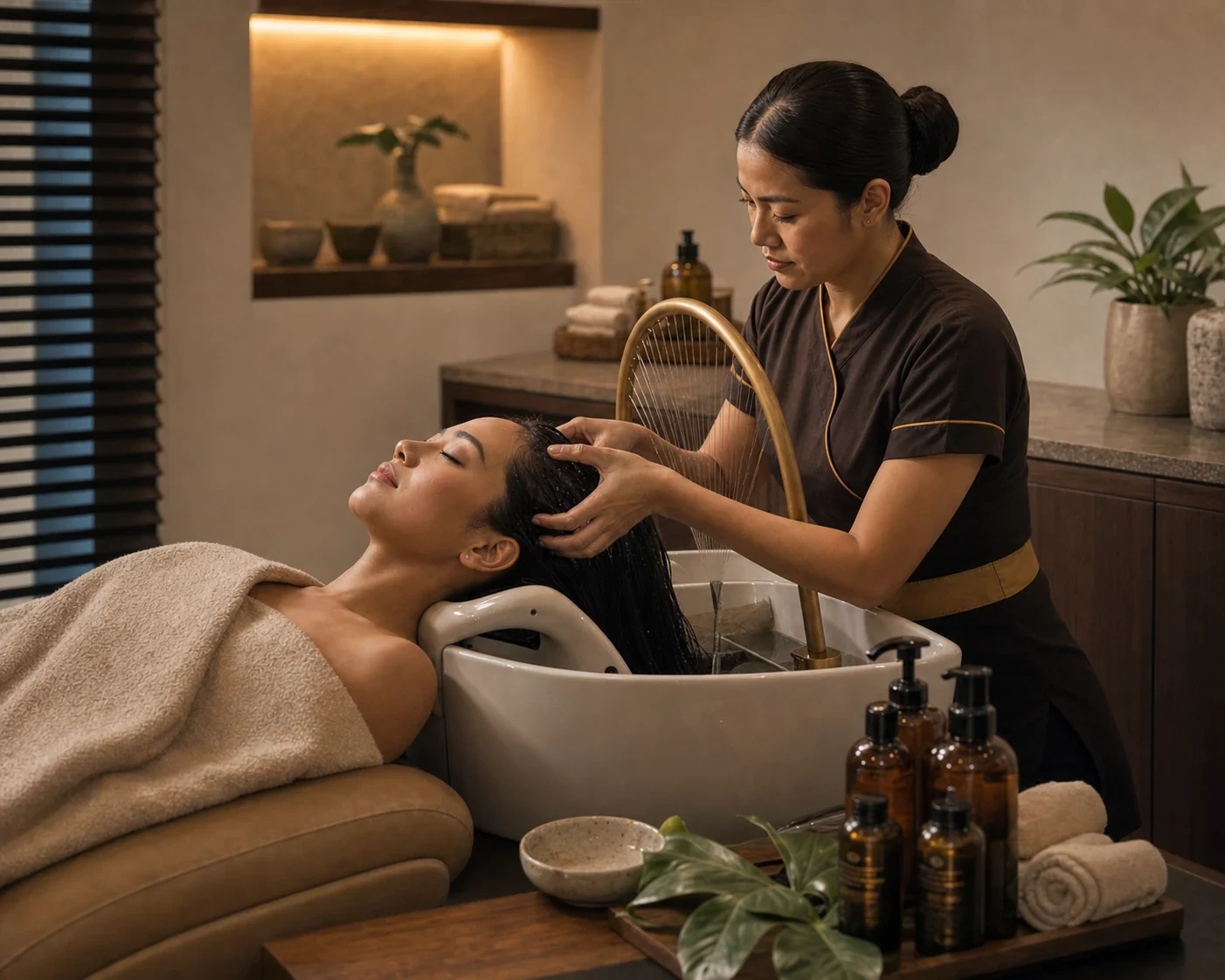
Quiet water flow, a singing bowl, comb sounds, product dispensing and measured speech can create a detailed soundscape.
The useful control is consent: ask whether the guest prefers guidance, minimal conversation, music, silence or reduced volume.
Sound should never prevent the guest from hearing safety questions about temperature, pressure or product discomfort.
Visual Attention and Methodical Movement
Slow hand movements and careful preparation are common visual ASMR triggers online.
In a real treatment, those movements should also serve a practical purpose: sectioning hair, checking the scalp, applying a mask evenly or protecting the eyes during facial care.
Aesthetic choreography cannot replace hygiene, correct product handling or technically coherent touch.
Touch Must Remain Specific and Consensual
Light scalp contact, wooden-comb work, hair washing, neck-and-shoulder massage or facial touch may feel soothing, neutral or irritating depending on the guest.
Agree the areas, pressure and any no-touch zones before starting, then maintain an easy stop signal.
Feathers, scratching or improvised textured props should not be assumed simply because they appear in online ASMR videos.
Products and Fragrance Need Their Own Check
Essential oils, shampoo, conditioner, scalp masks and facial formulas contribute scent and texture independently of ASMR.
Ask for the product name, intended use and full ingredient information when allergy, fragrance sensitivity or scalp reactivity is relevant.
A pleasant aroma is a sensory preference, not evidence of detoxification, immunity support or treatment of a scalp disorder.
Hygiene Is More Important Than a Trigger
Combs, bowls, water fixtures, linens and reusable tools need a clear cleaning process between guests.
Products should be dispensed without contaminating the container, and the therapist should check for open skin, active irritation or a scalp condition outside spa scope.
A beautiful close-up video cannot verify these operational details; ask the venue directly.
current Choice 1: Classic Head Spa
The reviewed current menu lists Classic Head Spa at 75 minutes for 1,400 THB.
Its documented sequence includes Tibetan singing bowls, essential oils, dry wooden-comb massage, double washing, conditioning, neck, shoulder and arm massage, water-ring relaxation and a blow-dry.
Several stages can resemble popular ASMR triggers, but the menu sells a head-spa ritual rather than a guaranteed ASMR response.
current Choice 2: Hair & Facial Spa Ritual
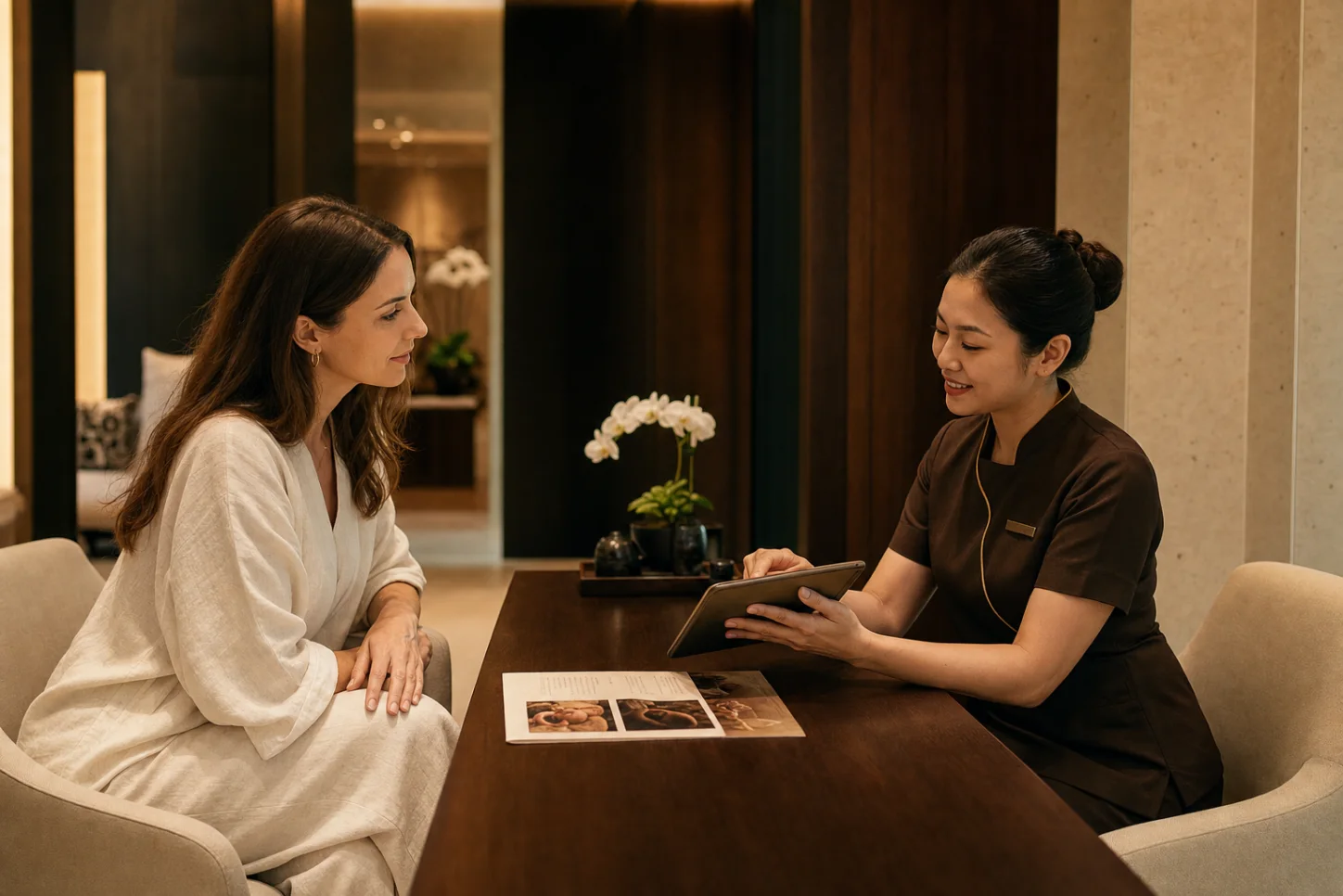
The reviewed current menu lists the 90-minute Hair & Facial Spa Ritual at 2,500 THB.
It combines a 30-minute facial, double hair wash, steam conditioning, arm or foot massage, water-ring relaxation and a blow-dry.
Choose it for the combined service architecture, not because the word facial or steam proves a therapeutic scalp outcome.
current Choice 3: Signature Scalp & Facial Spa
The reviewed current menu lists the 120-minute Signature Scalp & Facial Spa at 3,900 THB.
The documented House of Pridi sequence adds a dry scalp mask, two washes, conditioning, Indian head massage, a 30-minute facial, head-and-shoulder massage and blow-dry.
The service note places it at the Sukhumvit 71 Spa & Tea House with capacity limited to two guests at a time; confirm current branch availability when booking.
Choose by Sequence, Not by Viral Label
Select Classic for a shorter scalp-cleanse and massage flow, Hair & Facial for balanced scalp-and-skin time, or Signature for the longest multi-stage format.
Then refine sound, conversation, touch, pressure, fragrance and water preferences through consultation.
A guest who dislikes ASMR can still enjoy a head spa, and an ASMR-sensitive guest may prefer a quiet facial or methodical oil massage instead.
When a Spa Booking Is the Wrong Next Step
Active scalp infection, open lesions, unexplained hair loss, severe dermatitis, a recent procedure or significant product reaction belongs with an appropriate healthcare professional.
Persistent insomnia, anxiety or pain also needs proper assessment rather than an ASMR claim.
NCCIH advises against using massage to postpone care for a medical problem and recommends discussing suitability with a healthcare provider when uncertain.
Ten Questions Before Booking a Sensory Head Spa
Ask for the exact sequence, duration, branch, price, therapist configuration and blow-dry scope.
Confirm product names, fragrance options, temperature controls, scalp exclusions and tool hygiene.
Finally, state whether you want conversation, silence, music, bowls or water sounds—and remember that a tingle cannot be guaranteed.
A Better Meaning of “ASMR Spa”
The most responsible use of the phrase is descriptive: a carefully paced environment with detailed sound, visible preparation, close attention and consent-led touch.
The value lies in the quality of the ritual and the guest’s personal response, not an invented medical mechanism.
Book the documented service first, customise the sensory conditions second and treat any ASMR sensation as optional.
“ASMR names a personal sensory response; it does not certify a massage technique or guarantee a tingle.”
Loft Thai Editorial Team
Continue your research
REFERENCES
Sources & further reading
PRACTICAL GUIDANCE
Frequently Asked Questions
What is ASMR massage?
It is an informal label for massage or spa content that uses possible ASMR triggers such as quiet speech, careful movements, soft sounds and light touch. It is not one standardised massage modality.
Does everyone feel ASMR tingles during a head spa?
No. ASMR sensitivity and preferred triggers vary substantially, and many people do not experience tingles at all.
Can ASMR massage treat anxiety or insomnia?
Current ASMR research does not establish a commercial massage or head-spa session as treatment for either condition. Seek appropriate healthcare advice for persistent symptoms.
Which Loft Thai service is closest to an ASMR-style ritual?
The current Head Spa services contain sensory elements such as water, bowls, comb work and methodical scalp care, but none guarantees an ASMR response.
How should I prepare for a sensory head spa?
Share scalp concerns, allergies, fragrance sensitivity and preferences for sound, conversation, pressure and touch before the session begins.
CONTINUE READING
Related stories
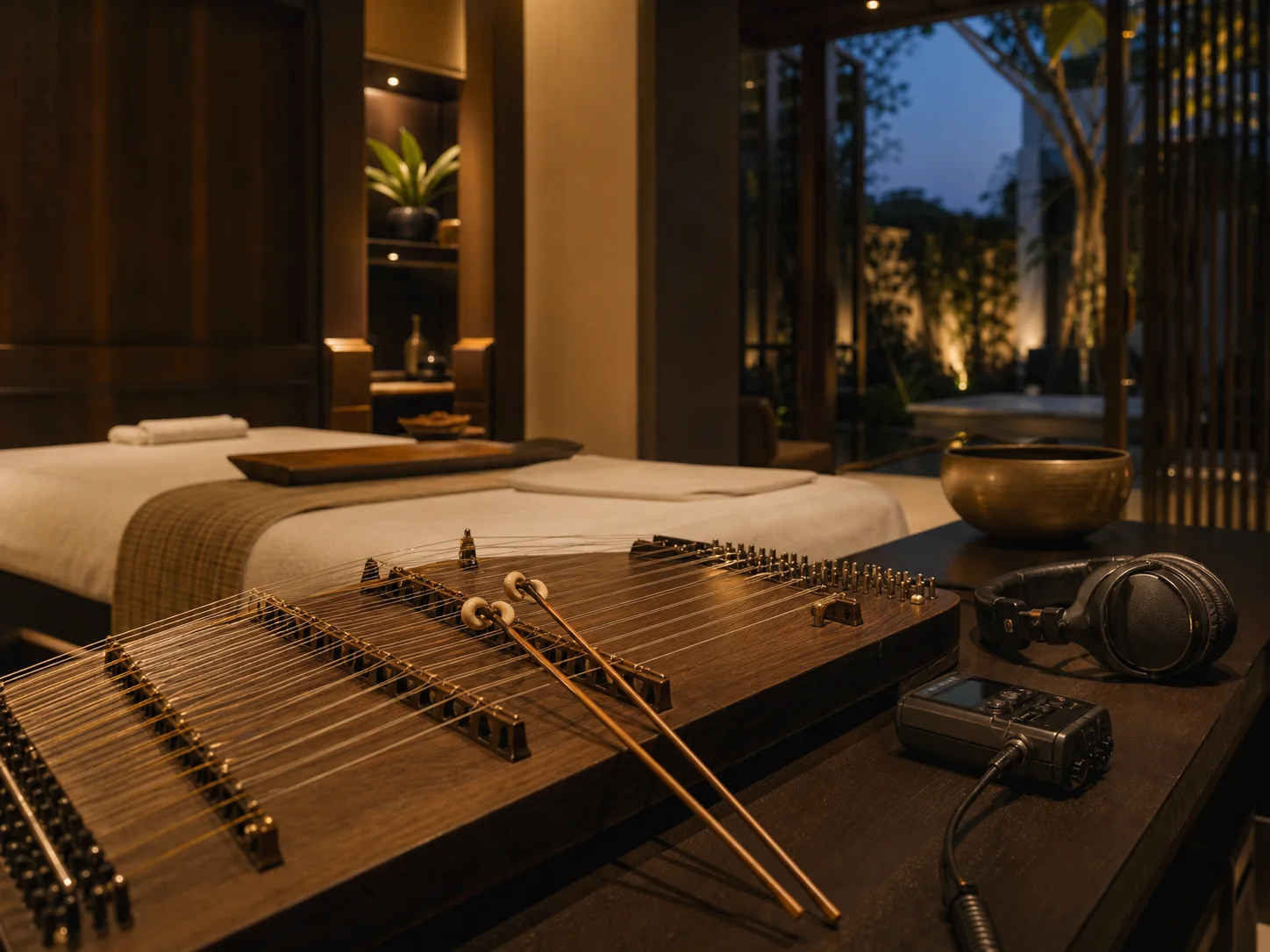
A Big Thank You to @lalekasmr for Showcasing Loft Thai Spa’s Signature Massage Experience
We are incredibly grateful to @lalekasmr for featuring Loft Thai Spa in her recent YouTube video, where she shares her amazing journey through our award-winning spa. Her detailed review and immersive ASMR approach truly capture the essence of what makes Loft…
Read the guide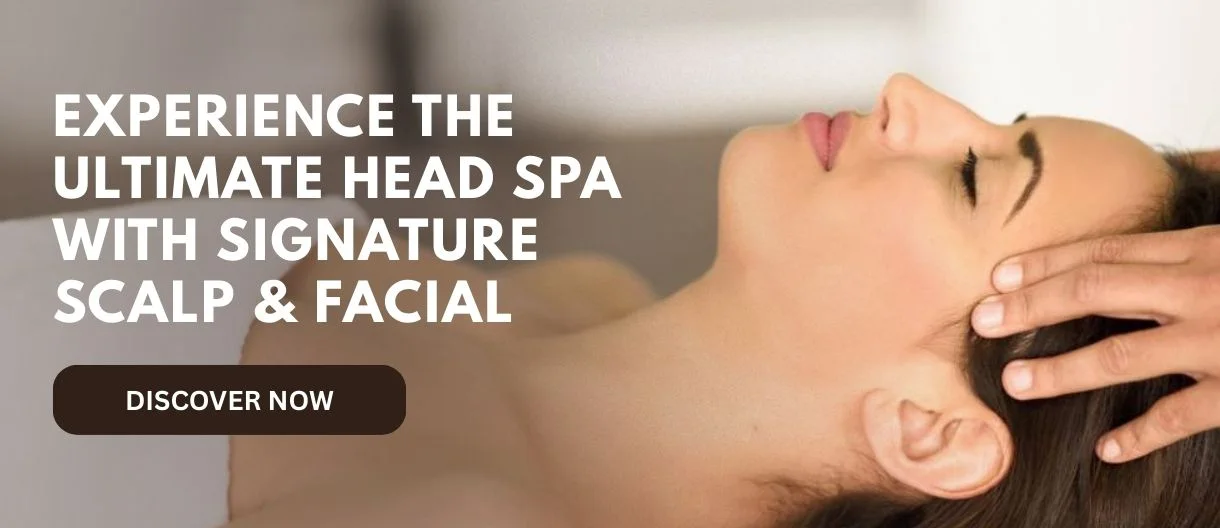
Experience The Ultimate Head Spa with Our New Signature Scalp & Facial
At Loft Thai Spa & Tea House, we continuously strive to enhance your wellness and beauty journey with innovative treatments that blend ancient traditions with modern techniques. Introducing our latest and most indulgent experience—the Signature Scalp & Facial…
Read the guide
What Is a Luxury Head Spa and Why Is Everyone Talking About It?
In the evolving world of beauty and wellness, trends rarely emerge without reason. Some are driven by science, some by culture, and some by the growing need for deeper relaxation in a fast and stressful modern life. Today, one of the most talked-about…
Read the guide
The Rise of Head Spa Treatments in Bangkok
Bangkok, a bustling metropolis renowned for its dynamic culture and exquisite spa experiences, is now becoming a global destination for head spa treatments. Amid the city's vibrant streets, a new trend is reshaping the wellness industry: the head spa.…
Read the guide