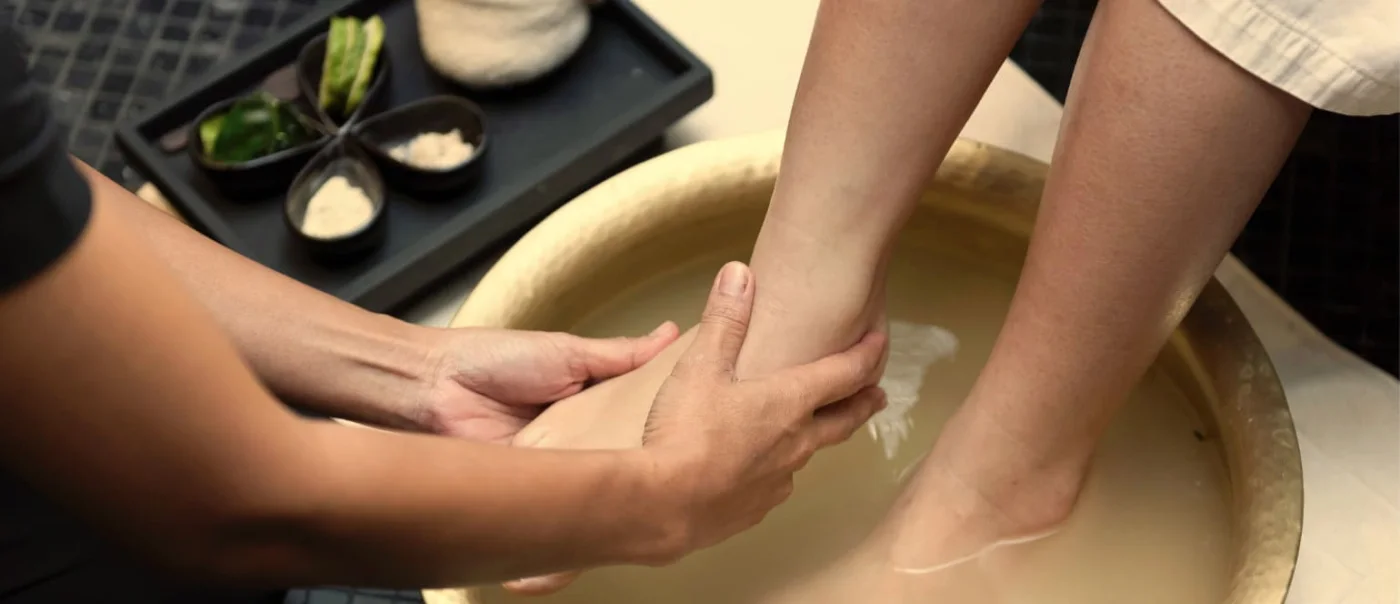
A spa session is a perfect opportunity to relax, rejuvenate and take a break from the stresses of everyday life. To ensure you make the most of your time at the spa, we recommend following these tips for a truly rewarding experience at Loft Thai Spa or any spa.
Plan Ahead and Book in Advance
To secure your preferred time and treatments, book your spa session in advance. Many popular spas, like Loft Thai in Sukhumvit 24, recommend booking at least 24 hours ahead. This not only guarantees your spot but also gives you time to prepare mentally and physically for the experience.
Choose the Right Treatments
Selecting the right treatments is crucial for maximizing your spa experience. Consider your specific needs and preferences. Are you looking for deep relaxation, muscle relief, or skincare rejuvenation? Loft Thai offers a wide range of treatments, from traditional Thai massages to organic facial treatments. Take time to review the spa menu and choose treatments that align with your goals.
Communicate with Your Therapist
Communication is key to a satisfying spa experience. Before your session begins, discuss any preferences, concerns, or areas of focus with your therapist. Whether it’s the pressure of the massage, specific areas of tension, or any allergies to certain products, letting your therapist know will help them tailor the treatment to your needs.
Arrive Early
Arriving at the spa early allows you to unwind and settle into the relaxing atmosphere. Loft Thai, like many spas, offers luxurious facilities designed to enhance your experience. Take advantage of amenities such as relaxation lounges, steam rooms, or herbal teas to start your journey of relaxation before your treatment even begins.
Disconnect from Technology
To fully immerse yourself in the spa experience, disconnect from technology. Turn off your phone or leave it in your locker. This will help you focus on relaxation and mindfulness, free from the distractions of emails, messages, and social media.
Hydrate and Eat Lightly
Staying hydrated before and after your spa session is essential. Drinking water helps flush out toxins and keeps your body functioning optimally. Additionally, eat a light meal before your session to ensure you’re comfortable during your treatments. Avoid heavy meals that can make you feel sluggish or uncomfortable.
Focus on Your Breath
Deep, mindful breathing can enhance the relaxation and therapeutic benefits of your treatments. During your session, focus on taking slow, deep breaths. This helps calm your mind, reduces stress, and allows your body to fully benefit from the treatments.
Stay Present
Being present during your spa session is key to maximizing its benefits. Concentrate on the sensations, sounds, and smells around you. Let go of any thoughts or worries, and allow yourself to be fully immersed in the moment. This mindfulness practice can deepen your relaxation and enhance the overall experience.
Take Your Time Afterwards
After your treatments, don’t rush to leave the spa. Give yourself some time to slowly transition back to reality. Enjoy a cup of herbal tea, sit quietly in the relaxation area, or take a gentle stroll. This allows your body and mind to absorb the benefits of the treatments and prolongs the feeling of relaxation.
Maintain the Benefits at Home
To extend the benefits of your spa session, incorporate relaxation and self-care practices into your daily routine. Use products recommended by your therapist, practice mindfulness, and take time each day to unwind and care for your body and mind. This helps maintain the positive effects of your spa experience long after you’ve left the spa.
By planning ahead, communicating your needs, and fully immersing yourself in the experience, you can get the most out of your spa session. Whether you’re visiting Loft Thai or another spa, these tips will help you maximize relaxation. Take advantage of the opportunity to disconnect and treat yourself to a truly transformative spa experience.
UPDATED LOFT THAI GUIDE
Additional guidance and current information
The following editorial update expands on the original Loft Thai article with practical context, current treatment guidance and further reading.
Start With the Result You Actually Want
“I want a massage” can describe very different experiences. One guest wants quiet gliding touch; another wants clothed assisted movement; a third wants focused work around desk-related tension; another wants a facial, scalp ritual or time together as a couple.
Name one primary goal and one boundary. For example: “I want gentle relaxation and no strong work on my neck,” or “I want focused leg recovery, but no heat.”
This gives the reception team and therapist more usable information than asking for the “best” or “strongest” treatment.
Match the Format Before You Match the Duration
Traditional Thai Massage is generally a clothed format using pressure and assisted movement. Oil and aromatherapy services use gliding contact on the skin. Deep-tissue or sports-oriented work is more targeted. Facial, head-spa and body rituals introduce different products, positioning and processes.
A longer session does not automatically make a mismatched format better. First choose how you want to be touched, moved and positioned; then decide how much time the goal deserves.
If you do not know, describe your preferred pressure, movement, clothing, product and heat experience. The team can narrow the menu without inventing a diagnosis.
Book the Whole Context, Not Just a Treatment Name
Include the branch, date, preferred time, number of guests, service and duration in the first message. Add whether you want to share a room, need step-free access or have a fixed departure.
Loft Thai’s current interface lists Sukhumvit 38, Sukhumvit 24 and Sukhumvit 71. Do not assume that the room, therapist, treatment or opening time is identical at each location.
Advance booking is useful for couples, evening appointments and longer packages. Same-day appointments may be possible, but availability should be confirmed rather than promised.

Share the Information That Can Change the Treatment
Mention pregnancy, recent surgery or cosmetic procedure, injury, fever, infection, rash, wound, blood-clot history, bleeding disorder, anticoagulant medication, fragile bones or any condition that makes pressure, heat, products or movement a concern.
Massage has a generally low risk of harm when performed appropriately, but rare serious adverse events have been reported, especially with vigorous massage or guests at higher risk of injury.
Massage should not delay medical assessment of unexplained or worsening symptoms. If suitability is uncertain, ask a qualified healthcare professional before booking.
Ask Product Questions Before the Room Is Prepared
For aromatic oils, scrubs, masks and facials, disclose allergies, fragrance sensitivity, active skincare, recent peeling, retinoid use and recent procedures.
Ask which product line and steps belong to the exact protocol. “Natural” and “organic” are not synonyms for allergy-free, medically safe or suitable for every skin type.
If a product is essential or unacceptable, confirm it in writing before arrival. A last-minute substitution may change the experience or make another service more appropriate.
Build a Calm Arrival Without Inventing Facilities
Allow enough time for Bangkok traffic, finding the entrance, using the bathroom and completing the consultation. The current FAQ recommends arriving about ten minutes early.
Earlier promotional copy promised lounges, steam rooms and herbal tea as if they were universal. Do not plan around an amenity unless the exact branch and package confirms it.
Wear simple clothing, bring only what you need and keep valuables secure. The spa should explain changing, storage, draping, shower and clothing arrangements before the service begins.
Keep Food and Alcohol Practical
Avoid arriving uncomfortably hungry or immediately after a large meal. A familiar light meal with enough time to digest is usually easier than following a rigid spa diet.
Avoid arriving intoxicated. Alcohol can impair communication, balance and judgment, making pressure, heat and movement harder to assess.
Drink according to ordinary thirst and personal medical guidance. Water supports normal hydration, but there is no need to “flush toxins” created or released by massage.
Turn the Consultation Into a Thirty-Second Brief
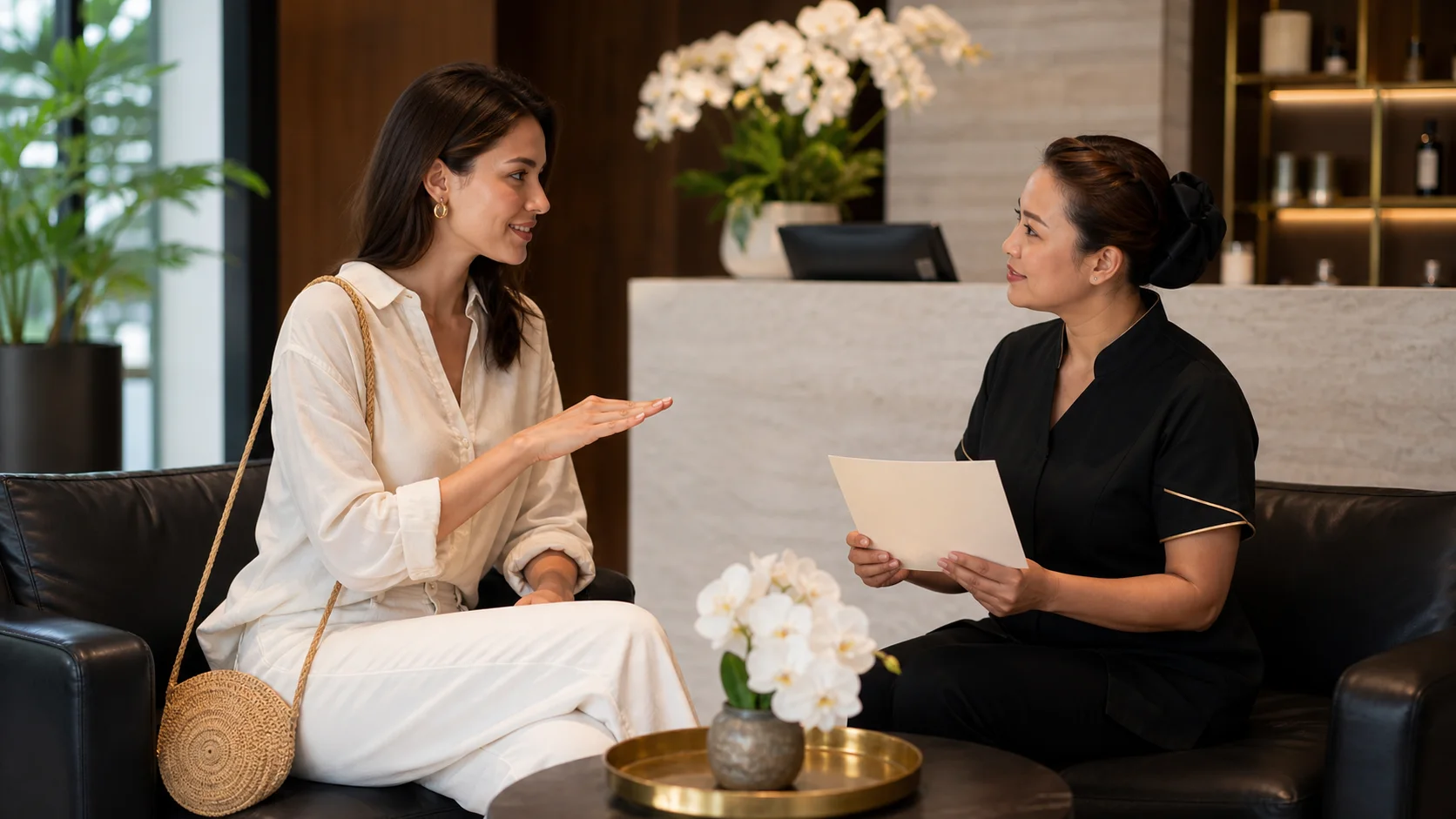
A strong brief is short: desired result, pressure range, areas to focus on, areas to avoid, relevant health information and communication preference.
Use concrete language. “Medium pressure, please check before going stronger” is clearer than “do whatever you think.”
If silence matters, say so. If you want explanation before stretches or face/scalp contact, say that too. A professional treatment should not depend on the guest guessing what comes next.
-
01
Goal
Relaxation, movement, focused muscle work, skin care, scalp care or shared time.
-
02
Pressure
Light, medium or firm, with permission to check and adjust.
-
03
Focus
Name one or two priority areas rather than asking for everything.
-
04
Avoid
Identify injuries, sensitive areas, movements, products or heat you do not want.
-
05
Communication
Quiet session, periodic checks or explanation before each major step.
Consent Continues After the Treatment Starts
You can ask for less pressure, different positioning, more draping, a skipped area or a complete stop at any moment.
Pain is not proof that a massage is working. Strong pressure may feel purposeful, but sharp, burning, electric, numb or escalating pain is a reason to speak immediately.
The therapist may also modify a planned technique when new information appears. Adaptation is part of professional care, not a failed service.
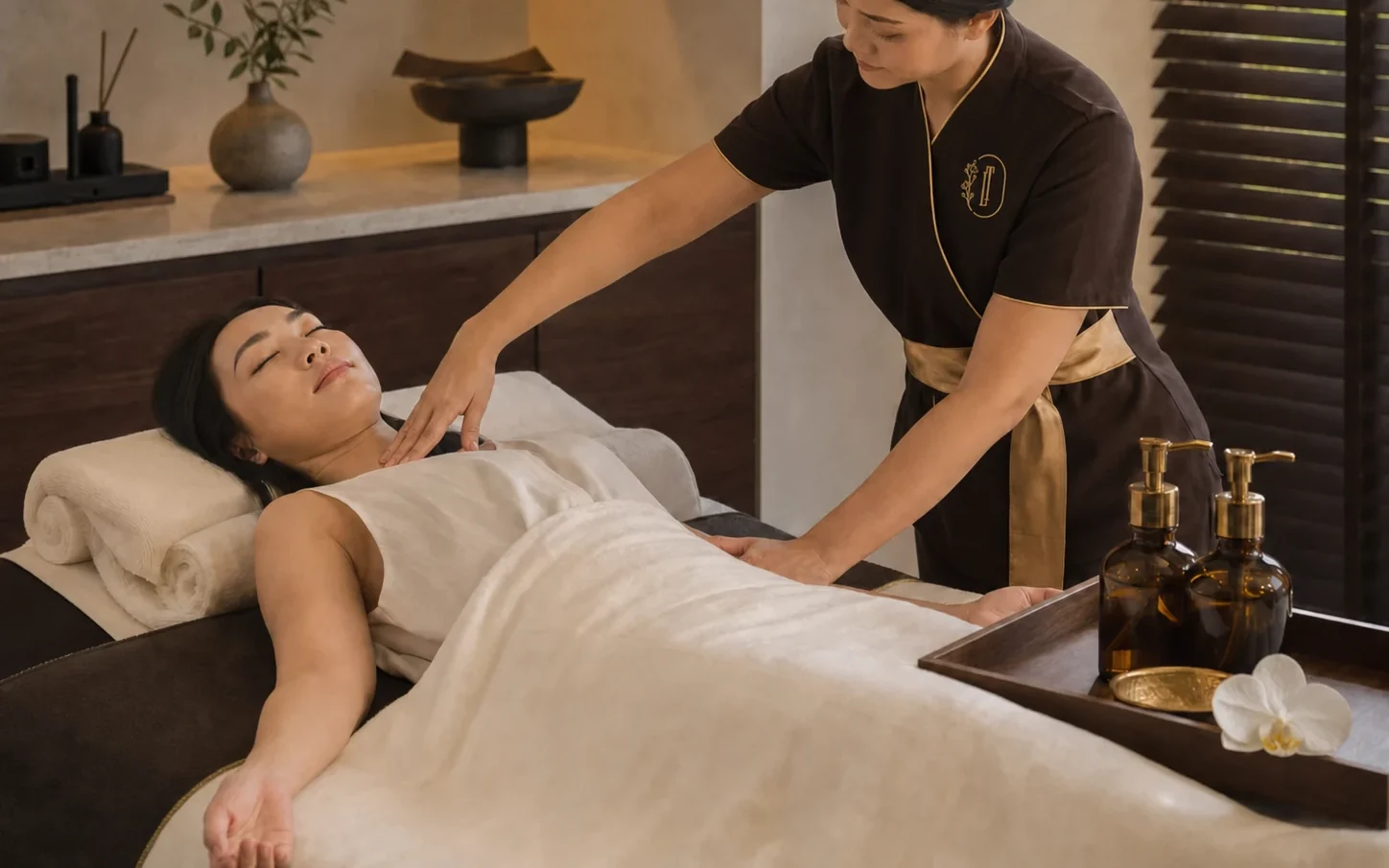
Breathing Can Support Comfort Without Becoming a Performance
Slow breathing may help some guests settle, but there is no correct meditative state required to “receive the benefits.”
Use the breath as feedback: if you are holding it, bracing or unable to relax around a technique, the pressure or position may need to change.
Falling asleep, staying awake, talking briefly or remaining quiet are all normal. The treatment should fit the guest, not an idealised wellness script.
Finish Slowly Enough to Notice How You Feel
Sit up gradually and check for dizziness, discomfort or unexpected symptoms before standing. Ask the therapist to clarify any ordinary product residue or home-care instruction.
A little temporary tenderness can follow unfamiliar or vigorous work, but severe, worsening or unusual symptoms should not be normalised as “toxins leaving the body.” Seek appropriate medical advice.
If you are returning directly to heat, alcohol, a hard workout, airport travel or a demanding schedule, tell the therapist in advance so the pace and intensity can be considered.
Simple Aftercare Is Usually Enough
Resume ordinary food and water according to comfort. Follow product-specific facial or scalp instructions when they are relevant to the service.
There is no universal need for supplements, detox tea, extreme hydration, a special diet or another treatment immediately afterwards.
Write down what worked: format, pressure, therapist communication, products and duration. That record makes the next booking more precise than trying to remember a vague feeling months later.
The Complete Twelve-Step Spa Session Plan
The sequence below works for a first visit or a more considered return appointment.
It is intentionally practical: every step reduces uncertainty without promising a medical or emotional transformation.
-
01
1. Name one main goal
Relax, move, target, care for skin or scalp, or share time.
-
02
2. Choose the contact format
Clothed movement, oil, focused pressure, facial, scalp or multi-step package.
-
03
3. Select a realistic duration
Match time to scope rather than assuming longer is automatically better.
-
04
4. Confirm branch and availability
Include date, time and number of guests.
-
05
5. Disclose relevant health information
Do this before a therapist and room are assigned.
-
06
6. Confirm important products or facilities
Never infer them from a generic photograph.
-
07
7. Arrive with a travel buffer
Ten calm minutes are more useful than rushing into the room.
-
08
8. Give the therapist a concise brief
Goal, pressure, focus, avoid and communication.
-
09
9. Keep consent active
Adjust or stop whenever the experience no longer feels right.
-
10
10. Stand up gradually
Notice balance and comfort before leaving the room.
-
11
11. Use ordinary aftercare
Food, water, rest and product-specific advice as personally appropriate.
-
12
12. Save your preferences
Make the next session easier to tailor.
“The most useful spa preparation is not a special drink or ritual—it is knowing your goal and giving the therapist permission to adapt.”
Loft Thai Editorial Team
Continue your research
REFERENCES
Sources & further reading
PRACTICAL GUIDANCE
Frequently Asked Questions
How early should I arrive for a Bangkok spa session?
The current Loft Thai FAQ recommends about ten minutes. Add your own travel buffer for Bangkok traffic and finding the branch.
Should I drink extra water to flush toxins after massage?
Drink normally according to thirst and medical guidance. Massage does not require an extreme hydration or detox routine.
What should I tell the therapist before massage?
State your goal, preferred pressure, focus areas, areas to avoid, relevant health information and communication preference.
Is stronger massage always more effective?
No. Technique and pressure should suit the goal and individual. Sharp, burning, electrical or escalating pain is a reason to stop and adjust.
Can I ask the therapist to change the treatment?
Yes. Consent is continuous. You can request different pressure, positioning, draping, a skipped area or a stop at any time.
CONTINUE READING
Related stories

How to Choose the Right Spa Treatment for You at Loft Thai Spa
Selecting the perfect spa treatment can make all the difference in your relaxation and wellness experience. At Loft Thai Spa, we offer a diverse range of therapies designed to meet various needs and preferences. Here’s a guide to help you choose the right…
Read the guide
What Foreigners Need to Know Before Visiting Loft Thai Spa
Visiting Loft Thai Spa in Bangkok is an unforgettable experience, offering a blend of traditional Thai healing and modern luxury. For foreign travelers, there are a few key things to know to ensure your visit is smooth, enjoyable and maximizes your relaxation.…
Read the guide
Understanding the Difference Between Soft Tissue Massage and Deep Tissue Massage
Massage therapy has become an integral part of modern wellness routines, offering a wide range of physical and mental benefits. Whether it's to relieve stress, improve posture, or recover from muscular fatigue, different massage techniques cater to different…
Read the guide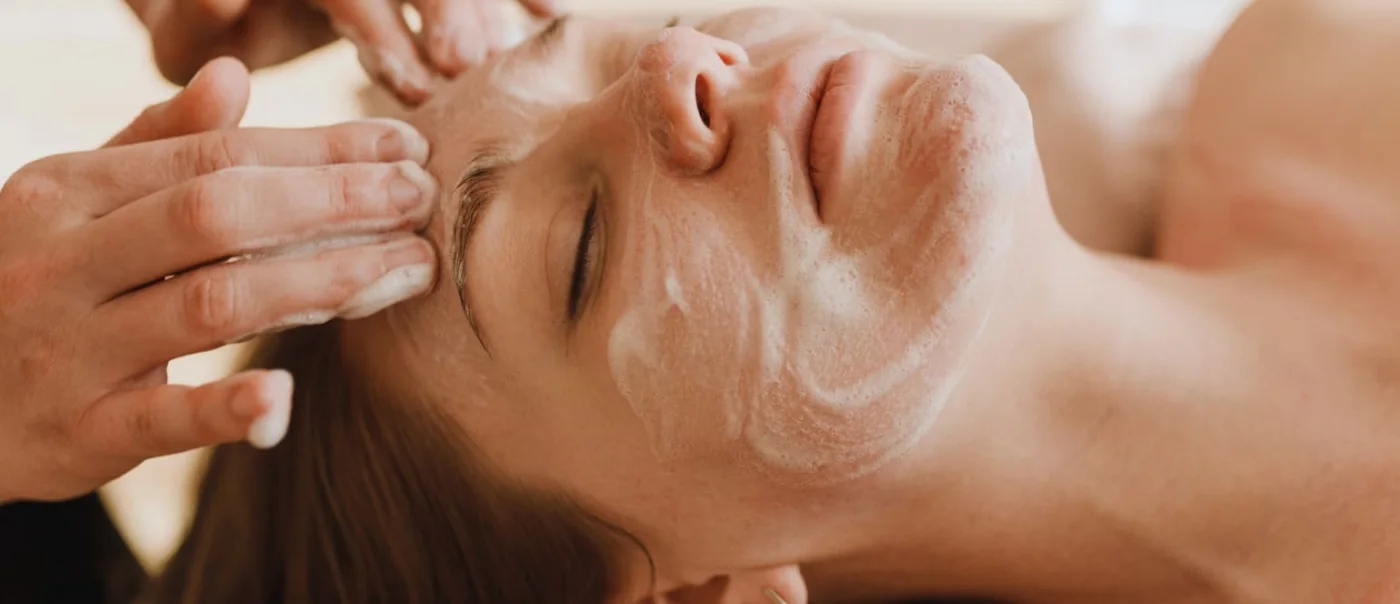
The Ultimate Guide to Enjoying a Spa Day at Loft Thai Spa
A spa day at Loft Thai Spa in Bangkok's Sukhumvit district promises a luxurious retreat into relaxation and wellbeing. Whether you're a first-time visitor or a seasoned spa enthusiast, here’s your ultimate guide to making the most out of your experience at…
Read the guide