
Massage therapy has become an integral part of modern wellness routines, offering a wide range of physical and mental benefits. Whether it's to relieve stress, improve posture, or recover from muscular fatigue, different massage techniques cater to different needs. Two of the most commonly requested styles are soft tissue massage and deep tissue massage. While they might sound similar, their approach, pressure, and therapeutic effects are quite distinct.
To help clients choose the right massage experience, it’s essential to understand how each technique works and what it aims to achieve.
Soft Tissue Massage
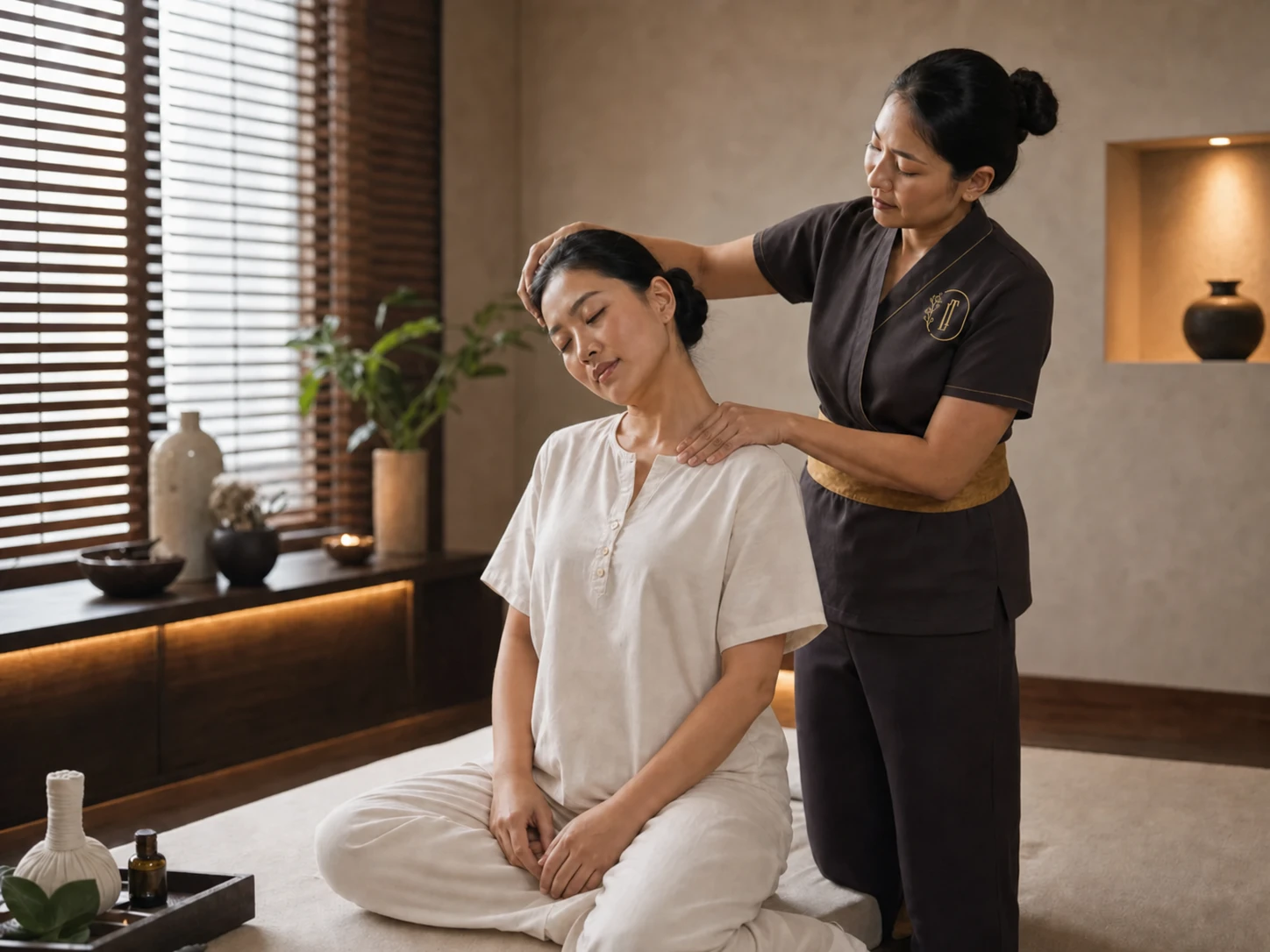
Soft tissue massage refers to a broad group of techniques designed to treat the body's soft tissues—muscles, fascia, ligaments, tendons, and skin. This form of massage uses gentle to moderate pressure, often applied through slow, rhythmic movements such as stroking, kneading, and gentle friction.
This type of massage focuses mainly on the superficial muscle layers and is typically used to promote general relaxation, improve circulation, and alleviate minor muscular discomfort. It also helps release tension in the outer muscle layers without triggering deep pain or pressure.
Soft tissue massage is particularly effective for clients experiencing stress, mild fatigue, or general tightness due to poor posture or a sedentary lifestyle. It is ideal for those who are new to massage therapy or those who prefer a lighter, more relaxing experience. Techniques may include Swedish-style massage, lymphatic drainage, or aromatherapy massage—all of which focus on calming the nervous system and gently loosening muscle tissue.
The intention behind soft tissue massage is not necessarily to correct structural dysfunction, but to support the body’s natural healing processes, improve oxygen flow, and reduce the effects of daily tension.
Deep Tissue Massage
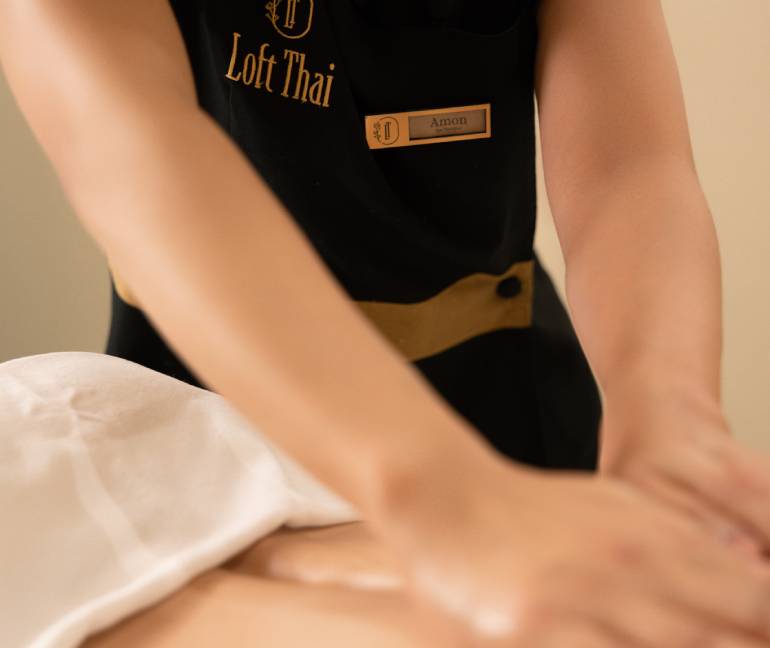
Deep tissue massage, on the other hand, involves more intense and targeted manipulation of the body’s deeper muscle layers and connective tissues. This technique is commonly used to address chronic muscle tightness, injury recovery, and postural imbalances.
Unlike soft tissue massage, which stays within superficial layers, deep tissue massage penetrates further to reach tight knots, adhesions, and fascia that may be restricting mobility or causing pain. The therapist uses slower strokes and applies greater pressure, often using their thumbs, knuckles, forearms, or even elbows to access the deeper structures.
It’s not uncommon for deep tissue massage to feel slightly uncomfortable during the session, particularly in areas where the body holds long-term tension. However, this discomfort is typically followed by significant relief, improved range of motion, and a lasting sense of release once the affected tissues begin to respond.
Revitalize with Loft Thai Spa Deep Tissue Oil Massage, a powerful therapeutic experience designed to relieve stubborn tension, improve mobility, and support long-term muscular health. This deeply restorative treatment is ideal for clients dealing with persistent neck and shoulder stiffness, lower back pain, or muscle fatigue caused by intense physical activity or poor posture.
Deep tissue massage is often sought by clients who suffer from persistent neck and shoulder stiffness, lower back pain, repetitive strain injuries, and muscle fatigue due to intense physical activity or poor ergonomics. It is also widely used in sports therapy to aid performance recovery and prevent injuries.
While it can be deeply therapeutic, deep tissue massage requires skilled assessment and should be performed by experienced therapists who understand muscular anatomy, pressure sensitivity, and appropriate pacing.
Choosing the Right Massage
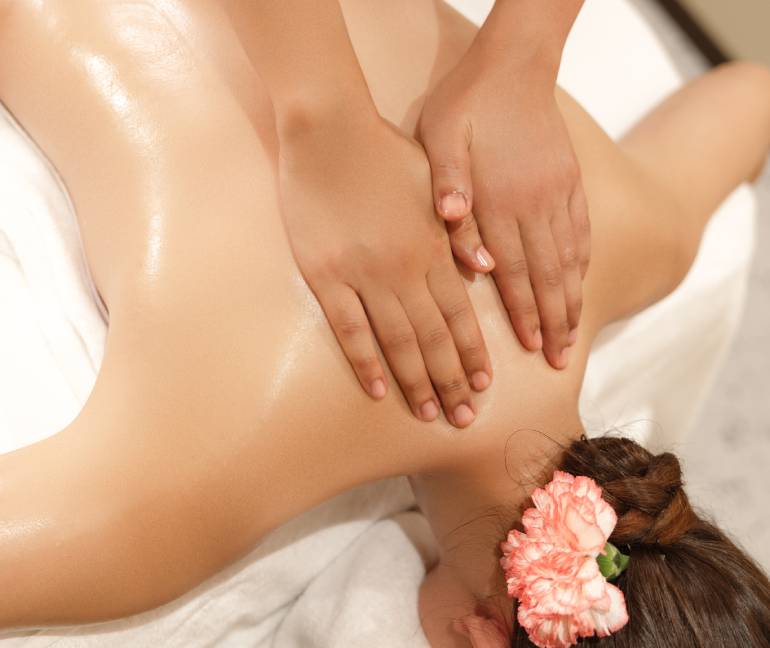
When deciding between a soft tissue or deep tissue massage, the most important consideration is your body’s current condition and your personal wellness goals.
If you're seeking stress relief, emotional calm, or gentle tension release, soft tissue massage is the better choice. It’s also recommended for older adults, individuals with sensitive skin or muscles, and those who simply want a relaxing spa experience without discomfort.
Deep tissue massage is more appropriate when you're dealing with specific musculoskeletal issues, chronic muscle stiffness, or recovery from injury. It works best for clients who are comfortable with more pressure and who need targeted, therapeutic intervention for deep-seated tension or dysfunction.
An experienced therapist will often begin each session by discussing the client’s medical history, lifestyle, and physical concerns. In many professional spas, such as Loft Thai Spa, the therapist tailors the session in real time—sometimes combining elements of both soft and deep tissue work to achieve optimal results. For example, a massage may begin with gentle effleurage to warm up the tissues, followed by deeper pressure on targeted areas that require structural release.

What to Expect After the Massage
Regardless of the technique chosen, clients should always allow time for their body to adjust after a massage. Following a soft tissue massage, most clients feel immediately relaxed and refreshed. After a deep tissue massage, it’s not unusual to experience mild soreness for a day or two as the deeper muscles begin to realign and heal.
Hydration is essential after any massage to support lymphatic drainage and flush out toxins released from the muscles. It’s also beneficial to rest and avoid strenuous activity for several hours, especially after deep tissue work.
Listening to your body post-massage is part of the healing journey. In some cases, follow-up sessions may be recommended to maintain progress or address ongoing issues.
Both soft tissue and deep tissue massage have their place in a well-rounded approach to wellness. While soft tissue massage nurtures and soothes the body, deep tissue massage repairs and restores. Each serves a distinct purpose, and the right choice depends on your individual needs, comfort levels, and goals.
At Loft Thai Boutique Spa & Massage in Bangkok, we understand that no two bodies are alike. Our highly trained therapists are here to guide each client toward the most effective and enjoyable treatment, whether that’s a calming, surface-level experience or a focused therapeutic intervention. By tailoring each session with care and expertise, we ensure that every massage supports not just physical relief—but a deep sense of balance and renewal.
Whether you're stepping into the spa for the first time or seeking a specific therapeutic outcome, knowing the difference between these two techniques is the first step to unlocking the full potential of massage therapy.
UPDATED LOFT THAI GUIDE
Additional guidance and current information
The following editorial update expands on the original Loft Thai article with practical context, current treatment guidance and further reading.
The First Difference Is a Wording Problem
Soft tissue is not one massage style. It is a broad anatomical term, and massage therapy itself is commonly defined as manipulation of soft tissues.
A menu may use soft tissue to mean gentle or general massage, while a physiotherapist may use soft-tissue techniques inside a clinical rehabilitation plan. Those contexts are not interchangeable.
Deep tissue is also not a universally standardised sequence. The label usually signals a slower pace, more focused areas and pressure intended to feel deeper, but individual practitioners and venues define it differently.
Pressure and Depth Are Related, but Not Identical
A broad forearm can deliver substantial force while feeling less pointed than a thumb. A small contact can feel intense even when it does not move far through tissue.
Body position, speed, angle, lubrication and whether the guest is bracing all change the perceived depth. More force is not the only route to a clear treatment sensation.
The practical question is therefore not “How deep can you go?” but “What pressure, surface and pace suit this area today?”
One Appointment Can Move Between Both Experiences
A session may begin with broad gliding contact to apply oil and observe tension, then slow down over the shoulders, back or legs.
Kneading, compression, friction, sustained contact and movement can appear in either a relaxing or focused massage. The difference is dosage and intent, not an exclusive toolbox.
A skilled therapist can work more firmly in one region and remain light around a sensitive joint, recent bruise or area the guest simply does not want treated deeply.
When a Gentler Soft-Tissue Approach Makes Sense
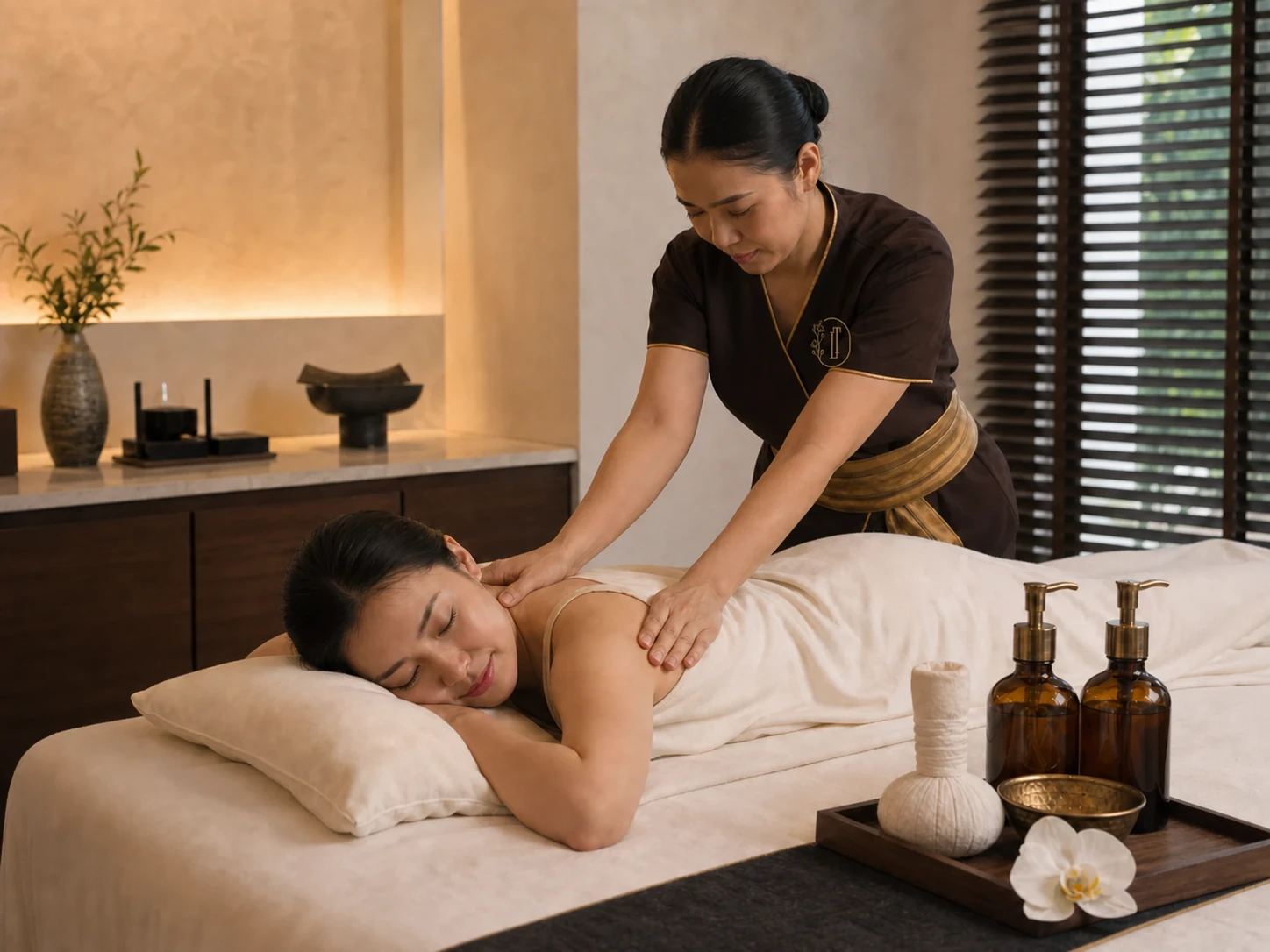
Choose a lighter or adjustable session when the main aim is rest, first-time familiarity, whole-body comfort or relief from general travel and desk fatigue.
Gentle does not mean ineffective. Broad rhythmic contact can help a guest settle, notice guarded areas and leave without the sensory load of intense local pressure.
Sensitive skin, lower pressure tolerance, age-related fragility, recent illness recovery or medication may also change the plan, although some conditions require medical advice rather than merely lighter massage.
When Focused Deeper Pressure May Be Preferred
A guest may request slower focused work for persistent muscular tightness, a familiar training load or a region that responds comfortably to sustained pressure.
The therapist should still warm the area, increase pressure progressively and check the response. Deep tissue is not a licence to use elbows automatically or to work every area at maximum intensity.
Known injury, neurological symptoms or severe pain needs assessment. A spa treatment should not diagnose adhesions, postural dysfunction or a structural cause from touch alone.
Pain Is Not Evidence That the Massage Is Working
Some strong pressure can feel intense yet welcome. Sharp, burning, electrical, numbing or escalating pain is different and should prompt an immediate reduction or stop.
Bracing and holding the breath can make tissue feel more resistant and the session less useful. The guest should be able to speak without being told that pain is a necessary release.
Useful feedback is specific: lighter, slower, broader contact, avoid this spot, support the knee, or stop. The treatment remains professional when it changes course.
Research Studies Massage, Not a Winner Between Menu Labels
NCCIH reports that massage research for several pain conditions is mixed or low certainty. For low-back pain, evidence of benefit is generally short term and studies have not established one massage style as superior.
A 2015 Cochrane review included 25 trials and 3,096 participants. It found short-term improvements for some low-back-pain comparisons, but the authors had very little confidence because evidence quality was low.
A 2024 Cochrane review for neck pain found massage may make little or no difference to pain compared with placebo around 12 weeks, with low-certainty evidence. Neither review proves that stronger pressure produces better results.
Vigorous Massage Carries a Different Risk Profile
Massage has a generally low rate of harm when appropriately performed, but NCCIH notes rare reports of blood clot, nerve injury and fracture, with some cases involving vigorous deep-tissue work or people at higher risk.
Tell the therapist about anticoagulants, bleeding disorders, osteoporosis, recent surgery, fractures, cancer treatment, pregnancy, fever, open wounds, acute inflammation, unexplained swelling or suspected clot.
Sudden weakness, bowel or bladder change, new numbness, chest pain, shortness of breath, hot swollen calf or severe unexplained pain requires medical attention rather than stronger massage.
A Better Consultation Uses Goals and Sensations
Instead of ordering a style from the name alone, describe what you want to feel afterward: calmer overall, less guarded around the shoulders, or comfortably worked after training.
Share where symptoms are located, how long they have been present, what movements affect them and whether you have a diagnosis. A therapist can then explain what belongs within spa scope.
Agree on an initial pressure and a simple feedback signal. Pressure preference can change from one body region or day to another.
Aftercare Does Not Need a Detox Story
Drink according to thirst and normal needs. Water does not flush massage-released toxins, and dehydration should not be invented to explain every post-treatment sensation.
Mild temporary tenderness can follow unfamiliar focused work, but severe pain, large bruising, progressive weakness, numbness or swelling is not routine aftercare.
A calm evening may feel appropriate after a strong session. There is no universal rule against exercise; consider how the body feels, the reason for treatment and any clinician’s advice.
Frequency Depends on Response, Not a Fixed Prescription
A relaxation visit may be occasional. A repeated programme for a health condition should have a clear goal, review point and coordination with appropriate clinical care.
Research on massage dose shows that duration and frequency can affect some study outcomes, but one trial cannot prescribe a spa schedule for everyone.
Reassess if the effect is consistently brief, sessions require ever-stronger pressure, or symptoms are worsening. More massage is not always the missing answer.
Choose the Session You Can Communicate Through
Soft tissue and deep tissue are not opposites. They are overlapping descriptions that become useful only when linked to pressure, pace, area and goal.
A gentler full-body session can be substantial care; a deep-tissue appointment can include light transitions and protected regions.
The best choice in Bangkok is the one that matches current health, feels adjustable in real time and never uses pain as proof of quality.

“Deeper pressure is a dosage choice, not a badge of courage or proof that a hidden knot has been removed.”
Loft Thai Editorial Team
Continue your research
REFERENCES
Sources & further reading
PRACTICAL GUIDANCE
Frequently Asked Questions
Is soft tissue massage always gentle?
No. Soft tissue describes the structures being worked, not a fixed pressure. Menus often use the phrase for gentler work, but techniques and intensity vary.
Does deep tissue massage have to hurt?
No. Intense but comfortable sensation can occur, but sharp, burning, electrical, numbing or escalating pain is a reason to reduce pressure or stop.
Is deep tissue better for chronic pain?
Evidence does not establish one massage style as universally superior. Persistent or severe pain should be assessed, and massage may offer only short-term help for some conditions.
Will drinking water flush toxins after massage?
No evidence supports a massage-toxin flush. Drink normally according to thirst, climate, activity and medical advice.
Which Loft Thai option is gentler?
The current Swedish Massage is described with adjustable pressure, while Deep Tissue Oil Massage is more focused. Tell the therapist your preference because either session still requires adaptation.
CONTINUE READING
Related stories
Best Thai Massage in Bangkok: Traditional vs Aromatic Oil vs Deep Tissue Which One Is Right For You?
Bangkok is one of the few cities in the world where massage is not just a service—it’s culture. You can book a session almost anywhere, at almost any price, and still find talented hands. That’s the magic of Thailand. But it also creates the biggest problem…
Read the guide
What Is Swedish Massage? A Complete Guide to Its Techniques, Benefits, Science, and Timeless Appeal
Swedish massage is often described as the foundation of modern Western massage therapy. When people think of massage for relaxation, stress relief, or gentle therapeutic care, Swedish massage is usually the reference point. Yet beyond its reputation as a…
Read the guide
Office Syndrome Massage in Bangkok: How to Fix Neck, Shoulder & Back Pain the Right Way
“Office syndrome” isn’t a trendy phrase in Bangkok—it’s real life. Hours at a laptop, constant phone use, commuting, gym imbalance, stress breathing, and long periods of sitting create the same pattern again and again: tight neck, heavy shoulders, stiff upper…
Read the guide
Complete Guide to Massage in Bangkok From Street to Luxury
Bangkok has always been a city of contrasts, a place where sacred temples stand alongside futuristic shopping malls, where golden pagodas rise just a few steps away from neon-lit nightlife, and where serenity can be found amid chaos.
Read the guide