Thailand, renowned for its rich culture and holistic wellness practices, offers a unique blend of ancient traditions and modern luxuries. Whether you're looking for spiritual enrichment, physical rejuvenation or cultural immersion, here are some of the best ways to experience Thai culture and wellness.
Enjoy a Traditional Thai Massage
One of the most iconic aspects of Thai wellness is the traditional Thai massage. Originating from ancestral healing practices,this massage involves rhythmic acupressure, deep muscle compression, and assisted stretching. It not only relieves tension and improves flexibility but also promotes a deep sense of relaxation. Visiting a reputable spa, like Loft Thai Spa, ensures you receive an authentic and revitalizing experience.
Explore Thai Temples and Spiritual Sites
Thailand is home to thousands of beautiful temples (known as “wats”), which are central to Thai culture and spirituality. Visiting these temples offers a glimpse into the country’s Buddhist heritage. Key temples to visit include Wat Phra Kaew in Bangkok, Wat Pho, and Wat Arun. Participating in meditation sessions or simply observing the serene surroundings can enhance your spiritual well-being.
Enjoy Thai Culinary Delights
Thai cuisine is celebrated worldwide for its vibrant flavors and health benefits. Embrace the culinary culture by indulging in traditional dishes like Tom Yum Goong (spicy shrimp soup), Pad Thai, and Som Tum (papaya salad). To deepen your cultural experience, consider taking a Thai cooking class. This hands-on activity not only teaches you how to prepare delicious meals but also introduces you to the nutritional aspects of Thai ingredients.
Participate in Thai Festivals
Experiencing Thai festivals is a fantastic way to immerse yourself in the local culture. Festivals like Songkran (Thai New Year) and Loy Krathong (Festival of Lights) are celebrated with fervor and joy. Participate in the water fights during Songkran or release a beautifully decorated krathong into the water during Loy Krathong. These events are filled with cultural significance and provide a memorable experience.
Practice Muay Thai
Muay Thai, also known as Thai boxing, is both a sport and a cultural martial art. Practicing Muay Thai can improve your physical fitness, discipline and mental resilience. Many gyms across Thailand offer classes for beginners, allowing you to learn the basics and appreciate this integral part of Thai culture.
Immerse in Nature and Wellness Retreats
Thailand’s natural beauty provides a perfect backdrop for wellness retreats. Locations like Chiang Mai, Koh Samui and Phuket host numerous retreats focusing on yoga, meditation or detox programs.These retreats often incorporate traditional Thai healing practices, offering a comprehensive wellness experience amidst stunning landscapes.
Experience Thai Herbal Treatments
Thai herbal treatments, such as herbal compress massages and steam baths, utilize local herbs known for their medicinal properties. These treatments help detoxify the body, soothe muscles, and promote overall well-being. Opting for these traditional therapies at a quality spa can enhance your wellness journey significantly.
Learn Thai Meditation Techniques
Meditation is a cornerstone of Thai spirituality. Learning and practicing Thai meditation techniques can bring profound mental clarity and peace. Many temples and wellness centers offer meditation classes, providing guidance on mindfulness and breathing techniques.
Visit Floating Markets
Floating markets are a quintessential part of Thai culture, offering a unique shopping and dining experience. Markets like Damnoen Saduak and Amphawa are vibrant with vendors selling fresh produce, traditional snacks, and handmade crafts from their boats. Visiting these markets allows you to engage with local traditions and enjoy the lively atmosphere.
Stay in a Traditional Thai House
For an immersive cultural experience, consider staying in a traditional Thai house or homestay. These accommodations often feature classic Thai architecture and decor, offering a glimpse into local living. Engaging with your hosts can provide deeper insights into Thai customs and daily life.
Experiencing the best of Thai culture and wellness involves a variety of activities that enrich both the body and soul. From the therapeutic benefits of traditional Thai massages to the spiritual tranquility of temple visits, Thailand offers both discovery and wellness.
UPDATED LOFT THAI GUIDE
Additional guidance and current information
The following editorial update expands on the original Loft Thai article with practical context, current treatment guidance and further reading.
Plan for Context, Not Cultural Consumption
The old article treated massage, temples, cooking, festivals, Muay Thai, retreats, meditation, markets and homestays as interchangeable paths to physical and spiritual improvement.
A better itinerary asks what each place is for, who maintains it, what behaviour is expected and how the visitor's spending and photography affect others.
Three days cannot represent all Thai culture. They can create a thoughtful introduction with time to listen, rest and verify current local rules.
Day One Morning: Read Bangkok Through Temple and River Geography
Begin in the historic city with one or two sites rather than racing through a list. Wat Pho, Wat Arun and the Grand Palace each require their own current opening, ticket, dress and photography check.
A wat is an active religious place, not only architecture. Cover shoulders and knees when required, remove shoes where indicated, keep voices low and avoid blocking worship or posing in ways that disregard sacred images.
The Chao Phraya and surrounding communities connect royal, religious, trading and residential histories. A river crossing or walk can provide more context than another rushed taxi stop.
Observe Spiritual Practice Without Turning It into a Wellness Prop
Buddhism has deeply shaped Thai cultural life, but not every temple offers a drop-in meditation class and not every quiet courtyard is a tourist wellness studio.
Check whether a programme is public, who teaches it, what clothing and conduct are expected and whether photography is permitted. Donation and participation rules should come from the host.
Meditation can be meaningful, but it should not be promised as a cure for stress, anxiety, sleep problems or emotional distress. A respectful visit does not require claiming a spiritual transformation.
Day One Afternoon: Experience Nuad Thai as a Defined Practice
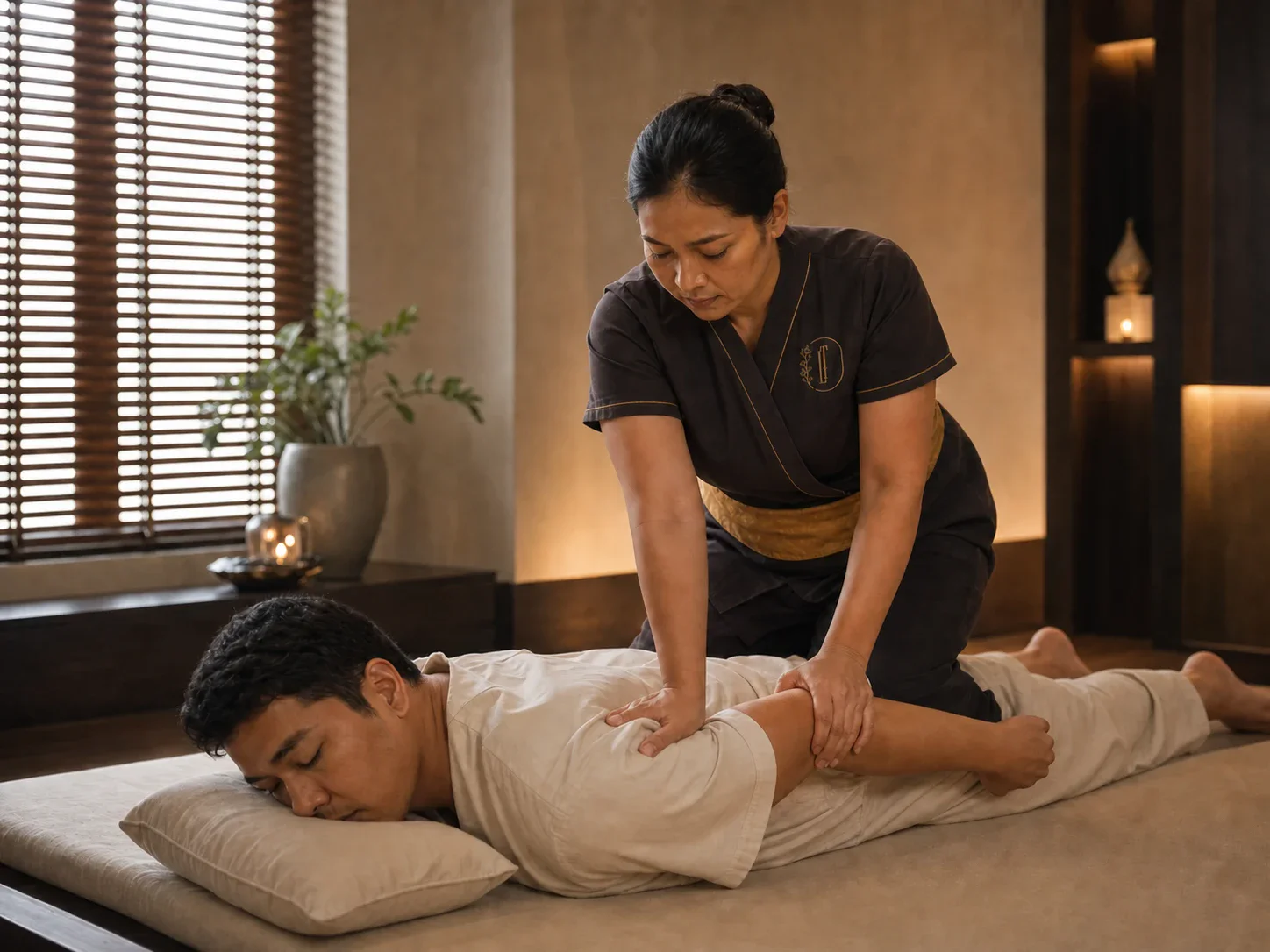
UNESCO inscribed Nuad Thai as intangible cultural heritage in 2019, documenting its place in Thai traditional healthcare and community knowledge.
Choose Traditional Thai Massage if you want the clothed, pressure-and-assisted-movement format. Choose an oil massage if you prefer gliding contact and less movement; it should not be relabelled as the same traditional practice.
At Loft Thai, the current menu lists Traditional Thai from 60 to 120 minutes. Share health information, range and pressure preferences, and keep consent active throughout.
Day Two Morning: Use a Market to Learn, Not Just to Photograph
A market reveals ingredients, work rhythms, transport and neighbourhood life. Choose one that fits the day and verify its actual operating schedule; some are daily, weekend or time-specific.
Ask before photographing people at close range, keep passages clear and buy thoughtfully rather than treating vendors as scenery.
The old article described Thai food through universal health benefits. Cuisine is better understood through region, technique, balance, season and individual dishes. Allergy, shellfish, fish sauce, peanuts, spice and dietary requirements still need direct questions.
Choose a Cooking Class by Source, Scale and Participation
A useful class identifies who teaches, which regional or household tradition is represented, whether market shopping is included and how much each participant actually cooks.
Avoid a promise that one class reveals the nutritional secrets of Thai cuisine. Recipes vary, and a delicious dish is not automatically suitable for every dietary or medical need.
Ask about allergies before booking and confirm whether substitutions preserve the learning goal or change the dish substantially.
Day Two Afternoon: Meet Muay Thai as Sport and Cultural Practice
Muay Thai can be experienced through a reputable beginner session, a stadium event, a gym visit or historical interpretation. Each gives a different view of training, ritual, competition and community.
A first class should cover stance, basic movement, equipment, contact level and safety. Do not assume that a tourism session will build mental resilience or transform fitness in one visit.
Tell the coach about injury and health restrictions. Watching a skilled event may be more appropriate than participating when impact, heat or exertion is unsuitable.
Day Three Option A: Join a Festival Through Its Current Programme
Thailand's Tourism Authority describes Songkran and Loi Krathong among the country's best-known festivals, while many other events are regional, religious or community-specific.
Songkran includes Thai New Year traditions beyond public water play. Loi Krathong carries water-related symbolism beyond the floating image seen online. Official dates, zones, transport and local rules should be checked for the specific year and city.
Join only activities that welcome visitors, follow safety instructions and avoid treating ceremonies, elders, monks or traditional dress as props.
Day Three Option B: Understand the Geography of a Floating Market
Damnoen Saduak is in Ratchaburi, which the Tourism Authority places around eighty kilometres west of Bangkok. Amphawa and Tha Kha are in Samut Songkhram. They are not quick central-Bangkok stops.
Different markets operate at different times and serve different mixes of residents and visitors. Confirm live hours, transport, boat conditions and the return journey before committing a day.
A canal-side market can illuminate water-based commerce, agriculture and food. It should not be advertised as a timeless village untouched by tourism.
Wellness Retreat Does Not Mean Medical Detox
Thailand offers yoga, meditation, fitness, spa and residential retreat programmes across several regions. Their qualifications, safeguarding, medical scope and accommodation standards vary.
Earlier promotional copy promoted detox programmes and medicinal herbal treatments without defining either. The body does not require a tourism package to remove vaguely named toxins.
Check the provider, instructor credentials, schedule, food, heat exposure, medication policy, emergency plan and cancellation terms. A retreat should not tell guests to stop prescribed treatment or promise a cure.
A Traditional House or Homestay Needs More Than Decorative Authenticity
Architecture can offer insight into climate, materials, family life and regional history. A homestay can also create direct local income when it is genuinely hosted and fairly represented.
Do not assume that sleeping in a wooden house grants access to private family culture. Ask what interaction is offered, what areas are private and how photography and meals work.
Check fire safety, accessibility, air conditioning, insects, bathroom arrangements and transport as carefully as cultural storytelling.
A Respectful Three-Day Bangkok Sequence
Keep each day geographically coherent. The goal is not to complete every category but to connect place, practice and recovery.
Insert rest and ordinary meals. Bangkok heat, rain, crowds and traffic affect how much attention a visitor can bring to the next encounter.
Verify current opening, ticket, dress, event and booking details on official venue or Tourism Authority channels.
-
01
Day one: historic city and Nuad Thai
Visit one or two religious or river sites, then choose a defined massage format with a generous travel buffer.
-
02
Day two: market, food and Muay Thai
Learn through ingredients or cooking, then watch or join a suitable sport context.
-
03
Day three: seasonal or regional depth
Follow a current festival programme or make a planned market trip outside central Bangkok.
-
04
Every day: ask before photographing
Respect worship, work, private space and people who are not part of a performance.
-
05
Every day: leave unscheduled time
Recovery and attention are part of responsible travel.
Keep Cultural Learning Separate from Medical Promises
Thai massage, herbs, meditation, food and movement can each be personally meaningful. They should not be bundled into a guarantee of immunity, detoxification, emotional healing or overall health.
Traditional knowledge deserves accurate context, while symptoms and medical conditions deserve appropriate assessment.
The strongest itinerary lets a visitor appreciate culture without demanding that every encounter produce a measurable wellness transformation.
“Cultural depth comes from context, attention and respect—not from collecting the greatest number of supposedly authentic experiences.”
Loft Thai Editorial Team
Continue your research
REFERENCES
Sources & further reading
- Tourism Authority of Thailand: Bangkok destination
- Tourism Authority of Thailand: Festivals
- Tourism Authority of Thailand: Ratchaburi and Damnoen Saduak
- Tourism Authority of Thailand: Samut Songkhram and Amphawa
- UNESCO: Nuad Thai, traditional Thai massage
- World Health Organization: Traditional medicine
- Loft Thai: Spa Menu 2026
PRACTICAL GUIDANCE
Frequently Asked Questions
What is a respectful way to combine Thai culture and wellness in Bangkok?
Keep the itinerary geographically coherent, verify current rules, treat temples as religious places, choose a defined Nuad Thai service and ask before photographing people.
Is traditional Thai massage part of UNESCO heritage?
UNESCO inscribed Nuad Thai on its Representative List in 2019. The recognition concerns the living cultural practice, not a ranking of individual spas.
Can tourists join temple meditation in Bangkok?
Only when a specific temple or programme welcomes visitors. Confirm the teacher, schedule, conduct, language, donation and photography rules.
Are Damnoen Saduak and Amphawa in central Bangkok?
No. Damnoen Saduak is in Ratchaburi, while Amphawa is in Samut Songkhram. Both require current transport and operating-time planning.
Do Thai wellness retreats detox the body?
A vague detox promise is not a medical outcome. Evaluate the real programme, qualifications, safety, food, heat, medication policy and evidence.
CONTINUE READING
Related stories
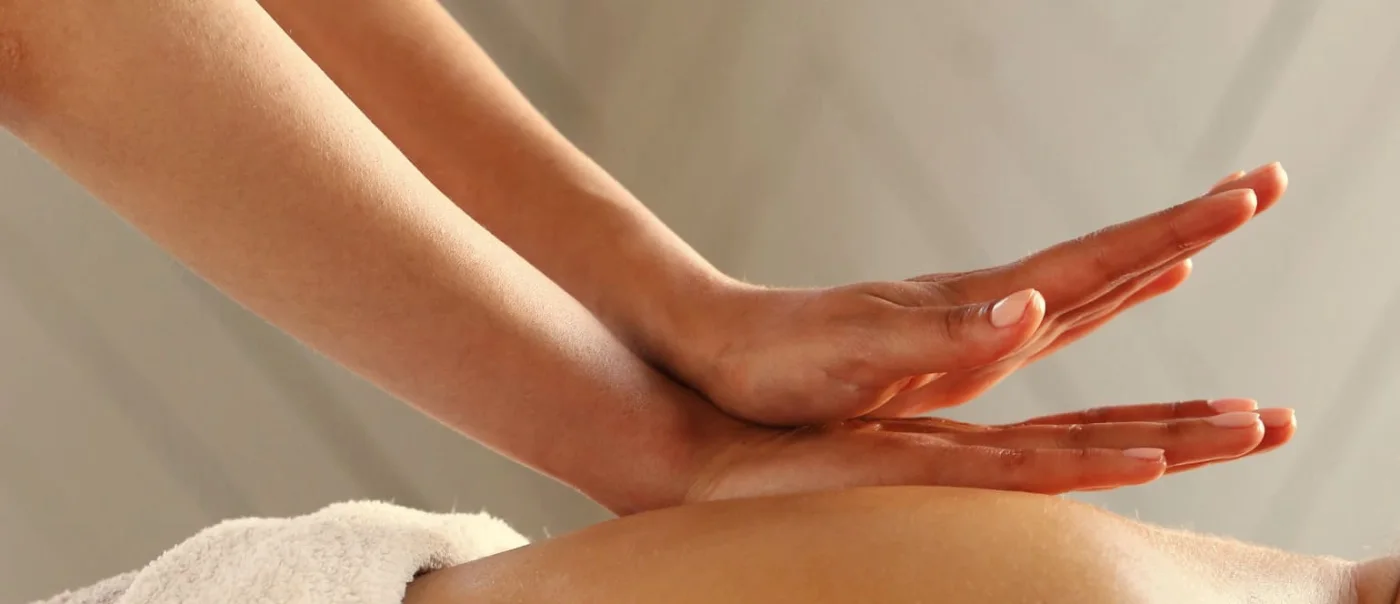
How Loft Thai Spa Offers a Unique and Authentic Experience
In the heart of Bangkok’s Sukhumvit district, Loft Thai Spa stands out as a sanctuary of tranquility and authentic Thai wellness. Combining traditional healing techniques with modern luxury, Loft Thai Spa provides an unparalleled experience. Here’s a closer…
Read the guide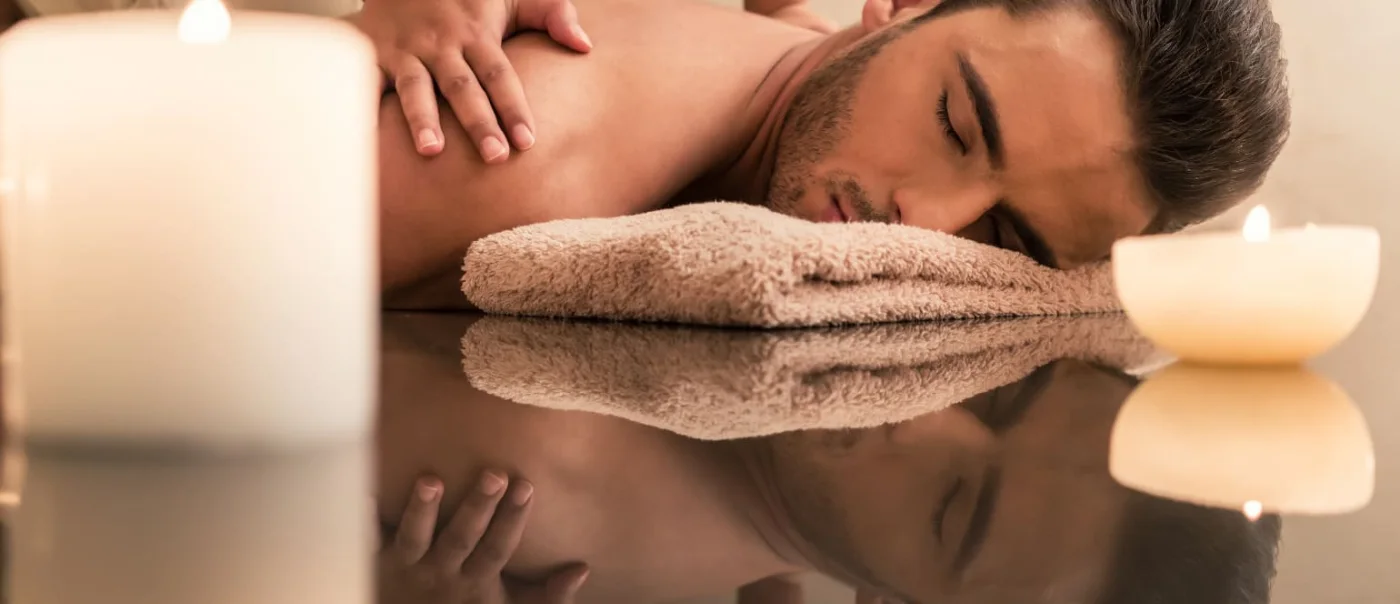
Discover the Secrets of Thai Healing and Relaxation
Thailand is renowned for its unique approach to wellness, blending ancient traditions with natural remedies to promote healing and relaxation. Whether you're a wellness enthusiast or a curious traveler, discovering the secrets of Thai healing can transform…
Read the guide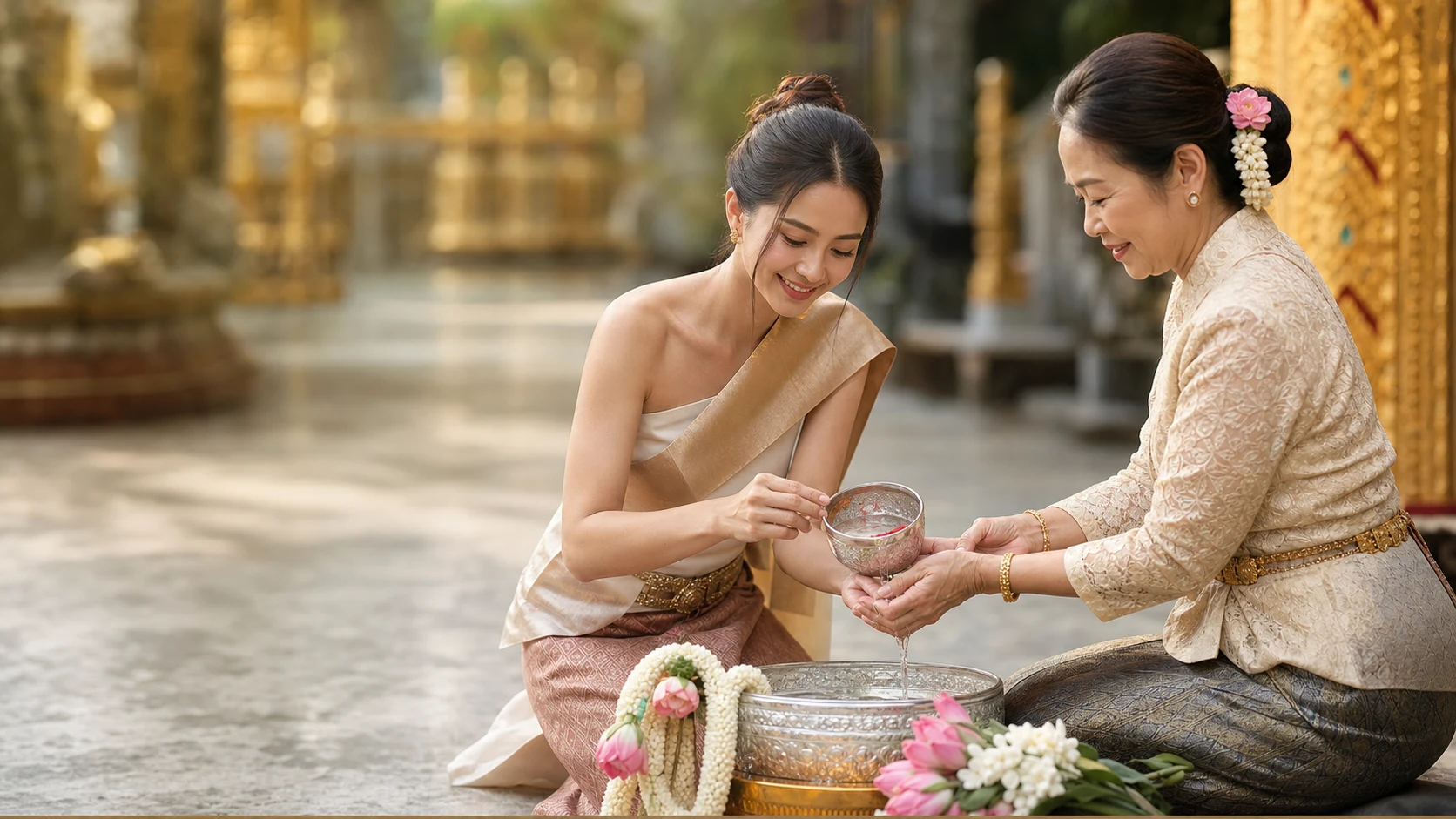
Songkran Festival in Thailand 2026: A Complete Cultural, Spiritual & Lifestyle Experience
Every April, Thailand transforms into a living, breathing celebration of joy, culture, and renewal through Songkran, the traditional Thai New Year. In 2026, this iconic festival continues to stand as one of the most meaningful and internationally recognized…
Read the guide