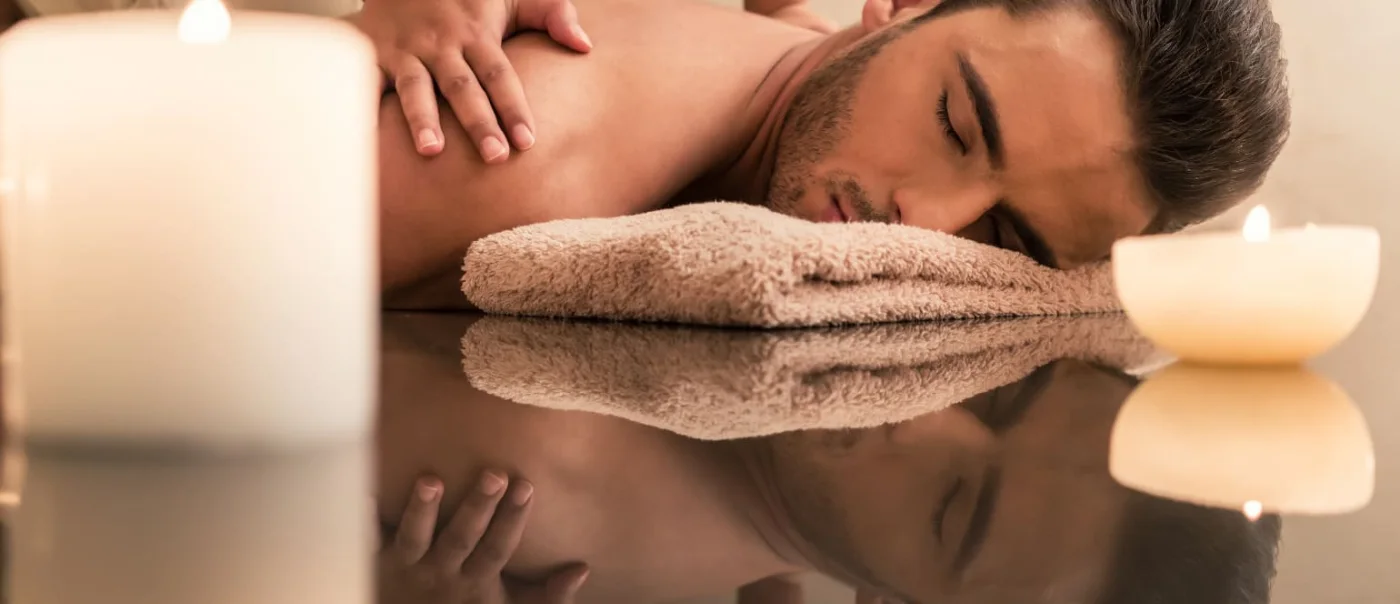
Thailand is renowned for its unique approach to wellness, blending ancient traditions with natural remedies to promote healing and relaxation. Whether you're a wellness enthusiast or a curious traveler, discovering the secrets of Thai healing can transform your understanding of self-care. Here’s a closer look to Thai healing and relaxation.
Traditional Thai Massage
The History and Philosophy
Traditional Thai massage, or "Nuad Bo-Rarn," dates back over 2,500 years and is rooted in Buddhist traditions. It was developed by Jivaka Kumar Bhaccha, a physician to the Buddha, and combines elements of yoga, acupressure, and Ayurveda.
The Technique
Unlike Western massage styles that typically involve rubbing oil into the skin, Thai massage is more about muscle stretching and acupressure. The therapist uses their hands, knees, legs, and feet to move you into a series of yoga-like stretches. This technique helps to:
- Improve flexibility
- Increase circulation
- Relieve muscle tension
- Promote relaxation and well-being
Herbal Compress Therapy
The Healing Herbs
Herbal compress therapy, known as "Luk Pra Kob," involves the use of a heated cloth bundle filled with a variety of medicinal herbs, such as lemongrass, turmeric, and kaffir lime. These herbs are selected for their anti-inflammatory and soothing properties.
The Benefits
When applied to the body, the herbal compress can:
- Relieve muscle and joint pain
- Reduce inflammation
- Improve blood circulation
- Enhance the immune system
Thai Herbal Steam Baths
Traditional Thai Saunas
Thai herbal steam baths are a cornerstone of Thai healing practices. Using a blend of local herbs, the steam baths help to detoxify the body and promote relaxation. Common herbs used include:
- Lemongrass
- Kaffir lime leaves
- Eucalyptus
- Galangal
The Experience
The warm steam opens up pores, allowing the herbs to penetrate and work their magic. This treatment can:
- Clear respiratory pathways
- Detoxify the skin
- Reduce stress
- Improve overall well-being
Aromatherapy and Essential Oils
The Power of Scents
Aromatherapy is integral to Thai healing practices. Essential oils derived from plants, flowers, and herbs are used to promote physical and emotional health. Popular oils include:
- Jasmine
- Lavender
- Lemongrass
- Eucalyptus
The Benefits
Incorporating aromatherapy into massages or diffusing the oils in the air can:
- Reduce anxiety and stress
- Enhance mood
- Promote better sleep
- Relieve pain
Thai Foot Massage
Reflexology Roots
Thai foot massage focuses on applying pressure to specific points on the feet that correspond to different organs and systems in the body. This ancient practice, known as reflexology, helps to:
- Improve circulation
- Reduce stress and anxiety
- Enhance immune function
- Promote overall health and well-being
Mindfulness and Meditation
Spiritual Practices
Mindfulness and meditation are deeply embedded in Thai culture, influenced by Buddhist practices. Regular meditation can:
- Reduce stress
- Improve focus and concentration
- Enhance emotional health
- Foster a sense of inner peace
Thailand's rich heritage of healing and relaxation techniques offers a comprehensive approach to wellness. Whether you experience these treatments at a local spa or integrate them into your daily routine, the wisdom of Thai healing can bring lasting benefits to your life, so come discover all of the benefits of Thai massage at Loft Thai Spa !
UPDATED LOFT THAI GUIDE
Additional guidance and current information
The following editorial update expands on the original Loft Thai article with practical context, current treatment guidance and further reading.
Thai Wellness Is a Living Practice, Not a Secret Formula
The legacy article described ancient secrets that could transform self-care. That language turns diverse community practice into a single exotic product.
Thai traditional healthcare includes knowledge, practitioners, teaching systems and local variations. A Bangkok day-spa service represents one contemporary setting, not the whole field.
Respect begins by naming the actual format, distinguishing cultural explanation from biomedical evidence and avoiding a promise that tradition works identically for every person.
The Documented History Is More Careful Than “2,500 Years”
The old article repeated a 2,500-year origin and credited Jivaka Kumar Bhaccha as the single developer of Thai massage. That devotional and lineage narrative is widely repeated but does not establish a documented continuous technique of the same form for 2,500 years.
Thailand's UNESCO nomination material says historical evidence shows the practice dates back at least six centuries. It also records community transmission, temple inscriptions, formalisation and a national revitalisation project launched in 1985.
A credible history can include respected traditional narratives while marking the difference between belief, attribution and documentary evidence.
UNESCO Recognises Nuad Thai as Intangible Cultural Heritage
UNESCO inscribed Nuad Thai on the Representative List of the Intangible Cultural Heritage of Humanity in 2019. Its description places the practice within Thai traditional healthcare and community knowledge.
The inscription records cultural significance and safeguarding. It is not a medical guideline, a ranking of spas or an endorsement of Loft Thai.
UNESCO's text includes traditional concepts such as sen lines and four body elements. Reporting those concepts accurately does not require presenting them as established anatomy.

What a Traditional Thai Massage Looks Like Today
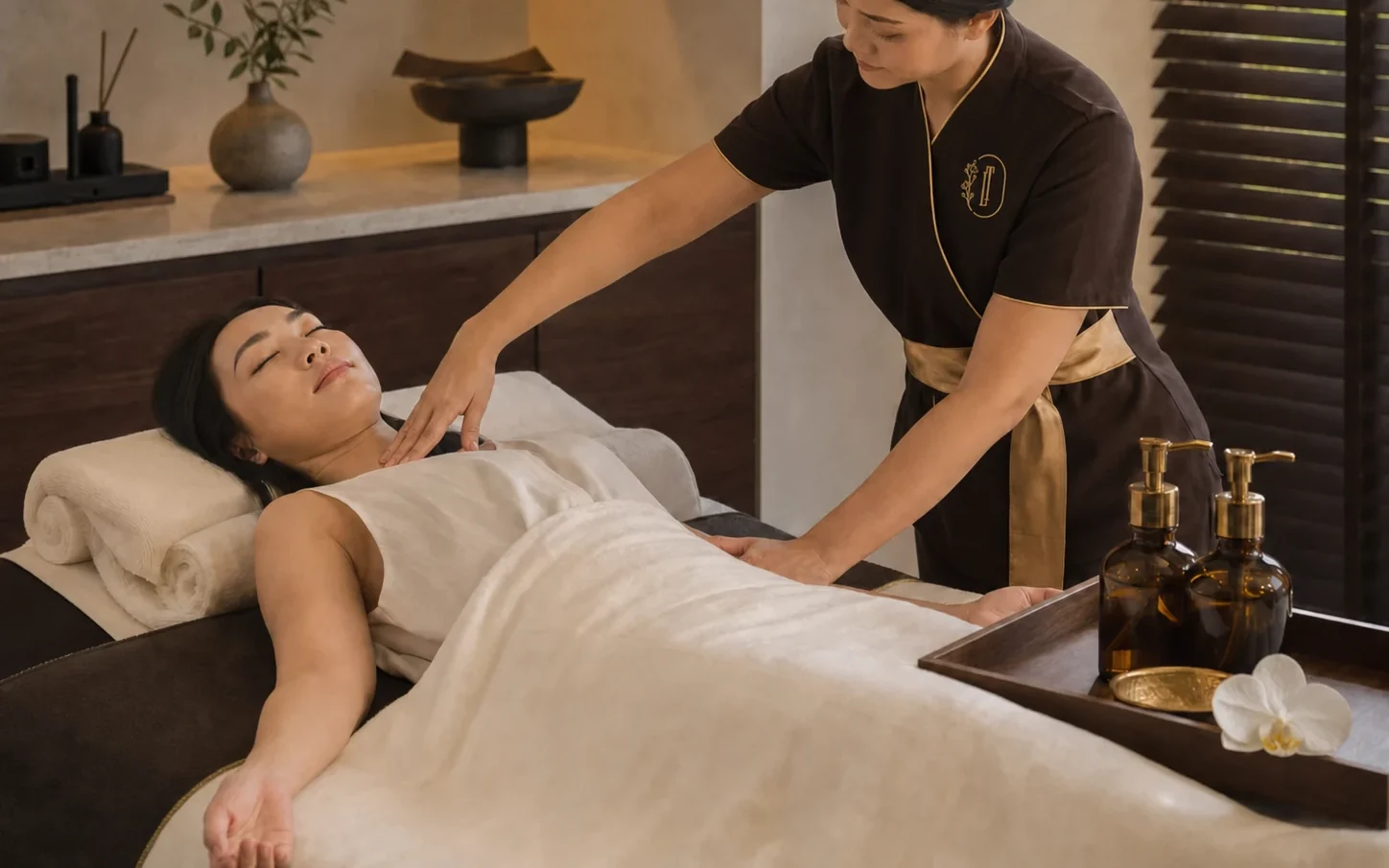
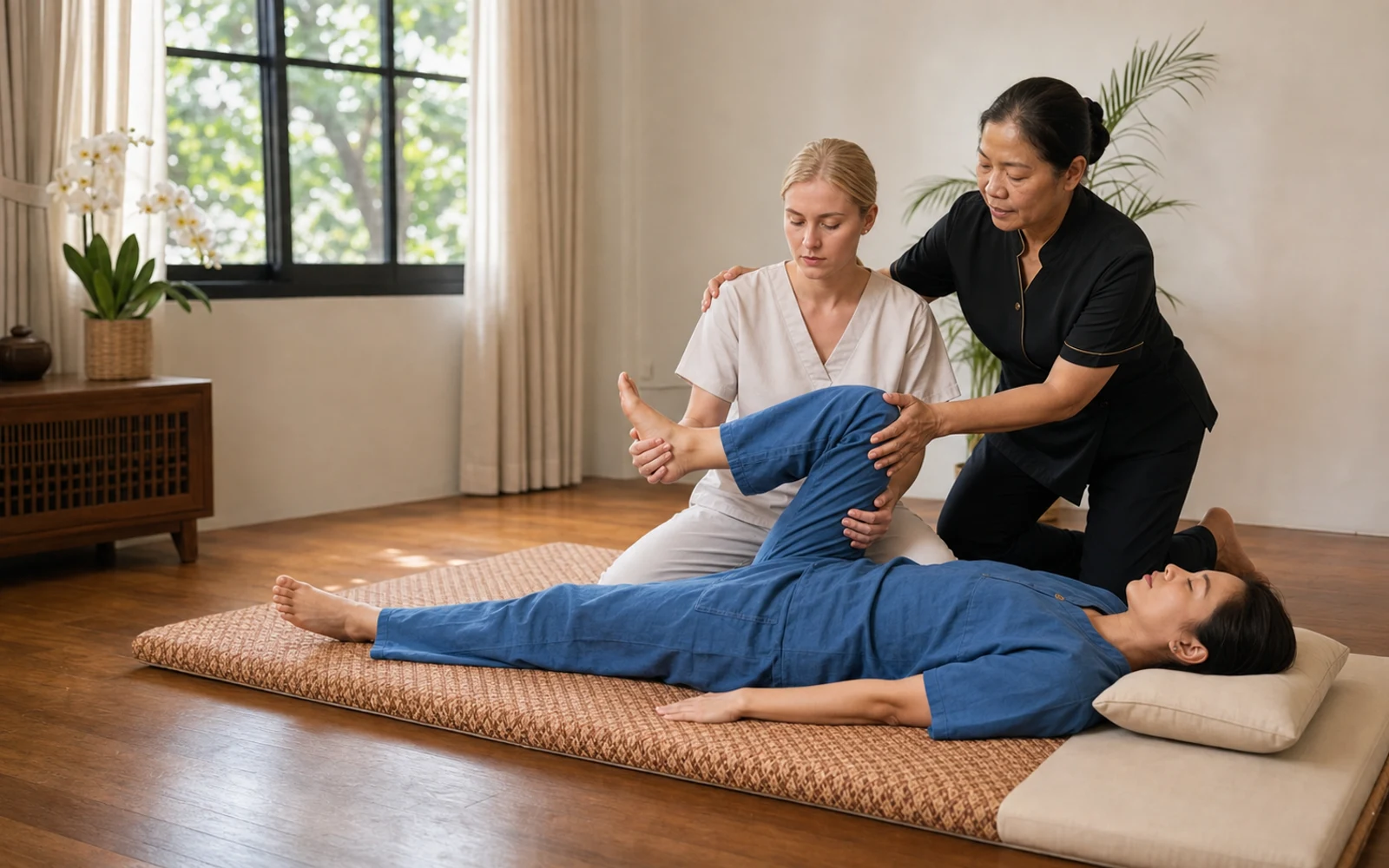
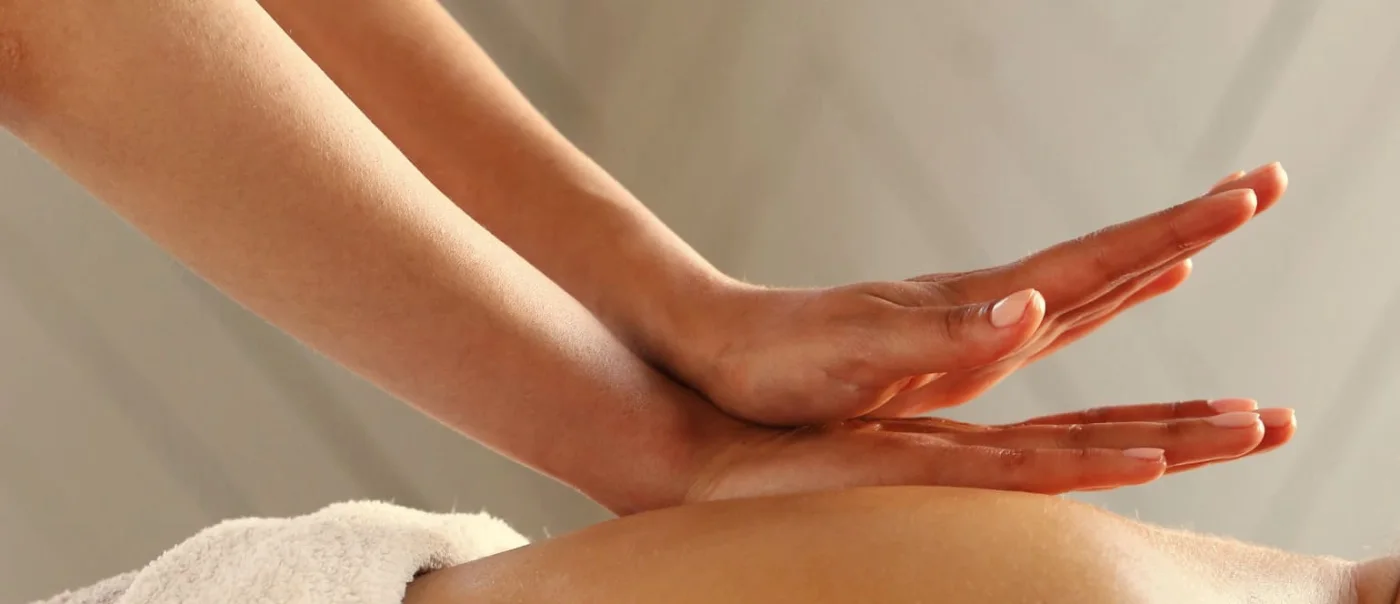
Traditional Thai Massage is generally clothed and combines rhythmic pressure, compression and assisted movement. Hands, forearms, elbows, knees or feet may be used depending on training, sequence and the guest's position.
The current Loft Thai menu lists Traditional Thai Massage at 60 minutes for 1,000 THB, 90 minutes for 1,400 THB and 120 minutes for 1,900 THB.
Thai Combination, Thai Warrior, Tok Sen, herbal compress and oil massages have different formats. Cultural authenticity is improved by describing those differences rather than calling every service “ancient Thai healing.”
Heritage and Clinical Evidence Answer Different Questions
Heritage asks how a practice is understood, transmitted and valued. Clinical research asks whether a defined intervention is safe and effective for a defined outcome under specified conditions.
A 2015 systematic review of six controlled trials reported encouraging pain findings for traditional Thai massage but called for more research on moderators, mechanisms and long-term effects. Those limited studies do not justify universal claims about immunity, circulation, anxiety or disease.
The World Health Organization says traditional medicine should be integrated safely and on the basis of current scientific evidence. Long use alone is not proof of efficacy for every condition.
Sen Lines Belong to Traditional Theory, Not a Scan
Nuad Thai theory describes sen as pathways connected with balance and traditional explanations of health. A therapist may use that vocabulary to explain a sequence.
Sen should not be presented as a structure visible on medical imaging or a diagnosis of blocked energy. A guest's pain, weakness, swelling or neurological symptoms cannot be safely explained by that phrase alone.
Cultural language can remain part of the story while medical decisions follow appropriate assessment.
Thai Herbal Compress Combines Heat, Pressure and Ingredients
A heated herbal bundle creates warmth, moisture, aroma and intermittent pressure. The sensory result depends on the bundle, temperature, wrapping, contact time and preceding massage.
The current menu offers Thai herbal, eucalyptus, lemongrass and plai-and-camphor directions plus a fresh homemade option. It does not publish one universal recipe containing every herb named in the legacy article.
Claims that the compress treats inflammation, boosts immunity or heals joint disease are not retained. Ask for the exact ingredients and heat test when pregnancy, neuropathy, fragile skin, allergy or heat sensitivity matters.
Thai Herbal Steam Exists, but It Is Not a Universal Loft Thai Facility
Herbal steam is used in some Thai traditional and contemporary wellness settings. Heat, humidity and aromatic plants create a distinct experience from massage.
The old article said herbal steam opens pores so herbs can penetrate, clears respiratory pathways and detoxifies the body. Those mechanisms and outcomes were presented without evidence.
Loft Thai’s current collection does not list a universal herbal steam bath at all three branches. Do not travel expecting one unless the exact branch and current service confirm it.
Aromatic Oils Are Sensory Products, Not Emotional Medicine
The current menu includes aromatic oil directions such as lavender, lemongrass and eucalyptus. Fragrance can contribute to the atmosphere when the guest enjoys it.
Earlier promotional copy claimed essential oils reduce anxiety, improve sleep, relieve pain and enhance mood as general facts. Loft Thai does not present its oil massage as a clinical aromatherapy prescription.
The US FDA notes that plant-derived products can irritate or cause allergy. Confirm the exact oil, dilution and unscented alternative when fragrance sensitivity, asthma, pregnancy or previous reaction matters.
Thai Foot Massage Does Not Diagnose the Organs
Traditional Foot Massage is currently listed at 60 minutes for 800 THB or 90 minutes for 1,200 THB. It focuses attention on the feet and lower legs in a defined spa format.
The old article said points on the feet correspond to organs and that pressure improves immunity and overall health. A spa foot map should not be used to diagnose internal disease or guarantee systemic outcomes.
Disclose wounds, fungal infection, swelling, neuropathy, fracture, gout flare or circulatory concerns. A focused foot treatment can still be enjoyed without an organ-reflex claim.
Meditation Is Part of Thai Religious Life, Not a Built-In Massage Step
Buddhist practice has profoundly influenced Thai culture, but it is inaccurate to turn all Thai people, temples or massage sessions into one mindfulness product.
The legacy article presented meditation as a standard Thai wellness technique with guaranteed focus, emotional health and inner peace. The current Loft Thai menu does not list meditation instruction.
A guest may choose quiet breathing during massage, visit a temple respectfully or learn meditation from a qualified programme. Those are separate choices and should be described separately.
Tradition Does Not Remove the Need for Safety and Consent
Massage is usually low risk when appropriately delivered, but serious adverse events have been reported, especially with vigorous techniques or people at higher risk.
Share pregnancy, injury, surgery, osteoporosis, medication, blood-clot risk, neuropathy, severe pain, fever and unexplained symptoms. Ask for range and pressure to be adapted.
Sharp pain, numbness, dizziness or fear is a reason to change or stop. Do not use massage to postpone healthcare assessment for a medical problem.
“Heritage explains why a practice matters to a community. Evidence and consent still determine what can responsibly be promised to a guest.”
Loft Thai Editorial Team
Continue your research
REFERENCES
Sources & further reading
- UNESCO: Nuad Thai, traditional Thai massage
- UNESCO nomination material: Nuad Thai history and practice
- World Health Organization: Traditional medicine
- PubMed: Traditional Thai massage for chronic pain—systematic review
- US NCCIH: Massage therapy—what you need to know
- US FDA: Aromatherapy and essential oils
- Loft Thai: Spa Menu 2026
PRACTICAL GUIDANCE
Frequently Asked Questions
Is Thai massage really 2,500 years old?
A 2,500-year lineage story is widely repeated, but UNESCO nomination material says documentary historical evidence shows the practice dates back at least six centuries.
Does UNESCO endorse Loft Thai Spa?
No. UNESCO recognises Nuad Thai as intangible cultural heritage; the inscription is not a ranking or endorsement of an individual spa.
Do Thai herbal compresses detoxify the body?
No detox claim is needed. A compress combines heat, moisture, aroma, ingredients and pressure. Exact product and heat safety matter.
Can foot massage diagnose problems in my organs?
No. A spa foot treatment should not be used to diagnose or treat internal disease through reflex points.
Is meditation included in Loft Thai massage?
The current menu does not list meditation instruction as part of massage. Guests may prefer a quiet session, but that is different from a guided programme.
CONTINUE READING
Related stories
How Loft Thai Spa Offers a Unique and Authentic Experience
In the heart of Bangkok’s Sukhumvit district, Loft Thai Spa stands out as a sanctuary of tranquility and authentic Thai wellness. Combining traditional healing techniques with modern luxury, Loft Thai Spa provides an unparalleled experience. Here’s a closer…
Read the guide
Tok Sen Massage for Deep Tension: Why Vibration Can Reach Where Hands Cannot
Deep muscle tension is often misunderstood. Many people imagine that a tight shoulder, a stiff lower back, or a heavy neck can only be solved by stronger pressure, deeper elbows, or longer massage sessions. While deep pressure can be useful when applied…
Read the guide
Bangkok Spa Etiquette: Tipping, What to Wear, What to Say to Get the Pressure You Want in 2026
Booking a spa in Bangkok should feel exciting—not confusing. But if it’s your first time Thai massage or oil massage, it’s normal to wonder about the unspoken rules. Do you tip? How much? What do you wear? Do you keep underwear on? And how do you ask for the…
Read the guide
Why Spa & Massage are the Best in Thailand ?
When people think of Thailand, they often conjure images of pristine beaches, bustling markets, and flavorful cuisine. However, for many travelers and wellness enthusiasts, Thailand represents the pinnacle of spa and massage experiences. This Southeast Asian…
Read the guide