
Face massage is both an art and a science—an intersection of tradition, anatomy, and wellness that transcends cultural boundaries. In many regions around the world, from Thailand to the spas of Europe, practitioners have developed unique approaches that focus on physical, mental, and spiritual well-being. This article delves into the multifaceted world of face massage, offering you a panoramic view of its story, the scientific underpinnings, its educational value, various techniques, its cultural significance (with special attention to Thai culture), recommended products, benefits, and practical ways to practice face massage—either at a professional spa or in the comfort of your own home.
This comprehensive guide spans more than 4,000 words, ensuring an in-depth look at the topic from multiple angles. Whether you are a professional masseur, a skincare enthusiast, or simply someone curious about the healing power of touch, you will find ample knowledge and inspiration in the following pages.
1. The Roots and Evolution of Face Massage (Historical and Cultural Perspectives)
1.1 Early Origins of Massage
Massage therapy, in its broadest sense, is an ancient practice believed to date back thousands of years. The earliest references to massage date to ancient civilizations such as those in Egypt, China, and India, where manual manipulation of the muscles and soft tissues was applied to promote health and relaxation. Though full-body massage received much attention in these early cultures, references to facial massage are found in texts that discuss the stimulation of meridians, acupressure points, and the flow of “life force” or “chi,” specifically in the facial region.
In many communities, massage was not solely physical; it was also seen as a spiritual or ritualistic practice. Healers and shamans used various forms of massage to align energy pathways, invoking divine or natural energies for holistic healing. Over time, these ancient insights disseminated through cultural exchanges, trade routes, and conquests, allowing different regions to adapt and refine the techniques for face massage specifically. These migrations of knowledge led to diverse lineages of practice, each shaped by local philosophies, needs, and available materials.
1.2 Integration into Holistic Health Systems
Ayurveda in India, Traditional Chinese Medicine (TCM), and even later Greco-Roman medical theories each integrated some form of face manipulation. In Ayurveda, certain oils and herbs were traditionally used for facial treatments to balance the three doshas—Vata, Pitta, and Kapha. Techniques were refined to address not only beauty concerns but also the deeper health of the individual. Face massage became an important ritual for rejuvenation, believed to support digestion and mental clarity due to the intricate relationship between the sense organs (eyes, nose, mouth, ears) and the brain.
Meanwhile, in TCM, face massage was part of a larger system involving acupressure points and meridians. Practitioners believed that by manipulating specific points on the face, they could influence organ function throughout the body. Tools such as jade rollers and gua sha stones emerged as accessories to these techniques, each credited with the ability to balance qi (chi) and blood circulation. Over centuries, these practices evolved from being strictly therapeutic to also being treasured for their beauty-enhancing properties.
1.3 Cultural Expressions of Face Massage
By the Middle Ages, face massage found a place among aristocratic and royal courts in Europe. During the Renaissance, it was closely tied to the concept of cosmetic beautification. Well-off individuals sought specialized face treatments that combined massage with herbal poultices, creams, and salves. This era laid the groundwork for professional “beauticians” in Europe, who blended scientific inquiry with aesthetic treatments.
Moving forward to more contemporary times, face massage has continued to diversify. From the sophisticated facial massage techniques in European spas to the deeply spiritual and energy-focused methods in many Asian traditions, the cultural expressions are richly varied. In modern Asia, particularly in places like Japan and Korea, innovative facial massage procedures merged with technology, giving rise to high-end skincare and luxury spa industries. Meanwhile, older traditions—like the ones found in Thai massage—have maintained their cultural authenticity, serving as living vestiges of ancient knowledge.
1.4 Face Massage as a Global Phenomenon
Today, face massage is practiced globally, transcending class and culture. Spas worldwide offer a spectrum of treatments—from high-tech procedures involving LED lights and microcurrents to simple, manual manipulations that trace their lineage back to ancient healing practices. The universal appeal of face massage lies in its dual ability to deliver both relaxation and tangible benefits for the skin and underlying structures.
While modern science continues to investigate the precise mechanisms by which face massage benefits the individual, a global consensus has emerged recognizing its positive impact on wellness, stress relief, and even emotional well-being. The acceptance of holistic approaches, combined with advances in dermatological science, has paved the way for a new era of integrative skincare—where the best of tradition melds with cutting-edge techniques.
1.5 The Ongoing Legacy
The story of face massage is as old as human civilization itself. While the methods have evolved with each passing century, the core principle—using gentle, deliberate touch to nurture the body and mind—remains unchanged. This enduring legacy continues to flourish because it speaks to an intrinsic human need: the desire for connection, relaxation, and personal care. The modern-day resurgence in holistic health further cements face massage’s position as a deeply valued practice that combines beauty, wellness, and cultural heritage.
2. The Science Behind Face Massage
2.1 Understanding Facial Anatomy
To fully appreciate how face massage works, it is useful to have a grasp of the underlying anatomy. The human face comprises dozens of small muscles, including the frontalis (forehead), orbicularis oculi (around the eyes), and zygomaticus (cheek region), among others. These muscles coordinate to express our emotions—from laughter to worry—and also play a vital role in functional movements like chewing and speaking.
Beneath these muscles lie bones that form the structure of the skull and facial cavity. There is also an intricate network of blood vessels, lymphatic channels, and nerves that keep the face nourished and innervated. When tension accumulates in specific areas—such as the jaw (the masseter muscle) or the brow (frontalis)—it can lead to headaches, pain, or even changes in expression that become etched into the skin over time.
2.2 Circulation, Lymphatic Drainage, and Detoxification
One of the primary scientific rationales for face massage is that it promotes healthier circulation. By applying gentle pressure and massage strokes, you can improve blood flow to the facial tissues. Better blood circulation means more oxygen and nutrients are delivered to skin cells, which can result in a brighter complexion and a “glow” that is often associated with good health.
Additionally, the lymphatic system—a network of channels that carry lymph fluid and help remove toxins—can be stimulated by massage. When done correctly, face massage supports lymphatic drainage, facilitating the elimination of waste products. This process may also help reduce puffiness and water retention, particularly around the eyes and cheeks. Thus, the aesthetic and health benefits of face massage go hand in hand, with detoxification serving as a core function of these techniques.
2.3 Neurophysiological Effects and Stress Relief
The face is a major hub for sensory input, home to some of the most sensitive nerve endings in the body. When you receive a face massage, signals travel through the nerve pathways to the brain, triggering a relaxation response. This can involve the activation of the parasympathetic nervous system, often called the “rest and digest” mode, which counters the stress-induced “fight or flight” mode of the sympathetic nervous system.
As the parasympathetic nervous system takes over, heart rate slows, blood pressure stabilizes, and the body enters a more restful state. The release of endorphins and serotonin can further enhance the feeling of well-being. Chronic stress often manifests in the face (furrowed brows, clenched jaws, etc.), so the act of gently massaging these areas can help interrupt the cycle of tension and stress, contributing to long-term health benefits.
2.4 Collagen Production and Anti-Aging Theories
Facial massage has also been studied in the context of its effects on collagen and elastin. Collagen is a protein that gives skin its structure and firmness, while elastin allows the skin to bounce back after being stretched or pinched. Both degrade as we age, leading to wrinkles and sagging. While more research is needed, some studies suggest that mechanical stimulation—such as massaging—could help stimulate collagen production.
The theory is that the pressure and friction applied to the skin may promote microcirculation and possibly create a controlled inflammatory response that signals the body to rebuild and fortify its tissues. While it is not a magic bullet for aging, face massage can be an effective complementary tool in a broader skincare regimen that includes a healthy diet, sun protection, and skincare products rich in antioxidants and nutrients.
2.5 Psychosomatic and Holistic Dimensions
Beyond the purely physiological benefits, face massage often works on a psychosomatic level. Humans are wired for touch; it is a fundamental part of emotional well-being. Gentle touch can encourage trust, reduce anxiety, and even foster a sense of belonging or being cared for. Many clients describe a face massage as grounding, something that helps them reconnect with themselves. This connection has important implications for holistic health, as psychological stress can manifest physically in the face and body.
In holistic modalities, the health of the facial tissues is directly linked to emotional balance. Tensions locked in the muscles around the mouth and eyes can reflect emotional holding patterns. Through consistent facial massage, people sometimes report not only physical relaxation but an emotional release or lightening of burdens. While these experiences are subjective, they point toward the integrated nature of mind and body—and the power of face massage to positively influence both.
3. Educational Aspects: Learning the Art of Face Massage
3.1 Professional Training Pathways
If you are intrigued by the professional practice of face massage, there are many avenues for formal education. In many countries, aspiring massage therapists or estheticians are required to complete accredited programs that cover anatomy, physiology, and foundational massage techniques. Specialized courses in facial massage are often included or available as electives. These programs may last anywhere from a few months to a couple of years, depending on the certification level and country regulations.
Professional-level courses typically delve deeper into the pathology of skin conditions, advanced physiology, and even business management skills for those aiming to open their own practice. Some institutions offer specialized workshops focusing on modalities such as lymphatic drainage, acupressure, gua sha, or Thai face massage. Certification in these specialties adds a layer of expertise and can be a unique selling point for practitioners.
3.2 Online Learning and Workshops
With the advent of digital learning platforms, you no longer need to be confined to a single geographic location to learn face massage. A wide variety of online courses offer detailed video demonstrations, interactive modules, and even live feedback sessions. Topics can range from the basics—how to properly cleanse and prepare the face for massage—to advanced techniques involving specific tools.
Workshops, whether in-person or virtual, offer a more hands-on approach. Attendees can practice techniques on each other under the guidance of an instructor, receiving immediate corrections and insights. These short but intensive learning experiences are a popular way for professionals to add specialized treatments to their repertoire or for skincare enthusiasts to deepen their personal knowledge.
3.3 Anatomy and Physiology for Face Massage
A comprehensive understanding of the face’s musculoskeletal structure is crucial for those serious about face massage. While you do not need to become a medical doctor, familiarity with the muscles, nerves, and vascular pathways ensures that you perform techniques safely and effectively. Specific focus is often placed on the following:
-
Muscles of Facial Expression: Understanding orbicularis oris, orbicularis oculi, zygomaticus major and minor, buccinator, frontalis, and more.
-
Cranial Nerves: Particularly the trigeminal nerve (cranial nerve V) and facial nerve (cranial nerve VII) which innervate most of the face.
-
Lymphatic Drainage Pathways: Knowing where the lymph nodes are located helps in directing massage strokes to encourage fluid drainage.
-
Contraindications: Conditions like severe acne, open wounds, or active infections that may be worsened by massage.
3.4 Cultural Competence in Face Massage
In an increasingly globalized world, understanding cultural nuances becomes vital for those offering professional services. Different cultures may have specific practices, taboos, or preferences regarding touch. For example, in certain Asian cultures, the head is considered a sacred part of the body, and special permissions or rituals may be required before a massage can begin. Conversely, Western approaches might emphasize the physical and aesthetic benefits more explicitly.
Cultural competence extends beyond technique. It involves understanding that face massage can carry spiritual or emotional weight in some traditions. In Thai culture, for instance, face massage is integrated into a broader system of bodywork that includes spiritual and energetic dimensions. For practitioners, such sensitivity can make all the difference in creating a respectful, comfortable environment for clients.
3.5 Personal Development through Face Massage
Learning face massage techniques for personal use can be profoundly beneficial. You gain the skills to care for your own facial health, mitigate stress, and potentially slow some visible signs of aging. Self-massage rituals can become a form of mindfulness practice, encouraging you to be present and attentive to subtle sensations in the face and scalp. This can lead to improved self-awareness, stress management, and emotional balance.
For those who integrate face massage into a broader self-care routine—such as yoga, meditation, and healthy lifestyle choices—the overall impact can be transformative. The practice becomes more than just a beauty or wellness tool; it becomes a journey of self-discovery and holistic health. When approached with consistency and the right knowledge, face massage can indeed become a cherished component of your daily or weekly routine.
4. Core Techniques of Face Massage
4.1 Foundational Techniques: Effleurage, Petrissage, and Friction
Massage terminology often draws from French, as modern Western massage has strong roots in Europe. Some common foundational techniques include:
-
Effleurage: This is a series of gentle, gliding strokes that warm up the tissues. In face massage, effleurage is usually done with light to moderate pressure using the fingertips in upward or outward motions. It helps to spread oils or creams and prepares the face for deeper work.
-
Petrissage: Involves kneading and rolling movements that address underlying muscle tension. Though usually gentler on the face than on larger body muscles, light petrissage can help mobilize the tissues, increase blood flow, and relieve tension in areas like the jaw and cheeks.
-
Friction: Friction strokes use deeper pressure to address knots or adhesions. While friction is used sparingly on the delicate facial skin, targeted friction can be beneficial for loosening stubborn tension around the temples or jaw, where headaches and muscle pain often originate.
4.2 Acupressure and Reflexology
Both acupressure and reflexology use the idea that specific points on the face correspond to internal organs or broader bodily systems. By applying pressure to these points, you can facilitate a therapeutic response. Some common facial acupressure points include:
-
Yin Tang (located between the eyebrows): Often called the “third eye,” it can help alleviate tension headaches and stress.
-
Taiyang (located in the temple region): Useful for headache relief and calming the mind.
-
Sibai (on the cheek, below the pupil): Believed to help with sinus congestion and eye strain.
Reflexology theories add that certain zones on the face map to different body regions. Massaging these zones could potentially harmonize the associated systems, although scientific evidence remains mixed. Nonetheless, many find these techniques relaxing and beneficial for stress relief.
4.3 Lymphatic Drainage Techniques
Lymphatic drainage is a gentle method aimed at boosting the lymphatic system’s efficiency. By employing very light pressure and rhythmic, circular strokes, the therapist or individual encourages lymph fluid to move toward the lymph nodes for filtration. Techniques may involve lightly sweeping motions from the center of the face outward toward the ears or down the neck. Since the lymphatic vessels are near the surface of the skin, the pressure is usually subtle—enough to push fluid along without compressing deeper tissues.
This approach is particularly popular for addressing puffiness, especially around the eyes, cheeks, and jawline. It can also support recovery after certain facial procedures or surgeries, although medical clearance is always recommended. Lymphatic drainage has gained widespread recognition in spas and salons, often marketed as a detoxifying and contour-enhancing treatment.
4.4 Gua Sha and Jade Rollers
Rooted in Traditional Chinese Medicine, gua sha is a scraping technique typically done with a smooth-edged tool made of jade, rose quartz, or other stones. On the face, the motion is much lighter compared to body gua sha, which can sometimes leave bruises known as “sha.” Facial gua sha focuses on improving blood flow, relaxing tension, and encouraging lymphatic drainage. Tools are glided over the skin in upward and outward strokes, gently hugging the contours of the facial bones.
Jade rollers serve a similar purpose. They consist of one or two rounded jade stones attached to a handle, allowing you to roll the tool along your cheeks, forehead, and jaw. Proponents claim that the cooling properties of jade help reduce inflammation and puffiness. These tools have become wildly popular on social media, with many users praising their ability to produce a temporary lifting and brightening effect. While the scientific evidence is still growing, anecdotal experiences and centuries of cultural practice offer substantial reason to believe in their benefits.
4.5 Hot and Cold Therapies
Thermoregulation is another technique that can enhance the benefits of face massage. Applying a warm towel before a massage session helps open pores and relax muscles, making the face more receptive to the manipulations. Warmth also increases blood flow, contributing to a sense of deep relaxation.
Conversely, cold therapy can have a tightening and toning effect on the skin. Some practitioners use chilled stones or cold compresses for a refreshing finale to a face massage. The cold temperature can help reduce inflammation, calm redness, and close pores. Alternating between hot and cold, known as contrast therapy, is sometimes employed for a stimulating effect, though care must be taken for individuals with sensitive skin or certain medical conditions.
5. Thai Culture and Face Massage
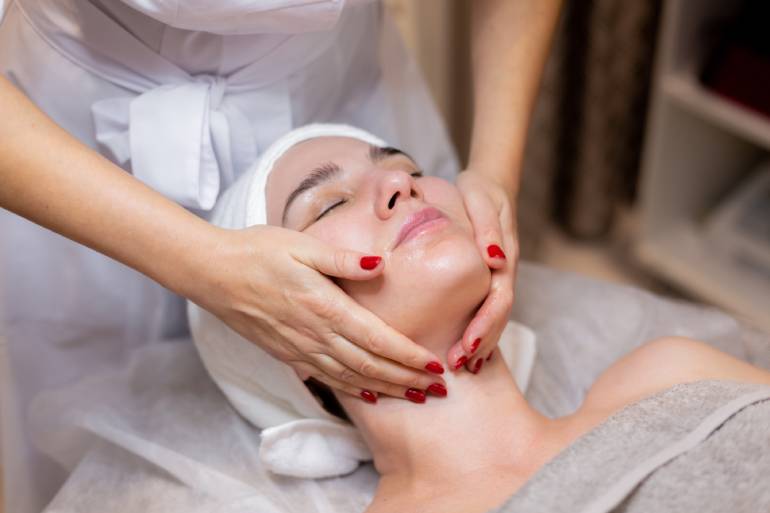
5.1 Historical Significance of Thai Massage
Thai massage—often referred to as “Nuad Thai” or “Thai Yoga Massage”—has a storied history in Thailand, intertwined with the country’s Buddhist traditions and royal court practices. While most people associate Thai massage with deep stretching and acupressure along the body’s energy lines (referred to as “Sen lines”), facial massage holds a special place within this broader system. Ancient texts, many kept in the archives of Thai temples, detail how various forms of massage could be used for preventative medicine, relaxation, and spiritual well-being. The Best Thai Massage Packages at Loft Thai Spa in Bangkok offer a unique blend of these traditional healing techniques, allowing guests to experience the timeless benefits of Thai massage in a luxurious and serene setting.
5.2 The Philosophical Underpinnings: Sen Lines
In Thai tradition, the human body is believed to be traversed by Sen lines—pathways through which life energy (often called “lom” in Thai) flows. These lines are conceptually similar to meridians in Traditional Chinese Medicine or nadis in Ayurvedic practice. Certain Sen lines run through the head and face, making facial massage an important technique for balancing energy flow. By stimulating these lines, practitioners aim to harmonize the body’s internal energies, potentially alleviating headaches, eye strain, and stress-related tension.
5.3 Common Techniques in Thai Face Massage
Thai face massage typically involves a blend of acupressure, gentle stretching, and rhythmic tapping. The acupressure points often correspond to those recognized in other Eastern modalities—around the eyes, temples, cheeks, and forehead. In some styles, practitioners will incorporate aromatic herbal balms or oils that are unique to Thailand, infused with ingredients like lemongrass, ginger, and camphor.
Another notable aspect is the integration of Tok Sen, a technique involving wooden mallets that tap along specific energy lines. While Tok Sen is more common for the body, some advanced practitioners adapt it for the face using very gentle taps. This subtle vibration is believed to clear blocked energy and revitalize the complexion.
5.4 Cultural Sensitivities and Etiquette
When receiving Thai face massage in a traditional setting, certain cultural considerations are important. In Thai culture, the head is considered the highest and most sacred part of the body. Generally, it is considered disrespectful to touch someone’s head without their permission, a principle that extends to tourists as well. Of course, in a professional massage or spa environment, the act of booking a treatment implies consent. Still, practitioners often begin with a ceremonial greeting (wai) or brief explanation, ensuring mutual respect and comfort.
Additionally, many traditional Thai practices place an emphasis on modesty. Even though face massage typically does not involve undressing like a full-body massage, it is customary in some clinics or traditional settings for clients to wear loose-fitting, comfortable clothing. Thai hospitality also ensures that an herbal tea or water might be offered before or after the session, framing the massage as a holistic ritual, not merely a standalone treatment.
5.5 Modern Adaptations and Global Influence
Thai face massage has made its mark on the global spa and wellness scene. Many luxury spas worldwide incorporate Thai-inspired facial treatments, blending Eastern knowledge with Western skincare products and technologies. Workshops teaching Thai face massage techniques draw international students who seek to bring these methods back to their home countries. This cross-pollination of cultures has enriched global massage practices, offering clients a range of options that fuse the best aspects of multiple traditions.
In Thailand itself, modern practitioners often combine traditional massage methods with state-of-the-art beauty equipment. For instance, they might start with a classic Thai facial massage to relax the muscles and open energy pathways, and then follow with advanced facial treatments like LED therapy or microdermabrasion. This synergy between old and new highlights the adaptability of Thai massage, illustrating how it continues to evolve while maintaining its spiritual and cultural core.
6. Products and Tools for Effective Face Massage
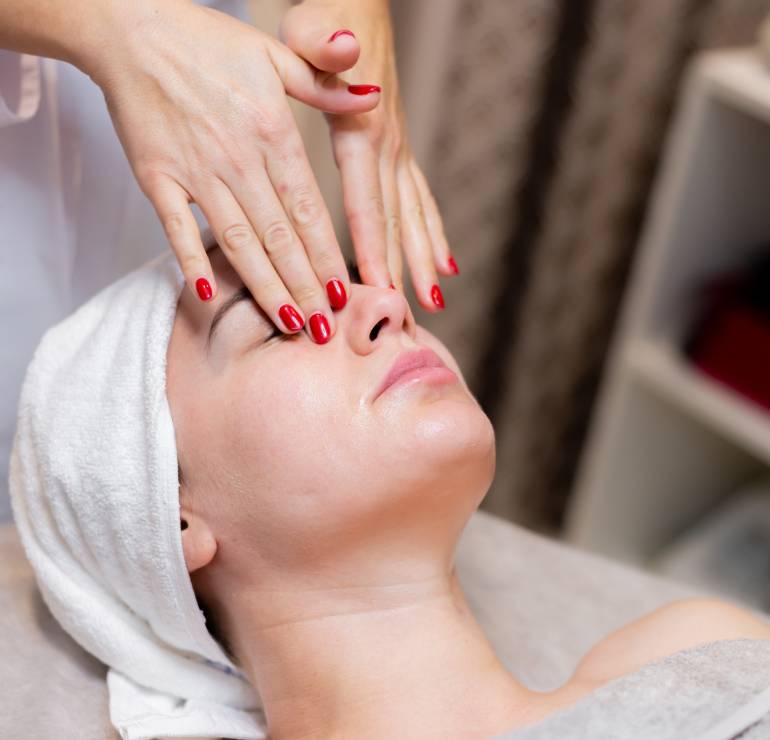
6.1 Base Oils and Creams
The right lubricating medium can significantly impact the comfort and efficacy of a face massage. Common choices include:
-
Organic Oils: Jojoba, sweet almond, and argan oil are often popular for their light texture and compatibility with most skin types.
-
Facial Creams and Lotions: Many professional estheticians prefer specialized facial creams that contain active ingredients such as hyaluronic acid, peptides, or antioxidants. These can boost the massage’s skincare benefits.
When selecting an oil or cream, it is crucial to consider the client’s or your own skin type. Oily or acne-prone skin might respond better to lighter, non-comedogenic oils like jojoba or grapeseed, while dry or mature skin may benefit from richer options like avocado oil or shea butter-based products.
6.2 Massage Tools and Accessories
In addition to gua sha tools and jade rollers discussed earlier, various other implements can enhance face massage:
-
Rose Quartz Rollers: Similar to jade rollers but prized for rose quartz’s reputed metaphysical properties related to love and self-care.
-
Metallic Rollers: Stainless steel or aluminum rollers can be chilled for cold therapy, providing a refreshing, inflammation-reducing effect.
-
Silicone Brushes or Pads: Used to apply products, gently exfoliate, or enhance circulation without the drag of rough bristles.
Many of these tools are user-friendly, making them suitable for at-home routines. However, for specialized techniques like microcurrent devices or laser-assisted treatments, professional training or supervision is advisable.
6.3 Herbal Balms, Salves, and Aromatherapy
Herbs and essential oils can intensify the therapeutic value of face massage. Aromatherapy can stimulate the limbic system, influencing mood and stress levels. Popular essential oils for facial application include lavender (calming), geranium (balancing), frankincense (rejuvenating), and chamomile (soothing). In Thai and Ayurvedic traditions, herbal poultices or compresses may be used to deliver warmth and healing herbal essences directly to the skin.
It is essential to dilute essential oils properly in a carrier oil or cream. High concentrations of potent oils can irritate facial skin or cause allergic reactions. Always perform a patch test if you are experimenting with a new blend, especially for sensitive skin types.
6.4 High-Tech Tools: Microcurrent and Ultrasonic Devices
The modern skincare market is awash in high-tech gadgets claiming to enhance massage results. Microcurrent devices deliver low-level electrical currents that may help tone facial muscles and stimulate collagen production. Ultrasonic wands use sound waves to boost product penetration and circulation. These devices can certainly complement a massage routine, but they require careful use and, in some cases, professional guidance.
While these gadgets promise faster or more dramatic results, their effectiveness varies. They are best seen as adjuncts rather than replacements for the manual techniques that form the heart of face massage. Proper training, thorough understanding of device settings, and consistent routines are critical for achieving the best outcomes without risking harm to the skin.
6.5 Choosing Quality and Safety
When it comes to selecting products and tools for face massage, quality and safety should be top priorities. Look for reputable brands, preferably those that conduct third-party testing or adhere to good manufacturing practices. Read ingredient labels carefully, especially if you have sensitive skin or allergies. Remember that more expensive does not necessarily mean better—some of the best skincare products are relatively simple formulations with proven ingredients.
For tools, examine material quality. If you are purchasing a jade roller, for instance, ensure it is genuine jade (if authenticity is important to you). For devices, check for certifications and user reviews. Finally, always store your products and tools in a clean, dry place to maintain hygiene and prolong their lifespan. Regularly sanitize tools like gua sha stones or rollers, especially if used in a professional setting where they come into contact with multiple clients.
7. Health and Wellness Benefits of Face Massage

7.1 Physical Benefits
-
Improved Circulation: As mentioned, enhanced blood flow can impart a healthier glow and aid in the delivery of nutrients to the skin.
-
Reduced Muscle Tension: Face massage can alleviate tension in the jaw (reducing the likelihood of temporomandibular joint issues), forehead, and around the eyes.
-
Lymphatic Drainage: Helps reduce puffiness and may speed up the removal of toxins.
-
Skin Tone and Firmness: Stimulating the muscles and tissues may promote collagen production, contributing to firmer skin over time.
7.2 Psychological and Emotional Well-Being
On a psychological level, face massage can be a deeply relaxing and nurturing experience. Many individuals find it calming, leading to reduced anxiety and overall stress relief. This can have a cascading effect on mental health: lower stress can mean better sleep, improved mood, and an enhanced sense of well-being. Some also report that the emotional release they experience during a massage helps them better handle life’s pressures afterward.
7.3 Potential Impact on Headaches and Migraines
Face massage can benefit those suffering from tension headaches or migraines. By working on trigger points in the jaw, temples, and forehead, a well-trained therapist can help loosen tight muscles, improve blood flow, and alleviate some of the stress-related triggers for headaches. While it may not be a cure-all, regular sessions can reduce the frequency and intensity of migraine episodes for certain individuals.
7.4 Skincare Synergy
One of the most immediate benefits is the synergy between face massage and other skincare practices. Massaging the face before applying serums or creams can help warm up the skin, making it more permeable to active ingredients. It can also enhance product absorption by temporarily dilating blood vessels and softening the skin’s outer layer. Over time, people who integrate face massage into their skincare routine often note improvements in texture, clarity, and radiance. Bridging Tradition and Skincare Innovation with Loft Thai Spa, these techniques blend time-honored facial massage practices with modern advancements, ensuring optimal skin health and rejuvenation.
7.5 Holistic Health and Preventative Care
In many holistic systems, face massage is seen as a preventative measure—less about treating acute conditions and more about maintaining overall vitality and health. By keeping energy flowing smoothly and reducing chronic tension in the facial area, you may improve various health parameters. Stress-related ailments like insomnia, anxiety disorders, and even digestive problems can sometimes be alleviated through consistent bodywork that includes facial elements. While scientific verification is ongoing, these anecdotal and traditional beliefs underline the broad-ranging impact of face massage.
8. Face Massage in the Spa Environment
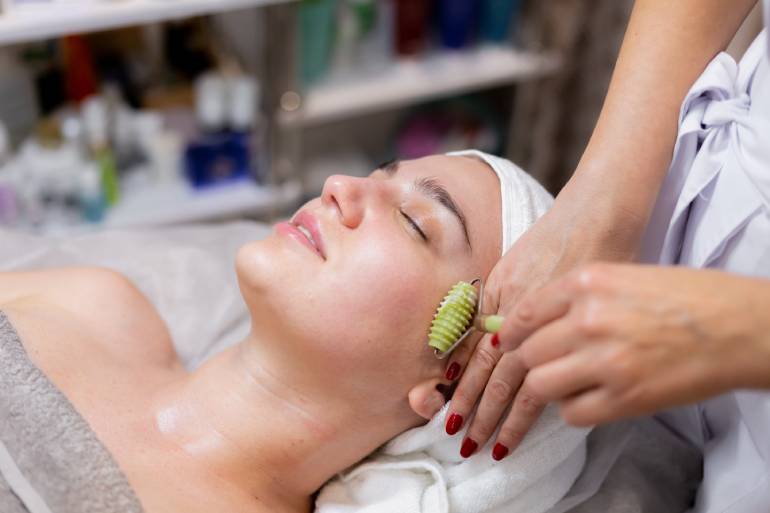
8.1 What to Expect in a Spa Setting
When you book a face massage at a spa, the experience typically begins with a consultation. A trained esthetician or massage therapist will ask about your skin type, any concerns (e.g., acne, dryness), and potential contraindications. You will then be escorted to a tranquil room, often dimly lit and infused with soothing aromatherapy scents. The therapist may cleanse your face, apply a warm towel or steam, and then proceed with the chosen massage technique.
The environment is curated to heighten relaxation—soft music, plush linens, and quiet surroundings. Depending on the spa’s offerings, your face massage might be part of a larger facial treatment that includes exfoliation, masks, or specialized tools like microcurrent devices. The duration can range from 15 minutes to a full hour, depending on the package you select.
8.2 Specialized Spa Treatments
Modern spas often feature signature treatments that combine multiple modalities. Examples include:
-
“East Meets West” Facials: Integrating Western skincare products (like those containing retinol or vitamin C) with Eastern massage techniques like gua sha or Thai acupressure.
-
Anti-Aging Facial Massage: Combining manual lifting techniques, microcurrent stimulation, and collagen-infused products for a more youthful appearance.
-
Detox Facial with Lymphatic Drainage: Focusing on fluid circulation and detoxification, often paired with steam and gentle exfoliation.
Each specialized treatment is designed to target specific skin issues or wellness goals. It is advisable to communicate clearly with the therapist about your preferences—pressure level, focus areas, and any sensitivities—so they can tailor the session to your needs.
8.3 The Role of Estheticians and Massage Therapists
In many regions, only licensed estheticians or massage therapists are legally permitted to perform face massage in a professional setting. Estheticians focus primarily on skincare, using their expertise in product chemistry and facial anatomy to design treatments that improve complexion and address issues like acne, dryness, or hyperpigmentation. Massage therapists may have more extensive training in bodywork, which can be advantageous for integrating face massage into a full-body treatment.
Some spas employ dual-licensed professionals who are both estheticians and massage therapists, offering an all-encompassing approach. Regardless of who performs the massage, proper licensing ensures adherence to hygiene standards, ethical codes, and a minimum level of competence. You can check a spa’s certifications and read reviews to gauge quality before booking a session.
8.4 Cost and Value
Professional face massage treatments can vary widely in cost, depending on the spa’s prestige, location, and additional services included. While luxury hotels and high-end spas might charge premium rates—especially for extended sessions or those featuring top-shelf products—local day spas and esthetician-owned boutiques often provide more budget-friendly yet equally effective options.
Assessing value involves more than just price. Consider the expertise of the practitioner, the quality of products used, and the overall environment. A well-trained esthetician or massage therapist can customize treatments to address your specific concerns, making the experience more beneficial than a generic facial. Regular sessions, though an investment, can yield significant improvements in skin health and emotional well-being.
8.5 Maximizing the Spa Experience
To get the most out of your face massage session at a spa, arrive a few minutes early to fill out any necessary paperwork and settle into the environment. Turn off or silence your phone to fully immerse yourself in the relaxation. Communicate openly with the therapist about any discomfort, pressure preferences, or product sensitivities. After the session, take a moment to rest—rushing back into a stressful environment can diminish the treatment’s lasting effects. Drink plenty of water to support detoxification, and follow any aftercare instructions the therapist gives you, such as avoiding direct sunlight or certain skincare products for a short period.
9. DIY Face Massage: Techniques and Best Practices
9.1 Setting the Stage at Home
Performing a face massage at home can be a deeply rewarding practice that extends the benefits of professional treatments. First, create a calm environment. Dim the lights, maybe light a candle, and put on relaxing music if it helps you focus. Gather the necessary tools—clean hands, a suitable oil or cream, and optionally a jade roller or gua sha stone. Ensure your face is cleansed and free of makeup or grime.
A small hand towel warmed with hot water can replicate the spa-like steam effect. Lay down or sit in a comfortable chair, supporting your head and neck so you can fully relax without straining. Proper posture ensures you are able to sustain a gentle, steady pressure without tensing your shoulders.
9.2 Basic Self-Massage Technique
-
Forehead: Apply a light layer of oil or cream. Use the pads of your fingers to smooth from the center of your forehead outward. Gradually increase the pressure if comfortable, making small circular motions along the brow line.
-
Eye Area: Use your ring fingers, which naturally apply the least pressure, to gently tap or circle around the orbital bone—avoid pulling the delicate skin.
-
Cheeks: Place your palms at the center of your face and glide outward toward the ears. Add small kneading motions if your cheeks feel tense or sore, but be gentle.
-
Jawline: Use your thumbs or knuckles to massage along the jaw, applying slightly firmer pressure to alleviate tension. This area is often tight due to stress or clenching.
-
Neck: Extend your strokes down the neck to encourage lymphatic drainage and relaxation of the often-neglected neck muscles.
Move slowly and mindfully. If you encounter sensitive spots or trigger points, pause and apply light pressure until some of the tension subsides. Always avoid aggressively pulling or stretching the skin, as this can contribute to irritation or sagging over time.
9.3 Gua Sha and Roller Techniques at Home
If you have a gua sha tool or roller, clean and warm it slightly if desired. Apply your skincare product generously so the tool glides without tugging. Use upward and outward strokes, angled at about 15 degrees from the skin. For the neck, you can guide fluid downward toward the clavicles to promote lymphatic drainage. Pay attention to your body’s response—if you feel discomfort, lighten the pressure or switch to a gentler method.
Pro Tip: Keep your strokes consistent. Repetition in the same direction helps move lymph fluid and supports muscle memory. You may do around 5 to 10 strokes per area, depending on how much time you have.
9.4 Frequency and Duration
Self-face massage can be done daily, especially if you keep the sessions short and gentle, around 5-10 minutes. More intensive sessions, 20-30 minutes long, may be done once or twice a week. Consistency is key to seeing long-term benefits. However, it is possible to overdo it. Aggressive daily gua sha, for example, can irritate skin or exacerbate underlying conditions. Always listen to your body and discontinue if you notice redness, breakouts, or discomfort.
9.5 When to Seek Professional Guidance
While DIY face massage is generally safe and cost-effective, certain conditions warrant caution or professional input:
-
Severe Acne or Rosacea: Vigorous massage could aggravate these conditions.
-
Recent Surgery or Fillers: Always consult with your healthcare provider or surgeon to ensure massage will not interfere with healing or positioning of implants/fillers.
-
Medical Conditions: Conditions like advanced diabetes, blood clots, or active infections require professional oversight.
-
Persistent Pain: If you experience persistent or worsening pain, consult a healthcare professional to rule out any underlying issues.
In such cases, a trained professional can provide a tailored approach that respects your unique skin and health needs.
10. Tips, Recommendations, and Final Thoughts
10.1 Tailoring Techniques to Individual Needs
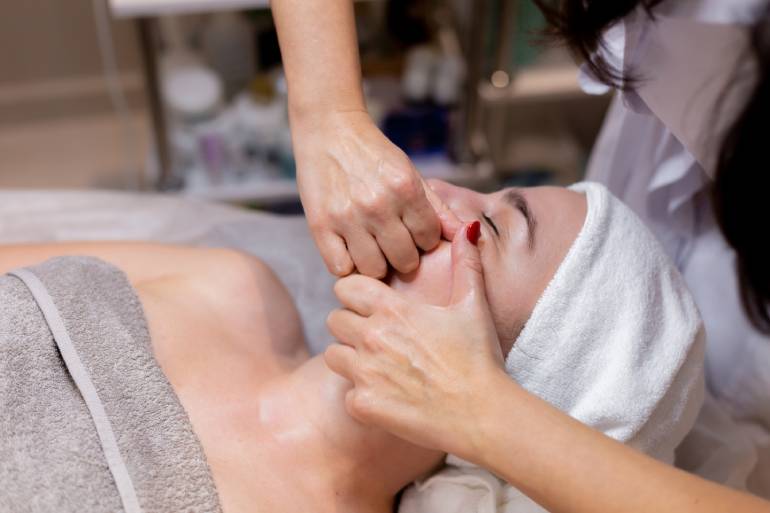
Not all faces are the same, and neither should every face massage be. Factors like age, skin type, muscle tension, and personal preference can significantly influence the best approach. Younger skin might benefit from gentle tapping and lymphatic drainage, while more mature skin may profit from techniques that promote collagen stimulation and deeper muscle work. Listen to your body and adapt accordingly.
10.2 Supporting Lifestyle Choices
Face massage alone cannot counteract all the effects of poor nutrition, lack of sleep, or chronic stress. Consider it one pillar in a larger wellness journey. Support your facial massage routine with other healthy habits:
-
Diet: Eat nutrient-dense foods rich in vitamins, antioxidants, and collagen-boosting proteins.
-
Hydration: Keeping your body well-hydrated ensures your skin remains elastic and resilient.
-
Sleep: Proper rest is essential for cellular repair and overall emotional balance.
-
Stress Management: Techniques such as meditation, yoga, or even simple breathing exercises can amplify the relaxation benefits of face massage.
10.3 Incorporating Face Massage into Your Routine
Finding time for face massage can be challenging in a busy schedule. One strategy is to weave it into your existing skincare routine. For instance, you might add two minutes of gentle facial manipulation while applying your night cream. Or set aside a quick five-minute self-massage session first thing in the morning to de-puff eyes and energize the face. By associating face massage with a habitual activity—such as brushing your teeth or showering—you increase the likelihood of making it a long-term practice.
10.4 Avoiding Common Pitfalls
-
Excessive Pressure: The facial skin is delicate. More pressure does not necessarily yield better results.
-
Neglecting Cleanliness: Dirty hands or tools can introduce bacteria to the skin, leading to breakouts or infections.
-
Wrong Products: Using overly thick creams or comedogenic oils can clog pores, especially if you are prone to acne. Always check labels and patch-test new products.
-
Ignoring Signs of Irritation: Redness, itching, or discomfort are clear signals to adjust technique or products.
By being attentive and cautious, you can maximize the benefits while minimizing any risk of harm.
10.5 The Timeless Appeal of Face Massage
Face massage has endured for centuries precisely because it addresses universal human needs—relaxation, rejuvenation, and a sense of holistic well-being. It weaves together the tactile power of touch with scientific principles of circulation, lymphatic drainage, and neuromuscular relaxation. Simultaneously, it engages cultural knowledge and traditions that have been honed over millennia, from the temples of Thailand to the ancient palaces of Egypt.
In our modern context, where stress is often high and genuine human touch can be scarce, face massage serves as both a soothing respite and a tangible tool for maintaining health. Whether you choose to visit a high-end spa, study professional techniques, or simply treat yourself to a few moments of self-care each day, this practice can yield profound benefits. Through its unique blend of science, culture, technique, and tradition, face massage stands as a testament to humanity’s timeless quest for balance, vitality, and inner peace.
UPDATED LOFT THAI GUIDE
Additional guidance and current information
The following editorial update expands on the original Loft Thai article with practical context, current treatment guidance and further reading.
Why Facial-Massage History Is Easy to Overstate
Touch, oils, bathing and cosmetic preparation appear across many societies, but similarity does not prove that one technique travelled unchanged for thousands of years. Spa histories often compress different periods and regions into one romantic origin story.
A responsible history distinguishes a documented text, a living lineage, a modern school curriculum and a brand story. When a date or founder cannot be verified, it should be presented as tradition or interpretation rather than fact.
From Grooming and Oiling to Professional Treatment
Before the modern spa, facial touch could be part of bathing, household grooming, ceremonial preparation, medicine or beauty care. Oils, powders, compresses and hand techniques belonged to different local systems.
The professional facial emerged later as products, beauty therapy, massage vocabulary and dedicated treatment rooms became standardised. Today’s sequence is therefore both inherited and newly assembled.
Thai Context: Nuad Thai Is a Living Cultural Practice
UNESCO describes Nuad Thai as a traditional healthcare practice involving bodily manipulation, pressure and stretching, transmitted through practice and formal training. That recognition concerns a broad living tradition.
It does not certify every facial tool, lifting stroke or product ritual as ancient Thai knowledge. Modern Thai spas can respectfully draw on rhythm, hospitality and touch while acknowledging contemporary skincare influences.
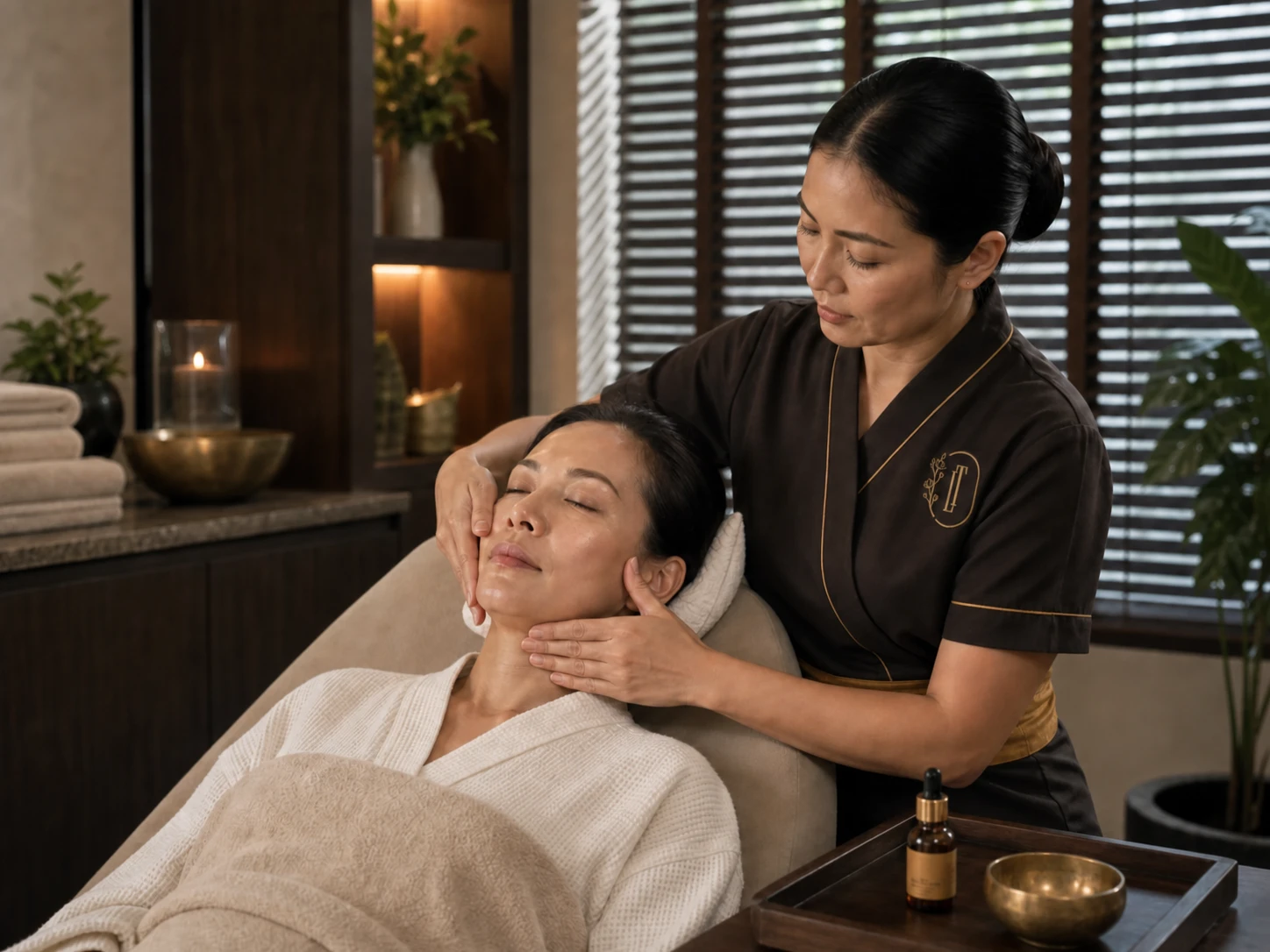
Sen Language Is Traditional, Not a Map of Nerves
Some Thai practitioners explain treatment through Sen pathways. These concepts belong to a traditional framework and can shape sequencing or teaching.
They should not be presented as identical to nerves, lymph vessels or fascia. Anatomy and traditional language can coexist when their meanings are not collapsed.
Gua Sha and Rollers Entered Global Beauty Culture
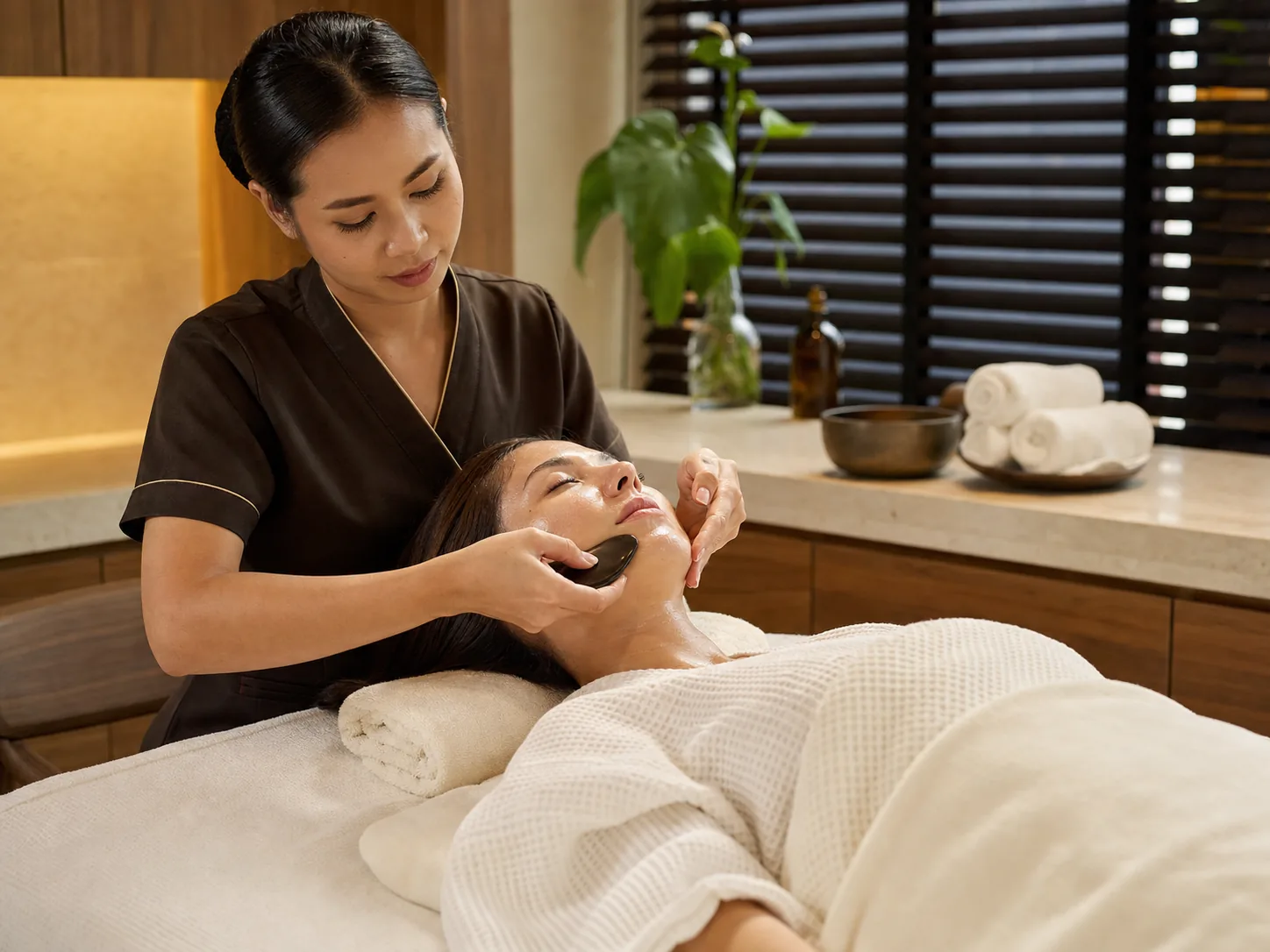
Scraping traditions and smooth stone tools have their own cultural histories, but the gentle facial versions popular on social media are often modern beauty adaptations. They use lighter pressure than body gua sha intended to create visible petechiae.
A tool’s material does not determine the result. Edge shape, cleanliness, pressure, product slip and the skin’s current condition matter more than whether the tool is marketed as jade, quartz or another stone.
European Massage Vocabulary Shaped Beauty Training
Terms such as effleurage, petrissage, friction and tapotement entered professional massage and beauty curricula as a way to describe gliding, kneading, rubbing and rhythmic percussion.
Using French terminology can organise teaching, but it does not make a technique more effective. Facial work typically reduces amplitude and pressure compared with body massage.
The Modern Facial Is a Hybrid Ritual
A contemporary treatment may combine cleansing, exfoliation, toner, serum, mask, manual massage, gua sha-style tools and a closing head or shoulder sequence.
This hybrid structure is one reason origin claims are difficult. The products may be recent, the hand vocabulary may come from beauty therapy, and the rhythm may reflect Thai hospitality.
What Current Research Actually Shows
A small controlled study reported a local increase in facial skin blood flow after five minutes with a massage roller and a change in vascular response after repeated use. Another preliminary imaging study explored soft-tissue morphology after facial massage.
These small studies do not establish permanent lifting, collagen rebuilding, wrinkle erasure or facial remodelling. They support research questions, not a universal spa promise.
Relaxation Is a Valid Outcome
A small study has also examined short-term anxiety, mood and autonomic measures after facial massage. The sensory environment, therapist contact and time away from routine may all contribute.
Relaxation does not need to be disguised as detoxification. A guest can value comfort, calm and a refreshed feeling without claiming that toxins were removed.
Lymphatic Language Requires Precision
Very light facial strokes may be described as lymphatic or drainage-inspired, but medical manual lymph drainage is a specialised practice with indications and contraindications.
A cosmetic facial should not promise to treat lymphoedema, infection or systemic disease. Puffiness can have many causes, and persistent one-sided swelling needs medical assessment.
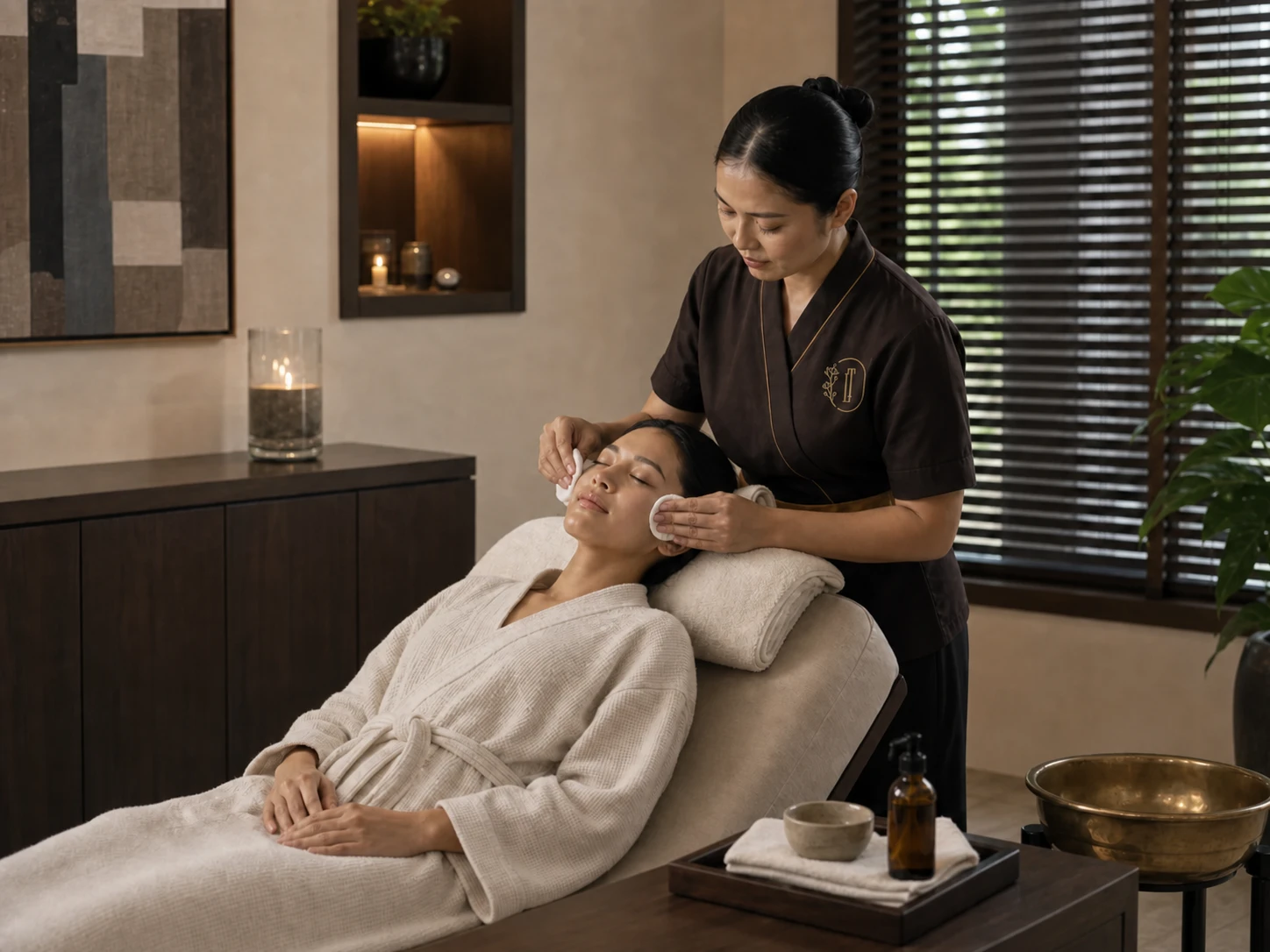
Modern Training Should Include More Than Choreography
A professional practitioner needs product hygiene, facial anatomy, pressure control, contraindications, consent, draping, referral boundaries and the ability to adapt a sequence.
Memorising a beautiful routine is not enough if the practitioner cannot recognise active irritation, ask about recent procedures or stop when the guest reports pain.
A Safe Home Routine Is Short and Simple
Clean hands and tools, use a familiar product for slip, keep pressure light and avoid repeatedly pulling the skin. A few minutes is enough to explore comfort.
Do not massage broken, infected, blistered or acutely inflamed skin. Stop if a tool causes bruising, persistent redness, burning, numbness or pain.
Recent Procedures Change the Rules
Botulinum toxin, filler, threads, laser, peel, microneedling and surgery each have their own aftercare. A historical or traditional label does not make massage automatically safe afterward.
Ask the treating clinician when pressure, heat, exfoliation and tools can resume. Tell the facial therapist what was done and where.
How Tradition Appears in a Bangkok Facial Today
At Loft Thai, facial massage sits inside a consultation-led skincare ritual rather than standing alone as an ancient cure. Pace, attentive contact and the connection to head, neck and shoulders express the spa’s Thai-wellness direction.
The current collection also includes modern product houses and device-led formats. That mix should be described transparently rather than forced into one origin story.
Respect the Past by Describing the Present Honestly
Facial massage has cultural depth because people have long used touch and grooming to care for one another. Its modern form is also the product of contemporary beauty training, cosmetics and global exchange.
The most credible practice names its influences, avoids false antiquity and makes claims that match the evidence.
“A tradition can be meaningful without turning every modern technique into an ancient medical fact.”
Loft Thai Editorial Team
Continue your research
REFERENCES
Sources & further reading
- UNESCO: Nuad Thai, traditional Thai massage
- PubMed: Facial massage roller, skin blood flow and vascular reactivity
- PMC: Preliminary computed-tomography study of facial massage
- PubMed: Facial massage, anxiety, mood and autonomic activity
- American Academy of Dermatology: How to test skincare products
- Loft Thai: Current facial-treatment collection
PRACTICAL GUIDANCE
Frequently Asked Questions
How old is facial massage?
Touch and cosmetic grooming are ancient, but there is no single verified date or uninterrupted lineage for the complete modern spa facial.
Is every Thai facial technique part of traditional Nuad Thai?
No. Modern Thai spa facials can combine Thai rhythm and hospitality with contemporary beauty therapy, products and tools.
Does gua sha permanently lift the face?
Current evidence does not establish permanent structural lifting from cosmetic facial gua sha or massage.
Can facial massage detoxify the skin?
Detoxification is not a precise or supported description of a cosmetic facial. Cleansing, comfort and temporary surface effects are more realistic.
Is home facial massage safe?
A short, light routine can be reasonable on healthy skin with clean hands, a clean tool and product slip. Avoid active irritation and recent procedures.
CONTINUE READING
Related stories
The Science and Art of Facial Massage in Bangkok
Facial massage is one of humanity’s oldest beauty and wellness rituals. Rooted in Ayurvedic Mukhabhyanga, refined by Thai, Chinese, and Japanese traditions, and now supported by modern anatomy and dermatology, this practice offers a uniquely holistic path to…
Read the guide
Mastering Facial Massage with Techniques Rooted in Wellness
Facial massage, long revered in both Eastern and Western traditions, is more than a luxurious indulgence—it is a therapeutic treatment that combines knowledge of anatomy, skilled touch, and sensory stimulation. Understanding the intricacies of facial massage…
Read the guide
Facial Gua Sha: An In-Depth Guide to the Ancient Scraping Art for Modern Skin Health
Gua Sha literally “scraping sand” in Mandarin (刮痧) has existed for well over a millennium in East Asian medicine, where it was originally practiced on the body to dispel pathogenic “wind,” encourage circulation, and relieve stagnation. While full-body Gua Sha…
Read the guide
Facial for Men in Bangkok: Why More Men Are Booking Luxury Facials in 2026
Bangkok has always been a city where people take care of themselves. But in 2026, something has clearly shifted: men are no longer treating skincare as “optional” or “only for special occasions.” More men are booking facials regularly—before work trips, after…
Read the guide