
2025 is proving to be a watershed year for professional skincare. The conversation has moved beyond traditional anti‑ageing rhetoric towards a richer and more holistic philosophy that celebrates the skin as a living, adaptive ecosystem. Minimalist daily rituals, intelligent devices, and regenerative biologics now converge in a single narrative that places science, sustainability, and sensory pleasure on equal footing.
As a multi award‑winning facial spa group headquartered in Bangkok and Phuket, we stand at the vanguard of this movement, translating global innovation into uniquely Thai experiences that honour the country’s deep wellness heritage while embracing cutting‑edge dermatology. The following exploration of key 2025 trends is drawn from our in‑house clinical data, collaborations with biomedical researchers, and direct feedback from the tens of thousands of guests who entrust us with their faces each year.
Skinimalism first emerged during the lockdown era, when consumers tired of twelve‑step regimens began decluttering bathroom shelves in search of simplicity. Four years later, it has matured into a lifestyle anchored in mindful consumption, barrier health, and a back‑to‑basics glow. At our spas, this translates into facial programmes that rebuild the skin’s acid mantle, optimise microbiome diversity, and deliver multi‑functional actives in fewer steps. A typical 2025 skinimalist protocol opens with an enzymatic coconut water cleanse harvested from Thailand’s organic Nam Hom groves, followed by a lightweight serum that fuses biomimetic ceramides, fermented rice peptides, and broad‑spectrum antioxidants derived from Chiang Mai’s lychee pits. The finish is a breathable rice‑bran moisturiser laced with phyto‑squalane and transparent mineral SPF, eliminating the need for separate day creams, essences, or occlusive oils. Guests leave the treatment room armed with a streamlined home ritual that rarely exceeds three products yet delivers measurable increases in transepidermal water retention and elastic resilience within four weeks.
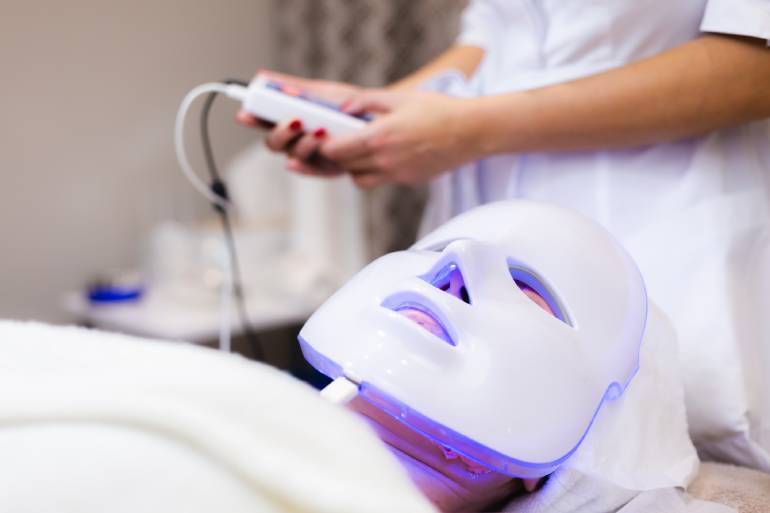
Technology‑enhanced facials occupy the other end of the innovation spectrum, marrying aesthetic medicine with the atmosphere of a luxury retreat. Microcurrent had its debut decades ago, but 2025 sees a new class of quantum‑microcurrent devices developed in partnership with Thai engineers from Chulalongkorn University. These deliver stratified waveforms that mimic the frequency of the body’s own bioelectric field, promoting lymph drainage, neuromuscular re‑education, and dermal fibroblast stimulation without discomfort. Ultrasound infusion now benefits from algorithms that modulate amplitude in real time, ensuring uniform cavitation across zones of varying thickness such as the malar fat pads and peri‑orbital tissue. LED photobiomodulation accelerates recovery post‑sun exposure, a crucial consideration in Thailand where the UV index regularly climbs above eleven. We calibrate red, near‑infrared, and royal blue diodes using proprietary Thai FDA protocols to address tropical hyperpigmentation and pollution‑induced oxidative stress. Guests often combine these modalities in our three‑hour Tech‑Savasana experience, which concludes with a guided meditation that synchronises breathing with the microcurrent cadence, blending technology, mindfulness, and traditional Thai somatic wisdom.
Regenerative treatments represent the most radical departure from classic exfoliate‑and‑hydrate facial culture. Instead of forcibly erasing lines or chasing perpetual youth, we now coax the skin’s intrinsic repair mechanisms to rebuild architecture from within. Microneedling entered mainstream Thai spas in the late 2010s, but today’s protocols are far gentler, utilising hollow micro‑tapered needles that deliver nano‑liposomal growth factors to the basal lamina. Platelet‑rich plasma sourced from each guest is spun in onsite centrifuges registered with Thailand’s Ministry of Public Health, then combined with cold‑pressed gotu kola stem cells cultivated in Loei province. Exosome therapy, the current darling of biomedical congresses, figures prominently in our Regeneré Series. These nano vesicles, isolated from ethically sourced human umbilical cord MSCs under GMP conditions in Bangkok’s Biopharm Tech Park, ferry RNA and protein payloads that upregulate collagen I and III gene expression by 250 percent within forty‑eight hours, according to our blinded split‑face study involving ninety‑two volunteers. Polynucleotide‑based gels derived from sustainable Thai tilapia skin are injected via mesotherapy to enhance dermal elasticity and revive crepey under‑eye zones frequently exacerbated by high blue‑light exposure from smartphones.
Artificial intelligence underpins diagnostics, formulation, and longitudinal outcome tracking. Upon arrival, each guest places their face into our hyperspectral scanner, which maps ten chromophore signatures, subclinical erythema, and moisture gradients at six‑million pixel resolution. The AI cross‑references this data with a secure anonymised dataset of two million images collected since 2013, adjusting for Southeast Asian Fitzpatrick phototypes, monsoon humidity cycles, PM2.5 pollution spikes, and seasonal dietary shifts. Within twenty seconds, the system prescribes a customised serum to be mixed in our lab bar; ingredients are dispensed robotically to a tolerance of 0.01 milligrams. Over the course of treatment packages, the AI learns how each individual’s skin responds to stressors such as Songkran water festivities or late‑night street‑food indulgence, pre‑emptively modulating antioxidant ratios. Thai consumers appreciate this marriage of futurism and hospitality: ancient respect for kreng jai, the cultural norm of thoughtful consideration, finds new expression in data‑driven personalisation that anticipates needs before the guest voices them.
Beyond these headline trends lie complementary movements reshaping daily practice. Chemical peels enjoy a renaissance—but with precision. Instead of one‑size‑fits‑all glycolic acid burns, we formulate ph‑smart blends of mandelic, ferulic, and phytic acids that self‑neutralise once stratum corneum desmosomes loosen, minimising downtime. Traditional manual methods have not been eclipsed; they have been refined. Gua sha stones carved from Chiang Rai jade glide along lymphatic meridians, while buccal massage re‑sculpts the jawline and relieves bruxism exacerbated by urban stress. Face taping, imported from Japanese physio‑esthetic clinics, retrains muscle memory overnight without the neurotoxic risks of injectables. Sustainability permeates every decision: our linen sheets are woven in Sakon Nakhon using natural indigo, our power is offset by solar arrays on the spa roof, and our water‑saving oxygen bubble showers reduce consumption by forty‑nine percent.
Preventative skincare is a philosophical shift we champion loudly. Thai Gen Z clientele, influenced by K‑beauty minimal routines and local wellness influencers, book quarterly Barrier Boost facials not to reverse age but to preserve pH balance, strengthen ceramide ratios, and stave off urban photodamage. Oral nutraceuticals complement topical care: marine collagen peptides certified by the Thai FDA flood dermal layers with glycine and proline, while fermented mangosteen extract capsules provide xanthones that quell systemic inflammation. During the dry cool season, our therapists serve guests fresh butterfly‑pea tea, rich in anthocyanins proven to inhibit glycation.
The collective outcome of these trends is a holistic, Thai‑centric model of skincare that merges science, spirituality, and eco‑consciousness. In our treatment rooms fragrant with jasmine and lemongrass, guests experience a ritual that begins with mindful breathwork, travels through AI diagnostics and tech‑boosted serums, pauses for regenerative infusions, and concludes with a silk‑cocoon protein veil that biomimics the skin’s acid mantle. Post‑treatment, they leave with a streamlined regimen, personalised supplement plan, and digital pathway for follow‑up, embodying the 2025 ethos: fewer products, deeper impact, longer‑lasting results.
Thailand’s unique geopolitical position between East Asian innovation hubs and South Asian Ayurvedic traditions allows us to fuse modalities in ways unmatched elsewhere. Our regulatory environment is robust yet agile, with the Thai FDA fast‑tracking safe biotech ingredients while enforcing strict GMP for exosome labs. Medical tourism thrives because guests can receive advanced treatments at a fraction of Western costs without compromising safety. Local universities export world‑class biomedical talent, and government initiatives like Thailand 4.0 incentivise tech start‑ups focusing on wellness AI.
Looking ahead to the latter half of 2025 and into 2026, we anticipate deeper integration of neural interface technology, enabling microcurrent amplitude to adapt to real‑time brainwave states, maximising relaxation and boosting oxytocin release. We foresee hydrogel‑based smart masks embedded with time‑release probiotics harvested from Thai fermented rice water, providing on‑the‑go barrier support. And as space tourism edges closer to mainstream, we are collaborating with aerospace engineers to create zero‑gravity facial protocols to combat fluid stagnation in orbit.
Yet, amid these futuristic developments, the heart of Thai skincare remains anchored in human connection—the gentle wai greeting, the warm herbal compress placed behind the neck, and the therapist’s intuitive ability to read subtle cues of comfort or discomfort. Technology enhances; tradition grounds. This synergy defines our status as Thailand’s market leader and keeps international judges awarding us World Spa Awards year after year.
Ultimately, 2025 invites guests and professionals alike to adopt a dual mindset: technologically empowered minimalism and regeneration woven into a fabric of cultural authenticity and ecological mindfulness. As we guide each client through this new era, we reaffirm our commitment to expertise without arrogance, innovation without excess, and beauty without compromise, ensuring that every face we touch reflects not only our skill but also the evolving story of Thai wellness on the world stage.
UPDATED LOFT THAI GUIDE
Additional guidance and current information
The following editorial update expands on the original Loft Thai article with practical context, current treatment guidance and further reading.
Why a Trend Forecast Needs an Audit
Trend articles age quickly. Product language changes, regulators issue new guidance and a laboratory idea can be marketed long before safety and effectiveness are established for a specific use.
The legacy article named proprietary Loft Thai devices, clinical studies, university partnerships, injectable products and numerical outcomes without verifiable sources. This edition removes them.
A responsible 2026 review asks what was observed, what is authorised in the relevant jurisdiction and what belongs with a medical professional rather than a spa.
Skinimalism Remains a Useful Principle
A shorter routine can make it easier to identify irritation, use products consistently and avoid layering several actives with overlapping effects.
The American Academy of Dermatology describes a simple foundation of cleansing, moisturising and protecting the skin. It also warns that too many products can irritate skin.
Minimal does not mean identical for everyone. Oily, dry, acne-prone, sensitive and medically treated skin still need different choices.
Barrier-Aware Care Is More Durable Than “Detox”
The skin barrier limits water loss and helps protect against irritants. Gentle cleansing, compatible moisturising and restraint with exfoliation are practical ways to respect it.
A facial may support comfort and surface appearance through cleansing, hydration and selected products, but it does not pull urban pollution or unnamed toxins out of the bloodstream.
Burning, persistent stinging, swelling or blistering is not evidence that a product is working.
Sun Protection Still Outperforms Futuristic Storytelling
For visible ageing and pigment concerns, consistent sun protection remains more actionable than a speculative device forecast.
AAD guidance recommends broad-spectrum, water-resistant SPF 30 or higher and reapplication when outdoors. Bangkok heat, sweating and strong daylight make practical application habits important.
A facial can finish with appropriate daytime protection, but one appointment cannot replace daily behaviour.
AI Skin Analysis Is a Tool, Not an Automatic Diagnosis
Camera-based systems may organise images, compare surface features and support a consultation. Their value depends on the intended use, dataset, lighting, calibration and operator.
An AI beauty score should not be treated as a diagnosis of cancer, infection, rosacea or another disease. Medical-device claims require the relevant authorisation and evidence for the specific software and purpose.
Guests should ask what data is captured, where it is stored, whether it is used to train another system and how deletion or consent works.
Red-Light Devices Need Device-Specific Questions
Red and near-infrared light are active areas of research, and some devices have received authorisation for defined uses in particular jurisdictions.
That does not make every mask, panel or wavelength equivalent. Output, distance, dose, eye protection, treatment schedule and contraindications matter.
The AAD notes that more research is needed to determine exactly how effective popular at-home devices are. A spa should name the device and avoid universal claims.
Microneedling Crosses Into Medical-Procedure Territory
Devices that penetrate living skin can reach blood vessels, nerves and deeper tissue. The US FDA advises choosing a trained healthcare provider and describes risks including bleeding, infection, pigment change and reactivation of cold sores.
Its October 2025 safety communication also reports serious complications with certain radiofrequency microneedling uses, including burns, scarring, fat loss, disfigurement and nerve damage.
A non-invasive spa facial should not be marketed as interchangeable with RF microneedling or another procedure that changes tissue.
Exosome Marketing Requires Exceptional Caution
Exosome has become a fashionable word in regenerative-aesthetics marketing, but the source, manufacturing controls, route of administration, intended use and jurisdiction all matter.
The US FDA states that there are no FDA-approved exosome products and warns about misleading disease-treatment claims and adverse events involving unapproved products.
That US position does not replace Thai law, but it demonstrates why a guest should demand precise regulatory information rather than accept regenerative as proof of safety.
“Regenerative” Is Not a Sufficient Product Description
PRP, growth factors, stem-cell language, polynucleotides, injectable gels and ordinary cosmetics are different categories with different risks and oversight.
A serum applied to intact skin should not borrow the evidence or authority of an injected medical product. A spa facial should not imply that a cosmetic changes genes, replaces tissue or treats disease.
Ask for the exact product name, ingredients, notification or authorisation status, route of use and qualified operator.
Manual Facial Care Has Not Become Obsolete
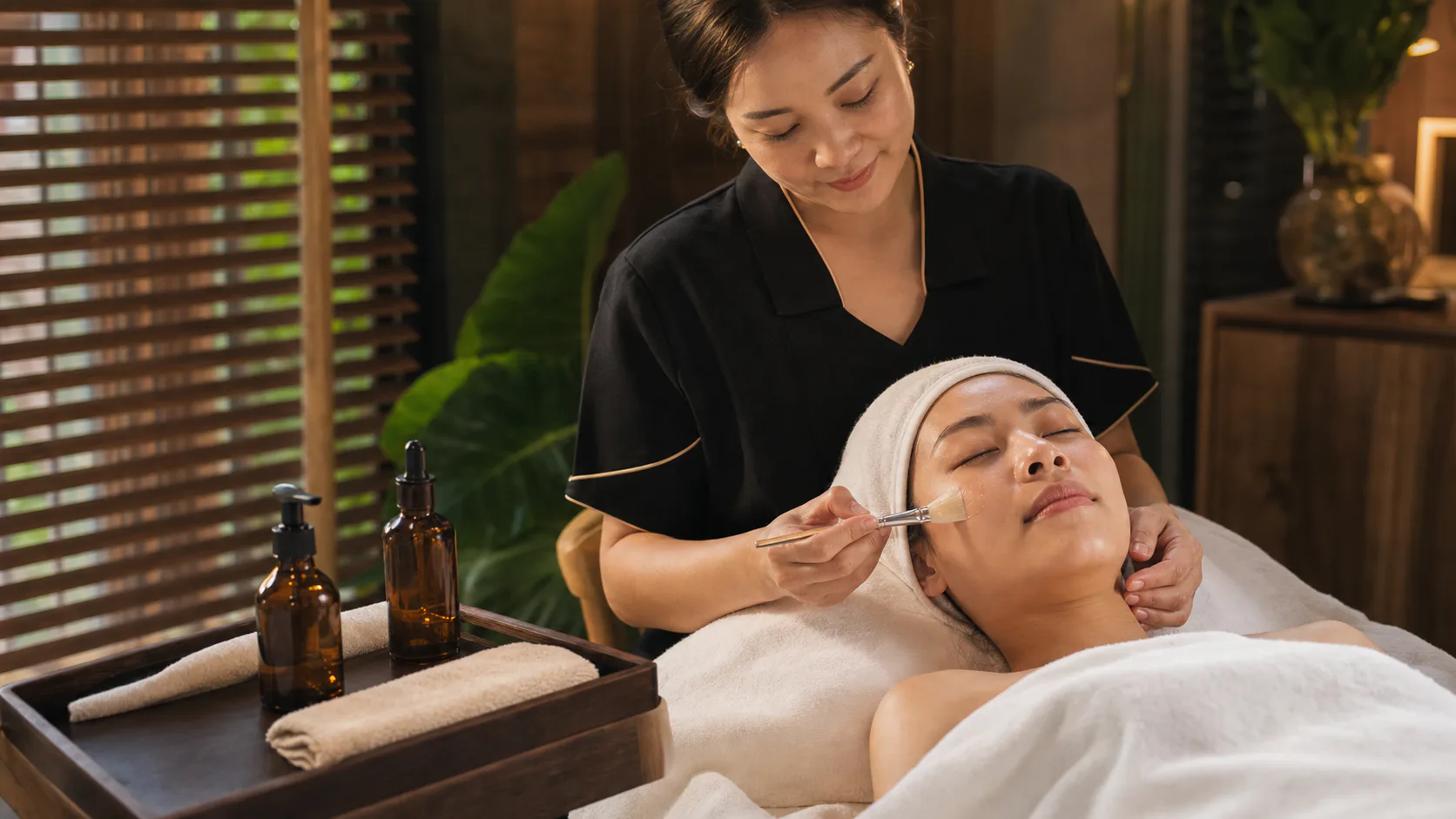
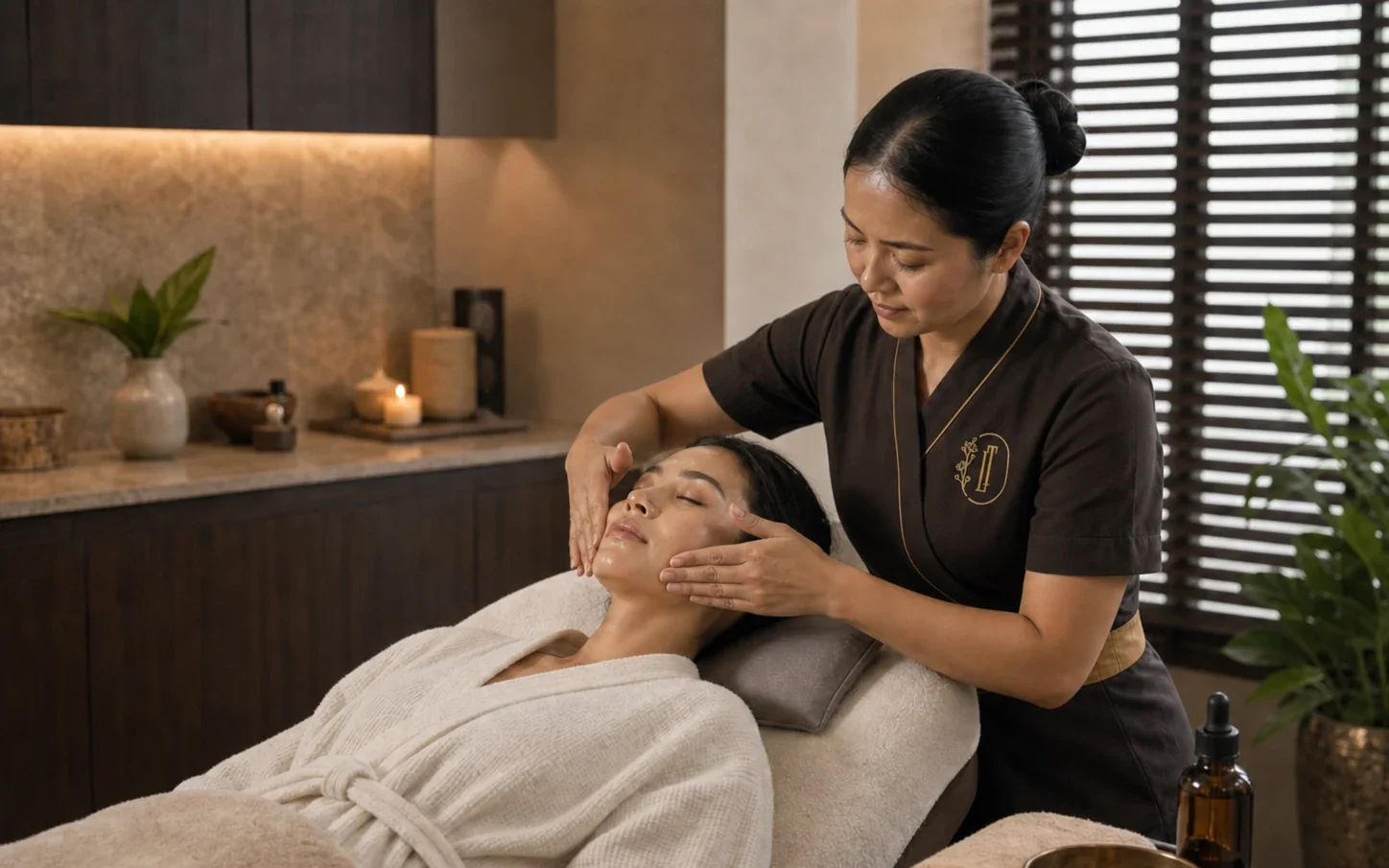
Consultation, cleansing, product selection, comfortable facial massage, masking and moisturising remain understandable parts of a non-invasive facial.
A Gua Sha tool, roller or massage technique may add a sensory element, but early evidence does not justify permanent contouring or medical-drainage promises.
Technology should solve a defined problem rather than make a familiar treatment sound scientific.
Thai Cosmetic Advertising Still Requires Truthful Claims
In September 2025, the Thai FDA reminded businesses that cosmetic advertising must be fair, truthful and not misleading, including avoiding claims that imply therapeutic or disease-curing properties.
A glamorous treatment room, imported brand or AI screen does not exempt a claim from that standard.
For consumers, a useful question is simple: is this claim about appearance and comfort, or is it promising to diagnose, prevent or treat a medical condition?
The Best Future Is Better Verification
The strongest 2025 trends were not the most futuristic. They were simpler routines, barrier respect, sun protection and clearer consultation.
AI, light, microneedling and regenerative products can only be evaluated when the exact system, purpose, evidence, operator and regulatory status are visible.
Bangkok facial care becomes more credible when innovation earns its claims rather than borrowing them.
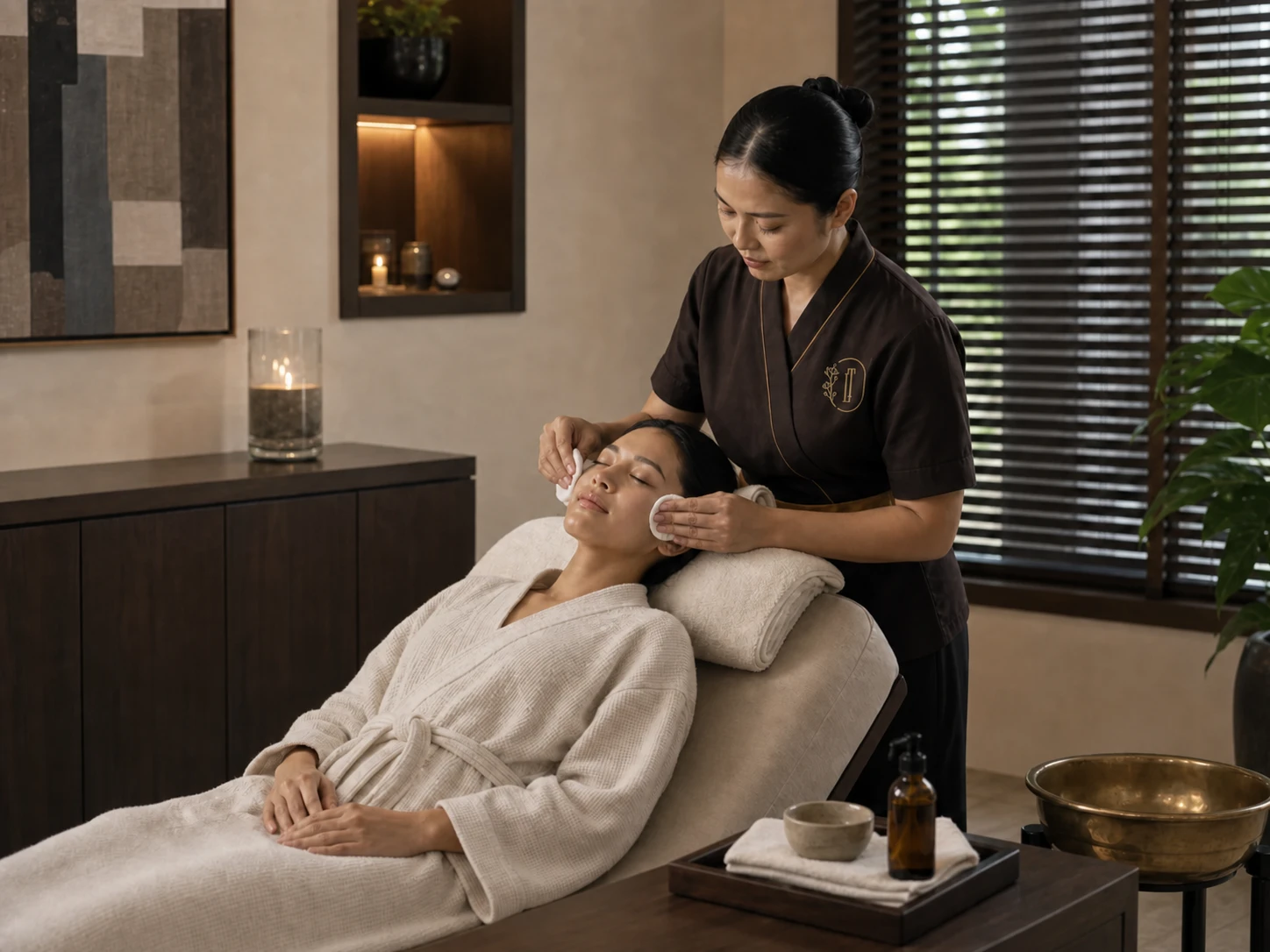
“Innovation is not a treatment category until its device, product, operator, claim and evidence are named.”
Loft Thai Editorial Team
Continue your research
REFERENCES
Sources & further reading
- Thai FDA: Cosmetic advertising must be truthful and lawful
- American Academy of Dermatology: A simple three-step skincare approach
- American Academy of Dermatology: Social-media skincare trends and red-light devices
- US FDA: Microneedling devices, risks and intended uses
- US FDA: Consumer alert on regenerative medicine and exosome products
- US FDA: Artificial intelligence-enabled medical devices
- Loft Thai Spa: Current facial treatment overview
PRACTICAL GUIDANCE
Frequently Asked Questions
Is Thailand proven to be the global epicentre of modern skincare?
The legacy article did not provide a defined metric or credible comparative evidence for that superlative, so this edition does not repeat it.
Is a simple skincare routine still effective?
A basic routine of gentle cleansing, moisturising and sun protection is a practical foundation. Individual skin conditions may require professional advice or treatment.
Can AI skin analysis diagnose a skin disease?
A beauty-analysis tool should not be assumed to diagnose disease. Ask about its intended use, regulatory status, accuracy, data handling and the qualifications of the person interpreting it.
Are exosome facials proven safe and approved?
Approval depends on the exact product, use and jurisdiction. Broad exosome language is not proof; the US FDA states that no exosome products are FDA-approved.
Does Loft Thai offer the medical procedures named in the old article?
The current menu reviewed on 28 July 2026 does not list injectable exosomes, PRP, RF microneedling or the invented AI and quantum-microcurrent systems from the legacy text.
CONTINUE READING
Related stories
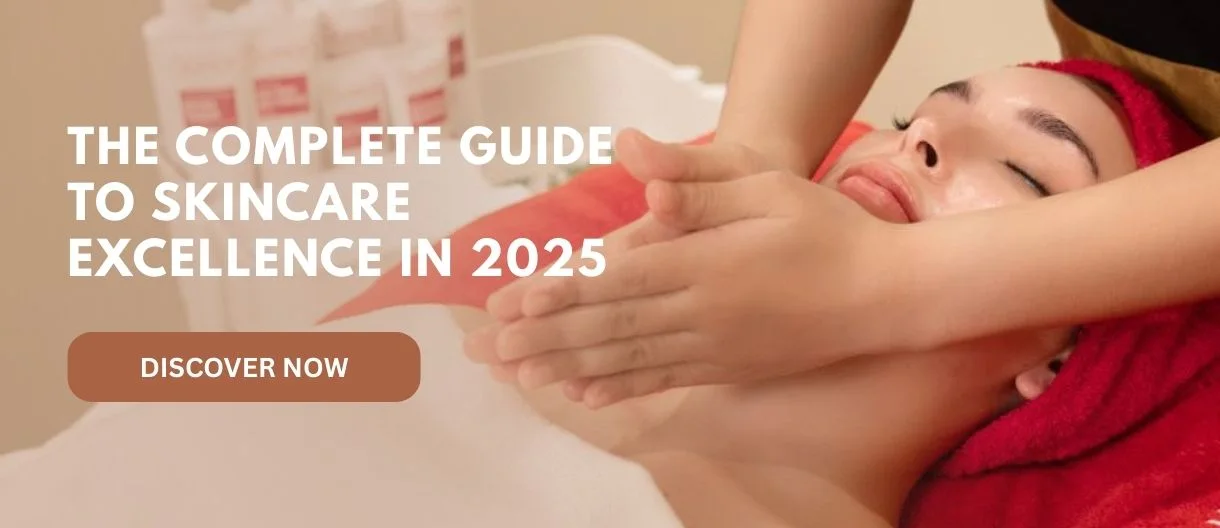
Award-Winning Facials - The Complete Guide to Skincare Excellence in 2025
Bangkok in 2025 is not only the capital of wellness but also the international stage where spa culture blends art, science, and luxury. At the heart of this evolution stands Loft Thai Spa, a name already synonymous with excellence in massage and holistic…
Read the guide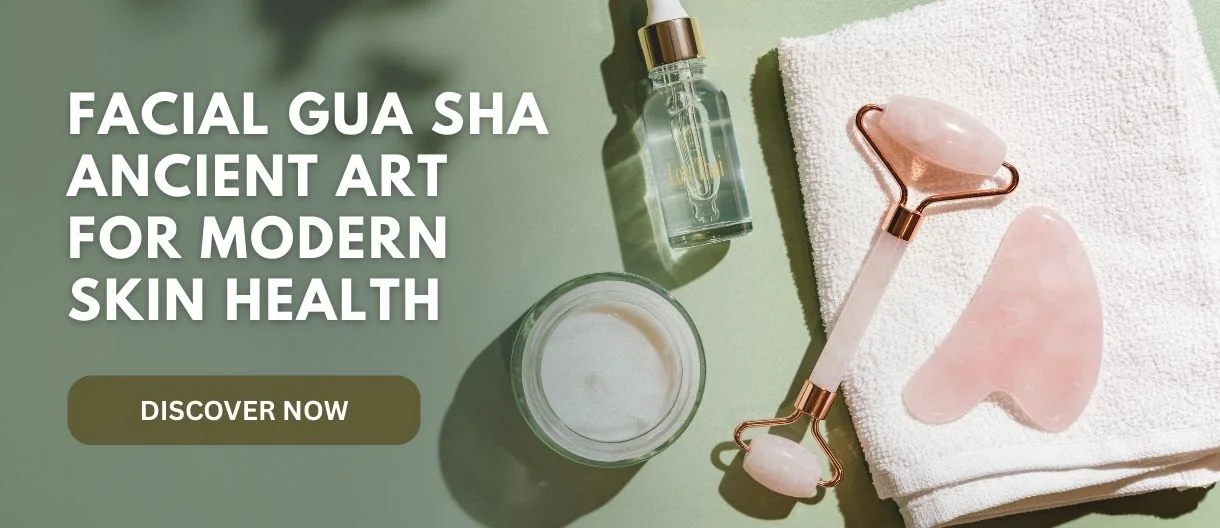
Facial Gua Sha: An In-Depth Guide to the Ancient Scraping Art for Modern Skin Health
Gua Sha literally “scraping sand” in Mandarin (刮痧) has existed for well over a millennium in East Asian medicine, where it was originally practiced on the body to dispel pathogenic “wind,” encourage circulation, and relieve stagnation. While full-body Gua Sha…
Read the guide
Facial and Skin Health Treatments: The Science of Glow Before Romance
Healthy, glowing skin is often considered the ultimate symbol of vitality and beauty. In many cultures, particularly across Asia, luminous skin represents health, youth, and readiness for life’s most cherished moments.
Read the guide
Facial for Men in Bangkok: Why More Men Are Booking Luxury Facials in 2026
Bangkok has always been a city where people take care of themselves. But in 2026, something has clearly shifted: men are no longer treating skincare as “optional” or “only for special occasions.” More men are booking facials regularly—before work trips, after…
Read the guide