

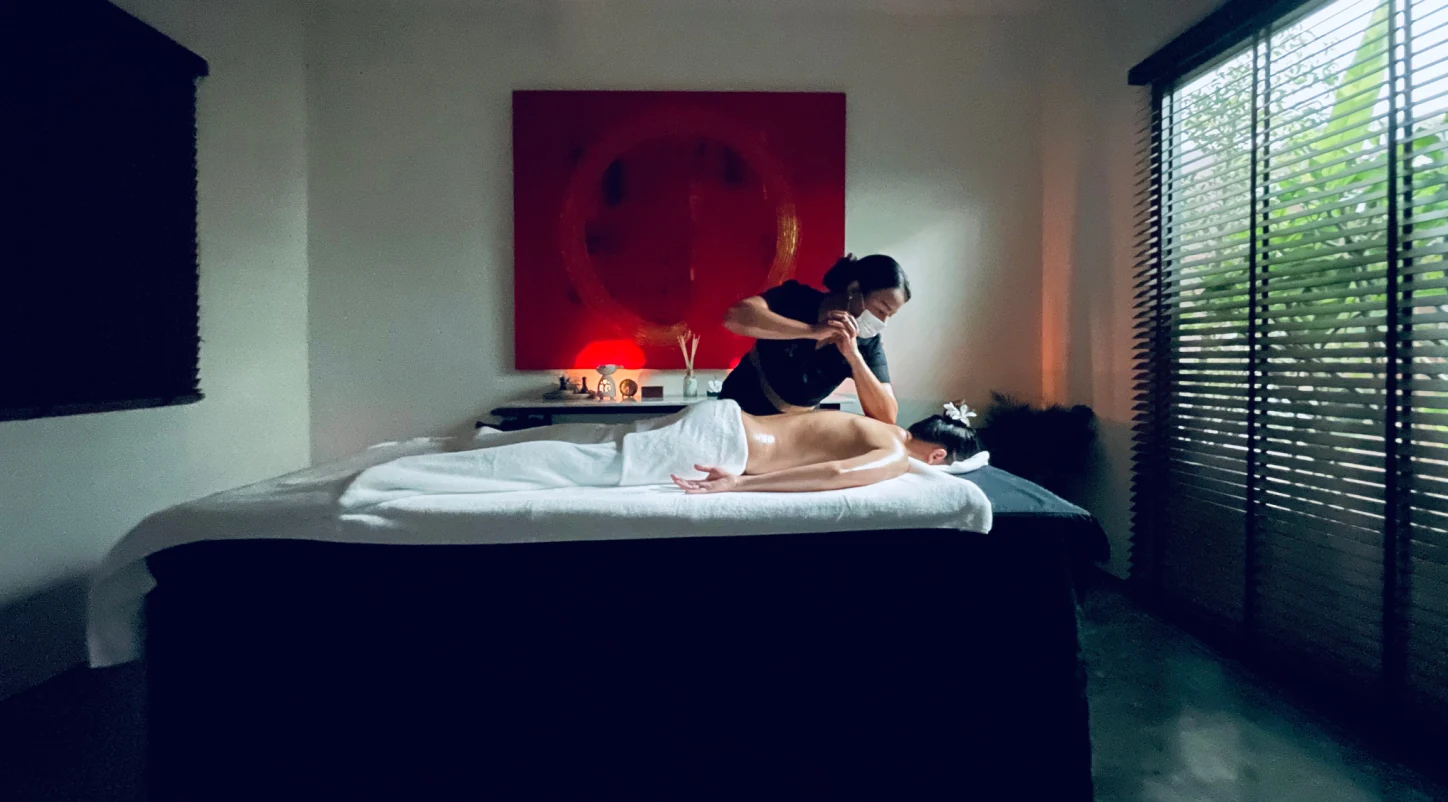
A health facility in Bangkok called Loft Thai Spa is committed to sustainability and eco-friendly techniques while also giving its patrons a restful and refreshing experience. The spa, which is in the center of Bangkok, provides numerous traditional Thai massage treatments in addition to other wellness services including body scrubs, facials, and hot stone massage.
Natural and Organic Materials
The dedication of Loft Thai Spa Bangkok to minimizing its environmental effect and encouraging sustainability, however, sets it different from other spas in the city. The spa shows its dedication in a number of ways, one of which is the use of natural and organic materials. All the oils, scrubs, and other items utilized in the spa's treatments are created from premium natural ingredients without the use of harsh chemicals or artificial fragrances. This benefits not just the patients receiving the treatments but also lessens the spa's total environmental impact.
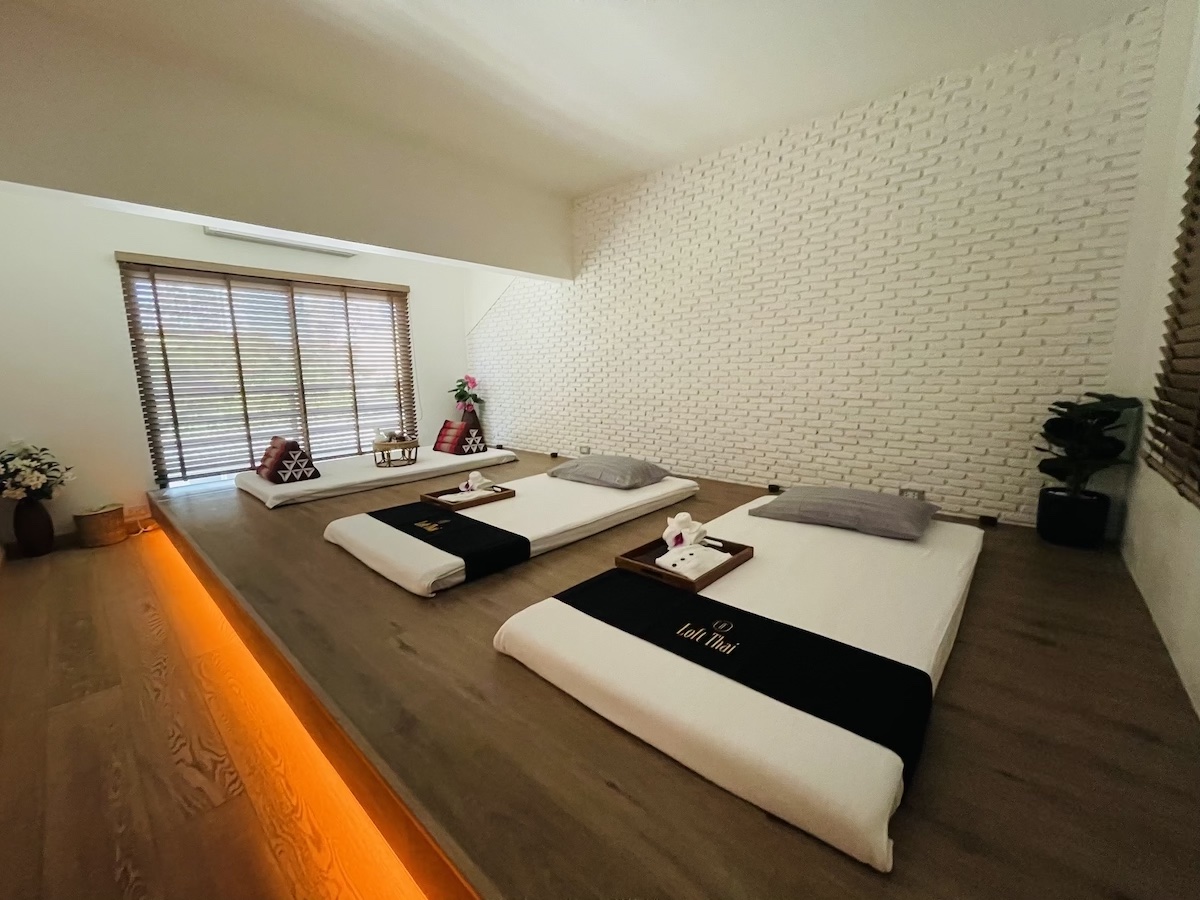
Energy-Efficient Technology
The spa uses energy-efficient technology, which is another component of its environmentally responsible operations. Modern energy-saving equipment, such as LED lighting and low-flow shower heads, has been purchased by Loft Thai Spa Bangkok. This not only lowers the spa's energy expenses, but it also lessens the spa's carbon footprint.
Other Initiatives
In addition to these techniques, Loft Thai Spa Bangkok has put in place a number of other initiatives to promote sustainability and decrease its environmental impact. For instance, the spa encourages visitors to arrive by walking, biking, or taking public transportation and offers discounts for doing so. It has also put in place a recycling program for paper, glass, plastic, and metal. The spa also runs a staff education and training program to teach employees the value of sustainability and how to incorporate eco-friendly practices into their everyday work. Additionally, the spa frequently examines and improves its rules and practices to guarantee that it is always adopting the most sustainable course of action.
Conclusion
All of these initiatives show how seriously Loft Thai Spa Bangkok takes sustainability and minimizing its negative effects on the environment. Additionally, it offers a wonderful chance for customers to enjoy an opulent spa experience while also being aware of their own environmental impact. Loft Thai Spa Bangkok is an example of how companies can run sustainably and environmentally friendly while still offering their customers high-quality services. The spa's dedication to promoting sustainability and minimizing its environmental impact is a brilliant example of how companies in Bangkok and elsewhere can change the world for the better.
UPDATED LOFT THAI GUIDE
Additional guidance and current information
The following editorial update expands on the original Loft Thai article with practical context, current treatment guidance and further reading.
Why the Archived Claims Need an Audit
The page stated operational facts about products, lighting, water, recycling, transport discounts, training and carbon impact.
It supplied no invoices, policy, measurement period, certification, waste record or baseline.
Those statements should not be repeated as current Loft Thai facts without evidence.
Avoid Broad Eco-Friendly Language
The FTC Green Guides caution against broad, unqualified claims such as green or eco-friendly because they imply far-reaching benefits.
ISO 14021:2026 addresses documentation and methodology for self-declared environmental claims.
A spa should name the specific improvement instead of claiming general environmental virtue.
Define the Organisational Boundary
State whether a claim covers one branch, all three branches, one product range or the complete business.
Include the reporting period and responsible entity.
A renovation at one location cannot prove company-wide performance.
Natural and Organic Are Not Environmental Metrics
Ingredient origin does not establish biodegradability, land impact, transport distance, packaging performance or safe disposal.
Organic certification applies to defined ingredients or products under a particular scheme.
The archived claim that every oil and scrub was natural and organic needs product-level documentation.
Measure Product and Packaging Waste Separately
List container material, unit weight, refill system, recycled content and end-of-life route.
Recyclable wording should reflect real collection infrastructure, not only theoretical material properties.
Single-use sachets, gloves, masks and treatment disposables need their own accounting.
Laundry Is a Major Operational Question
Spas use sheets, towels, robes and cleaning textiles across many appointments.
Useful evidence includes laundry volume, washing temperature, detergent, drying method, textile life and external supplier scope.
A product claim does not offset an unmeasured laundry system.
Water Claims Need Fixtures and Consumption Data
Low-flow shower wording should identify the fixture, flow rate, installation scope and comparison baseline.
Jacuzzi, hydrotherapy, foot baths, showers and laundry create different water uses.
Report litres or metered consumption over a defined period rather than saying water-efficient.
Energy Efficiency Needs an Inventory
LED lighting is one equipment choice, not a complete energy strategy.
Air conditioning, water heating, laundry, pumps, dryers and treatment equipment can be significant.
Publish electricity use, floor area or appointment denominator and the period of comparison.
A Carbon-Footprint Claim Needs a Method
State the greenhouse-gas boundary, emission factors, base year, scopes and whether reductions are absolute or intensity-based.
Purchased offsets and direct operational reductions should not be blended.
The archived statement about minimising carbon footprint lacks that information.
A Recycling Programme Needs Destination Evidence
Separate paper, glass, metal, plastic, organic, hazardous and mixed waste.
Record collection partner, weight, contamination and final route.
Placing labelled bins does not prove that material was recycled.
Cleaning and Hygiene Cannot Be Reduced to Green Branding
A spa must protect guest and worker hygiene while evaluating chemical use, concentration, refill and packaging.
Non-toxic is a specific claim requiring substantiation, not a synonym for botanical.
Environmental changes should not compromise safe service operations.
Procurement Evidence Extends beyond Ingredients
Review textiles, furniture, paper, tea, flowers, cleaning products, cosmetics and equipment.
Supplier distance alone does not establish lower total impact.
Use purchase records and product documentation rather than generic local or premium labels.
BTS Access Is Not a Transport-Impact Result
Loft Thai's three current locations are described in relation to Thong Lo, Phrom Phong and Phra Khanong BTS stations.
That is useful access information but does not prove guest travel emissions or a current transport discount.
A transport claim would need participation and distance data.
Training Claims Need a Curriculum and Record
A sustainability programme should define role, content, frequency, attendance and operational responsibilities.
Staff awareness alone does not measure energy, water or waste outcomes.
Publish the process and the result separately.
Certifications Need Scope and Status
Name the issuing body, standard, certificate number, covered sites, issue date and expiry.
A seal without its basis can mislead.
No environmental certification should be implied from an unrelated award or media feature.
Give Guests Specific, Optional Actions
Explain towel reuse, refill, transport or product choices only when those options are operationally real.
Do not shift responsibility to guests while leaving business impacts unmeasured.
Accessibility, hygiene and personal comfort remain necessary.
A Public Sustainability Scorecard
Report energy, water, waste, laundry, products, packaging, procurement and transport with date, boundary and denominator.
State gaps, estimates and independent verification.
Update the scorecard regularly and preserve previous results for comparison.
Replace Commitment Language with Evidence
The reviewed sources do not substantiate the archived Loft Thai environmental claims.
The responsible editorial choice is to withdraw those statements until operations can document them.
A smaller verified claim is more credible than a comprehensive eco-friendly story without data.
“A leaf icon is a design element; a sustainability claim needs a boundary, baseline, method, date and evidence.”
Loft Thai Editorial Team
Continue your research
REFERENCES
Sources & further reading
PRACTICAL GUIDANCE
Frequently Asked Questions
Is Loft Thai currently certified as an eco-friendly spa?
The reviewed current material does not provide a public environmental certificate or data set. Do not infer one from design, products, awards or this archived article.
Do natural spa products prove sustainability?
No. Environmental performance also depends on sourcing, processing, packaging, transport, use and disposal.
What should an energy-saving claim include?
It should define sites, equipment, consumption, baseline, reporting period, comparison method and whether the result is absolute or per appointment.
Does a recycling bin prove waste is recycled?
No. A credible claim includes measured material, contamination, collection partner and final processing route.
How can a spa make a credible green claim?
Use a narrow, specific claim with a defined boundary, date, method and evidence, and disclose trade-offs or limitations.
CONTINUE READING
Related stories

The Advantages of Using Natural and Organic Spa Products at Loft Thai
Spas are well renowned for providing a range of services intended to encourage rest, renewal, and general wellness. The products utilized in the spa setting are a crucial component of these therapies. While many spas still utilize conventional skincare and…
Read the guide
Top 5 Reasons Why the Loft Thai Spa Bangkok is the Perfect Wellness Retreat for You
The Loft Thai Spa is the only wellness retreat you need to consider in Bangkok. A variety of treatments are available at this opulent spa that are intended to help you rest, unwind, and rejuvenate your body and mind. The Loft Thai Spa in Bangkok is the ideal…
Read the guide
What Makes a World-Class Spa in 2026?
In 2026, the idea of a world-class spa has evolved far beyond plush interiors and premium products. As global travelers become more experienced and wellness-literate, expectations have shifted toward authenticity, intelligence, and emotional depth. Luxury is…
Read the guide
Best Spa in Bangkok (2026 Guide): How to Choose a Luxury Spa That’s Actually Worth It
Bangkok has thousands of massage shops, day spas, hotel spas, and “luxury” venues that look premium in photos but feel rushed in real life. If you’ve ever walked out of a treatment thinking, “That was nice… but was it actually worth it?”—you’re not alone.
Read the guide