
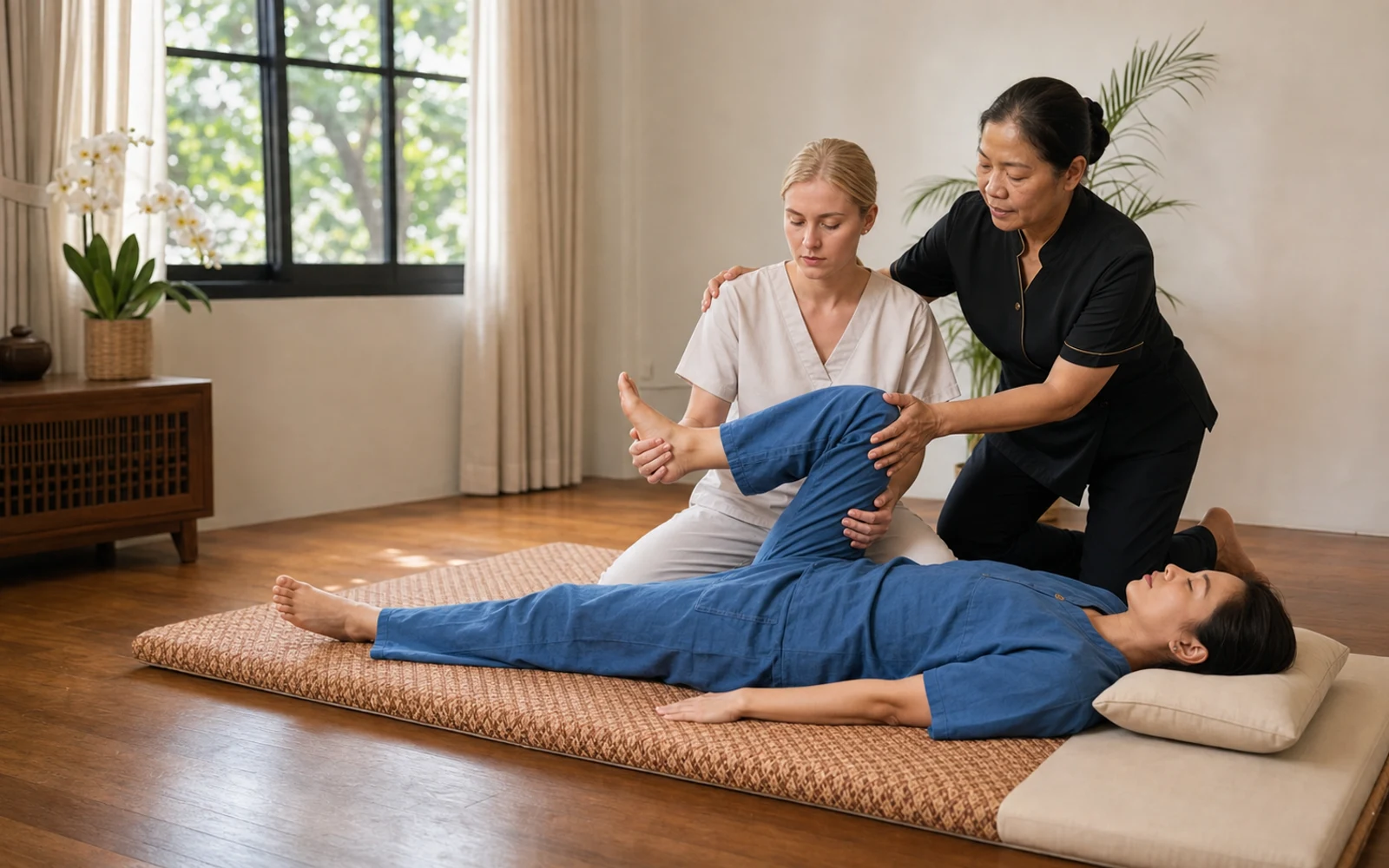
Enjoy various health benefits of a traditional Thai massage which focuses on stretching, pulling and rocking movements. It incorporates use of the therapist’s hands, knees, legs and feet to apply deep muscle compression, joint mobilization and acupressure.
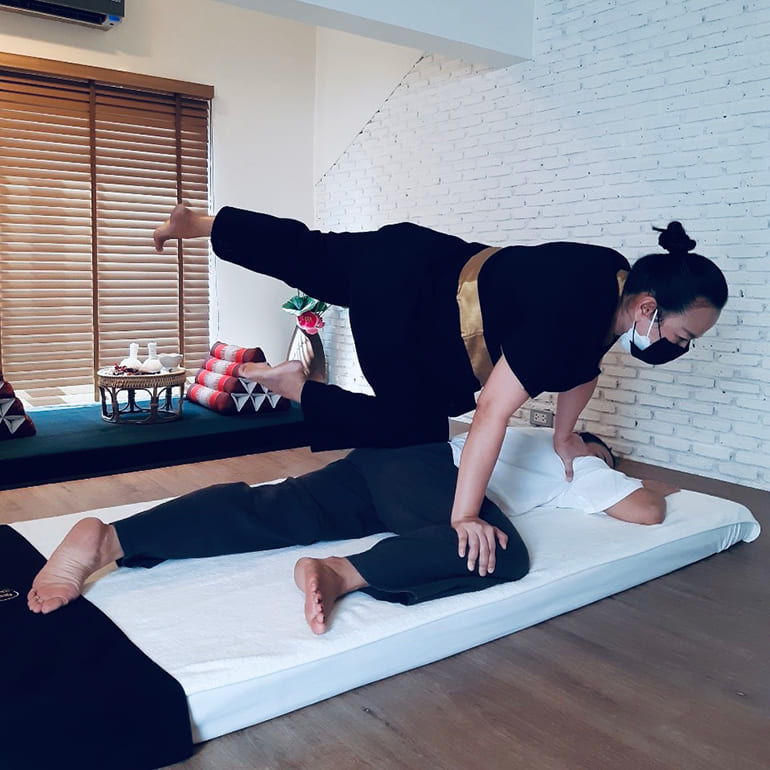
Thai massage, also known as Nuad Bo Rarn in Thai, is a traditional form of massage that originated in Thailand over 2,500 years ago. The massage technique combines acupressure, Indian Ayurvedic principles, and yoga poses to provide a unique healing experience for the body and mind. Thai massage is becoming increasingly popular in Bangkok, Thailand's capital, where there are many skilled massage therapists offering this ancient technique. In this article, we will explore the benefits of Thai massage and why it's worth trying when visiting Bangkok.
What is Thai Massage?
Traditional Thai Massage is a full-body massage that involves stretching and pressure-point work along energy lines in the body. The massage therapist uses their hands, elbows, knees, and feet to apply pressure to the body's energy lines, or sen, to relieve tension and restore balance to the body. Thai massage is typically done on a mat on the floor, and the client is dressed in comfortable clothing.
Thai massage can benefit all body types and many different ailments. It can help athletes of all kinds, yogis, those with low back, neck / shoulder pain, sciatica, and mental/emotional exhaustion.
- Reduces muscle soreness and stress
- Increases range of motion and flexibility
- Releases trapped and stagnant energy
- Improves circulation and lymphatic flow
- Increases stamina
- Improves posture
- Reduces emotional stress and tension
- Increases body awareness
Mastering the Thai Massage Step: Ha nu marn hyeab tos sa gan exemplifies this holistic approach by combining dynamic bodywork with deep stretching to open the thighs, shoulders, and hips—boosting flexibility, restoring balance, and enhancing energy flow.
Benefits of Thai Massage
-
Relieves Stress and Anxiety: Thai massage is known for its ability to reduce stress and promote relaxation. The massage techniques used in Thai massage help to release tension in the muscles, which can help to reduce stress and anxiety.
-
Improves Flexibility and Range of Motion: The stretching techniques used in Thai massage can help to improve flexibility and range of motion. This can be particularly beneficial for athletes or anyone who experiences stiffness or limited mobility.
-
Reduces Pain and Muscle Tension: Thai massage can help to reduce pain and muscle tension by targeting specific areas of the body that are tense or sore. The pressure applied to these areas can help to release tension and promote healing.
-
Boosts Immune System: Thai massage can also boost the immune system by stimulating the lymphatic system. This can help to improve the body's ability to fight off illness and disease.
-
Increases Energy: Thai massage can help to increase energy levels by improving circulation and oxygen flow throughout the body. This can be particularly beneficial for anyone who feels tired or fatigued.
Where to Get Thai Massage in Bangkok
Bangkok is known for its many massage parlors, and there are plenty of options for those looking to try Thai massage. Here are a few popular places to try:
-
Wat Pho: Wat Pho is a Buddhist temple in Bangkok that is famous for its traditional Thai massage school. The massage school offers courses in Thai massage, as well as massages for visitors.
-
Loft Thai Spa: Loft Thai Spa is a luxury chain of massage parlors in Bangkok that offers traditional Thai massage at affordable prices.
-
The Oriental Spa: The Oriental Spa is a luxury spa located in the Mandarin Oriental Hotel in Bangkok. The spa offers a range of treatments, including traditional Thai massage, in a luxurious setting.
Tips for Getting a Thai Massage in Bangkok
-
Choose a reputable spa or massage parlor: When getting a Thai massage in Bangkok, it's important to choose a reputable spa or massage parlor to ensure that you receive a safe and effective massage.
-
Communicate with your massage therapist: It's important to communicate with your massage therapist during the massage to ensure that the pressure and techniques used are comfortable for you.
-
Wear comfortable clothing: Thai massage is typically done with the client fully clothed, so it's important to wear comfortable, loose-fitting clothing that allows for ease of movement.
-
Drink plenty of water: It's important to drink plenty of water before and after your Thai massage to stay hydrated and help your body flush out toxins.
The Art of Thai Massage – A Best-Selling Book
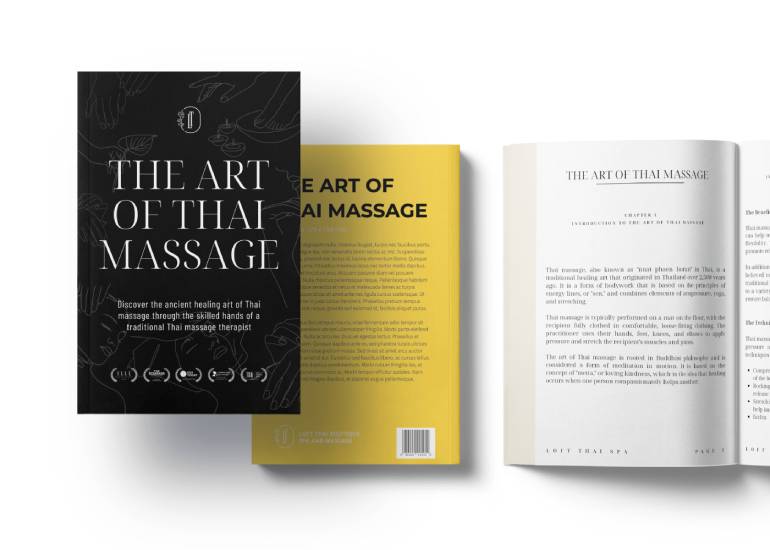
For those who seek a deeper understanding of traditional Thai massage, we are proud to introduce our best-selling book, "The Art of Thai Massage." This comprehensive 120-page guide, available on Amazon Bookstore, (visit this page: https://www.amazon.com/Art-Thai-Massage-Embracing-Techniques-ebook/dp/B0C5HW9F12) offers an insightful journey into the techniques, cultural heritage, and philosophy of this ancient healing art. More than just a practical manual, this book delves into the spiritual and therapeutic essence of Thai massage, emphasizing that it is not merely a service but a way of life. It highlights the centuries-old traditions, mindfulness practices, and the holistic approach that Thai therapists embrace, making each massage a deeply restorative and transformative experience.
Readers will discover the foundational principles behind Thai massage, including acupressure techniques, energy line therapy (Sen), assisted stretching, and breathing coordination. The book also explores the mindset of a therapist, shedding light on the dedication, intuition, and balance required to deliver an authentic Thai massage.
Whether you are a massage therapist, wellness enthusiast, or someone interested in Thai culture, The Art of Thai Massage offers a rich and enlightening perspective, making it an essential guide for anyone looking to incorporate Thai massage into their lifestyle—not just as a technique, but as a path to well-being, connection, and inner harmony.
In conclusion, Thai massage is an ancient healing technique that offers a range of benefits for the body and mind. If you're visiting Bangkok, it's worth trying Thai massage at one of the many massage parlors or spas in the city.
We invite you to experience the healing benefits of traditional Thai massage at Loft Thai Spa. Our skilled massage therapists use a combination of acupressure, yoga poses, and stretching techniques to promote relaxation, reduce pain and muscle tension, improve flexibility and range of motion, and boost the immune system. Our comfortable and relaxing atmosphere provides the perfect setting for you to unwind and rejuvenate. Come visit us at Loft Thai Spa and discover the ancient healing art of Thai massage for yourself.
Explore our Thai Massage service by clicking here.
UPDATED LOFT THAI GUIDE
Additional guidance and current information
The following editorial update expands on the original Loft Thai article with practical context, current treatment guidance and further reading.
What Traditional Thai Massage Is
A contemporary session is generally clothed, oil-free and performed on a supportive mat.
The therapist may use palms, thumbs, forearms, elbows, knees or feet together with rocking and assisted positioning.
The sequence should adapt to the guest rather than force every body through the same choreography.
Heritage Without a Simplified Origin Myth
UNESCO describes Nuad Thai as living knowledge rooted in Thai community self-care and later formal revitalisation.
Its 2019 inscription recognises cultural heritage, not a precise 2,500-year clinical lineage or one imported origin.
The practice can be respected without repeating an unsupported founding date.
What Counts as a Benefit
A benefit should name the outcome, person, time frame and comparison.
Feeling calmer for an afternoon, reporting less pain for several days and changing long-term function are different claims.
A spa article should not combine them into one permanent promise.
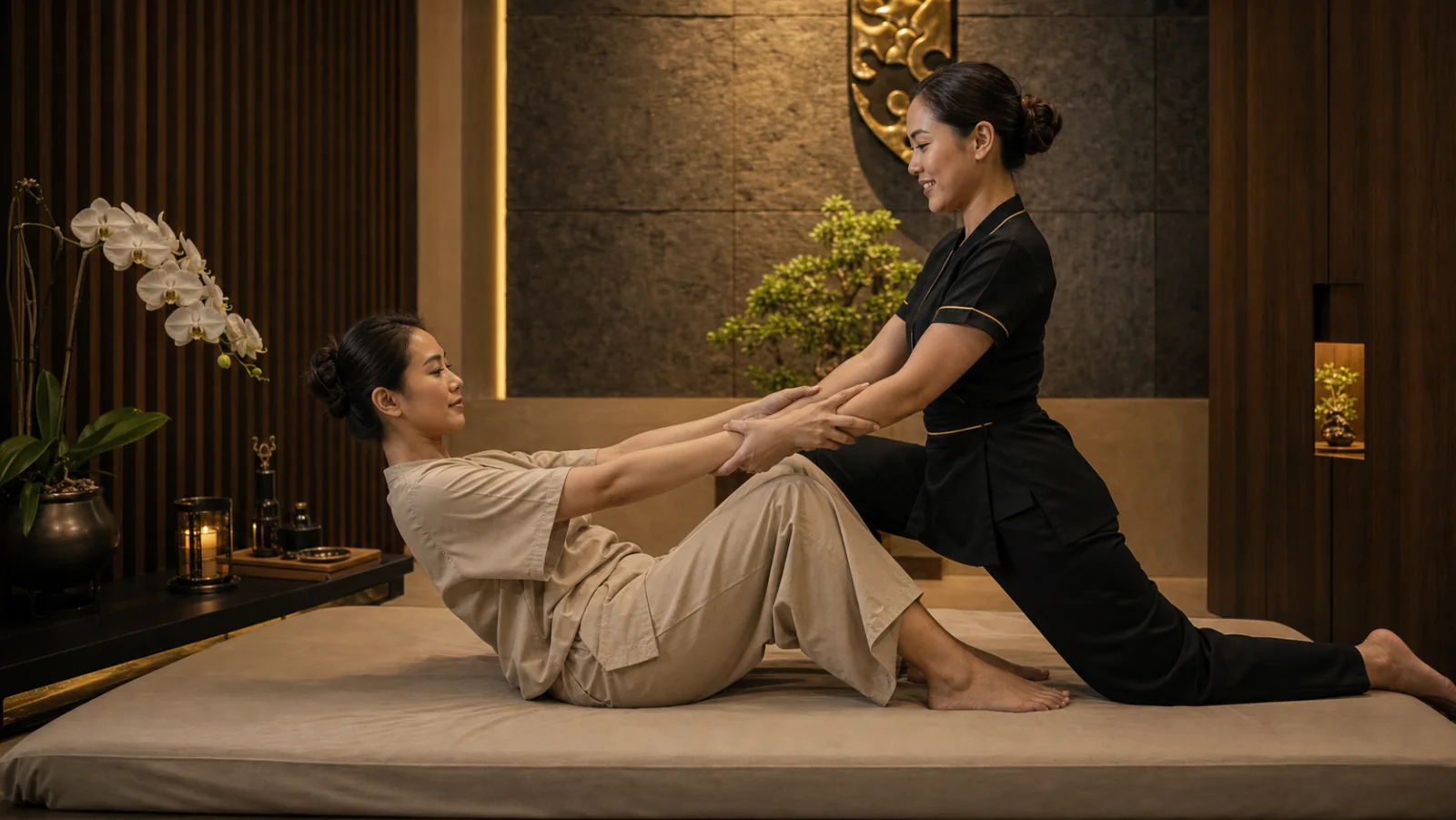
Relaxation Is Personal but Meaningful
Rhythm, quiet, skilled touch and a pause from routine can create a relaxing experience for some guests.
Others may find strong pressure, unfamiliar positions or frequent stretching stimulating rather than calming.
Choosing pace and pressure through consultation is more useful than guaranteeing stress relief.
Temporary Muscle Ease Is Plausible
Massage may change how tight or sore an area feels in the short term.
NCCIH notes weak or limited evidence across several pain conditions and insufficient evidence that one massage type is consistently superior.
Relief after one visit does not diagnose the cause or prove tissue correction.
Assisted Movement Can Change Perceived Range
Supported bends and rotations may make movement feel easier immediately after a session.
That response can reflect warmth, reduced guarding, familiarity and the specific test used.
It should not be promoted as permanent flexibility, joint realignment or athletic performance improvement.
Pain Evidence Is Condition-Specific
A traditional Thai massage systematic review found encouraging signals across small chronic-pain studies, but study size and quality limit certainty.
Broader massage reviews also find mostly low- or very-low-certainty evidence and short-term outcomes.
Massage should complement—not delay—clinical assessment when pain is severe, progressive, unexplained or associated with neurological symptoms.
Posture Is Not Reset by One Session
The archive promised better posture without defining the posture, task or measurement.
A guest may stand or move differently when discomfort or guarding changes temporarily.
Lasting capacity usually depends on activity, strength, ergonomics, health context and habits beyond the treatment room.
Avoid Universal Circulation and Lymph Claims
Massage changes local pressure and tissue movement during the session, but that observation is not proof of a whole-body circulatory treatment.
The old claims about improved circulation, lymphatic flow and stagnant energy were not supported with clinical evidence.
Swelling, vascular disease or suspected clot requires medical assessment rather than stronger massage.
Massage Does Not “Boost” Immunity on Demand
The archived article claimed lymph stimulation could improve the body’s ability to fight illness.
No reviewed source supports presenting one Thai massage as prevention or treatment for infection or disease.
Illness, fever or contagious symptoms are reasons to postpone a spa visit.
Energy and Stamina Are Subjective Outcomes
Some guests describe feeling lighter, calmer or more alert after a rhythmic session.
That experience can be recorded without claiming increased oxygen delivery, metabolic performance or lasting stamina.
Hydration, sleep, food, medication and travel may influence how a guest feels more than the massage alone.
Deeper Is Not Automatically More Effective
Strong pressure can be appropriate for a prepared guest, but pain is not evidence that a restriction is being released.
Sharp pain, numbness, tingling, breath-holding or protective tension is a reason to reduce pressure or stop.
The therapist should ask before using elbows, knees, feet or a larger stretch.
When Thai Massage Needs Modification
Recent surgery, acute injury, fracture risk, anticoagulants, suspected clot, significant neurological symptoms and uncontrolled illness require caution or clinical advice.
Pregnancy, cancer treatment, joint instability and fragile skin may need specifically adapted positions and pressure.
Disclose relevant information without expecting a spa therapist to diagnose it.

Consent Continues Throughout the Session
Clients can decline a body area, request support, change pressure or end the treatment at any time.
Inner thigh, abdomen, chest-adjacent areas and large assisted movements need clear explanation and permission.
Professional draping, boundaries and understandable communication are benefits of good service—not optional extras.
Current Traditional Thai Massage Prices
The current menu lists 60 minutes at 1,000 THB, 90 minutes at 1,400 THB and 120 minutes at 1,900 THB.
Sixty minutes suits a concise full-body or focused introduction, while longer sessions allow more transitions and unhurried work.
Reconfirm price, branch and availability when booking.
When Another current Format May Fit Better
Aromatherapy Oil Massage may suit guests who prefer flowing oil work and scent rather than clothed assisted movement.
Deep Tissue and Sport Massage provide different pressure and goal profiles, while Foot Massage offers a more focused format.
Choose by process, products, position and personal preference rather than a universal benefit list.
The “Best-Selling Book” Claim Needs Evidence
The archive promotes a 120-page Art of Thai Massage book on Amazon and calls it best-selling.
No rank, category, date or independent sales record is supplied, so the commercial claim should not be repeated as a verified fact.
Readers can assess the publication by author, edition, sources, scope and professional training context.
Choose Thai Massage for the Actual Experience
Thai massage can offer a distinctive clothed, rhythmic and movement-led spa session with possible short-term comfort and mobility benefits.
It should not be sold as immune treatment, detoxification, posture correction or a cure for every pain condition.
Use current prices, disclose precautions and let pressure and range respond to feedback.
Choose an experience with realistic expectations
Use the evidence discussion above to decide whether the experience matches your expectations, not to select a treatment as a promised cure. If you decide to book, compare the current Thai massage options and tell the team about anything that could affect your comfort or suitability.
“The most credible benefit is not the longest list; it is a realistic, time-bound outcome matched to one guest, one technique and one safe session.”
Loft Thai Editorial Team
Continue your research
REFERENCES
Sources & further reading
- UNESCO: Nuad Thai, Traditional Thai Massage
- WHO: Benchmarks for Training in Nuad Thai
- NCCIH: Massage Therapy — What You Need to Know
- PubMed Central: Massage Therapy for Pain, 2018–2023 Systematic Review
- ScienceDirect: Traditional Thai Massage for Chronic Pain Systematic Review
- Loft Thai: Current Spa Menu
PRACTICAL GUIDANCE
Frequently Asked Questions
What are realistic benefits of Thai massage?
Some guests may experience short-term relaxation, reduced perceived tension or pain and easier movement, but results vary and evidence is condition-specific.
Does Thai massage improve immunity or detox the body?
The reviewed evidence does not support presenting one massage as immune treatment or detoxification.
How much is Traditional Thai Massage at Loft Thai?
The current menu lists 60 minutes at 1,000 THB, 90 minutes at 1,400 THB and 120 minutes at 1,900 THB.
Should Thai massage hurt?
No. Strong pressure is not a requirement, and sharp pain, numbness, tingling or breath-holding is a reason to adjust or stop.
Can Thai massage replace medical care for pain?
No. Severe, progressive, unexplained or neurological symptoms need qualified assessment, and massage should not delay care.
CONTINUE READING
Related stories
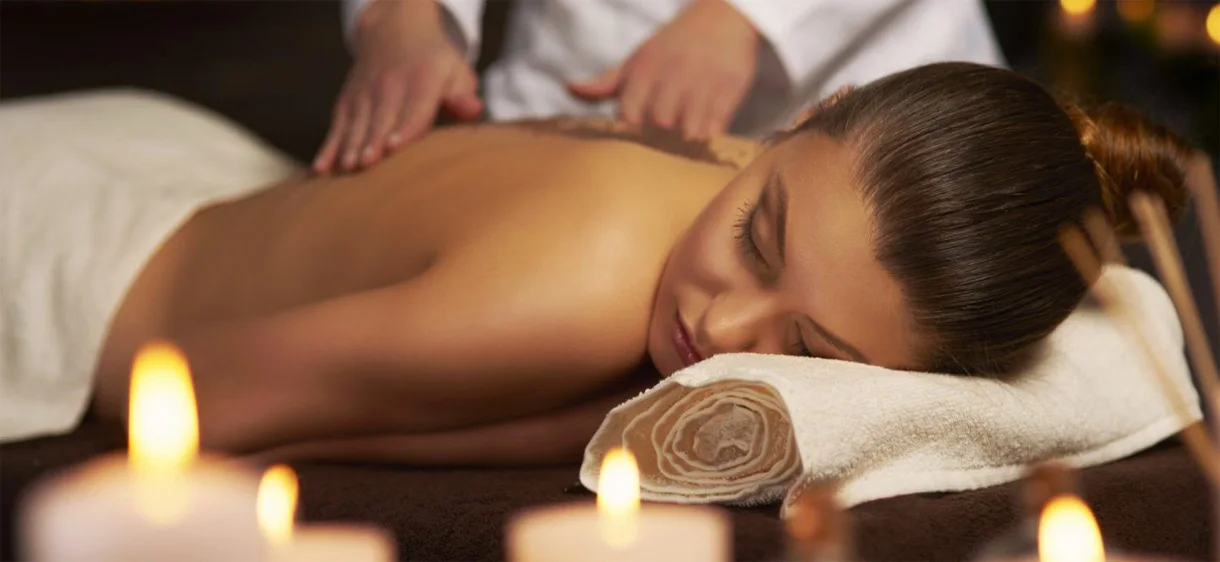
Diving into the Art of Thai Massage in Bangkok and Thailand
Well, talk about best massage in world, and one cannot miss talking about Thailand! Yes, Thailand has a lot more to offer to a world apart from serene surroundings and luxury spa in Bangkok .
Read the guide
What Makes Authentic Thai Massage Different from Spa Massage?
People often say “I want a Thai massage,” but what they actually mean can be very different.
Read the guide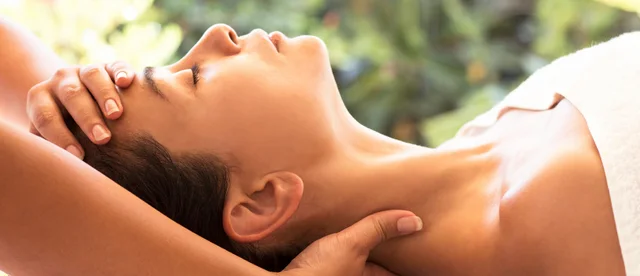
Review of the traditional Thai massage techniques offered at Loft Thai Spa
Thai massage is an ancient healing practice that has been used for centuries to promote relaxation, improve circulation, and relieve pain and tension in the muscles and joints. If you're looking for a high-quality Thai massage experience in Bangkok, then Loft…
Read the guide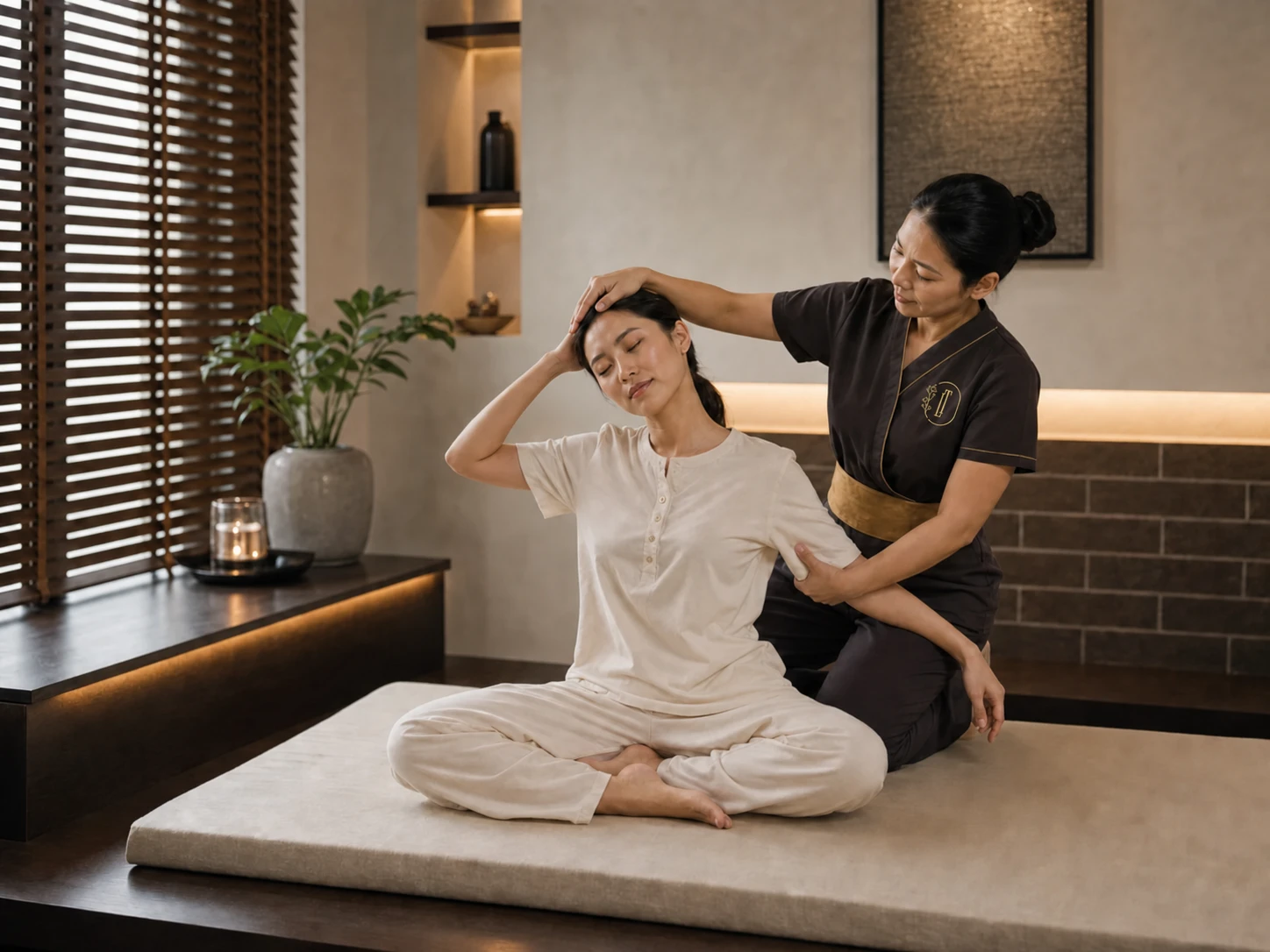
Choosing the Right Massage Technique and Treatment for your Body
Receiving a massage after a long day at work is always something that people are looking for to find that relaxation and peace within their bodies. Having a wonderful session with the help of the hands and parts of the body from the therapists allows the…
Read the guide