It's crucial to set aside some time to focus on relaxation and self-care in the fast-paced world of today. Foot reflexology, a traditional medical technique that has been used for millennia to promote wellness and regeneration, is one approach to accomplish this. We'll talk about the advantages of foot reflexology and how it may refresh your body and mind in this article.
Understanding Foot Reflexology
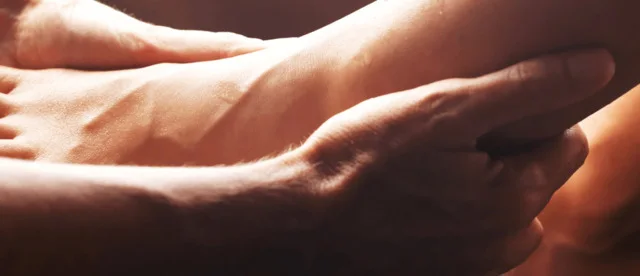
A type of massage called foot reflexology presses on particular areas on the feet. According to the theory behind this method, by applying pressure to certain locations on the body, you can activate certain organs and systems and aid in healing.
Foot reflexology has been used for millennia to support wellbeing and relaxation. It is thought to have its roots in ancient China, Egypt, and India. Currently, it is a well-liked alternative medical practice that is used all over the world.
The Benefits of Foot Reflexology
Foot reflexology offers numerous benefits for both the body and mind. Some of the most significant benefits include:
- Improves Relaxation: One of foot reflexology's main advantages is that it helps people unwind. Reflexologists can relieve tension and stress by applying pressure to particular areas on the feet, which can make you feel more at ease and relaxed.
- Circulation: It is also thought that foot reflexology helps the body's circulation. Reflexologists can help stimulate blood flow and oxygen to numerous organs and systems in the body by stimulating certain places on the feet, which can enhance general health and wellbeing.
- Relieves Pain and Discomfort: Another popular technique for reducing pain and discomfort in the body is foot reflexology. Reflexologists work on specific locations on the feet to relieve pain in the joints, head, neck, and back.
- Immune System Booster: It is thought that foot reflexology works to strengthen the immune system by promoting the body's own healing mechanisms. Foot reflexology can assist the body's immune system by fostering relaxation and lowering stress, which can enhance general health and well-being.
- Finally, foot reflexology is thought to assist in balancing the body's energy systems. Traditional Chinese medicine holds that the body's qi, or energy, moves through particular channels. Reflexologists can assist in balancing this energy flow and promoting general health and wellbeing by applying pressure to particular areas on the feet.
Getting Started with Foot Reflexology
There are a few things you should be aware of if you're thinking about attempting foot reflexology. Finding a trained reflexologist who is competent and skilled in this method is crucial first. You can hunt for a reflexologist online or get referrals from friends and family.
Once you've located a reflexologist, you'll normally be requested to take off your shoes and socks and lie down on a chair or massage table. The reflexologist will next use their fingers, thumbs, and other tools to apply pressure to particular spots on your foot.
Depending on your specific requirements and preferences, a foot reflexology treatment may involve varying amounts of pressure. While some people find the pressure to be calming and pleasant, others may initially find it unsettling.
Throughout the procedure, it's crucial to let your reflexologist know if you experience any pain or if the pressure is too strong. This will make it more likely that you'll have a satisfying and advantageous encounter.
Conclusion
To sum up, foot reflexology is an age-old healing technique that offers a wide range of physical and mental advantages. Reflexologists work on specific pressure points on the foot to reduce pain, increase circulation, induce relaxation, strengthen the immune system, and balance the body's energy systems.
Find a qualified reflexologist and explain your unique requirements and preferences if you're interested in attempting foot reflexology. Foot reflexology can be a potent tool for fostering wellbeing and rejuvenation in today's fast-paced environment with the correct reflexologist and communication. Why not give foot reflexology a shot and rejuvenate your body and mind right now?
UPDATED LOFT THAI GUIDE
Additional guidance and current information
The following editorial update expands on the original Loft Thai article with practical context, current treatment guidance and further reading.
What Foot Reflexology Is
Reflexology uses manual pressure on mapped areas of the feet, and sometimes the hands or ears.
Practitioners may describe those areas as corresponding to parts of the body.
The mapping is part of reflexology theory rather than established anatomical wiring.
Reflexology and Foot Massage Are Not Identical
Foot massage can use broad strokes, kneading, compression and movement over feet and lower legs.
Reflexology places greater emphasis on a pressure map and selected points.
A spa should say which approach is being offered instead of using the names interchangeably.
Ancient-Origin Claims Need Specific Sources
The archived article linked modern reflexology broadly to ancient China, Egypt and India without a dated primary record for the current map.
Images of feet or traditional pressure practices do not automatically establish one continuous reflexology system.
Cultural history should be documented precisely rather than assembled from visual similarity.
What NCCIH Says About Evidence
NCCIH states that reflexology has not been proven to heal the body or cure disease.
Research has examined symptoms and wellbeing in different groups, but study quality, methods and results vary.
A spa article should not turn preliminary or condition-specific findings into universal claims.
A Tender Point Does Not Diagnose an Organ
Pain at a foot point can reflect local pressure, skin, footwear, joints, nerves or other factors.
It does not prove disease in a mapped liver, kidney, lung or other organ.
Diagnosis belongs with qualified clinical assessment.
Relaxation Can Be Described Without a Cure
A quiet room, warm preparation and rhythmic foot pressure may feel restful.
The guest’s subjective relaxation is a valid experience without claiming immune stimulation or anxiety treatment.
The session should not delay care for persistent physical or mental-health symptoms.
Useful Pressure Is Responsive, Not Painful
Pressure should be negotiated and adjusted continuously.
Sharp pain, numbness, burning or the need to brace are not signs that an organ point is being healed.
The therapist can move, lighten or omit an area without compromising the entire session.
Clarify Feet, Ankles and Lower Legs
Some services remain on the soles while others include toes, ankles, calves or knees.
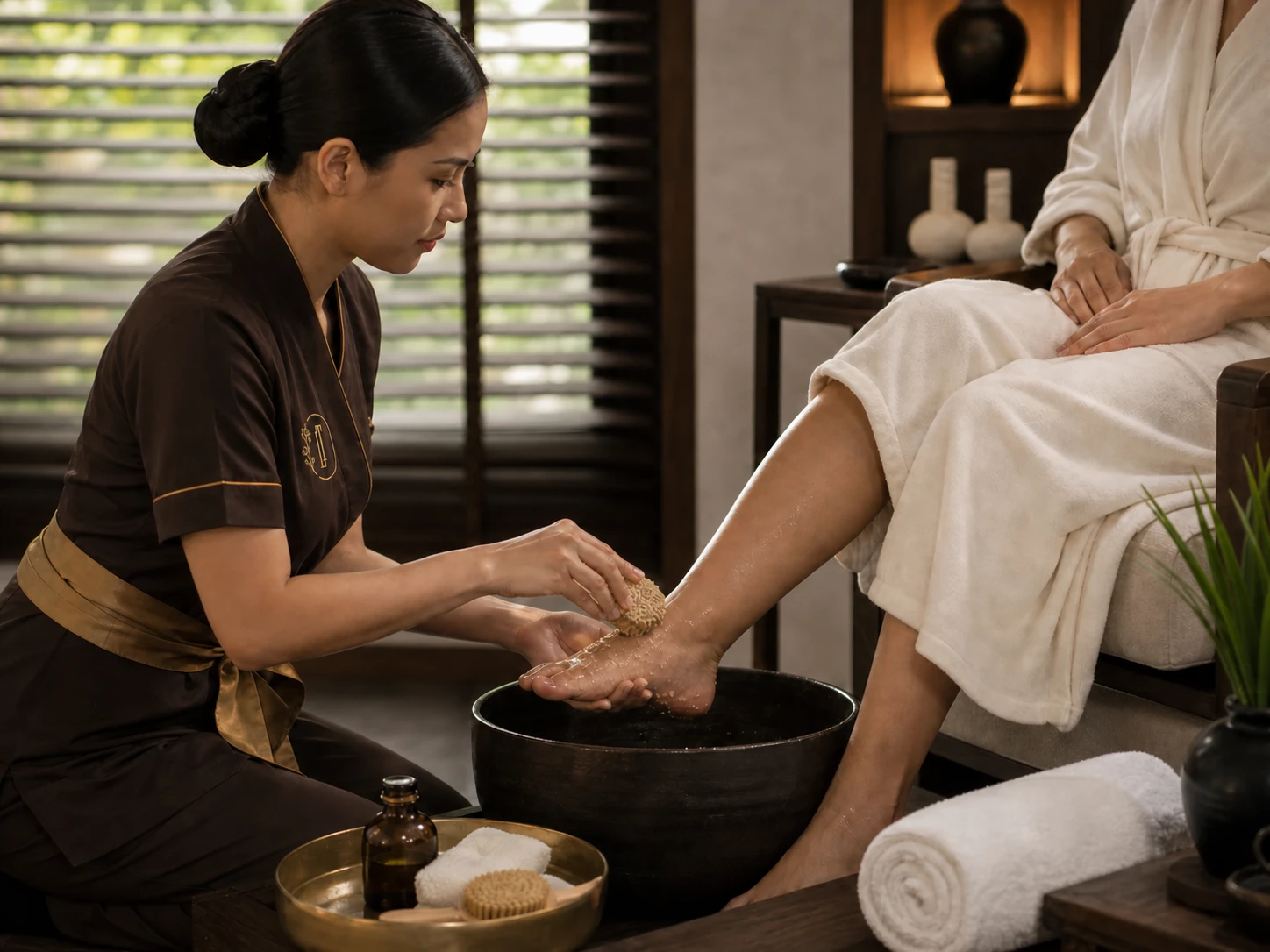
Clothing, draping, balm, oil, tools and warm stages should be explained before treatment.
A private room and clear scope support informed consent.
current Traditional Foot Massage
Loft Thai’s reviewed current menu describes traditional pressure-point work for tired feet and lower legs in a private room.
It is listed at 800 THB for 60 minutes and 1,200 THB for 90 minutes.
The menu does not present this service as organ diagnosis or disease treatment.
current Signature Foot Spa
Loft Thai Signature Foot Spa combines cleansing, exfoliation and massage in a longer polished sequence.
It is listed at 2,000 THB for 90 minutes and 2,600 THB for 120 minutes.
Choose it when product and preparation stages matter more than point-map theory.
Heat, Herbs and Paraffin Are Separate Choices
Herbal Compress Foot Spa and Hot Stone Foot Massage each start at 1,800 THB for 90 minutes.
The Paraffin Foot Ritual starts at 2,000 THB for 90 minutes and adds Himalayan salt scrub and paraffin.
Temperature, fragrance, skin integrity and product sensitivity need separate screening.
Diabetes and Neuropathy Change Risk
Reduced sensation can make pressure, heat or skin damage harder to detect.
NHS foot-care guidance advises people with diabetes to seek help for wounds and other foot problems.
A current ulcer, infection, poor healing or clinical foot-care plan may make spa treatment unsuitable.
Do Not Massage Suspected Clots or Acute Swelling
New one-sided calf swelling, warmth, redness, tenderness or breathing symptoms require prompt medical attention.
Deep foot or lower-leg pressure is not a test or treatment for a blood clot.
The session should be postponed rather than adapted around a red flag.
Skin, Nail and Joint Problems Need Boundaries
Open wounds, fungal infection, inflamed joints, recent fracture, severe bruising or unexplained pain should be disclosed.
The therapist does not cut nails, remove callus aggressively or treat infection.
Persistent concerns belong with a podiatrist, dermatologist or other appropriate clinician.
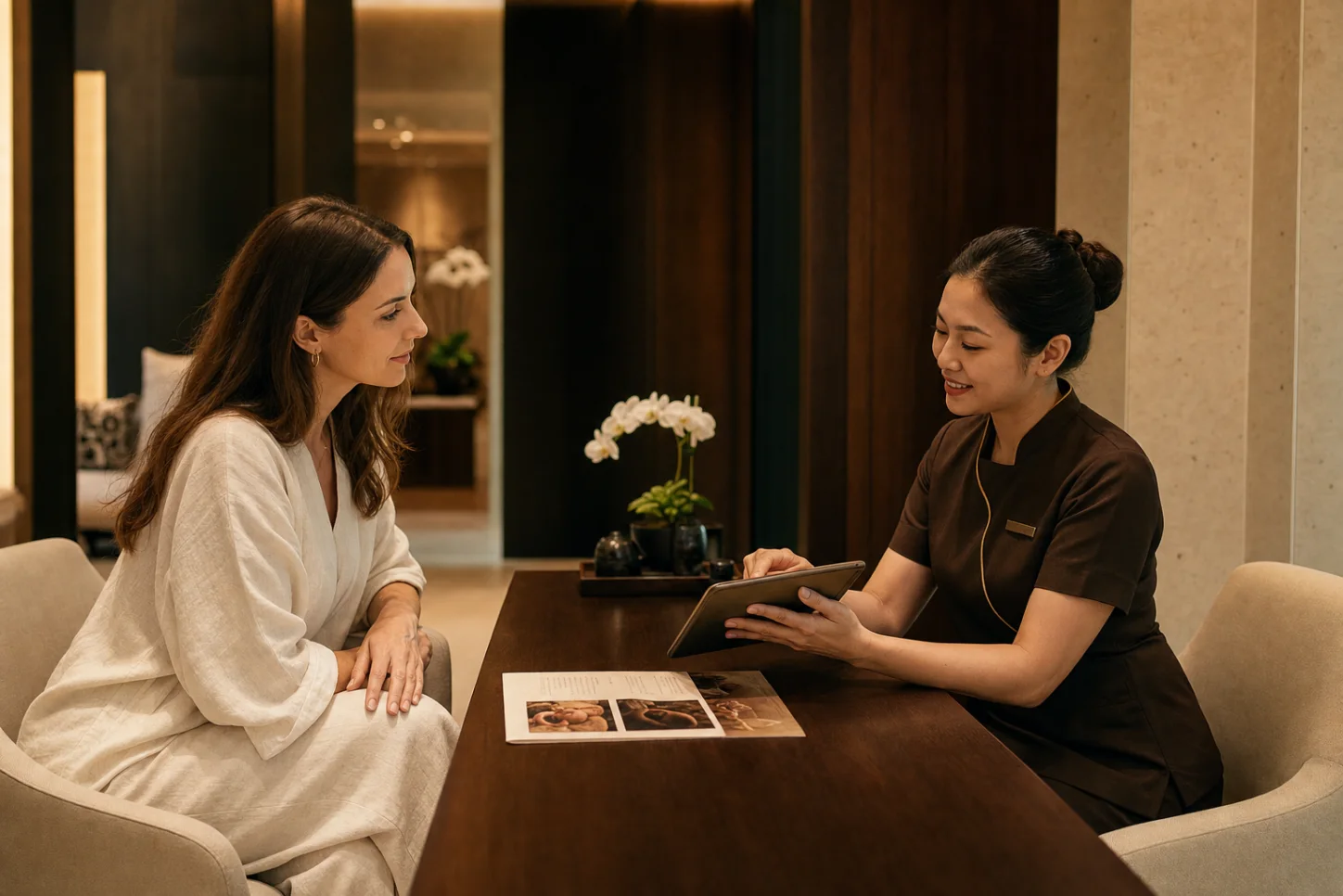
Eight Questions Before Booking
These questions reveal the actual service more clearly than a reflexology label.
- Is the treatment reflexology, foot massage or a combined ritual?
- Which areas are included?
- How is pressure adjusted?
- Are balm, oil, scrub, herbs, stones or paraffin used?
- How are tools and basins cleaned?
- Which conditions require postponement?
- Is the treatment in a private room?
- What are the exact duration and price?
Aftercare Does Not Need a Detox Story
Rise slowly, use comfortable footwear and notice any persistent tenderness or skin reaction.
Ordinary hydration can follow preference and health guidance; excessive water is not required to flush released toxins.
New or worsening symptoms should be assessed rather than attributed automatically to reflexology.
Better Claims for Foot Reflexology
Use pressure, touch, relaxation, foot comfort and a defined spa ritual when those are the actual services.
Avoid immune boost, circulation cure, energy rebalance, organ healing and whole-body pain treatment.
Evidence-aware language preserves the experience while respecting professional boundaries.
A Good Foot Session Stays Grounded
Foot reflexology can be experienced as a structured pressure ritual without accepting every organ-map claim.
Current foot massage and spa options offer different levels of touch, products and warmth.
Choose by foot condition, pressure, scope, product and time—not by a promise to heal the whole body through one point.
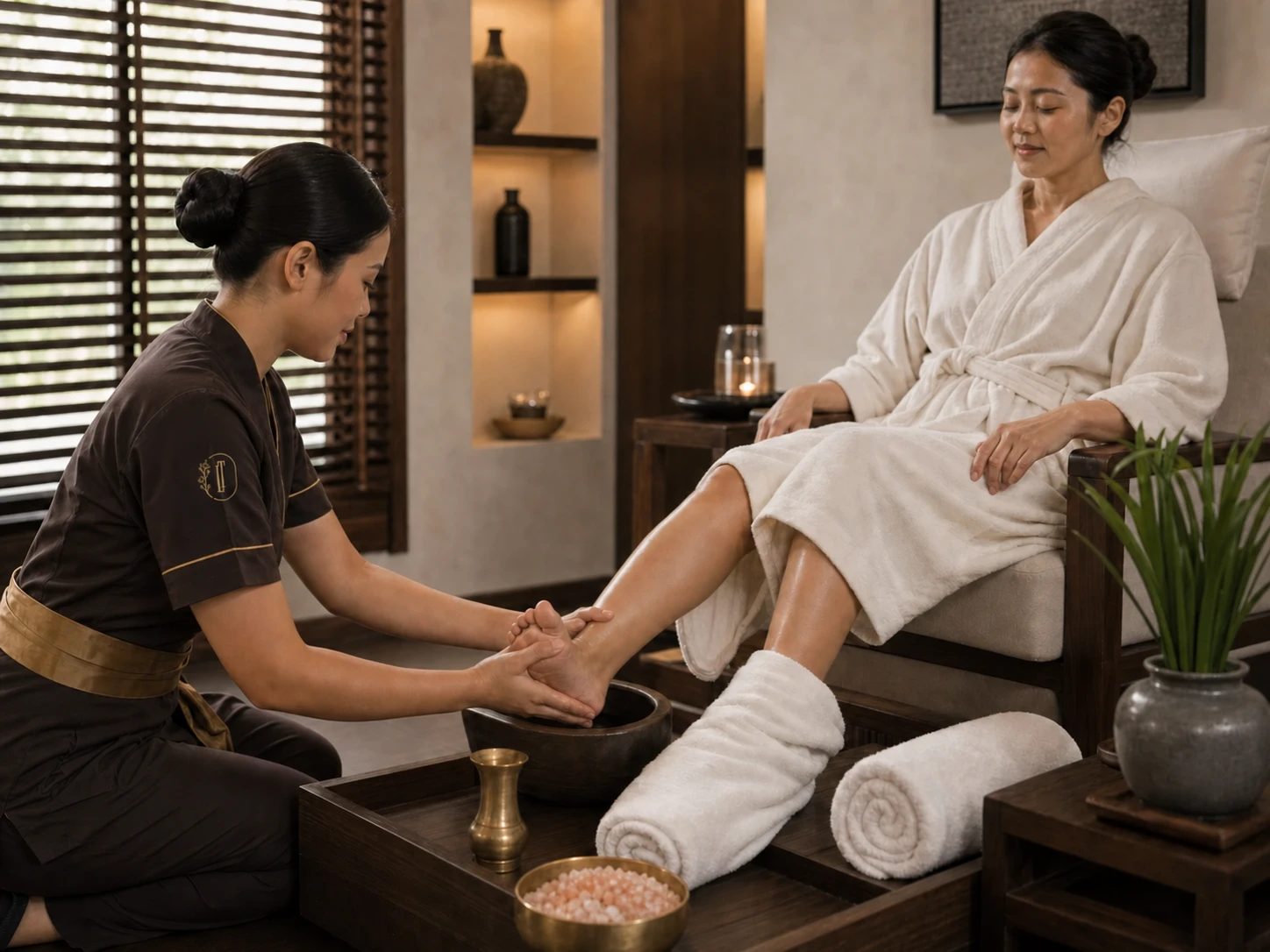
“A foot pressure map can guide a ritual without becoming proof that pressing one spot diagnoses or treats a distant organ.”
Loft Thai Editorial Team
Continue your research
REFERENCES
Sources & further reading
PRACTICAL GUIDANCE
Frequently Asked Questions
Can reflexology diagnose problems in internal organs?
No. Tenderness at a mapped point does not diagnose a corresponding organ. Medical diagnosis requires appropriate clinical assessment.
Has reflexology been proven to cure disease?
NCCIH states that reflexology has not been proven to heal the body or cure disease. Research for specific symptoms remains limited and variable.
Is reflexology the same as foot massage?
Not exactly. Reflexology emphasises mapped points; foot massage may use broader manual techniques across feet and lower legs.
Can foot pressure be painful to be effective?
No. Sharp pain, burning or numbness is a reason to reduce pressure or stop, not evidence that healing is occurring.
What does Loft Thai’s current foot massage cost?
Traditional Foot Massage is listed at 800 THB for 60 minutes and 1,200 THB for 90 minutes in the reviewed current menu.
CONTINUE READING
Related stories
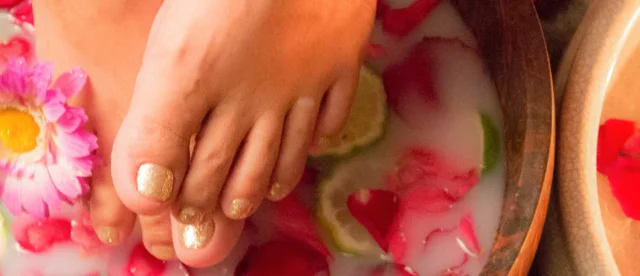
A Guide to Foot Reflexology at Loft Thai Spa in Bangkok
If you're looking for a relaxing and therapeutic way to alleviate stress and improve your overall well-being, foot reflexology may be just what you need. At Loft Thai Spa in Bangkok, you can experience the ancient healing art of foot reflexology in a serene…
Read the guide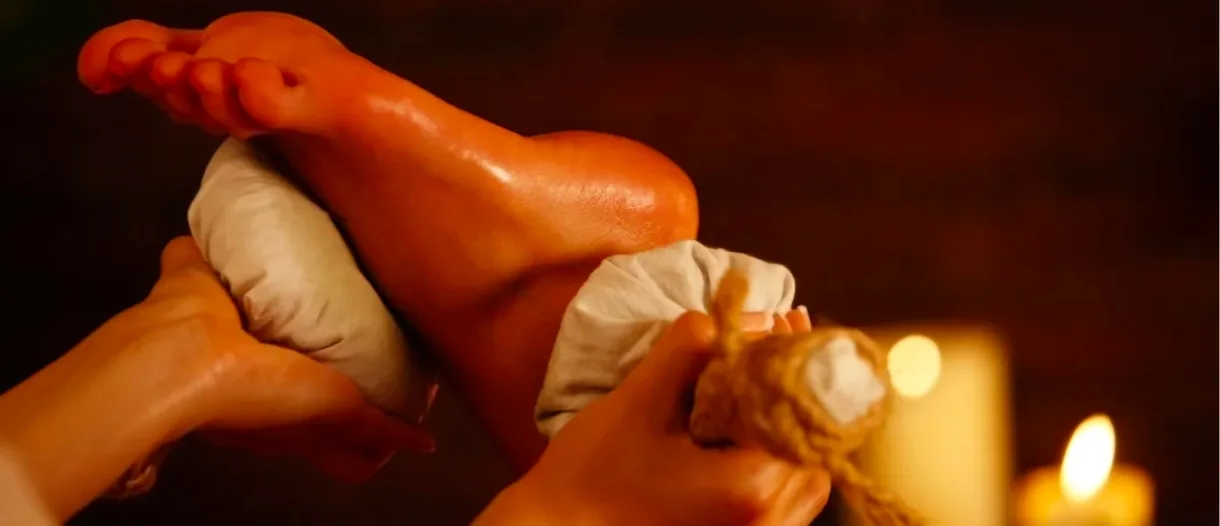
Introducing the Pinnacle of Foot Spa Packages at Loft Thai Spa
In the hustle and bustle of our modern lives, our feet often bear the brunt of our daily rush. The weariness, stress, and endless running around can leave our feet in need of some serious TLC. At Loft Thai Spa, we recognize the importance of pampering these…
Read the guide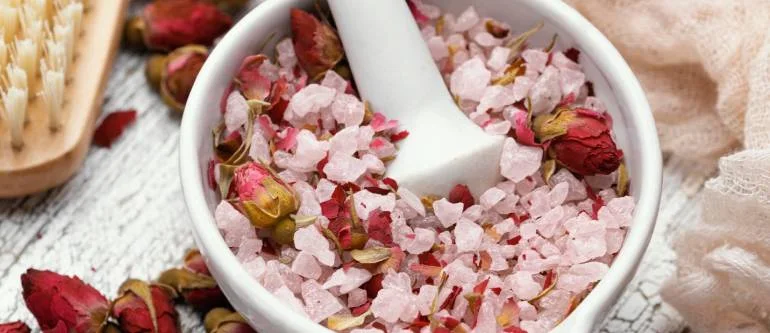
The Benefits of Himalayan Salt Foot Treatment for Detoxification
Himalayan salt, commonly referred to as pink salt, is a naturally occurring mineral that has been used for its therapeutic properties for millennia.
Read the guide
How to Detox Your Body with Loft Thai Spa's Packages in Bangkok
Detoxing your body is an essential part of maintaining good health and overall well-being. Over time, the body can accumulate toxins from the environment, unhealthy foods, and other factors. These toxins can build up in the body and lead to a range of health…
Read the guide