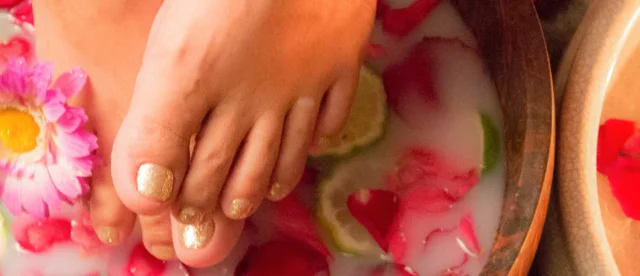
If you're looking for a relaxing and therapeutic way to alleviate stress and improve your overall well-being, foot reflexology may be just what you need. At Loft Thai Spa in Bangkok, you can experience the ancient healing art of foot reflexology in a serene and tranquil environment.
What is Foot Reflexology?
Foot reflexology is a type of massage therapy that involves applying pressure to specific areas on the feet that correspond to different parts of the body. According to traditional Chinese medicine, the feet are considered to be a map of the entire body, with each part of the foot corresponding to different organs and systems.
During a foot reflexology session, a trained therapist will use their hands to apply pressure to different points on the feet, using a combination of kneading, rubbing, and pressing motions. This pressure helps to stimulate the corresponding areas of the body and promote overall health and well-being.
Benefits of Foot Reflexology
Foot reflexology has been shown to offer a range of benefits, including:
- Reduced stress and anxiety: Foot reflexology can help to alleviate stress and promote relaxation, which can reduce feelings of anxiety and improve overall mood.
- Improved circulation: The pressure applied during foot reflexology can help to improve circulation, which can promote healing and reduce pain and inflammation.
- Enhanced sleep quality: Foot reflexology can help to promote relaxation and improve sleep quality, making it an effective treatment for insomnia and other sleep disorders.
- Pain relief: Foot reflexology can help to reduce pain and inflammation in the body, making it an effective treatment for conditions like plantar fasciitis, arthritis, and back pain.
- Improved digestion: Foot reflexology can help to stimulate the digestive system, improving digestion and reducing symptoms of gastrointestinal disorders.
Guide to Foot Reflexology at Loft Thai Spa
If you're interested in experiencing the benefits of foot reflexology, Loft Thai Spa in Bangkok offers a range of foot reflexology treatments to suit your needs. Here's what you can expect during a typical foot reflexology session at Loft Thai Spa:
- Consultation: Your therapist will begin by asking you about your health history and any specific areas of concern you may have.
- Preparation: You will be asked to remove your shoes and socks and sit in a comfortable chair with your feet elevated.
- Cleansing: Your therapist will cleanse your feet with warm water and a gentle cleanser to prepare them for the treatment.
- Reflexology massage: Your therapist will use their hands to apply pressure to different areas of your feet, using a combination of kneading, rubbing, and pressing motions. The pressure applied will vary depending on your individual needs and preferences.
- Finishing touches: Your therapist will finish the session with a relaxing foot massage to promote overall relaxation and well-being.
Loft Thai Spa offers several different types of foot reflexology treatments, including the Signature Foot Reflexology and the Royal Foot Treatment. The Signature Foot Reflexology treatment is a 60-minute session that focuses on stimulating the reflex points on the feet to promote overall health and well-being. The Royal Foot Treatment is a 90-minute session that includes a foot scrub, foot reflexology, and a relaxing foot massage, making it a luxurious and indulgent way to experience the benefits of foot reflexology.
Tips for a Successful Foot Reflexology Session
To get the most out of your foot reflexology session at Loft Thai Spa, it's important to prepare properly and follow these tips:
- Wear loose, comfortable clothing that allows easy access to your feet.
- Avoid eating a heavy meal or consuming alcohol before your session.
- Communicate openly with your therapist about any specific areas of concern or discomfort.
- Drink plenty of water after your session to help flush out toxins from your body.
Conclusion
If you're looking for a relaxing and therapeutic way to alleviate stress and improve your overall well-being, foot reflexology may be just what you need. At Loft Thai Spa in Bangkok, you can experience the ancient healing art of foot reflexology in a serene and tranquil environment.
UPDATED LOFT THAI GUIDE
Additional guidance and current information
The following editorial update expands on the original Loft Thai article with practical context, current treatment guidance and further reading.
What Foot Reflexology Is
Reflexology is a practice in which different amounts of pressure are applied to selected points on the feet or hands.
Traditional charts associate those points with other body areas. NCCIH notes that the claimed remote relaxation or healing of corresponding parts has not been proven.
In a spa setting, the observable intervention is manual contact, pressure, movement and a structured period of seated or reclined foot care.
Reflexology, Foot Massage and Clinical Foot Care Are Different
A foot massage may focus on the muscles and soft tissues of the feet and lower legs. Reflexology follows a point or zone system. A foot-spa ritual may add cleansing, exfoliation, a mask, balm, heat or paraffin.
Podiatry and medical assessment address disease, injury, infection, neurological changes and structural problems.
A spa menu should name which approach is offered rather than merging all foot care under one therapeutic claim.
Step 1: Begin With a Focused Consultation
The therapist should ask about current comfort, pressure preference, known sensitivities, recent injury or procedure and any reason the feet should not be touched.
This is a suitability conversation, not diagnosis.
Severe pain, acute swelling, open wounds, suspected infection, loss of sensation or another concerning change requires appropriate healthcare advice before a routine spa service.
Step 2: Confirm the Treatment Area
Before applying products or pressure, the therapist can identify visible cuts, irritation, dressings or areas the guest wants avoided.
The therapist should not interpret appearance as proof of an internal organ condition.
The guest retains the option to shorten, modify or decline the session.
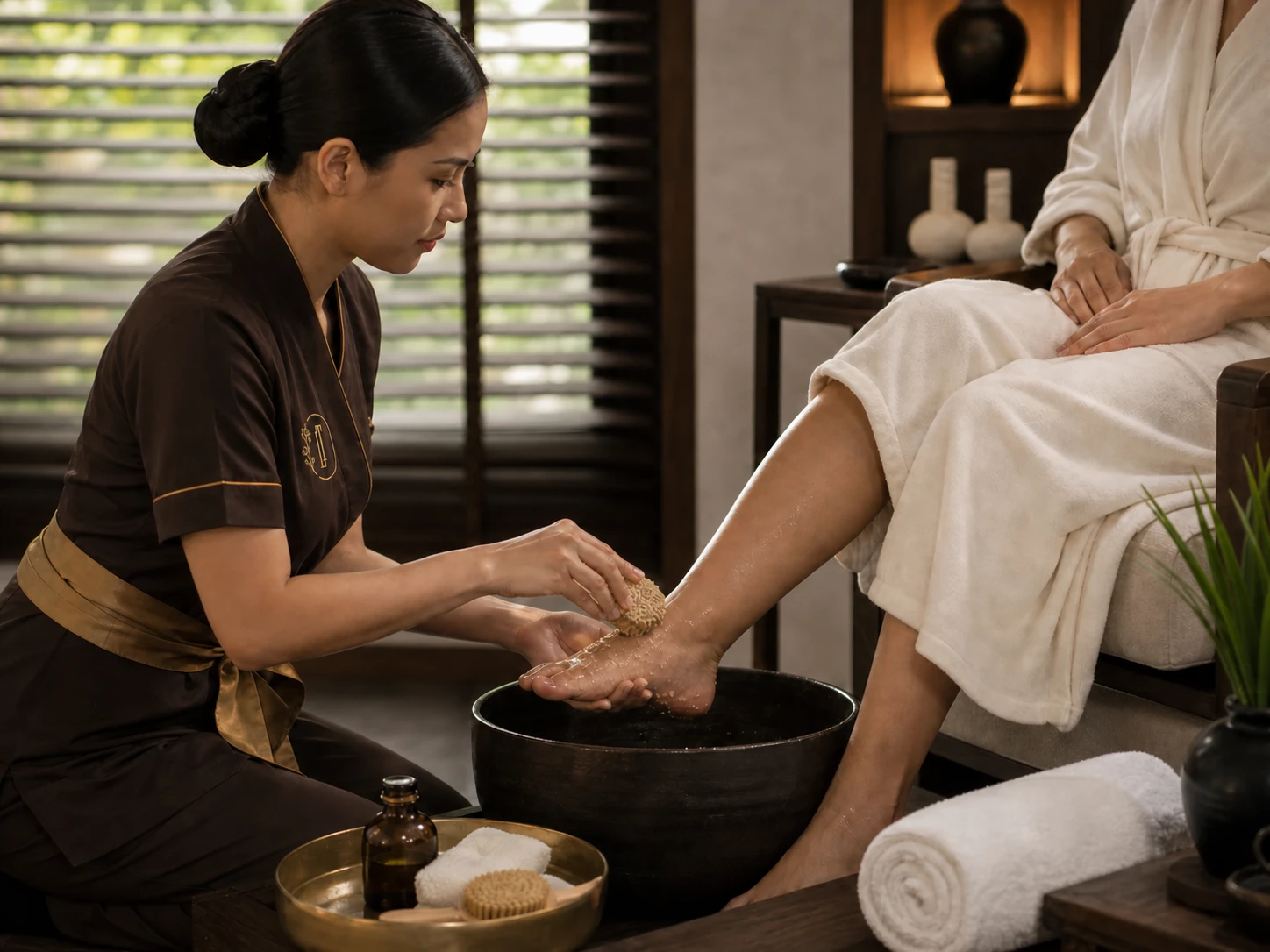
Step 3: Cleanse and Prepare
A warm towel, foot bath or gentle cleanser may be used depending on the specific ritual.
Preparation removes surface residue and creates a clear transition into the service; it does not pull toxins from the body.
Water temperature, product ingredients, basin hygiene and drying between the toes deserve the same attention as the pressure sequence.
Step 4: Establish Position, Support and Privacy
The guest may sit in a supportive chair or recline, with the knees and ankles positioned comfortably.
Only the agreed areas should be exposed, and towels or cushions should support warmth and modesty.
A different position should be available when standard seating is uncomfortable or inaccessible.
Step 5: Build Pressure Gradually
The therapist may use thumbs, fingers, palms or a smooth tool according to the protocol.
Pressure can progress through holding, kneading, rubbing and point work, but it should not be treated as a test of pain tolerance.
Sharp, burning, electric or worsening pain is a reason to stop and reassess.
Step 6: Follow a Repeatable Sequence
A structured session may move through the heel, arch, ball, toes, top of the foot, ankle and lower leg.
A reflexology chart can organise the sequence as a traditional practice tool, but it should not be shown as verified diagnostic anatomy.
The therapist should maintain consistent pacing while adapting pressure to the guest’s feedback.
Step 7: Understand Every Product
A cleanser supports preparation. An exfoliant changes the surface feel of the skin. A cream, balm or oil changes glide and friction. Powder may support dry point work. A mask, paraffin or herbal compress is a separate optional component.
Each product needs a readable ingredient list, intended use, hygiene process and discussion of known sensitivities.
Natural, herbal or cooling does not automatically mean suitable for every guest.
Step 8: Finish and Reorient
The therapist should remove excess product, help the guest return to standing without rushing and invite immediate feedback.
Aftercare can include ordinary comfort advice and attention to any unexpected skin response.
There is no evidence-based need to drink excessive water to flush toxins after reflexology.
What the Evidence Does—and Does Not—Show
NCCIH concludes that the proposed correspondence between reflex points and remote body parts has not been proven and that evidence is insufficient for most claimed conditions.
Some meta-analyses report changes in anxiety, sleep or other outcomes in selected adult populations, but studies vary in participants, controls, session dose, blinding and quality.
Those findings do not justify a spa promise to treat insomnia, depression, chronic pain, digestive disorders or another medical condition.
Do Not Convert Warmth Into a Circulation Claim
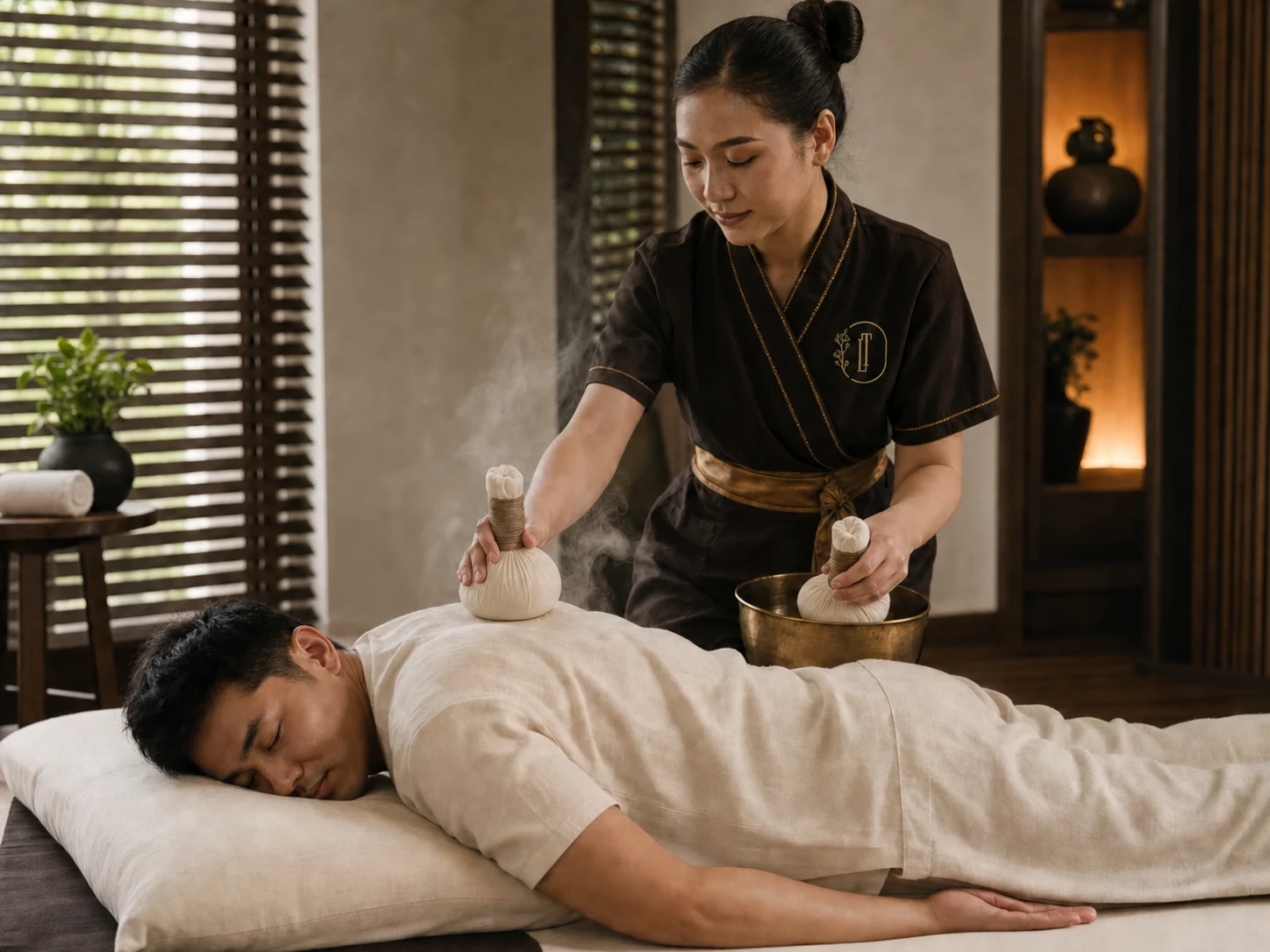
Manual pressure, a warm towel and a change of position may create a temporary local sensation of warmth.
That observation does not prove correction of a circulatory disorder or improved healing.
Unusual colour, persistent coldness, swelling, wounds or pain require appropriate clinical assessment rather than a reflexology explanation.
Relaxing Experience Is Not Insomnia or Anxiety Treatment
A quiet room, reduced stimulation and attentive touch may be experienced as relaxing by an individual guest.
Sleep and anxiety disorders have multiple causes and require appropriate assessment when persistent or disruptive.
A spa can promise a defined session environment, not a guaranteed mental-health or sleep outcome.
How to Choose a Foot Session
Choose point-focused reflexology when you want a structured pressure sequence. Choose foot massage when soft-tissue work is the priority. Choose a longer foot ritual when cleansing, exfoliation, mask, warmth or lower-leg care is part of the desired experience.
Compare the actual components, duration, price and pressure style rather than the number of benefits in a description.
Current service names and availability should be confirmed on the current collection or through the booking team.
Eight Questions Before Booking
Use these questions to make the protocol visible.
- Is this reflexology, foot massage or a complete foot-spa ritual?
- Which areas are included?
- How is pressure adjusted?
- Which products or tools are used?
- Are heat, scrub, mask, paraffin or compress optional?
- What hygiene process applies to basins and reusable tools?
- Which circumstances require postponement or medical advice?
- What exactly will appear in the final confirmation?
Claims Removed from the Previous Version
The earlier article said foot points correspond to organs and claimed reduced anxiety, improved circulation, better sleep, pain relief, less inflammation, improved digestion, healing and toxin removal.
It also described named treatment durations and components as current without reconfirming the present current menu.
This reconstruction retains the pressure practice and session process while separating tradition, evidence, current availability and healthcare scope.
Choose Skilled Pressure, Clear Products and Honest Limits
A strong reflexology session does not need medical mythology to feel considered.
It needs a focused consultation, clean preparation, supported positioning, adjustable pressure, traceable products and a responsible finish.
Use the process to compare Bangkok foot services, and seek qualified healthcare assessment for symptoms that exceed spa scope.
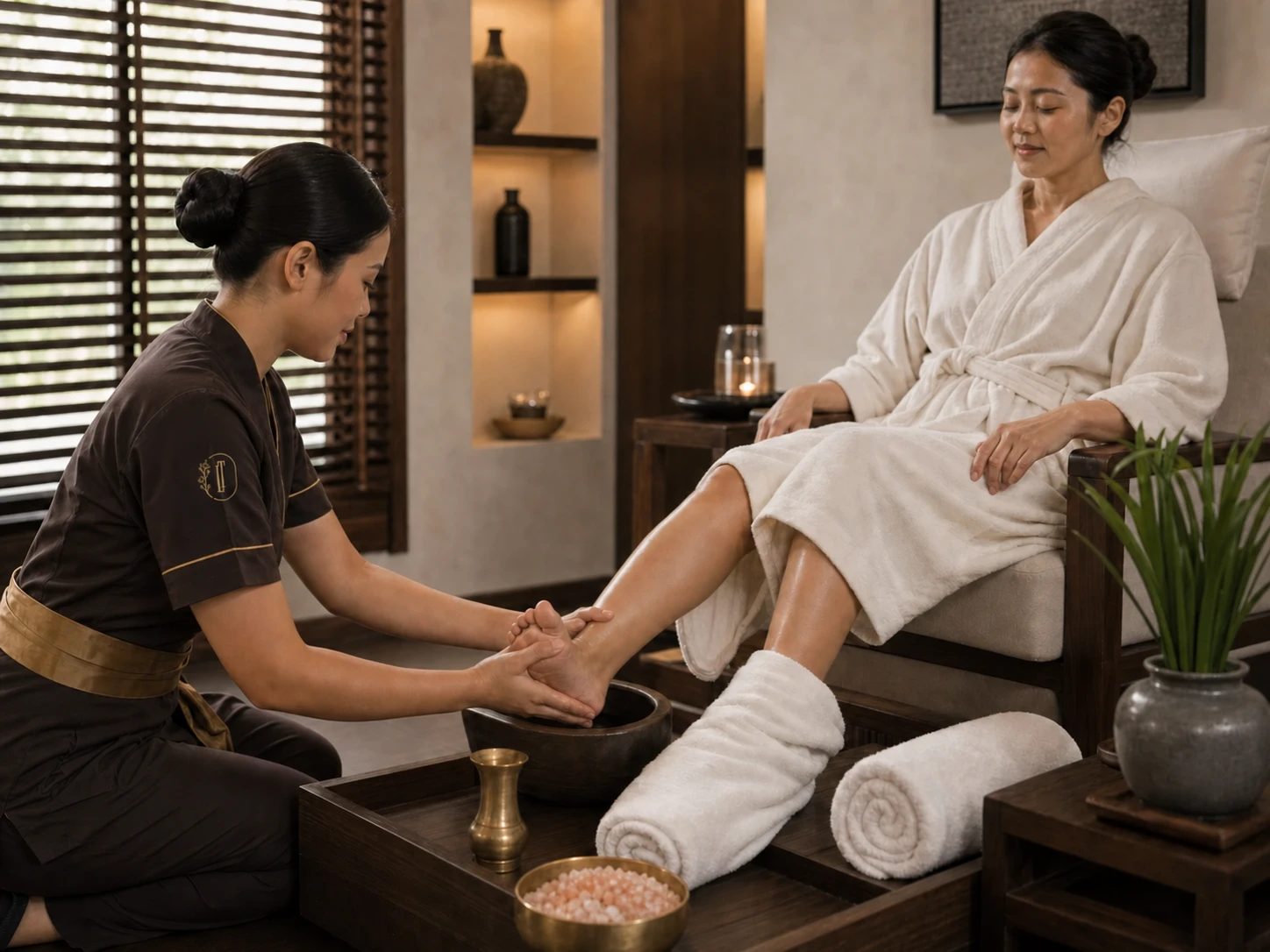
“A foot reflexology session can be described honestly as skilled pressure and attentive foot care without turning a traditional map into medical anatomy.”
Loft Thai Editorial Team
Continue your research
REFERENCES
Sources & further reading
- US NCCIH: Reflexology
- PubMed: Systematic Review of Reflexology Randomised Controlled Trials
- PubMed: Meta-analysis of Reflexology, Anxiety and Sleep
- PubMed: Meta-analysis of Reflexology for Sleep Disturbance
- ISO 17679: Wellness Spa Service Requirements
- Thailand HSS: Spa and Service Provider Directory
- Loft Thai: Body and Foot Reset
PRACTICAL GUIDANCE
Frequently Asked Questions
Do reflexology points correspond to internal organs?
Reflexology traditions use maps that associate foot points with other body areas, but the proposed remote healing mechanism and organ correspondence have not been proven.
Can foot reflexology treat insomnia or anxiety?
Some studies report changes in selected populations, but the evidence does not support a general spa promise to treat sleep or mental-health disorders.
Should reflexology be painful?
No. Pressure should be adjustable. Sharp, burning, electric or worsening pain should be reported immediately and is a reason to stop or modify the session.
Is foot reflexology the same as a foot massage?
Not exactly. Reflexology usually follows points or zones, while foot massage focuses more directly on the local muscles and soft tissues. A foot-spa ritual may include additional product and heat steps.
Do I need to drink extra water to remove toxins afterward?
No evidence-based detox requirement follows a routine reflexology session. Drink according to ordinary comfort and personal medical guidance.
CONTINUE READING
Related stories
Loft Thai Spa Listed Among Trusted Foot Care and Reflexology Destinations Worldwide
Our mission has always been clear: to elevate Thai wellness to a global standard while preserving its cultural authenticity, therapeutic depth, and holistic philosophy. Today, we are proud to announce an important new international recognition. Loft Thai Spa…
Read the guide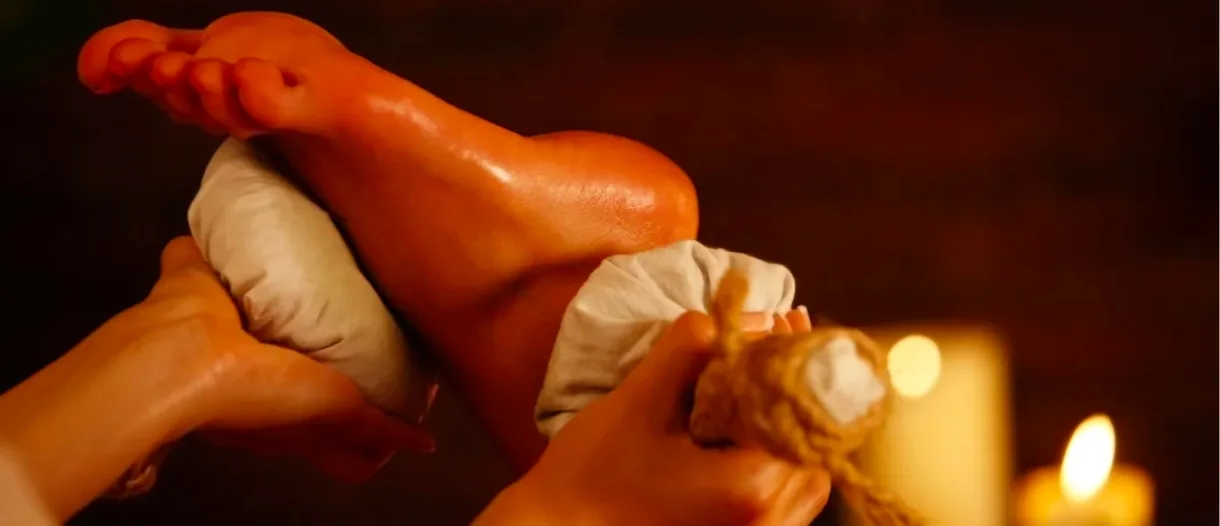
Introducing the Pinnacle of Foot Spa Packages at Loft Thai Spa
In the hustle and bustle of our modern lives, our feet often bear the brunt of our daily rush. The weariness, stress, and endless running around can leave our feet in need of some serious TLC. At Loft Thai Spa, we recognize the importance of pampering these…
Read the guide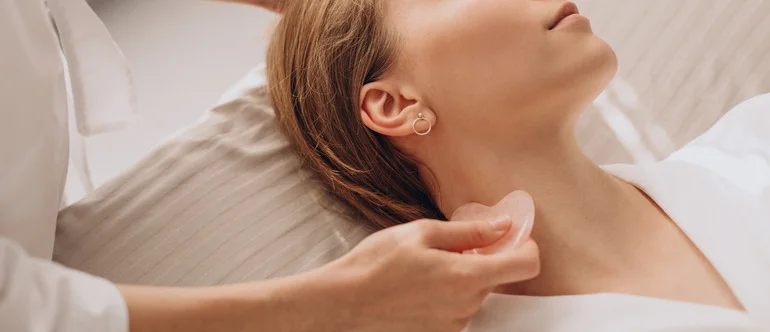
Healing Herbs of Thailand: Secrets Behind Herbal Compress Therapy
Herbal compress therapy, a traditional healing practice in Thailand, involves the use of heated compresses filled with a blend of medicinal herbs. This therapy is known for its therapeutic benefits, promoting relaxation, improving circulation, and alleviating…
Read the guide