
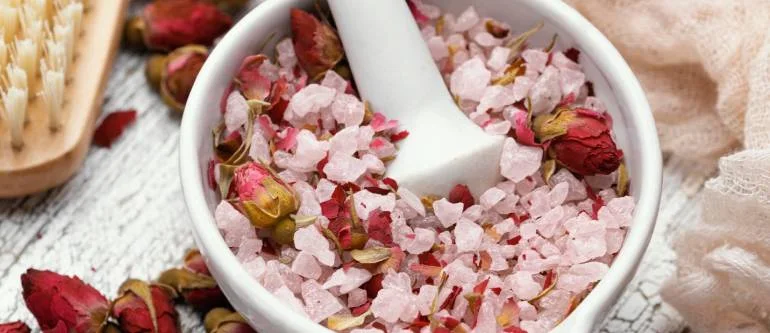
Himalayan salt, commonly referred to as pink salt, is a naturally occurring mineral that has been used for its therapeutic properties for millennia.
The Himalayan salt foot treatment, which involves soaking the feet in warm water with Himalayan salt crystals, is one of the newest trends in the wellness sector. Many advantages of this therapy include stress reduction, relaxation, and detoxification. In this article, we'll examine the advantages of Himalayan salt foot treatments and the reasons you might want to add them to your wellness regimen.
What is Himalayan Salt Foot Treatment?
A straightforward and all-natural method to improve your general health and wellbeing is a Himalayan salt foot treatment. Your feet will be submerged in warm water with crystals of Himalayan salt as part of the treatment. Magnesium, potassium, and calcium are among the nutrients and minerals that are abundant in the salt and are crucial for good health. The salt aids in detoxifying by drawing out toxins and impurities from your body as your feet soak in the warm water.
Detoxification
The potential of Himalayan salt foot treatments to purify the body is one of their main advantages. Toxins and other pollutants are drawn out of your body through the pores by the warm water and salt. By removing dangerous compounds from your body, you can enhance your general health and lower your risk of developing chronic diseases.
Relaxation
After a hard day, a Himalayan salt foot treatment is a wonderful way to decompress and relax. Warm water and salt work together to promote relaxation throughout the body while also soothing fatigued and tight muscles. You may have less tension and worry after the procedure, leaving you feeling relaxed and rejuvenated.
Stress Relief
Stress is a widespread issue that millions of individuals experience worldwide. By encouraging rest and clearing the mind, a Himalayan salt foot treatment helps lessen stress. The procedure also aids in circulation improvement, which eases bodily stiffness and tension. This may lessen the physical effects of stress, such as headaches and aches and pains.
Improved Skin Health
Minerals and nutrients necessary for healthy skin are abundant in Himalayan salt. Himalayan salt crystals assist to exfoliate dead skin cells when you soak your feet in warm water containing them, leaving your feet soft and smooth. The procedure also aids in hydration, which can enhance the general well-being and appearance of your skin.
Improved Sleep
The application of Himalayan salt to your feet can also help you sleep better. You may fall asleep more quickly and stay asleep for longer thanks to the treatment's relaxing and stress-reduction efforts. In order to get a good night's sleep, controlling body temperature is also aided by the warm water and salt.
How to Perform a Himalayan Salt Foot Treatment
If you're interested in trying a Himalayan salt foot treatment, you can either visit a spa or perform the treatment at home. Here's how to do it yourself:
- A basin or foot spa, Himalayan salt, warm water, a towel, and any additional essential oils or herbs you wish to use should be gathered.
- Himalayan salt should be added to a warm basin or foot spa along with water, and it should be stirred until it dissolves.
- Let the salt to penetrate your skin and draw toxins out by soaking your feet in the water for 20 to 30 minutes.
- Dry your feet with a towel after bathing them, then massage any remaining salt into your skin.
- You can also add a few drops of essential oils or herbs to the water for additional relaxation and stress reduction.
- For optimal results, repeat the procedure once or twice a week.
Conclusion
A fantastic technique to encourage cleansing, relaxation, and stress alleviation is with a Himalayan salt foot treatment. Anybody seeking to enhance their general health and well-being should try this treatment because of the advantages of Himalayan salt and the calming sensation of soaking their feet. Incorporating a Himalayan salt foot treatment into your self-care routine is a quick and easy method to give your body the tender loving care it needs, whether you go to a spa or undertake the procedure at home.
UPDATED LOFT THAI GUIDE
Additional guidance and current information
The following editorial update expands on the original Loft Thai article with practical context, current treatment guidance and further reading.
What Is a Himalayan Salt Foot Treatment?
The phrase may describe a warm-water soak, a granular scrub, a mineral-salt bath or a longer ritual combining several stages.
Pink colour and geographic naming do not define one standard grain size, formula or protocol.
Ask whether salt is dissolved in water, massaged over skin or used with oils, paraffin or fragrance.
Salt Works at the Surface
Dissolved salt changes the composition of the soak, while crystals can provide physical exfoliation when rubbed over skin.
The immediate result may be cleaner-feeling, smoother surface skin.
That cosmetic effect does not demonstrate toxin removal from the blood or organs.
Why the Systemic Detox Claim Does Not Hold
NCCIH reports limited and low-quality evidence for commercial detox and cleanse programmes and warns that some are falsely advertised.
No credible mechanism in the archived article showed unspecified toxins travelling from the bloodstream through intact foot skin into salt water.
A colour or residue change in a basin is not a laboratory measurement of a removed toxin.
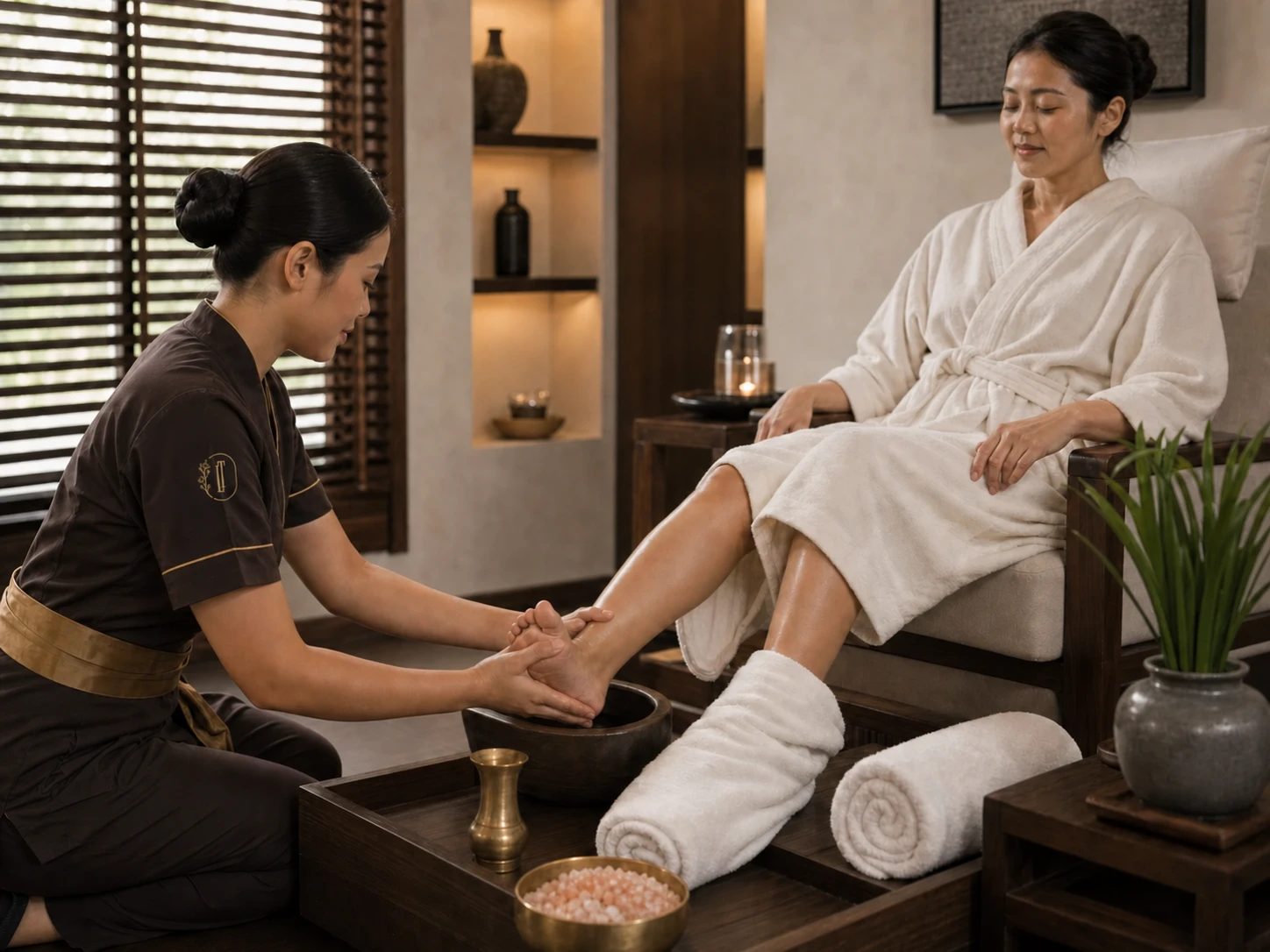
The Body Already Has Waste-Removal Systems
NIDDK explains that the kidneys filter blood, remove wastes and extra water and maintain water, salt and mineral balance.
The liver, lungs, gastrointestinal tract and skin also have their own physiological roles.
A foot ritual should not be marketed as replacing or upgrading those systems.
Mineral Content Does Not Prove Skin Absorption
A salt can contain multiple minerals without delivering a clinically meaningful dose through intact foot skin.
Listing magnesium, potassium or calcium is not evidence that a short soak corrects a deficiency.
Nutrition and mineral disorders belong with appropriate medical assessment.
Warm Water Can Be a Sensory Preparation
Comfortable warmth can soften surface scale and create an unhurried transition into foot care.
It does not need to be very hot to feel relaxing.
Temperature should be tested carefully, especially when sensation or circulation is reduced.
Granular Scrub Requires Controlled Friction
Grain size, pressure, duration and skin condition determine how a physical scrub feels.
More force can create irritation, abrasions or soreness rather than a better result.
Cracked, inflamed, recently shaved or sunburned skin may need a gentler product or no scrub.
Smoothness Needs Moisture After Exfoliation
Removing surface scale without applying a compatible moisturiser can leave dry skin feeling tighter.
AAD guidance for dry heels recommends gentle cleansing and prompt moisturising while skin is still damp.
A foot ritual should finish with product suited to the guest rather than a universal essential-oil blend.
Essential Oils Are Optional Ingredients
Adding essential oil changes the product and allergy profile but does not create evidence for detoxification or stress treatment.
Fragrance may not suit sensitive skin, pregnancy, respiratory preference or a guest who simply dislikes the aroma.
The exact oil and concentration should be disclosed.
current Paraffin Foot Ritual
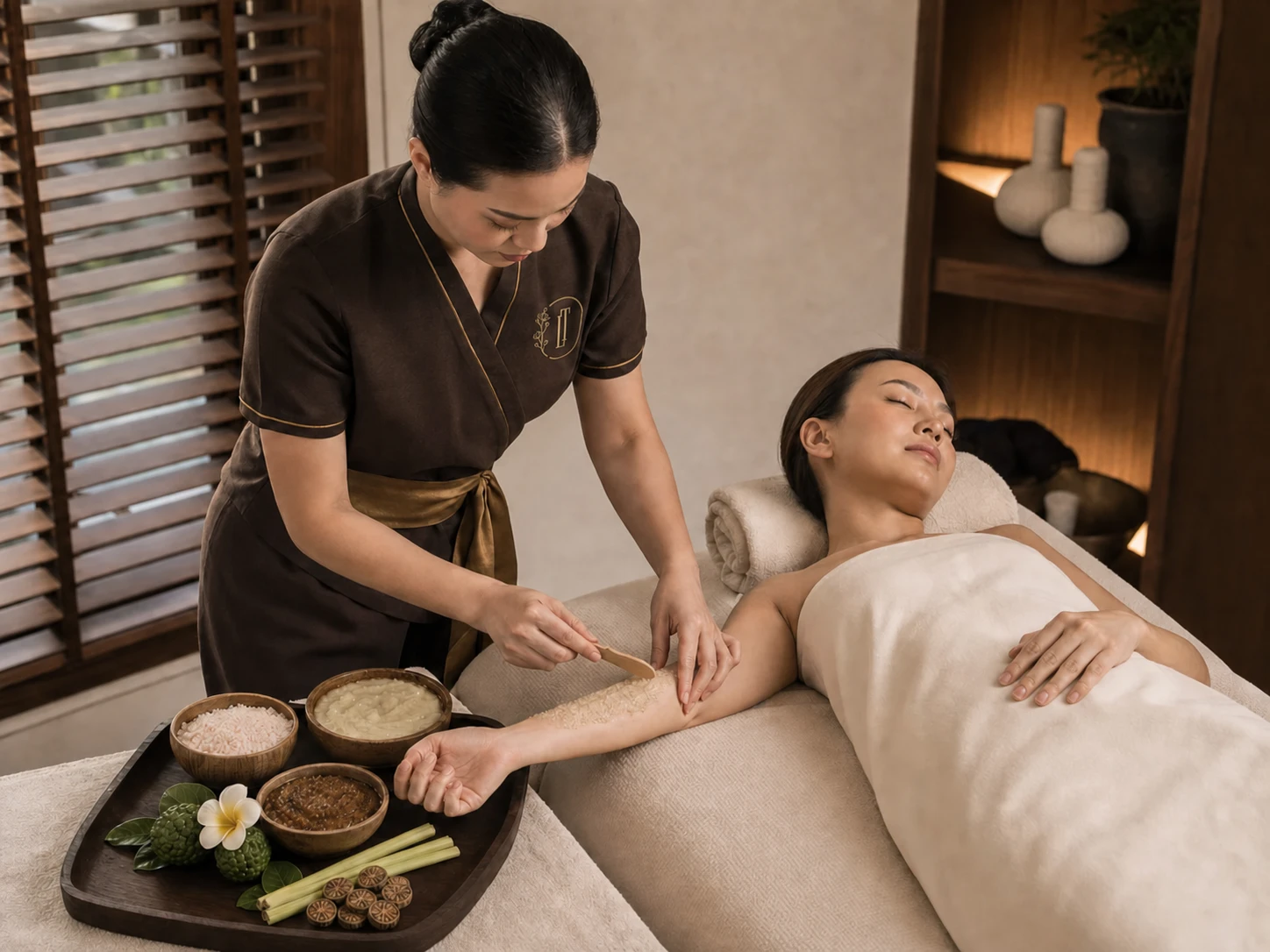
Loft Thai’s reviewed current menu combines paraffin, a Himalayan salt scrub and foot massage in a private room.
It is listed at 90 minutes for 2,000 THB and 120 minutes for 2,600 THB.
The credible goals are a complete foot-care sequence, surface softness and a relaxing hospitality experience.
Paraffin Adds Occlusion and Warmth
Warm paraffin forms a temporary occlusive layer around the prepared feet.
Temperature, hygiene, product handling and skin integrity need checking before use.
Paraffin does not transform the salt scrub into systemic detoxification.
Foot Massage Is a Separate Manual Stage
Pressure, pace and lower-leg scope should be explained rather than attributed to the salt.
Massage may feel restorative, but it should not promise treatment of chronic disease, sleep disorder or systemic circulation.
Painful swelling, acute injury or suspected clot needs assessment outside a spa.
Diabetes and Reduced Sensation Need Extra Caution
NHS guidance advises people with diabetes to take foot problems seriously because damage and reduced feeling can change risk.
Very hot water, aggressive scraping and treatment over cuts or ulcers are inappropriate.
Guests with neuropathy, poor healing or an active foot problem should follow their clinical foot-care plan.
Do Not Soak or Scrub Active Infection
Open wounds, bleeding cracks, spreading redness, warmth, pus, fungal infection or unexplained pain need appropriate care.
A shared basin and tools require clear cleaning and disinfection procedures.
A professional spa should postpone rather than hide a concerning condition with polish or fragrance.
A Safer Home Foot-Soak Framework
Use a clean basin, comfortably warm water and a clearly labelled product in the amount directed by its manufacturer.
Keep the session brief, avoid aggressive rubbing and dry carefully, including between the toes.
Stop after burning, itching, rash, dizziness, increasing pain or skin damage.
Eight Questions Before a Foot Ritual
A short process check is more useful than a detox promise.
- Is the salt dissolved, used as a scrub or both?
- What other ingredients and fragrances are present?
- How is temperature tested?
- Is paraffin included and how is it handled?
- What areas receive massage?
- How are basin and tools cleaned?
- Which conditions require modification or postponement?
- What are the exact duration, price and aftercare?
Better Language for a Premium Foot Spa
Use cleanse, exfoliate, soften, warm, moisturise and massage when those steps are actually performed.
Avoid toxins, disease prevention, mineral replacement, circulation cure and guaranteed sleep.
Precise cosmetic and hospitality language gives the guest a clearer reason to book.
Keep the Ritual, Remove the Myth
Himalayan salt can contribute colour, texture and a granular exfoliation stage to foot care.
It does not need a systemic detox story to create a polished Bangkok spa experience.
Controlled temperature, skin screening, hygiene, moisturising and honest expectations are the real quality markers.
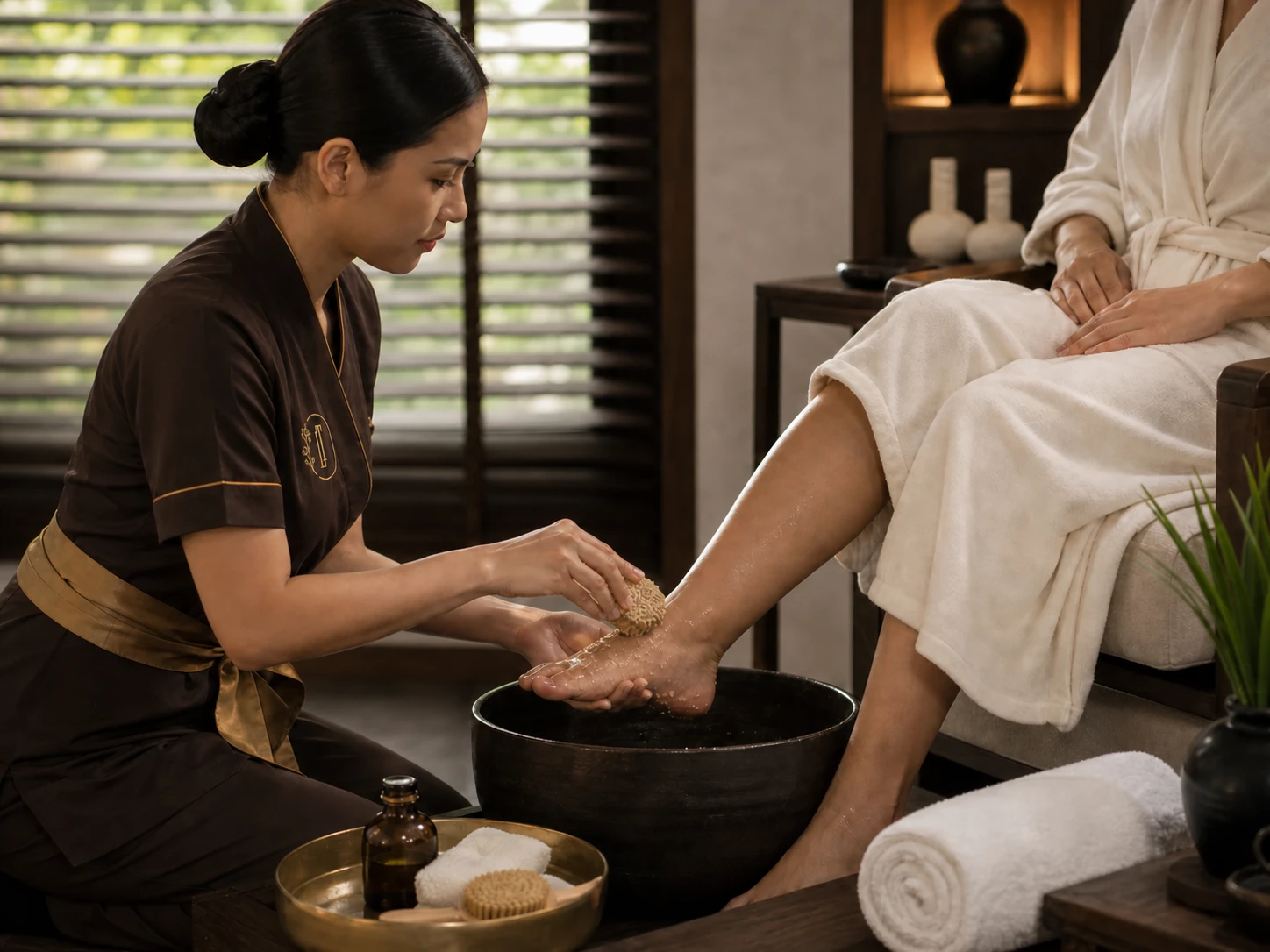
“A salt scrub can change the feel of surface skin; it does not replace the organs that filter blood and remove waste.”
Loft Thai Editorial Team
Continue your research
REFERENCES
Sources & further reading
- NCCIH: Detoxes and Cleanses—What You Need to Know
- NIDDK: Your Kidneys and How They Work
- American Academy of Dermatology: How to Care for Dry, Cracked Heels
- American Academy of Dermatology: How to Safely Exfoliate at Home
- NHS: Diabetes and Foot Problems
- Loft Thai: Body & Foot Reset
- Loft Thai: Spa Menu 2026
PRACTICAL GUIDANCE
Frequently Asked Questions
Does a Himalayan salt foot soak remove toxins?
There is no credible evidence that an ordinary foot soak pulls unspecified systemic toxins through intact foot skin. The kidneys and other organs manage waste removal.
What can a Himalayan salt foot scrub do?
Used with appropriate grain, pressure and skin condition, it can physically exfoliate surface scale and leave the feet feeling smoother.
Is a very hot foot soak more effective?
No. Water should remain comfortably warm. Excess heat raises burn risk, especially when sensation or circulation is reduced.
Can someone with diabetes book a salt foot treatment?
Diabetes, neuropathy, poor healing, wounds or active foot problems require individual clinical guidance and may make heat, soaking or scrubbing unsuitable.
What does Loft Thai’s Paraffin Foot Ritual cost?
The reviewed current menu lists 90 minutes at 2,000 THB and 120 minutes at 2,600 THB.
CONTINUE READING
Related stories
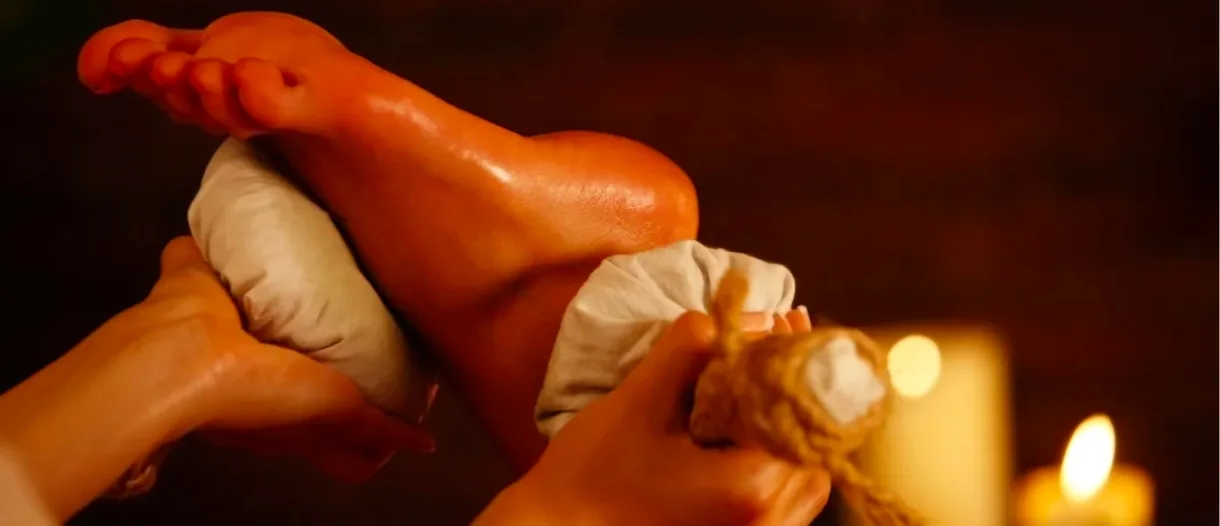
Introducing the Pinnacle of Foot Spa Packages at Loft Thai Spa
In the hustle and bustle of our modern lives, our feet often bear the brunt of our daily rush. The weariness, stress, and endless running around can leave our feet in need of some serious TLC. At Loft Thai Spa, we recognize the importance of pampering these…
Read the guide
How to Detox Your Body with Loft Thai Spa's Packages in Bangkok
Detoxing your body is an essential part of maintaining good health and overall well-being. Over time, the body can accumulate toxins from the environment, unhealthy foods, and other factors. These toxins can build up in the body and lead to a range of health…
Read the guide
The Best Body Scrub and Wrap Treatments at Loft Thai Spa in Bangkok
Loft Thai Spa in Bangkok is a popular destination for those seeking relaxation and rejuvenation. Their range of body scrub and wrap treatments is extensive, and each is designed to leave your skin feeling soft, smooth, and revitalized.
Read the guide
The Use of CBD and Other Natural Ingredients in Spa Treatments
Spa treatments have long been known for their capacity to induce relaxation and renewal, and the use of natural chemicals has been increasingly popular in recent years. Cannabidiol (CBD), a substance produced from the cannabis plant, is one such component that…
Read the guide