The short answer: Thai massage has not been shown to extend human lifespan. It may support wellbeing and help some people manage symptoms that interfere with daily life. That makes it a possible companion to healthy ageing, not a proven longevity treatment.
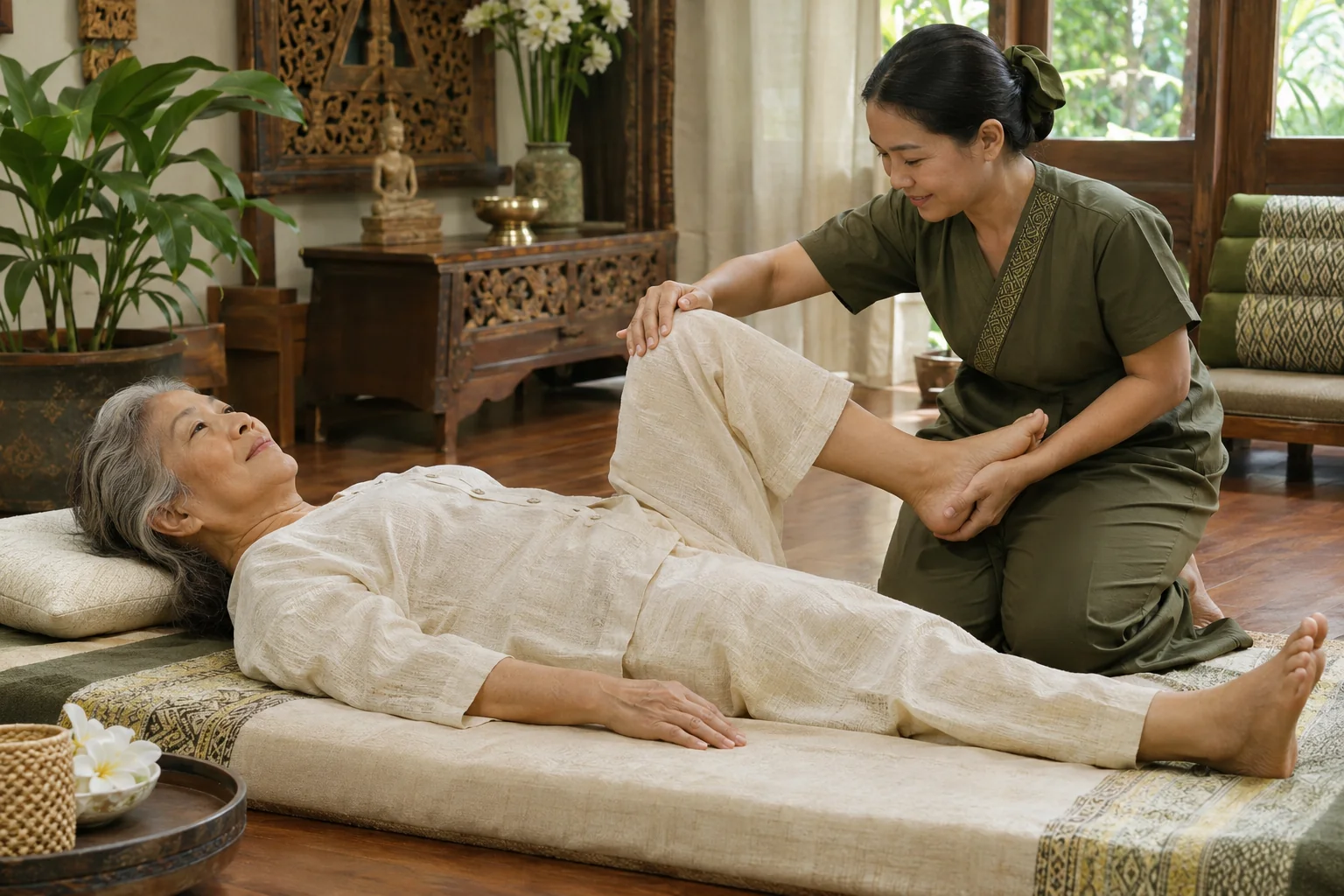
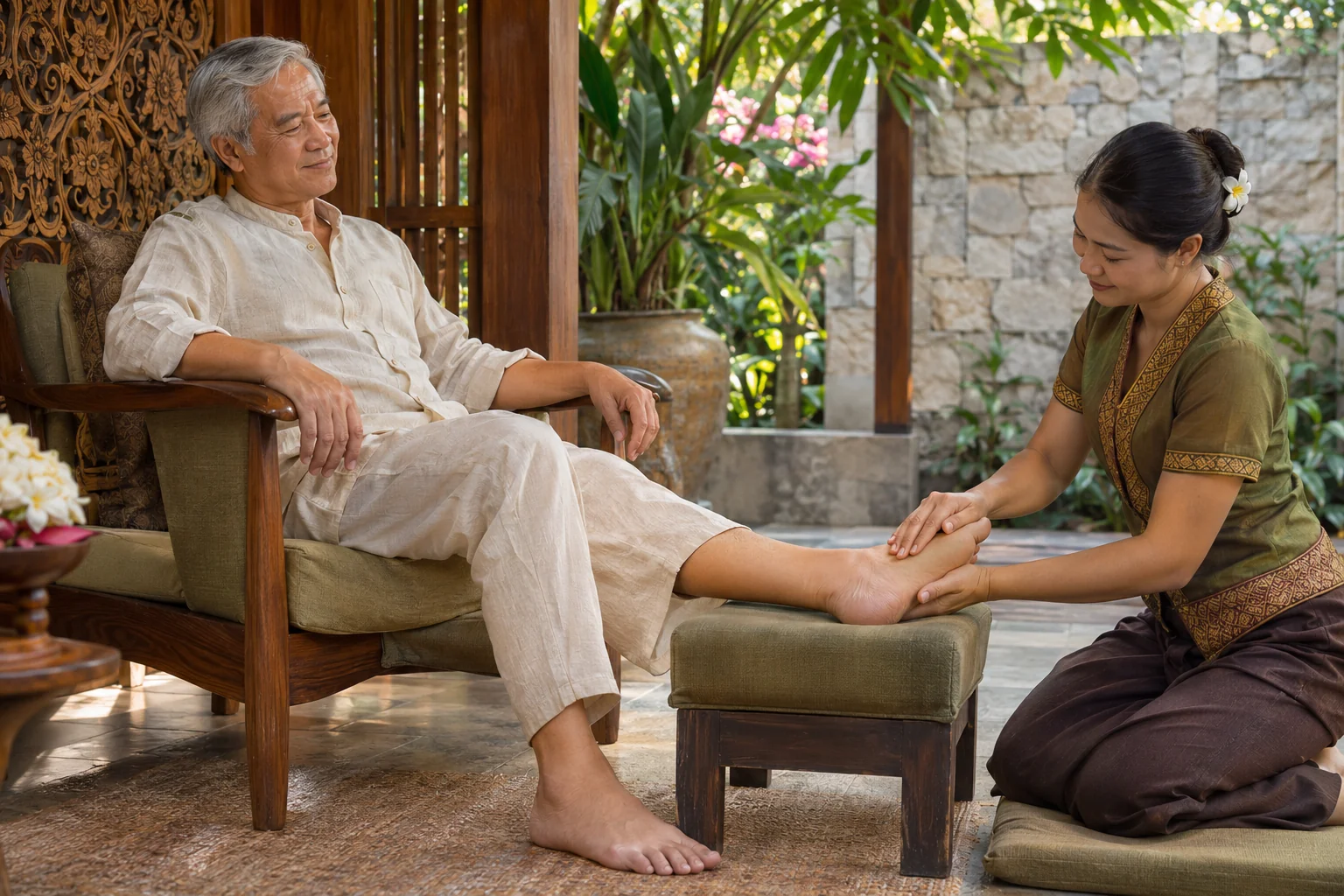
Evidence checked: 4 November 2026. Written by the Loft Thai Editorial Team. This is a research-informed educational article, not a clinical guideline or an individually prescribed treatment. No independent medical review is claimed. Loft Thai provides massage services and therefore has a commercial interest in this topic. Photographs are AI-generated editorial illustrations, not clinical evidence or photographs of actual patients.
1. First, define what “longevity” means
Lifespan is how long a person lives. Healthspan describes the years lived in good health; maintaining everyday function is an important part of that discussion. Someone might care about walking comfortably, getting dressed independently or enjoying time with friends more than achieving a particular birthday. These are valuable outcomes, but they are not interchangeable with survival.
A treatment can improve a symptom without changing the underlying course of ageing. A person who feels less stiff after a massage has experienced a meaningful improvement in comfort. We cannot convert that improvement into an extra month or year of life. The same distinction applies when a study reports a change in a blood test or a heart-rate measurement.
For this article, we examined human research on traditional Thai massage, selected broader massage reviews, and health-agency guidance. Searches combined Thai massage with longevity, mortality, ageing, pain, sleep, cortisol and heart-rate variability. We prioritised controlled trials and reviews, checking the population, comparison group and follow-up. This is a focused narrative investigation, not a registered systematic review of every available study.
2. What traditional Thai massage actually involves
Traditional Thai massage commonly combines pressure through clothing, supported positions and assisted stretching. The therapist moves the recipient's body within a tolerable range. Techniques, session length and pressure vary, so “Thai massage” is not one identical intervention across every spa or research study. The Loft Thai Thai massage guide explains the service experience and available treatment choices.
Traditional descriptions may refer to sen lines and the movement of energy. Those concepts belong to a cultural and therapeutic tradition; they should not be presented as established anatomical pathways or proof of a biological anti-ageing mechanism. Medical investigation needs outcomes that can be measured, a suitable comparison and results that other researchers can reproduce.
It also matters whether a paper studied whole-body Thai massage, Thai foot massage, Swedish massage or a combination including herbs. A finding from one technique cannot automatically become a promise for every treatment on a spa menu. For background on the tradition, see our introduction to Thai massage in Bangkok.
3. Pain and mobility: promising, but not a survival study
A 2015 systematic review of traditional Thai massage for chronic pain reported improvements across the included studies, while calling for better research. The findings concern pain and related symptoms, not life expectancy. Different conditions and study methods limit how confidently one result can be applied to another person. Research: Keeratitanont and colleagues.
An especially useful trial enrolled 140 older people with chronic nonspecific low-back pain. It compared Thai massage with Thai massage plus herbal compresses, assessing outcomes at six and fifteen weeks. Both groups improved, but adding the compress did not produce a significant additional benefit. Crucially, both groups received massage: the design does not establish how much improvement came from massage versus other influences. Research: Laosee and colleagues, 2020.
Why could symptom relief matter for ageing? Imagine that discomfort makes a short walk unpleasant. If appropriate care makes walking easier, the person may find it simpler to keep moving. This is a plausible indirect pathway, not a demonstrated chain from massage to exercise to longer life. The studies above did not test that full chain.
Nor is all massage research uniformly positive. A 2024 Cochrane review of neck pain included 33 studies and 1,994 participants. With predominantly low-certainty evidence, massage compared with a placebo may make little or no difference to several outcomes around twelve weeks. This broader review is not specific to Thai massage, but it guards against presenting all massage benefits as settled science. Cochrane: Massage for neck pain.
4. Stress and the nervous system: what a calmer body can tell us
The autonomic nervous system helps regulate functions such as heart rate without conscious effort. Researchers sometimes study heart-rate variability, or HRV: the changing interval between consecutive heartbeats. It is a physiological measurement, not a direct reading of how many healthy years someone has left.
A randomised trial involving 36 people with back pain associated with myofascial trigger points examined immediate responses to Thai massage, including HRV and stress-related measures. Its short-term findings are relevant to relaxation and symptoms. They cannot tell us whether repeated sessions prevent heart attacks, dementia or premature death. Research: Buttagat and colleagues, 2011.
Think of a measurement taken after a session as a photograph rather than a film covering several decades. It shows a moment under particular conditions. A long-term health claim needs a much longer story, including what happened after the person returned to ordinary life.
The comparison group is essential. Resting quietly, receiving attention and expecting relief may influence the experience. These factors do not make relaxation worthless. They mean researchers must separate the contribution of a specific technique from the wider experience surrounding it. A spa guest can appreciate feeling calmer without assuming that a biological ageing process has been reversed.
5. Cortisol, inflammation and “anti-ageing”: where the claims run ahead
Cortisol is often called a stress hormone, but it also performs normal, necessary functions. “Lower” is not automatically “healthier” in every setting. A result measured at one time, using one sampling method, does not justify promising a permanent hormonal reset.
A quantitative review published in 2011 found that massage's effects on cortisol were generally small and usually not statistically significant. It challenged the claim that a substantial cortisol reduction explains massage's benefits. This was research on massage broadly, not a definitive test of Thai massage. Research: Moyer and colleagues.
A 2026 scoping review mapped 72 articles on cortisol or oxytocin responses to several manual therapies. Results were mixed, with major differences in techniques, populations and measurement methods. Because the review mapped the literature and did not formally assess risk of bias, it should not be read as a high-certainty verdict on effectiveness. Research: Cao and colleagues, 2026.
Claims about inflammation, telomeres or “biological age” require the same discipline. A plausible mechanism is a question to investigate, not a clinical result. In the evidence examined for this article, we did not identify convincing human evidence that Thai massage lengthens telomeres, reverses biological ageing or reduces all-cause mortality. That is a statement about the evidence reviewed, not proof that future research could never find an effect.
6. Sleep: an interesting small study, with important limits
A 2022 randomised study enrolled 28 adults with poor sleep quality. Fourteen received three 90-minute Thai massage sessions within one week; fourteen continued their usual lives. Self-reported sleep measures favoured massage when assessed a day after the course. Research: Chompoopan and colleagues.
This is encouraging preliminary evidence, but the trial was small, brief and used a questionnaire. Its comparison did not match the time and attention received by the massage group. It does not establish a treatment for chronic insomnia, an optimal ongoing schedule or an effect on longevity. Reporting no adverse effects in a small study also cannot prove universal safety.
For a reader, the practical question can remain modest: does a suitable session help you unwind? If sleep problems persist, the next step is an appropriate clinical assessment rather than repeatedly buying longer massages. A pleasant evening ritual and treatment for a sleep disorder are different decisions.
7. Foot massage and circulation: a useful lesson in biomarkers
In a 2024 trial, 26 healthy older adults were assigned to fifteen minutes of Thai foot massage or bed rest. Researchers measured renal blood-flow parameters, stress and HRV immediately afterwards. They reported changes in selected measurements and called for larger studies. Research: Thadanatthaphak and colleagues.
These were physiological observations, not evidence that foot massage treats kidney disease, “detoxifies” the body or extends life. A blood-flow measurement is not the same outcome as preserved kidney function over years. Healthy volunteers are also not interchangeable with people who have established disease.
This distinction is the heart of responsible longevity reporting: ask what was measured, in whom, and for how long. If you are considering foot massage at Loft Thai, choose it for the experience and comfort it may offer, without treating an exploratory laboratory finding as a promised medical outcome.
8. The evidence map, in plain language
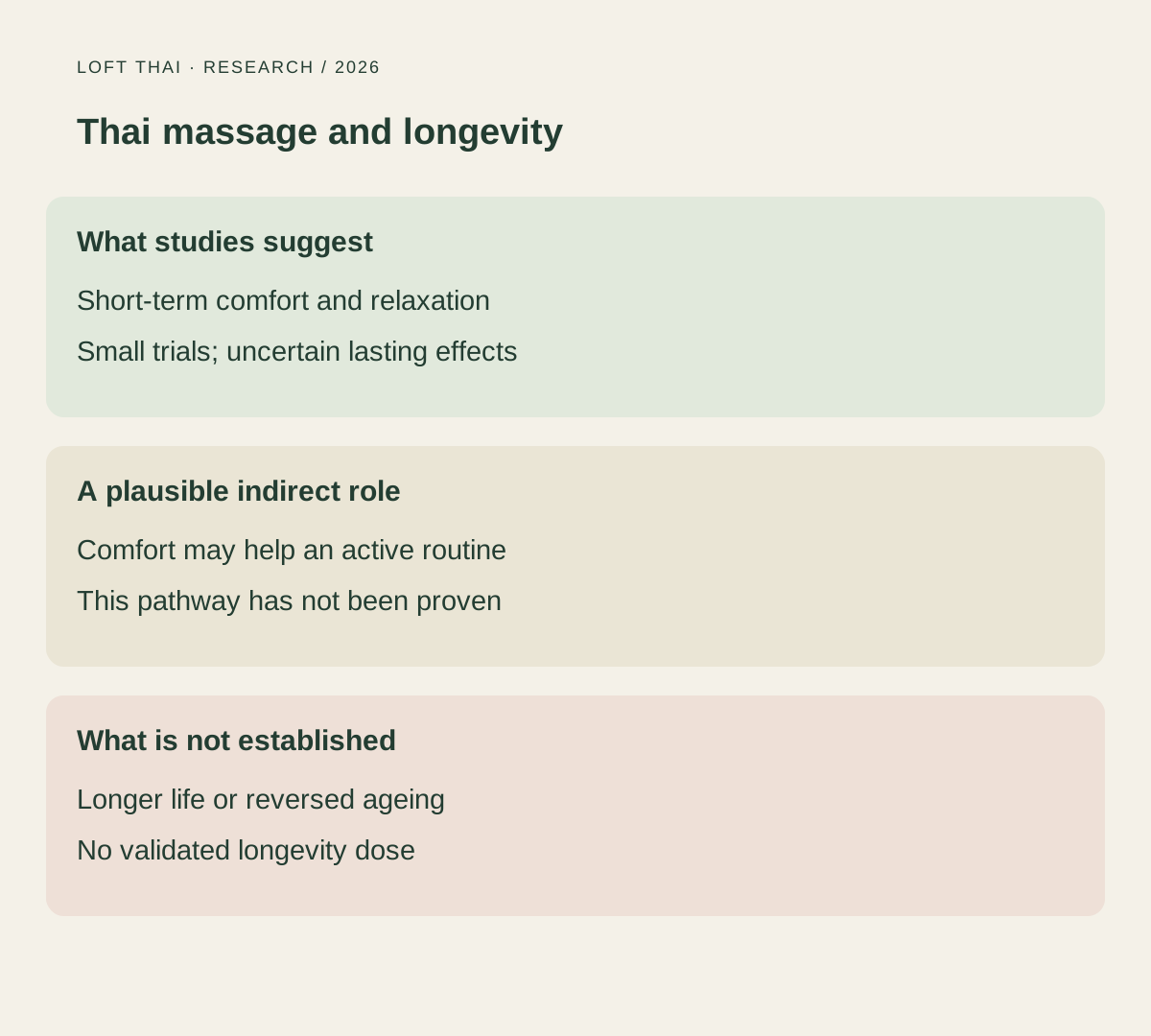
No reliable number of extra years can be attached to Thai massage. There is also no established “longevity dose” of one session per week, month or season. Research protocols are study designs, not universal booking recommendations.
To test a long-term benefit more convincingly, researchers would need larger and more diverse groups, clear treatment protocols, credible comparisons and prolonged follow-up. They would need to track meaningful outcomes such as sustained function and health events, while reporting harms and other care received. A positive short-term questionnaire is a starting point for that work, not its conclusion.
9. Where massage fits in a healthy-ageing routine
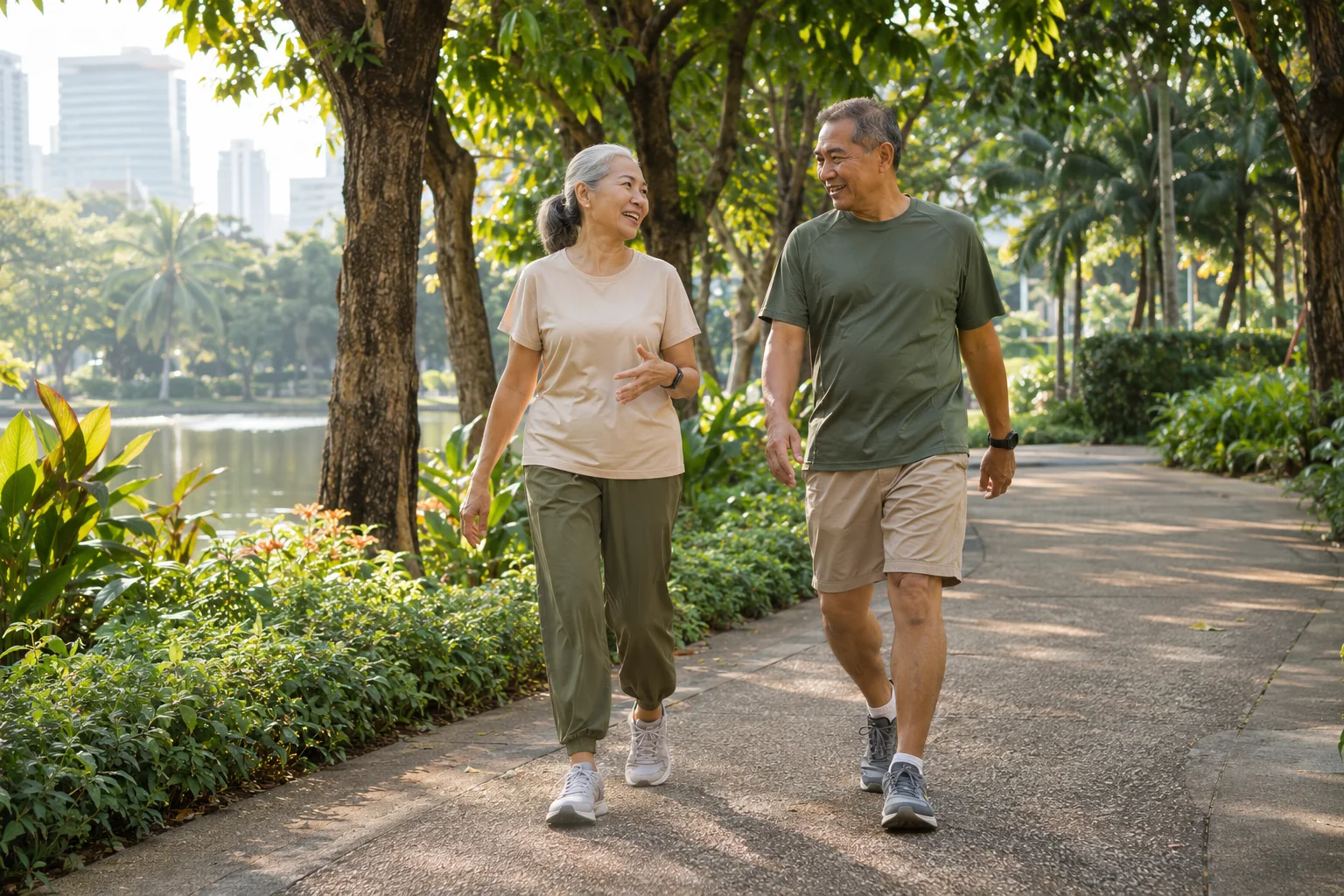
Physical activity has a substantially stronger evidence base for long-term health than a claim that massage extends life. WHO recommends 150–300 minutes of moderate aerobic activity per week for adults, or the vigorous equivalent, plus muscle-strengthening work on at least two days. Older adults should also include varied activity emphasising balance and strength on at least three days, adapted to their ability. WHO physical activity recommendations.
Assisted stretching is not equivalent to doing that activity yourself. Being moved by a therapist does not replace the training stimulus from walking, lifting or practising balance. For someone who enjoys massage, a realistic role is supporting comfort alongside an active life and their existing healthcare plan.
Start with an everyday aim: feeling comfortable at a desk, enjoying a walk or taking a restful break. Notice whether any benefit carries into ordinary activities, not just the few minutes after the treatment. If the benefit is absent, short-lived or outweighed by soreness, reconsider the approach instead of assuming more pressure or more appointments must be better.
Massage should also fit your priorities and budget. A wellness purchase does not become medically necessary because it is described using the word longevity. No one should feel that missing a spa appointment means missing a chance to add years to their life.
10. Safety matters more than intensity
Massage is generally considered low risk when appropriately delivered, but serious harms have occasionally been reported, particularly with vigorous techniques or vulnerable people. NCCIH advises against using massage to delay medical care. NCCIH: Massage therapy.
Before booking, discuss suitability with your healthcare team if you have a recent blood clot, a bleeding disorder, take blood-thinning medicines, have a recent fracture, severe osteoporosis or a recent heart attack. Burns and other injuries also require attention. Tell the therapist about relevant conditions, surgery and medications so pressure, positioning and technique can be assessed. Mayo Clinic: Massage precautions.
Age alone does not determine how a session should feel. Two people of the same age may have very different mobility, bone health and preferences. Ask for gentle pressure and supported positions when appropriate; forceful stretching is not a requirement. Speak up immediately if a movement hurts, causes tingling or makes you feel unwell. A comfortable session is a better objective than enduring intensity to earn a supposed anti-ageing benefit.
11. Choosing a relevant Loft Thai service
For a clothes-on experience involving pressure and assisted movement, explore traditional Thai massage. If you prefer a more focused visit, compare foot massage. Guests interested in a different massage style can read about oil massage, while herbal compress treatments introduce warmth and traditional sensory elements. These are descriptions of service options, not equivalent medical interventions.
For discomfort that needs more discussion, the therapeutic massage collection explains available options. Persistent or unexplained pain still needs appropriate healthcare assessment. The label “therapeutic” does not mean a spa can diagnose a condition or offer a proven longevity programme.
Choose with a clear goal, disclose relevant health information and confirm the exact treatment before reserving. No package, session duration or product in this article is recommended as a way to extend lifespan. The useful promise is more modest: an opportunity for appropriate touch, attention and comfort, considered within the wider picture of your health.
12. The conclusion: a possible support for living well
The most defensible answer is nuanced. Thai massage may help some people feel more comfortable or relaxed, and small studies suggest benefits worth investigating further. Whether those benefits translate into sustained independence, fewer diseases or longer life has not been established by the research reviewed here.
We do not need to inflate an experience into a medical breakthrough to value it. Feeling at ease, enjoying a carefully adapted session and making space for rest can matter in their own right. The responsible place for Thai massage in longevity is as a possible supportive practice, with realistic expectations, alongside the habits and healthcare that have stronger evidence for protecting long-term health.
Continue your research
REFERENCES
Sources & further reading
- Research: Keeratitanont and colleagues
- Research: Laosee and colleagues, 2020
- Cochrane: Massage for neck pain
- Research: Buttagat and colleagues, 2011
- Research: Moyer and colleagues
- Research: Cao and colleagues, 2026
- Research: Chompoopan and colleagues
- Research: Thadanatthaphak and colleagues
- WHO physical activity recommendations
- NCCIH: Massage therapy
- Mayo Clinic: Massage precautions
PRACTICAL GUIDANCE
Frequently Asked Questions
Does Thai massage increase life expectancy?
It has not been demonstrated in the human evidence reviewed for this article. Studies mainly examine symptoms, questionnaires or short-term physiological measurements rather than lifespan.
Is Thai massage the same as exercise?
No. Assisted movement does not replace aerobic exercise, muscle strengthening or balance practice. Massage can be an optional addition to an active routine.
How often should I book for longevity?
There is no validated longevity schedule. Decide according to suitability, comfort, personal benefit and budget rather than an unsupported anti-ageing prescription.
Is a stronger massage more effective for ageing well?
There is no evidence that stronger pressure produces a longevity benefit. Pressure and stretching should be adapted to the individual, and painful techniques should not be endured.
CONTINUE READING
Related stories
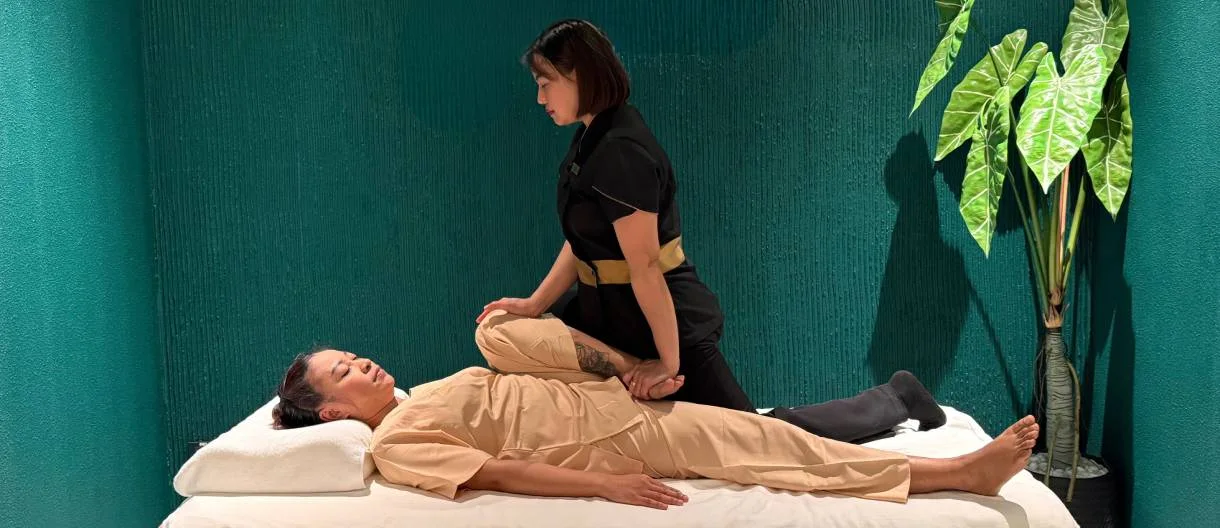
Unlocking the Secrets of Thai Massage in Bangkok
At Loft Thai Spa, massage is more than a wellness service — it is an art form rooted in ancient tradition, guided by anatomical science, and delivered with championship-level precision. In our latest showcase video, we invite you to discover the heart of what…
Read the guide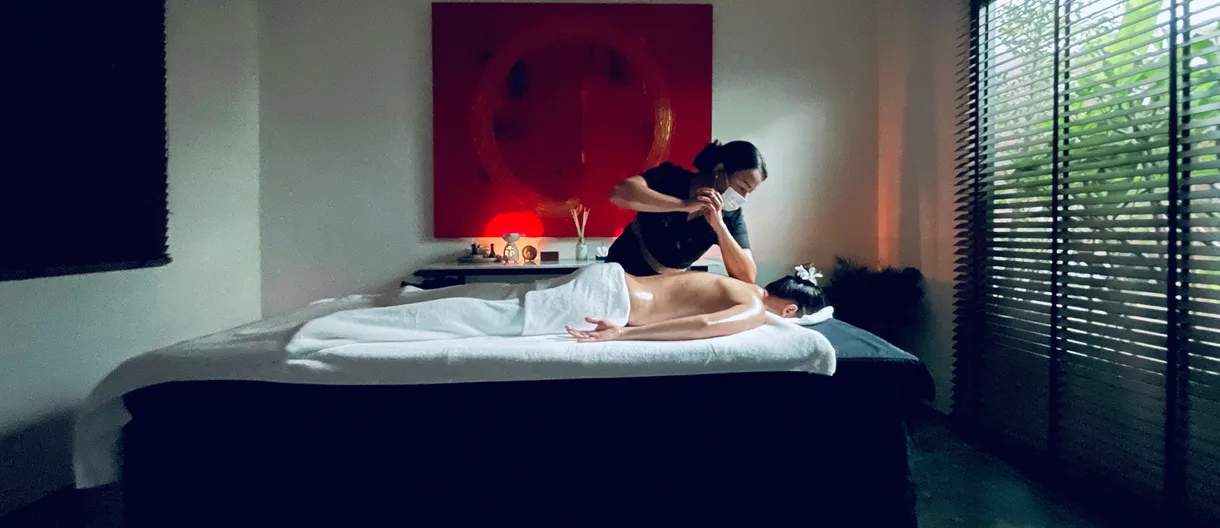
Best Thai Massage Thailand: The Loft Thai Story
Inside a Loft Thai treatment room, the first language is rhythm. A therapist settles her stance, listens to the guest’s breathing and lets pressure build without hurry. Hands pause before they move again; every stretch is supported, every change of position…
Read the guide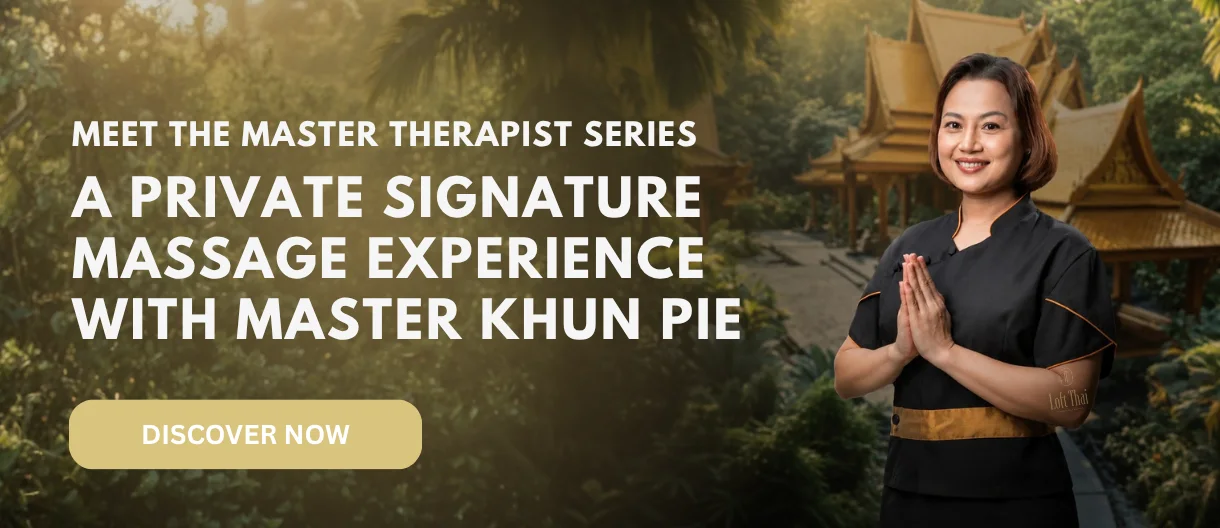
Meet the Master Therapist Series: A Private Signature Massage Experience with Khun Pie
There are massages you book because your body feels tired. There are spa rituals you choose because you want to escape the noise of the city for an hour. And then there are rare experiences that feel more like a meeting with living knowledge — a moment where…
Read the guide
Best Thai Massage in Bangkok: Traditional vs Aromatic Oil vs Deep Tissue Which One Is Right For You?
Bangkok is one of the few cities in the world where massage is not just a service—it’s culture. You can book a session almost anywhere, at almost any price, and still find talented hands. That’s the magic of Thailand. But it also creates the biggest problem…
Read the guide