
It's popular to practice massage therapy as a means to relax and de-stress. It provides a number of physical and psychological health benefits, including improved mood, less muscle tension, and enhanced circulation.
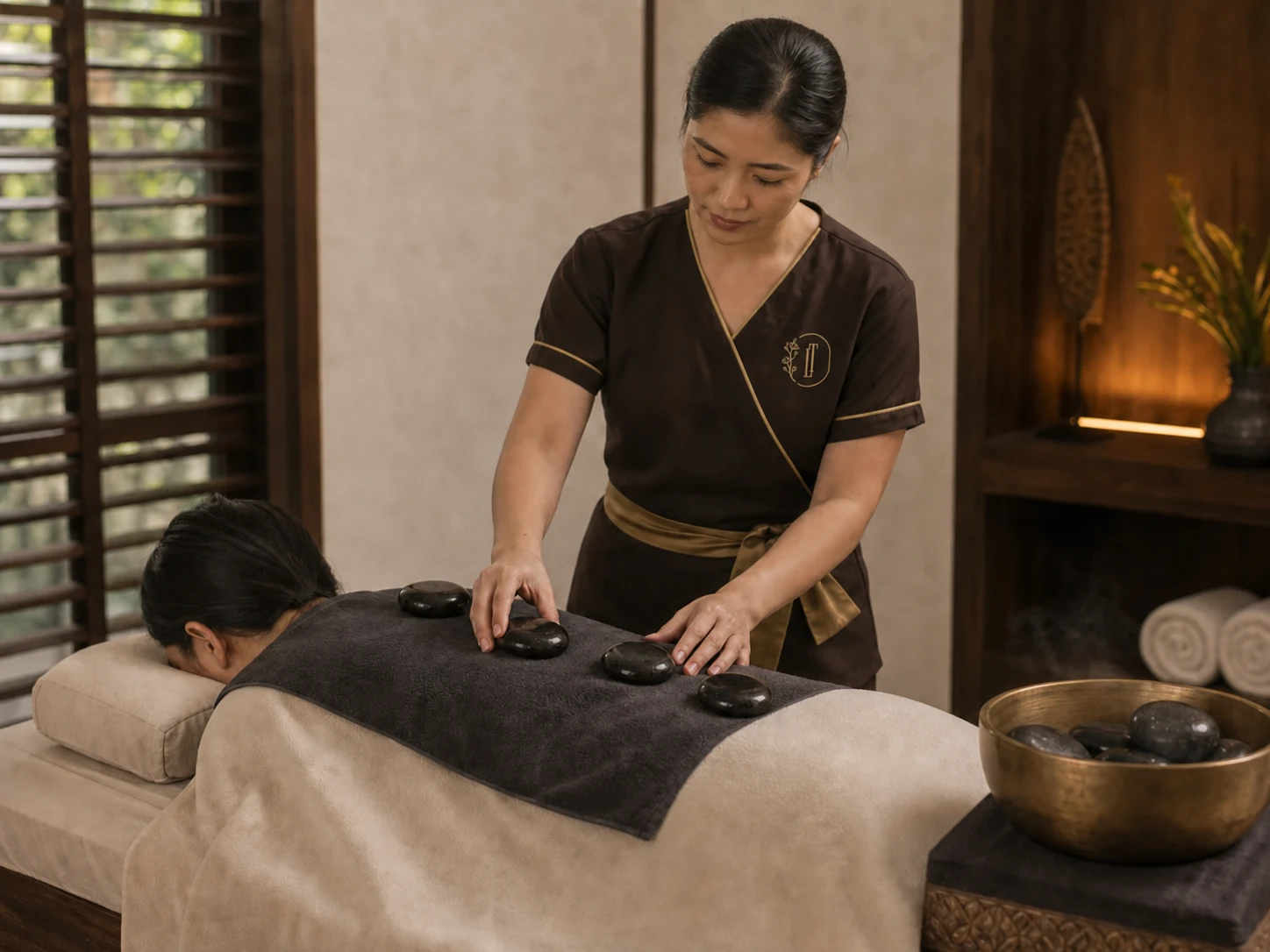
One type of massage that has gained popularity recently is hot stone massage. During a hot stone massage, heated stones are used to specific body parts to promote relaxation and ease muscle tension.
Aromatherapy and hot stone massage can enhance the sensory experience and provide extra benefits for the body and mind.This article will explore the benefits of hot stone massage and aromatherapy, as well as how combining the two can provide an even deeper level of relaxation.
Benefits of Hot Stone Massage
During a hot stone massage, smooth, heated stones are applied to particular body areas. The heat from the stones helps to relieve stress and promote relaxation by deeply warming the muscles. Hot stone massage is especially beneficial for those who have persistent pain or tight muscles.
Moreover, a hot stone massage can help with circulation and promote detoxification. The heat from the stones causes the blood vessels to enlarge, allowing more blood to flow to the wounded area. The body's natural cleansing process may be aided by this improved blood flow, which may also improve overall health.
Benefits of Aromatherapy
Aromatherapy uses plant-derived essential oils to support both physical and emotional well-being. There are numerous uses for essential oils, including massage, inhalation, and diffusion.
When used in massage therapy, essential oils can enhance the sensory experience and provide a number of benefits for the body and mind. For instance, lavender essential oil is widely used to encourage relaxation, and peppermint essential oil can help to ease muscle tension.
Combining Aromatherapy with Hot Stone Massage
Adding hot stone massage to aromatherapy can promote an even deeper sense of relaxation. The essential oils can help the skin even more by penetrating deeper when the pores are expanded by the heat from the stones.
One way to incorporate aromatherapy into a hot stone massage is to use an essential oil diffuser. By releasing a fine mist of essential oils into the air, the diffuser enhances the sensory experience by producing a gentle and peaceful aroma.
Another way to employ aromatherapy is to mix essential oils into the massage oil or lotion. This makes it possible to apply the essential oils directly to the skin, providing a more intense and targeted level of relaxation.
Benefits of Incorporating Aromatherapy with Hot Stone Massage
Combining aromatherapy and hot stone massage has various benefits. Body and mind can be greatly calmed and revitalized by the heat from the stones combined with the aroma of the essential oils.
Aromatherapy can be used to enhance the unique benefits of a hot stone massage. For instance, if a person is apprehensive or stressed out, utilizing lavender essential oil can help promote relaxation and reduce stress.
Further benefits for both physical and mental health may result from using essential oils. For instance, peppermint essential oil can help with digestion and pain relief while eucalyptus essential oil can help with respiratory issues.
Conclusion
When paired with hot stone massage, aromatherapy is an effective way to enhance the sensory experience and provide additional benefits for the mind and body. The combination of the heat from the stones and the perfume of the essential oils creates an experience that is both incredibly calming and energizing. By combining aromatherapy into your hot stone massage, you can improve your level of relaxation and get a number of health benefits.
UPDATED LOFT THAI GUIDE
Additional guidance and current information
The following editorial update expands on the original Loft Thai article with practical context, current treatment guidance and further reading.
Three Variables in One Treatment
Heated stones contribute controlled warmth and a distinct contact surface.
Manual massage contributes pressure, glide, pace and transitions.
The aromatic product contributes scent, carrier oil and topical exposure.
The current Infused Hot Stone
Loft Thai’s reviewed current menu lists Infused Hot Stone as heated volcanic stones combined with flowing aroma massage.
The listed aromatic directions are mandarin, rose or lavender.
The service is distinct from classic Hot Stone Massage and Deep Tissue Hot Stone.
Choose Scent by Preference, Not a Cure List
Mandarin may feel bright, rose floral and lavender familiar or calming to some guests.
A subjective scent association is valid without claiming treatment of anxiety, insomnia, digestion, respiratory disease or pain.
Ask for an unscented or different direction when available if fragrance is unwelcome.
The Carrier Oil Does Most of the Glide
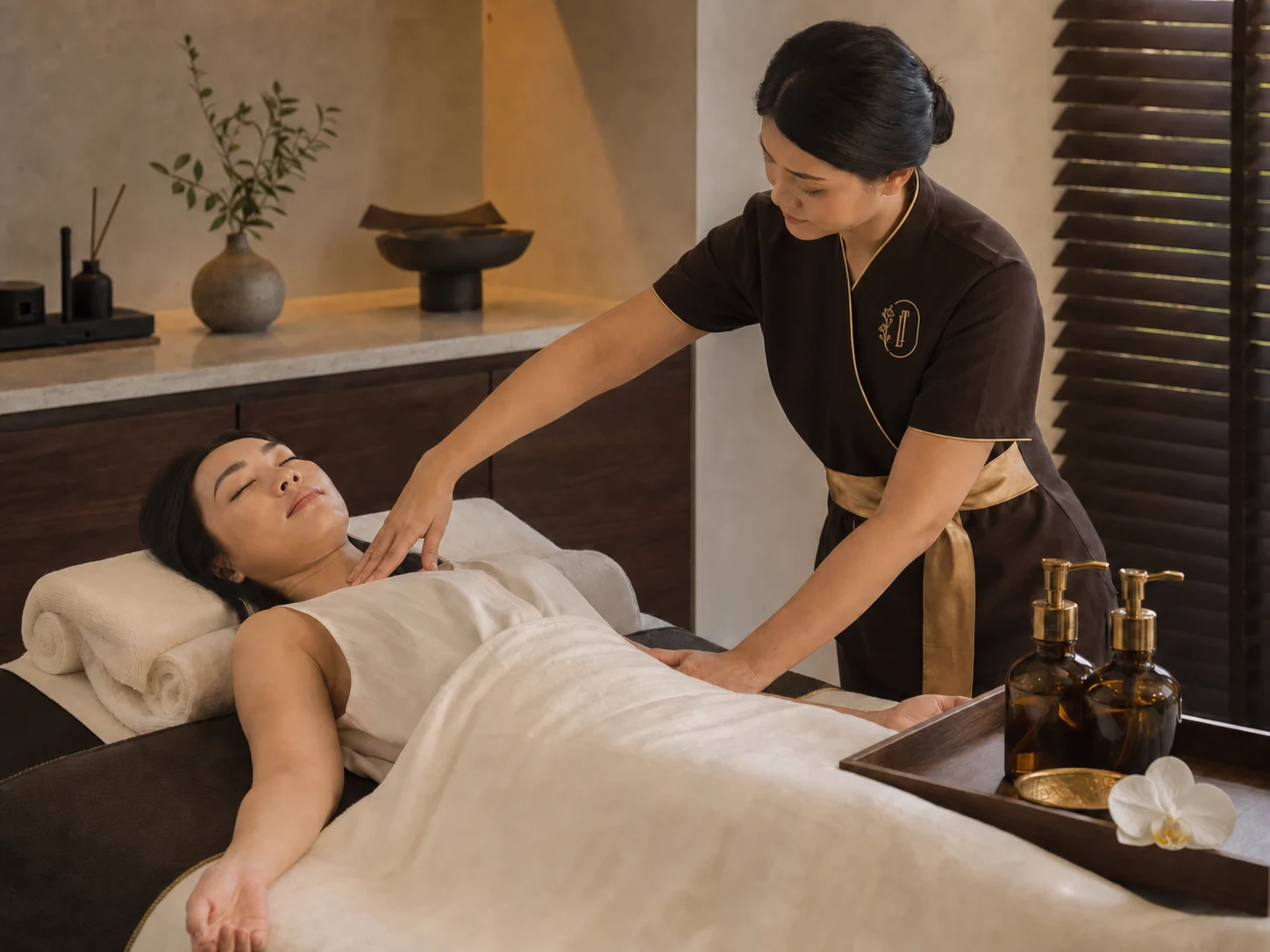
Essential oils are concentrated aromatic extracts and are generally used in a diluted topical product.
The carrier oil forms most of the massage medium and affects texture, absorption, residue and skin compatibility.
Request the product name and ingredient list rather than accepting “pure essential oil” as a complete description.
Heat Does Not Prove Deeper Essential-Oil Delivery
The archive said heated stones opened pores so oils could penetrate farther into the body.
Skin warmth and product feel do not establish a clinically meaningful increase in delivery or therapeutic effect.
A topical aroma blend should be evaluated by its formula, intended use and evidence, not a pore-opening story.
Diffusion and Topical Use Are Different Exposures
A room diffuser creates inhaled fragrance in shared air, while massage oil contacts the skin.
Guests may tolerate one route and dislike or react to the other.
The spa should disclose whether scent comes from the room, the massage product or both.
What Aromatherapy Evidence Can Support
NCCIH describes aromatherapy as essential-oil use by inhalation or diluted skin application and notes limited rigorous evidence for several common uses.
A result for one oil, population and outcome cannot be transferred to mandarin, rose or lavender in every spa ritual.
The current service can be marketed through its verified sensory process without medical promises.
Temperature Remains the Primary Safety Variable
Stones should feel comfortably warm, not burning, sharp or difficult to tolerate.
The therapist must test, move or buffer stones appropriately and continue checking the skin.
Fragrance should never distract from reporting excessive heat immediately.
Pressure Is Separate from Heat
A warm area can feel more comfortable while still being unsuitable for excessive force.
Infused Hot Stone is described as flowing aroma massage rather than the menu’s deeper-pressure variant.
Guests wanting focused intensity should compare Deep Tissue Hot Stone and still avoid pain as a target.
Fragrance Sensitivity and Allergy Need Detail
Disclose known fragrance allergy, asthma triggered by scents, migraine sensitivity, eczema or previous product reactions.
Natural, organic and botanical labels do not guarantee tolerance.
Stop after burning, swelling, hives, breathing symptoms or another significant response and seek appropriate care.
Who Needs Extra Heat Screening
Altered sensation, neuropathy, heat intolerance, active skin disease, recent procedure or a relevant vascular condition can change suitability.
Pregnancy, medication and significant health history should be discussed rather than assumed safe from a generic menu.
A clinician’s advice should guide cases where diagnosis or treatment affects heat exposure.
Current Duration and Price
Infused Hot Stone is listed at 90 minutes for 3,400 THB and 120 minutes for 4,400 THB.
Classic Hot Stone is listed at 3,200 and 4,200 THB for the same durations.
Confirm branch availability, aromatic choice, duration and current price when booking.
Choose Infused Hot Stone When
You enjoy fragrance and want aromatic oil integrated into a controlled warm-stone sequence.
You can choose a suitable blend and tolerate heat normally.
You value a flowing sensory ritual more than highly localised deep pressure.
Choose Classic Hot Stone When
You want broad warmed-stone massage without making scent the central decision.
You prefer the current classic price point.
You have still confirmed the actual oil and any fragrance present.
Choose Deep Tissue Hot Stone When
You want slower, selected-area pressure as well as warmth and already know that focused bodywork suits you.
You can communicate heat and pressure separately.
You are not using the session to assess an acute or unexplained problem.
Before the Appointment
Avoid testing several new scented products immediately beforehand.
Share allergies, reactions, heat sensitivity, altered sensation and the areas to avoid.
Ask how stones, oils, linens and product containers are handled.
After the Appointment
Follow the product instructions and note any unexpected rash, burning or breathing symptom.
Do not interpret thirst, sweat or warm skin as proof of detoxification.
Request the product name and batch information if a reaction needs investigation.
Ten Questions for an Infused Booking
Which aromatic blend, carrier and dilution are used, and is an alternative available?
How are stones heated, tested, cleaned, moved and buffered?
What are the pressure, duration, branch, current price and reasons to modify or postpone?
A Sensory Experience Can Stay Evidence-Aware
Infused Hot Stone is understandable as warmth, flowing massage and a chosen scent.
Its value does not depend on detoxification, deeper penetration or organ-specific essential-oil claims.
Traceable product, controlled heat and responsive pressure create the stronger luxury story.
“Heat, scent and touch can enrich one ritual without proving that an essential oil travels deeper or treats a health condition.”
Loft Thai Editorial Team
Continue your research
REFERENCES
Sources & further reading
PRACTICAL GUIDANCE
Frequently Asked Questions
Which scents are listed for Infused Hot Stone?
The reviewed current menu lists mandarin, rose or lavender aromatic directions.
Does heat make essential oils penetrate more deeply?
Skin warmth does not by itself prove clinically meaningful deeper delivery or stronger therapeutic effect. The actual formula and intended use matter.
Can aromatherapy hot stone treat anxiety or pain?
No generic cure can be claimed. It is best described as a scent-led warm massage experience with product- and person-specific suitability.
Who should avoid the treatment?
People with altered heat sensation, active skin problems, significant fragrance reactions or relevant health conditions need screening and may need medical advice.
What does Infused Hot Stone cost?
The reviewed current menu lists 90 minutes at 3,400 THB and 120 minutes at 4,400 THB. Confirm current branch availability.
CONTINUE READING
Related stories
Combining hot stone massage with other therapeutic modalities for a holistic wellness approach
Heated stones are used in the therapeutic practice of hot stone massage to enhance the massage experience. The stones are frequently made of basalt, a volcanic rock type that effectively retains heat.
Read the guide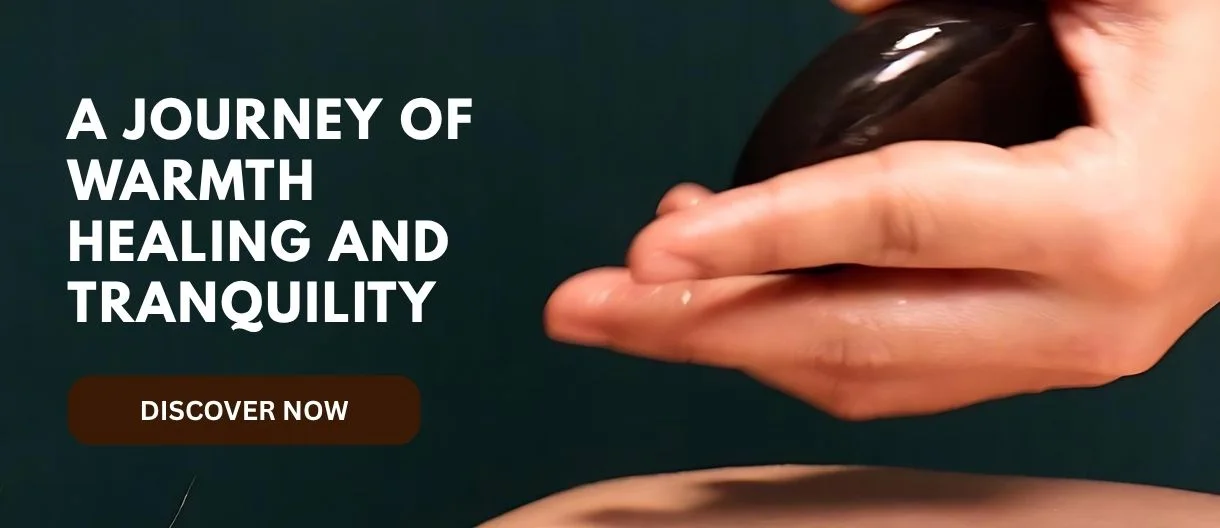
Hot Stone Massage: A Journey of Warmth, Healing, and Tranquility
Hot stone massage is one of the most beloved spa treatments worldwide, offering a profound sense of relaxation while simultaneously easing tension, improving circulation, and enhancing overall well-being.
Read the guide
Discover the Healing Power of Thai Aromatherapy
Thai aromatherapy offers a wealth of advantages to the body and mind. The addition of essential oils to the massage aids in promoting relaxation and lowering stress levels. The oils are taken up by the skin, aiding in healing and enhancing general health.
Read the guide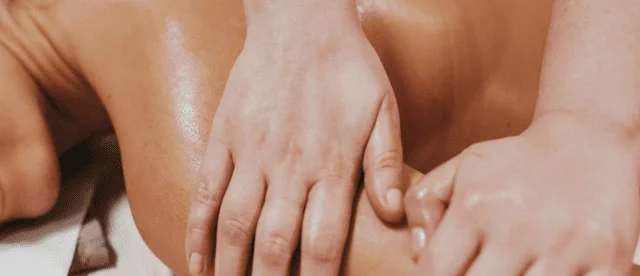
The Differences in Technique and Pressure Between Aromatherapy Oil Massage and Deep Tissue Oil Massage
People have used massage therapy to relax, relieve stress, and ease physical pain for thousands of years. Many approaches and styles have developed over time to accommodate varied demands and preferences.
Read the guide