
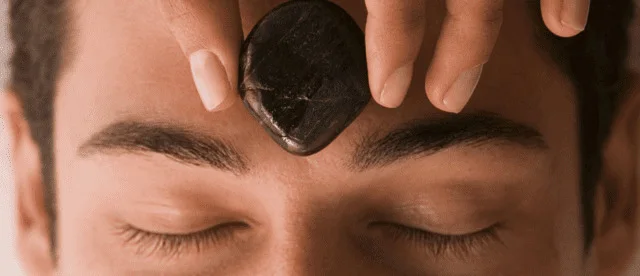
Heated stones are used in the therapeutic practice of hot stone massage to enhance the massage experience. The stones are frequently made of basalt, a volcanic rock type that effectively retains heat.
After being heated in water, the stones are applied to various body regions, including the hands, feet, and back. The heat from the stones helps muscles relax and release tension while the massage itself promotes healing and relaxation. In this essay, we'll examine how hot stone massage might enhance overall wellness when combined with other therapeutic techniques.
Hot Stone Massage and Aromatherapy
Aromatherapy is the practice of using essential oils to improve massages. Essential oils are highly concentrated plant extracts that are used for their therapeutic properties. When combined with hot stone massage, aromatherapy can enhance the relaxing and healing effects of the massage. The essential oils' smell is released and made active by the stones' heat. Either the massage oil or the skin can be treated with essential oils. Some popular essential oils for hot stone massage are lavender, peppermint, and eucalyptus.
Hot Stone Massage and Acupressure
The therapeutic method of acupressure includes applying pressure to certain body locations in order to relieve stress and promote recovery. Acupressure can help to increase the hot stone massage's calming and healing effects. The hot stones can be used to provide pressure to certain areas of the body or the therapist can use their hands to apply pressure when the heated stones are placed on various regions of the body. The feet, shoulders, and neck are frequently used as acupressure points during hot stone massage.
Hot Stone Massage and Reiki
Reiki, a Japanese technique for relaxing and lowering stress, promotes healing as well. The therapist's hands must be on or near the client's body in order to convey energy to them. The relaxing and calming effects of a hot stone massage can be improved by reiki. The therapist can apply pressure to specific areas of the client's body while transferring energy to those areas, or they can utilize the stones to exert pressure on various areas of the client's body while putting their hands on other areas of the body.
Hot Stone Massage and Reflexology
Reflexology is a therapeutic method that works the body as a whole by promoting healing and relaxation by applying pressure to particular points on the hands and feet. Hot stone massage's soothing and calming effects can be improved with reflexology. The therapist can press with their hands on various parts of the body while the heated stones are on certain locations of the hands and feet, or they can alternate between the two.
Conclusion
In conclusion, combining hot stone massage with other therapeutic modalities including reflexology, aromatherapy, acupressure, and reiki might enhance this popular therapeutic practice. By integrating diverse techniques, clients can benefit from a comprehensive approach to wellbeing that takes care of their physical, emotional, and spiritual needs. When looking for a massage therapist, pick one that is knowledgeable in a range of modalities and can modify their technique to suit your particular need. By working with a skilled therapist, you can reap the benefits of hot stone massage and other modalities in a way that promotes overall well-being and relaxation.
UPDATED LOFT THAI GUIDE
Additional guidance and current information
The following editorial update expands on the original Loft Thai article with practical context, current treatment guidance and further reading.
The Core Hot-Stone Protocol
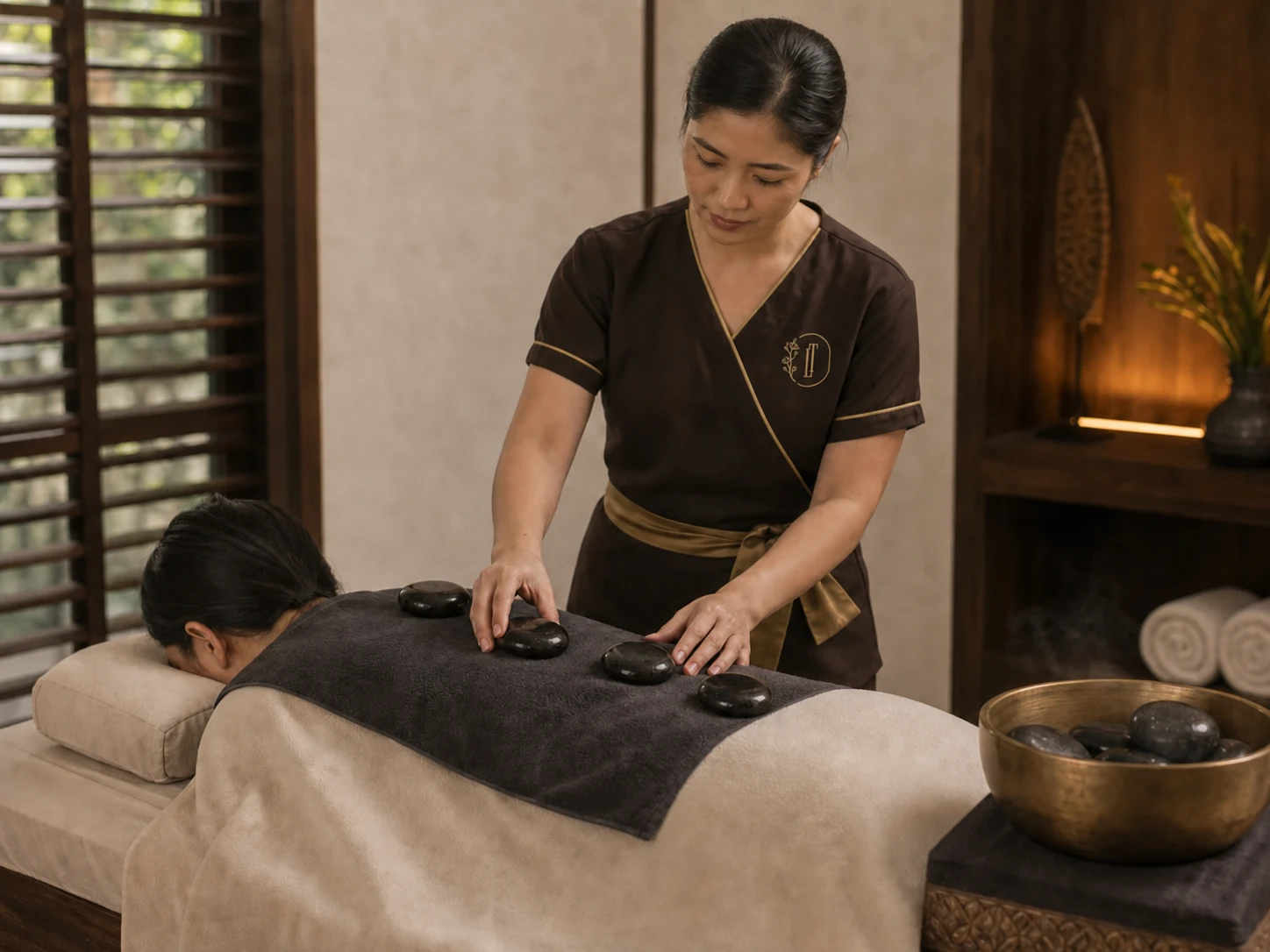
Smooth stones are heated in a controlled system, handled by a trained therapist and used either as stationary warmth or as massage tools.
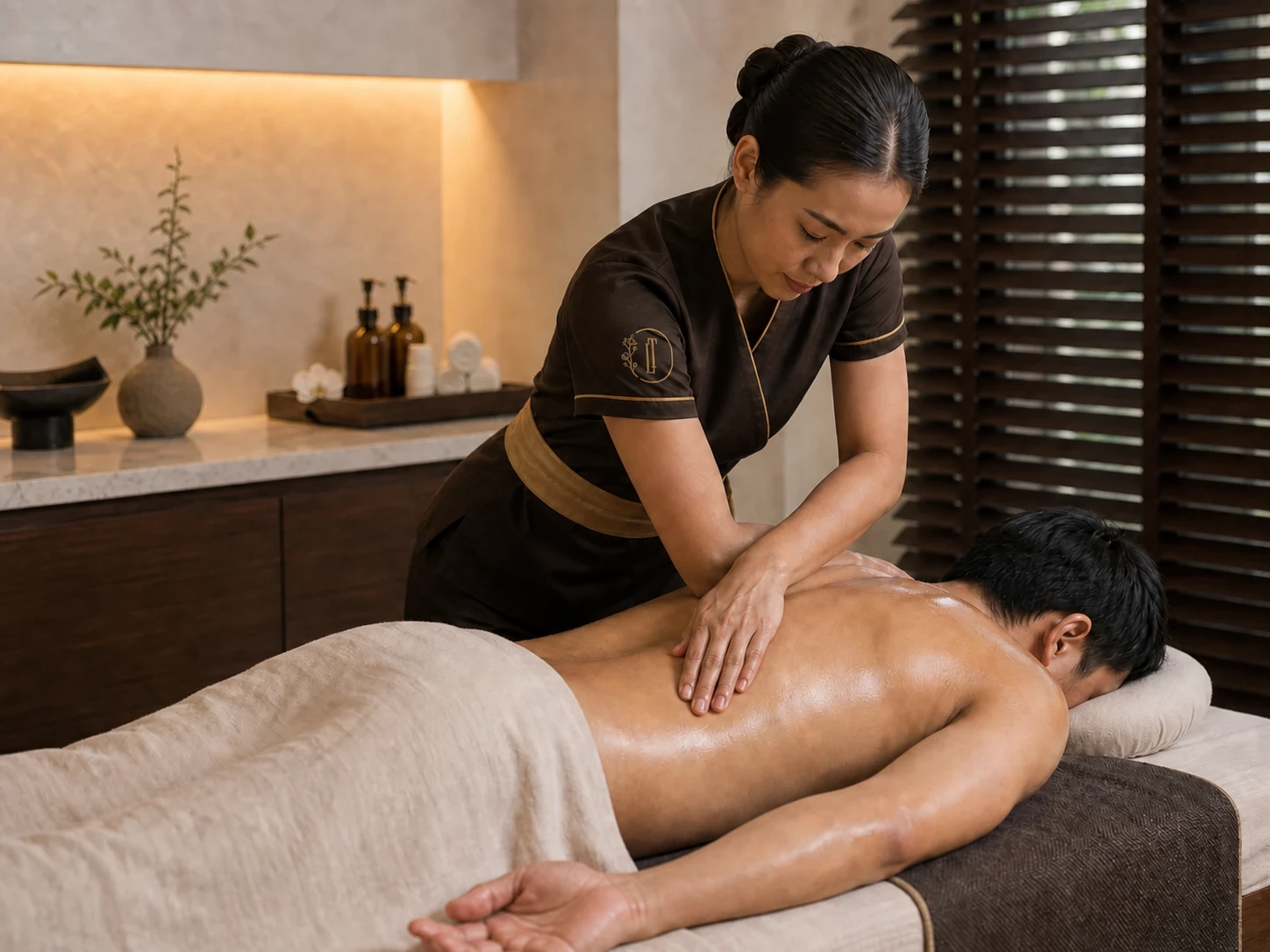
Oil supplies glide while manual strokes connect the warmed areas and let the therapist continue assessing the tissue and skin.
Temperature, duration, pressure, placement and guest feedback form one safety system.
More Modalities Do Not Automatically Mean More Benefit
A longer menu description can sound holistic while hiding which steps actually occur.
Each added product, heat source, pressure style or belief-based practice brings a separate purpose, consent question and evidence boundary.
The most professional combination is the one that remains traceable and appropriate for the individual guest.
Classic Hot Stone: Warmth and Flowing Massage
Loft Thai’s current Hot Stone Massage combines heated volcanic stones with warm aroma-oil massage.
The intended experience is broad warmth, flowing contact and adjustable manual work rather than a highly localised deep-tissue session.
Guests should still ask how stones are cleaned, heated, tested and moved.
Deep Tissue Hot Stone: Heat Plus Focused Pressure
Deep Tissue Hot Stone adds slower, more focused manual work after warmth has been introduced.
Heat may change how pressure feels, so it should not be used to push past the guest’s protective response.
The therapist needs separate agreement for stone temperature and deep-tissue intensity.
Infused Hot Stone: Heat Plus Aromatic Product
Infused Hot Stone adds an aromatic direction to the heated-stone sequence.
The current menu lists mandarin, rose or lavender notes, making product choice part of the consultation.
A pleasant aroma is a sensory preference, not evidence that the oil treats anxiety, pain, inflammation or another condition.
What Aromatherapy Actually Adds
Aromatherapy uses essential oils, commonly by inhalation or in a diluted topical product.
NCCIH notes that research is limited for many popular aromatherapy claims and that individual study results do not establish every oil or blend.
The product’s identity, dilution, carrier, fragrance allergens and intended use matter more than a generic essential-oil label.
Acupressure Can Describe Manual Contact, Not a Separate Promise
A therapist may use sustained manual pressure within massage, but the position and purpose should be explained.
A heated stone should not be placed as a substitute for clinical assessment of a painful point.
The reviewed current hot-stone descriptions do not establish a named acupressure add-on with separate outcomes.
Reiki Belongs to a Different Consent Conversation
Reiki is commonly described through an energy-based framework rather than manipulation of soft tissue.
It is not listed as part of Loft Thai’s reviewed current hot-stone services.
A spa should not imply that heat activates, proves or amplifies an unlisted energy intervention.
Foot Work Is Not Automatically Reflexology
Warm stones may be used around the feet in some protocols, and Loft Thai separately lists a Hot Stone Foot Massage.
That does not make every foot contact a reflexology treatment or validate whole-body organ claims from mapped points.
Name the actual service, area, pressure and duration rather than combining labels loosely.
Temperature Is a Dose-Like Variable
The guest should feel comfortable warmth, never burning, sharp heat or a need to endure.
The therapist should test stones, keep them moving when appropriate and use a barrier for stationary placement where the protocol requires it.
A stone that felt safe moments earlier may become uncomfortable as placement time, pressure or skin condition changes.
Reduced Sensation Changes Suitability
Neuropathy, numbness, altered temperature perception, some vascular conditions or medication effects can reduce reliable heat feedback.
Broken skin, active rash, acute inflammation, fever or recent procedure may also change the plan.
Relevant health uncertainty should be discussed with an appropriate healthcare professional before heat treatment.
Heat Must Not Justify Excess Pressure
Warmth can make a guest feel temporarily more comfortable, but it does not prove tissue is safe for unlimited force.
Deep tissue should remain slow, specific and responsive rather than painful.
NCCIH reports rare serious adverse events from massage, with some involving vigorous techniques or people at higher risk of injury.
If Heat Causes a Burn
Stop contact immediately and cool the area with cool running water according to current first-aid guidance.
NHS guidance warns against putting creams, oils or butter on a fresh burn and advises urgent or emergency care for significant burns.
Document the incident and obtain appropriate medical advice instead of continuing the spa sequence.
current Hot-Stone Choices and Prices
Hot Stone Massage is listed at 90 minutes for 3,200 THB and 120 minutes for 4,200 THB.
Deep Tissue Hot Stone and Infused Hot Stone are each listed at 90 minutes for 3,400 THB and 120 minutes for 4,400 THB.
Confirm branch availability, chosen oil, duration and current price on the booking date.
Choose Classic Hot Stone When
You want a broad warm-oil ritual with heated stones and an adjustable relaxing pace.
You tolerate heat normally and prefer warmth to be the main feature rather than intense pressure.
You have disclosed skin, sensation, circulation and health factors that affect heat.
Choose Deep Tissue Hot Stone When
You already know focused deeper work suits you and can identify areas for slower attention.
You want heat and pressure managed as two separate variables.
You are not using spa treatment to assess an acute injury or unexplained pain.
Choose Infused Hot Stone When
You enjoy fragrance and want mandarin, rose or lavender notes inside the warm-stone sequence.
The exact blend, carrier and skin exposure are acceptable.
You understand scent can shape the experience without guaranteeing a health outcome.
Twelve Questions Before Combining Modalities
Ask which service is named, which stones and heating system are used, and how temperature is checked.
Confirm oil, fragrance, pressure, stationary placement, treatment areas, draping, duration and price.
Disclose altered sensation, heat sensitivity, skin problems, pregnancy, recent injury, procedure or relevant medical advice.
A Holistic Session Still Needs Specifics
Classic, deep-tissue and infused hot-stone massage offer three understandable combinations already present in the current menu.
Reiki, reflexology and broad healing claims should not be inserted simply to make a ritual sound more comprehensive.
Precision about heat, product, pressure and consent creates the more credible wellness experience.
“Adding heat, scent or deeper pressure adds variables to manage; it does not automatically add therapeutic proof.”
Loft Thai Editorial Team
Continue your research
REFERENCES
Sources & further reading
PRACTICAL GUIDANCE
Frequently Asked Questions
What is combined in a hot-stone massage?
A standard sequence combines controlled heated stones, manual massage, oil or lotion, draping and temperature checks. Exact placement and movement vary.
What is the difference between classic and deep-tissue hot stone?
Classic Hot Stone emphasises broad warmth and flowing massage. Deep Tissue Hot Stone adds slower, more focused pressure to selected areas.
Does Infused Hot Stone treat anxiety or pain?
No product-wide cure can be assumed. Aromatic oils can shape scent and sensory experience, while evidence and suitability depend on the actual formula and context.
Who should be cautious with hot-stone massage?
People with altered sensation, heat sensitivity, active skin problems, recent procedures or relevant health conditions need screening and may require medical advice.
What should I do if a stone feels too hot?
Say so immediately. The therapist should remove the stone and reassess the skin and temperature; burning heat is not an expected part of treatment.
CONTINUE READING
Related stories
Hot Stone Massage: A Journey of Warmth, Healing, and Tranquility
Hot stone massage is one of the most beloved spa treatments worldwide, offering a profound sense of relaxation while simultaneously easing tension, improving circulation, and enhancing overall well-being.
Read the guide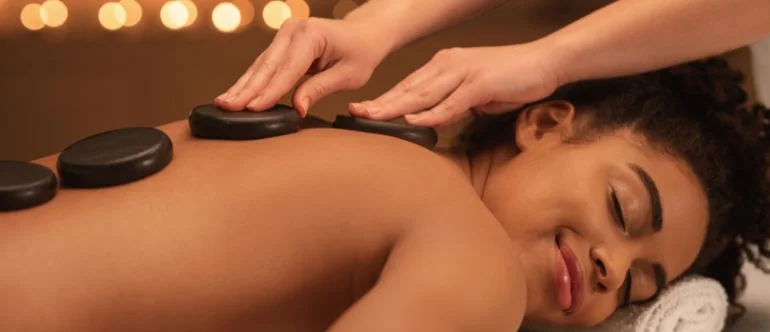
Healing Hot Stone Massage: A Tranquil Experience at Loft Thai Spa
Indulge in the world of holistic wellness at Loft Thai Spa, where the art of spa therapy reaches new heights. Offering an array of healing treatments, this Bangkok gem is a sanctuary for stress relief and rejuvenation.
Read the guide
Discover the Healing Power of Thai Aromatherapy
Thai aromatherapy offers a wealth of advantages to the body and mind. The addition of essential oils to the massage aids in promoting relaxation and lowering stress levels. The oils are taken up by the skin, aiding in healing and enhancing general health.
Read the guide
Understanding the Difference Between Soft Tissue Massage and Deep Tissue Massage
Massage therapy has become an integral part of modern wellness routines, offering a wide range of physical and mental benefits. Whether it's to relieve stress, improve posture, or recover from muscular fatigue, different massage techniques cater to different…
Read the guide