
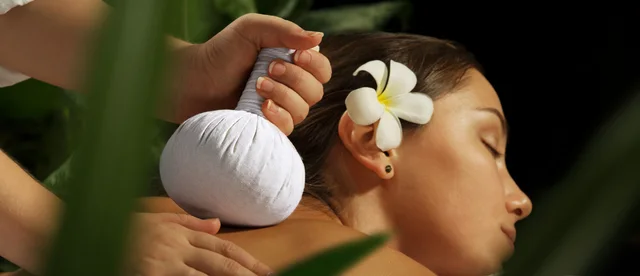
Cannabis, sometimes known as marijuana, has been used medicinally for ages. It has grown in popularity as an ingredient in beauty and wellness products, such as massage oils and creams, in recent years.
Cannabis-infused oils and creams have been shown to have a variety of benefits, making them a popular choice for people wishing to improve their massage experience. This article will look at the advantages of utilizing cannabis-infused oils and creams for massages.
Relief from Pain and Inflammation
Cannabis includes chemicals known as cannabinoids, which have been shown to have anti-inflammatory and pain-relieving qualities. These substances, when used in a massage oil or cream, can help relieve pain and reduce inflammation in the body. As a result, cannabis-infused massage oils and creams are a fantastic solution for persons suffering from arthritis, fibromyalgia, and chronic pain.
Furthermore, cannabis-infused massage products can aid in the relief of muscle stiffness and stress produced by intense exercise or daily activities. Cannabinoids' anti-inflammatory qualities can assist to reduce inflammation in the muscles, while their pain-relieving properties can aid to relieve stiffness and stress.
Relaxation and Stress Relief
Another advantage of utilizing cannabis-infused oils and creams for massages is that they induce relaxation and stress reduction. Cannabinoids have been shown to have a soothing impact on the body and mind, which can aid in the reduction of stress and anxiety. These substances, when used in a massage oil or cream, can help to induce a sensation of relaxation and serenity, making the massage experience more enjoyable.
Furthermore, cannabis-infused massage products can aid in the promotion of better sleep. Cannabinoids' calming effects can assist to relieve the mind and foster a sense of peace, making it easier to fall and stay asleep throughout the night.
Improved Skin Health
Cannabis-infused oils and lotions have also been shown to have several skin advantages. Cannabis cannabinoids can assist to control oil production in the skin, reducing the appearance of acne and other skin disorders. Furthermore, cannabinoids' anti-inflammatory qualities might aid to reduce redness and irritation in the skin, making it a good choice for persons with sensitive skin.
Massage oils and lotions infused with cannabis can also aid to hydrate and nourish the skin. These oils are high in important fatty acids and antioxidants, which can aid to moisturize the skin and prevent it from free radical damage. This can assist to improve the skin's overall health and look, leaving it soft and smooth.
Massage oils and lotions laced with cannabis can also assist to increase blood flow and circulation. Cannabis cannabinoids have been shown to have vasodilatory characteristics, which means they can aid to open blood vessels and enhance blood flow. This can help to improve general health and function by increasing oxygen and nutrient delivery to the muscles and tissues.
Additionally, improved circulation can help to reduce the appearance of cellulite and varicose veins, making it an excellent choice for people looking to improve the appearance of their skin.
Enhanced Sensory Experience
Another advantage of utilizing cannabis-infused massage products is that they can improve the sensory experience of the massage. Terpenes are chemicals found in cannabis that give it its characteristic scent and flavor. When utilized in a massage oil or cream, these terpenes can contribute to the creation of a pleasant and calming aroma, enhancing the entire massage experience.
Furthermore, the cannabinoids in cannabis can provide a tingling or warming feeling on the skin, which can improve sensitivity and enhance the tactile experience of the massage.
Reduced Anxiety and Depression
People suffering from anxiety and despair may benefit from cannabis-infused massage products as well. Cannabis cannabinoids have been proven to have mood-regulating characteristics, which can aid in the reduction of anxiety and despair.
These substances, when used in a massage oil or cream, can assist to induce a sensation of peace and relaxation, which can help to reduce anxiety and promote a more cheerful attitude. Furthermore, the tactile sensation of the massage can aid in the release of endorphins, which are natural mood-boosting compounds in the body.
Safe and Non-Intoxicating
One of the most significant benefits of using cannabis-infused massage products is that they are non-intoxicating. In contrast to smoking or eating cannabis, which can have psychoactive effects, cannabis-infused massage oils, and lotions are designed to be absorbed via the skin, delivering localized relief without producing a high.
As a result, they are a good solution for those who want to enjoy the benefits of cannabis without the risk of intoxication. Furthermore, cannabis-infused massage products are often manufactured from natural and organic components, making them a safer and more environmentally friendly option than traditional massage treatments.
Potential Side Effects
While cannabis-infused massage products are generally thought to be harmless, they may induce certain negative effects in some people. When using these products, some people may develop skin irritation or allergic reactions, especially if they have sensitive skin or are allergic to any of the substances.
Furthermore, cannabis-infused products may interfere with some prescriptions, so consult with your healthcare professional before using them, especially if you are taking any prescription medications.
When cannabis-infused oils and creams are used for massages, they provide several benefits such as pain reduction, relaxation, improved skin health, increased circulation, and more. If you want to try a cannabis-infused massage product, make sure to check your local legislation and consult with your healthcare professional first. Cannabis-infused massage products, with their natural and non-intoxicating characteristics, provide a safe and effective approach to enhancing your massage experience while also improving your overall health and well-being.
UPDATED LOFT THAI GUIDE
Additional guidance and current information
The following editorial update expands on the original Loft Thai article with practical context, current treatment guidance and further reading.
Five Questions Hidden by “Cannabis-Infused”
Which cannabis plant part or extract is present?
Does the product contain CBD, THC or only seed oil, and at what concentration?
What is the carrier, intended use, registration, batch and current legal status?
Cannabis or Hemp Seed Oil
Seed oil is a lipid ingredient pressed or extracted from seed and may function as a carrier or emollient.
Its presence does not prove a meaningful CBD concentration.
Thai FDA cosmetic guidance specifically distinguishes seed oil naming, reinforcing that the plant part matters.
CBD
Cannabidiol is one cannabinoid found in cannabis and hemp.
A credible CBD product states the amount or concentration, ingredient form, laboratory specification and intended topical use.
The word CBD does not make an over-the-counter cream equivalent to an approved prescription cannabinoid medicine.
THC
Tetrahydrocannabinol is the cannabinoid most closely associated with intoxication.
A product’s THC content, route of exposure, dose and formulation all matter.
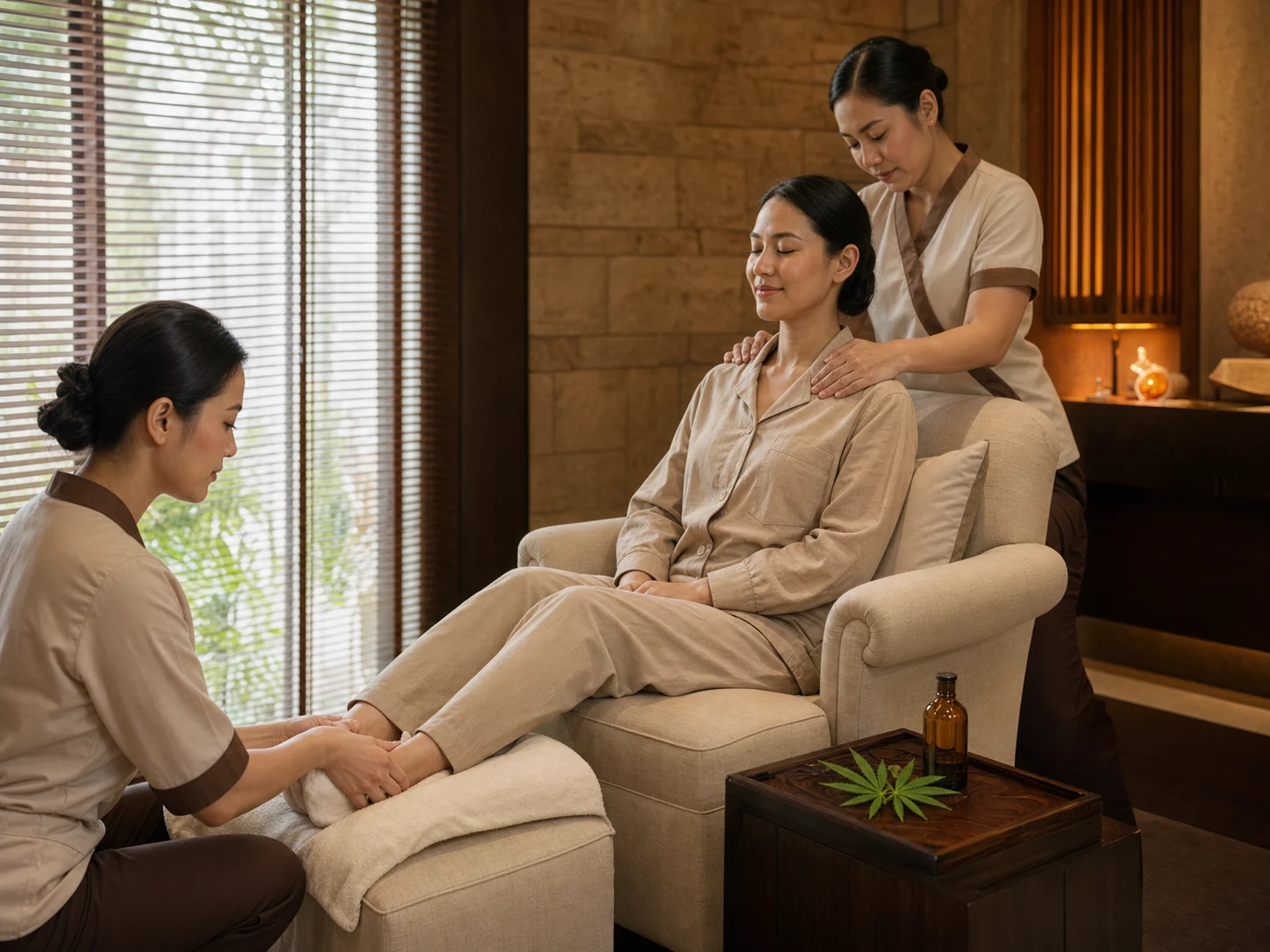
Never assume that every cannabis topical is THC-free, non-intoxicating or legal for travel from a leaf logo alone.
Terpenes and Fragrance
Terpenes are aromatic compounds that may contribute scent, while fragrance can also be added from other sources.
A cannabis-like aroma does not prove CBD or THC content.
Fragrance sensitivity and allergy remain relevant regardless of the cannabinoid story.
Topical Application Is Not One Delivery System
An ordinary surface cream, massage oil, patch and transdermal system are formulated for different exposure.
Skin condition, contact time, area, concentration and delivery technology affect absorption.
The archived statement that topical cannabis cannot intoxicate is too broad without the actual product and test data.
Cosmetic and Medical Claims Are Different
FDA material notes that unapproved CBD products making therapeutic claims have not been evaluated to determine whether they treat a disease or what dose and interactions apply.
A cosmetic massage oil can be described through glide, fragrance and skin feel.
Claims to treat arthritis, fibromyalgia, depression or a circulation disorder require a different level of product-specific evidence and regulatory status.
Cannabinoid Pain Evidence Does Not Prove a Massage Cream
NCCIH reviews cannabinoid studies across oral, spray and other medical preparations, often in specific chronic-pain populations.
Those findings cannot be transferred automatically to an over-the-counter topical used during spa massage.
Route, product, dose and population must match before a result is relevant.
A Topical CBD Pilot Found No Clear Soreness Benefit
A 2024 randomised double-blind placebo-controlled pilot tested topical CBD cream after a lower-body fatigue protocol in 28 young adults.
Its title reports that the application may not attenuate muscle soreness or improve performance.
The small study is not definitive, but it directly challenges the assumption that any CBD cream accelerates exercise recovery.
Acne, Cellulite and Varicose-Vein Claims Need Separate Evidence
Oil control, redness, cellulite and varicose veins are different concerns with different mechanisms.
A general cannabinoid explanation cannot establish a clinical effect for all four.
Varicose-vein symptoms and unexplained swelling also require caution because vigorous massage may be inappropriate.
Anxiety, Depression and Sleep Are Not Topical Spa Claims
A calm room, chosen scent and manual touch may support a pleasant subjective experience.
That does not demonstrate that cannabinoids crossed the skin in a dose that treats anxiety, depression or insomnia.
Persistent mental-health or sleep symptoms deserve appropriate professional care.
Medication and Health Context Still Matter
The product manufacturer’s warnings and available interaction information should be reviewed.
Share pregnancy, breastfeeding, medication, liver concerns, allergy, skin disease and previous cannabis reaction with the appropriate healthcare professional and the spa.
An undefined topical should not be used simply because smoking or ingestion is avoided.
Thailand’s Cannabis Rules Are Time-Sensitive
Tourism Authority of Thailand reported stricter control of cannabis flower effective 23 June 2025.
Topical cosmetics sit within their own product and ingredient rules, which should be checked from current Thai FDA and other competent authorities.
Do not transport a cannabis-labelled product across a border without checking the destination and transit laws.
Verify the Thai Product, Not the Trend
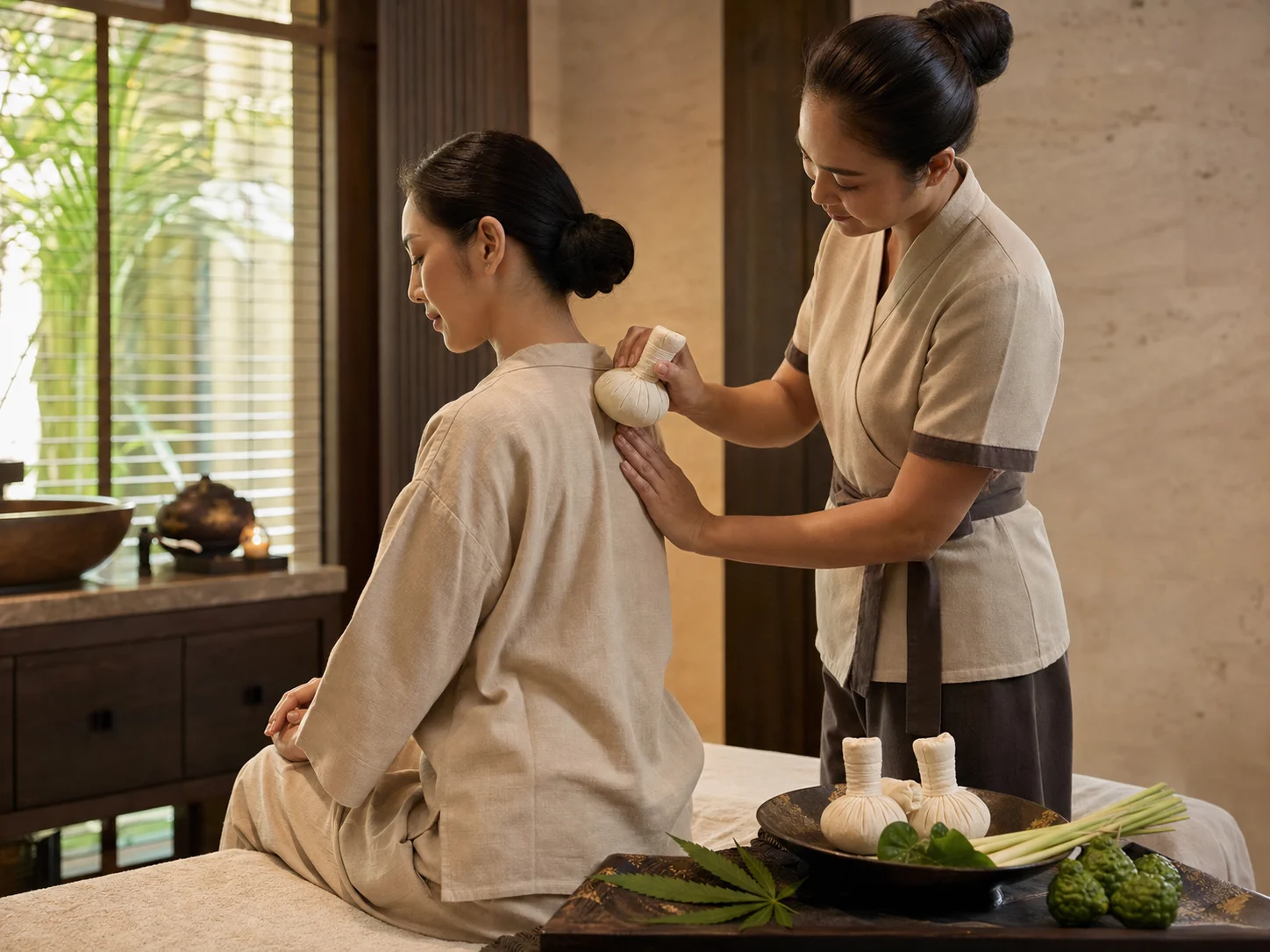
Ask for the Thai cosmetic notification or other applicable registration, manufacturer, batch and label.
Confirm the plant part, extract, CBD and THC specification, full formula and allowed claims.
A venue should be able to explain whether the product is a cosmetic, another regulated health product or a historical concept no longer offered.
Current Oil Massage Does Not Require CBD
The current menu offers Aromatherapy, Coconut, Golden, Mandarin and Lavender oil directions without presenting them as cannabis services.
A guest can choose massage pressure, fragrance and duration through these current options.
Product ingredients still need confirmation, but the service does not depend on a cannabinoid claim.
Skin Screening and Limited Exposure
Do not apply a new cannabis-labelled product over broken, infected, recently treated or highly reactive skin.
A limited-area test may identify some immediate reactions but cannot guarantee delayed tolerance or systemic safety.
Stop after burning, rash, swelling, dizziness or another unexpected response.
Dispensing and Storage Matter
The product should be within its intended storage conditions and identifiable by batch.
Therapists should dispense it without contaminating the main container and avoid returning unused product.
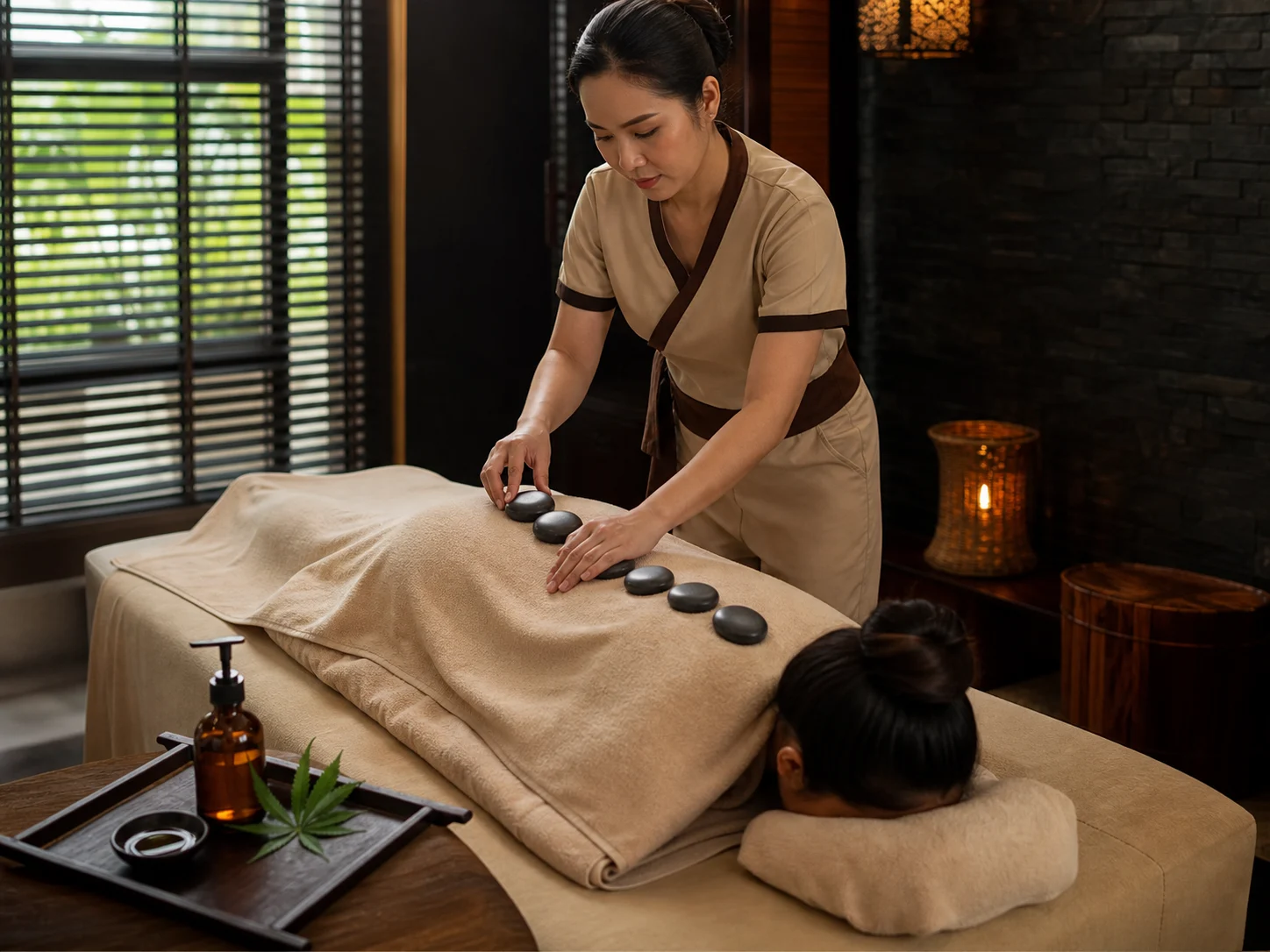
Heat from stones or compresses should not be added unless the topical instructions and protocol support that combination.
Fifteen Questions for Any Cannabis Topical
Ask for plant part, CBD, THC, concentration, carrier, fragrance, full ingredients, manufacturer, batch and Thai registration.
Confirm intended use, warnings, heat compatibility, medication or pregnancy considerations and whether current law permits the exact product and claim.
If those details are unavailable, choose a traceable non-cannabis massage product.
A Label Is Stronger Than a Leaf Icon
Cannabis topicals are not one product family with predictable benefits.
Current evidence does not support the archived list of pain, inflammation, skin, circulation, mood and sleep cures.
Verify the formula, rule, claim and current availability before deciding whether the product belongs in a massage.
“Cannabis-infused is not a dose, ingredient list, safety result or guarantee that a topical cannot intoxicate.”
Loft Thai Editorial Team
Continue your research
REFERENCES
Sources & further reading
PRACTICAL GUIDANCE
Frequently Asked Questions
Is hemp-seed oil the same as CBD oil?
No. Hemp-seed oil is obtained from seed and may act as a carrier or emollient. A CBD product must actually contain cannabidiol at an identifiable concentration.
Can cannabis massage oil make someone high?
Do not assume either way. THC content, dose, formulation, skin exposure and delivery system matter; verify the exact product and laboratory specification.
Does topical CBD relieve muscle soreness?
Evidence is limited. A small 2024 randomised placebo-controlled pilot reported that topical CBD may not reduce soreness or improve performance.
Does Loft Thai currently offer CBD massage?
The reviewed current spa menu does not list a CBD or cannabis massage service. Historical articles and images should not be treated as current availability.
Can I travel with a CBD topical from Thailand?
Check current Thai export rules plus the laws of every destination and transit country. Do not assume a topical cosmetic is permitted across borders.
CONTINUE READING
Related stories
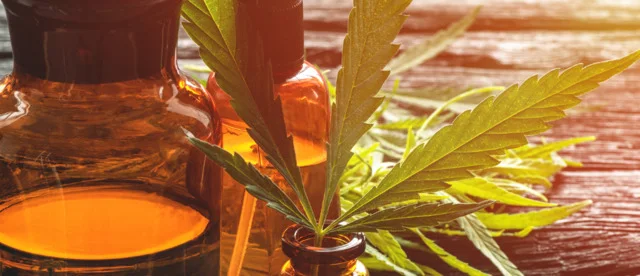
The Use of CBD and Other Natural Ingredients in Spa Treatments
Spa treatments have long been known for their capacity to induce relaxation and renewal, and the use of natural chemicals has been increasingly popular in recent years. Cannabidiol (CBD), a substance produced from the cannabis plant, is one such component that…
Read the guide
Discover the Healing Power of Thai Aromatherapy
Thai aromatherapy offers a wealth of advantages to the body and mind. The addition of essential oils to the massage aids in promoting relaxation and lowering stress levels. The oils are taken up by the skin, aiding in healing and enhancing general health.
Read the guide
The Benefits of Aromatherapy Massage at Loft Thai Spa in Bangkok
Aromatherapy massage is a popular form of massage therapy that combines the benefits of massage with the use of essential oils. This treatment is known for its ability to promote relaxation, relieve stress, and improve overall well-being.
Read the guide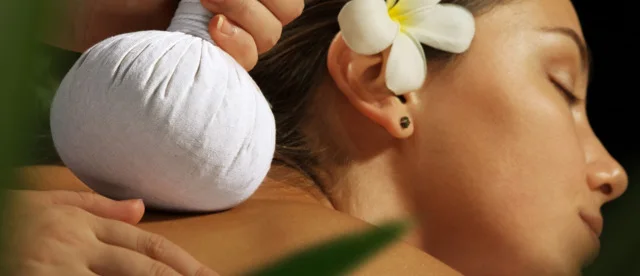
A Guide to Thai Herbal Compress Therapy at Loft Thai Spa in Bangkok.
If you are looking for a unique and effective way to relax and rejuvenate your body and mind, look no further than Thai Herbal Compress Therapy. This ancient healing technique has been used in Thailand for centuries, and is now available at Loft Thai Spa in…
Read the guide