
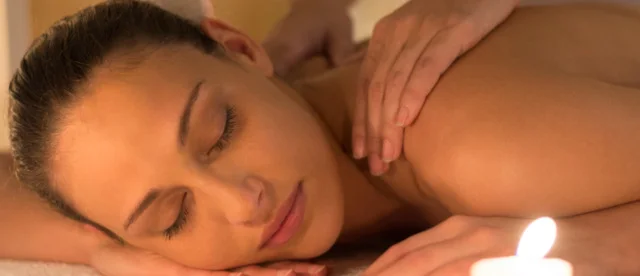
Aromatherapy massage is a popular form of massage therapy that combines the benefits of massage with the use of essential oils. This treatment is known for its ability to promote relaxation, relieve stress, and improve overall well-being.
At Loft Thai Spa in Bangkok, aromatherapy massage is one of the most sought-after treatments. In this article, we will explore the benefits of aromatherapy massage and why it's worth experiencing at Loft Thai Spa.
The Benefits of Aromatherapy Massage
- Promotes relaxation: Aromatherapy massage is known for its ability to promote relaxation and reduce stress. The scent of the essential oils used in the massage can help to calm the mind and body, and the gentle massage techniques can help to release tension and promote a sense of relaxation.
- Relieves pain and tension: Aromatherapy massage can help to relieve pain and tension in the body. The massage techniques used in this treatment can help to improve circulation, reduce muscle stiffness and soreness, and relieve pain caused by conditions such as arthritis and fibromyalgia.
- Improves mood: The essential oils used in aromatherapy massage can help to improve mood and reduce symptoms of depression and anxiety. Scents like lavender, bergamot, and chamomile have been shown to have calming and mood-enhancing properties.
- Boosts immune system: Aromatherapy massage can also help to boost the immune system. The essential oils used in this treatment have antiviral, antibacterial, and anti-inflammatory properties that can help to protect the body against illness and infection.
- Enhances skin health: The carrier oils used in aromatherapy massage can also help to enhance skin health. These oils contain vitamins and antioxidants that can help to nourish and hydrate the skin, leaving it looking and feeling healthier.
Aromatherapy Massage at Loft Thai Spa
At Loft Thai Spa in Bangkok, aromatherapy massage is one of the most popular treatments. The spa offers a variety of essential oils that are specifically chosen to meet the individual needs of each client. The therapist will work with you to select the oils that are right for you, based on your preferences and any specific health concerns you may have.
During the massage, the therapist will use a combination of gentle and firm massage techniques to help release tension and promote relaxation. The essential oils will be added to a carrier oil, such as sweet almond oil or jojoba oil, and applied to the skin through a gentle massage.
One of the most popular aromatherapy massage treatments at Loft Thai Spa is the Signature Aromatherapy Massage. This treatment uses a blend of essential oils to promote relaxation, relieve pain and tension, and improve overall well-being. The massage begins with a gentle cleanse using warm towels, followed by a full-body aromatherapy massage. The treatment ends with a warm herbal compress applied to the back, leaving you feeling relaxed and rejuvenated.
Another popular aromatherapy massage treatment at Loft Thai Spa is the Deep Tissue Aromatherapy Massage. This treatment uses a combination of deep tissue massage techniques and essential oils to target muscle tension and promote relaxation. The massage begins with a gentle cleanse using warm towels, followed by a deep tissue aromatherapy massage.
In conclusion, aromatherapy massage is a highly beneficial form of massage therapy that combines the benefits of massage with the use of essential oils. This treatment can promote relaxation, relieve pain and tension, boost the immune system, improve mood, and enhance skin health. Loft Thai Spa in Bangkok offers a range of aromatherapy massage treatments, including the Signature Aromatherapy Massage and the Deep Tissue Aromatherapy Massage, that are specifically tailored to meet the individual needs of each client. Whether you're looking to relieve stress and tension or simply want to enhance your overall well-being, an aromatherapy massage at Loft Thai Spa is definitely worth experiencing. With the use of high-quality essential oils and the skilled hands of experienced therapists, you're sure to leave the spa feeling relaxed, rejuvenated, and ready to take on whatever life throws your way.
UPDATED LOFT THAI GUIDE
Additional guidance and current information
The following editorial update expands on the original Loft Thai article with practical context, current treatment guidance and further reading.
One Ritual, Three Different Inputs
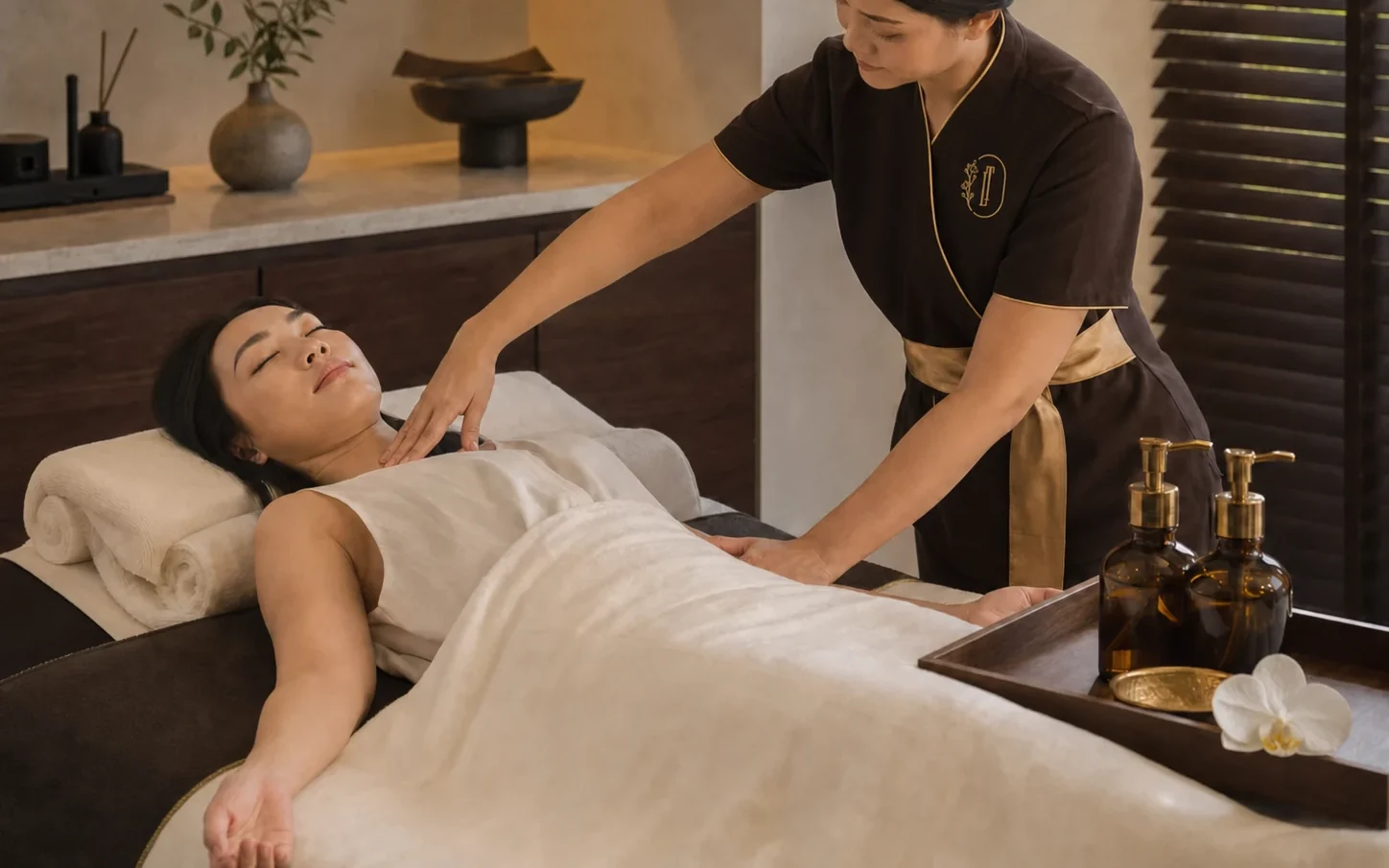
Manual massage supplies pressure, movement, rhythm and human contact.
A carrier oil changes glide and friction while remaining on the skin until it is removed or absorbed.
An aromatic blend contributes volatile compounds that are smelled during the session and may also contact the skin in diluted form.
What the 2023 Article Claimed
The archived page attributed relaxation, pain relief, improved circulation, mood improvement, reduced depression and anxiety, stronger immunity and healthier skin to aromatherapy massage.
It named lavender, bergamot and chamomile and described Signature and Deep Tissue Aromatherapy formats as current services.
Those statements are historical content, not proof that every blend, protocol or health claim remains current or adequately supported.
What the Reviewed current menu Currently Shows
The reviewed Spa Menu 2026 lists Aromatherapy Oil Massage for 90 minutes at 2,000 THB and 120 minutes at 2,800 THB.
The same menu presents Coconut Oil Massage, Golden Aroma Oil Massage, Mandarin Oil Massage and Lavender Oil Massage as distinct sensory directions.
The booking inventory also contains a 60-minute Aromatherapy Oil Massage entry, so the live duration, branch, formula and price should be confirmed before arrival.
Separate the Benefit from Its Likely Source
A quieter pace may come from the room, reduced stimulation and protected time.
A temporary sense of physical ease may relate to pressure, positioning, warmth and slower manual work.
Pleasure or emotional association may relate to fragrance, memory and personal preference; none of these observations proves that an oil treats a disease.
What the Evidence Can and Cannot Establish
NCCIH describes aromatherapy as the inhalation or diluted topical use of plant essential oils and notes that rigorous research is limited for several common uses.
Some reviews report improvements in anxiety scores in defined clinical populations, but oils, doses, delivery methods, comparators and study quality vary.
Those results do not justify promising that one Bangkok spa session will treat anxiety, depression, insomnia, chronic pain or an immune condition.
Build a Scent Brief Before Choosing an Oil
Describe fragrance in practical terms: floral, citrus, green, herbal, woody, sweet, powdery, strong or nearly neutral.
Share migraine triggers, asthma, fragrance sensitivity, nausea, pregnancy, previous reactions and a preference for unscented care.
A guest who dislikes the aroma is unlikely to experience the blend as calming, regardless of its marketing name.
Carrier Oil Is Part of the Treatment
Essential oils are normally diluted into a carrier product rather than applied neat across the body.
Ask for the complete product name, ingredient list, dilution information, batch condition and whether nuts, seeds, coconut, fragrance or preservatives are present.
Glide, absorption, residue and shower preference can matter as much as the aromatic note.
Step 1: Consultation and Product Check
Confirm desired pressure, areas to prioritise or avoid, mobility, recent procedures, current symptoms, allergies and fragrance preferences.
The therapist should explain the blend selected, how it will be used and whether a fragrance-free alternative is available.
Consent applies to the product, body areas, pressure, draping and every change made during the session.
Step 2: Arrival, Foot Ritual and Positioning
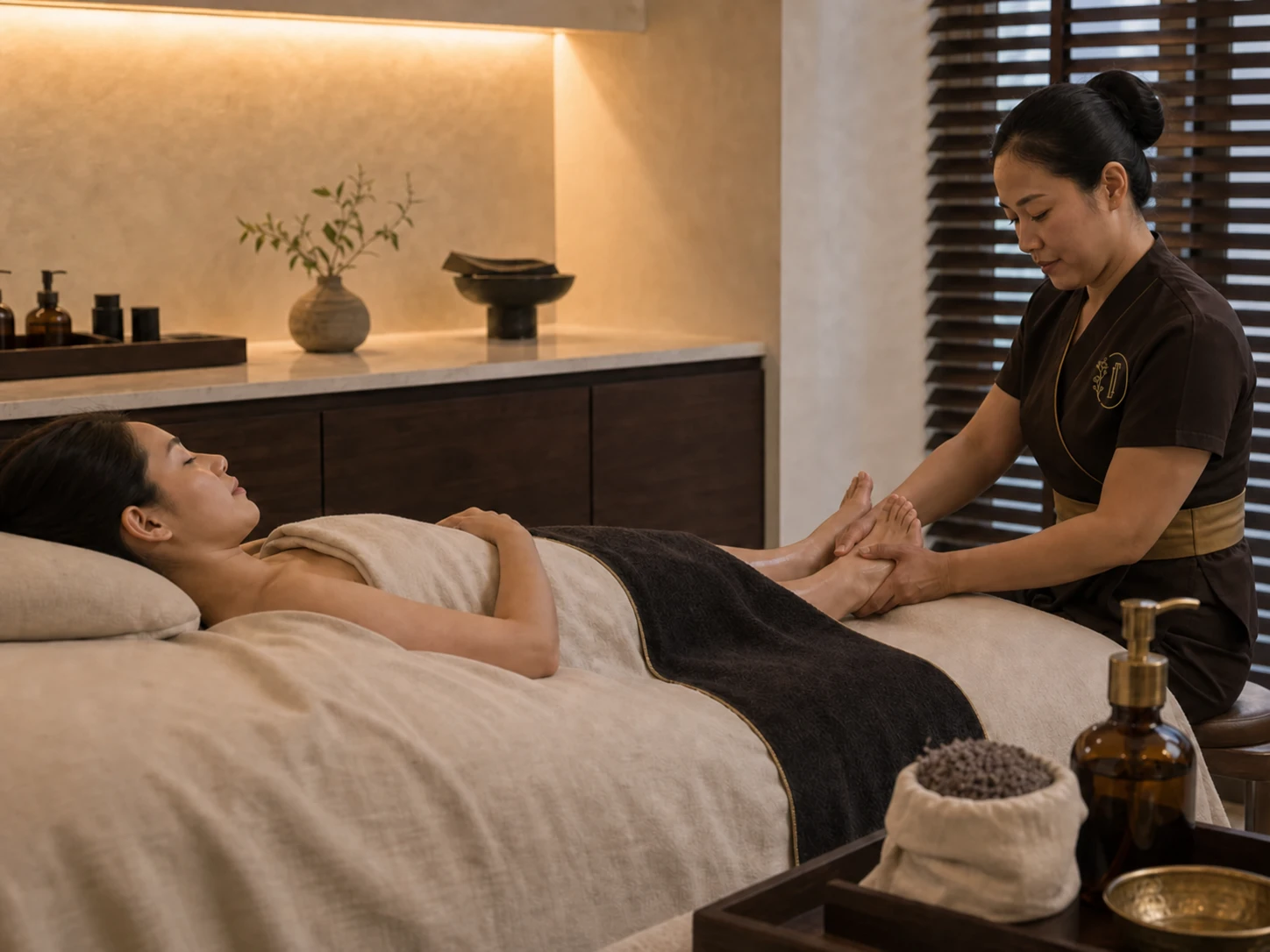
A professional sequence may begin with a brief foot ritual, changing time and secure positioning before bodywork starts.
Bolsters and linens should support a neutral, comfortable position without exposing untreated areas.
The published duration should be clarified as hands-on time or total appointment time.
Step 3: Controlled Oil Application
The therapist warms a manageable quantity in the hands and introduces it on a small area rather than flooding the skin.
Initial contact gives the guest a chance to notice scent intensity, temperature, texture or irritation.
Fresh product handling and clean dispensing prevent repeated contact between the container and used hands.
Step 4: Flowing Work with Adjustable Pressure
Long strokes establish rhythm and distribute the product; kneading, compression or focused work can then address agreed areas.
Firm pressure is not automatically deep-tissue treatment, and discomfort is not proof that massage is effective.
The therapist should reassess pressure when changing body area, position or technique.
Step 5: Finish Without Sensory Overload
The closing pace should slow, excess product can be blotted where requested and the guest should have unhurried time to sit up.
Water or tea may complete hospitality, but it does not detoxify the body or determine the physiological effect of the session.
Aftercare should identify any product left on the skin and the practical plan if irritation develops.
How the Named current Oil Directions Differ
Coconut Oil Massage foregrounds the carrier texture and a soft, familiar scent rather than an essential-oil prescription.
Mandarin and Lavender Oil Massage indicate distinct aromatic profiles, while Golden Aroma adds premium ritual positioning and different pricing.
A product name does not disclose the complete formula, so current labels and suitability still need to be checked.
- Aromatherapy Oil Massage: 90 or 120 minutes on the reviewed current menu
- Coconut Oil Massage: carrier-led oil direction
- Mandarin Oil Massage: citrus-led aromatic direction
- Lavender Oil Massage: floral-herbal aromatic direction
- Golden Aroma Oil Massage: premium ritual direction
Natural Does Not Mean Non-Allergenic
FDA guidance notes that plant origin does not make a fragrance automatically safe and that cosmetic fragrance ingredients can cause sensitivity or allergic reactions in some people.
A massage oil used for lubrication is a cosmetic in the FDA framework; disease-treatment claims can change how a product is regulated.
Fragrance-free care is a legitimate preference, not a lesser version of massage.
Citrus Products Need Exact Identification
FDA guidance warns that certain citrus oils can be harmful on sun-exposed skin depending on the oil and use.
A Mandarin or bergamot story therefore requires the exact cosmetic formula and manufacturer directions, not a generic assumption about citrus.
Guests planning strong sun exposure should ask what remains on the skin and follow the product-specific instructions.
Choose 90 or 120 Minutes by Coverage and Pace
Ninety minutes can support complete full-body work with selected priorities and an unhurried rhythm.
One hundred and twenty minutes may allow slower transitions, broader coverage or more time on agreed areas.
The longer option should not mean stronger fragrance, deeper pressure or a more dramatic medical outcome.
When to Adapt or Postpone
Broken skin, active rash, fever, unexplained swelling, acute injury, recent surgery, a known fragrance reaction or feeling unwell may require modification or postponement.
Complex medical conditions, pregnancy and current treatment can require appropriate clinical guidance beyond a spa consultation.
Stop the product and inform the therapist immediately if burning, wheezing, dizziness, facial swelling or significant discomfort occurs.
Twelve Questions Before Booking
Turn an aromatic promise into a specific treatment plan.
- Which exact current oil massage am I booking?
- What are the confirmed duration, price and branch?
- What is the carrier product?
- Which essential oils or fragrance ingredients are in the blend?
- Is a fragrance-free option available?
- How is the product diluted and dispensed?
- Can I smell the blend before it is applied?
- Which pressure range and body areas are planned?
- What changes between 90 and 120 minutes?
- Is a shower included or recommended?
- What product remains on the skin after the session?
- Which symptoms or recent procedures should I disclose?
Claims Removed from the Previous Version
The previous article promised pain relief for arthritis and fibromyalgia, improved circulation, reduced depression and anxiety, antiviral and antibacterial protection, stronger immunity and healthier skin.
It also attributed those outcomes collectively to massage, scent and carrier oils without identifying products, doses, evidence or current service protocols.
This version retains relaxation and sensory goals as guest experiences while replacing medical certainty with product, technique, evidence and safety detail.
Choose the Complete Sensory Architecture
Aromatherapy massage can be a refined Bangkok ritual when the fragrance is wanted, the oil is traceable and the touch is skilfully adapted.
Its value does not depend on turning lavender, citrus or another aroma into a cure.
Choose by scent, carrier, pressure, pace and current details, then evaluate the session by comfort, professionalism and the result you can actually observe.
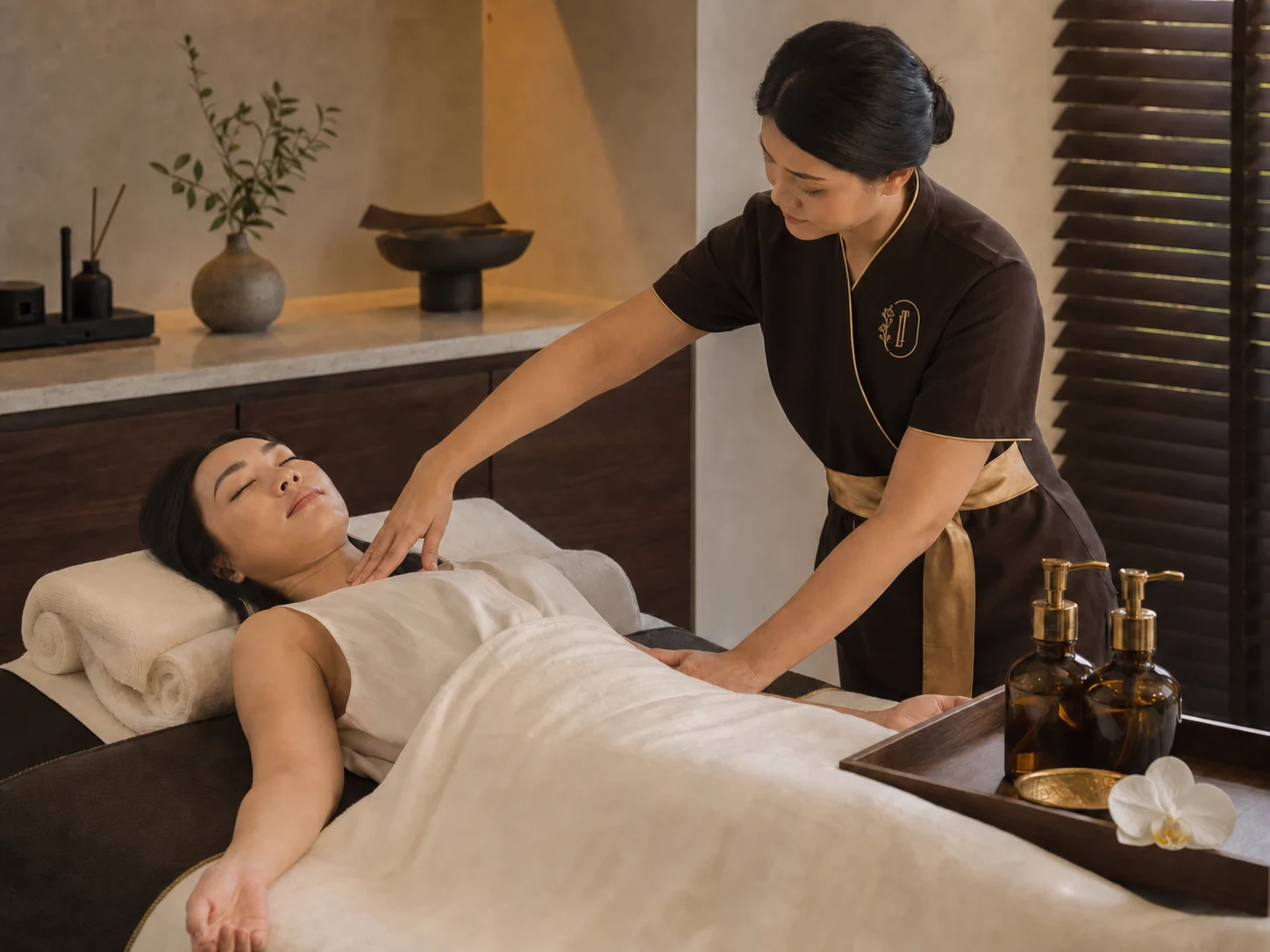
“A scent can shape an experience without becoming a medical prescription; the quality test is a traceable product, skilled touch and informed choice.”
Loft Thai Editorial Team
Continue your research
REFERENCES
Sources & further reading
PRACTICAL GUIDANCE
Frequently Asked Questions
What are the realistic benefits of aromatherapy massage?
Guests may value protected rest, pleasant scent, skin lubrication and adjustable massage. Evidence from specific clinical studies does not guarantee treatment of anxiety, pain, insomnia or another condition in a spa session.
How much is Aromatherapy Oil Massage at Loft Thai Spa?
The reviewed current menu lists 90 minutes at 2,000 THB and 120 minutes at 2,800 THB. Confirm the live price, duration, formula and branch before booking.
Are essential oils safe because they are natural?
No. Plant-derived ingredients can irritate skin or trigger sensitivity, and some citrus oils require particular care around sun exposure. Review the exact formula and manufacturer directions.
Can I request aromatherapy massage without fragrance?
Ask whether a fragrance-free carrier oil is available. Product choice should follow informed preference and sensitivity rather than assuming aroma is essential to professional massage.
Is 120 minutes better than 90 minutes?
Not automatically. The longer format may allow slower pacing, broader coverage or more time on selected areas; ask what changes in the actual protocol.
CONTINUE READING
Related stories
Blissful Aromatherapy Oil Massage at Loft Thai Spa
At Loft Thai Spa & Massage, we invite you to experience the epitome of relaxation through our blissful aromatherapy oil massage. This unique spa treatment combines the ancient art of Thai spa therapy with the rejuvenating power of aromatherapy, resulting in a…
Read the guide
The Secret Behind Award-Winning Spa Treatments: Crafting Premium Massage Oils for Skin and Wellness
In the fast-evolving world of wellness and luxury self-care, aromatherapy and premium massage oils are no longer seen as simple add-ons. In 2026, they have become central to the experience offered by every best spa Bangkok destination.
Read the guide
Luxurious Lavender Oil Massage at Loft Thai Spa
Experience the epitome of relaxation and wellness indulgence at Loft Thai Spa, located in the heart of Bangkok. Treat yourself to the ultimate Thai spa experience with their rejuvenating Lavender Oil Massage – a blend of ancient techniques and modern luxury…
Read the guide
Relaxing Mandarin Oil Massage in Bangkok
If you're seeking the ultimate relaxation experience in the heart of Bangkok, look no further than Loft Thai Spa. This oasis of tranquility offers an unparalleled escape from the bustling city life, providing a serene environment where you can unwind and…
Read the guide