
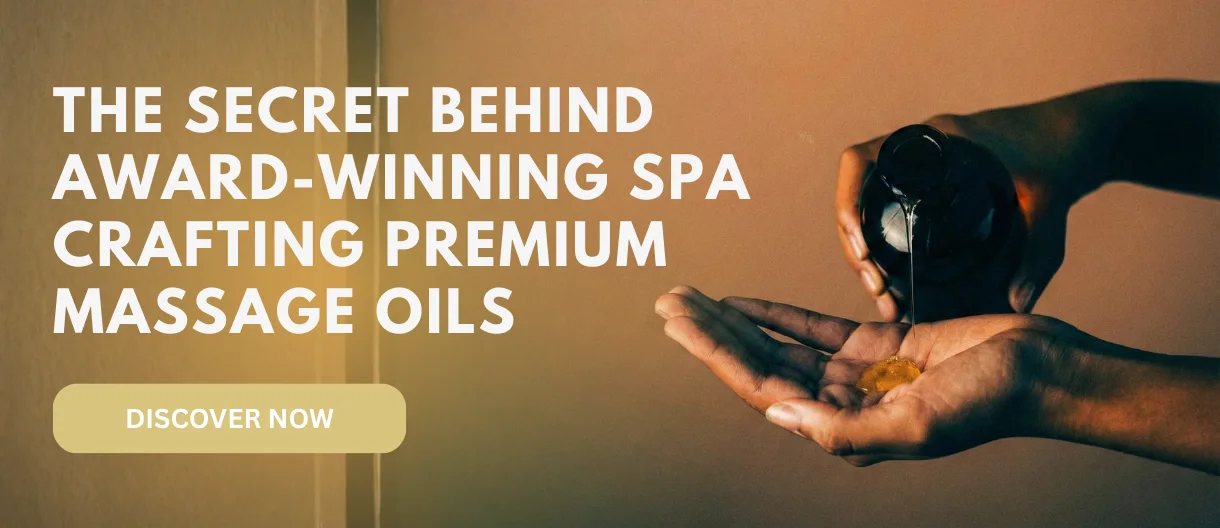
In the fast-evolving world of wellness and luxury self-care, aromatherapy and premium massage oils are no longer seen as simple add-ons. In 2026, they have become central to the experience offered by every best spa Bangkok destination.
Today’s clients are not only searching for relaxation, but for deep emotional balance, visible skin benefits, and a sensory journey that connects body and mind. At an award-winning spa such as Loft Thai Spa, the art of aromatherapy and the craft of high-quality massage oils are elevated to a true wellness ritual, designed by expert therapists and guided by scientific understanding of skin health, neurobiology, and traditional Thai healing.
The growing importance of aromatherapy reflects a broader shift in wellness culture. Modern lifestyles are more stressful, fast-paced, and digitally saturated than ever before. Clients arrive at the spa with tension not only in their muscles but also in their nervous systems. This is why aromatherapy plays such a powerful role. The olfactory system is directly connected to the limbic brain, the part responsible for memory, emotion, and stress response. When a client inhales the delicate notes of lavender, sandalwood, ylang-ylang, or bergamot during a massage, the body immediately begins to regulate cortisol levels, slow heart rate, and activate parasympathetic relaxation. This is one of the reasons why the best facial and massage experiences in Bangkok now integrate customized aromatherapy as a core part of the treatment.
At Loft Thai Spa, an award-winning spa ranked among the top destinations in Asia, aromatherapy is not approached as a simple fragrance choice. It is treated as a therapeutic science and an art form. Each massage oil blend is designed to support specific goals, whether deep relaxation, detoxification, muscle recovery, emotional balance, or skin rejuvenation. The process begins with understanding the client. Before every session, therapists trained at the internationally recognized Nuad Thai School analyze the client’s stress level, lifestyle, and skin condition. This personalized consultation ensures that the oil chosen will enhance the massage technique and deliver visible results.
The craft of premium massage oil begins with the selection of base oils. High-quality base oils are the foundation of every luxury aromatherapy blend. They determine how the oil absorbs into the skin, how it nourishes the epidermis, and how it supports the therapeutic effect of essential oils. At Loft Thai Spa, only cold-pressed, unrefined, and organic oils are used. Sweet almond oil, for example, is rich in vitamin E and essential fatty acids. It softens the skin, improves elasticity, and supports barrier repair. Jojoba oil, structurally similar to human sebum, helps regulate oil production and is ideal for both dry and sensitive skin. Grapeseed oil is lightweight, antioxidant-rich, and perfect for detox and lymphatic massage. Coconut oil, long used in traditional Thai wellness, offers deep hydration and antimicrobial properties.
Once the base oil is selected, the next step is the blending of essential oils. This is where the true expertise of a world champion therapist becomes visible. Essential oils are extremely potent plant extracts, and their synergy must be carefully calibrated. A relaxing blend might combine lavender for calming the nervous system, sandalwood for grounding, and chamomile for soothing inflammation. A revitalizing blend may include citrus notes like bergamot and orange to boost mood and circulation. For muscle recovery, eucalyptus and rosemary support anti-inflammatory effects and improve blood flow.
The blending process is guided by aromachology, the scientific study of how scents influence emotions and behavior. At Loft Thai Spa, therapists are trained to create harmony between aroma and massage technique. For example, the famous Thai Warrior Massage developed by Master Jack Sherman integrates dynamic stretching and pressure points. When combined with warming essential oils such as ginger or black pepper, the treatment becomes more effective in releasing deep tension and improving mobility.
Beyond relaxation and emotional balance, premium massage oils also play a crucial role in skin health. In a climate like Thailand, where humidity, sun exposure, and pollution affect the skin daily, clients are increasingly aware of the need for protective and nourishing treatments. This is why aromatherapy massage is now seen as a complement to the best facial routines. High-quality oils help restore the skin barrier, reduce transepidermal water loss, and support collagen production.
Antioxidants present in natural oils fight free radicals and slow visible aging. Essential fatty acids strengthen the skin’s resilience and elasticity. Many clients notice that after a professional aromatherapy massage, their skin appears brighter, smoother, and more hydrated. This synergy between massage and skincare is one of the reasons why the best spa Bangkok experiences now combine body treatments with advanced facial technologies such as HydraFacial or signature lifting facials.
The sensory dimension of aromatherapy also contributes to a holistic wellness experience. Luxury spas such as Loft Thai Spa focus on stimulating all five senses. The visual environment, the sound of gentle music, the warmth of herbal tea, and the touch of expert therapists all work together. However, scent is often the most powerful and memorable element. A carefully crafted oil becomes a signature of the spa, creating emotional attachment and loyalty. Many returning guests say that the moment they smell the signature blend of Loft Thai Spa, they immediately feel relaxed, even before the treatment begins.
Another important benefit of premium massage oils is their role in enhancing massage techniques. Poor-quality oils can disrupt the flow of the treatment, create friction, or leave a heavy residue on the skin. High-quality oils, by contrast, allow smooth gliding, better control of pressure, and deeper muscle work. This technical precision is essential for delivering the level of excellence expected from an award-winning spa and a world champion therapist.
Clients today are also more conscious about sustainability and ethical sourcing. Premium oils are chosen not only for their effectiveness but also for their environmental impact. Organic farming, fair trade sourcing, and eco-friendly packaging are increasingly important. At Loft Thai Spa, this philosophy aligns with the broader vision of promoting Thai culture and wellness while respecting nature. Many of the herbs and plant extracts used are sourced from Thai farms, supporting local communities and preserving traditional knowledge.
The evolution of aromatherapy also reflects the influence of neuroscience and wellness innovation. Recent studies show that scent can influence sleep quality, emotional resilience, and cognitive performance. This is why many luxury spas now design treatments targeting modern lifestyle challenges such as burnout, digital fatigue, and anxiety. A customized aromatherapy massage becomes more than a moment of relaxation; it becomes a preventive health strategy.
For international travelers visiting Bangkok, experiencing aromatherapy at a leading best spa Bangkok destination has become part of their journey. Bangkok is recognized globally as a wellness capital, attracting millions of visitors who seek authentic Thai healing combined with modern luxury. Loft Thai Spa, with its strong reputation, world champion therapists, and award-winning standards, represents this new generation of wellness.
Many guests describe their experience as transformative. The combination of expert techniques, premium oils, and personalized consultation creates a deep sense of renewal. It is not uncommon for clients to notice improved sleep, reduced anxiety, and better skin after just one session. Regular treatments can support long-term health, enhance circulation, and promote emotional balance.
The future of aromatherapy is also connected to personalization and technology. Some luxury spas are beginning to use AI-driven wellness assessments, skin analysis, and lifestyle tracking to recommend customized blends. At Loft Thai Spa, the focus remains on human expertise, but innovation is welcomed. The collaboration with wellness technology brands and research into traditional Thai medicine ensures that every treatment evolves while respecting heritage.
As wellness continues to become a priority in modern life, the demand for authentic, high-quality aromatherapy will continue to grow. Clients are no longer satisfied with generic treatments. They seek meaningful experiences, visible results, and emotional connection. This is why premium massage oils and aromatherapy remain at the heart of the most luxurious spa experiences.
Choosing the right spa makes all the difference. A true award-winning spa invests in training, research, and product quality. It values the expertise of therapists and the authenticity of traditions. Loft Thai Spa embodies this philosophy, combining Thai healing wisdom, modern skincare, and the artistry of aromatherapy. With its world champion therapist expertise and reputation as one of the best spa Bangkok destinations, it continues to set new standards in luxury wellness.
In 2026, aromatherapy is not a trend. It is a powerful bridge between science, nature, and emotion. It is a reminder that healing begins with the senses and that the right touch, combined with the right oil, can transform both skin and soul. Whether clients are seeking the best facial, deep relaxation, or a complete wellness journey, the experience of premium aromatherapy massage at Loft Thai Spa offers more than a treatment. It offers a moment of balance, beauty, and renewal in the heart of Bangkok.
UPDATED LOFT THAI GUIDE
Additional guidance and current information
The following editorial update expands on the original Loft Thai article with practical context, current treatment guidance and further reading.
What Makes a Massage Oil Feel Premium?
The word “premium” is often attached to oils because of packaging, provenance or fragrance. In treatment, the standard is more practical. The product should provide consistent glide, allow the therapist to control pressure, remain comfortable on the skin and be appropriate for the guest’s stated sensitivities.
A useful formula also needs transparency. The guest should be able to ask what base product and aromatic direction are being used, whether essential oils are present and whether a lighter or fragrance-minimised option is available. Botanical language alone does not guarantee suitability.
Massage oils are cosmetics or treatment products, not medicines. They can support a pleasant sensory ritual and reduce friction between hands and skin, but they should not be presented as detoxifying organs, correcting hormones, boosting immunity or treating anxiety, insomnia or disease.
- Clear product and fragrance information
- A glide level suited to the chosen massage technique
- Controlled, diluted aromatic ingredients where used
- A consultation that respects allergies and personal preference
- Clean dispensing and no return of used product to a container
Carrier Oil and Aroma Have Different Jobs
The carrier or base oil creates most of the physical slip. It influences whether the therapist can use long flowing strokes, slower deep work or precise pressure without pulling the skin. A light formula can feel clean and mobile; a richer one may leave a more emollient finish.
Essential oils are concentrated aromatic plant extracts. The US National Center for Complementary and Integrative Health notes that aromatherapy generally uses essential oils by inhalation or in diluted form on the skin. Dilution matters because concentrated material can irritate or sensitise.
The aroma changes the sensory character of the session. Lavender may be associated with a quieter evening mood and mandarin with a brighter citrus profile, but scent associations are personal and culturally shaped. One guest may find a fragrance calming while another finds it unpleasant or headache-triggering.
A high-quality choice therefore begins with the desired massage, then the skin and scent preference. It does not begin by assigning a medical effect to a fragrance.
How Oil Changes the Therapist’s Technique
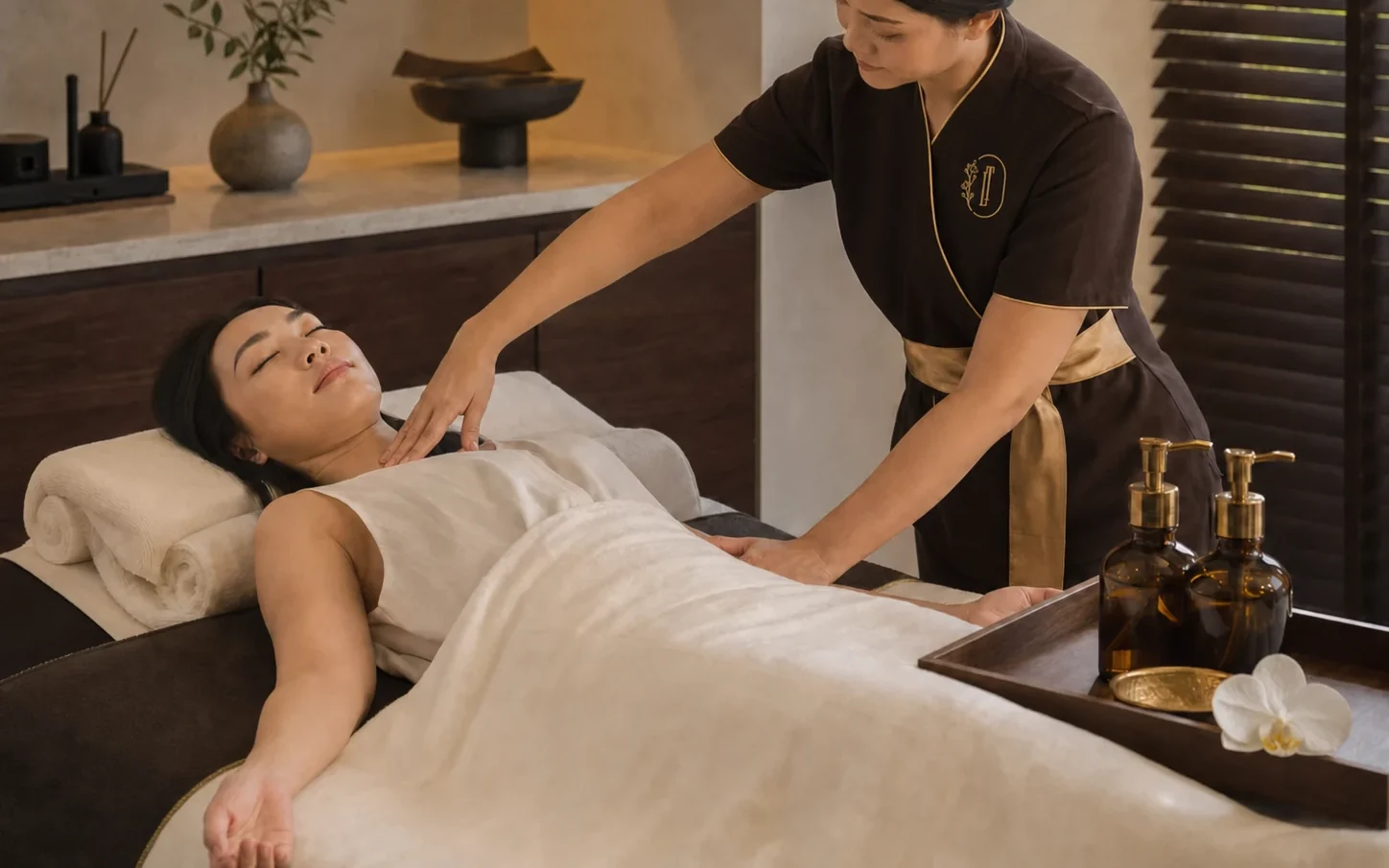
Oil massage allows continuous contact. The therapist can connect the shoulder, back, hip and leg through long strokes rather than repeatedly lifting the hands. This creates the flowing rhythm many guests associate with aromatherapy massage.
Too little product can create unwanted friction; too much can reduce control and make targeted work feel vague. The therapist adjusts the amount gradually, considering skin absorption, room temperature, body area and the intended pressure.
Flowing does not have to mean light. Medium or firm pressure can still be used when suitable, although guests wanting very specific slow work on persistent muscular tension may prefer Deep Tissue Oil Massage. Product supports technique; it does not replace anatomical judgment or communication.
Warm application can improve comfort, but the temperature should be checked before the oil reaches a large area. Guests should immediately mention burning, itching, stinging, dizziness or scent discomfort.
Six Oil-Massage Directions at Loft Thai
The current Holistic Oil Rituals menu presents six starting points. Aromatherapy Oil Massage is the balanced introduction, using warm botanical oils and flowing pressure-point work. Coconut Oil Massage offers a simpler, skin-softening direction, while Deep Tissue Oil Massage combines warm oil with slower, firmer attention to selected areas.
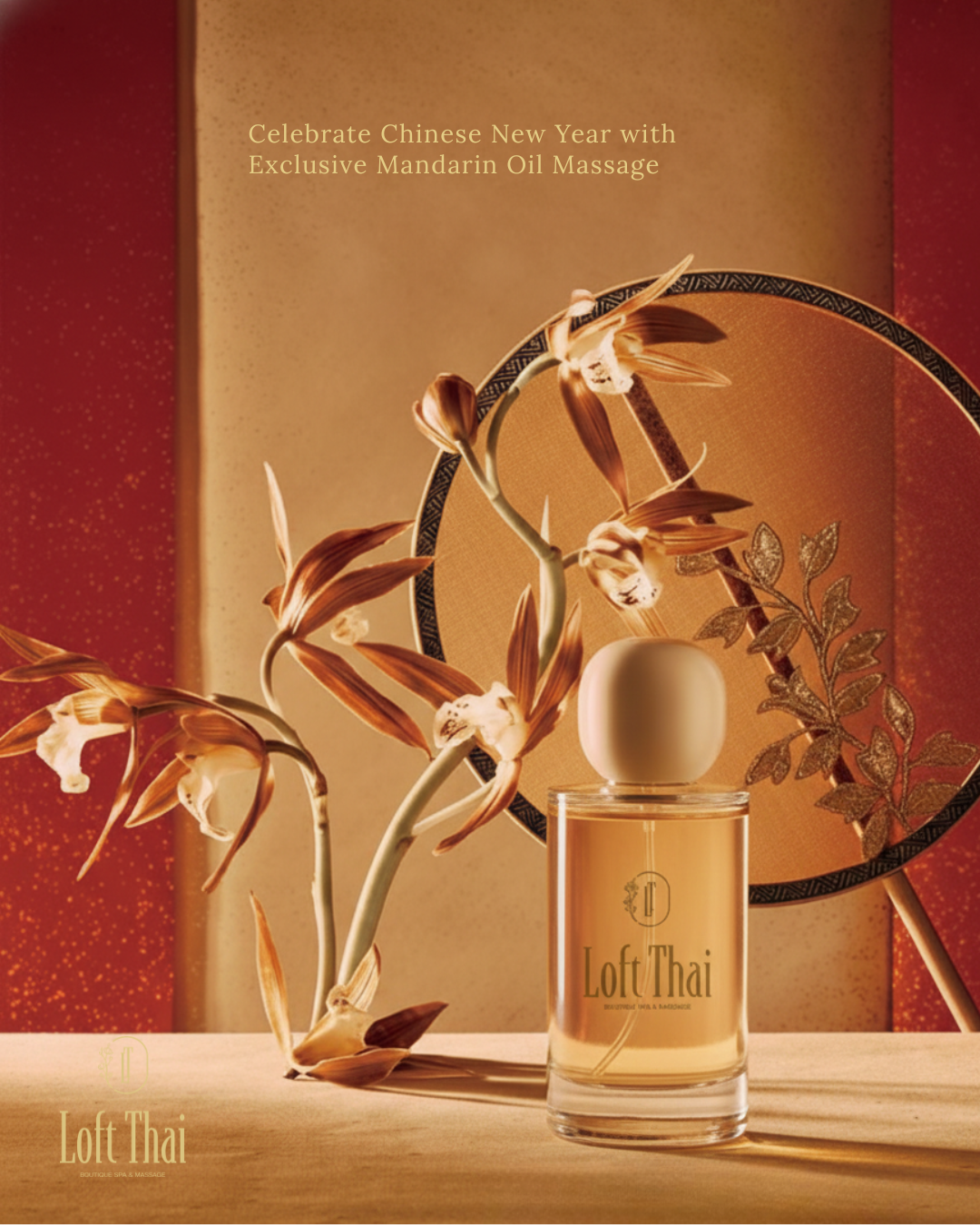
Golden Aroma Oil Massage adds a more ceremonial gold-inspired presentation. Mandarin Oil Massage pairs a citrus-led profile with gentle stretching and flowing strokes. Lavender Oil Massage uses a quieter aromatic direction and a breathing-led pace.
Aromatherapy, Coconut, Mandarin and Lavender Oil Massage are currently listed at THB 2,000 for 90 minutes and THB 2,800 for 120 minutes. Deep Tissue Oil is THB 2,400 and THB 3,200; Golden Aroma Oil is THB 2,400 and THB 3,300 for the same durations.
Those prices were reviewed on the current menu on 28 July 2026 and should be confirmed before booking. Duration gives the therapist more time to slow the rhythm or revisit a priority area; it does not mean a stronger concentration of essential oil.
Fragrance, Sensitive Skin and Contact Reactions
Fragrance can cause irritant or allergic contact dermatitis. The American Academy of Dermatology describes possible signs including itching, rash, swelling, tenderness, burning, stinging or hives. A reaction can appear after prior use without problems because allergic sensitisation may develop over time.
Before treatment, mention eczema, fragrance allergy, asthma triggered by scent, migraine, known plant allergies, recent shaving, sunburn or an active rash. Ask for a simpler formula if the ingredient profile is uncertain. “Natural,” “organic” and “unscented” do not mean fragrance-free or allergy-proof.
A spa patch test cannot guarantee that a full-body application will be reaction-free, but discussing history and reducing unnecessary fragrance lowers avoidable risk. Treatment should not proceed over broken, infected or acutely inflamed skin.
If severe swelling, difficulty breathing, widespread hives or other signs of a serious allergic reaction occur, seek urgent medical care. Persistent dermatitis needs assessment rather than another product experiment.
A Better Oil-Massage Consultation
Start with the experience wanted: quiet relaxation, firmer muscular work, a citrus-led mood, minimal scent or a richer ceremonial ritual. Then identify the practical limits—skin sensitivity, injuries, pregnancy, recent procedures, medication and areas that should not be massaged.
Pressure and aroma are separate choices. A guest may want lavender with firm pressure or a fragrance-minimised formula with gentle work. Treating them as separate sliders creates a more personal session.
Confirm draping, room temperature and whether oil will be applied near the scalp or face. Guests planning to dress for an event immediately afterwards may prefer less residue. Those returning to Bangkok heat may want time to shower before travel.
-
01
Choose the bodywork
Decide between flowing relaxation, firmer deep-tissue work or a more ceremonial ritual.
-
02
Choose the scent level
Select aromatic, light or fragrance-minimised care according to preference and sensitivity.
-
03
Review the skin
Share allergies, eczema, active irritation, sunburn and products recently applied.
-
04
Agree the finish
Discuss residue, shower timing and which areas should remain free of oil.
Product Handling Is Part of Luxury
Premium treatment is also operational. Oil should be dispensed hygienically, hands should be clean, linens fresh and any bowl or warmer prepared for one guest. Product that has touched skin should not be poured back into a shared bottle.
Pumps and closed dispensers reduce repeated contact with the main supply. If a therapist needs more product, it should be added without contaminating the container. Clear labelling and storage away from excessive heat and light help preserve formula quality.
The treatment room should never rely on fragrance to disguise poor ventilation or hygiene. Scent is an optional layer of hospitality, not evidence that the environment is clean.
After the Massage: Comfort Over Complication
There is no need for a detox routine after aromatherapy massage. Drink according to normal thirst, move gently if desired and notice how the skin responds. Showering immediately is a personal comfort choice unless the provider gives product-specific guidance.
If the skin feels comfortable, a simple wash later is usually enough. Avoid adding a new scrub, strong acid or heavily fragranced body product on the same day when sensitivity is a concern.
Stop using the product and seek advice if a spreading rash, persistent burning, blistering or significant swelling develops. A premium oil ritual should end with clear aftercare and a record of the product direction used, especially for guests who plan to return.
The best oil massage in Bangkok is not the one with the longest botanical list. It is the one whose formula, fragrance, pressure and hygiene support a coherent treatment from consultation to finish.
“A premium oil should make the massage more precise and comfortable—not ask the guest to accept mystery ingredients or exaggerated claims.”
Loft Thai Editorial Team
Continue your research
REFERENCES
Sources & further reading
PRACTICAL GUIDANCE
Frequently Asked Questions
What is the best massage oil for sensitive skin?
There is no universal best oil. Choose a clearly identified, simple formula and discuss fragrance, eczema and known allergies. A fragrance-minimised option may be preferable, but it is not a guarantee against reaction.
Are essential oils applied directly to the skin?
In aromatherapy they are generally used in diluted form. Concentrated essential oils can irritate or sensitise, so product selection and dilution should be controlled by the provider.
Can I choose firm pressure with aromatherapy oil?
Yes, pressure and scent are separate choices. For very focused muscular work, the Deep Tissue Oil Massage may provide a more suitable pace and technique.
How much is an oil massage at Loft Thai Spa?
current prices start at THB 2,000 for 90 minutes. Deep Tissue and Golden Aroma options cost more. Confirm the selected ritual, duration and current price before booking.
Does aromatherapy massage treat stress or insomnia?
It can be a relaxing complementary experience, but evidence for treating conditions such as insomnia is limited. It should not replace medical or psychological care.
CONTINUE READING
Related stories
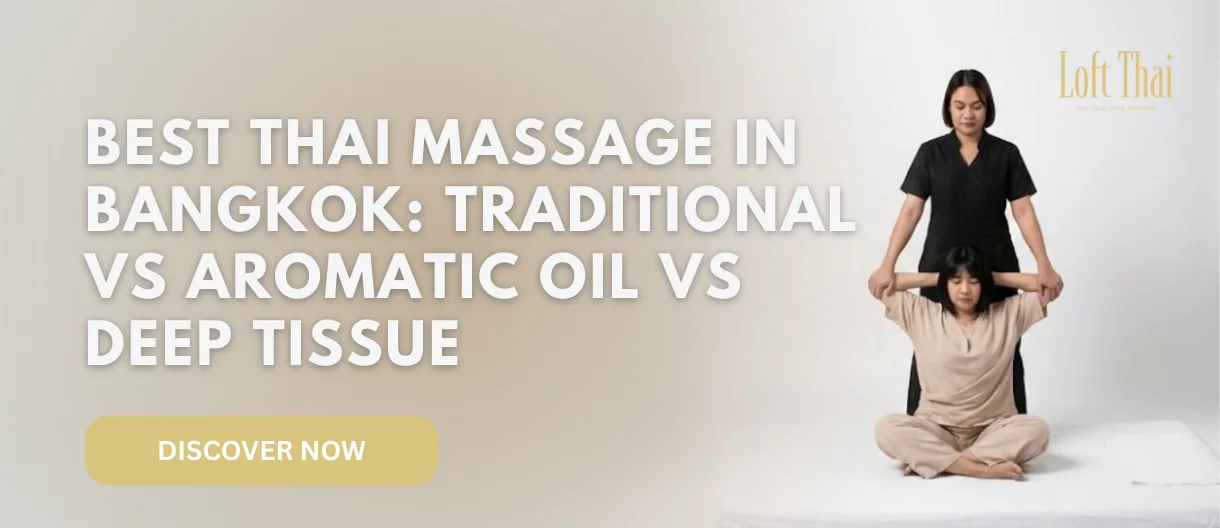
Best Thai Massage in Bangkok: Traditional vs Aromatic Oil vs Deep Tissue Which One Is Right For You?
Bangkok is one of the few cities in the world where massage is not just a service—it’s culture. You can book a session almost anywhere, at almost any price, and still find talented hands. That’s the magic of Thailand. But it also creates the biggest problem…
Read the guide
Best Spa in Bangkok (2026 Guide): How to Choose a Luxury Spa That’s Actually Worth It
Bangkok has thousands of massage shops, day spas, hotel spas, and “luxury” venues that look premium in photos but feel rushed in real life. If you’ve ever walked out of a treatment thinking, “That was nice… but was it actually worth it?”—you’re not alone.
Read the guide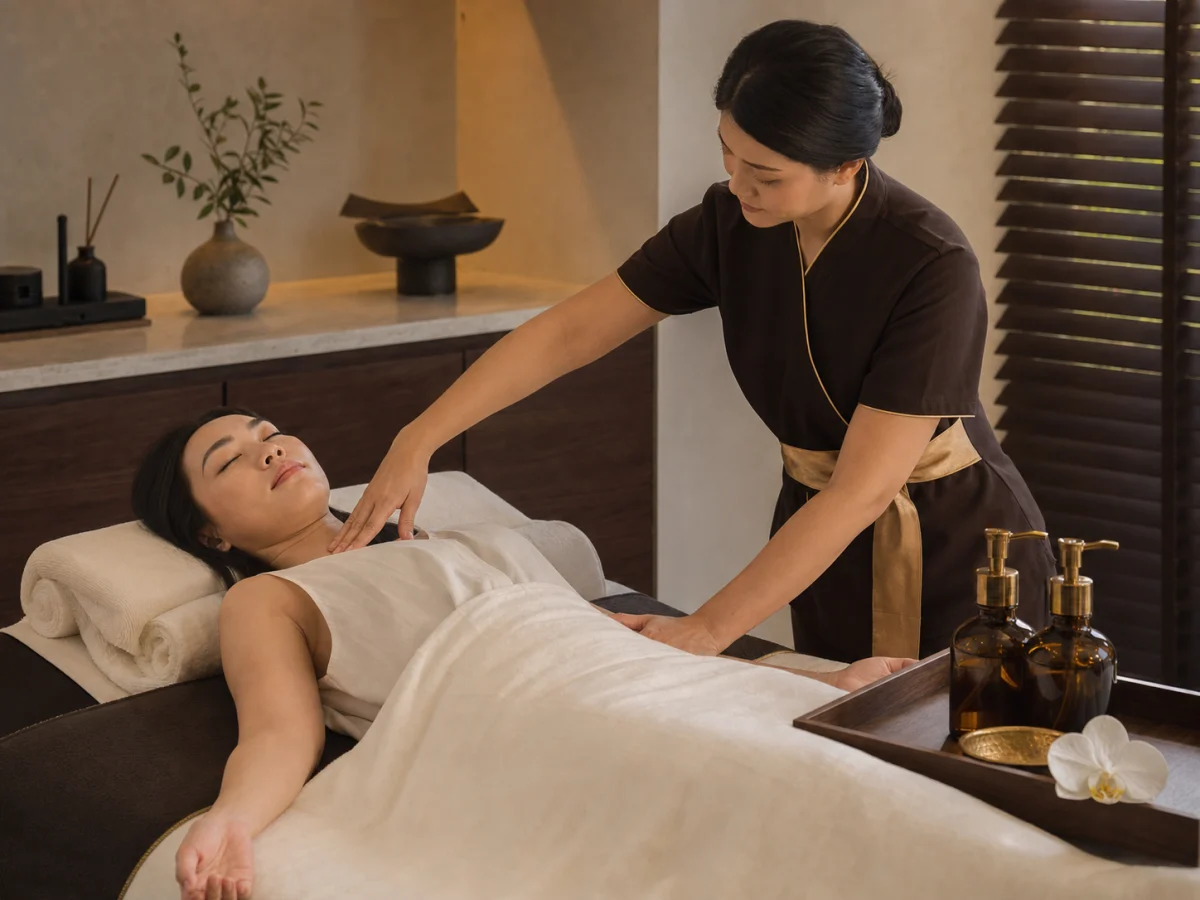
Late Night Massage in Bangkok: The Ultimate Way to Relax Before Sleep
Bangkok is a city that never truly sleeps. From vibrant night markets and rooftop bars to late-night dining and entertainment, the Thai capital remains lively long after sunset. Yet for many travelers and residents, the perfect way to end the day in Bangkok is…
Read the guide
What Is Swedish Massage? A Complete Guide to Its Techniques, Benefits, Science, and Timeless Appeal
Swedish massage is often described as the foundation of modern Western massage therapy. When people think of massage for relaxation, stress relief, or gentle therapeutic care, Swedish massage is usually the reference point. Yet beyond its reputation as a…
Read the guide