
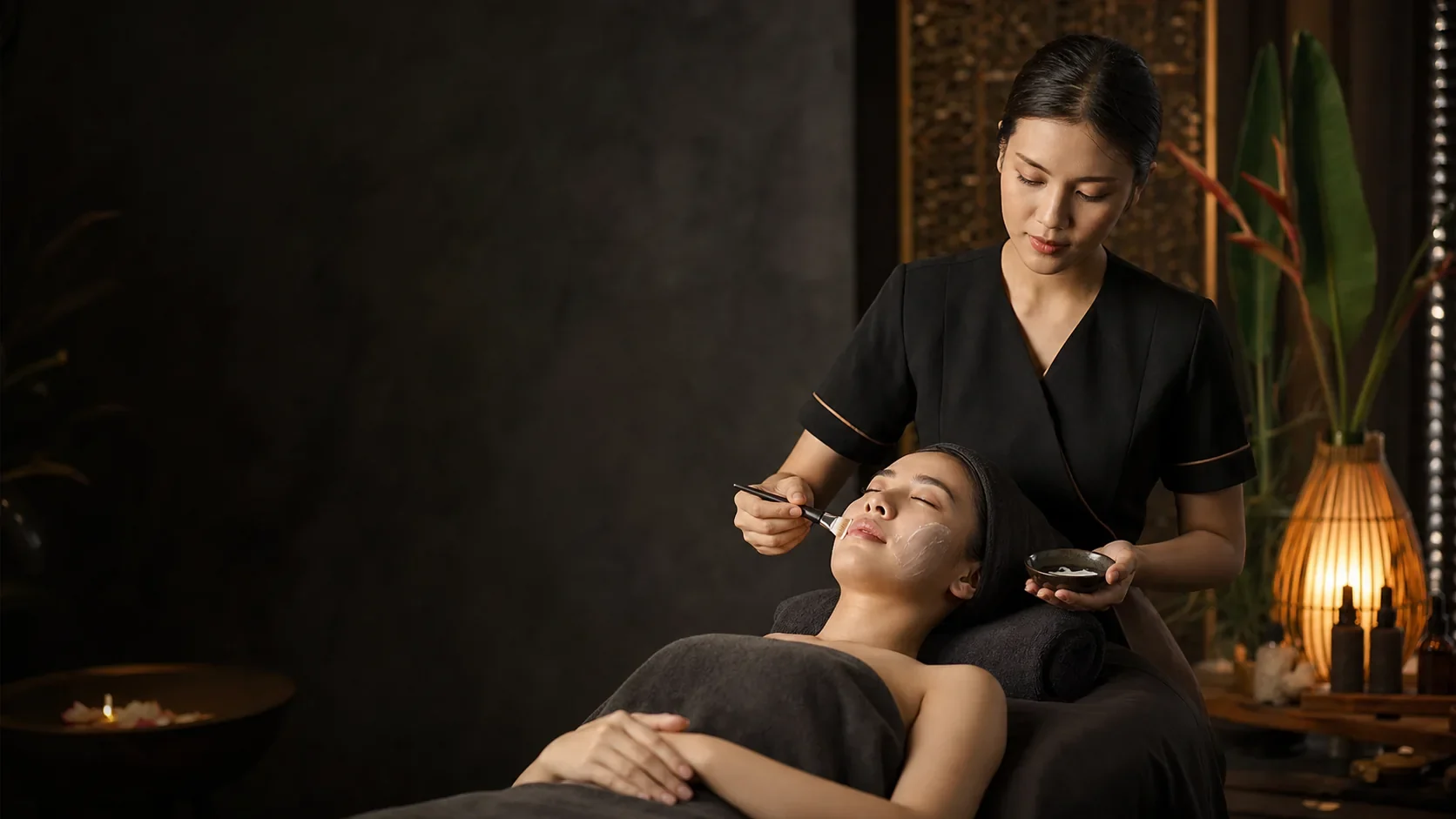
The idea of beauty has changed dramatically in the era of social media and digital technologies. A new paradigm of digital beauty has replaced the outdated beauty standards that were once set by glossy publications and Hollywood. The digital world has evolved into a playground for self-expression and self-discovery thanks to the ability to improve and modify our look using filters, editing tools, and photo modification. Digital beauty is about embracing our unique selves and letting our radiance shine in the virtual realm, not about conforming to conventional norms.
Integrity and Personal Expression
The universality of digital beauty is one of its most remarkable features. The digital arena enables a broad variety of identities, body kinds, and aesthetics to flourish, in contrast to the constrained depictions of beauty that dominated mainstream media in the past. Social media platforms have evolved into places where people can express their creativity and question accepted notions of beauty. The digital age has given rise to a more inclusive and representational beauty culture, from body acceptance initiatives to the celebration of various cultural beauty traditions.
Additionally, experimentation and self-expression are encouraged by digital beauty. We may alter our appearance and produce artistic visuals that reflect our individual definitions of beauty thanks to the wide variety of filters and editing tools at our disposal. The digital sphere offers an infinite canvas for exploring and expressing our uniqueness, from joyful rainbow-colored hair to strange makeup styles. As the lines between reality and fiction dissolve, we are free to express our creativity and embrace a freer understanding of who we are.
Opportunities for Entrepreneurship and Careers
Additionally, digital beauty has created new business and employment prospects. Beauty bloggers and social media influencers have converted their love of cosmetics and skincare into lucrative businesses that have helped them establish their brands and connect with millions of global fans. The ability to produce original content, build personal brands, and connect with a worldwide audience has helped democratize the beauty industry. The traditional beauty industry has undergone a change because of this greater accessibility, which has also given various perspectives a chance to be heard.
The Upkeep of Balance and Self-Care
Even if the digital world has intriguing possibilities, it is imperative to keep a positive attitude and find a balance between the virtual and the actual worlds. It is critical to keep in mind that digital beauty is only one aspect of our lives and shouldn't eclipse or serve as the basis for our complete identity. The pursuit of digital perfection can occasionally result in exaggerated expectations and inferiority complexes. It's crucial to keep in mind that the pictures we see online are frequently carefully cropped and controlled, and that the real beauty is found in our true selves.
We must practice self-acceptance and self-care if we want to appreciate digital beauty and unleash our glow. Our beauty regimens should always be built around taking care of our physical and emotional health. Exercise, a healthy diet, and adequate sleep are self-care practices that can help us feel our best both online and offline. A sense of inner brilliance that transcends digital realms can also be fostered by engaging in techniques like mindfulness, meditation, and positive affirmations.
Conscious Digital Behavior
Furthermore, even while using digital beauty can be entertaining and creative, it's important to be aware of any risks. Digital technologies should be used sensibly and ethically, without over-editing or supporting unfavorable aesthetic standards. We should work to create a positive and uplifted environment for both ourselves and those around us by being conscious of the impact our online presence can have on others.
Our ideas of beauty and self-expression have been completely transformed by digital beauty. It has ushered in a time of diversity, innovation, and entrepreneurship, giving people the chance to express their individual brilliance. It's important to keep in mind, though, that digital beauty is only one facet of our lives and shouldn't take precedence over our sense of value. We may unleash our radiance in the digital sphere while retaining a healthy and balanced viewpoint by adopting self-acceptance, self-care, and appropriate digital behaviors. Let digital beauty be a tool for self-discovery and celebration that enables us to truly express ourselves while also empowering others.
UPDATED LOFT THAI GUIDE
Additional guidance and current information
The following editorial update expands on the original Loft Thai article with practical context, current treatment guidance and further reading.
From Online Radiance to an Honest Skin Goal
The previous article celebrated filters, editing, influencer careers and digital self-expression, then warned generally about balance and self-care.
It did not explain how a viewer can identify image manipulation, assess a beauty claim or use online inspiration during a professional facial consultation.
This version keeps creativity and inclusion while adding a practical standard: disclose what changed, distinguish appearance from health and never turn an edited image into a treatment guarantee.
What a Beauty Filter Can Change Before You Notice
A filter may smooth texture, reduce shadows, alter colour, brighten the eyes, narrow the nose, reshape the jaw or simulate makeup. Camera processing can also sharpen, blur or combine exposures automatically.
Lighting, lens distance, focal length, angle and compression change appearance even when no beauty effect is selected.
A screenshot therefore cannot establish skin condition, pore size, pigmentation depth, sensitivity or the treatment another person received.
Why Appearance-Focused Editing Deserves Care
A systematic review of photo editing and body concerns found a relationship among female social-media users, while also noting measurement limits and the need for stronger research.
A broader systematic review found that image-focused social-network activities and appearance-based comparison were associated with body-image and eating concerns, with much of the evidence remaining correlational.
The responsible conclusion is not that every edited image causes harm. It is that repeated comparison with undisclosed alteration can change expectations and deserves media literacy, particularly when beauty content is commercial.
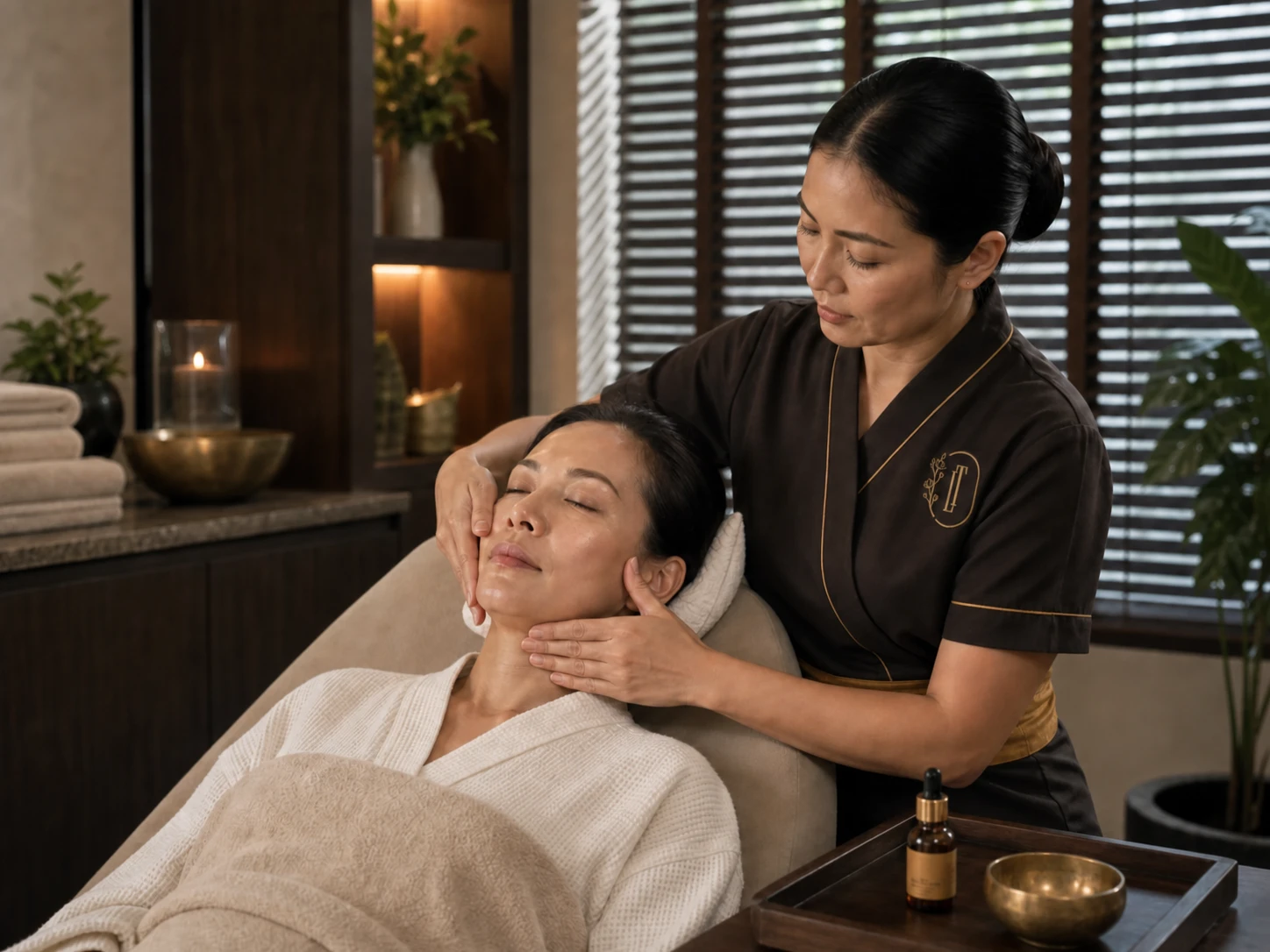
What Digital Beauty Can Do Well
Digital platforms can show a wider range of skin tones, facial features, ages and beauty traditions than a single printed campaign.
They can demonstrate application order, help a user prepare questions, provide captions and transcripts, and connect a treatment name to a full process.
The useful unit is not a perfected face. It is a transparent explanation that helps the viewer make a better decision.
- Label paid, gifted and affiliate content clearly
- State when skin texture, colour or proportions are altered
- Keep before-and-after conditions comparable
- Identify products and the time between images
- Separate personal experience from general evidence
Start a Facial Consultation With the Skin in the Room
A therapist needs current information: how the skin feels, the routine used, recent reactions, sensitivities, shaving, sun exposure, travel and the result the guest wants.
Show a reference image if it helps explain a preference, but identify whether it is filtered, professionally lit or taken after makeup.
A spa facial addresses cosmetic cleansing, comfort, hydration, surface texture and appearance within its scope. Persistent rash, infection, a changing lesion or another medical concern belongs with a qualified healthcare professional.
Translate an Online Image Into a Real Treatment Goal
Replace a vague request to “look like this” with a goal that can guide products, pace and aftercare.
-
01
Name the visible feature
Is the reference about surface glow, comfort, makeup preparation, less visible congestion or a calmer finish?
-
02
Identify image conditions
Note filter, light, lens, makeup, pose and retouching where known.
-
03
Describe current skin
Share tightness, oiliness, sensitivity, recent reactions and products.
-
04
Choose one priority
Select the primary goal instead of combining every online trend.
-
05
Define the treatment window
Mention flights, sun exposure, shaving, events and recent procedures.
-
06
Agree on honest outcomes
Focus on how skin may feel and look after the ritual without promising structural or medical change.
Read the Claim Before the Aesthetic
The United States FTC asks influencers to disclose material relationships clearly and conspicuously. A tag hidden after “more” or a vague thank-you may not explain that a post is advertising.
Thailand’s FDA says cosmetic advertising must be truthful, fair and non-misleading, without therapeutic or disease-curing implications.
Check who benefits from the recommendation, what exact product or treatment is named, what outcome is claimed, how long it took and which evidence supports it.
A Fair Before-and-After Photograph Needs Controls
Use the same camera, lens, distance, angle, expression, lighting, white balance and crop. State the time between images and whether makeup, skincare, massage, hydration or retouching changed.
Do not remove pores, lines, redness or facial features in an image presented as treatment evidence.
Obtain specific consent for capture and publication. A guest can agree to treatment without agreeing to become marketing content.
Choose a Facial by Goal, Not by Feed
The current Loft Thai facial collection groups decisions around practical directions such as cleansing and reset, calm and comfort, radiance and replenishment, or firmness and refinement.
Those categories are a starting point. The therapist should still adapt exfoliation, massage, serum, mask and finishing products after consultation.
For a first facial in Bangkok, prioritise a clear process, suitable products and realistic aftercare over the treatment with the most dramatic social image.
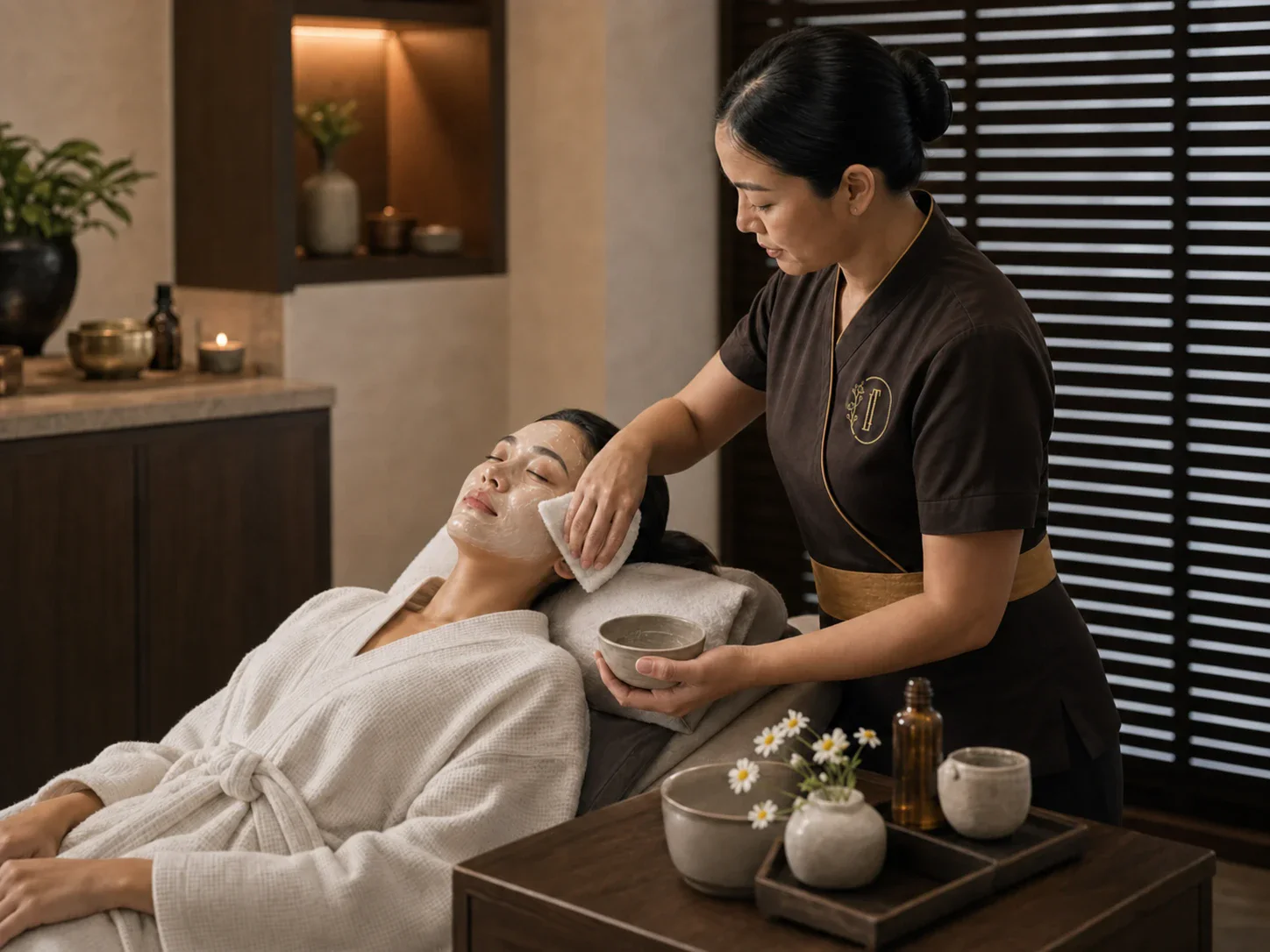
Do Not Stack Every Trending Active
Online routines often compress multiple acids, retinoids, vitamin C products, scrubs and masks into one short video.
More layers can increase irritation and make it harder to identify what caused a reaction. Tell the therapist what you actually use, including prescription products and recent procedures.
Before a professional facial, follow the provider’s preparation advice rather than copying a creator’s routine.
Document the Result Without Rebuilding the Face
If you want a personal record, photograph the skin in soft, repeatable light before adding makeup or a beauty filter.
Note how the skin feels as well as how it photographs. Comfort, tightness, redness and product tolerance may be more useful for the next consultation than a single polished image.
Keep private images private by default and review cloud backup, app permissions and sharing settings before uploading close facial photographs.
When the Feed Stops Being Useful
Mute or unfollow accounts that repeatedly create pressure without adding useful information. Replace continuous comparison with a limited question you can research or discuss.
If appearance content is causing persistent distress, compulsive checking or disruption to daily life, step away from the feed and consider speaking with an appropriately qualified professional.
A facial can be a pleasant cosmetic ritual. It should not be presented as a solution to body-image distress.
Claims Removed from the Previous Version
The former article said digital beauty had created a universally inclusive culture, democratised the industry and could unleash personal radiance through self-care.
Those broad conclusions overlooked platform incentives, commercial relationships, image alteration, body-image evidence and unequal visibility.
This reconstruction replaces abstract empowerment language with disclosure, image controls, realistic facial scope and a practical consultation method.
Keep the Inspiration, Remove the False Precision
Online beauty can offer colour, creativity, representation and useful questions. It becomes less reliable when alteration and advertising disappear behind an effortless result.
Bring inspiration to the consultation, then return to the skin, products, timing and comfort of the person actually receiving care.
The most credible glow is not the image with the fewest visible details. It is the result described with the clearest conditions and the most honest limits.
“A reference image can begin a conversation, but it should never become a promise about another person’s skin.”
Loft Thai Editorial Team
Continue your research
REFERENCES
Sources & further reading
- PubMed: Photo Editing and Body Concerns Among Females, Systematic Review
- PubMed: Social Networking Sites, Body Image and Disordered Eating, Systematic Review
- PubMed: Social Media Influence on Body Image and Cosmetic Surgery Considerations
- US FTC: Disclosures 101 for Social Media Influencers
- Thai FDA: Cosmetic Advertising Must Be Truthful and Lawful
- Thai FDA: What Are Cosmetics?
- Loft Thai: Facial Treatments
PRACTICAL GUIDANCE
Frequently Asked Questions
Can a beauty filter accurately show how a facial will look?
No. Filters may alter texture, tone, light and facial proportions. A professional facial outcome depends on the guest’s current skin, products, treatment and timing.
Can I show an Instagram or TikTok image during my consultation?
Yes, as a reference. Explain what you like about it and note any visible filter, makeup, professional lighting or retouching.
How can I judge a facial before-and-after image?
Look for comparable light, angle, lens, expression, crop and makeup, plus a stated time interval, treatment process and disclosure of retouching.
Should I stop active skincare before a facial?
Follow advice for the exact treatment and disclose prescription products, acids, retinoids, recent procedures and reactions. Do not stop prescribed care without the relevant clinician’s advice.
What is a realistic goal for a spa facial?
Goals may include cleaner-feeling skin, comfortable hydration, a smoother-looking surface, a calmer appearance or event preparation within cosmetic spa scope.
CONTINUE READING
Related stories

One of the Best Facials in Bangkok
When it comes to skincare and relaxation, Loft Thai Spa stands out as one of the premier destinations in Bangkok and Thailand. Known for its luxurious atmosphere, expert therapists, and a comprehensive array of treatments, Loft Thai Spa not only excels in Thai…
Read the guide
Facial Treatments in Clinics vs Spas
Facial treatments have evolved significantly over the past few decades, becoming an integral aspect of modern skincare and self-care routines. Many people rely on facials to address various concerns, including acne, wrinkles, pigmentation, and sagging skin.…
Read the guide
2025 Facial Futures: Thailand’s Rise as the Global Epicentre of Modern Skincare
2025 is proving to be a watershed year for professional skincare. The conversation has moved beyond traditional anti‑ageing rhetoric towards a richer and more holistic philosophy that celebrates the skin as a living, adaptive ecosystem. Minimalist daily…
Read the guide
Facial for Men in Bangkok: Why More Men Are Booking Luxury Facials in 2026
Bangkok has always been a city where people take care of themselves. But in 2026, something has clearly shifted: men are no longer treating skincare as “optional” or “only for special occasions.” More men are booking facials regularly—before work trips, after…
Read the guide