
Facial treatments have evolved significantly over the past few decades, becoming an integral aspect of modern skincare and self-care routines. Many people rely on facials to address various concerns, including acne, wrinkles, pigmentation, and sagging skin. Others simply appreciate the experience of relaxation and rejuvenation that a good facial provides. Two main settings dominate the world of facials: medical clinics (often dermatology or aesthetic clinics) and day spas or wellness spas. Both settings come with their own unique benefits, styles, and levels of treatment intensity. However, deciding where to go for a facial can be challenging, particularly when you factor in cost, invasiveness, and personal preferences.
1. Understanding the Basics of a Facial
A facial is a multi-step skincare regimen designed to cleanse, exfoliate, and rejuvenate the skin. While the exact steps vary, most facials begin with a thorough cleansing to remove dirt, makeup, and oil. Exfoliation often follows, which might involve manual scrubs, enzyme treatments, or mild peels. After extractions (if needed), some form of massage or a mask may be applied. The session typically concludes with targeted serums or creams, followed by sun protection.
Many facial treatments center on common goals: brightening the complexion, boosting hydration, minimizing blemishes, and reducing the visible signs of aging. Nonetheless, clinics and spas approach these goals in distinct ways. Clinics generally prioritize medical efficacy and use more potent products or invasive procedures, while spas aim to improve the skin while offering a holistic and soothing experience. Both approaches are valid, and each one meets different needs.
2. Clinic Facials: The Medical Approach
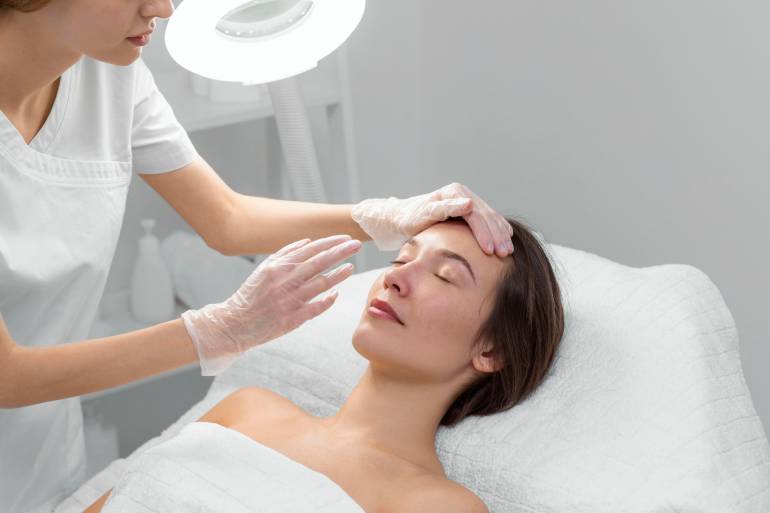
Facials performed in a medical clinic environment often draw upon dermatological science and advanced technology. Procedures in clinics focus on correcting skin problems such as severe acne, significant pigmentation, or deep wrinkles. They can involve invasive or minimally invasive steps carried out or supervised by a trained medical professional, which allows for stronger methods of exfoliation, peeling, or skin resurfacing.
Clinic-based facials commonly include medical-grade chemical peels. These peels use substances like glycolic acid, salicylic acid, or trichloroacetic acid (TCA) in higher concentrations than one might find in a spa. For instance, glycolic peels can address fine lines and uneven texture by promoting cell turnover, whereas salicylic peels are useful for controlling oil and acne flare-ups. TCA peels are typically deeper and address more advanced aging or scarring. Because these treatments penetrate the skin more extensively, there can be a noticeable peel or recovery period afterward.
Laser and light therapies, including Pico laser, intense pulsed light (IPL), or fractional CO2 resurfacing, are also staple treatments in clinics. These devices target deeper layers of skin to reduce scars, wrinkles, and hyperpigmentation. In the case of the Pico laser, ultra-short pulses can break down unwanted pigment while sparing much of the surrounding tissue. Fractional CO2 lasers resurface the skin by creating controlled micro-injuries, stimulating collagen remodeling for a firmer, more youthful appearance. Because these are more intense procedures, they can involve some downtime, redness, or discomfort, but the long-term improvements in skin texture and tone can be quite dramatic.
Microneedling is another clinic-based facial technique that relies on creating micro-injuries in the skin to boost collagen production. Some clinics enhance microneedling results by pairing it with platelet-rich plasma (PRP), which involves drawing a small amount of the patient’s blood, separating out the platelets, and applying or injecting the nutrient-rich plasma back into the skin. Microneedling plus PRP can accelerate healing and stimulate further collagen synthesis. Although this procedure can sometimes cause redness or mild swelling, the results in terms of reduced acne scars and fine lines can be impressive for many clients.
In a clinic setting, aesthetic professionals might also offer injectables such as Botox or fillers as part of an overall facial rejuvenation plan. Botox softens expression lines by temporarily relaxing targeted muscles. Fillers restore volume that has been lost due to aging or weight changes, especially in areas like the cheeks, lips, or nasolabial folds. While injectables are not typically categorized as “facials” on their own, clinics often combine them with other treatments like chemical peels or laser sessions to address multiple concerns simultaneously.
Clinic facials are grounded in dermatological science and can be highly effective for those who want to address persistent skin issues at their root. However, patients should be aware of potential side effects, as well as the higher costs associated with specialized equipment and physician oversight. Additionally, the emphasis on medical efficacy may result in an environment that feels more clinical than relaxing. Nevertheless, for severe conditions or for those who desire robust, longer-lasting changes, the clinic approach is often the most suitable choice.
3. Spa Facials: A Holistic and Relaxing Experience
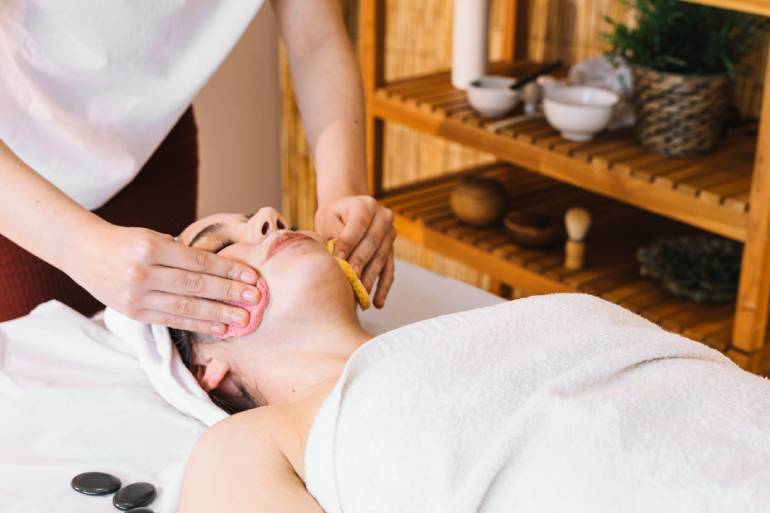
Spa facials, in contrast, focus on a holistic and pampering approach to skincare. Many people view a spa facial not just as a way to address skin concerns, but also as a break from daily stress and a chance to reconnect with their sense of well-being. While these facials often use high-quality products and mild to moderate treatments, the overall vibe in a spa is designed to calm the mind and body.
A classic example of a spa facial is the “European Facial,” which typically involves a gentle cleanse, mild exfoliation, light steam to open pores, extractions if necessary, a relaxing facial massage, the application of a customized mask, and finally moisturizing and sun protection. Therapists may add enhancements such as an arm, neck, and shoulder massage for deeper relaxation. Aromatherapy is also common in spa settings, where soothing scents like lavender or chamomile enhance the comforting atmosphere.
Facial massage plays a central role in many spa facials. Techniques like effleurage, petrissage, and acupressure stimulate circulation, encourage lymphatic drainage, and reduce muscle tension in the face. In some spas, treatments may incorporate gua sha or jade rolling. These methods can reduce puffiness, temporarily tighten the skin, and foster a subtle “lift” effect. Though the results may not be as dramatic or immediate as an invasive procedure, regular facial massage can help maintain good muscle tone and give the skin a healthy, radiant glow.
One popular form of spa treatment is The Therapeutic Benefits of Thai Spa Facials Treatment, which incorporates traditional Thai techniques and natural herbal ingredients. This type of facial focuses on both skincare and relaxation, using rhythmic massage movements to stimulate circulation, lymphatic drainage, and deep muscle relaxation. Ingredients like turmeric, tamarind, and honey are commonly used for their brightening, anti-inflammatory, and hydrating properties. The gentle yet effective techniques used in Thai spa facials make them a great choice for those seeking a balance between skincare benefits and a deeply soothing experience.
4. Comparing Clinic vs. Spa Facials
Although both clinics and spas aim to enhance your skin’s appearance, the approaches and outcomes can be quite different. Clinics tend to emphasize targeted problem-solving, with advanced therapies like lasers, higher-strength peels, and medical-grade products. These options are particularly useful for persistent issues such as deep hyperpigmentation or extensive wrinkles. They also handle invasive or minimally invasive procedures that require a sterile environment and skilled medical staff.
On the other hand, spas highlight the nurturing aspect of skincare. While they do perform some corrective tasks, most spa treatments revolve around gentle exfoliation, moderate masks, and the relaxation provided by massage or aromatherapy. The environment typically includes soft lighting, soothing music, and the use of warm, comforting linens to elevate the client’s sense of calm. From a cost perspective, clinic treatments often run higher due to specialized equipment and professional fees, whereas spas have a broader price range, catering to more budget-friendly options alongside luxury packages.
In terms of results, a clinic facial can bring rapid and significant improvement, especially if paired with injectables or advanced devices. However, downtime, side effects, and the need for post-treatment care can be greater. Spa facials usually have little to no recovery period; clients can return to their day-to-day activities immediately. Nonetheless, the outcome tends to be more superficial or short-lived, requiring frequent sessions for ongoing benefits.
5. The Science Behind Both Approaches
Both clinics and spas ground their treatments in aspects of science and physiology, yet they differ in intensity and depth. Clinics rely heavily on dermatological research, using potent chemicals or devices that create controlled injuries in the skin to prompt collagen production and cell turnover. A classic example is laser resurfacing, where fractional beams reach the deeper layers of the skin to stimulate new collagen fibers. Although such methods can yield impressive transformations, they must be performed carefully to prevent complications such as scarring or pigmentation issues.
Spas, while less invasive, apply science through gentler means. Mild acids like lactic or fruit enzymes can exfoliate the top layer of dead skin, improving its texture and allowing products to penetrate more easily. Techniques like facial massage or gua sha increase microcirculation and lymphatic drainage, which can reduce puffiness and dullness. These approaches support the skin’s natural regenerative processes and can be repeated often for a steady maintenance effect.
Psychological well-being also plays a role in how these treatments work. High stress can raise cortisol levels, leading to inflammation and slower healing. Thus, the relaxing environment of a spa—complete with soothing scents, ambient music, and comforting human touch—addresses both the physical and emotional components of skincare. In this sense, spa facials exploit the interplay between mind and body to enhance the results, even if the specific topical interventions are milder than what you might find in a clinic.
6. Popular Services in Clinics and Spas
Numerous services exist in both settings, though their intensity and focus vary. In clinics, it is common to see medical-grade chemical peels, laser resurfacing, microneedling, and injectables. Medical professionals may recommend a customized plan combining these treatments. For example, a patient with moderate wrinkles and hyperpigmentation might receive a fractional laser to address skin texture, followed by a series of chemical peels for pigmentation, and eventually Botox to refine expression lines. The combination can yield a dramatic transformation over several months.
Spas, meanwhile, offer a wide range of facial experiences. Many people start with the classic European facial, which involves steam, mild exfoliation, massage, and a comforting mask. A hydrating facial, packed with hyaluronic acid and skin barrier-enhancing ingredients, suits those struggling with dryness or sensitivity. Some spas specialize in advanced but still non-invasive methods like HydraFacial for Women at Loft Thai Spa, which uses a device to cleanse, exfoliate, and infuse serums, all in one session with minimal discomfort.
The HydraFacial device is a popular choice in both high-end spas and certain clinics. It relies on suction to remove impurities and dead cells from the skin while delivering hydrating and brightening solutions. In a clinic setting, HydraFacial MD might involve stronger peels or more potent boosters under medical supervision. In a spa, the process focuses on comfort and relaxation, though it can still create a noticeable radiance and smoother texture.
Some spas also include specialty facials inspired by cultural traditions. Ayurvedic facials incorporate herbal pastes and oils, guided by the principles of balancing the doshas. Japanese kobido facial massage uses swift and rhythmic movements to tone facial muscles. These traditional methods emphasize energy flow and stress reduction, alongside enhancing the outer appearance.
7. Safety Considerations
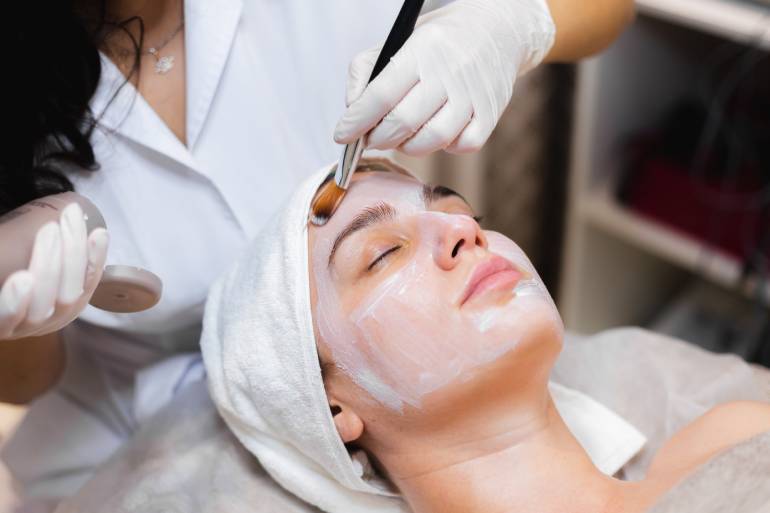
When seeking a facial at either a clinic or a spa, it is critical to pay attention to safety protocols and professional credentials. Clinics typically adhere to strict hygiene standards akin to any medical facility, especially when performing more invasive procedures like lasers or injections. If a complication arises, medical staff can respond immediately. Some procedures, however, do carry risks like blistering, infection, or scarring, so a reputable clinic will provide comprehensive pre- and post-care instructions.
Spas usually employ licensed aestheticians who understand proper sanitation and safe product use, though they do not operate under the same regulatory framework as medical clinics in many regions. Nonetheless, a good spa performs thorough consultations to determine if a client has underlying medical issues or sensitivities. They perform patch tests before using new products and avoid going beyond their scope of practice. Typically, the possibility of severe complications is lower with spa facials, as the procedures are less aggressive. However, incorrect extractions or improperly handled steam equipment can still cause issues if not managed carefully.
Verifying credentials is a wise step regardless of your chosen setting. You can ask about the practitioner’s license, years of experience, and specialized training. Reading online reviews or asking for recommendations from friends also helps ensure you select a reputable clinic or spa. At the end of the day, the quality of the practitioner often matters more than whether the facility is labeled a “clinic” or a “spa.”
8. Emotional and Lifestyle Factors
An overlooked but influential element in facial treatments is the emotional and psychological aspect. Many individuals turn to spa facials for a sense of pampering and escape from daily stress. The physical environment plays a large role in how the session feels. Spas are often designed to reduce anxiety, featuring low lighting, gentle music, and aromatherapy, all of which encourage relaxation. By contrast, clinics tend to be more sterile or office-like, which can feel less comforting, though some modern aesthetic clinics are adopting spa-like decor to bridge this gap.
From a lifestyle standpoint, people with extremely busy schedules might find it difficult to accommodate the downtime sometimes required by intensive clinic treatments. Deep chemical peels or laser therapies can leave skin red or peeling for days or even weeks. In such cases, regular but milder spa facials might be more realistic, as they require minimal or no downtime. Others who feel frustrated by chronic acne or noticeable signs of aging may prefer a one-time, more aggressive clinic procedure that yields quicker visible improvements, rather than many months of subtle spa-based treatments.
Financial factors also intertwine with lifestyle. The state-of-the-art lasers and qualified medical staff in clinics typically come with a higher price tag. Spa facials, while potentially cheaper, can still be costly if done frequently over an extended period. Some individuals find value in a hybrid approach, scheduling spa facials monthly for maintenance and relaxation, while reserving clinic procedures for targeted concerns once or twice a year. This approach combines the best of both worlds, achieving ongoing care and moments of indulgence while addressing deeper skin issues as needed.
9. Specific Examples: HydraFacial, Laser, Botox, and Fillers
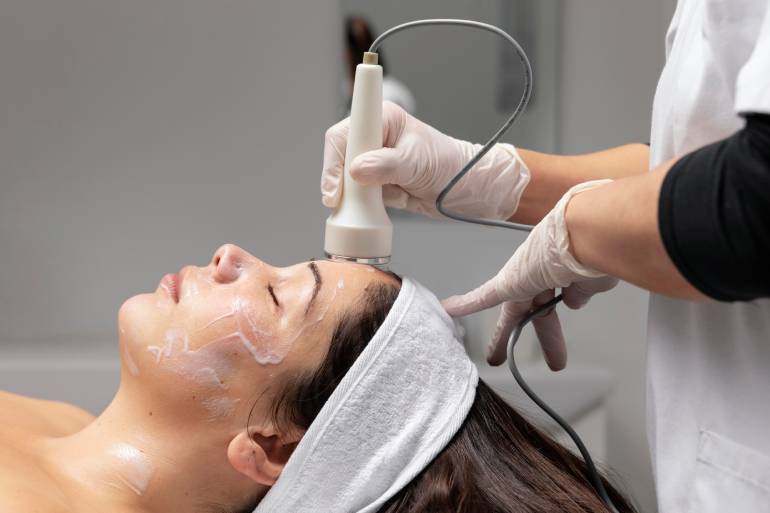
One of the most widely recognized treatments that can be carried out in both clinics and spas is the HydraFacial. This device-based procedure typically follows a three-step process: cleansing and exfoliation, mild chemical peel application, and vacuum-assisted extraction of impurities, concluded by serum infusion. The experience is generally comfortable and requires no healing time. Clinics might intensify the exfoliation step with stronger peels or integrate additional boosters. Meanwhile, spas focus on making it a relaxing experience, sometimes including a facial massage or steam in the session.
Laser therapies, such as Pico laser, fractional CO2, or IPL, are almost always performed in clinic environments. These procedures address deeper pigmentation, textural issues, or vascular lesions by sending concentrated beams of light into the skin. The clinic setting ensures proper calibration of devices and immediate assistance if an adverse reaction occurs. Patients should anticipate redness and potential flaking for a short period. Although these treatments can be transformative, they do not come with the tranquil ambiance typically found in a spa.
Botox and dermal fillers are also clinic-exclusive in most jurisdictions, as they require medical injections performed by licensed professionals. Botox inhibits muscle movement to soften wrinkles, particularly in the forehead and around the eyes. Fillers, often based on hyaluronic acid or collagen-stimulating compounds, add volume to areas like the cheeks or lips and can even refine the jawline. These procedures are quick and effective, with results that can last from a few months to a year or more. They can be combined with certain facial procedures, especially if the client wants a short downtime and maximal results. However, the environment in which these are administered is typically more clinical, focusing on precision and safety rather than relaxation.
10. The Hybrid Model: Combining Clinic and Spa Treatments
An increasing number of individuals adopt a dual strategy to skincare. They might undergo a clinic-based procedure—such as a fractional laser session or Botox injections—to address pronounced concerns, followed by routine spa facials to maintain the health and appearance of their skin. This approach offers both the high-impact benefits of medical interventions and the frequent nurturing that spa treatments provide. Many spas now partner with medical professionals or incorporate “MedSpa” services, allowing for a continuum of care under one roof. Such facilities can offer the tranquility of a spa atmosphere, while still providing access to injectables, mild laser therapy, and advanced peels for those who need it.
The synergy in this hybrid model can yield optimal skin health. A deep clinic treatment might eliminate a stubborn pigmentation patch or significantly reduce wrinkles, while subsequent spa facials encourage the newly revealed skin to stay hydrated and calm. Regular facial massage can help with circulation and muscle tone, prolonging the positive effects of cosmetic interventions. Additionally, ongoing communication between spa aestheticians and the medical team leads to well-rounded advice on daily routines and post-procedure care.
11. Potential Downsides and Setting Realistic Expectations
Every aesthetic intervention, whether performed in a clinic or spa, has limitations. Invasive procedures can produce side effects such as redness, swelling, or, in rare cases, more severe complications like infection or hyperpigmentation. Non-invasive spa treatments, while very safe and relaxing, may not solve deep-set skin issues like severe acne scars or significant sun damage.
Clients should also maintain realistic expectations about how much a single facial can achieve. Aging is an ongoing process, and even the most advanced treatments cannot completely halt the progression of time. Many changes in skin quality also hinge on lifestyle factors. For example, if someone routinely neglects sun protection or smokes heavily, the improvements from a facial or laser treatment will likely be short-lived.
It is vital to approach these treatments with long-term skin health in mind rather than seeking an instant cure. Consistency often matters more than one dramatic intervention. Diligent sun protection, a balanced diet, and stress management can bolster professional treatments. When combined with regular facials (either in a spa or a clinic), these daily habits can create enduring improvements in complexion and overall skin vitality.
12. Cost and Value
Clinic treatments, particularly those involving lasers, strong peels, or injectables, usually command higher fees because of the equipment and expertise required. For example, a fractional laser treatment can cost hundreds or thousands of dollars per session, depending on the size of the treatment area and the severity of the skin concerns. Botox is often priced by the unit, and fillers by the syringe, which can also become expensive, especially if multiple areas need attention.
Spa facials vary widely in price, with basic treatments often starting at a more accessible rate. Luxury spas may charge premium prices for advanced facials that include extra pampering or proprietary product lines. The best approach to managing costs is to outline your skincare goals, establish a budget, and then decide which treatments will yield the greatest return on investment. Sometimes, a single laser session in a clinic may offer more noticeable results than multiple spa facials. Conversely, someone without severe skin issues might find spa treatments entirely sufficient and more enjoyable overall.
13. Cultural Perspectives and Global Trends
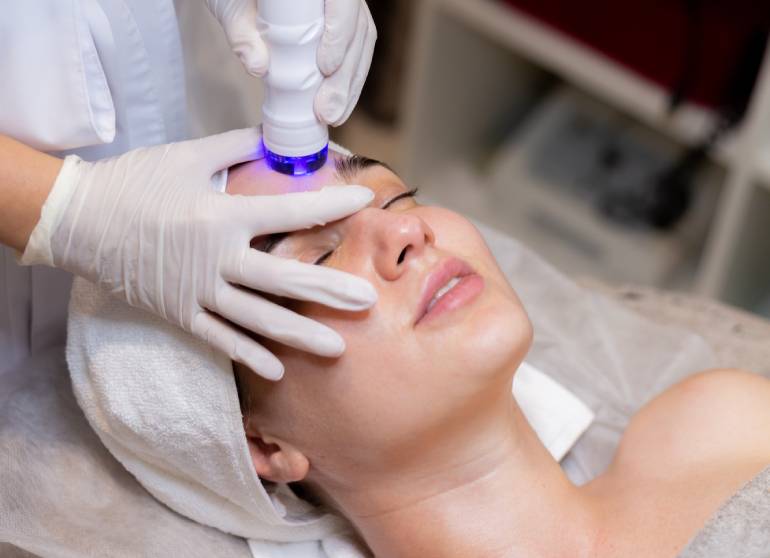
Culture heavily influences attitudes toward clinic and spa facials. In certain Asian countries like South Korea, the pursuit of flawless skin has spurred widespread acceptance of medical aesthetic procedures, including injectables, laser resurfacing, and plastic surgery. In Western regions, Botox and fillers are also commonplace, though many individuals are turning toward more natural and holistic methods. The popularity of spa facials has surged, partly due to an increased focus on wellness, mindfulness, and self-care.
Global travel has given rise to medical tourism, where people seek cost-effective yet high-quality procedures in countries known for advanced medical standards at lower prices. Meanwhile, destination spas attract those wanting an immersive retreat experience, combining facials with yoga, meditation, and nutritional counseling. Both trends reflect a global interest in integrating wellness with aesthetic objectives, bridging the gap between strict medical interventions and gentler approaches.
14. Making Your Decision
When deciding whether to opt for a clinic facial or a spa facial, consider the nature of your skin concerns, your budget, your tolerance for downtime, and your personal preference for ambiance. If you have specific and persistent issues such as deep acne scars, pronounced wrinkles, or stubborn pigmentation, you may benefit from a clinic-based approach that involves potent treatments. Alternatively, if you seek a leisurely, stress-reducing experience that delivers milder but ongoing benefits, a spa facial might be more appealing.
Some people blend both worlds by scheduling regular spa visits for upkeep and relaxation, then turning to clinics for targeted interventions once or twice a year. This combination allows them to enjoy the calm of spa culture while still having access to advanced methods for tougher skin problems. Ultimately, the best solution is the one that aligns with your skincare goals, lifestyle, and comfort level.
15. Conclusion
Facials in clinics and spas serve similar overarching aims—to restore or maintain a healthy, glowing complexion—but the methods, environments, and degrees of intervention can be remarkably different. Clinics emphasize medical-grade solutions, using strong chemical peels, lasers, injectables, and advanced protocols under professional supervision. These treatments address concerns at a deeper level, offering dramatic and sometimes long-lasting improvements. However, they can involve recovery periods and higher costs.
Spas, in contrast, represent a holistic and nurturing approach. The ambiance is a central part of the experience, featuring soothing music, gentle scents, and massage techniques that lower stress and promote relaxation. Spa facials typically use milder peels, nourishing masks, and comforting manual methods like gua sha or jade rolling. Although they may not deliver the same level of transformation that a laser or intense peel can, spa facials require virtually no downtime and can be repeated regularly for cumulative benefits. They also offer a respite from the pressures of daily life, indirectly improving skin health by reducing stress-related issues.
Choosing between a clinic facial and a spa facial ultimately depends on factors such as the severity of your skin concerns, your aesthetic goals, your budget, and whether you value a quick fix or a gentle, consistent routine. There is no one-size-fits-all answer. Many find a balanced strategy—where they visit a spa for frequent relaxation and mild improvements while seeking clinic treatments for major corrections—strikes an excellent middle ground. By understanding the different services, benefits, and safety considerations of each option, you can make more informed decisions that lead to happier, healthier skin.
Regardless of the path you choose, remember that professional treatments are only part of the equation. Consistent sun protection, proper hydration, a balanced diet, and a healthy sleep schedule contribute significantly to skin quality. Good daily habits form the foundation on which clinic or spa services can build. When you combine these foundational measures with the targeted offerings of reputable skincare professionals—be they in a clinic or a spa—you give yourself the best chance of achieving and maintaining a radiant, youthful complexion for years to come.
UPDATED LOFT THAI GUIDE
Additional guidance and current information
The following editorial update expands on the original Loft Thai article with practical context, current treatment guidance and further reading.
Clinic and Spa Answer Different Questions
A medical consultation asks whether a symptom or aesthetic concern needs diagnosis, treatment, prescription or a procedure. A spa consultation asks whether a cosmetic ritual is suitable today and how to adapt pressure, products and sequence.
Those questions can complement each other, but they are not interchangeable. A facial therapist should refer rather than diagnose; a clinic appointment is not designed to reproduce a long relaxation ritual.
Thailand Separates Health Establishments From Medical Facilities
Thailand’s government guidance lists facial cleansing, exfoliation, massage, masks, toning and facial treatment among services that may be offered in spa businesses. It also states that spa service standards must not violate the law governing medicine, healing arts or medical facilities.
The legal detail matters because a polished wellness brand does not automatically authorise a medical procedure. Guests should verify the licence and the named professional responsible for anything invasive or medical.
What a Professional Spa Facial Is Designed to Do
A spa facial can remove surface residue, exfoliate at an appropriate cosmetic intensity, apply tolerated skincare, use manual techniques and create a restorative experience. It can support temporary hydration, smooth feel and a refreshed appearance.
It should not claim to cure acne, rosacea, eczema, pigmentation disorders or infection. Product-based care also has limits: cosmetics cannot reproduce the action of prescription medicine, an injection, laser or surgery.
What Belongs in a Medical Clinic
A medical clinic is the appropriate route when a qualified clinician must diagnose a skin condition, review medication, prescribe treatment or decide whether a procedure is indicated.
Botulinum toxin injections, dermal fillers, many lasers, medical microneedling and medium or deep chemical peels require medical judgement, specific training and complication management. The exact permitted scope depends on Thai law, the facility licence and the professional performing the procedure.
Choose Medical Assessment for Symptoms, Not a Stronger Facial
Persistent or spreading redness, painful cysts, blistering, infection signs, a changing lesion, unexplained bleeding or a severe reaction should not be covered with a facial package.
A dermatologist is a medical doctor trained to diagnose and treat conditions of skin, hair and nails. When the problem is unclear, diagnosis comes before exfoliation.
Choose a Spa for a Cosmetic, Non-Medical Ritual
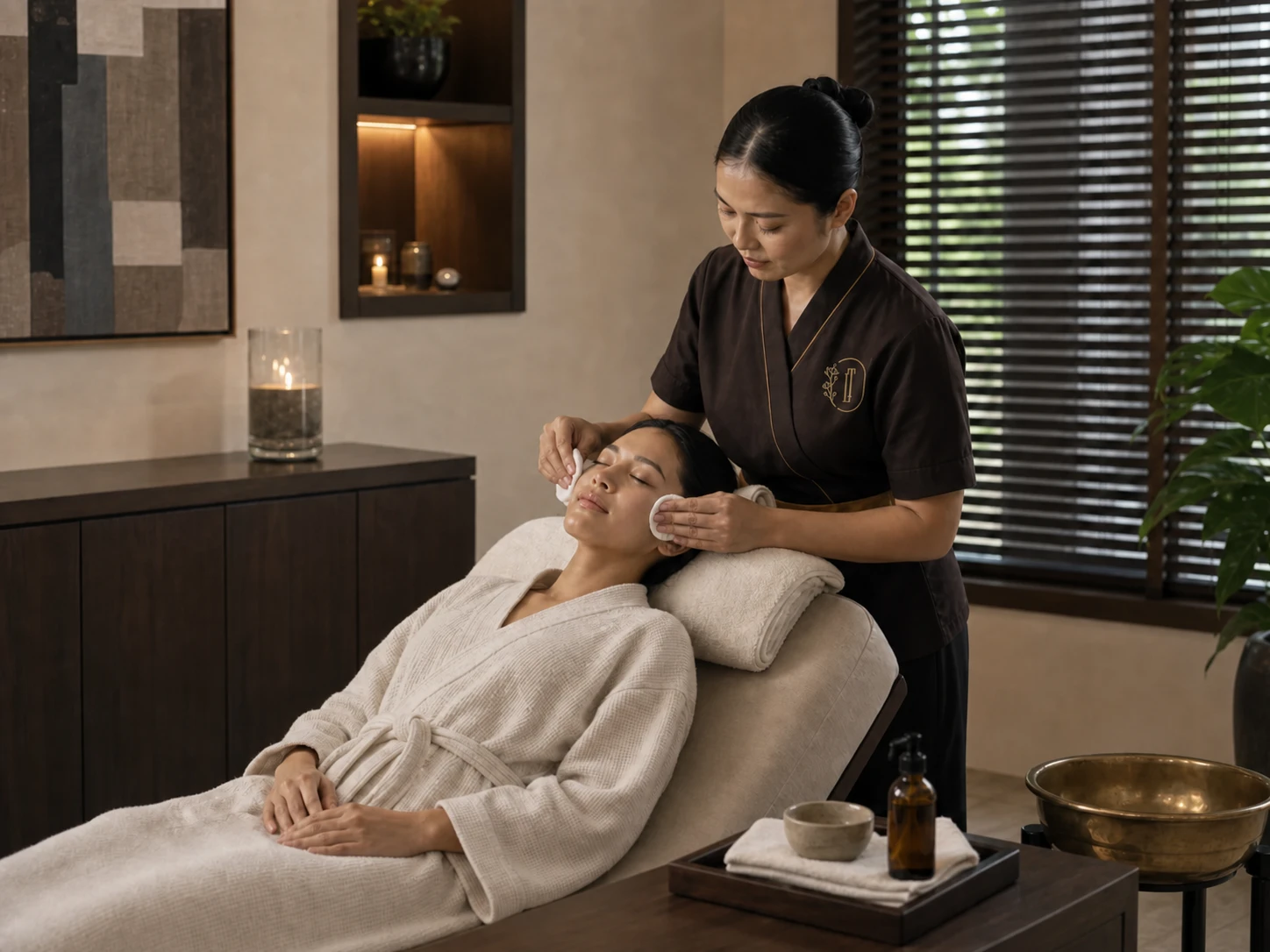
A spa is a logical choice when the goal is a professional cleanse, massage, mask, hydration-focused finish or time to decompress in a private setting.
The guest should still receive an intake. Recent sunburn, prescription acne treatment, pregnancy, allergy, active irritation and recent procedures can change which products or techniques are suitable.
The Word Peel Does Not Describe the Full Risk
Exfoliating formulas range from very mild cosmetic products to medical-depth chemical peels. A percentage printed on a menu is not enough to judge strength because acid type, pH, contact time, preparation and skin characteristics all matter.
The AAD relays FDA advice that chemical peels should be used under the supervision of a licensed, trained provider. Medium and deep peels involve healing, pigment and scarring considerations that do not belong in a routine spa comparison.
A Device or Brand Name Does Not Define the Setting
Terms such as HydraFacial, LED, radiofrequency, laser and microneedling describe very different technologies and intensities. Some formats are cosmetic; others may enter medical scope.
Ask what the device does, who operates it, what training they hold, what complications are possible and who is responsible if something goes wrong. Do not rely on the words advanced or medical-grade.
Five Credential Questions Worth Asking
Ask for the exact treatment name, the name and role of the person performing it, the establishment or clinic licence, the product or device used, and the aftercare or complication contact.
For injections or medical procedures, verify the clinician and medical facility rather than accepting a white coat or social-media following as proof. For spa care, confirm therapist training, hygiene, product transparency and the right to stop.
A Useful Consultation Has Boundaries
A good consultation explains what the service can and cannot do. It records relevant history, identifies reasons to modify or postpone, and gives the guest time to ask questions.
Be cautious with instant diagnosis from a camera, a guarantee of pore removal, promises to erase pigmentation or pressure to upgrade before anyone has discussed risk.
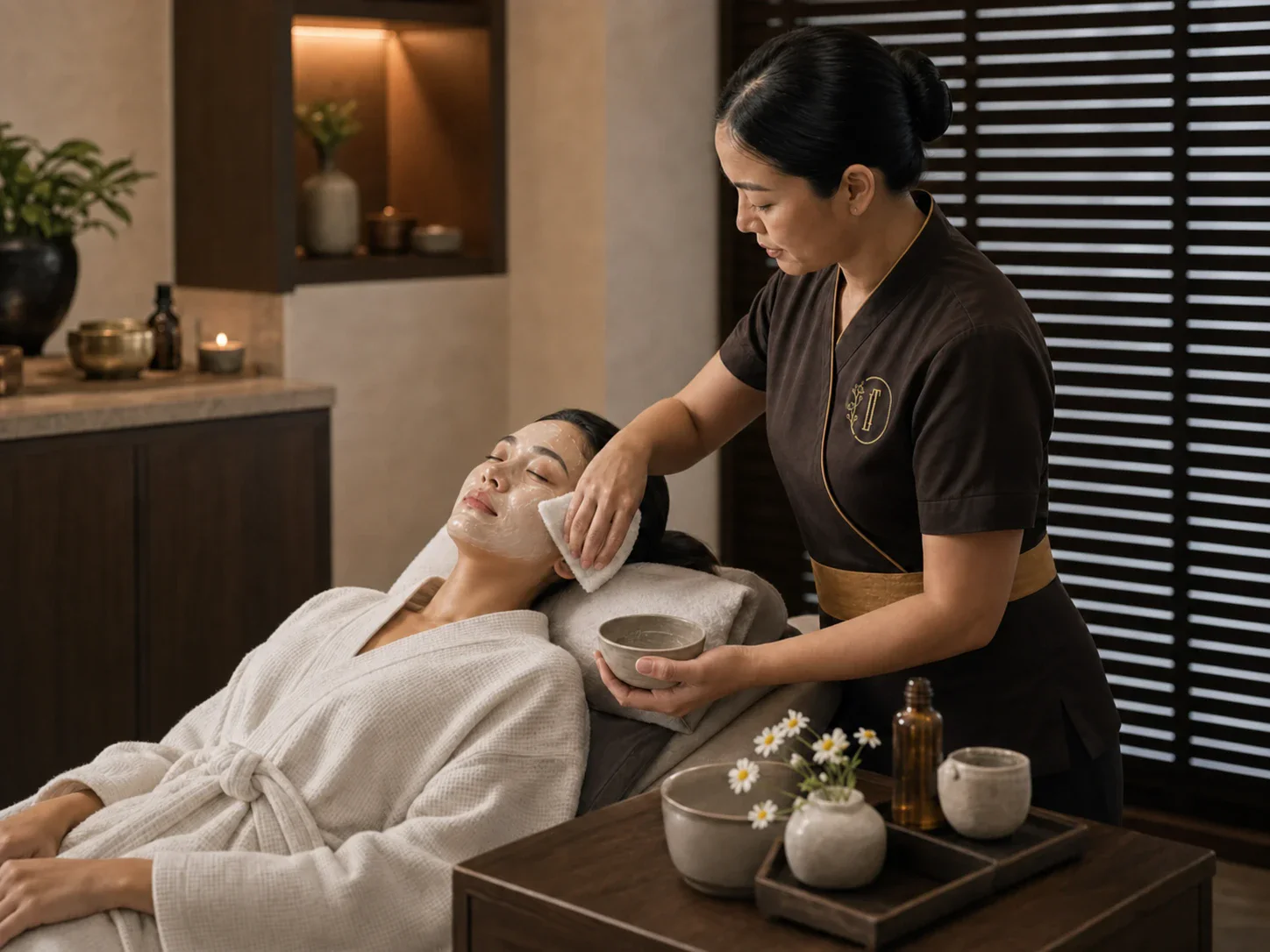
Clinic and Spa Care Can Be Coordinated
Some guests use medical care for diagnosis or procedures and spa care for later cosmetic maintenance or relaxation. Coordination is safer than guessing.
Tell the spa about recent injections, peels, laser, surgery and prescription products. Ask the treating clinician when massage, heat, exfoliation or device work can resume. There is no universal waiting period that fits every procedure, product and patient.
Compare Like With Like Before Comparing Price
A 90-minute spa ritual includes therapist time, products, massage, room use and hospitality. A clinic fee may cover medical assessment, a procedure, a device consumable or follow-up. The same price does not buy the same service.
Confirm the total, whether consultation or follow-up is included, what happens if treatment is unsuitable and whether additional products are optional.
Marketing Claims Should Remain Truthful
The Thai FDA states that cosmetic advertising must be fair, truthful and not misleading, including avoiding claims that imply therapeutic or disease-curing properties.
This is a useful consumer test. Words such as detox, regenerate, repair and clinical should be translated into a specific, plausible action before booking.
What the Loft Thai Facial Collection Offers
Loft Thai’s current collection presents cosmetic spa facials: Classic, Intensive Aesop, Golden, Anti Aging by Biotherm and HydraFacial formats. The menu is organised by skin goal and duration.
Loft Thai does not present botulinum toxin, fillers, surgery or medical diagnosis as spa services. Guests seeking those options should consult an appropriately licensed medical facility.
A Simple Decision Rule
Choose a clinic when the decision requires diagnosis, prescription, injection, medical-depth resurfacing or management of a skin disease. Choose a spa when the goal is a non-medical cosmetic ritual, manual care and relaxation.
If you are unsure which side your concern falls on, seek medical assessment first. A responsible spa will not be offended by a cautious referral.

“Choose the setting by what the treatment does and who is responsible, not by how luxurious the room looks.”
Loft Thai Editorial Team
Continue your research
REFERENCES
Sources & further reading
- Thailand.go.th: Services permitted in a spa business
- Thailand.go.th: Health-establishment location, safety and service standards
- Thailand Medical Hub: Medical Facilities and Health Business Establishments Acts
- American Academy of Dermatology: What is a dermatologist?
- American Academy of Dermatology: Questions before cosmetic treatment
- American Academy of Dermatology: Chemical peels overview
- Thai FDA: Cosmetic advertising must be truthful and lawful
- Loft Thai: Current facial-treatment collection
PRACTICAL GUIDANCE
Frequently Asked Questions
Is a spa facial the same as a clinic facial?
No. A spa facial is a cosmetic wellness service; a clinic can diagnose conditions and perform medical procedures within its licensed scope.
Can a spa treat acne or rosacea?
A spa may provide gentle cosmetic care for a guest with a known condition, but it should not diagnose or claim to cure acne, rosacea or another disease.
Are all chemical peels medical?
Products vary greatly, but stronger peels require licensed, trained supervision and can involve healing, pigment and scarring risks. Ask exactly what is being used.
Can I have a spa facial after Botox, filler or laser?
Ask the clinician who performed the procedure. Timing depends on the treatment, area, product, technique and your recovery.
Does Loft Thai offer injections?
The current facial collection presents cosmetic spa facials and HydraFacial formats, not botulinum toxin, fillers or medical diagnosis.
CONTINUE READING
Related stories

Is Botox or a Facelift Massage the Best Choice in Bangkok A Detailed Guide to Facial Treatment
Aging is an inevitable part of life. For many people, one of the earliest indicators of aging appears on the face: wrinkles deepen, fine lines become more pronounced, and skin begins to lose its elasticity. Despite its inevitability, modern cosmetic science…
Read the guide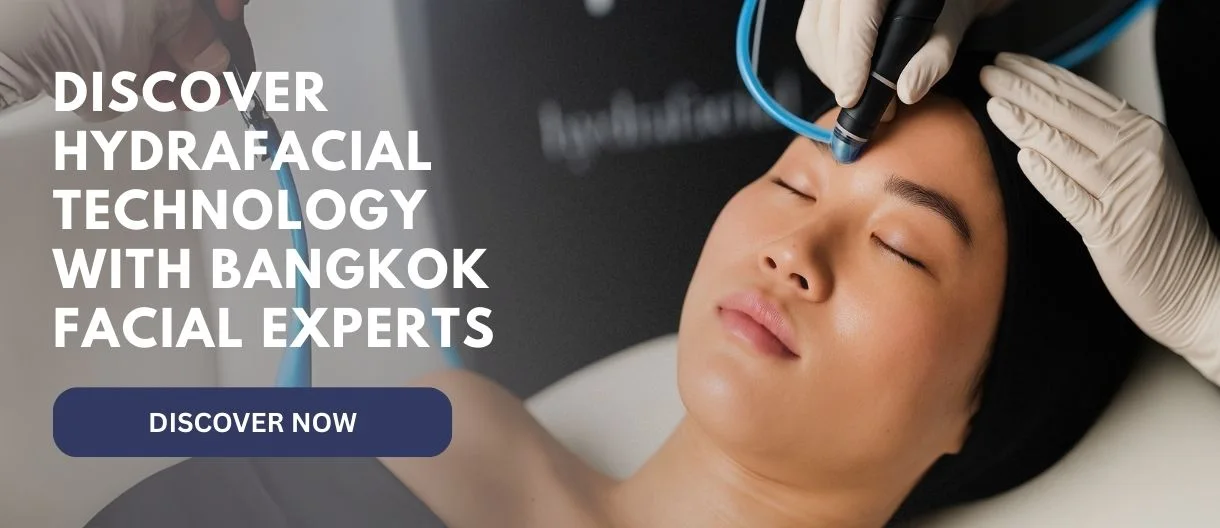
Discover HydraFacial Technology with Bangkok Facial Experts
Not every decade produces a device that completely re-writes the facial playbook, but the first HydraFacial system, unveiled in 2005, did precisely that. Until then, most in-clinic complexion boosters fell into two camps: mechanical resurfacing, such as…
Read the guide
Award-Winning Facials - The Complete Guide to Skincare Excellence in 2025
Bangkok in 2025 is not only the capital of wellness but also the international stage where spa culture blends art, science, and luxury. At the heart of this evolution stands Loft Thai Spa, a name already synonymous with excellence in massage and holistic…
Read the guide
Facial for Men in Bangkok: Why More Men Are Booking Luxury Facials in 2026
Bangkok has always been a city where people take care of themselves. But in 2026, something has clearly shifted: men are no longer treating skincare as “optional” or “only for special occasions.” More men are booking facials regularly—before work trips, after…
Read the guide