

Thailand, renowned for its rich cultural heritage and wellness traditions, has long been a haven for spa enthusiasts seeking rejuvenation and relaxation. Spa Facial Treatments, in particular, stand out for their holistic approach to skincare, utilizing natural ingredients and age-old techniques to promote glowing, radiant skin. In this detailed guide, we'll unravel the secrets behind Spa Facial Treatments and share insider tips for achieving and maintaining a luminous complexion.
Understanding Spa Facial Treatments
Spa Facial Treatments are deeply rooted in the country's heritage, blending ancient practices with modern skincare techniques. These Facial Treatments go beyond mere pampering; they aim to balance the body's energies, promote circulation, detoxify the skin, and restore a natural, healthy glow.
Natural Ingredients and Traditional Techniques
At the heart of Spa Facial Treatments are natural ingredients sourced from Thailand's diverse flora. Herbs, botanical extracts, exotic fruits, and aromatic oils are meticulously selected for their skincare benefits. These ingredients, combined with traditional Thai massage techniques like acupressure and lymphatic drainage, work synergistically to rejuvenate the skin.
Customized Skincare Rituals
Spa Facial Treatments are often personalized to address individual skincare needs. Whether it's combating acne, reducing fine lines and wrinkles, or achieving overall skin radiance, therapists tailor treatments using a combination of masks, scrubs, serums, and massages to achieve optimal results.
Importance of Facial Massage
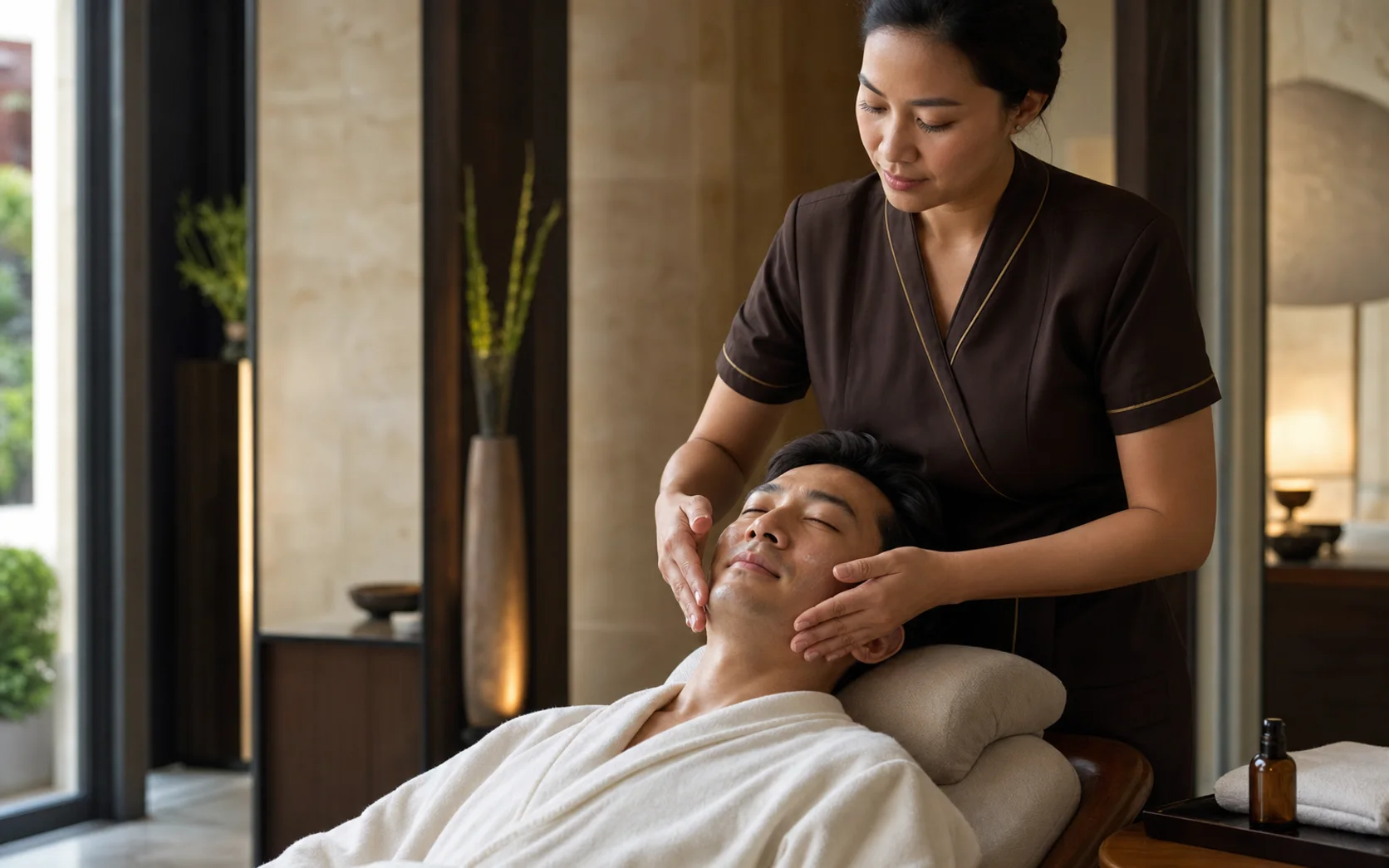
Facial massage is a fundamental aspect of Spa Facial Treatments. The gentle yet firm massage movements not only relax facial muscles but also stimulate blood circulation, promoting lymphatic drainage and enhancing the skin's natural elasticity. This technique aids in detoxification and imparts a youthful, glowing complexion.
Herbal Compress and Steam Therapies
Herbal compresses and steam therapies are integral parts of Spa Facial Treatments. These therapies involve the application of warm herbal compresses and steam to open pores, allowing for better absorption of skincare products and facilitating deep cleansing and hydration of the skin.
Embracing Traditional Wisdom
Spa Facial Treatments incorporate traditional Thai wisdom passed down through generations. The integration of ancient healing techniques, such as using herbal infusions and natural remedies, reflects a holistic approach to skincare that focuses on nurturing the skin from within.
Post-Treatment Skincare Rituals
Maintaining the benefits of a Spa facial requires post-treatment care. Therapists often provide guidance on skincare routines, recommending natural products and simple practices that clients can incorporate into their daily regimen to preserve the skin's newfound radiance.
Spa Facial Treatments offer more than a superficial skincare experience; they embody a holistic approach to beauty that celebrates natural ingredients, ancient techniques, and personalized care. The secrets lie in the fusion of traditional wisdom with modern skincare science, providing a pathway to glowing, rejuvenated skin.
By indulging in Spa Facial Treatments and adopting the insider tips shared, individuals can experience not just a skincare treatment but a revitalizing journey that nurtures the skin, enhances its vitality, and leaves a lasting glow. These age-old secrets from Thailand's wellness traditions promise a radiant complexion, unveiling the beauty that lies within.
UPDATED LOFT THAI GUIDE
Additional guidance and current information
The following editorial update expands on the original Loft Thai article with practical context, current treatment guidance and further reading.
Tip 1: What Is the Facial for, and When?
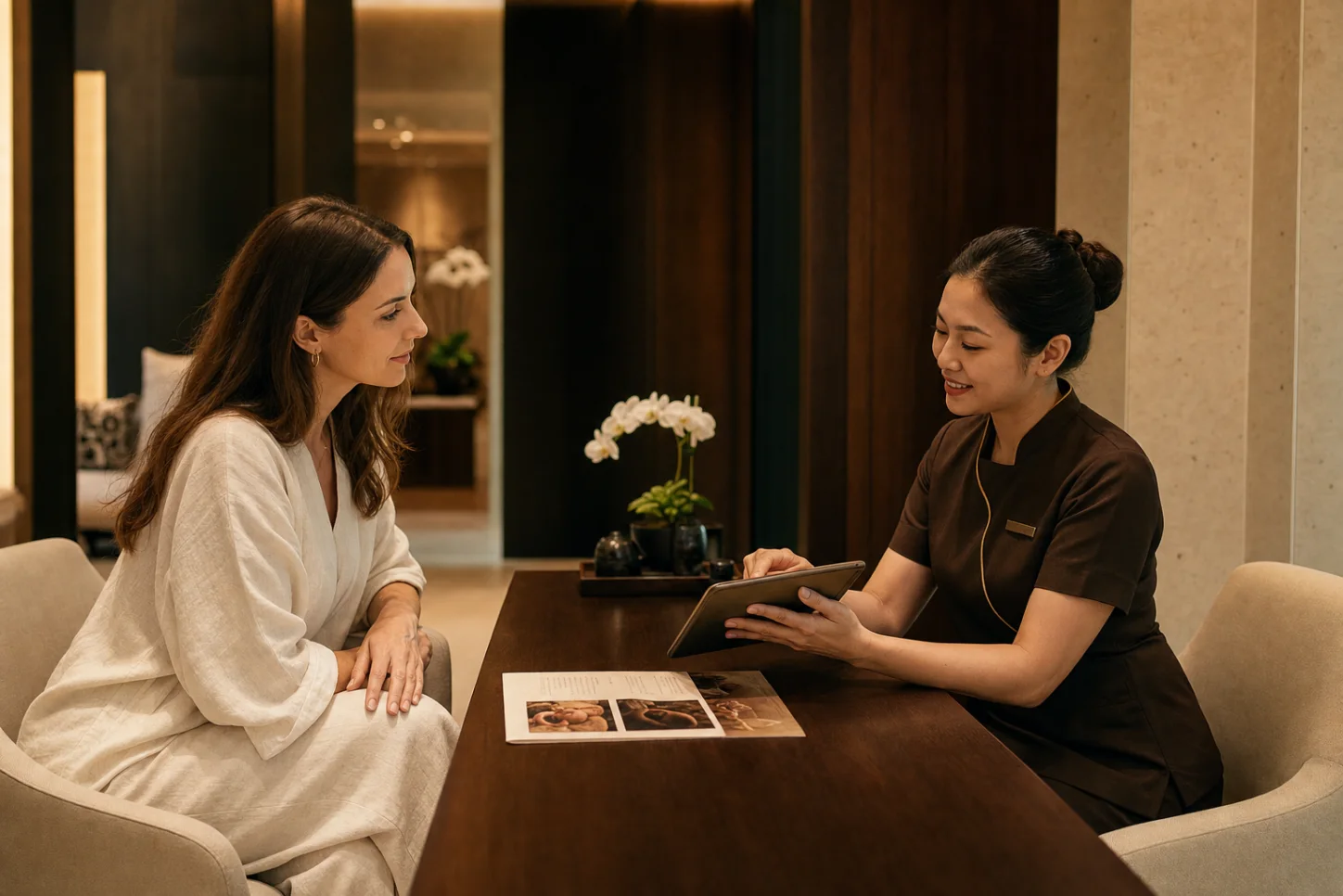
Tell the spa whether the priority is relaxation, congestion, hydration, a polished appearance or preparation for an event.
If photographs or an important occasion are involved, avoid making a first-time strong exfoliation or extraction appointment immediately beforehand.
Ask for a conservative buffer based on the exact protocol and your history rather than relying on a universal number of days.
Tip 2: Which Products Have You Used This Week?
Bring the names or photographs of prescription products, retinoids, acids, scrubs, peels and recent professional treatments.
Do not stop prescribed care without the prescriber's advice, but give the therapist enough information to avoid casually stacking exfoliation.
A simple product list is more useful than describing the skin only as sensitive.
Tip 3: Has Anything Changed Recently?
Bangkok heat, sun, air conditioning, long-haul travel, a new product or an unfamiliar hotel routine can change how skin feels.
Report burning, peeling, swelling or a sudden rash before the appointment begins.
The right answer may be a gentler facial, an omitted stage or referral rather than a more intensive treatment.
Tip 4: Which Professional Product Line Will Be Used?
The current Loft Thai collection names Eau de Spa, Aesop, Biotherm and Guinot across different rituals.
Ask why the recommended line fits the goal and which cleanser, exfoliant, serum, mask and finishing products are planned.
Brand prestige is useful context, but formula suitability remains the deciding factor.
Tip 5: Is This a Manual Facial or a Device-Led One?
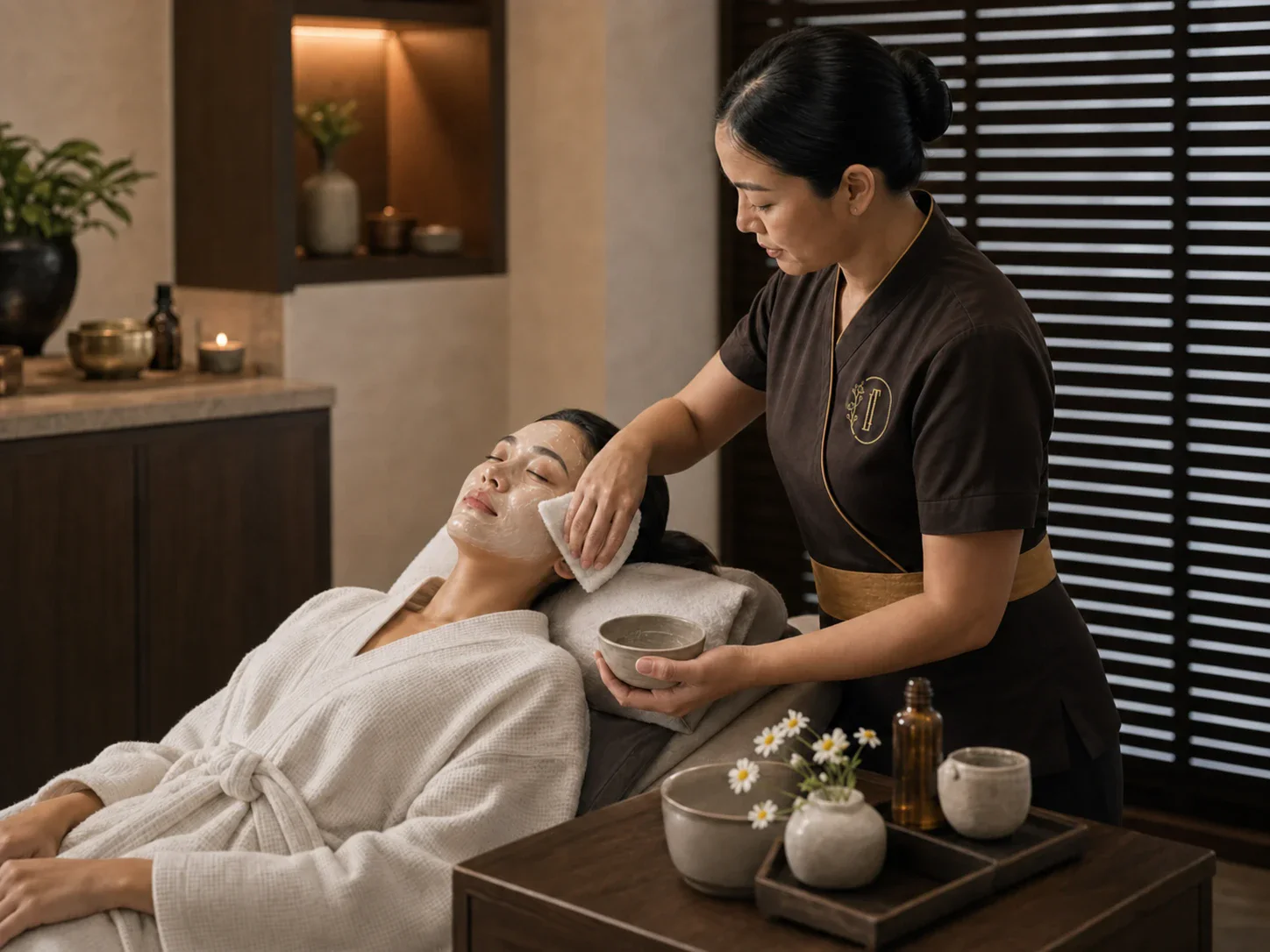
A manual facial can emphasise product application, massage rhythm and mask time.
HydraFacial uses branded device-led cleansing, exfoliation, extraction and hydration stages, while Loft Thai's longer formats combine technology with professional products and manual care.
Choose the architecture that fits the goal rather than assuming the machine is automatically more advanced.
Tip 6: Is Extraction Planned, and Can It Be Modified?
Ask whether extraction is included, how it will be performed and what level of temporary redness may occur.
Pain is not proof that the step is working.
A guest should be able to reduce, pause or decline extraction without losing control of the appointment.
Tip 7: Can Fragrance and Sensory Elements Be Adjusted?
Scent, warm towels, music and temperature shape the spa experience, but they should not override sensitivity or preference.
The FDA notes that cosmetic allergens can include fragrance components and other ingredients.
Request fragrance-conscious handling when relevant and ask what can be omitted.
Tip 8: What Sensations Are Expected?
Before an exfoliant, mask or device stage, ask what normal sensation might feel like and how long it should last.
Burning, escalating pain or marked discomfort deserves immediate attention rather than endurance.
Clear expectations make it easier to distinguish sensory warmth from a reason to stop.
Tip 9: What Will Be Left on the Skin?
At the end, confirm the serum, moisturiser and sunscreen or protective finish applied.
This matters when returning to Bangkok sun, makeup, exercise, a flight or an evening event.
Knowing the finish also prevents adding an unnecessary second stack of active products at home.
Tip 10: How Simple Should Tonight's Routine Be?
Ask for concise aftercare tied to the exact facial.
A gentle cleanse, moisturiser and appropriate sun protection may be more useful than immediately resuming every active product.
Follow product and professional instructions, especially after device-led exfoliation or extraction.
Tip 11: What Reaction Should Trigger a Call?
Ask what temporary sensation or redness may be expected and what is not.
Contact the spa if an unexpected reaction develops so the treatment record can be reviewed.
Severe, persistent or medically concerning symptoms need appropriate healthcare advice rather than another cosmetic treatment.
Tip 12: What Would the Next Appointment Add?
Do not rebook on autopilot. Ask what the therapist learned, what would stay the same and what would change.
Frequency should reflect the treatment, home routine, tolerance, budget and goals.
A credible recommendation can also be to wait, simplify or maintain rather than escalate.
Save This Question Card
Use these prompts at booking and consultation so the final choice is based on more than a treatment name.
They work for a first visit and for returning guests testing a new facial direction.
-
01
Goal
What should this appointment prioritise?
-
02
Timing
What is happening before and after the facial?
-
03
History
Which prescriptions, actives, procedures or reactions matter?
-
04
Formula
Which professional line and key products will be used?
-
05
Technique
Manual, extraction, microdermabrasion or HydraFacial device?
-
06
Control
Which stages can be reduced, paused or omitted?
-
07
Aftercare
What should be used, avoided and monitored afterwards?
“A better glow plan begins with better questions: what is on the skin, what happened recently and what must the complexion be ready for next?”
Loft Thai Editorial Team
Continue your research
REFERENCES
Sources & further reading
PRACTICAL GUIDANCE
Frequently Asked Questions
How far before an event should I book a facial?
The right buffer depends on the exact protocol and your treatment history. Avoid scheduling an unfamiliar intensive exfoliation or extraction immediately before an important event.
Should I stop retinoids or acids before a facial?
Tell the provider exactly what you use. Do not stop prescribed medication without the prescriber's advice; the therapist can adapt or omit exfoliating stages based on that information.
Is redness normal after a facial?
Some treatments may cause temporary redness, but expectations vary by protocol and person. Ask before treatment and seek advice for severe, persistent or concerning symptoms.
Can I decline extraction during a facial?
Yes. Extraction is an optional stage and should remain subject to informed comfort and consent.
How often should I book a facial in Bangkok?
There is no universal schedule. Frequency depends on the treatment, current routine, skin tolerance, goal and budget; ask what the next visit would specifically change.
CONTINUE READING
Related stories
Exploring Facial Treatments with Loft Thai Spa
Amidst the bustling world, Facial Treatments offer a tranquil escape, blending ancient traditions, holistic approaches, and innovative techniques. In this immersive guide, we delve into the serene realm of Facial Treatments. From traditional Thai methods to…
Read the guide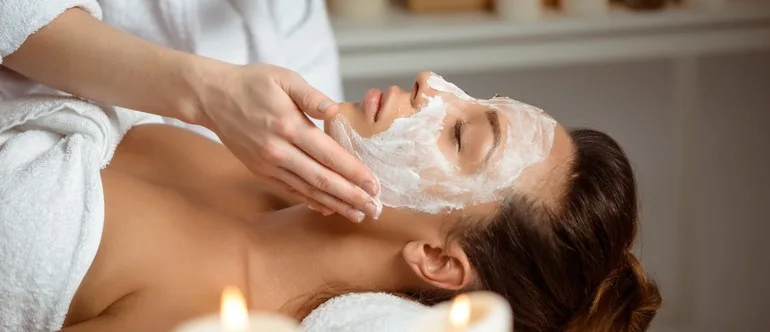
Facial Treatment Essentials to Nourish Your Inner Glow
Thailand, renowned for its rich cultural heritage and wellness traditions, offers an array of spa experiences, particularly in the realm of facial treatments. Facial Treatments are not just skincare routines; they are holistic experiences that combine ancient…
Read the guide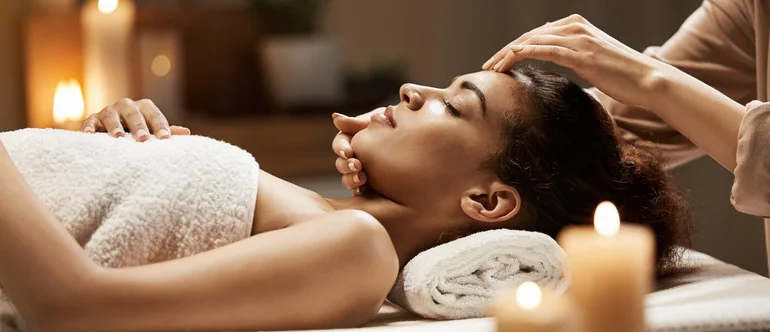
Secrets to Glowing and Youthful Skin with Facial Treatments
In the quest for luminous, age-defying skin, beauty enthusiasts are turning to the ancient secrets of Facial Treatments. These holistic skincare rituals blend centuries-old wisdom with modern innovations to nurture and rejuvenate the skin, revealing a radiant…
Read the guide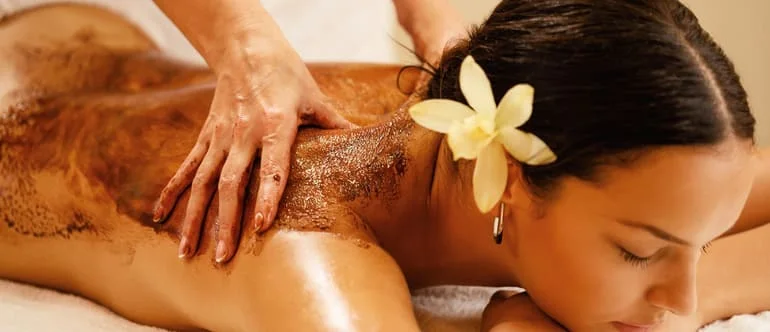
Golden Touch: Luxury Spa Indulgence Unleashed
In the fast-paced rhythm of modern life, finding moments of tranquility and rejuvenation becomes increasingly vital. Enter the world of luxury spa indulgence, where the golden touch awaits, promising an immersive experience of relaxation and revitalization.…
Read the guide