
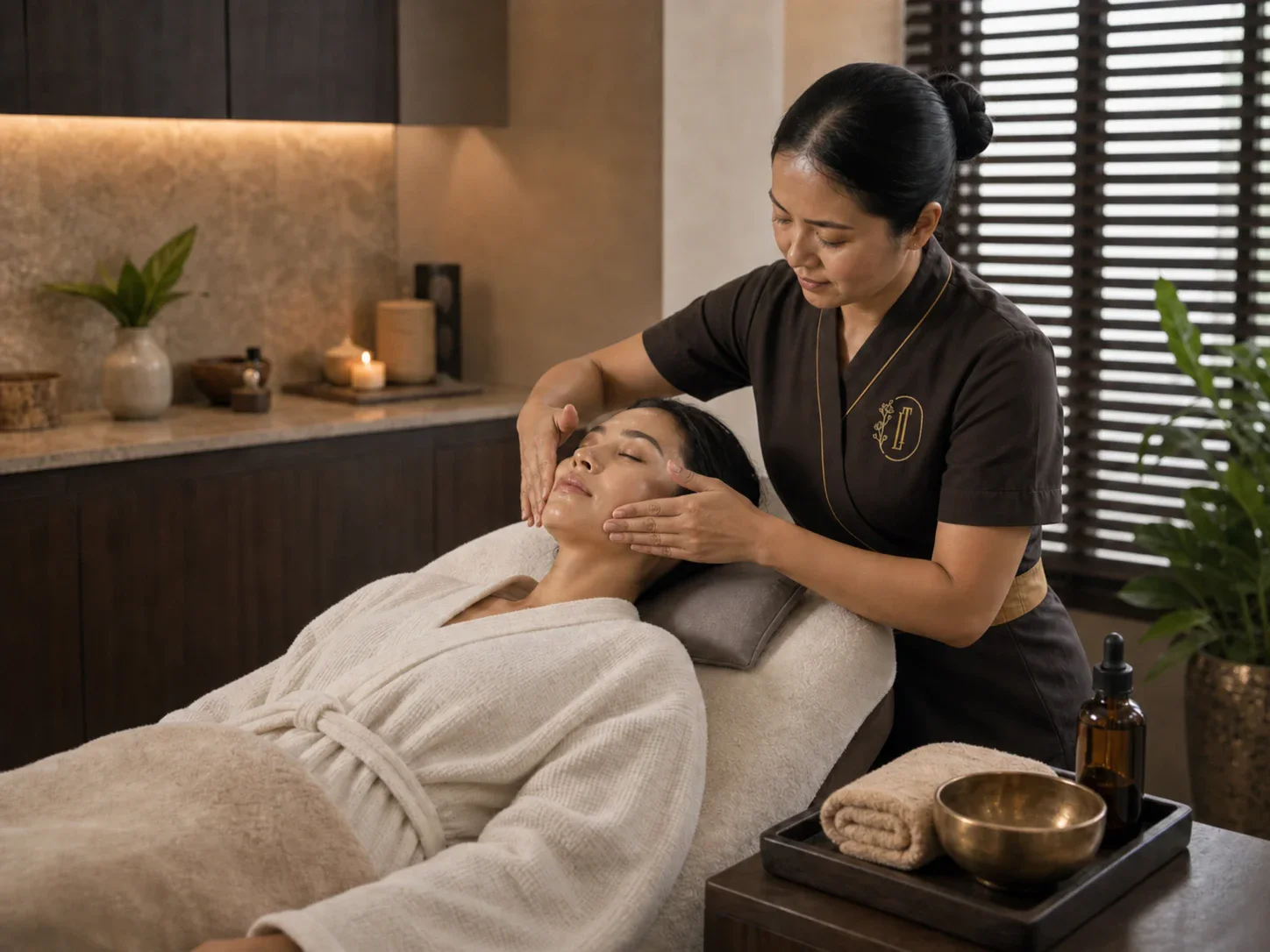
In the heart of Thai wellness traditions lies a treasure trove of ancient facial treatments that go beyond mere skincare. Facial treatments are crafted to harmonize not just the skin but also the mind and body, offering a holistic approach to rejuvenation and beauty. In this extensive guide, we will delve into the world of Facial treatments, exploring the rituals, natural ingredients, and holistic philosophies that contribute to the overall well-being of mind, body, and skin.
Understanding the Essence of Facials:
Holistic Approach:
Facial treatments are deeply rooted in holistic practices, considering the interconnectedness of mind, body, and skin. The goal is not just external beauty but inner balance and harmony.
Ancient Rituals:
Drawing inspiration from traditional Thai beauty practices, these facial treatments incorporate ancient rituals, passed down through generations, to create a unique and culturally rich spa experience.
Natural Ingredients:
Facials embrace the power of nature. Natural ingredients such as herbs, botanical extracts, and traditional Thai remedies are carefully chosen for their nourishing and revitalizing properties.
Mind-Body Connection:
The treatments focus on creating a profound mind-body connection. Through massage techniques, aromatherapy, and mindfulness, individuals experience not only skin renewal but also mental and physical relaxation.
Popular Facial Treatments:
Thai Herbal Compress Facial:
This treatment incorporates a hot herbal compress to stimulate circulation and relax facial muscles. The warmth of the compress enhances the absorption of herbal nutrients into the skin.
Jasmine Rice Scrub Facial:
Ground jasmine rice, known for its exfoliating properties, is used to gently scrub away dead skin cells, leaving the skin soft and radiant. This treatment is often combined with nourishing masks.
Royal Thai Gold Leaf Facial:
A luxurious treatment involving the application of gold leaf, renowned for its anti-aging properties. This facial aims to promote skin elasticity and impart a radiant, golden glow.
Coconut Hydration Facial:
Harnessing the moisturizing properties of coconut, this facial is designed to hydrate and nourish the skin. Coconut oil and milk are often used in massage and masks to leave the skin supple and refreshed.
The Ritual Experience:
Facials often begin with the inhalation of aromatic herbs and essential oils, promoting relaxation and setting the stage for a sensory journey.
Massage Techniques:
Incorporating traditional Thai massage techniques, the facial treatments not only target facial muscles but also include neck and shoulder massage to release tension and enhance overall well-being.
Meditative Practices:
Some Facials include meditative practices to promote mental clarity and relaxation. Breathing exercises and guided mindfulness may be integrated into the treatment.
The Philosophy of Beauty in Thai Culture:
Inner Radiance:
Thai beauty philosophy emphasizes inner radiance, considering beauty as a reflection of a person's overall well-being, happiness, and inner harmony.
Connection to Nature:
Rooted in nature, Thai beauty practices view the skin as a reflection of the environment. Natural ingredients are celebrated for their ability to enhance and maintain skin health.
Balance of Energies:
Traditional Thai medicine believes in balancing the body's energies, known as "Sen." Facial treatments aim to restore the balance of these energies for holistic well-being.
Facial treatments offer more than just skincare; they provide a holistic and culturally rich experience that harmonizes the mind, body, and skin. Rooted in ancient rituals, embracing natural ingredients, and focusing on the philosophy of inner radiance, these treatments elevate beauty to a transformative and deeply relaxing journey. Whether indulging in a professional spa or creating a Thai-inspired facial ritual at home, the essence remains the same — a celebration of holistic well-being that transcends the surface and nurtures the soul.
UPDATED LOFT THAI GUIDE
Additional guidance and current information
The following editorial update expands on the original Loft Thai article with practical context, current treatment guidance and further reading.
The Mind–Skin Relationship Is Real but Not Simple
The American Academy of Dermatology explains that stress may worsen itch or flares in conditions such as eczema, psoriasis or hives for some people.
Many factors influence skin disease, and stress does not create one universal facial diagnosis.
A spa should not infer hormones, cortisol levels or a medical condition from how a face looks.
A Facial Is Cosmetic Care, Not Psychodermatology
A spa facial can cleanse, exfoliate selectively, moisturise, massage and apply a cosmetic mask.
It cannot diagnose or treat eczema, psoriasis, acne, anxiety, depression or another medical condition.
AAD guidance is clear that skin conditions still need appropriate medical treatment even when stress-management practices are helpful.
What the Relaxing Layer Can Contribute
A protected appointment can reduce decision load and provide a temporary break from phones, traffic and work.
Slow pacing, comfortable touch and a predictable sequence may help a guest feel settled in the room.
That subjective calm is a hospitality outcome, not proof that a nervous system, energy channel or hormone has been reset.
What the Skincare Layer Can Contribute
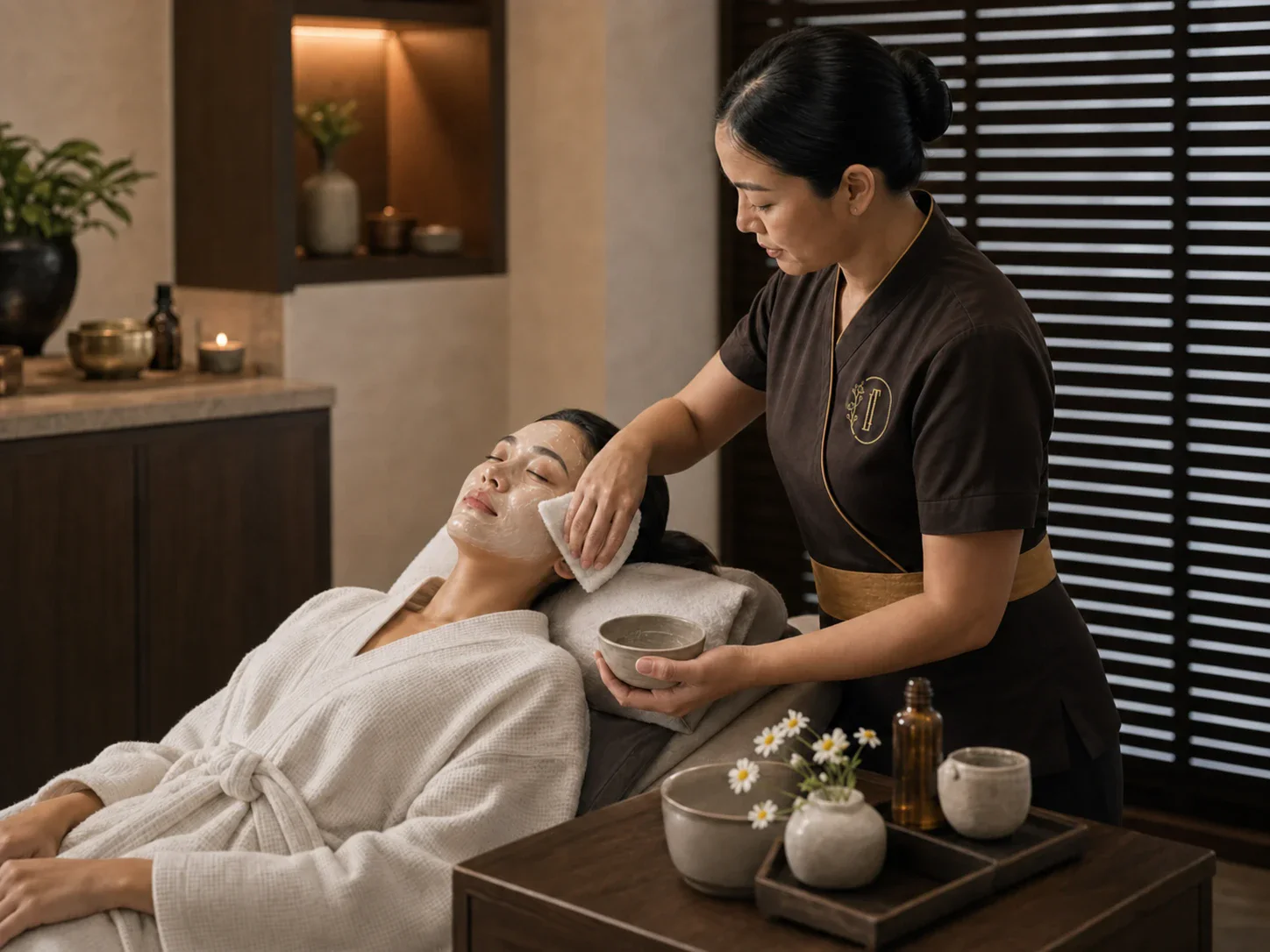
Cleansing removes surface products and debris; controlled exfoliation may smooth loose surface cells; moisturising supports softness and comfort.
A suitable mask can add hydration or another cosmetic finish, while massage can make the ritual feel continuous.
Results remain temporary and individual, and daily care still matters.
Consult Both the Skin and the Senses
Share current products, prescription treatment, allergy, irritation, recent procedure and diagnosed skin conditions.
Also share conversation, music, fragrance, temperature, pressure and explanation preferences.
The best adaptation may be fewer products, lower fragrance, cooler towels or less massage rather than a more elaborate facial.
Facial Massage: Comfort Without Permanent-Lift Claims
Rhythmic manual movements around the face, jaw, neck and décolleté may feel relaxing and temporarily soften the perception of tension.
Pressure should be lighter around irritation, inflamed lesions, recent injections or procedures and any painful area.
Manual touch should not be described as permanent lifting, toxin removal or medical lymphatic drainage.
Aromatherapy Is Optional
Scent can contribute to atmosphere for a guest who enjoys it.
Fragrance and essential oils can also irritate or trigger allergy, and strong aroma may aggravate headache or sensory discomfort.
A low-fragrance or unscented facial can be equally complete.
Remove the Invented Ancient-Facial Menu
The legacy article presented jasmine-rice scrubs, coconut hydration, facial herbal compresses, gold leaf, meditation and Sen-energy work as one established Thai facial system.
Those items are not a universal current Loft Thai protocol and their claimed history was not sourced.
current treatments should be described by their actual product line, process, duration and skin goal.
When Relaxation Is Not the Next Step
Persistent rash, infection, severe acne, unexplained pigment change, bleeding, painful lesions or a worsening diagnosed condition need appropriate assessment.
A therapist should not massage over an active problem simply because the guest wants to relax.
Likewise, stress that feels unmanageable or disrupts daily life deserves suitable support beyond a spa visit.
Design a Two-Layer Facial Brief
Write one cosmetic goal and one sensory goal before booking.
This makes it possible to evaluate both the visible finish and the experience without confusing either with medical treatment.
-
01
Skin state
Comfortable, dry, oily, congested, sensitive, irritated or recently treated.
-
02
Cosmetic goal
Cleanse, hydrate, calm, brighten or enjoy a massage-led finish.
-
03
Sensory goal
Quiet, explained, warm, cool, scented or unscented.
-
04
Boundaries
Products, pressure, areas and steps to avoid.
-
05
Referral check
Any concern that needs a dermatologist or another appropriate professional first.
“A facial does not need to treat stress to be worth experiencing; it needs to respect the skin, the guest's senses and the limits of cosmetic care.”
Loft Thai Editorial Team
Continue your research
REFERENCES
Sources & further reading
PRACTICAL GUIDANCE
Frequently Asked Questions
Can stress affect the skin?
Stress may worsen itch or flares in some diagnosed skin conditions, but many factors are involved. A dermatologist can diagnose and treat persistent or concerning problems.
Can a facial reduce stress?
A facial may feel calming because of protected time, predictable touch and a quiet environment. It should not be presented as treatment for chronic stress, anxiety or another condition.
Does facial massage balance energy?
No energy-balancing claim should be assumed. Facial massage is a manual comfort technique with temporary cosmetic and sensory effects.
Do I need aromatherapy in a relaxing facial?
No. Fragrance is optional, and an unscented or low-fragrance treatment may be more comfortable for sensitive skin, allergy, migraine or personal preference.
When should I see a dermatologist instead of booking a facial?
Seek appropriate assessment for persistent rash, infection, severe acne, painful or bleeding lesions, unexplained pigment change or a worsening skin condition.
CONTINUE READING
Related stories
Nurturing Holistic Wellness with Facial Treatments with Loft Thai Spa
Facial Treatments stand at the intersection of beauty and holistic wellness, offering more than just skincare. Rooted in ancient traditions, these treatments go beyond surface-level rejuvenation, delving into the realms of relaxation, balance, and overall…
Read the guide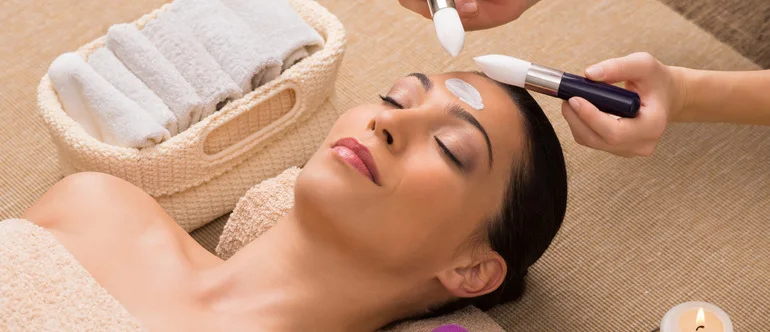
Thai Spa Facial Treatments: Enhancing Wellness through Skincare
Embarking on a journey of self-care and rejuvenation often leads us to explore ancient traditions and time-tested practices. Among these, Thai Spa Facial Treatments stand out as a holistic approach to skincare that goes beyond the surface, offering wellness…
Read the guide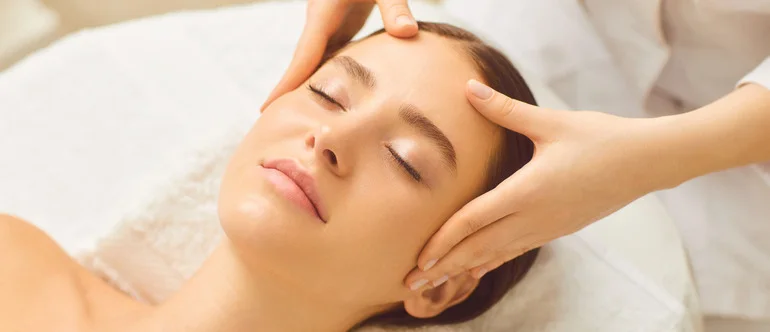
Thai Spa for Stress Relief: Techniques to Restore Balance
Indulge in the art of relaxation with our Thai spa treatments designed to melt away stress and restore balance. From traditional Thai massages and aromatherapy to herbal steam baths and meditative yoga sessions, our spa offers a holistic approach to rejuvenate…
Read the guide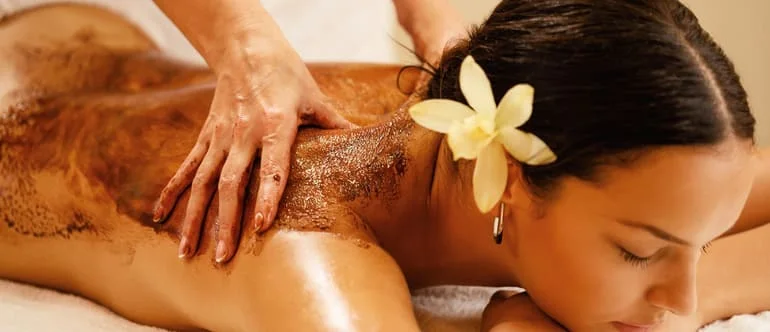
Golden Touch: Luxury Spa Indulgence Unleashed
In the fast-paced rhythm of modern life, finding moments of tranquility and rejuvenation becomes increasingly vital. Enter the world of luxury spa indulgence, where the golden touch awaits, promising an immersive experience of relaxation and revitalization.…
Read the guide