
In a world saturated with digital distractions and demanding schedules, the art of genuine connection can feel like a fading practice. Couples often exist in the same space but operate in different worlds, their attention fragmented by screens and obligations. To counteract this, relationship experts emphasize the importance of shared, embodied experiences—activities that engage the senses and demand full presence.
Among the most powerful of these is the couple's spa ritual, a carefully curated journey that does more than just relax the body; it actively rewires the brain for bonding. This blend of ancient therapeutic touch and modern neuroscience is creating a new language of love, one spoken through shared sensory experiences and hormonal harmony.
The Synchronized Sanctuary: A Bangkok Specialty
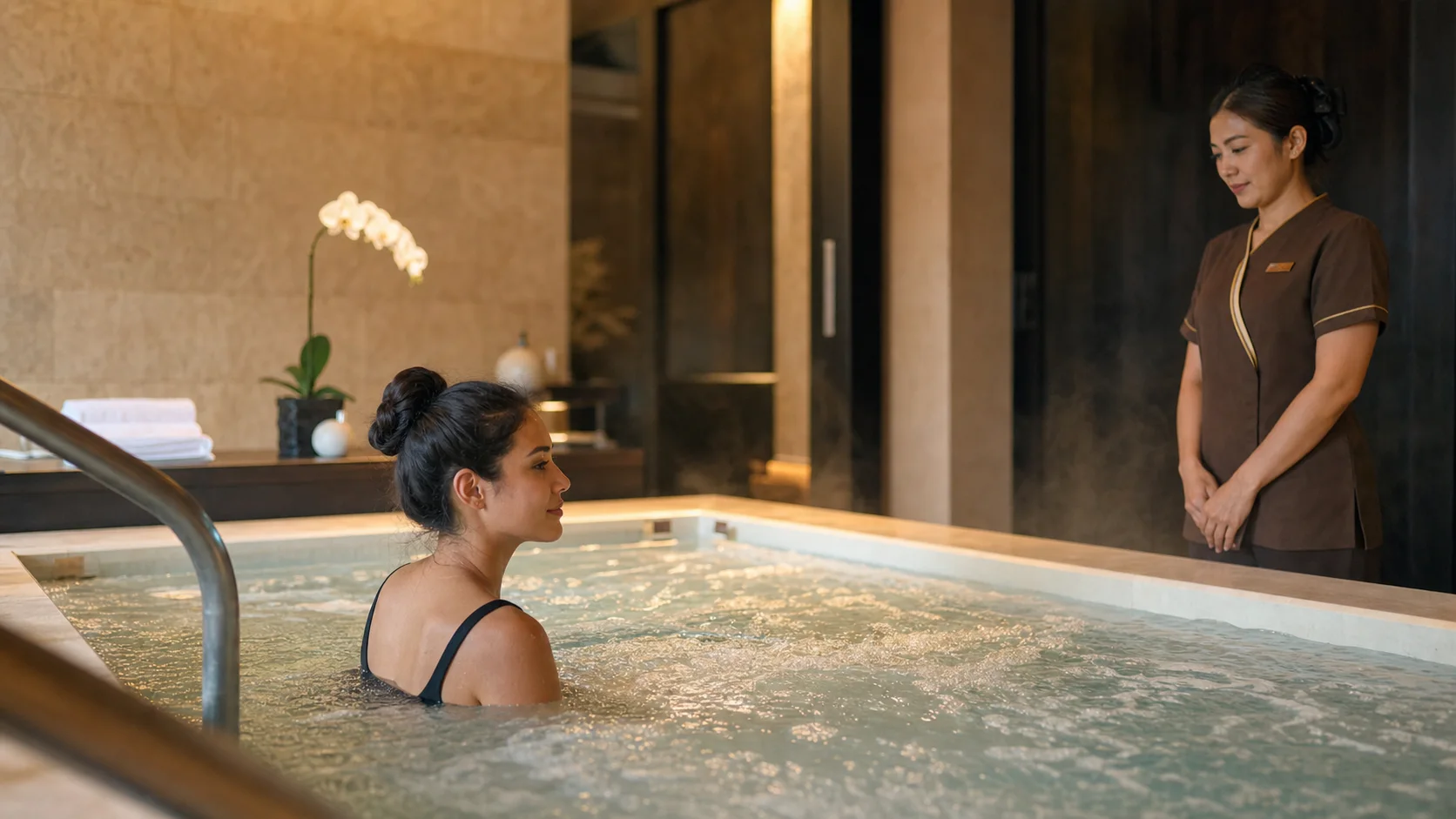
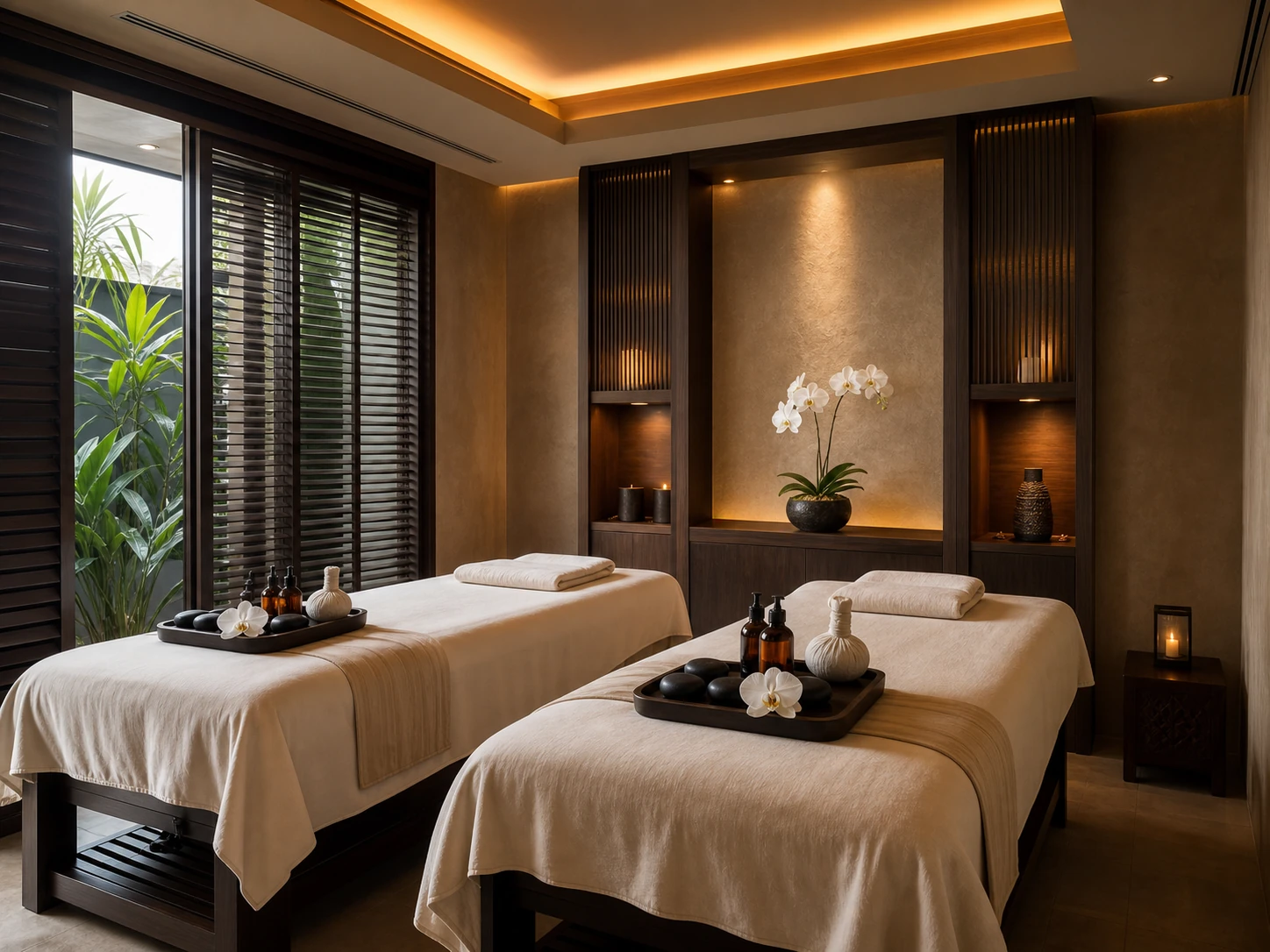
Nowhere is this art form more refined than in the wellness sanctuaries of Southeast Asia. Bangkok’s luxury spas have become global leaders in designing exquisite honeymoon and couple's experiences that are deeply rooted in Thailand’s rich wellness heritage. The core of these rituals is synchronization, creating a shared universe for two. Imagine entering a private suite, a space made tranquil by the scent of lemongrass and jasmine, to find two massage tables perfectly aligned. The experience often begins with a private herbal steam to open the pores and calm the mind, or a floral bath for two, allowing for a quiet moment of connection before the treatment even starts.
Whether you choose a traditional Thai massage, an aromatherapy journey, or a warm oil treatment, the entire experience is designed as a shared one. Every stretch, every stroke, every gentle press is performed in near-perfect unison by two therapists. This shared rhythm is meditative; it helps dissolve individual tension and fosters a sense of mutual presence. As one partner’s muscles are soothed, so are the other’s. This parallel journey, devoid of conversation or distraction, creates a powerful, unspoken connection. Post-treatment, the ritual continues in a private relaxation lounge with herbal tea, allowing the profound sense of peace and closeness to settle in before returning to the outside world.
The Science of Connection: Unlocking Oxytocin
So, what is happening on a biological level during this synchronized bliss? The key player is a powerful neuropeptide called oxytocin. Often dubbed the "love hormone" or "cuddle chemical," oxytocin is fundamental to social bonding, trust, and intimacy. Its release is triggered by positive social cues, particularly gentle, affirming touch, but also by warmth, soothing scents, and feelings of safety and security—all elements of a spa environment.
Science shows that a shared relaxation experience is a potent catalyst for oxytocin release in both partners simultaneously. As your bodies relax under the skilled hands of the therapists, your brains release this bonding hormone. The warm oil, the calming aromatherapy, and the security of a shared, peaceful space amplify this effect. The results are profound:
- Increased Empathy: You feel more emotionally attuned to your partner.
- Strengthened Trust: Feelings of safety and security are amplified, lowering emotional defenses.
- Enhanced Intimacy: A deep sense of closeness and connection is fostered, extending far beyond the treatment room.
This isn't just a fleeting feeling; it's a measurable biochemical event. You are, quite literally, building a stronger bond through a shared hormonal experience that reinforces the neural pathways of your attachment.
A Medical Perspective: Lowering Stress, Enhancing Connection
The benefits extend deep into your physiological well-being. Oxytocin has a fascinating inverse relationship with cortisol, the body's primary stress hormone. As oxytocin levels rise, cortisol levels naturally fall.
Medical Note: This hormonal shift has significant health benefits. Chronically high cortisol can lead to anxiety, poor sleep, and a weakened immune system. By engaging in a spa ritual together, couples actively lower each other's stress loads, building a buffer of resilience. Furthermore, this deep state of relaxation positively impacts Heart Rate Variability (HRV). HRV is a measure of the variation in time between each heartbeat and is a key indicator of your nervous system's flexibility and ability to adapt to stress. Higher HRV signifies a well-rested, parasympathetic state. Consistently lowering stress and improving HRV not only enhances physical recovery but also cultivates better emotional regulation, making partners more patient and present with one another and creating the ideal physiological conditions for emotional connection to flourish.
The Art of Harmony: The Therapist's Role
The seamless synchronization you experience is no accident. It is the result of rigorous and specialized training.
Education: Therapists in premier wellness centres, especially those catering to an international clientele in Bangkok, are specifically trained in synchronized techniques. They learn to mirror each other’s movements, from the pace of their strokes to the amount of pressure applied. They practice becoming attuned to their partner therapist's rhythm, creating a harmonious "dance" around the massage tables. This external harmony is meticulously crafted to encourage physiological synchrony between the couple. Research suggests that when people share a positive experience, their heart rates and breathing patterns can begin to align. The therapists’ unified approach facilitates this natural process, deepening the couple’s subconscious connection.
Ultimately, a couple spa ritual is more than a luxury—it's an investment in the health and vitality of your relationship. It’s a dedicated time to quiet the outside world and tune into each other, supported by a scientific process that strengthens your bond from the inside out and equips you with a renewed sense of shared calm to face the world together.
UPDATED LOFT THAI GUIDE
Additional guidance and current information
The following editorial update expands on the original Loft Thai article with practical context, current treatment guidance and further reading.
The Claim Sounds Simpler Than the Evidence
A persuasive wellness story often follows a neat chain: massage causes oxytocin release, oxytocin causes trust, and two massages therefore strengthen a couple.
Each step compresses different kinds of evidence. Associations found in social-touch research do not prove that a commercial spa sequence produces a predictable hormone level or relationship outcome.
The more precise statement is that pleasant shared experiences may feel connecting for some couples, while the biological mechanisms remain complex and context-dependent.
What Oxytocin Is
Oxytocin is a peptide hormone and neurochemical with established roles in labour and lactation. Researchers also study its relationship with social attention, attachment, caregiving, touch and stress.
Calling it the love hormone is memorable but reductive. Love, trust and relationship stability involve learning, memory, communication, safety, culture and many biological systems.
A hormone is not a score for the quality of a relationship.
What Human Social-Touch Research Shows
A 2023 human study measured plasma oxytocin and brain responses during successive touch interactions involving a female participant, her male partner and an unfamiliar male.
Responses varied with familiarity and the order of the interactions. The authors describe flexible adaptation to social context rather than one universal touch effect.
The study is important, but it did not test a spa treatment, two simultaneous massages, long-term relationship quality or a mixed-gender population representative of all couples.
Measuring Oxytocin Is Not Straightforward
A systematic review and meta-analysis gathered studies of endogenous oxytocin during human social interactions, highlighting varied methods, populations and contexts.
Peripheral measurements in blood or saliva do not function as a direct window onto every action of oxytocin in the brain. Timing, assay method and study design matter.
A spa cannot infer a guest’s oxytocin response from relaxation, silence, warmth or a smile.
Therapist Touch Is Not Partner Touch
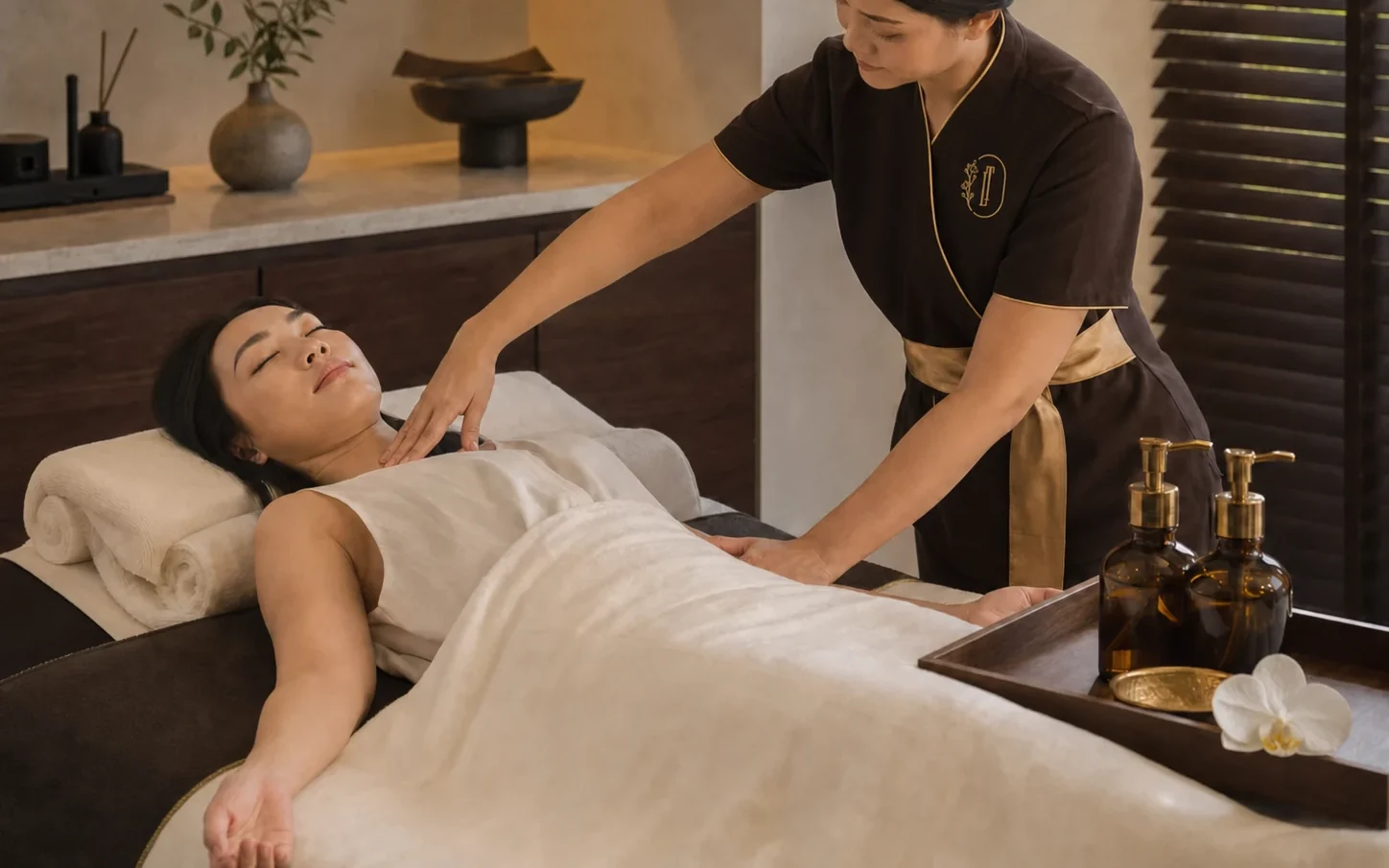
In a couple massage, each guest is usually touched by a trained therapist, not by the partner. The partner’s presence may shape the atmosphere, but the physical and social context differs from affectionate touch between partners.
Professional massage also requires draping, boundaries, consultation and technique. It should not be reinterpreted as intimacy delivered by proxy.
No responsible therapist should promise a specific hormonal result.
Parallel Treatments Do Not Prove Synchrony
Two therapists may coordinate the beginning and end of a ritual so the room feels composed. They still adjust pressure, rhythm and technique for two different bodies.
There is no basis to claim that matched strokes synchronise oxytocin, cortisol, heart rate, breathing or brain activity between guests.
Visual harmony is a service design choice, not a physiological measurement.
What a Couple Spa Can Offer Honestly
A booked appointment protects time from work, travel logistics and phones. A private room reduces public distraction. A shared beginning and end give the couple something concrete to remember.
Massage may feel relaxing and may provide short-term relief for some symptoms, although evidence and suitability vary by technique and health condition.
These modest outcomes can support a positive day together without being sold as relationship treatment.
- A planned pause in a private setting
- Two individually adapted treatments
- Less logistical decision-making during the session
- A shared memory and topic of conversation
- Optional quiet without pressure to perform closeness
Consent Is More Important Than Synchronisation
Each guest should answer consultation questions directly and choose pressure, products, heat and areas to avoid.
A partner should not consent on someone else’s behalf or persuade them to tolerate a technique for the sake of a matched experience.
Separate preferences do not weaken the ritual. They are evidence that the spa respects both people.
Design the Appointment for Connection, Not Performance
Choose a duration that leaves time to arrive calmly. Confirm whether the room is private, whether conversation is welcome and how changing time is handled.
Agree in advance whether you want a quiet session, individual pressure checks, a Jacuzzi addition or a meal afterward.
The best shared plan often includes permission for different choices and no obligation to report a transformative experience.
The Most Useful Moment May Come After the Massage
Instead of asking whether the treatment released enough oxytocin, ask simple questions: What felt comfortable? What would you change? Do you want quiet, tea or food?
Those answers create practical knowledge for future shared experiences.
Connection grows through communication and respect over time, not a one-session biomarker story.
A Couple Spa Is Not Couples Therapy
Massage therapists provide bodywork within their professional scope. They do not diagnose attachment problems, treat relationship conflict or measure hormones.
A spa visit may be inappropriate when one partner feels pressured, when touch is unsafe or unwanted, or when active conflict makes a private room uncomfortable.
Relationship concerns that need assessment or structured support belong with a qualified mental-health professional.
Keep the Ritual Human
Oxytocin research adds nuance to our understanding of social touch; it does not supply a spa formula for love.
A couple massage can still be thoughtful, enjoyable and memorable when it prioritises individual consent, credible claims and time together.
The relationship belongs to the guests. The spa’s role is to provide a safe, well-run experience.
“Shared calm can be meaningful without being measured as a matched hormonal event.”
Loft Thai Editorial Team
Continue your research
REFERENCES
Sources & further reading
PRACTICAL GUIDANCE
Frequently Asked Questions
Does couple massage release oxytocin?
Social-touch research involves oxytocin, but no study establishes a predictable oxytocin response from a commercial couple massage for every guest.
Can two simultaneous massages synchronise hormones?
There is no evidence that matched spa movements synchronise oxytocin, cortisol or other hormones between two guests.
Can a couple spa improve a relationship?
It can provide protected time and a pleasant shared memory, but it cannot guarantee trust, intimacy, conflict resolution or lasting relationship change.
Should both guests choose the same massage?
No. Pressure, products, heat and technique should be selected separately for each person.
Is couple massage a form of couples therapy?
No. Massage therapists do not diagnose or treat relationship problems; qualified mental-health professionals provide couples therapy.
CONTINUE READING
Related stories
Mind–Body Connection: Meditation, Thai Wellness, and Couple Harmony
In today’s fast-paced lifestyle, couples often struggle to find balance between their physical health and emotional connection. The mind–body connection has become an essential focus for modern wellness practices, especially in destinations where traditions of…
Read the guide
Couple Massage in Bangkok: The Romantic Spa Experience Every Couple Deserves
Bangkok has earned its reputation as one of the world’s leading spa capitals, and its magnetic charm draws millions of travelers seeking both adventure and relaxation. Beyond its bustling streets and glittering skyline, Bangkok offers something precious to…
Read the guide
Aromatherapy Journeys: Emotional Well-Being and Shared Sensory Memory
Aromatherapy has long been cherished as a bridge between the physical senses and emotional well-being. For couples, particularly those beginning their life journey together, the experience of sharing soothing scents can foster intimacy, reduce stress, and…
Read the guide
Best Couple Massage in Bangkok: What Makes a Couple Spa Experience Feel Truly Luxury
Bangkok is full of spas, but not every couple experience feels special. Some places simply put two massage beds in the same room and call it a romantic package. Others add flowers, tea, or soft music, but the experience still feels ordinary. If you are…
Read the guide