
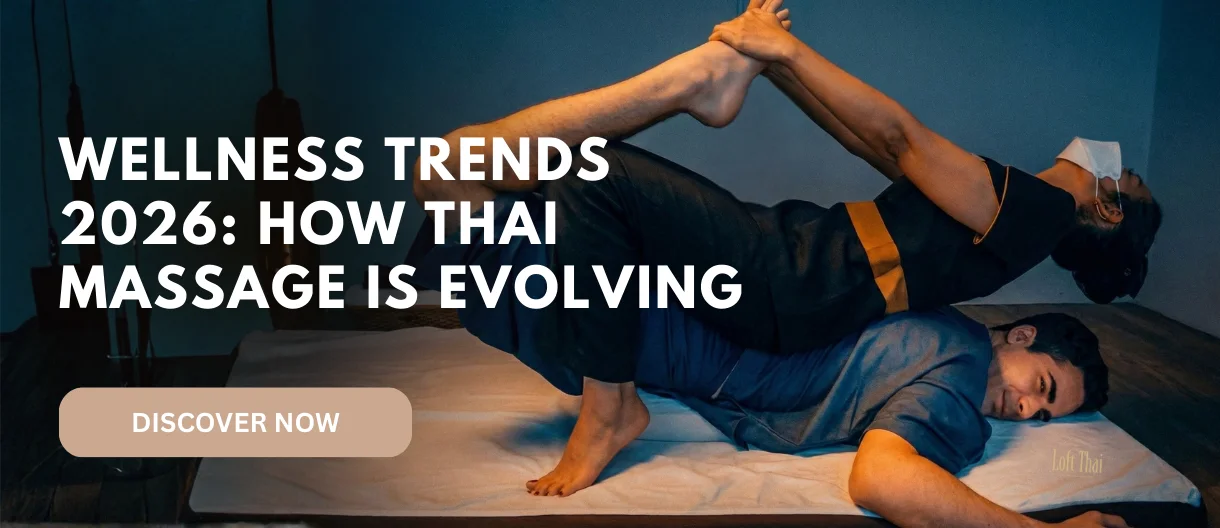
As the world steps into a new era of wellness, 2026 marks a pivotal moment for the global spa and holistic health industry. Wellness is no longer treated as an occasional luxury or a once-a-year retreat—it has become a lifestyle necessity, deeply embedded in how people manage stress, longevity, productivity, and emotional balance. Among the many traditions shaping this evolution, Thai massage stands out as one of the most resilient and adaptable healing arts, responding intelligently to modern expectations without losing its cultural soul.
In Bangkok—often regarded as the global capital of Thai massage—this transformation is especially visible. From innovative treatment protocols to CBD-infused therapies and advanced therapist training, Thai massage in 2026 is redefining what it means to heal the body and mind. At the forefront of these spa trends in Bangkok, forward-thinking establishments such as Loft Thai Spa are shaping a new standard—one that bridges ancient wisdom with modern science.
Wellness Trends 2026: A Shift from Indulgence to Intelligent Self-Care
The most defining wellness trends of 2026 are rooted in intentional living. Consumers are more informed, more selective, and increasingly focused on treatments that deliver both immediate relief and long-term benefits. Wellness is now measured not only by relaxation but by impact: improved sleep, reduced inflammation, better posture, emotional resilience, and nervous system regulation.
Thai massage fits seamlessly into this shift. Unlike many contemporary treatments that isolate muscles or rely heavily on machines, traditional Thai massage views the body as an interconnected system of energy lines (Sen), joints, fascia, breath, and rhythm. In 2026, this holistic approach feels more relevant than ever, particularly for urban lifestyles dominated by screens, sedentary work, and chronic stress.
What has changed is how Thai massage is delivered. Modern practitioners are refining techniques, adapting session structures, and integrating complementary therapies to match today’s pace of life—shorter attention spans, higher stress loads, and a growing demand for customization.
Thai Massage 2026: Tradition Refined, Not Replaced
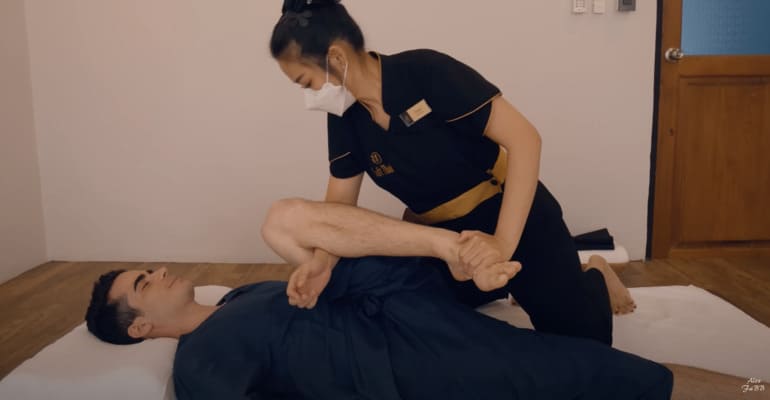
One of the most important misconceptions about innovation in wellness is that it requires abandoning tradition. In reality, the evolution of Thai massage in 2026 proves the opposite. The core philosophy remains intact—mindful touch, assisted stretching, rhythmic pressure—but the execution has become more precise, adaptive, and client-centric.
Modern Thai massage sessions now place greater emphasis on posture correction, mobility restoration, and nervous system balance. Therapists are trained to understand the impact of prolonged sitting, phone usage, and repetitive stress injuries. Techniques once reserved for advanced practitioners are now intelligently blended into accessible sessions designed for office workers, travelers, athletes, and aging populations.
At leading spas in Bangkok, Thai massage is no longer perceived as “strong” or “gentle” by default. Instead, it is strategic, adjusting pressure, tempo, and sequencing based on lifestyle profiling and wellness goals. This evolution allows Thai massage to remain authentic while becoming more relevant to the modern body.
CBD and Thai Massage: A Natural Alliance in 2026 Wellness Culture
Among the most influential spa trends in Bangkok shaping Thai massage 2026 is the thoughtful integration of CBD-based treatments. Far from being a gimmick, CBD has emerged as a scientifically supported complement to manual therapies, particularly for stress reduction, inflammation management, and muscle recovery.
In a controlled, legally compliant environment, CBD oils and balms are now used to enhance the effectiveness of Thai massage techniques. When combined with deep stretching and acupressure, CBD supports faster muscular relaxation and a calmer nervous system, allowing therapists to work more deeply without discomfort.
Forward-looking spas like Loft Thai Spa were among the pioneers in introducing CBD massage treatments in Thailand, not as a trend but as a therapeutic enhancement. In 2026, this integration reflects a broader movement in wellness: blending natural compounds with time-tested human touch, rather than replacing therapists with technology.
Bangkok as a Global Wellness Laboratory
Bangkok’s role in shaping wellness trends 2026 cannot be overstated. The city is not just preserving Thai massage heritage—it is actively testing, refining, and exporting new wellness concepts to the world. International clients, expats, medical tourists, and wellness professionals converge here, creating a unique ecosystem where feedback loops are fast and standards are high.
This dynamic environment has accelerated the evolution of Thai massage. Spas are expected to offer not only excellent treatments but also education, transparency, and consistency. Clients ask about therapist training, technique origins, product quality, and long-term benefits. As a result, spas that invest in structured education and innovation are setting themselves apart.
The Rise of Education-Driven Wellness: Training the Therapists of Tomorrow
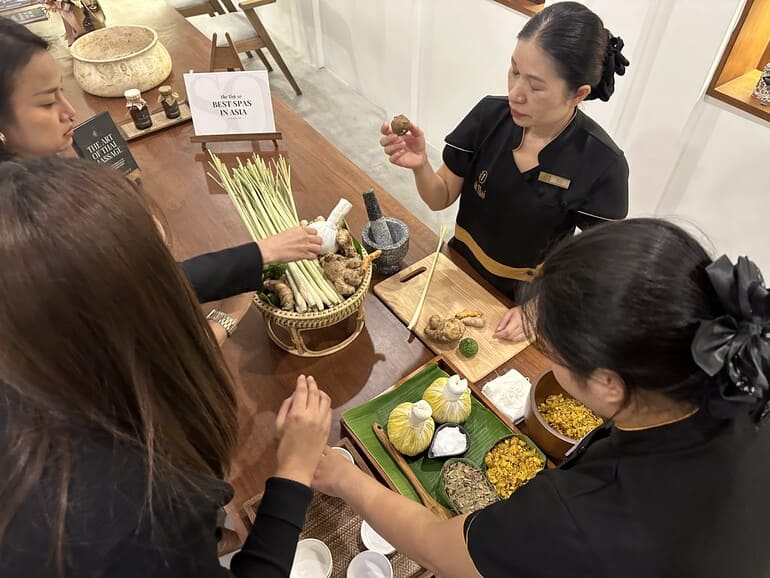
Another defining aspect of Thai massage 2026 is the renewed focus on professional training and continuous education. The modern wellness consumer understands that a great massage is not accidental—it is the result of rigorous training, anatomical knowledge, and ongoing practice.
This is where institutions like Nuad Thai School play a critical role in shaping the future of the industry. Advanced training schools are no longer teaching only routines; they are educating therapists on biomechanics, ergonomics, client communication, and international service standards.
For spas like Loft Thai Spa, having a direct connection to a professional training school ensures consistency across therapists and locations. It also allows for the development of proprietary techniques—modern interpretations of Thai massage that remain rooted in tradition while responding to global wellness expectations.
In 2026, the most respected spas are those that invest in their therapists not just as service providers, but as wellness professionals with a clear career path and a deep understanding of their craft.
Personalization: The New Luxury in Spa Experiences
Luxury in wellness has evolved. In 2026, it is no longer defined solely by marble interiors or premium teas, but by how well a treatment understands the individual. Thai massage has naturally adapted to this demand because its foundations already allow for flexibility and responsiveness.
Modern Thai massage sessions are increasingly tailored based on lifestyle analysis—sleep quality, work habits, stress levels, travel fatigue, and physical activity. This personalization transforms Thai massage from a generic experience into a strategic wellness tool, capable of supporting both physical performance and mental clarity.
Spas that lead spa trends in Bangkok are investing time in consultation, therapist-client dialogue, and post-treatment guidance. This elevates Thai massage into a long-term wellness practice rather than a one-off indulgence.
UPDATED LOFT THAI GUIDE
Additional guidance and current information
The following editorial update expands on the original Loft Thai article with practical context, current treatment guidance and further reading.
A Mid-2026 Reality Check
The original article predicted sweeping changes: posture correction, nervous-system regulation, CBD-enhanced recovery, inflammation management and long-term lifestyle impact. Most were presented without evidence or a clear distinction between industry marketing and health research.
The Global Wellness Summit’s 2026 report is useful as an industry forecast. It describes a reaction against relentless optimisation and interest in sensory, social and human-led experiences. It does not prove that any single massage technique treats stress, improves posture or changes long-term health.
The more credible evolution is visible in service design. Guests expect to know what they are booking, why a technique is proposed, how it can be adapted and where wellness care stops.
What Is Not Changing: Nuad Thai Heritage
UNESCO inscribed Nuad Thai on the Representative List of the Intangible Cultural Heritage of Humanity in 2019. Its description includes transmitted knowledge and bodily manipulation using hands, elbows, knees and feet within a Thai traditional-care framework.
That recognition protects a living cultural practice, not a frozen sequence. Schools and lineages vary, and contemporary spas may present health-promotion treatments rather than traditional therapeutic practice.
Respect begins with accurate naming. A clothed Thai massage with rhythmic compression and assisted movement should not be confused with an oil massage simply because both are delivered in Thailand.
- Preserve the name and cultural context
- Explain when a signature is contemporary rather than traditional
- Keep traditional energy frameworks separate from anatomical proof
- Avoid turning UNESCO recognition into medical endorsement
Personalisation Is Becoming More Specific
Personalisation once meant choosing light, medium or strong pressure. A better consultation now considers preferred areas, positions, temperature, product sensitivities, recent procedures, mobility limits and the guest’s purpose for the visit.
A traveller with tired legs, an office worker with shoulder discomfort and a guest seeking quiet relaxation may receive different emphasis without the spa diagnosing travel fatigue, office syndrome or a musculoskeletal condition.
The menu should provide a clear starting point, while the therapist adapts the sequence. Personalisation is not an excuse for an undefined treatment; it is a transparent protocol with room for informed variation.
Pressure Labels Are Giving Way to Responsive Technique
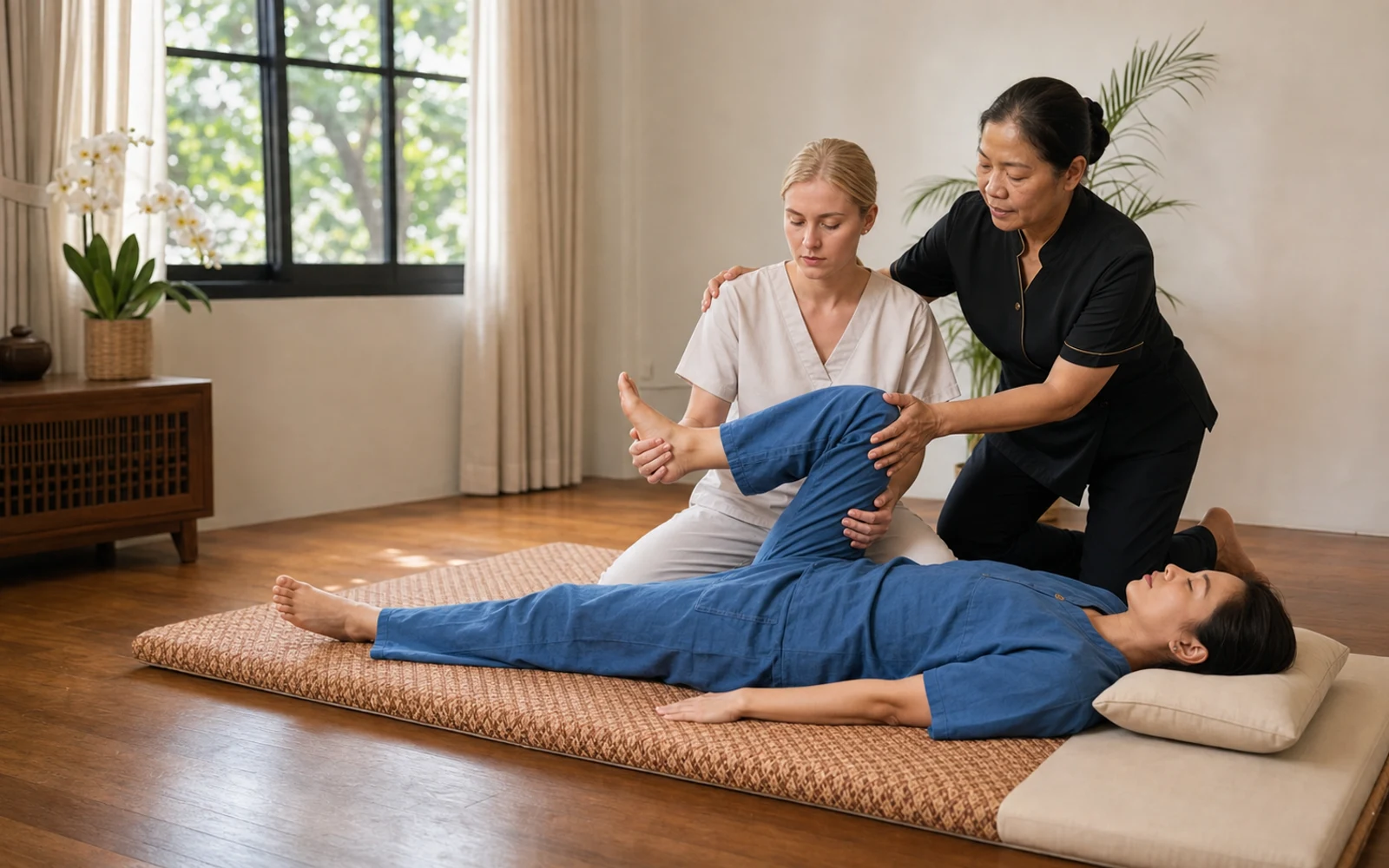
Thai massage is often marketed as strong. In practice, hands, palms, forearms, elbows, knees and feet create different contact areas and leverage, and none should be used at maximum intensity by default.
The therapist can change tool, angle, position, tempo or duration before increasing force. A side-lying posture, bolster or smaller assisted movement may be more skilful than asking the guest to tolerate a dramatic stretch.
Guests are also becoming more precise in their requests: less pressure at the neck, no stretching, more time on the feet, no abdominal work. A modern service treats those boundaries as useful information.
Education Is Moving from Routine to Judgement
Learning a sequence is only the beginning. Professional delivery requires body mechanics, hygiene, draping, contraindication awareness, pressure communication, product knowledge and referral when symptoms fall outside a wellness service.
Supervised practice shows whether a therapist can adapt while preserving flow. It also reveals habits that a written test cannot: unstable stance, abrupt weight transfer, poor hand placement or failure to notice guarding.
Ongoing education should not be marketed as a secret collection of “advanced” poses. Its value lies in improving judgement and consistency across ordinary treatments.
-
01
Foundation
Learn cultural context, core techniques, body mechanics and professional boundaries.
-
02
Practice
Develop reliable pacing and pressure through supervised repetition.
-
03
Adapt
Use cushions, positions and alternative tools without losing treatment coherence.
-
04
Refer
Recognise when pain, swelling, neurological signs or skin findings need clinical assessment.
Technology Is Improving the Journey Around the Treatment
Digital booking can make prices, durations, branch access, treatment language and availability easier to compare. Confirmation messages can collect preferences before arrival and reduce time spent at reception.
Technology should not make sensitive health details public or replace the therapist’s in-room judgement. A booking form cannot decide whether an assisted stretch is suitable on the day.
The strongest digital experience is restrained: fast pages, accurate menus, accessible contact options, clear location information and a real person available when the choice is complex.
Ingredient Transparency Matters More Than Novelty
The old article positioned CBD as a scientifically supported enhancer for inflammation, stress and recovery. Product regulation and evidence vary, and a topical ingredient should not inherit medical claims simply because it appears beside massage.
The same caution applies to essential oils, herbal balms, hot compresses and “detox” products. A spa should identify meaningful ingredients, ask about allergies and sensitivities and explain whether a product is optional.
Guests should not be pushed toward the newest add-on. The product must fit the service, legal context and individual preference, and its claim should remain proportionate to the evidence.
Evidence-Led Language Is Becoming a Luxury Standard
NCCIH describes massage research as mixed. Some studies suggest short-term benefit for certain pain conditions, but the strength and consistency of evidence vary, and rare serious adverse events have been reported.
A credible Thai massage menu therefore avoids guarantees about sleep, inflammation, immunity, posture, disc hydration, hormone balance or emotional release. It can describe pressure, position, products, duration and the temporary experience guests commonly seek.
This does not diminish the craft. Clear limits make cultural heritage and therapist skill more believable because they are not asked to carry claims they cannot prove.
How Bangkok’s Urban Context Shapes the Session
Bangkok guests may arrive after flights, long workdays, heat, rain or time in traffic. Spas respond with private rooms, extended hours, location-specific booking and menus that range from focused 60-minute treatments to long signature journeys.
Convenience should not be confused with clinical customisation. A therapist can adapt the pace and areas of focus while recommending medical care for acute injury, unexplained swelling, fever or neurological symptoms.
Local relevance also means preserving Thai identity. International service, English communication and digital booking can sit beside accurate Nuad Thai heritage rather than replacing it.
What to Look for in Thai Massage in 2026
Choose a treatment whose description names the format, clothing, main techniques, duration and price. Ask whether assisted stretching is optional and whether pressure can vary by body area.
Look for transparent therapist education, a private consultation and a clear distinction between wellness and medical care. If a claim sounds clinical, ask what source and scope support it.
The future of Thai massage is not a race toward machines, stronger products or more spectacular stretches. It is a better-preserved tradition delivered with more informed choice.
- Exact service name, duration and price
- Clear traditional or contemporary positioning
- Consultation before technique
- Consent that can change during the session
- Products disclosed without miracle claims
- Human judgement supported—not replaced—by technology
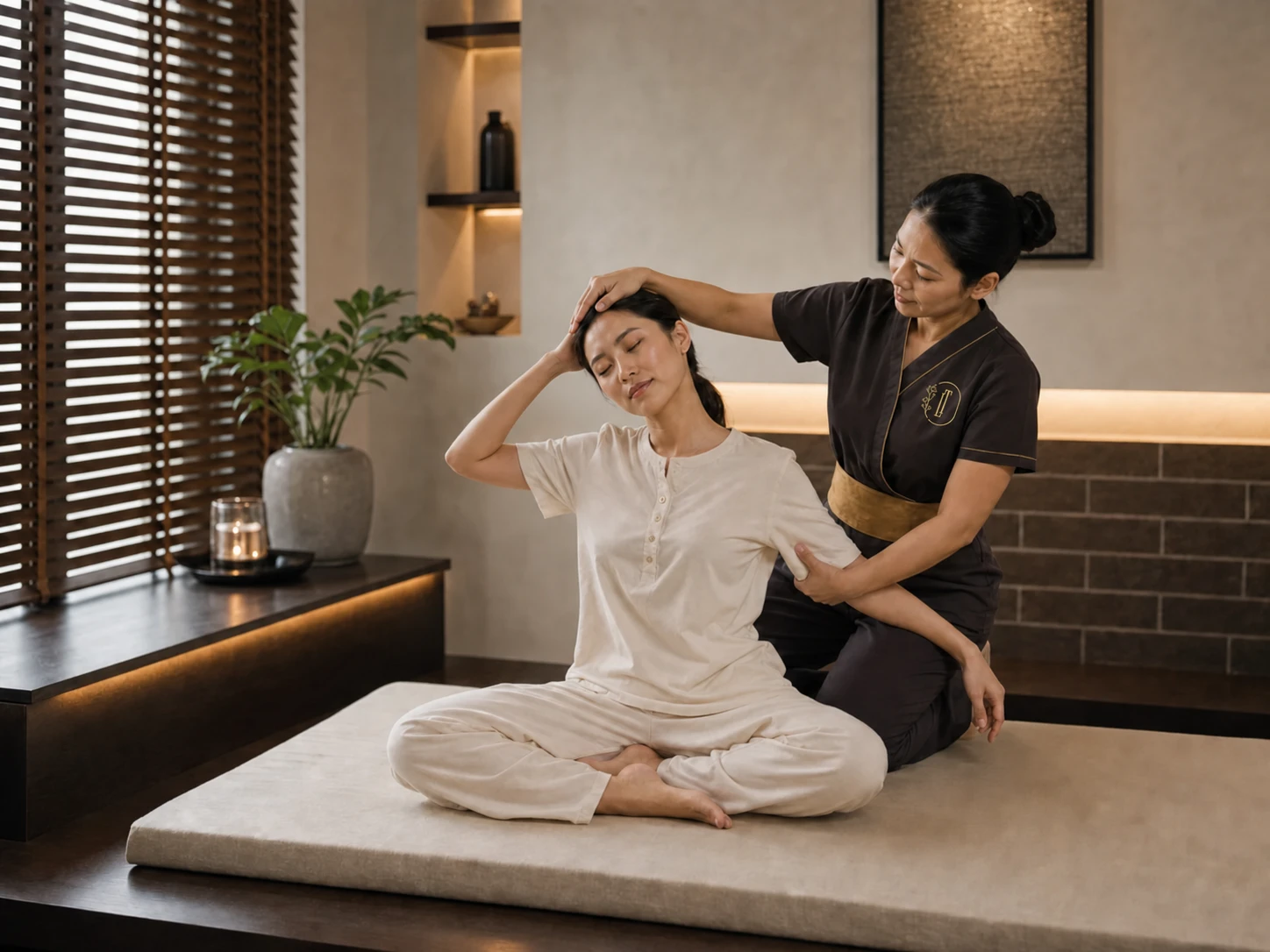
“The modern version of Thai massage is not a new pose. It is a clearer agreement between tradition, therapist and guest.”
Loft Thai Editorial Team
Continue your research
REFERENCES
Sources & further reading
PRACTICAL GUIDANCE
Frequently Asked Questions
Is Thai massage becoming less traditional in 2026?
Not necessarily. Modern service systems can improve consultation, privacy and access while the core cultural practice remains clearly identified.
Does personalised Thai massage diagnose my posture or pain?
No. Personalisation adapts a wellness session to preferences and disclosed limits; it is not a clinical diagnosis.
Is CBD massage a proven trend or treatment?
Industry interest does not establish medical benefit. Product rules and evidence vary, so ingredients and claims should be verified rather than assumed.
Will AI replace Thai massage therapists?
Technology may support booking or repeatable mechanical programmes, but it cannot replace in-room consent, touch, observation and professional judgement.
What is the most important 2026 change for guests?
Clearer choice: accurate menus, separate consultation, adaptable pressure and fewer unsupported medical promises.
CONTINUE READING
Related stories
How Education and Heritage Power the World of Loft Thai Spa
In the competitive landscape of luxury wellness, where every establishment promises tranquility and rejuvenation, true distinction is rarely a matter of chance. It is easy to construct a beautiful room, to light scented candles, and to play soft music that…
Read the guide
What Makes a World-Class Spa in 2026?
In 2026, the idea of a world-class spa has evolved far beyond plush interiors and premium products. As global travelers become more experienced and wellness-literate, expectations have shifted toward authenticity, intelligence, and emotional depth. Luxury is…
Read the guide
Best Thai Massage Thailand: The Loft Thai Story
Inside a Loft Thai treatment room, the first language is rhythm. A therapist settles her stance, listens to the guest’s breathing and lets pressure build without hurry. Hands pause before they move again; every stretch is supported, every change of position…
Read the guide
Meet the Master Therapist Series: A Private Signature Massage Experience with Khun Pie
There are massages you book because your body feels tired. There are spa rituals you choose because you want to escape the noise of the city for an hour. And then there are rare experiences that feel more like a meeting with living knowledge — a moment where…
Read the guide