
Swedish massage is often described as the foundation of modern Western massage therapy. When people think of massage for relaxation, stress relief, or gentle therapeutic care, Swedish massage is usually the reference point. Yet beyond its reputation as a “relaxing massage,” Swedish massage is a structured, scientifically grounded therapy with deep historical roots, measurable physiological benefits, and a lasting role in both wellness and medical contexts.
In this in-depth article, we explore what Swedish massage truly is, how it works, the techniques behind it, its benefits for the body and mind, the science supporting its effectiveness, and some fascinating facts that make it one of the most practiced massage therapies in the world today.
The Origins of Swedish Massage: More Than Just a Name
Despite its name, Swedish massage is not simply a traditional folk technique passed down through generations in Sweden. Its development is largely attributed to Per Henrik Ling, a Swedish physiologist and fencing master from the early 19th century. Ling was deeply interested in anatomy, movement, and therapeutic exercise. He developed a system known as the “Swedish Movement Cure,” which combined physical exercises, stretching, and manual manipulation to improve health and circulation.
Later, Dutch physician Johan Georg Mezger formalized and standardized the manual techniques using French terminology, giving us the vocabulary still used today. This blend of scientific anatomy, structured movement, and hands-on therapy laid the foundation for what would become Swedish massage as practiced worldwide.
From hospitals and rehabilitation centers to luxury spas, Swedish massage evolved into a universal language of touch—simple in concept, yet deeply effective.
What Exactly Is Swedish Massage?
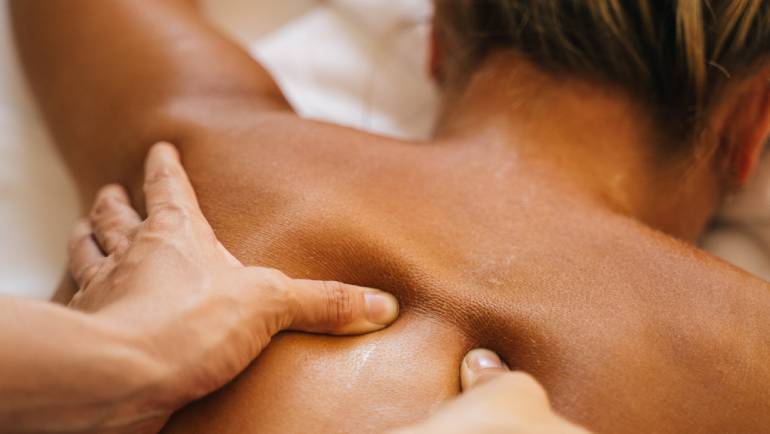
Swedish massage is a systematic full-body massage technique designed to relax muscles, improve circulation, stimulate the nervous system, and support overall physical and mental well-being. It is typically performed using massage oil or lotion to allow smooth, gliding strokes over the skin.
Unlike deep tissue or sports massage, Swedish massage is generally moderate in pressure, adaptable to individual comfort, and focused on long, flowing movements rather than targeted intensity. However, this does not mean it lacks therapeutic depth. When applied skillfully, Swedish massage can address muscle tension, improve mobility, and support recovery while remaining profoundly relaxing. The Core Techniques of Swedish Massage Explained
Swedish massage is built around five classical techniques. These techniques are not used mechanically but are blended seamlessly by skilled therapists to create rhythm, balance, and therapeutic flow.
Effleurage: The Art of the Long Stroke
Effleurage consists of long, gliding strokes performed with the palms, forearms, or fingertips. These movements usually follow the direction of blood flow toward the heart, encouraging venous return and lymphatic drainage. Effleurage is often used at the beginning and end of a session to warm the tissues, calm the nervous system, and establish a sense of safety and connection.
Beyond relaxation, effleurage helps assess muscle tone, identify tension patterns, and prepare deeper tissues for further work.
Petrissage: Kneading and Mobilizing Muscles
Petrissage involves lifting, rolling, squeezing, and kneading the muscles. This technique targets deeper layers of muscle tissue, improving circulation, releasing tension, and helping muscles regain elasticity. It is particularly effective for areas prone to stiffness, such as the shoulders, neck, and thighs.
From a therapeutic perspective, petrissage supports the removal of metabolic waste products and enhances nutrient delivery to muscle fibers.
Friction: Precision and Therapeutic Depth
Friction techniques use small, focused circular or linear movements applied with fingers or thumbs. These movements are slower and more targeted, often used around joints, scar tissue, or chronically tight areas.
In medical and rehabilitative contexts, friction can help break down adhesions, improve joint mobility, and stimulate local circulation in tissues that may otherwise remain stagnant.
Tapotement: Rhythmic Stimulation
Tapotement includes rhythmic tapping, chopping, cupping, or hacking motions. While often associated with invigorating massage styles, tapotement in Swedish massage is applied thoughtfully and briefly to stimulate nerves, awaken muscles, and enhance circulation.
It is particularly useful for combating fatigue and increasing alertness when used toward the end of a session.
Vibration and Shaking: Neuromuscular Relaxation
Vibration techniques involve gentle shaking or trembling movements that penetrate deep into muscle tissue. These movements help release deeply held tension, soothe the nervous system, and create a sense of lightness and relaxation throughout the body.
The Benefits of Swedish Massage: Body, Mind, and Beyond
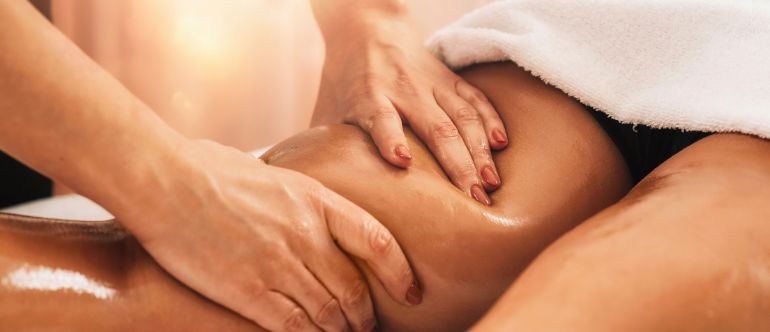
Swedish massage offers a wide range of benefits that extend far beyond simple relaxation.
Physically, it improves blood circulation, which enhances oxygen and nutrient delivery to tissues while supporting the removal of waste products. This process contributes to reduced muscle soreness, faster recovery, and improved flexibility.
Neurologically, Swedish massage activates the parasympathetic nervous system—the body’s “rest and digest” mode. This leads to decreased stress hormones such as cortisol and increased production of serotonin and dopamine, chemicals associated with happiness and emotional balance.
Mentally and emotionally, Swedish massage promotes clarity, reduces anxiety, and improves sleep quality. Many clients report feeling more grounded, focused, and emotionally balanced after regular sessions.
From a wellness perspective, Swedish massage supports posture, breathing patterns, and overall body awareness. It encourages a deeper connection between mind and body, which is essential in modern lifestyles dominated by stress and sedentary habits.
Swedish Massage in Medical and Therapeutic Contexts
While commonly associated with spas, Swedish massage is also widely used in clinical and medical environments. Hospitals, rehabilitation centers, and physiotherapy clinics incorporate Swedish techniques to support patients recovering from injury, surgery, or chronic conditions.
Research has shown that Swedish massage can help reduce pain perception, improve range of motion, and support immune system function. Studies have also observed positive effects on blood pressure regulation, heart rate variability, and inflammatory markers.
For individuals suffering from conditions such as tension headaches, mild depression, fibromyalgia, or stress-related disorders, Swedish massage is often recommended as a complementary therapy alongside conventional medical treatment.
The Science Behind Swedish Massage
Scientific research into massage therapy has grown significantly over the past two decades. Swedish massage, in particular, has been studied for its measurable physiological effects.
One well-known study published in The Journal of Alternative and Complementary Medicine found that Swedish massage significantly reduced cortisol levels while increasing white blood cell activity, suggesting enhanced immune function. Other studies have demonstrated its impact on lowering blood pressure, improving heart rate variability, and reducing symptoms of anxiety and depression.
At the muscular level, Swedish massage improves tissue elasticity and reduces muscle stiffness by influencing muscle spindle activity and connective tissue hydration. At the neurological level, it modulates sensory input to the brain, reducing pain signals and enhancing relaxation responses.
In short, Swedish massage works not by magic, but through clearly observable biological mechanisms.
Who Is Swedish Massage Best For?
Swedish massage is remarkably versatile. It is ideal for first-time massage clients due to its gentle and approachable nature. It is also suitable for individuals seeking stress relief, improved sleep, and general wellness.
Athletes and physically active individuals often use Swedish massage as part of recovery routines, especially between more intense treatments. Older adults appreciate its ability to promote circulation and mobility without excessive pressure.
Because it can be adapted in pressure and pace, Swedish massage is suitable for a wide range of ages, body types, and physical conditions.
Fun and Surprising Facts About Swedish Massage
Many people assume Swedish massage is purely about relaxation, yet it played a key role in the development of modern physical therapy and sports massage.
Interestingly, Swedish massage terminology uses French names, despite its Swedish origins, due to its formalization by a Dutch physician trained in France.
Another fun fact is that Swedish massage is the most commonly taught massage style worldwide, forming the foundation upon which many advanced techniques—such as deep tissue, aromatherapy massage, and even sports massage—are built.
Swedish Massage in Bangkok: A Global Technique Refined by Thai Expertise
Bangkok has become one of the world’s leading destinations for massage and wellness, known for its exceptional therapists and deep respect for bodywork traditions. While Thai massage is often in the spotlight, Swedish massage has found a refined and elevated expression in the city—especially when delivered by highly trained therapists with strong anatomical knowledge.
At Loft Thai Spa, Swedish massage is offered as a premium experience that combines classical Western technique with Thai standards of excellence. Therapists are professionally trained, deeply experienced, and attentive to both therapeutic effectiveness and sensory experience.
The result is a Swedish massage in Bangkok that feels both globally authentic and locally elevated—precise, nurturing, and deeply restorative.
Final Thoughts: Why Swedish Massage Remains Timeless
Swedish massage has endured for nearly two centuries not because it is trendy, but because it works. Its balance of science, simplicity, and human connection makes it one of the most effective and universally appreciated forms of massage therapy.
Whether you seek stress relief, physical recovery, emotional balance, or simply a moment of deep rest, Swedish massage offers a proven pathway to well-being. And when performed at the highest level—by skilled therapists in an environment that respects both tradition and innovation—it becomes far more than a massage. It becomes a meaningful therapeutic experience.
In a city celebrated for wellness and bodywork, Loft Thai Spa stands out for delivering one of the finest Swedish massage experiences in Bangkok, honoring the technique’s origins while elevating it to modern luxury and therapeutic excellence.
UPDATED LOFT THAI GUIDE
Additional guidance and current information
The following editorial update expands on the original Loft Thai article with practical context, current treatment guidance and further reading.
What Is Swedish Massage?
Swedish massage, also called classical massage in many professional contexts, is a Western full-body style usually performed with oil or lotion. The therapist combines broad gliding contact, kneading and other rhythmic techniques while keeping pressure adaptable.
The name describes a family of methods rather than one mandatory routine. Session structure varies by training, country and spa. What should remain consistent is a coherent flow, suitable draping, gradual pressure and the ability to spend more time on areas such as the back, neck or shoulders when requested.
It is commonly chosen for relaxation and general muscular comfort. That does not make it a medical treatment or guarantee a particular biological result. A useful Swedish massage is defined by what happens in the room, not by a long list of promised benefits.
The Five Classical Techniques, in Plain Language
Training often describes five technique families using French terms. A therapist rarely announces them or performs each for an equal amount of time. They are blended according to the area, pressure request and purpose of the session.
Effleurage means long gliding strokes. It spreads the medium, establishes contact and links one part of the sequence to the next. Petrissage includes kneading, lifting, rolling or squeezing soft tissue. Friction uses smaller, more focused movement when an area needs precise attention.
Tapotement refers to rhythmic percussion such as light cupping or tapping, while vibration and shaking create brief oscillating movement. Not every guest enjoys percussion, and not every Swedish massage needs it. Removing a technique that feels overstimulating is a normal adaptation.
- Effleurage: long, connecting strokes with palms or forearms
- Petrissage: kneading and lifting that can be broad or specific
- Friction: smaller focused movement applied conservatively
- Tapotement: brief rhythmic tapping or cupping
- Vibration: controlled shaking or oscillation
How a Swedish Massage Session Flows
A professional session begins before oil touches the skin. Consultation establishes goals, pressure, recent health changes and areas that should receive extra attention or be avoided. The therapist should also explain undressing and draping so the guest knows what will remain covered.
Many sessions begin with broad contact on the back of the body, then progress through legs, back, shoulders and arms before the guest turns over under the sheet. The exact order can change. A good transition protects privacy and supports the guest rather than asking them to manage loose linen alone.
Finishing strokes usually become slower and broader, creating a clear end rather than stopping immediately after focused work. The therapist may then offer time to sit up gradually and share simple aftercare.
-
01
Consultation
Agree on pressure, goals, focus areas, sensitivities and any reason to modify or postpone treatment.
-
02
Draping and setup
Undress only to your comfort level. The therapist exposes one treatment area at a time while the rest remains covered.
-
03
Warm and connect
Broad gliding strokes introduce contact, distribute the massage medium and establish rhythm.
-
04
Knead and focus
Petrissage and selective focused work address requested areas without turning every tight spot into a pain test.
-
05
Integrate and finish
Longer strokes reconnect the body and the pace slows before the therapist helps the guest conclude the session.

Pressure Is Adjustable, Not a Test of Endurance
Swedish massage is often described as light to medium pressure, but that is only a starting point. Broad strokes can become firmer when the therapist uses body weight and forearms, while sensitive areas may need much less. Pressure should be discussed and rechecked.
Deep sensation is not automatically more effective. Sharp, electric, burning or breath-stopping pain is a reason to reduce pressure or stop. Guests sometimes remain silent because they assume discomfort is necessary; clear consent means the therapist actively makes feedback welcome.
Firm Swedish massage still differs from a deep-tissue session whose purpose is more targeted. If the main goal is one persistent problem area, ask whether a therapeutic or sports-focused service is a better match than turning a relaxing full-body treatment into an improvised clinical session.
Draping, Oil and Personal Comfort
Oil allows the long strokes associated with Swedish massage, but the amount and product should feel appropriate. Tell the spa about fragrance sensitivity, nut allergy, reactive skin or a preference for unscented medium. A patch test may be sensible when a product is unfamiliar and the skin is highly reactive.
Professional draping means only the area being treated is uncovered. Breasts and genitals remain covered, and the guest can request that the abdomen, glutes, feet or any other area be avoided. Consent to a massage is not blanket consent to every body area.
Temperature matters because oil massage exposes one area at a time. Ask for another blanket, lower air-conditioning or less heated bedding when needed. Comfort is part of technique, not an optional luxury.
Swedish Massage Compared With Other Styles
The word oil can make menus confusing. Aromatherapy massage may use similar flowing strokes but places more emphasis on a chosen aromatic blend and sensory direction. Traditional Thai massage is generally performed clothed and combines pressure with assisted movement and stretching.
Deep-tissue massage concentrates more deliberately on layers and patterns of tension, while sports massage is organised around activity, mobility and recovery goals. These distinctions are not absolute because therapists often draw from more than one method.
Choose by the session you want, not the most impressive label. Swedish massage is a strong option when you want a full-body rhythm, adjustable pressure and a calm oil-based treatment without a highly specialised agenda.
- Swedish: flowing oil-based full-body session with adjustable pressure
- Aromatherapy: oil massage shaped around fragrance and sensory preference
- Traditional Thai: clothed pressure and assisted movement, usually without oil
- Deep tissue: more targeted and often firmer work on selected patterns
- Sports massage: activity-led focus on preparation, movement or recovery
What the Evidence Can—and Cannot—Say
Massage research covers many styles, populations and outcomes, which makes broad promises unreliable. The US National Center for Complementary and Integrative Health notes that massage may provide short-term help for some pain conditions, but evidence quality is often low and results vary by condition.
A 2024 systematic review in JAMA Network Open assessed recent massage reviews for painful adult health conditions. It found few conclusions supported by moderate-certainty evidence and rarely found massage superior to other active therapies. That is an important counterweight to claims that one session improves immunity, corrects posture or treats a long list of disorders.
A guest may still value relaxation, human touch and temporary muscular ease. Personal satisfaction is meaningful, but it should not be converted into a medical guarantee. Massage can complement appropriate care; it should not delay assessment of persistent or concerning symptoms.
Safety and When to Postpone
Massage is generally low risk when performed appropriately, but vigorous pressure can cause harm in vulnerable situations. Tell the spa about anticoagulant medication, recent surgery, fracture, acute injury, fever, skin infection, unexplained swelling, suspected blood clot, pregnancy complications, cancer treatment or significant osteoporosis.
Avoid direct work over open wounds, active rash, painful varicose veins, new bruising or an area with reduced sensation unless an appropriate clinician has advised otherwise. A spa therapist should adapt, avoid the area or postpone rather than improvise.
Seek medical care for sudden severe pain, chest symptoms, neurological changes, one-sided swelling, fever or other urgent concerns. Massage should not be used to test whether a serious symptom disappears.
Who Swedish Massage Suits in Bangkok
Swedish massage can suit first-time guests, travellers who prefer oil, people who find Thai stretching too active and regular spa guests who want a familiar full-body flow. It can be made gentler or firmer, but it remains most coherent when relaxation and general comfort are the main goals.
Loft Thai’s current menu lists Swedish Massage at THB 2,400 for 90 minutes and THB 3,800 for 120 minutes. The service is described as a full-body treatment with long strokes, adjustable pressure, optional attention to the neck, shoulders or back, and an aromatherapy environment.
These details were reviewed on 28 July 2026. Confirm the price, branch and product choice when booking. A longer session allows more time for full-body pacing and focus areas; it is not an instruction to increase pressure.
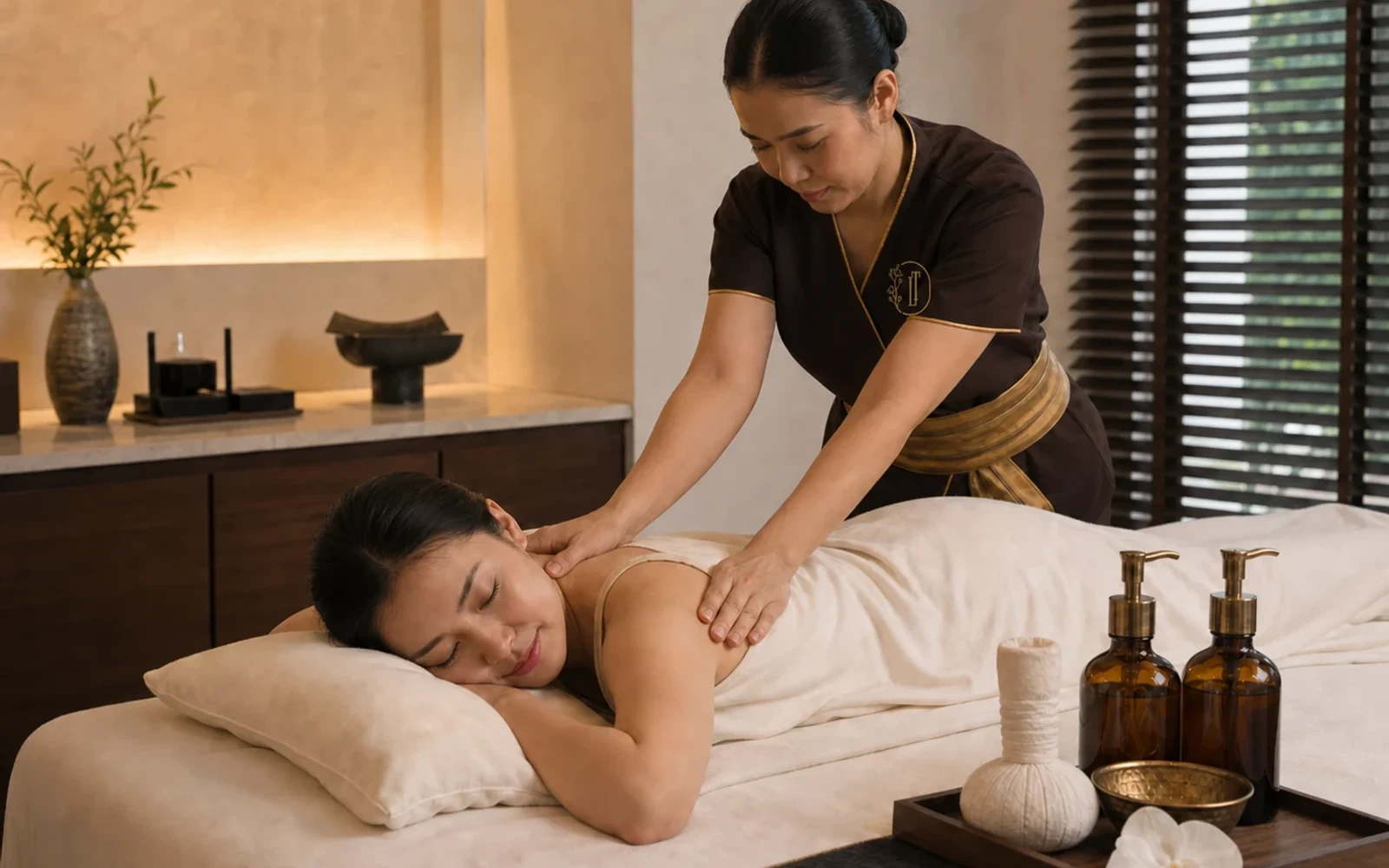
“Swedish massage feels simple because a skilled therapist makes transitions, pressure and draping feel effortless.”
Loft Thai Editorial Team
Continue your research
REFERENCES
Sources & further reading
PRACTICAL GUIDANCE
Frequently Asked Questions
Is Swedish massage always gentle?
No. It is commonly light to medium, but pressure can be adapted. Even a firmer session should remain controlled, and sharp or breath-stopping pain is a reason to reduce pressure.
Do I keep clothes on for Swedish massage?
Swedish massage normally uses oil on the skin. Undress only to your comfort level, and professional draping should keep the body covered except for the area being treated.
What is the difference between Swedish and Thai massage?
Swedish massage is oil-based and uses flowing strokes on a table. Traditional Thai massage is usually clothed and combines pressure with assisted movement and stretching.
Can Swedish massage treat an injury?
A spa massage is not a diagnosis or rehabilitation plan. Recent or persistent injury should be assessed by an appropriate health professional, who can advise whether massage is suitable.
How long is Swedish Massage at Loft Thai Spa?
The current menu lists 90 minutes at THB 2,400 and 120 minutes at THB 3,800. Confirm current pricing and availability before booking.
CONTINUE READING
Related stories
What Makes Authentic Thai Massage Different from Spa Massage?
People often say “I want a Thai massage,” but what they actually mean can be very different.
Read the guide
Best Thai Massage in Bangkok: Traditional vs Aromatic Oil vs Deep Tissue Which One Is Right For You?
Bangkok is one of the few cities in the world where massage is not just a service—it’s culture. You can book a session almost anywhere, at almost any price, and still find talented hands. That’s the magic of Thailand. But it also creates the biggest problem…
Read the guide
Bangkok Spa Etiquette: Tipping, What to Wear, What to Say to Get the Pressure You Want in 2026
Booking a spa in Bangkok should feel exciting—not confusing. But if it’s your first time Thai massage or oil massage, it’s normal to wonder about the unspoken rules. Do you tip? How much? What do you wear? Do you keep underwear on? And how do you ask for the…
Read the guide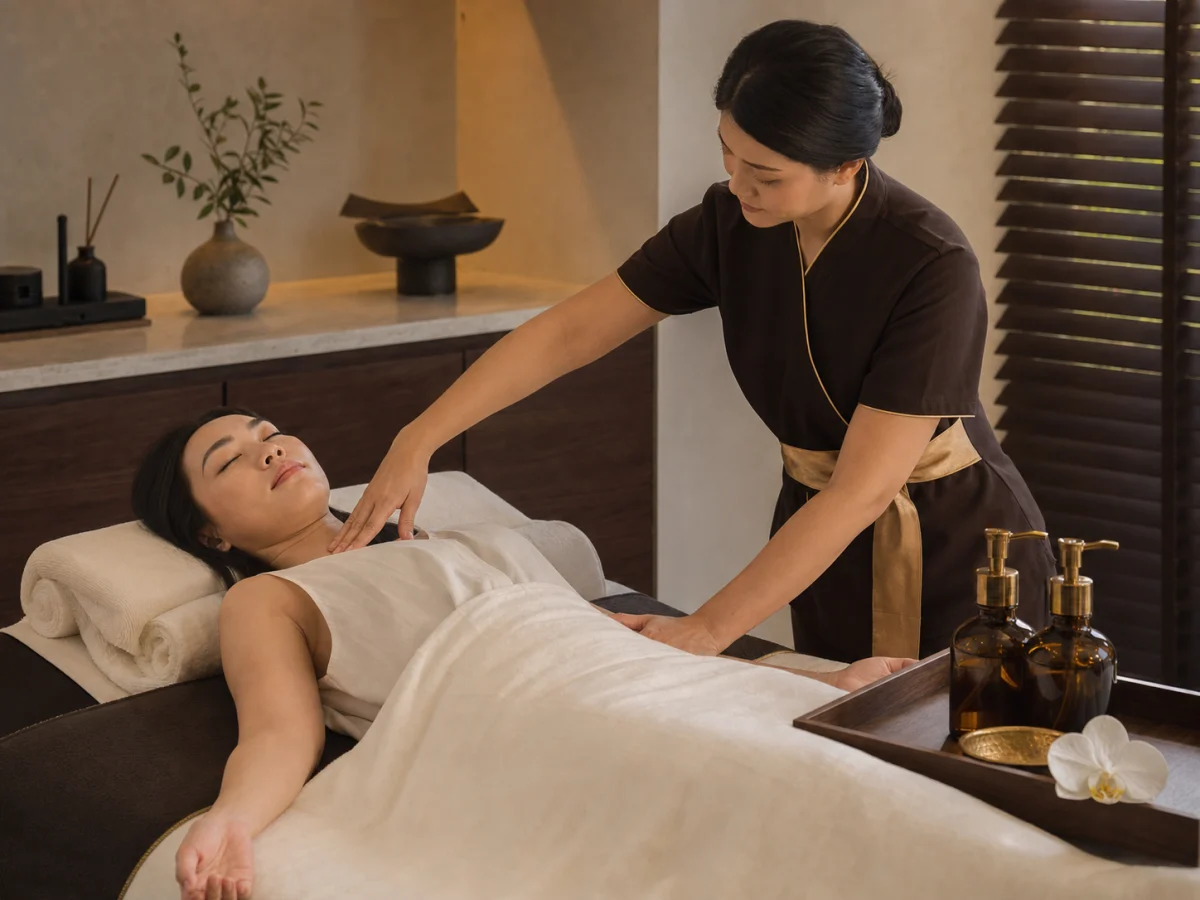
Late Night Massage in Bangkok: The Ultimate Way to Relax Before Sleep
Bangkok is a city that never truly sleeps. From vibrant night markets and rooftop bars to late-night dining and entertainment, the Thai capital remains lively long after sunset. Yet for many travelers and residents, the perfect way to end the day in Bangkok is…
Read the guide