

Bangkok is a city that constantly stimulates the senses, but for the skin, it can also be a demanding environment. The combination of humidity, pollution, intense sun exposure, and sudden transitions between outdoor heat and indoor air conditioning creates a unique challenge for maintaining healthy skin. Because of this, the question of how often one should get a facial is not just about beauty or indulgence, but about preserving the skin’s long-term health and balance.
In general, skin specialists and beauty professionals agree that a facial every four to six weeks is the ideal rhythm for most people. This recommendation is closely linked to the natural skin cycle, which takes approximately twenty-eight days to renew itself. During this cycle, dead skin cells accumulate on the surface, pores become clogged, and the skin gradually loses its natural glow. A professional facial supports this renewal process by deeply cleansing the skin, removing impurities, and stimulating circulation, allowing fresh and healthy skin cells to emerge more effectively.
However, this universal guideline needs to be adapted when we consider a city like Bangkok. The local climate and lifestyle significantly accelerate the accumulation of impurities and stress on the skin, meaning that regular professional care becomes even more important than in milder environments.
Why Bangkok Requires More Attention to Skin Care
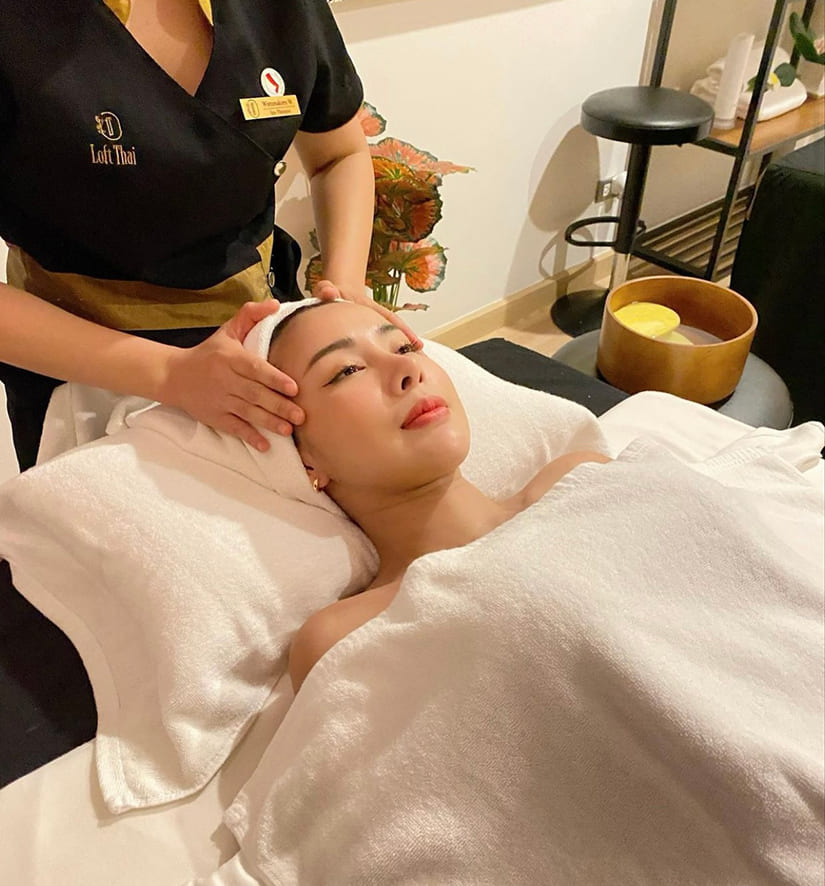
Living in Bangkok means that your skin is constantly exposed to environmental aggressors. Air pollution, particularly fine particles, can penetrate the skin barrier and lead to oxidative stress, which accelerates aging and dullness. At the same time, high humidity increases sebum production, often resulting in clogged pores and breakouts, especially for those with oily or combination skin.
The strong UV exposure throughout the year further complicates the situation, as it contributes to pigmentation, uneven skin tone, and the breakdown of collagen. On top of that, frequent exposure to air conditioning can dehydrate the skin, weakening its barrier and making it more sensitive.
Because of these combined factors, maintaining a consistent facial routine in Bangkok is not optional for those who want to preserve clear, radiant, and youthful skin. Instead of being an occasional treatment, facials become part of a preventive strategy that protects the skin from long-term damage.
Adapting Facial Frequency to Your Skin Type
While the general recommendation remains every four to six weeks, the ideal frequency can vary depending on individual skin conditions. People with oily or acne-prone skin often benefit from more frequent treatments, especially in the beginning. In such cases, scheduling a facial every two to four weeks can help regulate sebum production, deeply cleanse the pores, and reduce inflammation. Once the skin becomes more balanced, the frequency can be reduced to a monthly maintenance routine.
For those with dry or sensitive skin, a slightly longer interval is usually more appropriate. A facial every six to eight weeks allows the skin to recover while still benefiting from professional hydration and gentle exfoliation. The focus here is not on aggressive treatments but on restoring the skin barrier and maintaining moisture levels.
Individuals with normal or combination skin generally follow the standard rhythm of one facial every four to six weeks, which helps maintain equilibrium and prevent issues before they arise. Meanwhile, mature skin often benefits from more regular stimulation, as frequent treatments can support collagen production, improve elasticity, and reduce visible signs of aging. In this case, a facial every three to four weeks can be particularly effective.
The Role of Different Types of Facials
Not all facials are designed with the same purpose, and the type of treatment you choose can also influence how often you should have one. Traditional deep cleansing facials are typically performed every month, as they focus on removing impurities and maintaining clear skin. More advanced treatments, such as hydrating or anti-aging facials, can sometimes be done slightly more frequently, depending on the skin’s needs.
One of the most popular options today is the HydraFacial, which combines cleansing, exfoliation, extraction, and hydration in a single session. Because it is non-invasive and requires no downtime, it can be performed every three to six weeks, making it an excellent choice for maintaining consistent results in a city like Bangkok.
On the other hand, more intensive treatments such as chemical peels require more spacing between sessions, as the skin needs time to regenerate. In these cases, professional guidance is essential to avoid over-treatment and to ensure optimal results.
Finding the Right Balance
While regular facials are essential, it is equally important not to overdo them. Excessive treatments can weaken the skin barrier, cause irritation, and lead to increased sensitivity. The key is to find a rhythm that supports the skin without overwhelming it.
A well-structured facial routine usually begins with a corrective phase, during which treatments are slightly more frequent in order to address specific concerns such as acne, dehydration, or pigmentation. Once the skin has improved, the routine shifts into a maintenance phase, where monthly facials are sufficient to preserve results and prevent new issues.
It is also common to adjust the frequency temporarily before special events, as a facial performed a few days in advance can enhance the skin’s radiance and smoothness.
Why Professional Facials Are Essential
Although daily skincare at home plays a crucial role, it cannot replace the benefits of a professional facial. At-home routines are limited in their ability to deeply cleanse the skin, perform safe extractions, and deliver active ingredients at a deeper level. Professional treatments provide a level of care and precision that goes far beyond what can be achieved with standard products.
A trained therapist is also able to assess the skin accurately and adapt the treatment to its current condition. This personalized approach ensures that each session is not only effective but also safe, preventing unnecessary irritation or damage.
The Loft Thai Spa Philosophy
At Loft Thai Spa, facials are designed as part of a holistic journey rather than a one-time experience. Each treatment begins with a personalized consultation that takes into account not only the skin type but also lifestyle, environment, and individual goals. This allows the therapists to create a tailored program that evolves with the client’s needs.
The treatments combine advanced techniques such as deep cleansing, hydration infusion, and anti-aging care with traditional elements of Thai wellness. This approach ensures that clients experience both visible results and deep relaxation. In a fast-paced city like Bangkok, this combination is particularly valuable, as it addresses both the physical and mental aspects of well-being.
One of the key strengths of Loft Thai Spa lies in its ability to adapt treatments to the specific challenges of the local environment. Whether the focus is on detoxifying the skin from pollution, restoring hydration after sun exposure, or improving overall texture and radiance, each facial is carefully designed to deliver long-lasting benefits.
Building a Long-Term Skin Strategy
The most effective way to approach facial treatments is to see them as part of a long-term investment rather than a short-term solution. Consistency plays a crucial role in achieving and maintaining healthy skin. When facials are performed regularly, the results accumulate over time, leading to improved texture, better tone, and a more youthful appearance.
In Bangkok, this consistency becomes even more important due to the constant exposure to environmental stressors. A monthly facial routine helps the skin stay resilient and prevents minor issues from turning into more serious concerns.
Listening to your skin is also essential. Changes in texture, increased breakouts, dullness, or dehydration are all signs that your skin may need professional attention. By responding to these signals early, you can maintain a healthy balance and avoid more intensive treatments later on.
Conclusion: The Ideal Facial Rhythm in Bangkok
Determining how often you should get a facial ultimately depends on your skin type, lifestyle, and personal goals, but in a city like Bangkok, the need for regular care is undeniable. For most people, a facial every four to six weeks provides the perfect balance between maintenance and prevention. For others, particularly those dealing with specific concerns, a slightly more frequent schedule may be beneficial.
What matters most is not just the frequency, but the quality and consistency of the treatments. When facials are performed by skilled professionals and tailored to the individual, they become a powerful tool for maintaining healthy, radiant skin.
In the end, taking care of your skin in Bangkok is about more than aesthetics. It is about adapting to your environment, protecting your skin from daily stress, and creating a routine that supports both beauty and well-being over time.
UPDATED LOFT THAI GUIDE
Additional guidance and current information
The following editorial update expands on the original Loft Thai article with practical context, current treatment guidance and further reading.
The Short Answer: Frequency Must Be Individual
Monthly facials are common in spa practice, but four weeks is not a biological rule for every person or every treatment. Skin-cell turnover varies with age, body site, health and measurement method, and it does not automatically prescribe a booking interval.
Begin with the purpose of the session. An occasional relaxation facial can be booked when desired and suitable. A plan for acne, pigmentation, rosacea or another skin condition should be coordinated with a dermatologist rather than built from a generic spa timetable.
The interval should also reflect recovery. If the skin remains tight, flaky, unusually red or irritated after a treatment, repeating it sooner is unlikely to be the sophisticated choice.
- Name the goal before choosing the cadence
- Separate spa maintenance from medical treatment
- Allow full recovery before repeating exfoliation
- Change one variable at a time when assessing results
Treatment Type Changes the Answer
A gentle classic facial built around cleansing, massage, mask and hydration has a different recovery profile from strong peeling, resurfacing, microneedling or laser procedures. Those advanced services require procedure-specific instructions from a qualified provider.
HydraFacial’s official guidance states that frequency depends on individual needs and goals; many clients book monthly while others choose longer intervals. That brand guidance is a starting point, not proof that frequent treatment is suitable for every skin.
Manual extraction, suction, exfoliating acids and active boosters all add intensity. Ask what will actually happen rather than deciding from the duration or price alone.
Let the Skin’s Current Condition Guide the Interval
Sensitive or reactive skin may need longer recovery and fewer active steps. The American Academy of Dermatology warns that exfoliation can worsen redness or acne when it is not matched to skin type and notes that mechanical exfoliation may be too irritating for some dry, sensitive or acne-prone skin.
Congestion does not automatically justify weekly extraction. Persistent blackheads or acne need a sustainable home routine and, when moderate, painful, scarring or resistant, dermatological care. A facial can support appearance and comfort but does not replace acne treatment.
Dry-feeling skin may benefit from a hydration-focused facial, yet repeatedly exfoliating to make it feel smooth can weaken comfort. Mature skin does not require aggressive stimulation simply because of age.
How Bangkok Life Can Temporarily Change the Plan
Heat, perspiration, sunscreen, travel, air-conditioning and changing air quality can influence how skin feels, but they do not create one Bangkok-only facial schedule. Use them as reasons to reassess the protocol, not automatically shorten the interval.
After a sun-heavy holiday, long flight, product reaction or course of strong home actives, a quieter treatment—or postponement—may be more suitable than the facial normally booked.
Before an important event, select a familiar service and allow a margin for temporary redness. A first peel, new booster or intensive extraction immediately before photographs adds avoidable uncertainty.
Build a Facial Rhythm in Three Reviews
Treat the first appointment as a baseline rather than a subscription decision. Record what was used, how the skin felt during treatment and what changed over the following days.
At the next consultation, compare the result with the original goal. If the skin stayed comfortable and the benefit was meaningful, repeat at a sensible interval. If not, change the protocol before increasing frequency.
-
01
Set the purpose
Choose maintenance, hydration, congestion care, event preparation or relaxation as the primary goal.
-
02
Map treatment intensity
Count exfoliation, extraction, suction, active solutions and recent home products—not just session length.
-
03
Observe recovery
Note comfort, redness, flaking, breakouts and how long the visible result lasts.
-
04
Adjust the interval
Repeat only after recovery, extending or simplifying the plan when the skin shows irritation.
Signs the Schedule May Be Too Frequent
Persistent stinging, tightness, flaking, increased redness, tenderness or worsening breakouts can signal that the combined routine is too irritating. The issue may be the facial, home actives or the way they overlap.
More appointments are not always the answer to disappointing results. Review cleanser, exfoliants, retinoids, acne products, sunscreen, sleep, stress and any diagnosed condition before intensifying professional treatment.
Stop and seek medical advice for swelling, blistering, hives, infection, severe pain or a persistent rash. A spa cadence should never be maintained through a suspected adverse reaction.
A Practical Starting Point for Bangkok Guests
For a gentle facial that the skin has tolerated well, many guests choose an interval of roughly four to eight weeks or book occasionally around travel and events. This is a practical range for discussion, not a medical prescription.
Device treatments, extractions and active protocols need their own review. Sensitive skin may prefer more time; a clinician-led treatment plan may specify something entirely different.
At Loft Thai Spa, the useful question is not simply “When was your last facial?” It is “What has happened to your skin since then?” The answer produces a safer and more personal schedule.

“A good facial rhythm is not the shortest interval the skin can tolerate; it is the interval that leaves enough time to recover, observe and decide what is actually helping.”
Loft Thai Editorial Team
Continue your research
REFERENCES
Sources & further reading
PRACTICAL GUIDANCE
Frequently Asked Questions
Is a facial every four weeks necessary?
No. Monthly booking is common, but it is not a universal biological requirement. Frequency depends on treatment intensity, recovery, skin condition, home products and goals.
Can I have a facial every week?
Some very gentle services may be offered frequently, but repeated exfoliation, extraction or strong actives can irritate skin. Follow provider guidance and allow complete recovery.
How often should sensitive skin have a facial?
There is no fixed interval. Start conservatively, simplify the protocol, observe recovery and extend the interval if redness, tightness or irritation persists.
How often should I get HydraFacial?
HydraFacial’s official guidance says frequency depends on individual needs and goals. Discuss suction, solutions, boosters, home actives and previous response with the provider.
When should I postpone a facial?
Postpone for active sunburn, infection, blistering, severe unexplained irritation or when a recent procedure or prescription requires recovery. Ask the relevant clinician when uncertain.
CONTINUE READING
Related stories

Facial for Sensitive Skin: What to Choose in Bangkok
Sensitive skin is not just a skin type; it is a condition that reflects how reactive your skin is to its environment, products, and lifestyle. In a city like Bangkok, where heat, humidity, pollution, and UV exposure are constant, sensitivity becomes even more…
Read the guide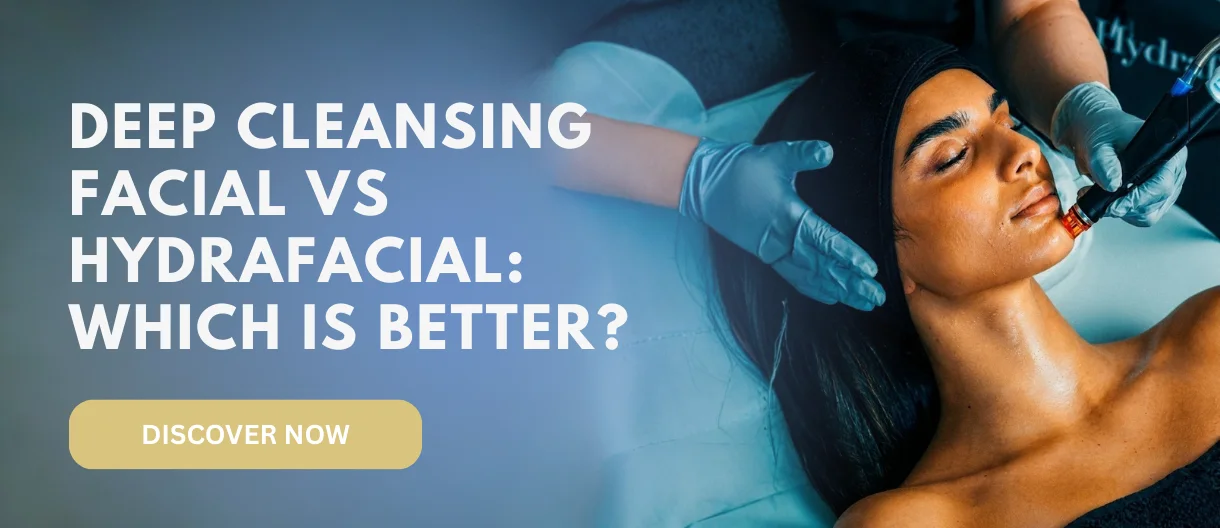
Deep Cleansing Facial vs HydraFacial: Which Is Better?
A deep cleansing facial is usually a hands-on, esthetician-led facial focused on manual pore clearing (extractions) plus classic steps like cleanse, exfoliation, steam, mask, and soothing finish. A HydraFacial is a device-based treatment that uses…
Read the guide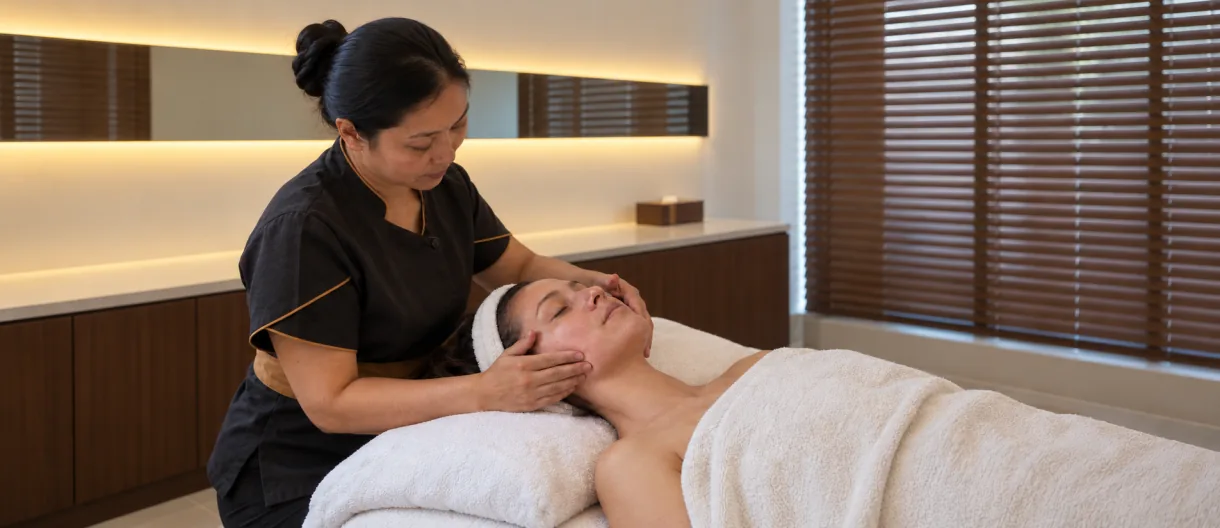
Facial Prices in Bangkok: 60, 90 or 120 Minutes at Loft Thai?
Comparing facial prices in Bangkok is easier when the treatment and the appointment length are considered together. Loft Thai's published menu starts at 1,800 THB for a 60-minute Classic Facial Treatment, but not every facial comes in every duration. This…
Read the guide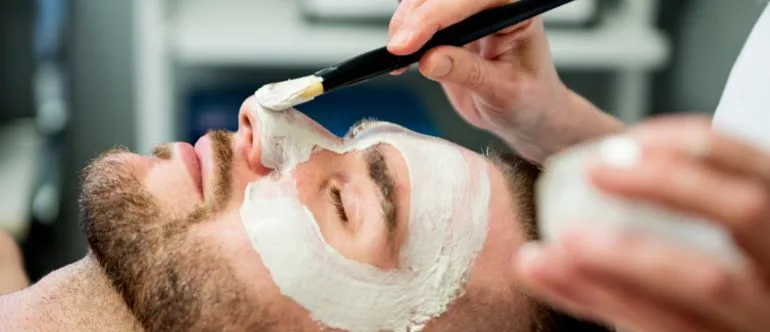
Facial for Men in Bangkok: Deep Cleansing, Hydration & Skin Clarity
A facial for men in Bangkok is not just a luxury treatment. For many men living in or visiting the city, it is a practical way to keep the skin clean, fresh, comfortable, and balanced.
Read the guide