

Sensitive skin is not just a skin type; it is a condition that reflects how reactive your skin is to its environment, products, and lifestyle. In a city like Bangkok, where heat, humidity, pollution, and UV exposure are constant, sensitivity becomes even more common and more difficult to manage.
Studies suggest that more than 50% of women and around 40% of men report having sensitive skin, making it one of the most widespread skin concerns globally.
However, in Bangkok, this percentage can feel even higher due to environmental stress. Many people who never considered themselves to have sensitive skin begin to experience redness, irritation, or discomfort after moving here.
Choosing the right facial treatment becomes essential, not only to improve the skin but also to avoid making the condition worse. A poorly adapted facial can trigger irritation, while the right one can completely transform your skin.
Understanding Sensitive Skin: More Than Just Redness
Sensitive skin is often misunderstood as simply “skin that turns red easily,” but the reality is more complex. It is usually linked to a weakened skin barrier, which means the skin struggles to protect itself against external aggressors such as pollution, UV rays, and harsh ingredients.
When the barrier is compromised, nerve endings in the skin become more reactive, leading to sensations such as burning, stinging, itching, or tightness.
Triggers can vary widely from person to person. Some individuals react to skincare products, especially those containing fragrances, alcohol, or strong active ingredients. Others experience sensitivity due to environmental factors such as heat, pollution, or sudden temperature changes.
In Bangkok, all these triggers are combined, which explains why sensitive skin needs a more strategic and professional approach.
Why Bangkok Makes Sensitive Skin Worse

The environment in Bangkok amplifies skin sensitivity in several ways. The high level of humidity increases sweat and oil production, which can lead to clogged pores and irritation. At the same time, pollution particles penetrate the skin, causing inflammation and oxidative stress.
Frequent transitions between outdoor heat and air-conditioned indoor spaces create additional stress on the skin, leading to dehydration and weakening of the skin barrier. Sun exposure throughout the year further aggravates sensitivity, as UV rays increase inflammation and redness.
Because of this constant exposure, sensitive skin in Bangkok is not something that can be managed with occasional care. It requires consistent attention and carefully chosen treatments.
Can You Get a Facial If You Have Sensitive Skin?
Many people with sensitive skin hesitate to get facials, fearing that treatments may irritate their skin. However, professional guidance confirms that facials are not only possible but also beneficial, as long as they are adapted to the skin’s needs.
In fact, the right facial can help strengthen the skin barrier, reduce inflammation, and improve overall resilience. The key lies in choosing treatments that focus on calming, hydrating, and repairing the skin rather than aggressively exfoliating or stimulating it.
Sensitive skin does not mean avoiding facials; it means choosing the right ones.
What Makes a Facial Suitable for Sensitive Skin
A facial for sensitive skin must be designed with one primary objective, which is to calm and protect the skin while delivering visible results. This requires a combination of gentle techniques, soothing ingredients, and a personalized approach.
Hydration is one of the most important elements. Sensitive skin often lacks moisture, which weakens its barrier and increases reactivity. Ingredients such as hyaluronic acid, aloe vera, and green tea are widely recognized for their calming and anti-inflammatory properties.
At the same time, it is essential to avoid harsh ingredients. Fragrances, alcohol, and strong acids can easily trigger irritation and should be excluded from treatments whenever possible.
Exfoliation, if used, must be extremely gentle. Harsh scrubs or aggressive chemical peels can damage the skin barrier and worsen sensitivity. Instead, mild enzyme-based exfoliation or no exfoliation at all may be more appropriate depending on the skin condition.
The entire treatment must be adapted in real time, as sensitive skin can react differently from one session to another.
Best Facial Treatments for Sensitive Skin in Bangkok
Choosing the right facial in Bangkok means prioritizing treatments that address both sensitivity and environmental stress.
Hydrating facials are among the most recommended options, as they focus on restoring moisture and strengthening the skin barrier. These treatments help reduce dryness, calm irritation, and improve overall comfort.
Soothing facials using ingredients like aloe vera or green tea are also highly effective in reducing redness and inflammation. These treatments provide immediate relief while supporting long-term skin health.
Another excellent option is light therapy, particularly LED treatments, which can reduce inflammation and promote healing without causing irritation. These treatments are non-invasive and suitable even for highly reactive skin.
HydraFacial has also become a preferred solution for sensitive skin because it combines cleansing, exfoliation, and hydration in a gentle and controlled way. It removes impurities without damaging the skin barrier and infuses the skin with soothing and hydrating ingredients.
The advantage of these treatments is that they provide visible results while maintaining a high level of safety for sensitive skin.
The Loft Thai Spa Approach to Sensitive Skin
At Loft Thai Spa, facial treatments for sensitive skin are designed with a deep understanding of both skin physiology and Bangkok’s environment. Rather than applying a standard protocol, each treatment is tailored to the individual’s skin condition at that specific moment.
The process begins with a detailed consultation to identify triggers, sensitivities, and current skin condition. This allows therapists to adjust every step of the treatment, from cleansing to product selection and massage techniques.
Gentle cleansing is prioritized to remove impurities without stripping the skin. Hydration is then carefully introduced using ingredients that restore moisture and reinforce the skin barrier. Instead of aggressive exfoliation, mild and controlled techniques are used when necessary.
One of the key elements is the incorporation of relaxing facial massage, which improves circulation and reduces stress without overstimulating the skin. This contributes not only to better skin health but also to overall well-being.
The treatments are designed to deliver both immediate comfort and long-term improvement, helping the skin become less reactive over time.
How Often Should You Get a Facial for Sensitive Skin
Frequency is an important factor when dealing with sensitive skin. Unlike other skin types, sensitive skin requires a balance between care and recovery.
In most cases, a facial every four to six weeks is ideal. This allows the skin to benefit from professional treatment without being overstimulated. However, the exact frequency may vary depending on the severity of sensitivity and the type of treatment used.
Consistency is more important than intensity. Regular gentle treatments are far more effective than occasional aggressive ones.
Supporting Sensitive Skin Between Treatments

Facials are only one part of the solution. Daily habits play a crucial role in maintaining results and preventing flare-ups.
Using gentle, fragrance-free products is essential, as these are less likely to trigger irritation. Moisturizing regularly helps strengthen the skin barrier, while daily sun protection prevents further damage from UV exposure.
Avoiding harsh ingredients and overloading the skin with too many products is equally important. Sensitive skin often responds better to a simple and consistent routine.
Environmental awareness also matters. Limiting exposure to pollution during peak hours and protecting the skin when outdoors can significantly reduce stress on the skin.
Signs You Are Choosing the Wrong Facial
Not all facials are suitable for sensitive skin, and choosing the wrong treatment can lead to negative effects. If you experience prolonged redness, burning sensations, or increased breakouts after a facial, it may indicate that the treatment was too aggressive or not properly adapted.
Sensitive skin requires careful handling, and even small details such as product choice or massage pressure can make a difference.
Conclusion: Calm Skin Is Beautiful Skin
Sensitive skin requires a thoughtful and strategic approach, especially in a city like Bangkok where environmental factors constantly challenge the skin’s balance.
The right facial can do much more than improve appearance. It can strengthen the skin barrier, reduce inflammation, and help the skin become more resilient over time.
At Loft Thai Spa, treatments are designed to respect the unique nature of sensitive skin while delivering visible and lasting results. By combining gentle techniques, personalized care, and a deep understanding of the environment, these facials provide a safe and effective solution for even the most reactive skin.
Because in the end, healthy skin is not about doing more.
It is about doing what is right for your skin, consistently and intelligently.
UPDATED LOFT THAI GUIDE
Additional guidance and current information
The following editorial update expands on the original Loft Thai article with practical context, current treatment guidance and further reading.
Sensitive Skin Is a Response Pattern, Not One Diagnosis
People use “sensitive” to describe stinging, burning, tightness, itching, flushing or discomfort after products and environmental changes. Those sensations can occur in otherwise healthy skin, but they can also overlap with contact dermatitis, rosacea, eczema, acne treatment, sunburn or a temporarily disrupted barrier.
This is why a spa consultation should not try to diagnose the cause. It should establish what the guest is feeling, what has changed recently and which steps are appropriate today. Persistent rash, swelling, oozing, pain or recurrent unexplained reactions belong with a dermatologist.
Skin can also be situationally sensitive. A person who usually tolerates exfoliation may react differently after travel, strong home actives, a recent procedure or several days of intense sun.
- Describe sensations as well as visible redness
- List prescription and non-prescription active products
- Mention recent peels, lasers, waxing, sunburn or cold sores
- Explain previous reactions to fragrance, masks or extraction
Why Bangkok Can Change How Reactive Skin Feels
Bangkok combines warm outdoor conditions with frequent transitions into cool, dry interiors. Perspiration, repeated cleansing, sunscreen, makeup, traffic exposure and air-conditioning can make an already delicate routine feel harder to balance.
These factors do not prove that every episode of redness comes from the city. They are useful consultation clues. A guest arriving after a long flight, a day outdoors or a product change may need a different facial from the one they enjoyed several months earlier.
The practical response is not aggressive “detoxification.” It is careful cleansing, reduced friction, appropriate hydration and sun protection, with treatment intensity adjusted to what the skin can comfortably tolerate.
The Consultation Matters More Than the Treatment Name
A treatment advertised as soothing can still include an ingredient or technique that does not suit a particular guest. Ask about the cleanser, exfoliant, mask, massage medium and finishing products rather than relying only on words such as natural, hypoallergenic or gentle.
Fragrance-free and unscented do not always mean the same thing. The American Academy of Dermatology advises fragrance-free products for several reactive skin conditions and notes that fragrance can trigger irritation or allergic contact dermatitis in some people.
Postpone a facial when the skin is acutely sunburned, blistered, infected, weeping, unusually swollen or experiencing a severe unexplained flare. If a clinician is treating rosacea, eczema, acne or another condition, follow that plan and disclose it before spa treatment.
What Makes a Facial More Suitable for Sensitive Skin?
A sensitive-skin facial should make intensity optional. The therapist can use lukewarm rather than hot towels, limit friction, avoid vigorous scrubs, shorten massage over flushed areas and select a comfortable mask and moisturiser.
Exfoliation is not compulsory. The American Academy of Dermatology notes that mechanical exfoliation may be too irritating for dry, sensitive or acne-prone skin. When exfoliation is appropriate, the product, contact time and frequency should remain conservative.
Extraction also deserves restraint. A few areas of mild congestion may be addressed carefully, but widespread squeezing is not a sign of a thorough facial. The aim is to leave the skin comfortable, not to chase temporary smoothness at the expense of the barrier.
A Calm, Consultation-Led Treatment Flow
The best sequence is deliberately simple and responsive. Each stage gives the therapist another opportunity to observe comfort and reduce intensity.
At Loft Thai Spa, a soothing direction can focus on measured cleansing, hydration and a considered finish. The exact products and techniques should still be confirmed for the individual booking.
-
01
Review triggers and current products
Discuss reactions, active ingredients, medication, recent procedures and today’s skin sensations.
-
02
Cleanse without scrubbing
Remove sunscreen and surface residue with controlled pressure, comfortable water temperature and minimal friction.
-
03
Decide whether to exfoliate
Use a mild option only when the skin condition and recent routine support it; skipping is a valid professional choice.
-
04
Soothe and hydrate
Apply selected mask, serum and moisturising steps while monitoring heat, sting and redness.
-
05
Finish for the day ahead
Use comfortable barrier-supporting care and daytime sun protection, then explain what to avoid after treatment.
Support Sensitive Skin Between Facials
Keep the routine familiar for several days after treatment. A gentle cleanser, fragrance-free moisturiser and broad-spectrum sunscreen are more useful than immediately adding several new serums.
Avoid stacking scrubs, exfoliating acids, retinoids and strong spot treatments around a facial unless a qualified professional has given product-specific guidance. Introduce new products one at a time so a reaction is easier to identify.
If the skin develops persistent burning, swelling, hives, blistering or worsening rash, stop the suspected product and seek medical advice. A spa should not reassure a guest through symptoms that need assessment.
How to Choose a Sensitive-Skin Facial in Bangkok
Look for a provider that asks questions before beginning, explains optional steps and welcomes feedback during the treatment. A polished menu matters less than the therapist’s willingness to adapt it.
For an event, choose a facial the skin has tolerated before and leave a recovery margin. First-time exfoliation, extraction or a new device should not be scheduled immediately before an important photograph or flight.
The right result may be modest: skin that feels clean, hydrated and settled without prolonged redness. For sensitive skin, comfort and predictability are meaningful outcomes.
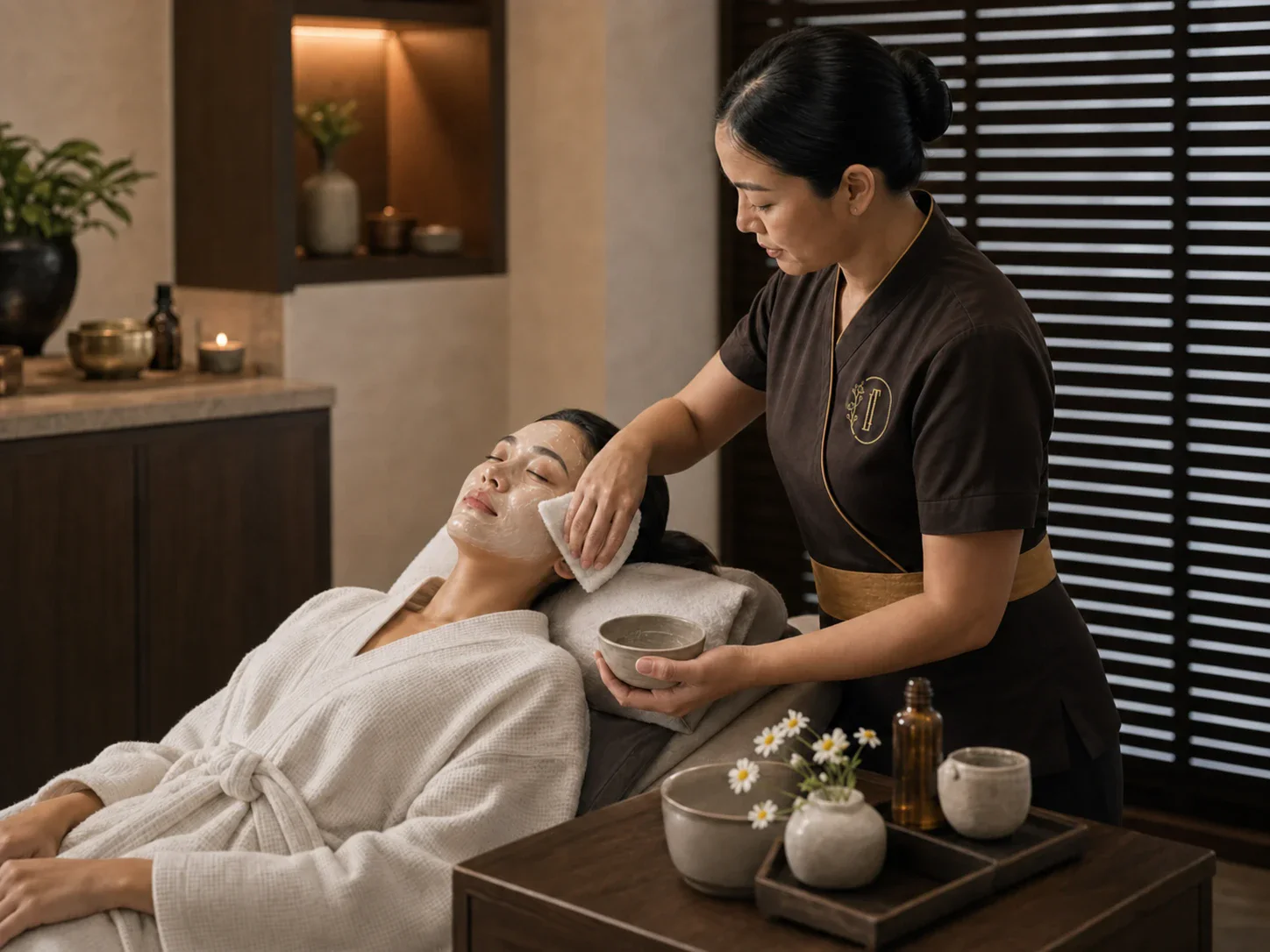
“For reactive skin, a quiet protocol with fewer well-chosen steps can be more sophisticated than an intensive treatment with every possible active.”
Loft Thai Editorial Team
Continue your research
REFERENCES
Sources & further reading
PRACTICAL GUIDANCE
Frequently Asked Questions
Can sensitive skin have a professional facial?
Often yes, when the skin is assessed and the protocol is adapted. Acute rash, infection, sunburn, blistering or unexplained swelling should be evaluated or allowed to settle before spa treatment.
Should a sensitive-skin facial include exfoliation?
Not automatically. Mechanical exfoliation can be too irritating for some sensitive skin. A mild method, shorter contact time or no exfoliation may be the better choice.
Is HydraFacial always suitable for sensitive skin?
No treatment is suitable for everyone. Suction, exfoliating solutions and optional boosters must be adjusted, and guests should disclose active products, recent procedures and previous reactions.
How long should redness last after a facial?
Mild temporary flushing can occur, but persistent burning, swelling, hives, blistering or worsening rash is not a result to ignore. Contact the provider and seek medical advice when needed.
How often should sensitive skin have a facial?
There is no fixed schedule. Allow the skin to recover fully, consider the treatment intensity and adjust the interval according to comfort, current routine and professional guidance.
CONTINUE READING
Related stories
Deep Cleansing Facial vs HydraFacial: Which Is Better?
A deep cleansing facial is usually a hands-on, esthetician-led facial focused on manual pore clearing (extractions) plus classic steps like cleanse, exfoliation, steam, mask, and soothing finish. A HydraFacial is a device-based treatment that uses…
Read the guide
How Often Should You Get a Facial in Bangkok?
Bangkok is a city that constantly stimulates the senses, but for the skin, it can also be a demanding environment. The combination of humidity, pollution, intense sun exposure, and sudden transitions between outdoor heat and indoor air conditioning creates a…
Read the guide
Facial Prices in Bangkok: 60, 90 or 120 Minutes at Loft Thai?
Comparing facial prices in Bangkok is easier when the treatment and the appointment length are considered together. Loft Thai's published menu starts at 1,800 THB for a 60-minute Classic Facial Treatment, but not every facial comes in every duration. This…
Read the guide
Facial for Men in Bangkok: Deep Cleansing, Hydration & Skin Clarity
A facial for men in Bangkok is not just a luxury treatment. For many men living in or visiting the city, it is a practical way to keep the skin clean, fresh, comfortable, and balanced.
Read the guide