

Bangkok is a city full of energy, culture, and opportunity, but it also presents one of the most aggressive environments for your skin. While most people are aware of pollution’s impact on health, far fewer realize how deeply it affects the skin on a daily basis. Unlike internal organs, the skin is directly exposed to the environment, making it the first barrier against pollution, UV radiation, and climate stress.
In 2026, despite improvements in air quality management, Bangkok continues to experience pollution levels that exceed international safety standards. Fine particles, especially PM2.5, remain a constant presence in the air, particularly during the dry season. These particles are small enough to penetrate the skin barrier, triggering a cascade of damage that accelerates aging, increases sensitivity, and disrupts overall skin health.
Understanding how pollution affects your skin is essential, but more importantly, knowing how to protect and repair your skin through the right facial treatments can make a significant difference. In a city like Bangkok, skincare is no longer just a matter of aesthetics; it has become a necessity for maintaining long-term skin health.
Pollution Levels in Bangkok in 2026: A Continuing Concern
Although Thailand has taken steps to reduce pollution, Bangkok’s air quality in 2026 still presents challenges. Average PM2.5 levels are reported around 28 micrograms per cubic meter, which remains significantly higher than the World Health Organization’s recommended safe threshold. During peak periods, especially between January and March, these levels can rise dramatically, sometimes exceeding 50 micrograms per cubic meter.
Even on days when the air appears clear, pollution levels often remain above safe limits. This means that exposure is not occasional but continuous. The skin, being constantly in contact with the environment, accumulates pollutants over time, leading to long-term damage that may not be immediately visible but gradually becomes more pronounced.
This chronic exposure is what makes Bangkok particularly challenging for skincare. Unlike short-term pollution spikes in other cities, Bangkok’s pollution creates a sustained burden on the skin, requiring consistent and proactive care.
How Pollution Affects the Skin at a Cellular Level
Pollution does not simply sit on the surface of the skin. Fine particles penetrate deeply, interacting with skin cells and triggering oxidative stress. This process generates free radicals, which damage collagen and elastin, the proteins responsible for maintaining firmness and elasticity. As a result, the skin begins to age prematurely, developing fine lines, wrinkles, and a loss of structure much earlier than expected.
At the same time, pollution particles mix with natural oils and sweat, creating a layer of impurities that clogs pores. This leads to an increase in blackheads, whiteheads, and acne, even in individuals who previously had clear skin. The combination of humidity and pollution in Bangkok makes this issue particularly severe, as excess oil production further exacerbates congestion.
Another major consequence of pollution is inflammation. When the skin is exposed to pollutants, it activates its defense mechanisms, leading to redness, irritation, and sensitivity. Over time, this chronic inflammation weakens the skin barrier, making it more vulnerable to external aggressors and less capable of retaining moisture.
Hyperpigmentation is also a common issue in polluted environments. Pollution increases the production of melanin, especially when combined with strong UV exposure. This results in uneven skin tone, dark spots, and a dull complexion that can be difficult to correct without professional treatment.
Why Home Skincare Alone Is Not Enough
While a good home skincare routine is essential, it is often insufficient to fully counteract the effects of pollution in a city like Bangkok. Standard cleansers can remove surface dirt and oil, but they are not designed to extract deeply embedded particles or reverse oxidative damage at a cellular level.
Similarly, serums and creams can provide hydration and deliver active ingredients, but their effectiveness is limited when the skin is clogged or the barrier is compromised. Without proper exfoliation and deep cleansing, even the best products cannot penetrate effectively.
This is why professional facial treatments play such a critical role. They provide a level of cleansing, detoxification, and repair that cannot be achieved at home, making them an essential component of any skincare routine in a polluted environment.
The Most Effective Facial Solutions for Pollution-Damaged Skin
To effectively address pollution-related skin damage, facial treatments must target multiple aspects simultaneously. The first step is deep cleansing, which removes impurities, unclogs pores, and eliminates the buildup of pollutants. This process restores clarity and allows the skin to breathe again.
Detoxification is another key element. Modern facials often incorporate antioxidants and specialized ingredients that neutralize free radicals, reducing oxidative stress and preventing further damage. These treatments help protect the skin from ongoing exposure while promoting recovery.
Hydration and barrier repair are equally important. Pollution weakens the skin’s natural defenses, making it more prone to dehydration and sensitivity. Facial treatments that focus on restoring moisture and strengthening the barrier help the skin regain its resilience and maintain balance.
Among the most effective treatments available today, HydraFacial stands out as a comprehensive solution. By combining cleansing, exfoliation, extraction, and hydration in a single session, it addresses multiple concerns at once. Its non-invasive nature and immediate results make it particularly suitable for regular use in a city like Bangkok, where consistent maintenance is essential.
The Loft Thai Spa Approach to Pollution Defense

At Loft Thai Spa, facial treatments are specifically designed to respond to the challenges of Bangkok’s environment. Rather than offering standardized treatments, the approach is based on personalization, ensuring that each facial is adapted to the individual’s skin condition, lifestyle, and level of exposure to pollution.
Each session begins with a detailed skin analysis, allowing therapists to identify the specific effects of pollution on the skin. This personalized approach ensures that the treatment is both effective and safe, avoiding unnecessary irritation while maximizing results.
A strong emphasis is placed on deep cleansing, as removing pollution particles is the foundation of healthy skin. Advanced techniques are used to extract impurities and purify the pores, preventing breakouts and restoring clarity. At the same time, hydration is carefully integrated into the treatment, helping to repair the skin barrier and improve overall texture.
Lymphatic drainage massage is another key component of the facial experience. This technique stimulates circulation and supports the body’s natural detoxification process, reducing puffiness and enhancing the skin’s natural glow. In a polluted environment, this added detox effect can significantly improve the skin’s appearance and health.
Anti-aging and brightening elements are also incorporated to counteract the long-term effects of pollution. By stimulating collagen production and targeting pigmentation, these treatments help restore a youthful and even complexion.
Building a Consistent Facial Routine in Bangkok
Given the persistent exposure to pollution, consistency is essential when it comes to facial treatments. A monthly facial is generally recommended as a baseline for maintaining healthy skin. This frequency aligns with the skin’s natural renewal cycle and ensures that impurities are regularly removed before they can cause significant damage.
For individuals experiencing more severe issues such as acne, dullness, or sensitivity, a more intensive initial phase may be beneficial. During this period, treatments can be scheduled more frequently to reset the skin and address specific concerns. Once the skin has improved, the routine can transition into a maintenance phase with monthly sessions.
In Bangkok, irregular or occasional facials are often not enough to counteract the constant exposure to pollution. A structured and consistent approach is necessary to achieve lasting results.
Supporting Your Skin Between Facials
While professional treatments are essential, daily habits also play a crucial role in protecting the skin. Proper cleansing, the use of antioxidants, and consistent sun protection are fundamental steps in minimizing damage. Hydration, both internally and externally, helps maintain the skin’s resilience, while being mindful of pollution levels can guide daily skincare decisions.
By combining professional facials with a well-designed home routine, it is possible to create a comprehensive defense system against pollution.
Turning Skincare into Protection
In 2026, living in Bangkok means accepting a certain level of environmental exposure, but it does not mean accepting its effects on your skin. Pollution may be invisible, but its impact is real and cumulative.
The key to maintaining healthy skin lies in understanding these challenges and adopting a proactive approach. Regular facial treatments, especially those designed to address pollution-related damage, provide one of the most effective ways to protect, repair, and enhance the skin.
At Loft Thai Spa, this philosophy is at the core of every treatment. By combining advanced techniques, personalized care, and a deep understanding of Bangkok’s environment, the spa offers solutions that go beyond surface-level beauty.
UPDATED LOFT THAI GUIDE
Additional guidance and current information
The following editorial update expands on the original Loft Thai article with practical context, current treatment guidance and further reading.
What the Evidence Says About Air Pollution and Skin
Air pollution is a changing mixture of particulate matter and gases rather than one ingredient. The World Health Organization publishes health-based guidance for PM2.5, PM10, ozone, nitrogen dioxide, sulfur dioxide and carbon monoxide, while Thailand’s Pollution Control Department provides local monitoring through Air4Thai.
A systematic review of laboratory, animal and human studies found that airborne particulate matter has been associated with oxidative stress, inflammation and barrier dysfunction. The strength of evidence and the mechanism vary by pollutant, dose, skin condition and study model.
It is therefore too simple to say that every fine particle travels deep into intact skin. Surface deposition, hair follicles and an already disrupted barrier all matter. The most defensible skincare response is gentle removal of surface residue and support for the barrier rather than dramatic claims about extracting invisible toxins.
- Check local air quality rather than relying on how clear the sky looks
- Treat skin discomfort and respiratory risk as separate health questions
- Avoid scrubbing harder simply because pollution is high
- Seek medical advice for persistent dermatitis, acne or eye and breathing symptoms
Reading Bangkok Conditions Without Turning Skincare into Alarm
Bangkok’s air can vary by season, weather, traffic and location. A single citywide number may not describe the street where someone works or travels, which is why official real-time monitoring is more useful than a permanent claim in an article.
The WHO guideline values are health references for population exposure; they are not facial-treatment thresholds. On a high-pollution day, following public-health advice and reducing exposure matter more than booking a cosmetic service.
For the skin, notice practical signals: heavier sunscreen or makeup, more perspiration, repeated face wiping, tightness after cleansing or a recent increase in active products. Those details help determine whether the next facial should emphasise cleansing, hydration or simply rest.
What a Pollution-Focused Facial Can—and Cannot—Do
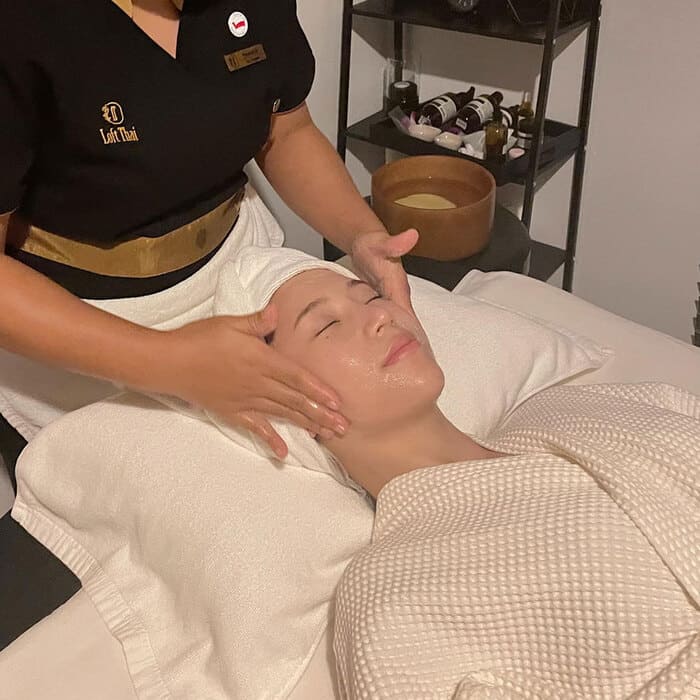
A facial can cleanse sebum, sunscreen, makeup and surface residue more thoroughly than a rushed end-of-day routine. It can also combine measured exfoliation, a mask, moisturising products and relaxing touch in one controlled setting.
It cannot detoxify the lungs or bloodstream, erase cumulative exposure, permanently close pores or treat inflammatory skin disease. “Detox facial” is best understood as a spa description for cleansing and refreshed appearance, not a medical process.
The most useful outcome is skin that feels clean and comfortable without being stripped. If a treatment causes strong burning, prolonged redness or repeated barrier disruption, extra intensity has defeated the purpose.
Match the Facial to the Skin, Not the AQI Alone
Congested, oily-feeling skin may benefit from careful cleansing and selective extraction. Dehydrated or reactive skin may need less exfoliation and more barrier-supporting care. Pigmentation concerns require consistent sun protection and, when appropriate, guidance from a dermatologist.
HydraFacial uses a branded device sequence for cleansing, exfoliation, suction-based extraction and serum delivery. It may suit some guests seeking a repeatable cleanse-and-hydrate ritual, but suction and solutions still need to be selected for the individual.
A hands-on Detox Facial can offer another direction through cleansing, mask application and facial massage. Neither name proves suitability. Ask what products, exfoliation and extraction are included.
A Considered City-Skin Treatment Sequence
A pollution-focused appointment should feel methodical rather than aggressive. The therapist can adjust the following sequence after discussing skin sensitivity, products and exposure.
-
01
Consult
Review current skin comfort, prescription products, recent procedures, time outdoors and the guest’s main goal.
-
02
Remove the day gently
Cleanse sunscreen, makeup, perspiration and surface residue without harsh brushes or repeated scrubbing.
-
03
Exfoliate only as needed
Choose the method and contact time according to sensitivity, acne activity and recent home actives.
-
04
Treat congestion selectively
Use careful manual or device-assisted extraction only where appropriate rather than forcing every visible pore.
-
05
Rehydrate and protect
Finish with selected moisturising care and daytime sun protection, then keep aftercare simple.
Daily Protection Matters More Than a Single Appointment
Wash the face gently after returning from a long day, but do not repeatedly cleanse until it feels tight. The American Academy of Dermatology recommends a mild, non-abrasive cleanser for acne-prone skin and non-comedogenic products when clogged pores are a concern.
Use a moisturiser that feels comfortable and a broad-spectrum sunscreen. Hats, shade and sensible timing reduce ultraviolet exposure; an antioxidant serum may fit some routines but is not a substitute for sun protection or air-quality guidance.
On days when Air4Thai or local authorities advise precautions, follow the relevant public-health recommendations. A facial is an optional cosmetic service, not protective equipment.
When Skin Needs More Than Spa Care
Persistent itchy rash, painful acne, recurrent swelling, crusting, infection, sudden pigment change or a condition that worsens despite a simple routine deserves medical assessment. Pollution may be part of the context, but it should not become a catch-all explanation.
Tell the therapist about eczema, rosacea, prescription retinoids, recent isotretinoin, peels, laser treatment, allergies and active irritation. The correct decision may be to simplify, change or postpone the facial.
Choose a Bangkok facial for a realistic purpose: careful cleansing, comfortable hydration and a restorative pause. Keep environmental health claims where they belong—with qualified public-health and medical sources.

WATCH & LEARN
HydraFacial treatment at Loft Thai Spa in Bangkok
“A pollution facial should be described as careful surface care—not as a medical detox, a cure for exposure or a promise to reverse every environmental effect.”
Loft Thai Editorial Team
Continue your research
REFERENCES
Sources & further reading
PRACTICAL GUIDANCE
Frequently Asked Questions
Can PM2.5 damage the skin?
Research associates particulate exposure with oxidative stress, inflammation and barrier changes, but effects vary and much mechanistic evidence comes from laboratory or model studies. Avoid claims that every particle penetrates healthy skin deeply.
Does a Detox Facial remove toxins from the body?
No. In spa language, detox usually describes cleansing, exfoliation and refreshed appearance. A facial does not detoxify the lungs, blood or internal organs.
Should I scrub more when Bangkok air quality is poor?
No. Over-scrubbing can increase irritation. Use a gentle cleanser, remove sunscreen and makeup methodically, moisturise and follow official air-quality advice.
Which facial is best after a polluted day?
Choose according to current skin condition. Congestion may suit careful cleansing; dehydrated or reactive skin may need a gentler, hydration-focused protocol. Consultation matters more than the treatment name.
Where can I check Bangkok air quality?
Thailand’s Pollution Control Department provides official real-time monitoring through Air4Thai. Follow local public-health guidance when levels are elevated.
CONTINUE READING
Related stories

Facial for Sensitive Skin: What to Choose in Bangkok
Sensitive skin is not just a skin type; it is a condition that reflects how reactive your skin is to its environment, products, and lifestyle. In a city like Bangkok, where heat, humidity, pollution, and UV exposure are constant, sensitivity becomes even more…
Read the guide
Deep Cleansing Facial vs HydraFacial: Which Is Better?
A deep cleansing facial is usually a hands-on, esthetician-led facial focused on manual pore clearing (extractions) plus classic steps like cleanse, exfoliation, steam, mask, and soothing finish. A HydraFacial is a device-based treatment that uses…
Read the guide
Facial Prices in Bangkok: 60, 90 or 120 Minutes at Loft Thai?
Comparing facial prices in Bangkok is easier when the treatment and the appointment length are considered together. Loft Thai's published menu starts at 1,800 THB for a 60-minute Classic Facial Treatment, but not every facial comes in every duration. This…
Read the guide
Facial for Men in Bangkok: Deep Cleansing, Hydration & Skin Clarity
A facial for men in Bangkok is not just a luxury treatment. For many men living in or visiting the city, it is a practical way to keep the skin clean, fresh, comfortable, and balanced.
Read the guide