
If you’re ever working in the city or have a job in general, most can find themselves in a stressful situation trying to reach deadlines and complete tasks to avoid being in an awkward spot.
This can also be applied to students who are going to school or househusbands/wives. Juggling all these tasks can create a very problematic lifestyle and thus resulting in mental issues that are left unchecked. Good thing for those as having a day in the spa can be one of your choices to achieve great mental health. Some may consider this choice a luxurious getaway but it can actually be given to anyone with the right practices.
Spa therapies have long been known for their physical health benefits, such as reducing muscle tension and promoting relaxation. However, in recent years, there has been a growing recognition of the mental health benefits of spa therapies. Research has shown that spa therapies can have a positive impact on mental health by reducing stress, improving mood, and promoting overall wellbeing. In this article, we will explore the benefits of spa therapies on mental health and the research that supports these claims.
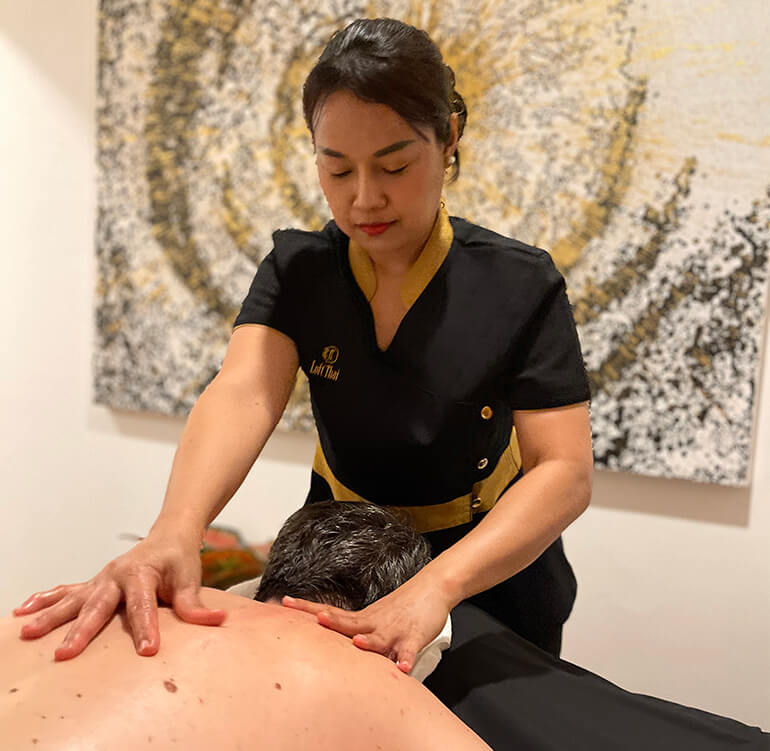
It’s very common that people who are tired or stressed may ask for a spa therapy day and while many think it’s just your typical activity of sitting down in the pool, it is actually much more complex than that. You will need to choose exactly what type of therapy you are looking for as different products and tools activate certain things. The purpose of going to the spa parlor and asking for specific therapy is so that your body and mind can be relaxed while improving your mental and physical health in the long run.
The obvious health benefits occur both physically and mentally. As mentioned, the different spa offers different types of treatments and therapies such as aromatherapy, herbal, or even CBD oil massages. While many of these techniques arrive at the same destination of achieving relaxing physical and mental health, the techniques used are widely different and may take a longer time.
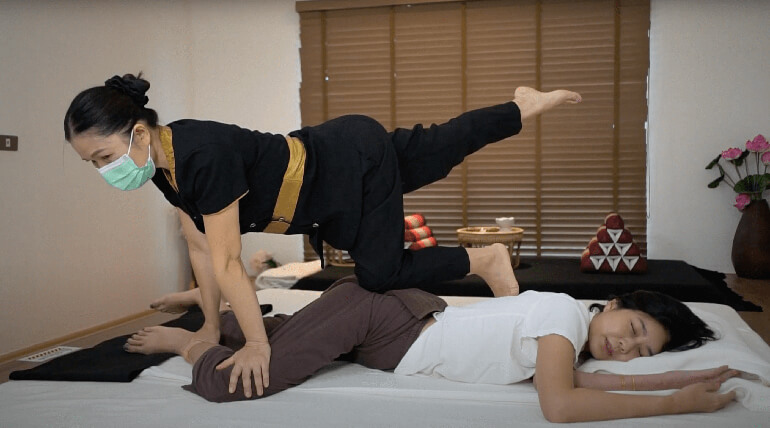
Loft Thai Spa is a boutique spa and massage parlor in Bangkok that offers multiple packages and therapies for anyone today. With our wide range of services, our licensed and trained therapists can help you achieve the mental and physical health that you are looking to obtain during your experience.
Reduces Stress
One of the primary benefits of spa therapies is their ability to reduce stress. Stress is a common problem that can have negative effects on both physical and mental health. Spa therapies such as massage, aromatherapy, and hydrotherapy have been found to be effective in reducing stress levels. Massage, in particular, has been shown to reduce levels of the stress hormone cortisol and increase levels of the "feel-good" hormone serotonin. Aromatherapy, which involves the use of essential oils, has also been found to have a calming effect on the mind and body. Hydrotherapy, which involves the use of water for therapeutic purposes, has been found to be particularly effective in reducing stress levels.
Improves Mood
Spa therapies have also been found to improve mood and promote feelings of happiness and relaxation. This is due in part to the release of endorphins, which are natural chemicals produced by the body that promote feelings of wellbeing. Massage, in particular, has been found to have a positive effect on mood. Research has shown that regular massage can reduce symptoms of depression and anxiety, and promote feelings of relaxation and wellbeing. Aromatherapy has also been found to have mood-enhancing effects, with certain essential oils such as lavender and bergamot being particularly effective in promoting relaxation and reducing anxiety.
Enhances Sleep
Sleep is essential for both physical and mental health, and spa therapies have been found to be effective in improving sleep quality. Massage, in particular, has been found to improve sleep quality by promoting relaxation and reducing anxiety. Aromatherapy has also been found to be effective in improving sleep quality, with certain essential oils such as lavender and chamomile being particularly effective in promoting relaxation and reducing insomnia. Hydrotherapy, which involves the use of water for therapeutic purposes, has also been found to be effective in improving sleep quality.
Boosts Self-esteem
Spa therapies have also been found to boost self-esteem and promote feelings of self-worth. This is due in part to the physical benefits of spa therapies, such as improving skin and muscle tone, but also due to the psychological benefits. Research has shown that regular massage can improve body image and self-esteem, particularly in women. Aromatherapy has also been found to have a positive effect on self-esteem, with certain essential oils such as grapefruit and peppermint being particularly effective in promoting feelings of self-worth.
Promotes Mindfulness
Spa therapies can also promote mindfulness, which is the practice of being present in the moment and fully engaged in the present experience. Mindfulness has been found to have numerous mental health benefits, including reducing stress, improving mood, and promoting overall wellbeing. Spa therapies such as meditation, yoga, and tai chi have been found to be effective in promoting mindfulness and reducing symptoms of anxiety and depression.
In conclusion, spa therapies have numerous potential benefits for mental health, including reducing stress, improving mood, enhancing sleep, boosting self-esteem, and promoting mindfulness. While more research is needed to fully understand the mechanisms behind these benefits, the evidence so far suggests that spa therapies can be a valuable tool in promoting overall wellbeing. If you are interested in trying spa therapies for mental health, be sure to choose a reputable spa or therapist who can provide safe and effective treatments.
UPDATED LOFT THAI GUIDE
Additional guidance and current information
The following editorial update expands on the original Loft Thai article with practical context, current treatment guidance and further reading.
Self-Care and Mental Healthcare Are Different
Self-care can include rest, movement, food, social connection, time outdoors or a chosen spa ritual.
Mental healthcare can include assessment and evidence-based treatment from qualified professionals.
One can support the other, but a pleasant spa experience does not replace diagnosis, therapy or prescribed care.
What a Spa Visit Can Reliably Offer
A scheduled visit can protect time from work, travel planning and digital interruptions.
A private room, predictable sequence and agreed pressure can make the experience easier to settle into.
The result is subjective and may be calm, neutral or uncomfortable depending on the person and day.
Massage Evidence Is Condition-Specific
NCCIH reports that massage has been studied for pain and supportive care, but evidence quality and strength vary.
Some studies measure anxiety or mood as secondary outcomes in particular populations.
Those findings do not establish massage as a stand-alone treatment for an anxiety or depressive disorder.
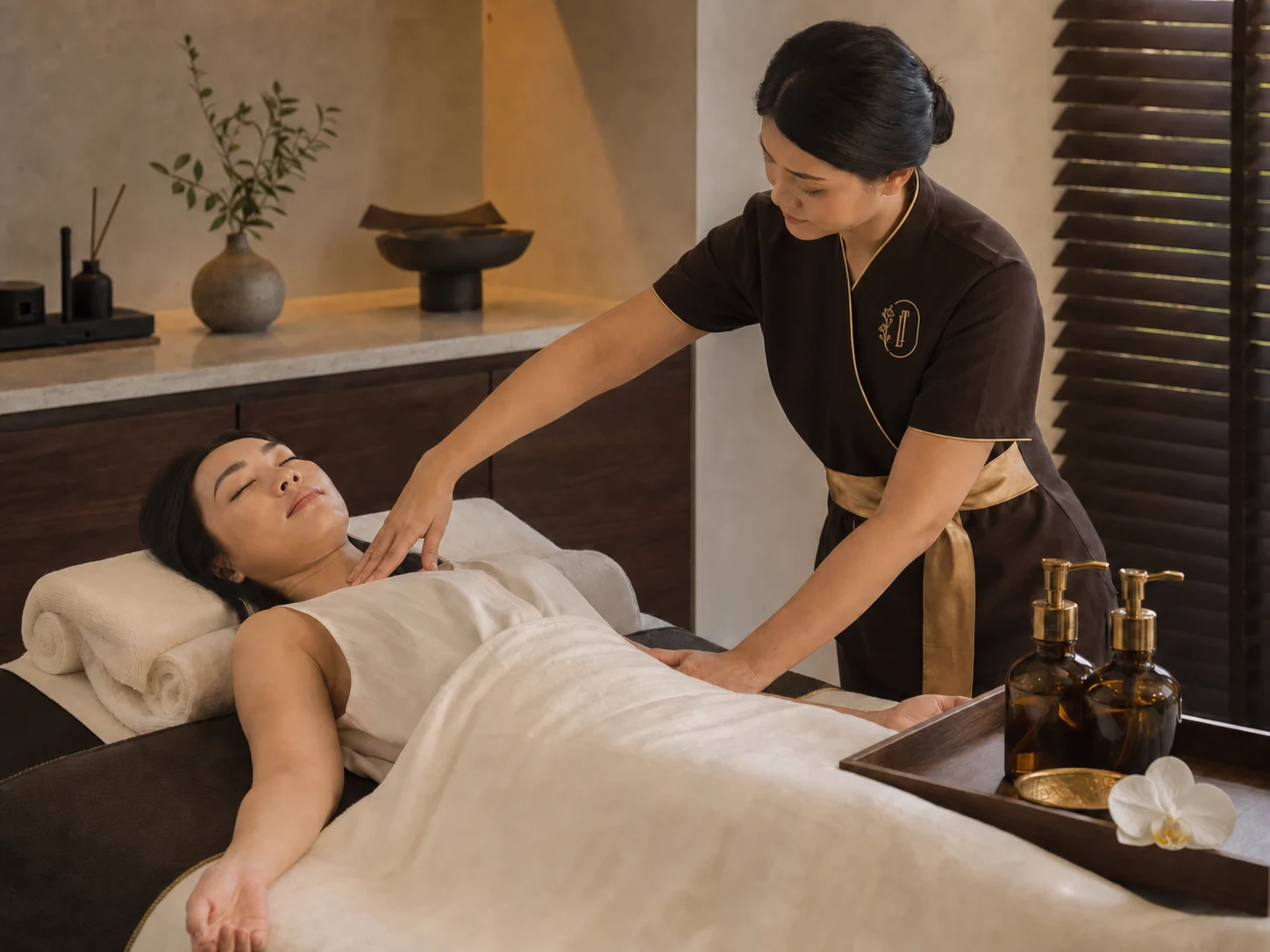
A Cortisol Headline Is Not a Mental Health Diagnosis
The archive treated a change in the stress hormone cortisol as proof that spa therapy improves mental health.
A biomarker can vary with timing, study design and context and does not define an individual's psychiatric condition.
A spa menu should describe the experience rather than promising hormone correction.
Serotonin and Endorphin Claims Need Restraint
The archive said massage increases serotonin and endorphins and therefore creates happiness.
That simple chain does not capture how mood disorders are assessed or treated.
It is more accurate to say that some guests report relaxation or improved subjective wellbeing after massage.
Relaxation Is Not Insomnia Treatment
A quiet evening massage may fit a sleep-supportive routine for some people.
It cannot guarantee faster sleep, longer sleep or resolution of persistent insomnia.
Ongoing sleep difficulty deserves assessment of schedule, health, medicines, substances and mental health factors.
A Spa Cannot Promise Self-Esteem
Feeling cared for or comfortable in the body may be meaningful to an individual.
A cosmetic or massage result should not be marketed as a dependable route to self-worth.
Avoid language that makes appearance or treatment frequency a condition of wellbeing.
A Quiet Room Is Not Automatically Mindfulness Training
Attention to breath, sensation and the present moment may occur during a treatment.
Formal mindfulness practice has its own methods, teachers and evidence base.
A spa can support fewer distractions without claiming that passive treatment teaches meditation, yoga or tai chi.
Scent Is Personal and Optional
A familiar aroma may feel comforting, while a strong fragrance can trigger headache, nausea, asthma symptoms or distress.
Research on aromatherapy varies by product, route, population and outcome.
Choose scent by preference and tolerance rather than by a promise to treat anxiety or depression.
Water and Heat Need Practical Screening
A warm bath or hydrotherapy setting can change pace and sensory input.
Heat tolerance, cardiovascular conditions, pregnancy, dizziness, skin problems and alcohol use can affect suitability.
Water rituals should not be described as universal treatment for stress or sleep disorders.
Design a Lower-Stimulation Visit
Request quieter communication, low fragrance, gentle music or silence and a comfortable light level where possible.
Ask the therapist to explain position changes before touching or moving the body.
A clear stop signal and predictable sequence can matter more than adding more sensory features.
Consent Can Change During the Treatment
Share areas that should not be touched and any trauma-related or cultural considerations you want the provider to know.
Consent to a massage is not consent to every technique, product or body area.
The guest can pause, modify or end the session without needing to justify the decision.
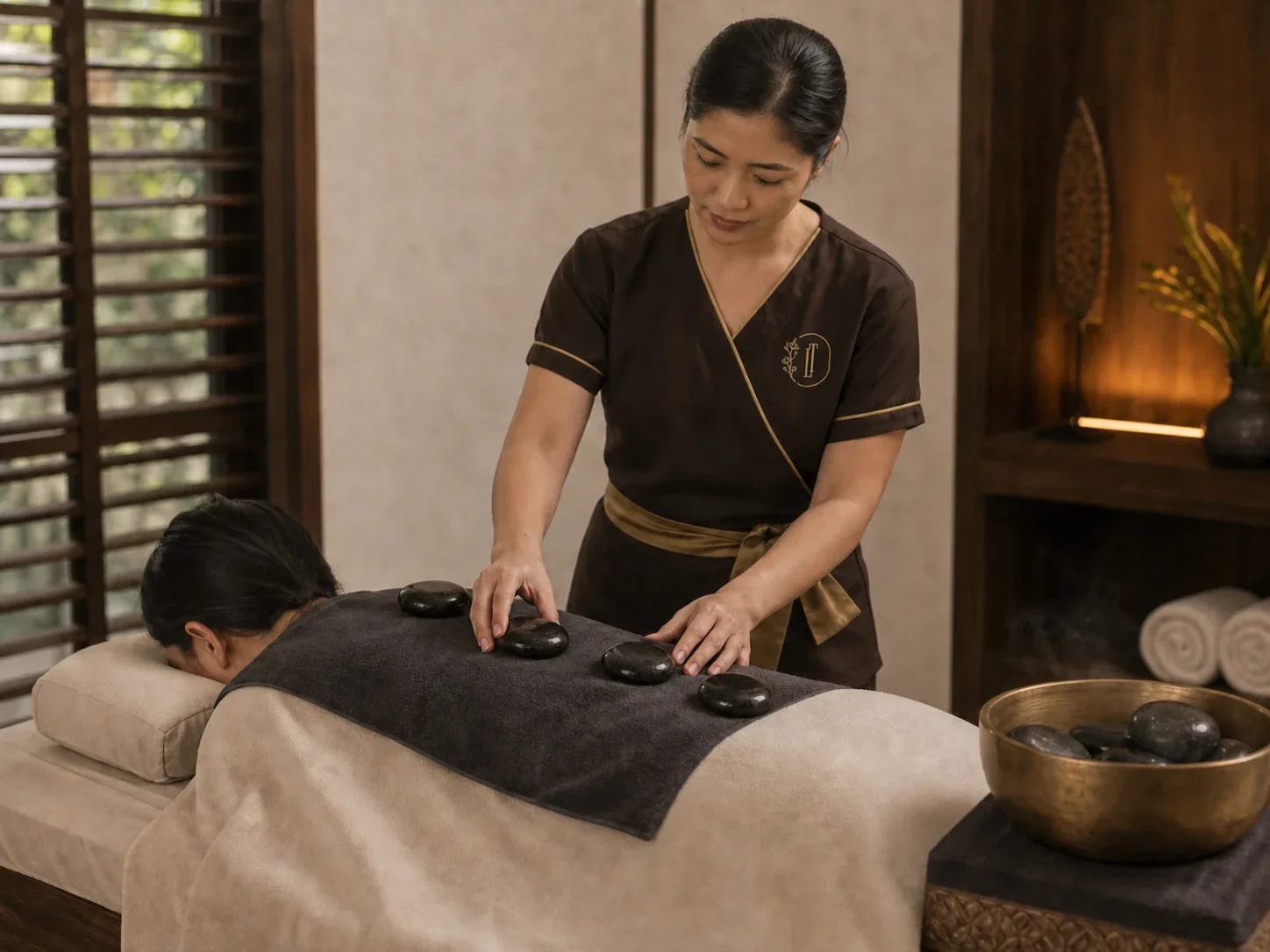
Choose the Simplest Suitable Format
Traditional Thai offers a clothed format with movement; an oil massage reduces clothing but introduces product and draping choices.
Hot Stone adds heat, and Aromatherapy adds fragrance.
When someone is overwhelmed, a simpler and shorter treatment may be more comfortable than a complex package.
Before a Restorative Spa Visit
Confirm the treatment, duration, branch, privacy and sensory preferences.
Continue prescribed care unless the relevant clinician advises otherwise and disclose medicines or conditions that affect massage safety.
Avoid arriving intoxicated and eat and travel in ways that support physical comfort.
After the Visit
Notice the actual response rather than expecting a prescribed feeling of bliss.
Return to ordinary hydration, meals, movement and sleep routines without a detox narrative.
A neutral or temporary result does not mean the guest failed to relax correctly.
When Professional Mental Health Support Matters
Persistent distress, loss of function, panic, severe sleep disruption or symptoms that feel unsafe deserve qualified help.
NIMH directs people to crisis and emergency resources when there is immediate danger or risk of self-harm.
A spa team should refer rather than attempt to diagnose or counsel beyond its role.
How Spas Should Describe Wellbeing Responsibly
Use experiential language such as quiet time, adjustable pressure, private room and a slower pace.
Avoid claims to treat depression, anxiety, trauma, insomnia or a biochemical imbalance.
State contraindications and the limits of the service as clearly as the desired mood.
A Restorative Ritual with Honest Boundaries
A Bangkok spa visit can be chosen as personal time and sensory rest.
Its value does not depend on proving a hormone change or mental health outcome.
Honest boundaries let massage complement a wider wellbeing plan without replacing appropriate care.
“A restorative hour can belong inside self-care; it should not be asked to carry the diagnostic or therapeutic work of mental healthcare.”
Loft Thai Editorial Team
Continue your research
REFERENCES
Sources & further reading
PRACTICAL GUIDANCE
Frequently Asked Questions
Can massage treat anxiety or depression?
Massage may feel relaxing, but it should not replace assessment or evidence-based treatment for a mental health condition.
Does massage always lower cortisol?
No single biomarker change is guaranteed, and cortisol does not by itself define a person's mental health.
Can aromatherapy improve sleep?
A preferred scent may fit a calming routine, but it should not be presented as guaranteed insomnia treatment.
What if fragrance or touch feels overwhelming?
Request low fragrance, predictable communication, areas to avoid and a clear stop signal, or choose a simpler format.
When should someone seek mental health support instead?
Persistent distress, impaired daily function, severe symptoms or immediate safety concerns need appropriate professional or emergency help.
CONTINUE READING
Related stories
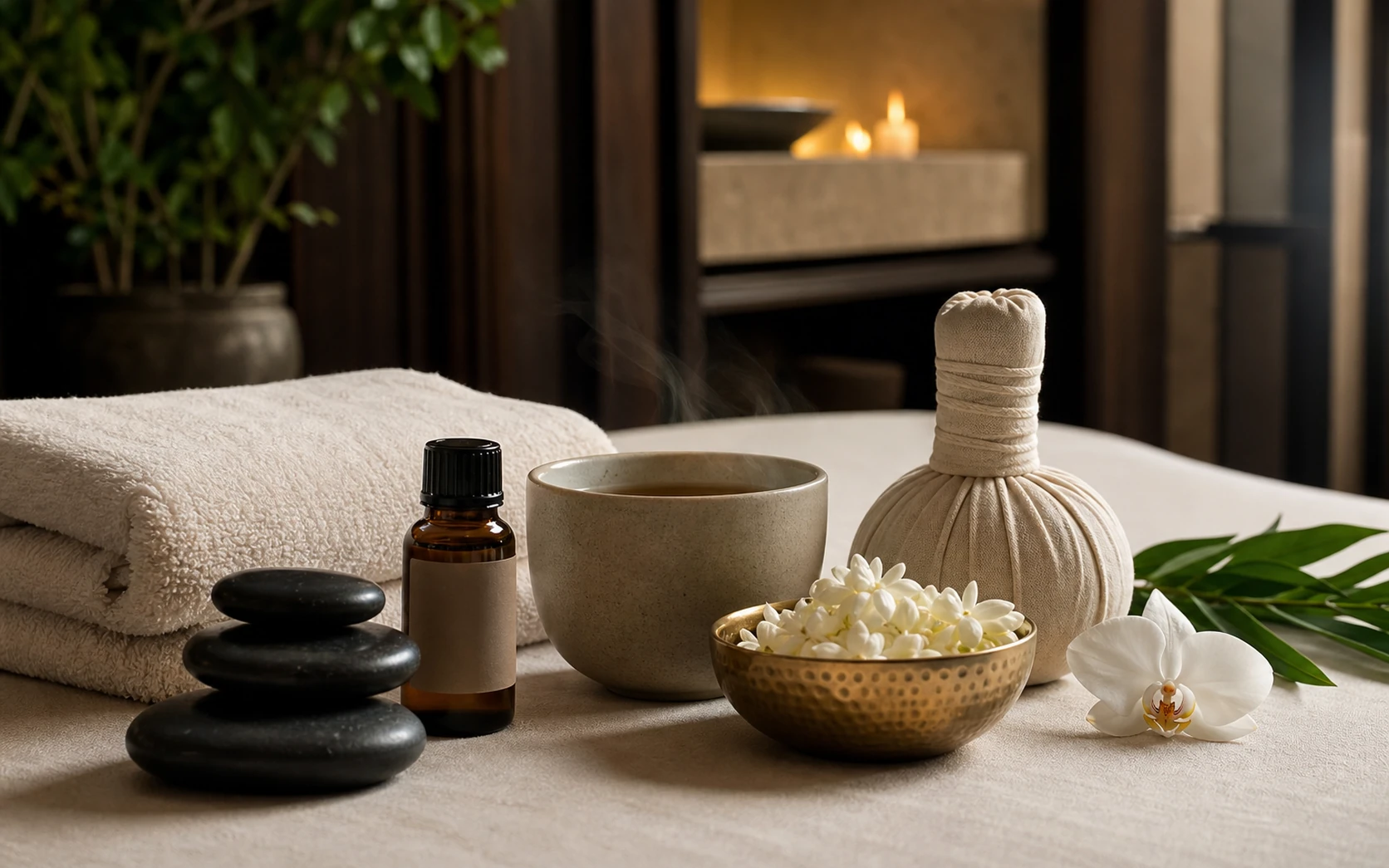
The Importance of Relaxation and Self-Care for Mental Health: Loft Thai Spa Services
Self-care and relaxation are crucial for preserving excellent mental health. Finding the time and space to care for ourselves can be difficult in today's fast-paced environment, but doing so has many advantages. Releasing tension and practicing self-care can…
Read the guide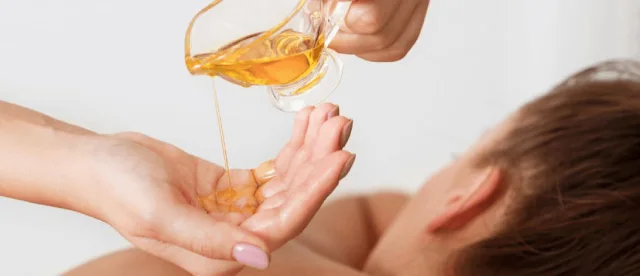
The Benefits of Aromatherapy Massage
Aromatherapy massage is a type of massage therapy that encourages wellbeing and relaxation via the use of essential oils. Early civilizations have been employing essential oils for their therapeutic and medical effects for thousands of years. Today, a range of…
Read the guide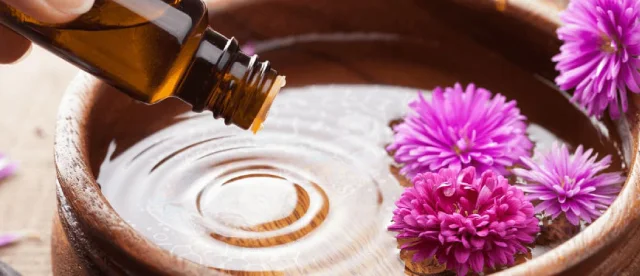
The Science Behind Aromatherapy and Essential Oils
Since they have long been utilized for therapeutic purposes, aromatherapy and essential oils are becoming more and more well-liked nowadays. Aromatherapy and essential oils have a wide range of possible advantages, from lowering tension and anxiety to…
Read the guide
A Complete Guide to Wellness Programs Combining Thai Massage, Aromatherapy, and Mindfulness
In today’s fast-paced world, holistic wellness programs have gained immense popularity as people seek a more comprehensive approach to health and relaxation. These programs offer an integrated experience that combines the best of traditional therapies to…
Read the guide