
Receiving a massage after a long day at work is always something that people are looking for to find that relaxation and peace within their bodies. Having a wonderful session with the help of the hands and parts of the body from the therapists allows the client to reach a state of happiness and calmness.
During the massage, the therapist will be able to understand exactly where you need attention. However, it is still needed from the client to help out and choose the right massage that they are looking for. The big question is, how do you know what is the right technique for your body?
Massage therapy has become a popular form of complementary medicine that is used to promote relaxation, reduce stress, and alleviate pain. There are many different types of massage techniques and treatments available, and each one offers unique benefits depending on the individual's needs. In this article, we will explore the different types of massage techniques and treatments available and provide guidance on how to choose the right massage for your body.
Massages in general will always reach the end point of having relaxed muscles and joints. Though it is important to understand what you are looking for as each massage can come with a different pain level or can be seen as uncomfortable.
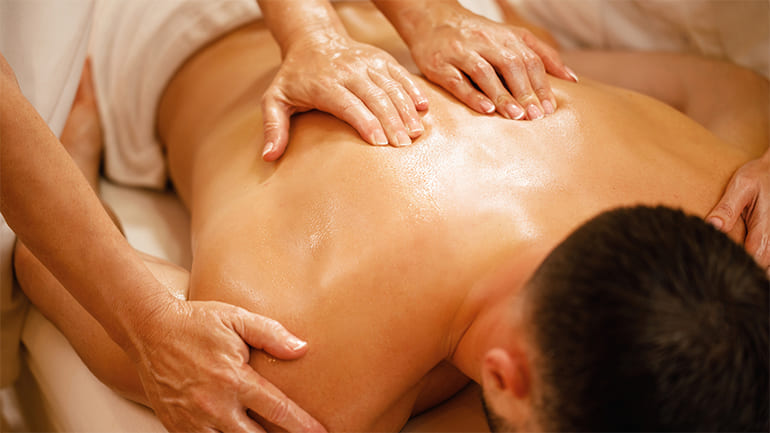
For newcomers, going for a Swedish Massage is what you should be looking for in a gentle full-body massage. Here you can also find your muscle knots being released while not being in a bunch of pain. It is required for this massage that your clothes are removed and that the massage therapist uncovers the areas they are actively working on. Swedish massage is one of the most popular types of massage in the Western world. This massage technique uses long, smooth strokes, kneading, and circular movements on the muscles to promote relaxation and improve circulation. Swedish massage is an excellent option for those who are new to massage therapy or who want a gentle, relaxing massage.
Deep tissue massage is a massage technique that focuses on the deeper layers of muscle tissue. This massage technique uses more pressure and slower movements than Swedish massage to target chronic muscle tension and knots. Deep tissue massage can be used to relieve chronic pain, improve flexibility, and reduce stress.
Another massage technique for relaxation is the Hot Stone Massage which is recommended for those who have muscle pain and tension. This massage is known to be similar to the Swedish Massage where the client feels relaxed and relieved from the muscle knots. As the name suggests, heated stones will be used for the session. Hot stone massage is a massage technique that uses heated stones to help relax muscles and reduce tension. This massage technique can be used to relieve stress, promote relaxation, and reduce muscle tension. Hot stone massage is an excellent option for those who prefer a warm, soothing massage.
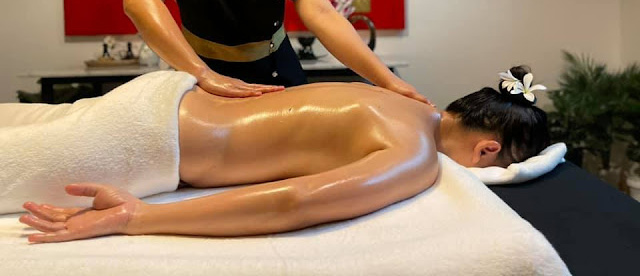
When we’re looking into Sports massages, this is where your pain tolerance will be tested as this is an option for those who have an injury to the muscle or muscle strains. Strong pressing will be done to the muscle which can cause pain for those who are not used to receiving these types of massages. Athletes that go for this option will find relaxation as their muscles are being used frequently but this is not recommended for the casual goers. Sports massage is a massage technique that is designed specifically for athletes and active individuals. This massage technique uses a combination of Swedish and deep tissue massage to target specific muscle groups and promote healing after an injury. Sports massage can also help improve flexibility and prevent future injuries.
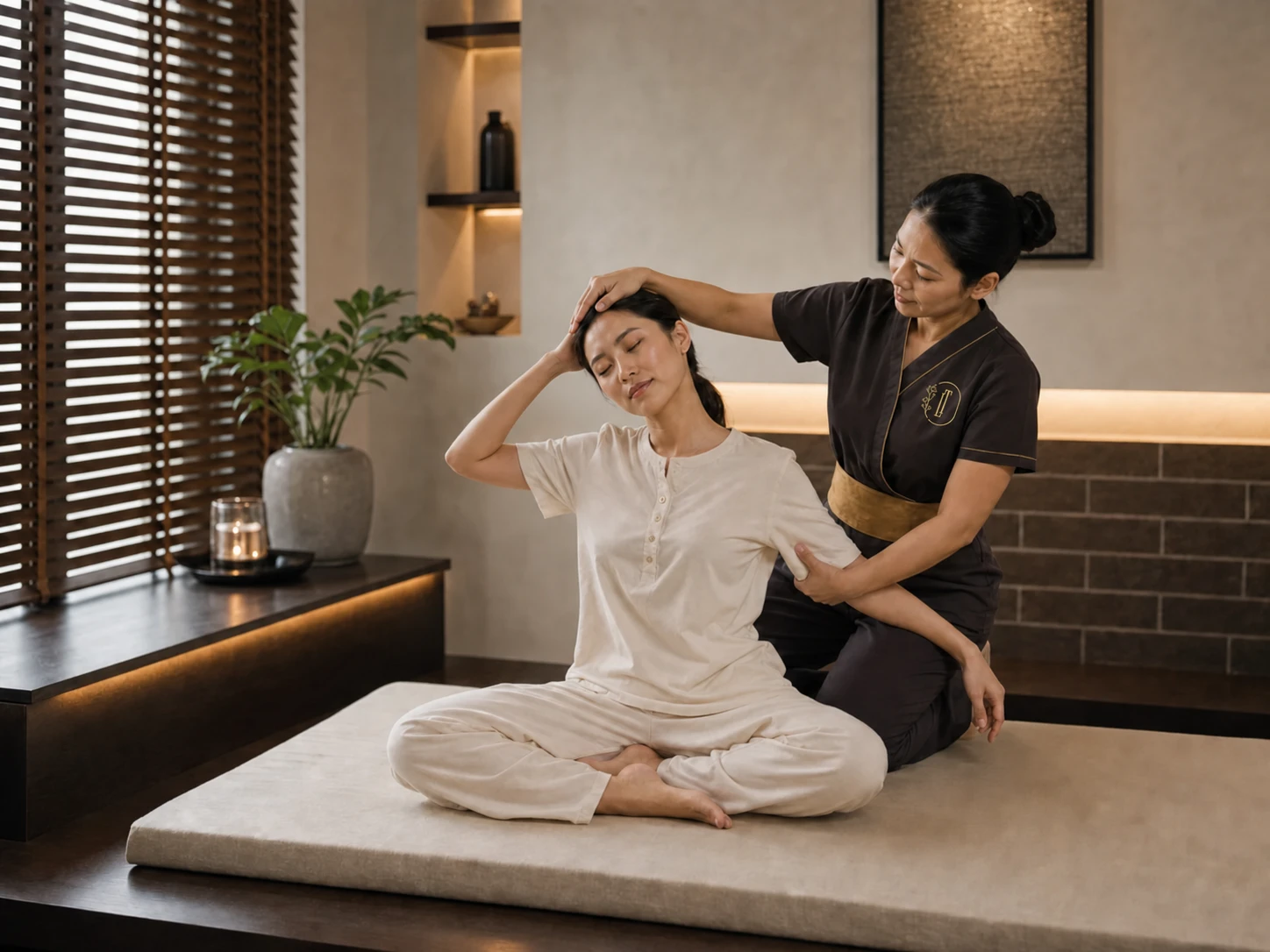
Thai Massages are also the go-to option for those looking to not only feel relaxed but also relieve pain and stress in the body. This active form of massage will help your body feel more flexible and have great circulation in the body. Thai massage is a massage technique that is based on traditional Thai medicine. This massage technique uses stretching, acupressure, and rhythmic movements to promote relaxation, improve flexibility, and reduce stress. Thai massage is an excellent option for those who want a full-body massage that promotes overall wellness.
References:
- American Massage Therapy Association. (n.d.). Choosing a Massage Therapist. Retrieved from https://www.amtamassage.org/find-massage-therapist/choose/
- National Center for Complementary and Integrative Health. (2021). Massage Therapy: What You Need To Know. Retrieved from https://www.nccih.nih.gov/health/massage-therapy-what-you-need-to-know
Today at Loft Thai Spa, our trained & certified therapist offers different packages that all help your body feel pain and stress relief such as aroma oil massage, Thai herbal compress massage, or hot stone massage. Contact us now to have your booking soon.
UPDATED LOFT THAI GUIDE
Additional guidance and current information
The following editorial update expands on the original Loft Thai article with practical context, current treatment guidance and further reading.
Start with a Concrete Goal
Decide whether the priority is a clothed Thai experience, oil-based relaxation, focused pressure, heat, mobility work or general recovery.
A broad goal helps reception narrow the menu without pretending to diagnose an injury.
Persistent or unexplained symptoms may need clinical assessment before massage selection.
The Therapist Needs Information, Not Guesswork
Share painful areas, injuries, surgery, pregnancy, skin conditions, medicine and pressure preferences.
The therapist can observe movement and tissue response but cannot infer every risk from touch.
Agree on areas to include, avoid and revisit before the session starts.
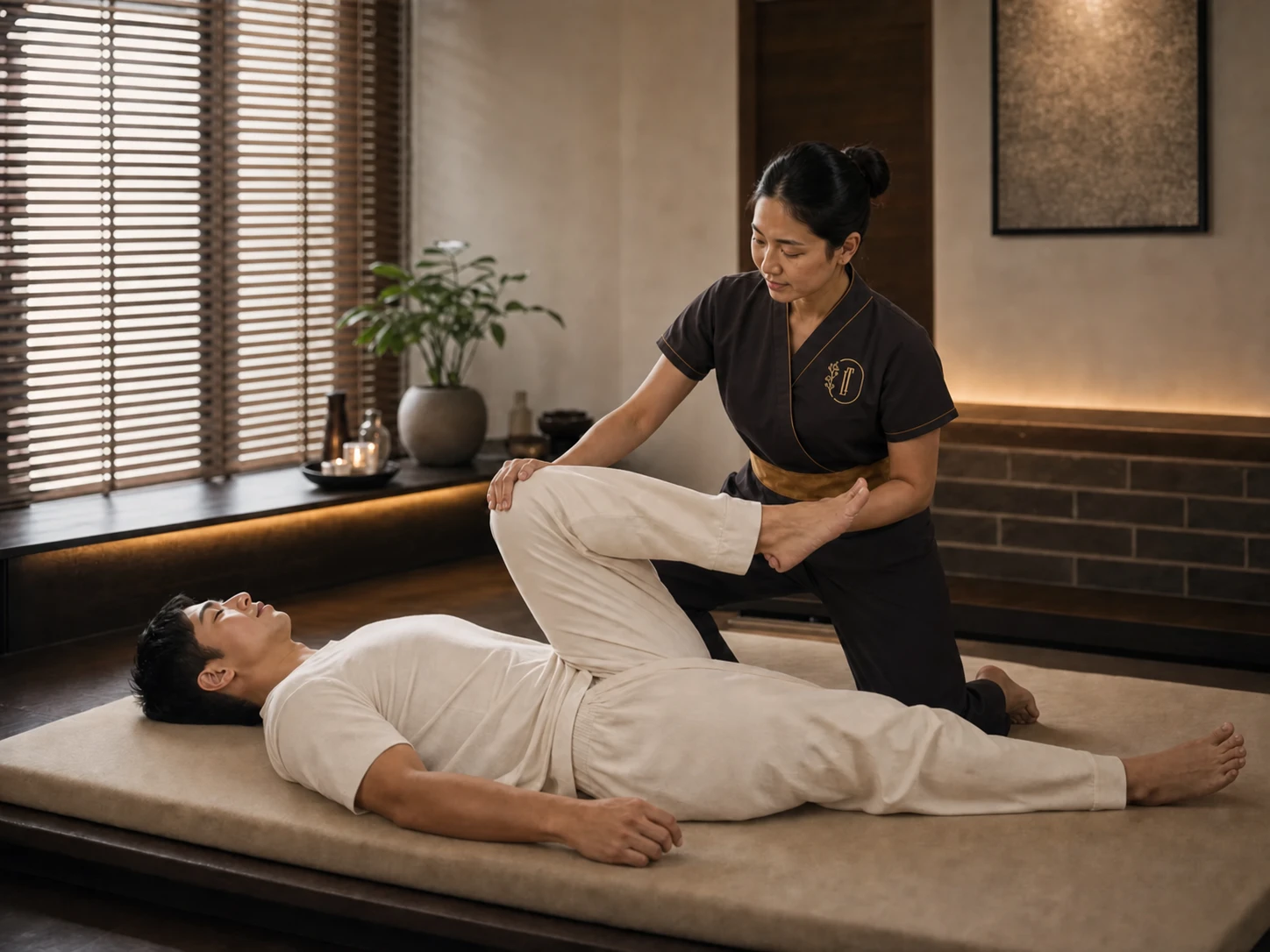
Traditional Thai: Clothed Pressure and Movement
Traditional Thai Massage uses compression, position changes and assisted stretching without an oil-led format.
The current menu lists 60 minutes at 1,000 THB, 90 minutes at 1,400 THB and 120 minutes at 1,900 THB.
Choose it when clothing, rhythmic pressure and supported movement suit your preferences and mobility.
Swedish: Flowing Oil-Based Strokes
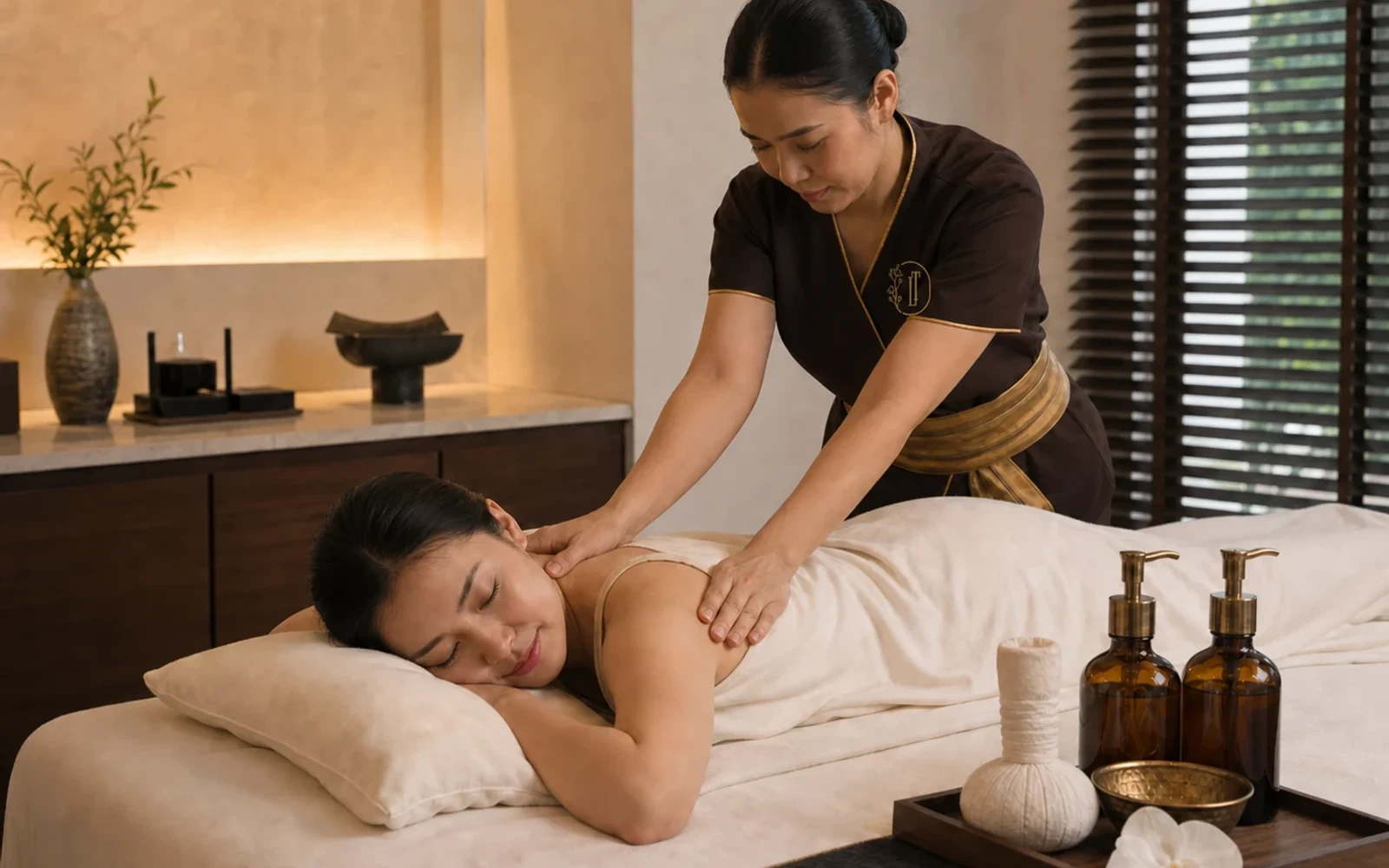
Swedish Massage uses gliding, kneading and other classic strokes with adjustable pressure and professional draping.
The current menu lists 90 minutes at 2,400 THB and 120 minutes at 3,800 THB.
It can suit a guest who wants full-body oil massage without making deeper pressure the central feature.
Aromatherapy: Add a Defined Scented Product
Aromatherapy Oil Massage combines manual technique with a carrier-based aromatic formula.
The current menu lists 90 minutes at 2,000 THB and 120 minutes at 2,800 THB.
Choose fragrance separately from pressure and request an unscented alternative when allergy, asthma, migraine or preference makes scent unsuitable.
Deep Tissue: Focused Pressure with Oil
Deep Tissue Oil Massage uses slower and more focused pressure where it is appropriate.
The current menu lists 90 minutes at 2,400 THB and 120 minutes at 3,200 THB.
Depth should be negotiated; pain, numbness, tingling or joint strain are not proof that the treatment is working.
Sport Massage: Activity Context, Not a Pain Test
Sport Massage should begin with the activity, training phase, current load, movement and symptom history.
The current menu lists 90 minutes at 2,800 THB and 120 minutes at 3,600 THB.
It is not reserved for elite athletes, but an acute injury or unexplained symptom may need clinical assessment rather than harder pressure.
Hot Stone: Heat Changes the Risk Profile
Hot Stone Massage adds heated stones and warm oil to the manual sequence.
The current menu lists 90 minutes at 3,200 THB and 120 minutes at 4,200 THB.
Reduced heat sensation, neuropathy, vascular concerns, acute inflammation or difficulty communicating discomfort can change suitability.
Pressure Is a Range, Not a Treatment Name
Light, moderate and firm pressure can appear in more than one massage style.
A guest may want focused work on one area and gentler contact elsewhere.
Use clear feedback during the session instead of choosing a label solely because it sounds strong.
Pain Is a Signal, Not a Score
The archive suggested that Sport Massage tests pain tolerance and Deep Tissue must be uncomfortable.
Significant pain can cause guarding and may indicate unsuitable force, angle or tissue choice.
Stop and reassess for sharp pain, neurological symptoms, dizziness, breathlessness or worsening discomfort.
Decide Between Clothing and Oil
Traditional Thai is the clearest clothed option in this comparison.
Swedish, Aromatherapy, Deep Tissue Oil and Hot Stone use oil-based contact with professional draping.
Ask about changing, shower, product ingredients and modesty arrangements before booking.
Decide How Much Movement You Want
Thai formats can involve more position changes and assisted stretches than a conventional oil massage.
Mobility limits, vertigo, recent surgery or joint instability should be discussed before large movements.
A supported range is more important than reproducing a dramatic pose.
Choose Duration by Scope and Pace
Sixty minutes can focus on a clear format or selected body areas, while 90 or 120 minutes allows a broader sequence.
Longer does not require deeper pressure, more aggressive stretching or extra heat.
Match the duration to comfort, schedule and budget rather than assuming the longest is always best.
Evidence Does Not Crown One Universal Winner
NCCIH reports possible short-term benefit for some pain conditions but notes weak evidence and insufficient proof that one massage type is superior.
Research findings from one condition or protocol should not be transferred to every spa treatment.
Use evidence to set realistic expectations, then use consultation to choose the actual session.
Ask About Training and Scope
A provider should explain the technique, draping, products, contraindications and how feedback changes the plan.
Training claims should be supportable rather than implied by decor or price.
Massage therapists should not diagnose disease or advise stopping prescribed care.
Before the Appointment
Confirm the treatment, duration, price, branch and whether the service uses oil, heat or special tools.
Share relevant health information and avoid arriving intoxicated or too rushed to complete consultation.
Ask what to wear and whether shower time is included in the schedule.
After the Appointment
Resume activity according to comfort instead of treating soreness as a required outcome.
Follow any product or heat guidance and seek appropriate care for a significant or persistent reaction.
Record what pressure, format and duration worked so the next booking can be more precise.
The Right Massage Is the Best-Matched Process
Traditional Thai, Swedish, Aromatherapy, Deep Tissue, Sport and Hot Stone differ in more than marketing names.
Clothing, oil, scent, movement, heat, pressure, duration and screening create the actual experience.
Choose those variables first, then confirm the current service and price.
“Choose the treatment by the experience and screening it requires—not by a hierarchy that places pain, depth or price above fit.”
Loft Thai Editorial Team
Continue your research
REFERENCES
Sources & further reading
PRACTICAL GUIDANCE
Frequently Asked Questions
What is the lowest-priced massage in this current comparison?
Traditional Thai Massage starts at 1,000 THB for 60 minutes.
Is Sport Massage supposed to hurt?
No. Pressure should be appropriate, and sharp pain, numbness, tingling or joint strain are reasons to stop and reassess.
Which option is clothed and oil-free?
Traditional Thai Massage is the clearest clothed, non-oil format in this comparison.
How do Swedish and Deep Tissue differ?
Swedish generally emphasises flowing full-body strokes, while Deep Tissue uses slower focused pressure; both should be adjusted to the guest.
Should I book massage for an acute injury?
An acute, severe or unexplained symptom may require clinical assessment before massage.
CONTINUE READING
Related stories
How to Choose the Right Massage Package for Your Needs at Loft Thai Spa in Bangkok
There are several places in Bangkok where you may get a massage. But selecting the ideal massage package can be challenging, particularly if you're not familiar with the various massages and treatments on offer. We have a range of massage packages available at…
Read the guide
Massages in Bangkok that provides Health Benefits
Prior to recently, only upscale spas and health clubs offered massage services. Some individuals believed it to be a privilege reserved for the wealthy or a cover for illicit activity. Nowadays, massage is widely accessible and recognized as a valuable tool…
Read the guide
Best Thai Massage in Bangkok: Traditional vs Aromatic Oil vs Deep Tissue Which One Is Right For You?
Bangkok is one of the few cities in the world where massage is not just a service—it’s culture. You can book a session almost anywhere, at almost any price, and still find talented hands. That’s the magic of Thailand. But it also creates the biggest problem…
Read the guide
The Differences in Technique and Pressure Between Aromatherapy Oil Massage and Deep Tissue Oil Massage
People have used massage therapy to relax, relieve stress, and ease physical pain for thousands of years. Many approaches and styles have developed over time to accommodate varied demands and preferences.
Read the guide