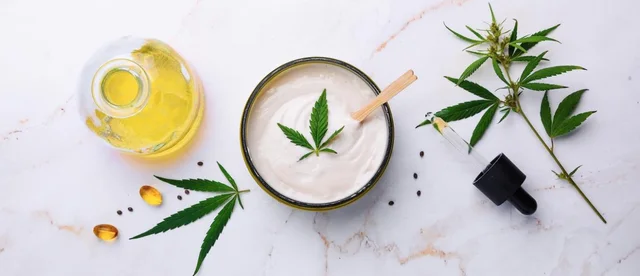
Although cannabis has been used therapeutically for centuries, massage therapy has just recently begun to employ it. Cannabis massage is a cutting-edge and distinctive type of bodywork that uses the plant's inherent advantages to enhance both physical and mental wellness. We shall examine the efficacy and advantages of cannabis massage in this post.
Cannabis Massage: What is it and How Does it Work?
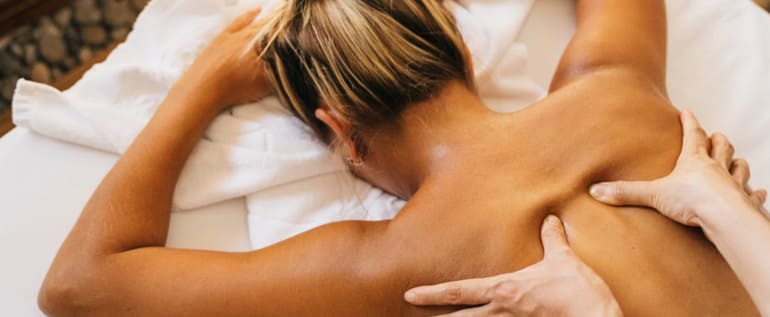
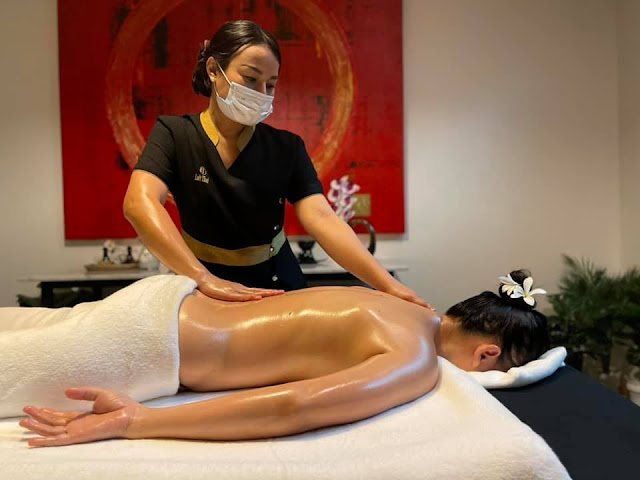
Cannabis topicals, oils, or creams are applied as part of a massage therapy technique called "cannabis massage" to deliver therapeutic effects. These medicines are expertly developed to target particular body parts and offer targeted relief from pain, tension, and other problems. The therapist will push the materials into the skin and muscles using a range of methods, including Swedish, deep tissue, and other modalities during a cannabis massage.
The Benefits of Cannabis Massage
There are many potential benefits of cannabis massage, including:
1. Pain and Inflammation Reduction
The capacity of cannabis massage to lessen pain and inflammation is one of its main advantages. This is because cannabis contains substances like CBD, which have been demonstrated to have strong anti-inflammatory and pain-relieving qualities.
2. Improved Sleep Quality
By easing pain, encouraging relaxation, and reducing anxiety, cannabis massage can also help you get a better night's sleep. Cannabis massage can support comfortable and revitalizing sleep by focusing on the muscles and tissues that are frequently linked to sleep disorders.
3. Relaxation and Stress Relief
The potential of cannabis massage to encourage relaxation and ease stress is another advantage. Although massages are naturally calming in and of themselves, using cannabis-infused products can improve the therapeutic advantages and help customers unwind and rejuvenate.
4. Enhanced Immune System Function
By lowering inflammation and fostering general wellness, cannabis massage can also support immune system function. This can offer defense against a variety of ailments, from the common cold and flu to more severe infections.
Understanding the Different Forms of Cannabis Massage
There are several different forms of cannabis massage, including:
1. Topical Cannabis Massage
This kind of cannabis massage targets particular body parts with cannabis-infused topicals, oils, or creams. These products enable for regional pain and tension alleviation because they are applied directly to the skin.
2. CBD Massage
CBD massage uses products created from CBD, a non-psychoactive component of cannabis, to offer therapeutic advantages without the THC-induced "high." For clients who want the advantages of cannabis massage without the associated euphoric effects, this style of treatment is perfect.
In summary, cannabis massage is a potent form of bodywork that uses the plant's inherent advantages to support both physical and mental wellness. Cannabis massage can be the answer you're seeking for whether you want to lessen discomfort, get better sleep, reduce stress, or boost your immune system. So why not give it a shot and discover for yourself the power of cannabis massage?
UPDATED LOFT THAI GUIDE
Additional guidance and current information
The following editorial update expands on the original Loft Thai article with practical context, current treatment guidance and further reading.
Cannabis Massage Is an Umbrella Term
The phrase may refer to the plant theme, hemp-seed oil, dried plant material, CBD extract or another cannabis-derived ingredient.
The massage technique may still be Swedish, aroma, deep-tissue or hot-stone work.
Product identity and bodywork technique should be described separately.
CBD, THC and Hemp-Seed Oil Are Not Synonyms
CBD and THC are different cannabinoids; THC is associated with intoxication while CBD is not generally described as producing a high.
Hemp-seed oil is a carrier ingredient and should not be assumed to contain a meaningful amount of CBD.
A label should identify the actual ingredient rather than relying on cannabis imagery.
Loft Thai Does Not List Cannabis Massage
The reviewed current menu lists Thai, oil, deep-tissue, hot-stone, sport, office, Tok Sen and other services.
It does not list CBD massage, cannabis massage or a cannabis spa collection.
Historic articles and media should not be treated as evidence that an appointment is currently available.
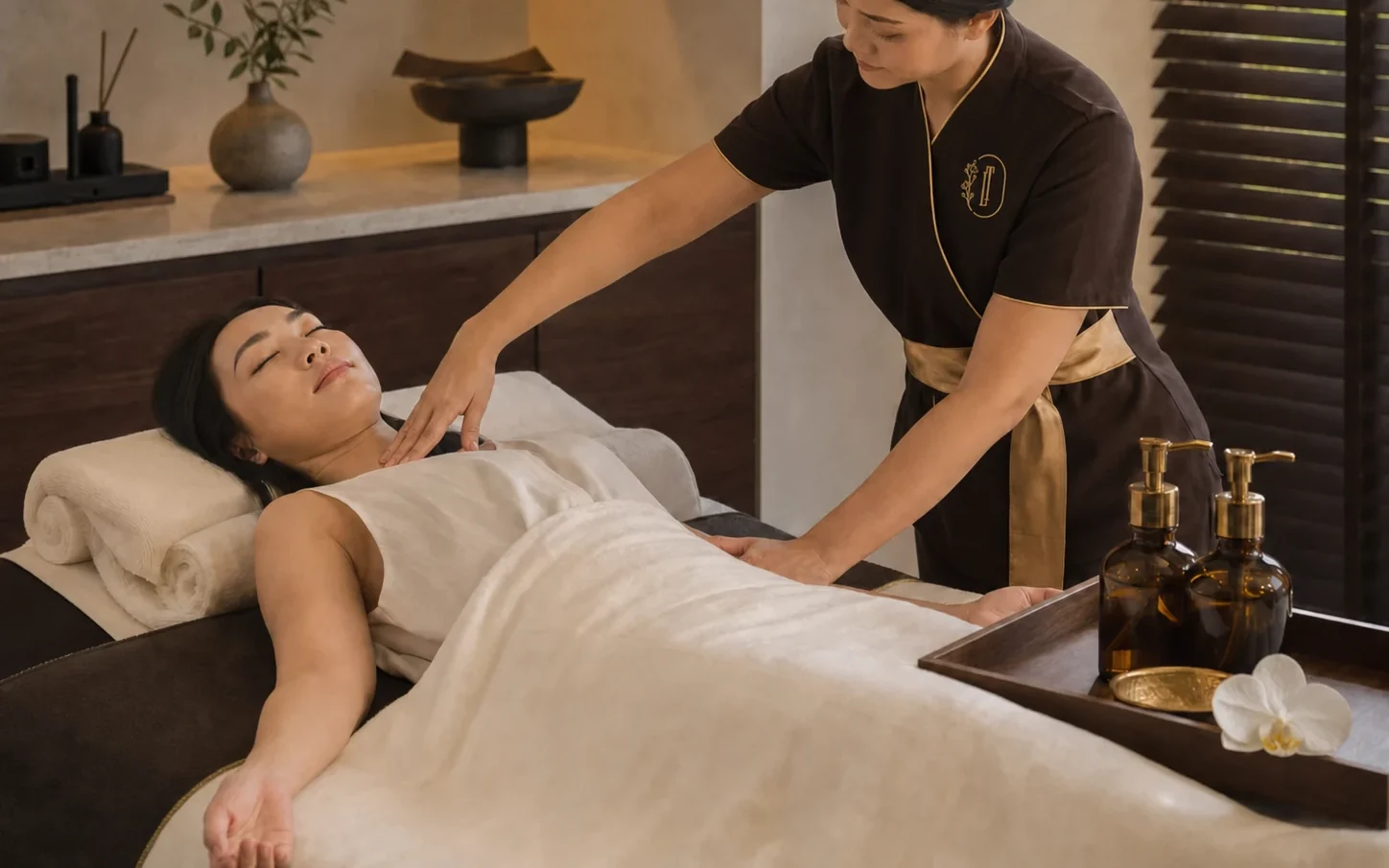
Separate Massage Effects from Product Claims
Hands-on massage and a topical product are two interventions delivered together.
A guest's experience cannot show which element caused a temporary change.
Evidence about ordinary massage does not prove an added CBD effect, and evidence about one CBD formulation does not validate every massage oil.
Do Not Promise Pain or Inflammation Treatment
The archived page called CBD a strong anti-inflammatory and pain-relieving ingredient without identifying a product or study.
FDA explains that a product intended to treat pain or affect body structure or function may be regulated as a drug rather than simply a cosmetic.
Unapproved therapeutic claims can delay appropriate diagnosis and care.
Do Not Promise Better Sleep or Anxiety Relief
A relaxing appointment, a sleep treatment and an anxiety intervention are not equivalent.
FDA notes substantial unanswered questions about CBD science, safety and quality outside approved prescription use.
A topical spa product should not inherit claims from an oral medicine or clinical programme.
Immune-System Enhancement Is Not a Spa Claim
The archived article said cannabis massage could boost immune function and defend against infections.
It supplied no clinical evidence, dose, population or defined outcome.
That promise must not be carried into a wellness-spa article.
Topical Does Not Automatically Answer Intoxication Questions
Product composition, THC content, route, dose and labeling matter.
Do not guarantee that every cannabis-themed topical is non-intoxicating merely because it is applied to skin.
Guests subject to medical, employment or travel restrictions need verified product documentation, not verbal reassurance.
Ask for the Complete Formula
Request the product name, ingredient list, cannabis-derived ingredient, concentration wording, batch, expiry and directions.
Clarify carrier oils, fragrance, essential oils, preservatives and other allergens.
A CBD number without units, test method or product context is not meaningful.
Registration and Claims Are Jurisdiction-Specific
Thai FDA publishes dedicated guidance for cosmetics containing cannabis or hemp ingredients and for permitted product claims.
Rules and registrations can change, so a spa should verify the current Thai status of the exact product.
This article is not legal advice and should not freeze a 2023 rule into a permanent claim.
Topical Exposure Is Not Fully Characterised by Marketing
FDA identifies unanswered questions about how different routes, including topical use, affect exposure.
Skin condition, formulation, concentration, area and duration can matter.
A spa should not infer systemic benefits or zero systemic exposure without product-specific evidence.
Medicine and Health Questions Still Matter
FDA notes potential CBD risks and drug interactions in its consumer information.
A topical massage product should not be used to replace prescribed treatment.
Guests with complex conditions or medicines should seek appropriate professional advice before using an uncertain CBD product.

Natural Origin Does Not Eliminate Skin Reactions
Cannabis-derived oils can sit beside fragrance, carriers, preservatives and other botanicals in one formula.
Irritation or allergy may relate to any ingredient.
Avoid application on broken, infected or actively inflamed skin and stop if a reaction develops.
Pregnancy and Breastfeeding Require a Clear Boundary
FDA advises against cannabis and CBD use in any form during pregnancy or breastfeeding.
A spa should not market a cannabis topical as a gentle natural exception.
Use a verified alternative and coordinate with the guest's healthcare professional.
Advertising Language Can Change Product Category
Under FDA's explanation, a massage oil used for lubrication and fragrance can be a cosmetic, while therapeutic pain-relief claims can make it a drug.
Thai product classification follows Thai law, but the same practical lesson applies: intended claims matter.
Describe what is in the product and what the massage does without medical overreach.
Choose a current Non-Cannabis Service Transparently
The current Loft Thai menu includes Aromatherapy, Coconut, Deep Tissue and several hot-stone formats.
These services still require oil, fragrance, pressure and heat questions.
They should be selected for their defined process, not positioned as substitutes with equivalent CBD effects.
A Cannabis Topical Verification Card
Confirm ingredient identity, CBD and THC wording, batch, expiry, Thai registration or legal status, full formula and intended claim.
Ask about skin tolerance, pregnancy, breastfeeding, medicines and workplace or travel restrictions.
If those answers are unavailable, choose a clearly labeled alternative.
Replace Power Language with Product Evidence
Cannabis massage is not one standardised therapy and a historic service page is not a current menu.
The archived promises about pain, inflammation, sleep, stress and immunity should be retired.
Clear labeling, current regulation, modest claims and professional scope are the credible path forward.
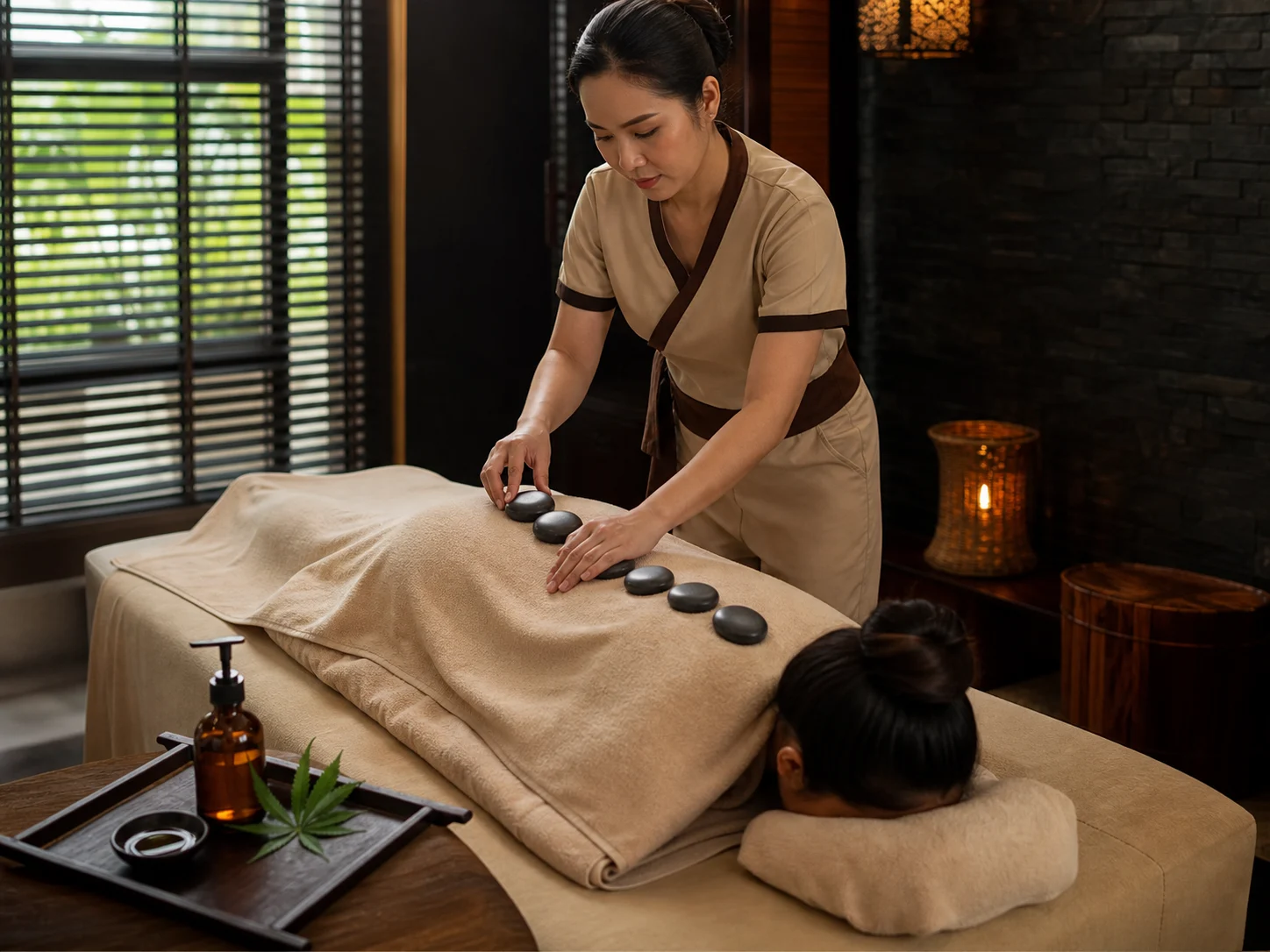
“A cannabis leaf on a label does not reveal the ingredient, concentration, THC content, evidence or legal status of a massage product.”
Loft Thai Editorial Team
Continue your research
REFERENCES
Sources & further reading
- Thai FDA: Cannabis and Hemp Cosmetic Claims Guidance
- Thai FDA: Cannabis and Hemp Cosmetics Registration Q&A
- US FDA: Regulation of Cannabis and Cannabis-Derived Products
- US FDA: What to Know about Cannabis and CBD Products
- US FDA: Cannabis and CBD during Pregnancy or Breastfeeding
- US FDA: Is It a Cosmetic, a Drug, or Both?
- Loft Thai: Current Spa Menu 2026
PRACTICAL GUIDANCE
Frequently Asked Questions
Does Loft Thai currently offer cannabis massage?
No cannabis or CBD massage appears in the current menu reviewed on 29 July 2026. Confirm directly before assuming a historic service remains available.
Is hemp-seed oil the same as CBD oil?
No. Hemp-seed oil is a carrier ingredient and should not be assumed to contain CBD. Check the exact ingredient list.
Can a CBD massage treat pain or inflammation?
A spa should not make that promise without an appropriately authorised product and evidence. Massage should not delay medical assessment.
Can CBD topicals be used during pregnancy?
FDA advises against cannabis and CBD use in any form during pregnancy or breastfeeding. Discuss alternatives with a healthcare professional.
What should I verify on a cannabis massage product?
Check the exact ingredient, CBD and THC wording, full formula, concentration units, batch, expiry, directions, current legal status and claims.
CONTINUE READING
Related stories
Benefits of Using Cannabis-Infused Oils and Creams for Massages
Cannabis, sometimes known as marijuana, has been used medicinally for ages. It has grown in popularity as an ingredient in beauty and wellness products, such as massage oils and creams, in recent years.
Read the guide
The Use of CBD and Other Natural Ingredients in Spa Treatments
Spa treatments have long been known for their capacity to induce relaxation and renewal, and the use of natural chemicals has been increasingly popular in recent years. Cannabidiol (CBD), a substance produced from the cannabis plant, is one such component that…
Read the guide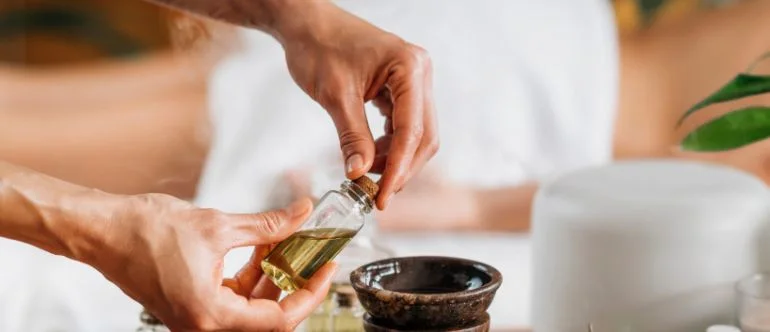
Relaxing with CBD Oil Massage at Loft Thai Spa
Indulge in the epitome of relaxation at Loft Thai Spa & Massage, where we elevate the traditional Thai spa experience with a modern twist - the CBD oil massage. Our expert therapists skillfully combine the ancient art of Thai massage techniques with the…
Read the guide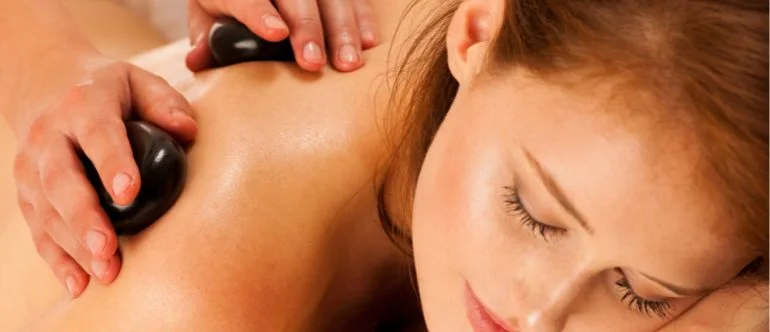
Cannabis Stone Bliss at Loft Thai Spa
When it comes to Spa treatments that offer a holistic approach to relaxation therapy, Loft Thai Spa stands out as a sanctuary of blissful rejuvenation. Nestled in the heart of Bangkok, this haven of tranquility is renowned for its exquisite Thai spa rituals…
Read the guide