
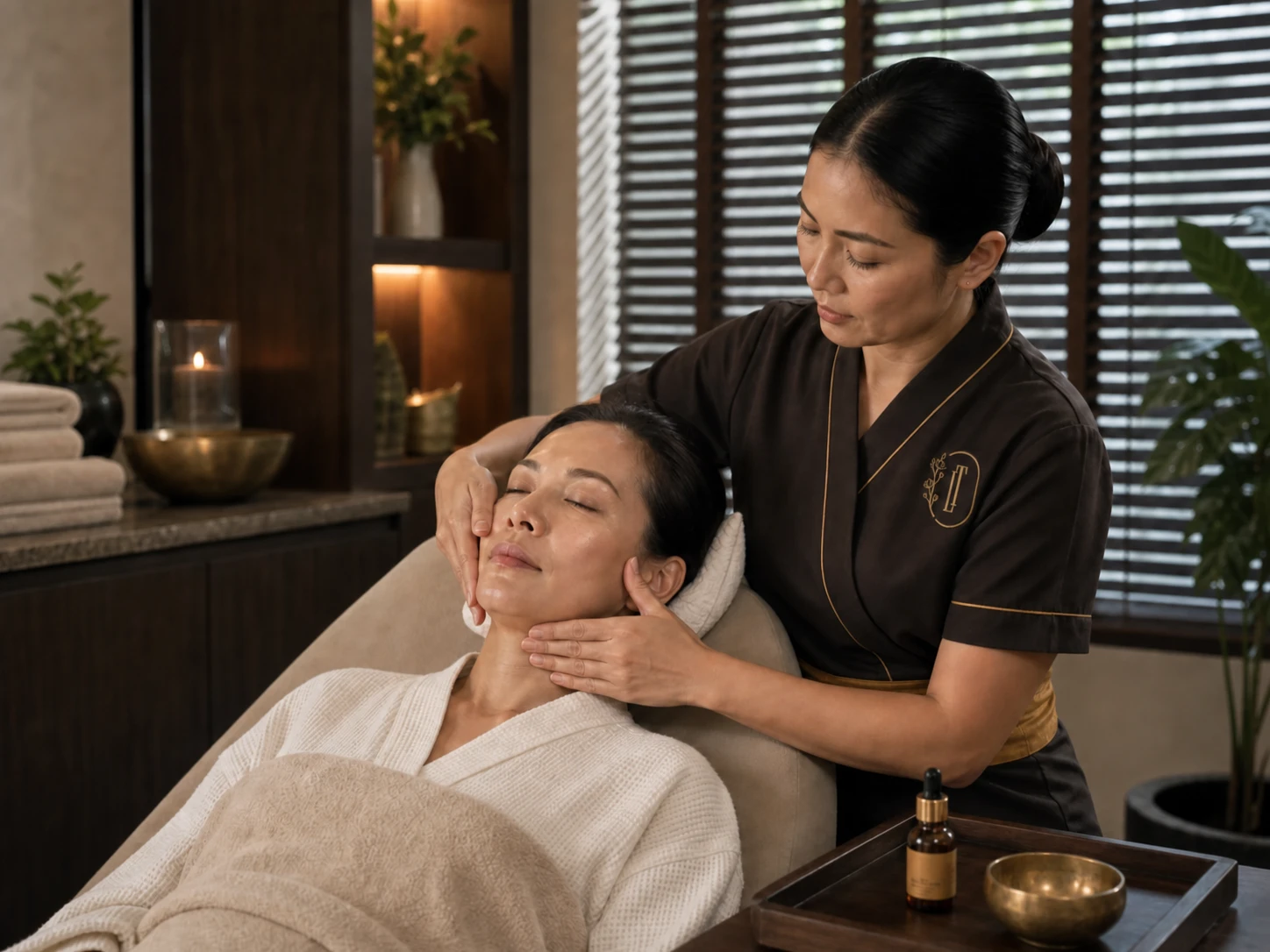
Kobido massage, also known as Japanese facial massage or Japanese facial lift massage, is a remarkable fusion of ancient Japanese medical concepts and distinct massage techniques. With a history spanning over 500 years, it stands as one of the oldest beauty treatments in the world.
Kobido massage embraces a natural approach to beauty and wellness, focusing on revitalizing the face through the art of massage, acupressure, and lymphatic drainage. Beyond its transformative effects on the skin, this holistic therapy holds the power to deeply relax the mind and body.
Origins and Historical Roots
The term "Kobido" comes from the Japanese language and translates to "Ancient Way of Beauty." Kobido massage began as a unique medicinal therapy designated for the Japanese royal family in the 15th century. It was created as a healing practice with the concept that health and beauty are inextricably linked and that by nourishing one's health, natural beauty would thrive.
Kobido massage was passed down through the generations, with each practitioner adding new techniques and philosophies to the practice. This continuous progression resulted in the comprehensive therapy we know today.
Techniques and Assorted Benefits
Kobido massage consists of a variety of techniques, including light and quick tapping, deep kneading, and smooth strokes. These procedures are painstakingly created in order to activate the facial muscles and skin.
The activation of facial meridians is one of the core elements of Kobido massage. Meridians are said to be energy lines that run through the body in traditional Chinese medicine. The flow of energy is increased by stimulating certain meridians on the face, supporting overall health and well-being.
Another distinguishing feature of Kobido massage is the lymphatic drainage technique. The lymphatic system, which is part of our immune system, is critical in removing pollutants. The massage works in detoxifying the skin by stimulating better lymphatic movement in the face, resulting in clearer and healthier skin.
Aside from detoxifying, Kobido massage improves blood circulation, which nourishes and suppleness the skin, giving it a more youthful aspect. Furthermore, the massage relieves tension, reduces headaches, and promotes a general sense of well-being.
The Enchanting Kobido Experience
A typical Kobido massage session lasts between 60 and 90 minutes. Massage is performed by practitioners using their fingers, hands, and occasionally small instruments. The treatment usually starts with a light face cleaning, followed by the application of massage oils or creams.
The massage is then delivered by the practitioner using a series of precise strokes, shifting pressures, and speeds. Despite its complexity, the procedure is often very calming, and many people find themselves dropping off to sleep during the procedure.
Surprisingly, noticeable changes in the face can frequently be noted immediately following a Kobido massage. The skin may appear brighter, lifted, and relaxed. Regular sessions are recommended to get long-term results.
Scientific Understanding and Modern Applications
The benefits of Kobido massage have acquired recognized in modern times, despite its roots in ancient traditions. Scientific research has given light on the principles that allow this approach to deliver such astonishing results.
Kobido massage has been shown to increase collagen formation, which is necessary for skin suppleness and youthful appearance. The massage's stimulation of facial muscles helps to tone and tighten them, resulting in a raised and tighter facial contour.
Additionally, the lymphatic drainage part of Kobido massage helps to reduce puffiness, swelling, and fluid retention in the face. This might be especially effective for people who suffer from conditions like under-eye bags or a bloated appearance.
Kobido massage has also been found in studies to have positive impacts on stress reduction and mental well-being. The massage's rhythmic and gentle nature promotes a state of deep relaxation, calming the mind and relieving stress-related tension.
Kobido massage has gained popularity outside of Japan in recent years, becoming a sought-after therapy in spas and health centers across the world. Its distinct combination of old wisdom and modern scientific understanding has piqued the interest of both beauty aficionados and holistic practitioners.
Embracing Natural Beauty and Wellness
Kobido massage goes beyond simply improving one's appearance. It embodies a holistic well-being philosophy that recognizes the interdependence of the mind, body, and spirit. Individuals can nourish their entire health while reaping the benefits of a bright complexion by including Kobido massage in a regular self-care practice.
Aside from physical benefits, Kobido massage can provide mental and spiritual benefits. Individuals can unwind, release stress, and reconnect with their inner selves in the quiet and tranquil setting established during a session.
To ensure a safe and productive experience, as with any beauty or wellness technique, it is critical to visit a trained and qualified Kobido practitioner. These experts have a thorough understanding of the techniques and ideas of Kobido massage and can modify the therapy to fit specific requirements and issues.
Kobido massage is a comprehensive approach to beauty that combines traditional Japanese practices with current insights into health and fitness. It goes beyond facial massage to provide a holistic treatment for the mind, body, and spirit. Its capacity to renew the skin, improve facial muscle tone, and produce profound relaxation has made it a highly sought-after beauty therapy all over the world.
Whether one seeks a natural approach to skincare or a profoundly soothing experience, Kobido massage offers a unique and potent path toward beauty and wellness. Through the wisdom of centuries, this ancient practice continues to unveil the secrets of timeless beauty.
UPDATED LOFT THAI GUIDE
Additional guidance and current information
The following editorial update expands on the original Loft Thai article with practical context, current treatment guidance and further reading.
Kobido Is a Proper Name, Not a Generic Technique
The official Kobido organisation states that Kobido is the name of a Japanese company and lineage rather than a Japanese word meaning traditional facial massage.
It also identifies Kobido as a registered trademark in multiple countries and operates an esthetic college with a structured academic programme.
A menu, school or practitioner using the name should therefore be able to explain the training relationship rather than relying on a broad Japanese-beauty story.
How to Describe the Heritage Accurately
Kobido’s own heritage record dates the company’s practice to 1472 in Shimizu, Shizuoka Prefecture, and names Shogo Mochizuki as its 26th-generation lineage holder.
That is the organisation’s documented account of its lineage. It does not make every Japanese facial massage Kobido and does not independently authenticate an unrelated therapist.
The previous article’s royal-family origin story has been removed because the archived Loft Thai record did not supply a source for it.
Training Claims Need a Verifiable Path
The official organisation distinguishes brief study from completion of its diploma or instructor-licence programmes.
Before booking, ask for the programme name, level, instructor, completion date and whether the practitioner can be checked through an official directory.
If that path cannot be verified, the service should be described by its actual techniques—such as Japanese-inspired facial massage—without implying an official Kobido credential.
Step 1: Begin With Skin and Comfort Questions
A professional session starts by asking about the guest’s current routine, sensitivities, recent facial procedures, medications relevant to skin fragility and preferred pressure.
The consultation establishes suitability and adaptation; it is not a diagnosis of lymphatic, vascular, muscular or dermatological disease.
Active infection, broken skin, unexplained swelling, significant pain or a recent procedure may require postponement and advice from the relevant clinician.
Step 2: Cleanse Without Over-Preparing the Skin
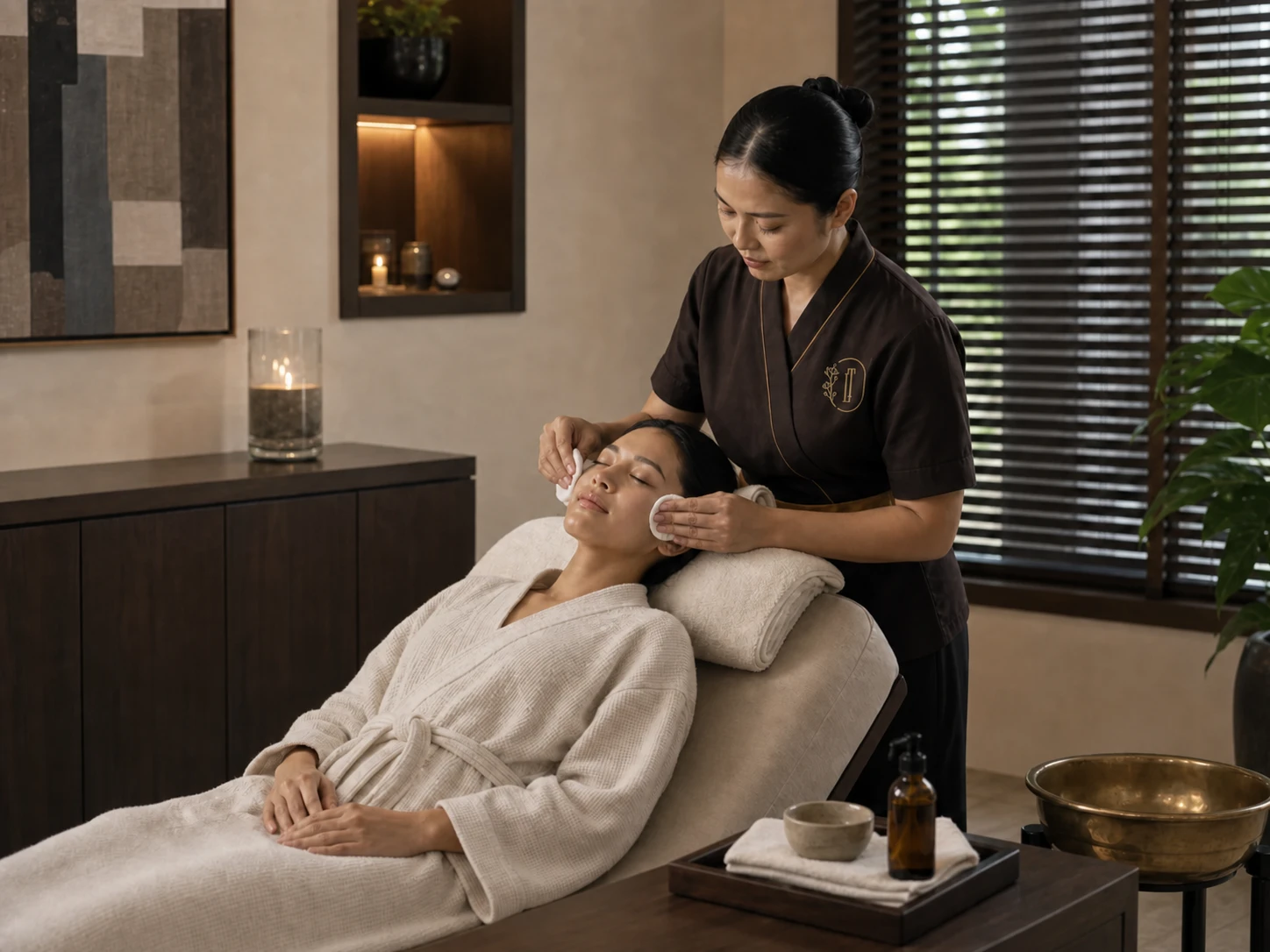
A cleanser removes make-up, sunscreen and surface residue so hands can move across a known product layer.
The formula should match the guest’s tolerance, and the therapist should avoid stacking strong exfoliation with vigorous massage unless a defined protocol supports it.
Cleansing prepares the surface; it does not draw toxins from the face.
Step 3: Select the Massage Medium
Oil, cream, balm, gel or serum changes friction, glide and the way faster or slower movements feel.
The product needs a readable ingredient list, intended facial use, hygienic dispensing method and discussion of known sensitivities.
A botanical or luxury label does not prove suitability, and the product should not be credited with the mechanical effect of the massage.
Step 4: Establish Contact and Warm-Up
A sequence may begin at the neck, shoulders, scalp or face depending on the practitioner’s training and the agreed treatment area.
Broad contact and slower movements can establish rhythm before smaller, faster or more precise techniques.
The guest should know which areas will be touched, and pressure near the eyes, jaw and neck should remain within comfort.
Step 5: Combine Movements With a Clear Purpose
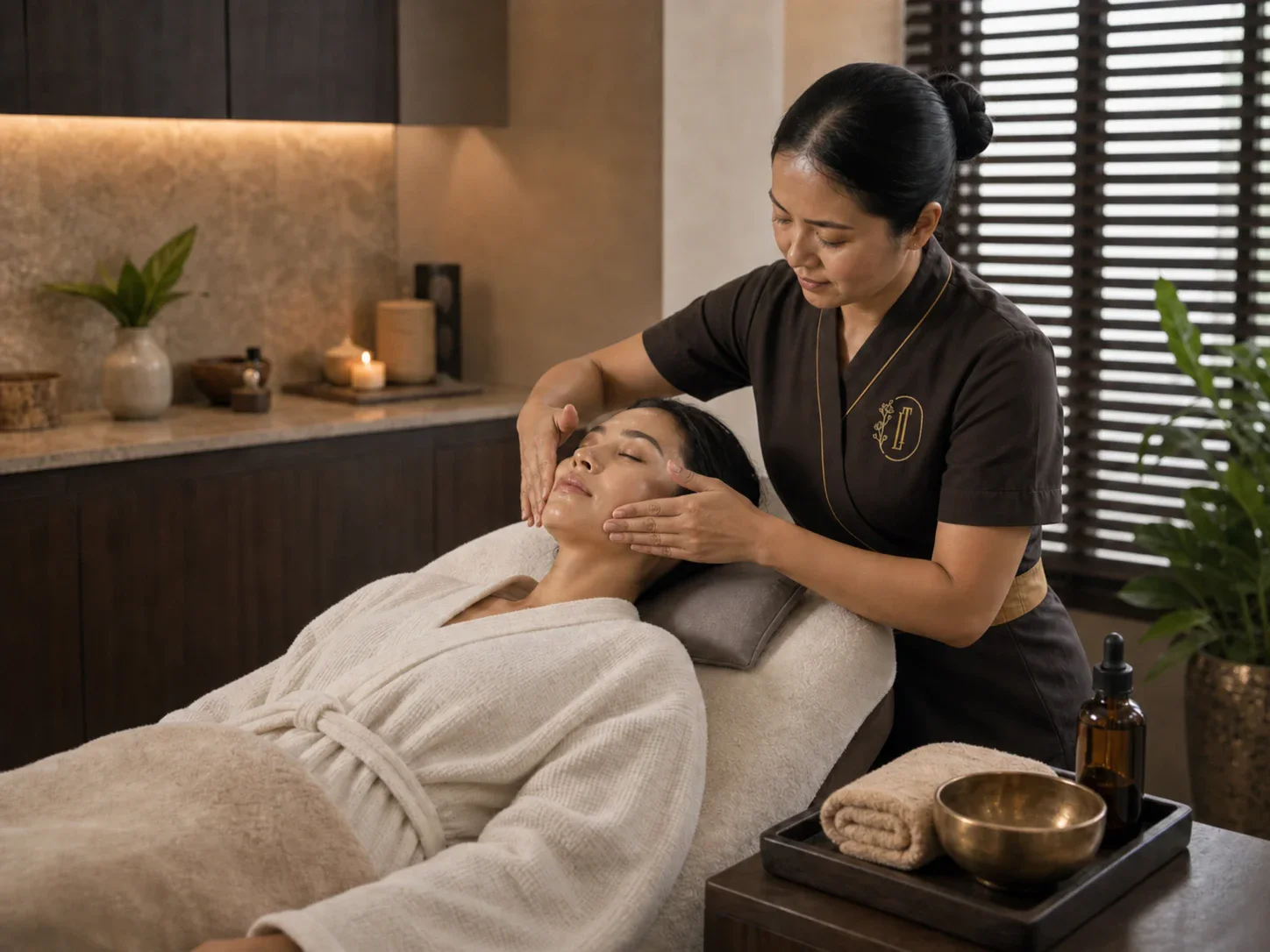
A facial massage protocol can include gliding, kneading, lifting contact, tapping, percussion, vibration and point pressure.
Those movement names describe what the hands do. They do not automatically establish drainage of fluid, release of a meridian blockage or remodelling of collagen.
Speed and pressure should be taught, repeatable and adapted to the tissue and guest response rather than performed as a display.
Step 6: Work Through Defined Facial Zones
A therapist may organise the sequence across the forehead, temples, brow, cheeks, perioral area, jawline and scalp.
The eye area requires particularly controlled pressure and product placement.
Good sequencing makes the treatment legible: the guest can understand where the therapist is working and the therapist can monitor comfort consistently.
Step 7: Finish the Facial, Not the Claim
Excess massage medium may be removed before a mask, moisturiser or sunscreen is applied according to the selected facial.
A mask supports a defined cosmetic role such as hydration or comfortable occlusion when its formula and use support that description.
The therapist can discuss how the skin feels and looks immediately without converting a temporary observation into a promise of lasting structural change.
What Facial-Massage Research Actually Shows
A 2017 study used photography and three-dimensional CT to observe immediate morphological changes after massage, but it included only 12 healthy female volunteers and did not establish durable rejuvenation.
A 2021 pilot study on facial mobility used one cadaveric head and six healthy volunteers; its authors described a possible mechanism rather than proving a clinical lifting treatment.
A 2025 systematic review found only two manual-massage studies among a small and heterogeneous group of conservative facial-rejuvenation studies, so broad anti-ageing conclusions remain uncertain.
Do Not Turn Mechanical Contact Into a Collagen Promise
Observing tissue movement immediately after massage does not prove that the session creates clinically meaningful new collagen.
Product studies, facial exercises, rollers, gua sha and manual Kobido techniques are different interventions and should not borrow one another’s results.
A collagen, wrinkle, elasticity or lifting claim needs evidence that matches the exact protocol, comparison, population and follow-up period.
Facial Massage Is Not Medical Lymphoedema Care
Light directional contact may be included in a spa facial, but medical manual lymphatic drainage belongs within an assessment-led healthcare pathway for appropriate conditions.
Unexplained or persistent facial swelling should not be labelled stagnant lymph by a spa.
The menu should distinguish a sensory or cosmetic facial step from treatment of lymphoedema or another medical cause of swelling.
Set Expectations Around the Session
A guest may notice warmth, product sheen, temporary impressions from positioning or a short-lived change in facial appearance.
Individual experience does not establish permanent tightening, headache treatment, detoxification or long-term rejuvenation.
The most reliable promise is a defined professional process: consultation, controlled touch, suitable products, hygiene, comfort checks and an unhurried finish.
How to Compare a Kobido-Labelled Facial in Bangkok
First verify the credential and current service name. Then compare duration, included areas, cleansing, exfoliation, massage medium, mask, finishing products and practitioner adaptation.
Ask whether the service is massage-led or a complete facial with massage as one stage.
Confirm the branch, practitioner, price and availability directly because the 2023 archive is not evidence of the current menu.
Ten Questions Before Booking
Use these questions to separate a verifiable protocol from decorative language.
- Is this an official Kobido service or a Japanese-inspired facial massage?
- Which training programme and level did the practitioner complete?
- Can the instructor or credential be verified?
- Which facial areas and adjacent zones are included?
- Which cleanser, massage medium, mask and finishing products are used?
- How are pressure and speed adapted?
- Is exfoliation included, and how is over-treatment avoided?
- Which recent procedures or skin conditions require postponement?
- Which results are immediate observations rather than durable claims?
- Is this treatment currently available at the intended branch?
Claims Removed from the Previous Version
The earlier article described Kobido as an ancient beauty method created for the Japanese royal family and promised detoxification, improved circulation and collagen, tighter contours, reduced puffiness, headache relief, stress reduction and immediate plus long-term results.
The archived page did not provide evidence for those outcomes or verify the practitioner’s current lineage credential.
This version preserves the documented official history and explains the hands-on process while qualifying research, medical boundaries and current availability.
Protect the Name by Making the Practice Verifiable
A Kobido-labelled facial should be more than a Japanese aesthetic and a list of anti-ageing promises.
The strongest presentation identifies the lineage relationship, practitioner education, product sequence, technique, guest controls and evidence limits.
That precision helps guests compare facial massage in Bangkok on professional substance rather than mythology.
“The Kobido name identifies a lineage and training system; the quality of a session still depends on verifiable education, a coherent protocol and claims that match the evidence.”
Loft Thai Editorial Team
Continue your research
REFERENCES
Sources & further reading
- Kobido: Official Heritage and Lineage
- Kobido: Official Definition, Training and Trademark Notice
- Kobido: Official Trademark Information
- PubMed: 3D-CT Study of Immediate Facial-Massage Changes
- PubMed: Pilot Study of Facial Soft-Tissue Mobility
- PubMed: Systematic Review of Conservative Facial-Rejuvenation Techniques
- US FTC: Health Products Compliance Guidance
- Loft Thai: Facial Treatments
PRACTICAL GUIDANCE
Frequently Asked Questions
Does Kobido mean traditional Japanese facial massage?
No. The official Kobido organisation states that Kobido is the name of its historic Japanese company, lineage, training system and registered trademark, not a generic translation for Japanese massage.
Can Kobido facial massage permanently lift the face?
Small imaging studies have observed immediate facial changes after massage, but they do not establish permanent lifting. Durable structural claims require stronger protocol-specific evidence.
Does facial massage increase collagen?
Manual contact and observed tissue movement do not by themselves prove clinically meaningful new collagen. A collagen claim needs evidence for the exact treatment and follow-up period.
Is Kobido the same as facial lymphatic drainage?
No. A facial massage may include light directional movements, but medical manual lymphatic drainage is a distinct assessment-led practice and should not be implied by a cosmetic menu.
How can I verify a Kobido practitioner?
Ask for the programme name, training level, instructor and completion date, then check whether the credential or instructor can be confirmed through the official Kobido organisation.
CONTINUE READING
Related stories
The Science and Art of Facial Massage in Bangkok
Facial massage is one of humanity’s oldest beauty and wellness rituals. Rooted in Ayurvedic Mukhabhyanga, refined by Thai, Chinese, and Japanese traditions, and now supported by modern anatomy and dermatology, this practice offers a uniquely holistic path to…
Read the guide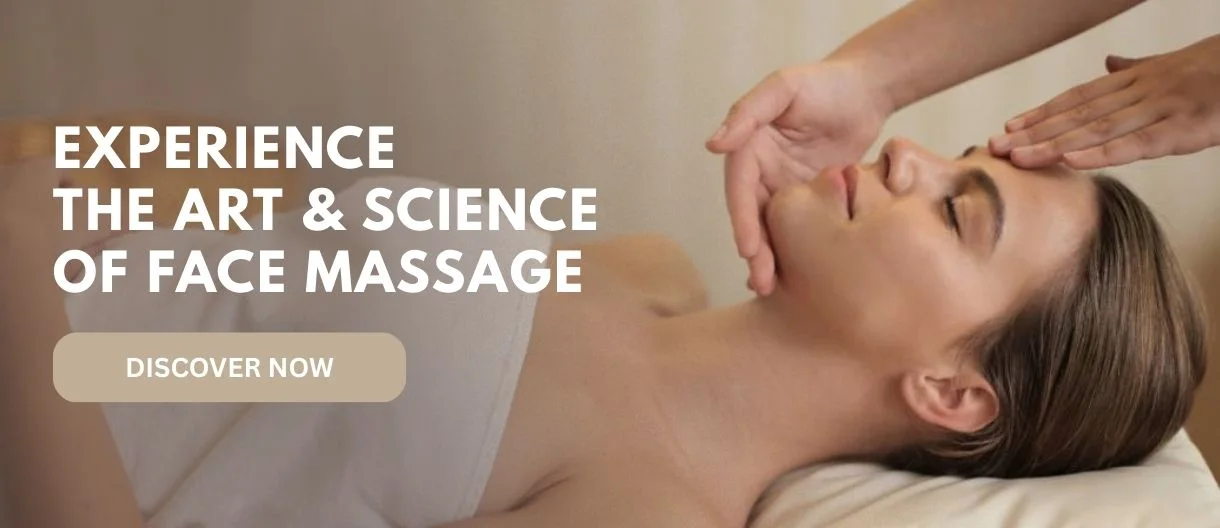
Experience the Art and Science of Face Massage From Ancient Origins to Modern Wellness
Face massage is both an art and a science—an intersection of tradition, anatomy, and wellness that transcends cultural boundaries. In many regions around the world, from Thailand to the spas of Europe, practitioners have developed unique approaches that focus…
Read the guide
Top 8 Benefits of Facial Massage for Glowing Skin by Loft Thai Spa Bangkok
Facial massages have long been celebrated as a powerful treatment for skin health and relaxation. Whether you're looking to combat aging, alleviate sinus pressure, or simply indulge in some self-care, facial massage offers a myriad of benefits. While you can…
Read the guide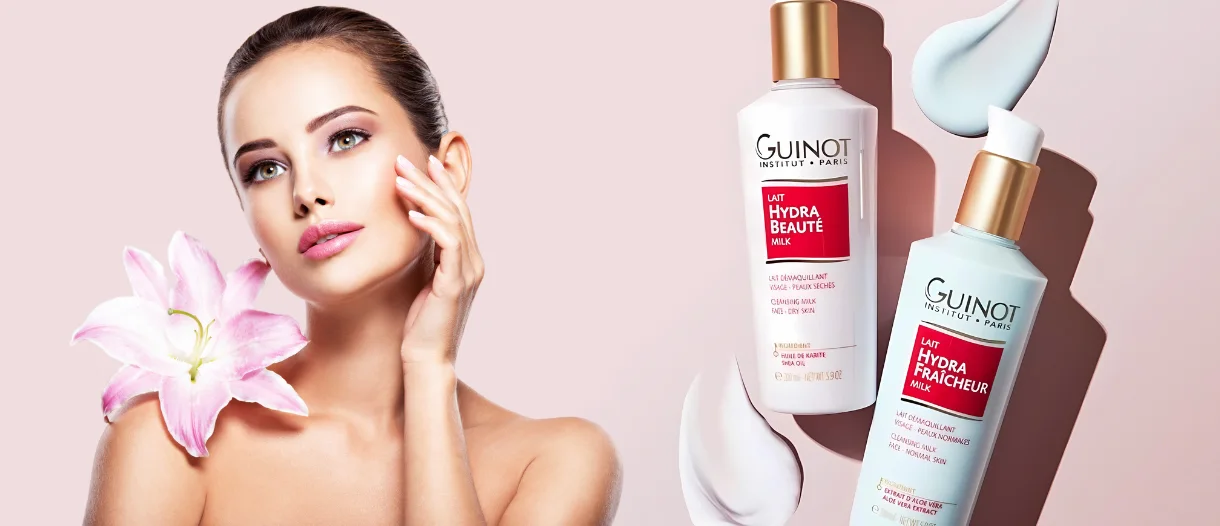
Exclusive Guinot Paris Facial Experience in Bangkok
For over 50 years, Guinot Paris has been at the forefront of skincare innovation, combining the finest in scientific research with nature’s best ingredients. Since its inception, Guinot’s mission has remained unchanged: to make women feel more beautiful…
Read the guide