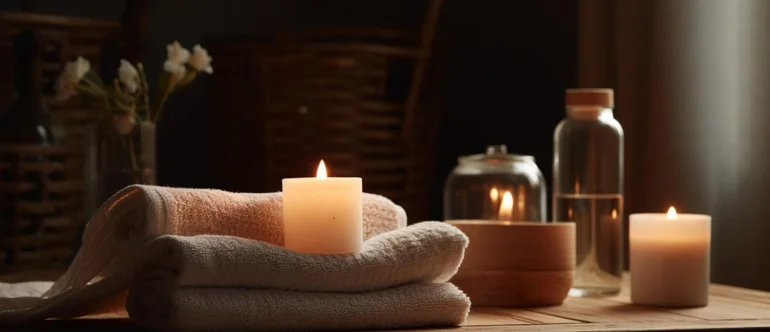
Harnessing natural essences for wellbeing involves utilizing the therapeutic properties of plant-derived substances, such as essential oils, to promote physical, mental, and emotional health. This practice, often seen in spa treatments like aromatherapy, focuses on extracting natural compounds from herbs, flowers, and other botanicals to enhance overall wellbeing.
There are many types of Thai spa in the list below
Therapeutic Scents, Thai spas master the art of aromatherapy by using therapeutic scents derived from natural essences, promoting relaxation, and enhancing the overall spa experience.
Traditional Thai Herbs, the art of aromatherapy in Thai spas often involves the use of traditional Thai herbs such as lemongrass, kaffir lime, and ginger, known for their aromatic and therapeutic properties.
Customized Blends, Spa practitioners skillfully create customized essential oil blends, tailoring them to each individual's needs to address specific concerns, whether it's stress relief, muscle relaxation, or mental clarity.
Mind-Body Connection, aromatherapy in Thai spas goes beyond the physical benefits. It taps into the mind-body connection, utilizing scents to evoke positive emotions, balance energy, and create a harmonious atmosphere.
Enhanced Massage Experience, aromatherapy is seamlessly integrated into Thai massage sessions, enhancing the therapeutic effects of the massage by combining the healing power of touch with the aromatic benefits of essential oils.
Cultural Significance, the art of aromatherapy in Thai spas often reflects the cultural significance of aromatic rituals in traditional Thai healing practices, adding a sense of heritage and authenticity to the spa experience.
Stress Reduction, aromatherapy is a powerful tool for stress reduction. Thai spas use calming scents like lavender and chamomile to create a tranquil environment, helping guests unwind and rejuvenate.
Holistic Wellbeing, the use of natural essences in aromatherapy aligns with the holistic approach to wellbeing in Thai spas, addressing not only physical tension but also mental and emotional aspects of wellness.
In Thai spas, the art of aromatherapy is a finely tuned practice that harnesses the natural essences of herbs and plants to create a sensory journey, promoting relaxation, balance, and overall wellbeing for spa-goers.
What is Harnessing Natural Essences for Well being?
"Harnessing Natural Essences for Wellbeing" involves utilizing the therapeutic properties of natural substances, such as essential oils, herbs, and plant extracts, to promote physical, mental, and emotional health. This practice is commonly associated with aromatherapy, where these natural essences are incorporated into various wellness routines to enhance relaxation, reduce stress, and contribute to overall well being. Whether through diffusers, massages, or skincare products, the art of harnessing natural essences aims to create a holistic and rejuvenating experience for individuals seeking a natural approach to self-care and wellness.
UPDATED LOFT THAI GUIDE
Additional guidance and current information
The following editorial update expands on the original Loft Thai article with practical context, current treatment guidance and further reading.
What Aromatherapy Means in a Spa
NCCIH defines aromatherapy as the use of essential oils from plants as a complementary health approach, most often through inhalation or diluted application to the skin.
In a spa, aromatic material may appear in the massage medium, a diffuser, a warm towel or another product used during the ritual.
The exact route matters: smelling an oil in the room is different from leaving a product on the skin.
Plant-Derived Does Not Automatically Mean Gentle
The US Food and Drug Administration cautions that a product described as natural or organic is not automatically safe.
Concentrated essential oils can irritate skin, trigger an allergic response or create other ingredient-specific risks.
A premium treatment identifies the formula and concentration rather than presenting every botanical as universally soothing.
What the Evidence Can Honestly Support
A guest may enjoy the fragrance, ritual and association of a chosen scent, and one NCCIH-cited stress study found that lemon aroma improved mood.
In that study, neither lemon nor lavender changed stress indicators, immune markers or pain control.
Research for insomnia and many other promoted uses remains limited, so an aromatherapy massage should not promise to treat anxiety, depression, sleep disorders, pain or immune function.
The Consultation Starts With Sensory Preference
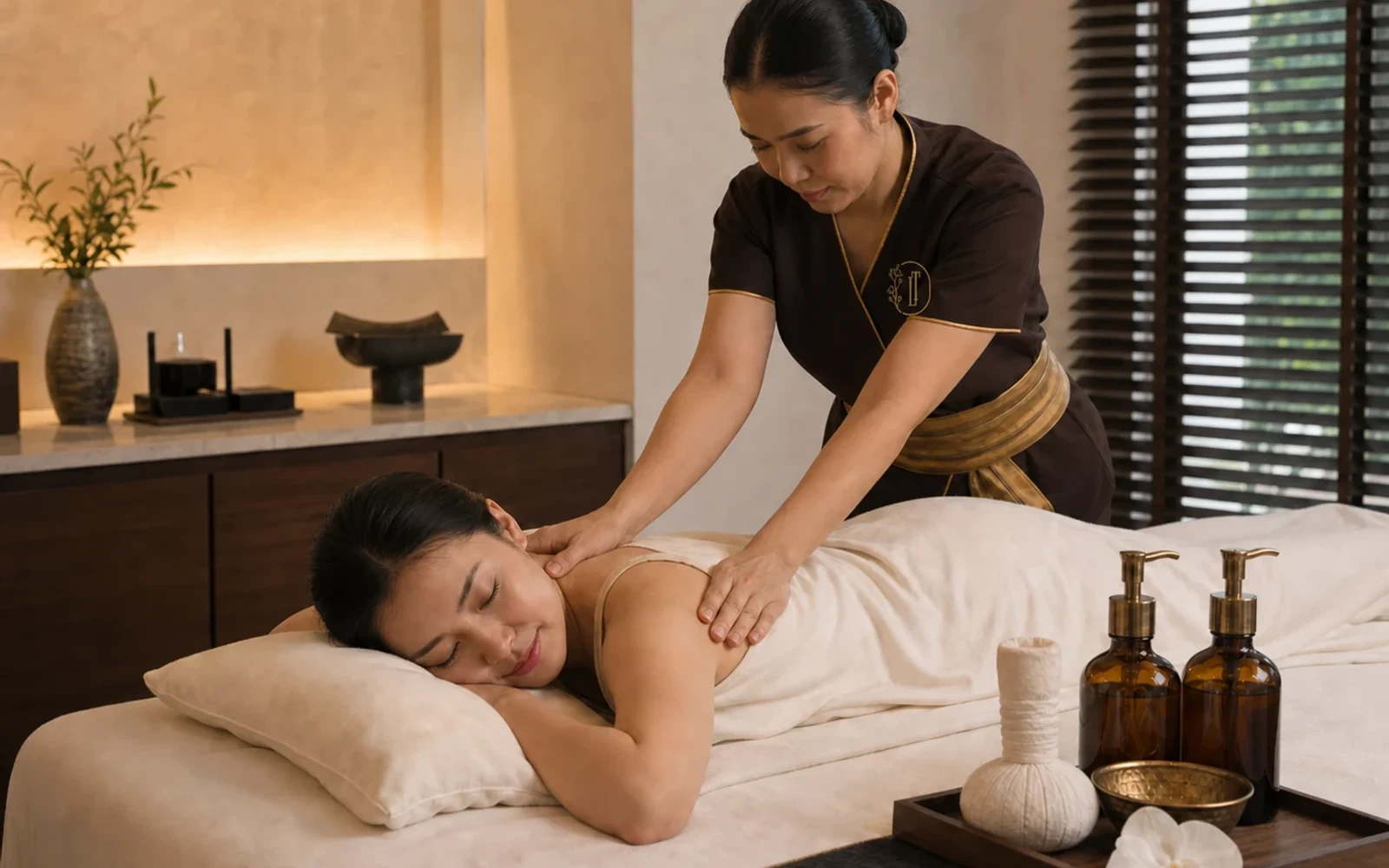
Ask whether the guest wants a noticeable scent, a subtle background note or an unscented massage.
Discuss migraine, asthma or respiratory sensitivity, fragrance allergy, reactive skin, pregnancy, breastfeeding, medicines, recent procedures and current irritation when relevant.
A preference for no fragrance is a complete answer, not an obstacle to receiving professional massage.
Blend Design: Carrier, Concentration and Purpose
Essential oils used on skin should be incorporated into a suitable carrier or finished cosmetic rather than improvised at full strength.
The base product affects glide, absorption, residue and the overall skin feel; the aromatic ingredient affects scent and may affect tolerance.
The team should be able to name the product, explain where it will be applied and offer an alternative.
Citrus Oils Need a Sun-Exposure Question
NCCIH notes that sun sensitivity can occur when some citrus or other essential oils are applied before sun exposure.
That question is especially relevant in Bangkok when a guest will return to strong daylight after the appointment.
Product formulation, covered body areas and aftercare instructions should determine the decision—not the appealing name of the blend.
During the Massage: Scent Should Never Overrule Comfort
The therapist should begin with adjustable pressure and observe both skin and breathing comfort.
Headache, coughing, burning, itching, dizziness or a scent that feels overwhelming are valid reasons to pause and remove the product where practical.
A professionally paced oil massage can remain effective as a hospitality experience without strong fragrance.
Aftercare Is Product-Specific
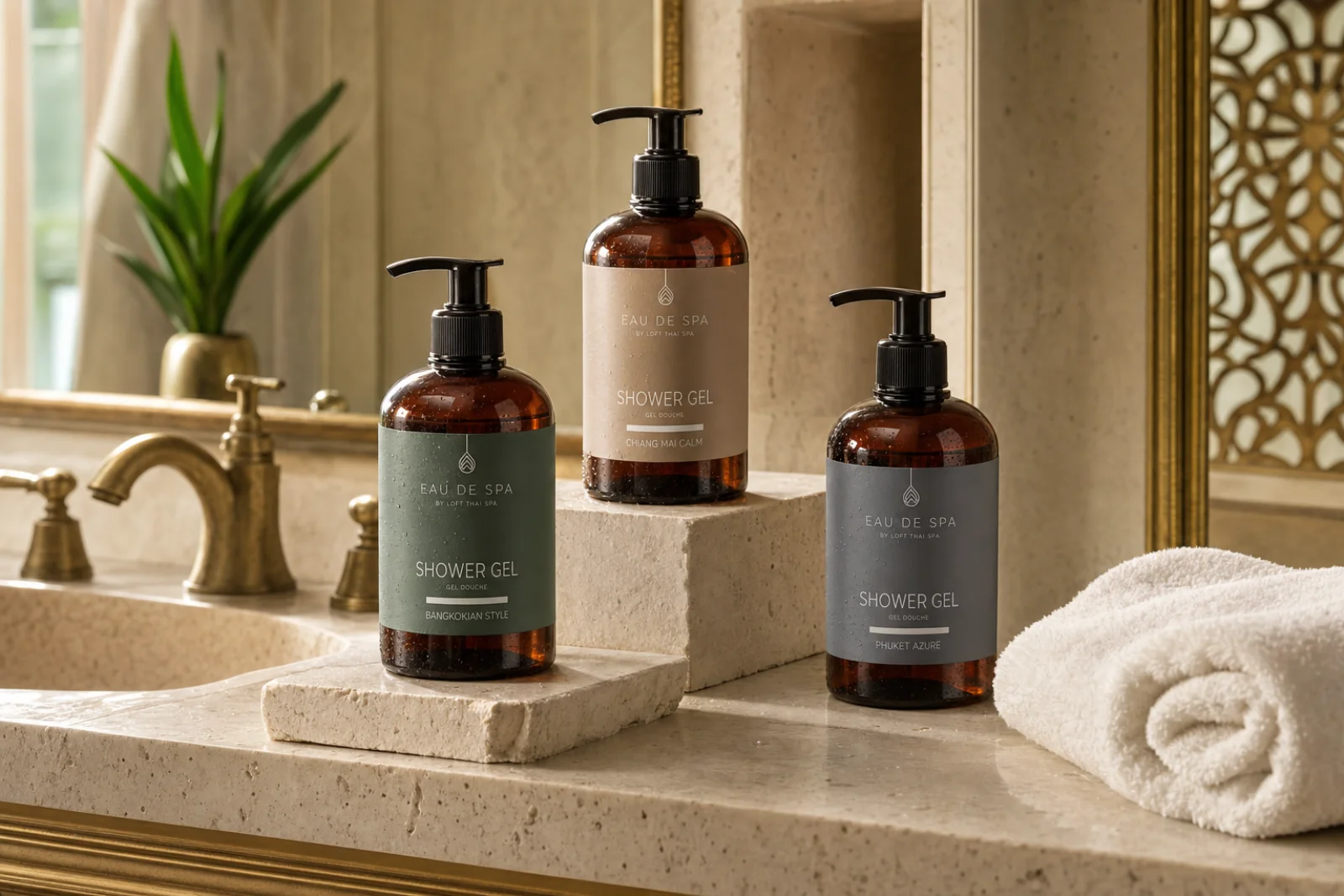
Ask whether the massage medium should remain on the skin or be rinsed, and whether sunlight, heat or another product should be avoided.
Do not add a new perfumed lotion simply because the treatment has ended.
Persistent rash, swelling, breathing difficulty or another concerning reaction requires appropriate medical advice rather than a spa remedy.
A Thai Spa Context Without Invented History
Thailand has rich traditions of herbal knowledge, massage and aromatic materials, but a contemporary bottle may combine ingredients and cosmetic technology from many places.
The Thai character of the visit can live in hospitality, therapist skill, treatment rhythm and responsible product selection.
Claims that one scent restores energy channels, balances hormones or detoxifies the body should not replace a clear ingredient conversation.
Choose the Treatment Before Choosing the Scent
First decide whether the body needs a flowing oil massage, active Thai movement, focused recovery work or a quieter signature ritual.
Then choose the pressure, duration and aromatic direction.
Scent is an adjustable layer of the experience, not a substitute for the right technique.
-
01
Treatment goal
Relaxing flow, gentle comfort, focused muscular work or a multi-step ritual.
-
02
Scent level
Unscented, subtle or clearly aromatic.
-
03
Ingredient check
Exact finished product, application area and relevant sensitivities.
-
04
Sun plan
Outdoor exposure after the treatment, especially with a citrus-containing topical formula.
-
05
Feedback
Permission to change or remove the product if comfort changes.
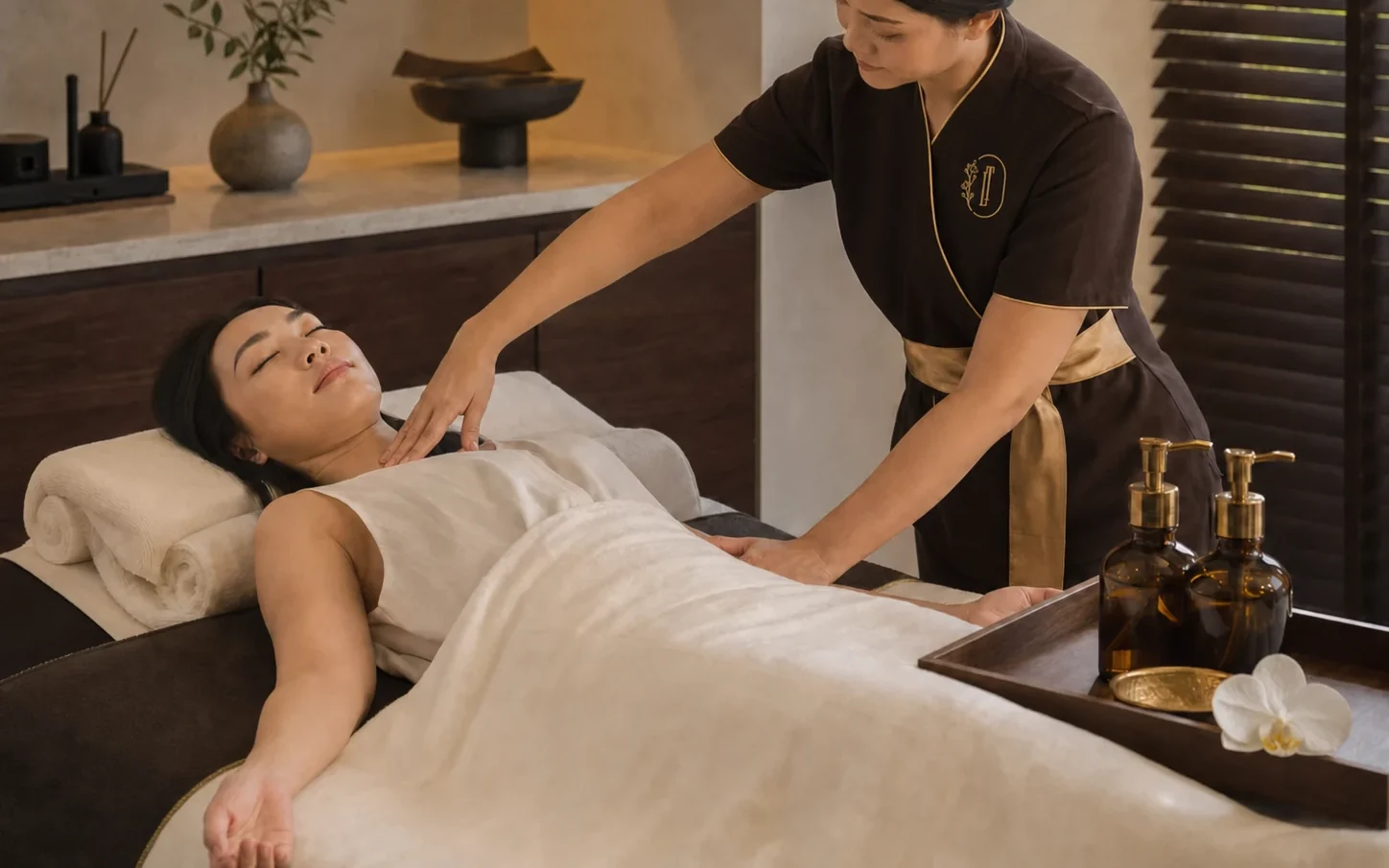
“Scent can shape the atmosphere of a massage, but the quality of the treatment still depends on consultation, dilution, touch, comfort and permission.”
Loft Thai Editorial Team
Continue your research
REFERENCES
Sources & further reading
PRACTICAL GUIDANCE
Frequently Asked Questions
What is aromatherapy massage?
It is massage combined with plant-derived aromatic ingredients, usually inhaled or applied in a properly diluted product. The massage technique and the scent choice should be considered separately.
Can essential oils cure stress or insomnia?
No cure should be promised. Scent may support mood or a relaxing atmosphere for some guests, but evidence for insomnia and many other promoted uses remains limited.
Can I book an unscented oil massage?
Yes. An unscented or low-fragrance carrier can preserve flowing massage technique without a strong aromatic layer, subject to current spa availability.
Why ask about citrus essential oils in Bangkok?
Some citrus or other oils can increase sun sensitivity when applied to skin. The exact formula, treated area and outdoor plans should be checked.
What should I disclose before aromatherapy massage?
Mention relevant fragrance or skin allergy, respiratory sensitivity, migraine, pregnancy, medicines, recent procedures and active irritation, and state whether you prefer a scented or unscented product.
CONTINUE READING
Related stories
Enhancing Your Spa Experience with Natural and Organic Products at Loft Thai
At Loft Thai Spa, we believe in the power of natural and organic products to transform your spa experience into a journey of rejuvenation and holistic well-being. Discover how our carefully curated selection of organic spa products and treatments can elevate…
Read the guide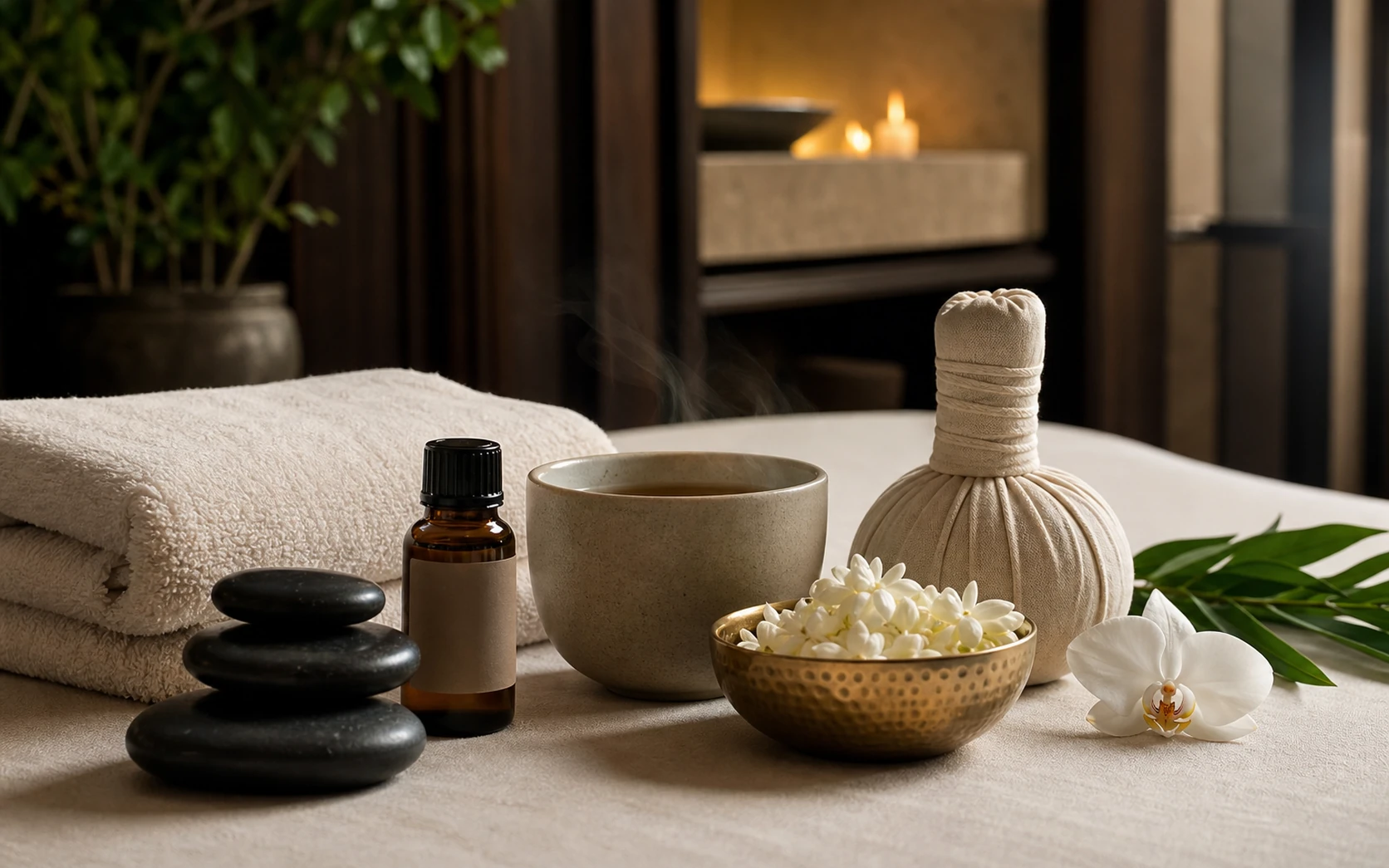
How Loft Thai Spa Can Help You Overcome Anxiety and Stress
In today’s fast-paced world, stress and anxiety are common challenges that many people face. Loft Thai Spa offers a sanctuary in the heart of Bangkok, where you can find relief and relaxation through expertly crafted treatments designed to soothe both body and…
Read the guide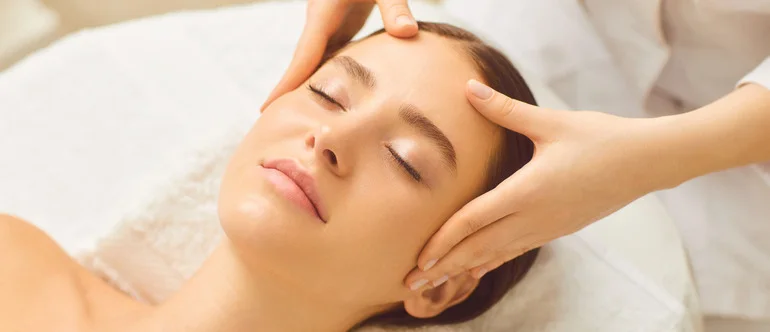
Thai Spa for Stress Relief: Techniques to Restore Balance
Indulge in the art of relaxation with our Thai spa treatments designed to melt away stress and restore balance. From traditional Thai massages and aromatherapy to herbal steam baths and meditative yoga sessions, our spa offers a holistic approach to rejuvenate…
Read the guide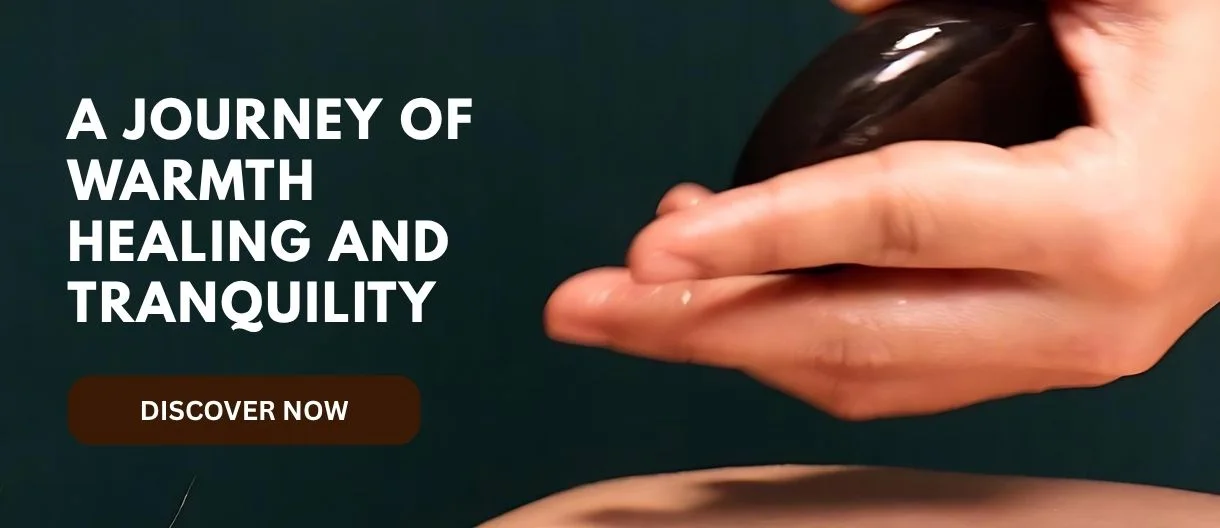
Hot Stone Massage: A Journey of Warmth, Healing, and Tranquility
Hot stone massage is one of the most beloved spa treatments worldwide, offering a profound sense of relaxation while simultaneously easing tension, improving circulation, and enhancing overall well-being.
Read the guide