
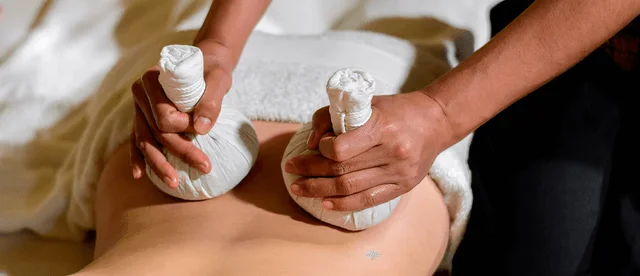
When exploring the different areas of Thai massages, there are a variety of choices that you can do to grasp a certain type of benefit for your body. Going deeper into the Thai tradition, there is a common use of combining essential oils and aromatherapy into spa practices as it gives strong benefits.
Let's understand clearly what exactly is the Thai Herbal Compress.
The Thai Herbal Compress, also known as Luk Pra Kob, has been in the Thai tradition for more than 4000 years and has shown different varieties for certain practices as a form of medicine in Asia. As the use of essential oils became famous, it is actually a misconception that Thai herbal compress massage uses essential oils. Looking closely into it, this is far from the case even though different herbs are involved in the massage in particular.
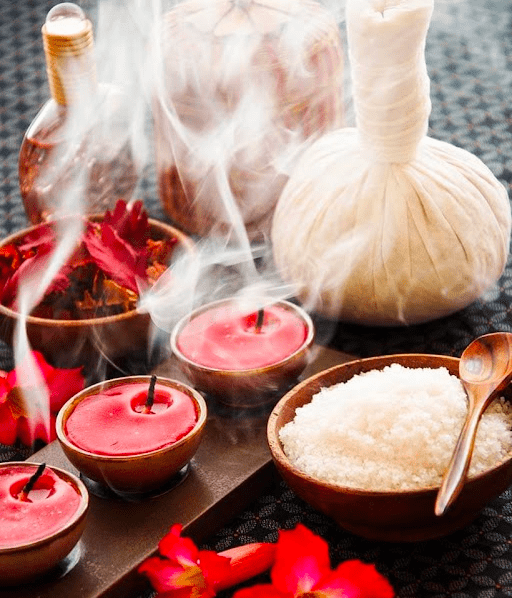
Diving into the concept of Thai herbal compress, the Luk Pra Kob is essentially the herbal sphere which is a muslin cloth bag that is used to press on the lines of energy or sen lines of the body. Inside the muslin cloth bag is a mixture of different herbs and the use of specific herbs will solely depend on the treatment that is needed for the client. For example, there are different herbs that a client can choose such as sage, turmeric, or basil. With the many types of herbs, each will produce a different type of benefit which the therapist will educate you about to get the right treatment for you.
Here are some types of herbs used at Loft Thai Spa:
Sage: is a commonly used herb for the purpose of memory or thinking skills, high cholesterol. Sages are a part of the mint family and are native to the Mediterranean region. Massages are used for pain after a long surgery, sore throat, and such.
Basil: people may think of basil as only a culinary herb, but this, in fact, is a herb that is also used in massages. Basils provide a strong scent and are usually blended with other herbs to produce aromatherapy alongside grapefruit, ginger, or clary sage.
Aloe Vera: this is also common use for massage treatments as it is used to treat sunburn with its cold feeling. It heals the skin through hydration and moisturization to improve blood flow through the skin.
Turmeric: this herb is usually used in India as a form to heal skin with disorders, joints, or the digestive system. While it is used for dietary supplements, massage salons have used this herb for aromatherapy or herbal compress massages.
Arjuna: similar to turmeric, the arjuna that is grown from the tree is widely known in India for medicinal properties like anti-inflammatory and antimicrobial. For those that are at risk of heart disease, this is a good herb to use as it strengthens the heart muscles.
Ashwagandha: ashwagandha is used for traditional massages with its natural healing benefits. It is known to release stress while increasing the energy levels of a person. This is a herb to used that is not properly known globally and is highly underrated.
There are many more herbs that can be used with the muslin cloth bag that produces different kinds of benefits. At Loft Thai Spa, our therapists are skilled and have been using Thai Herbal Compress as one of the forms of massage for our clients as it helps with blood flow and many more. Here is the list of benefits that we can produce for you:
- Reduces tension through heat and aromatic properties of the herbs
- Relaxes
- Relieve chronic pain from overuse injuries
- Energize tired muscles after activities
- Reduces muscular soreness
- Decrease joint stiffness
- Deep relaxation of muscle and nerve fibers
For more information, you can visit our about us page to dive down into the specific details of this unique treatment, and you can also head to our booking page to book a spot for an amazing experience for all kinds of massage experiences today!
UPDATED LOFT THAI GUIDE
Additional guidance and current information
The following editorial update expands on the original Loft Thai article with practical context, current treatment guidance and further reading.
A Compress Is More Than a Warm Cloth
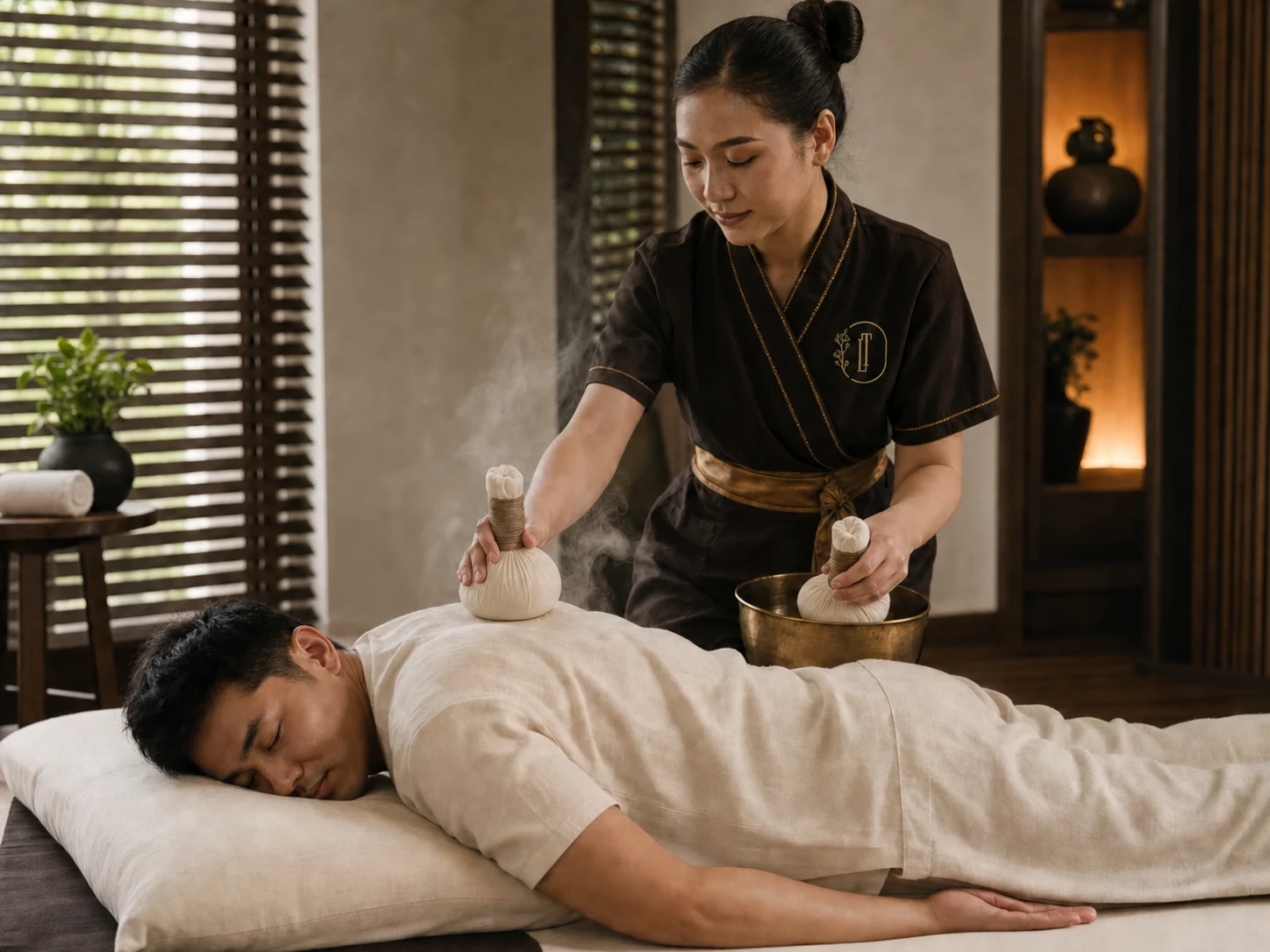
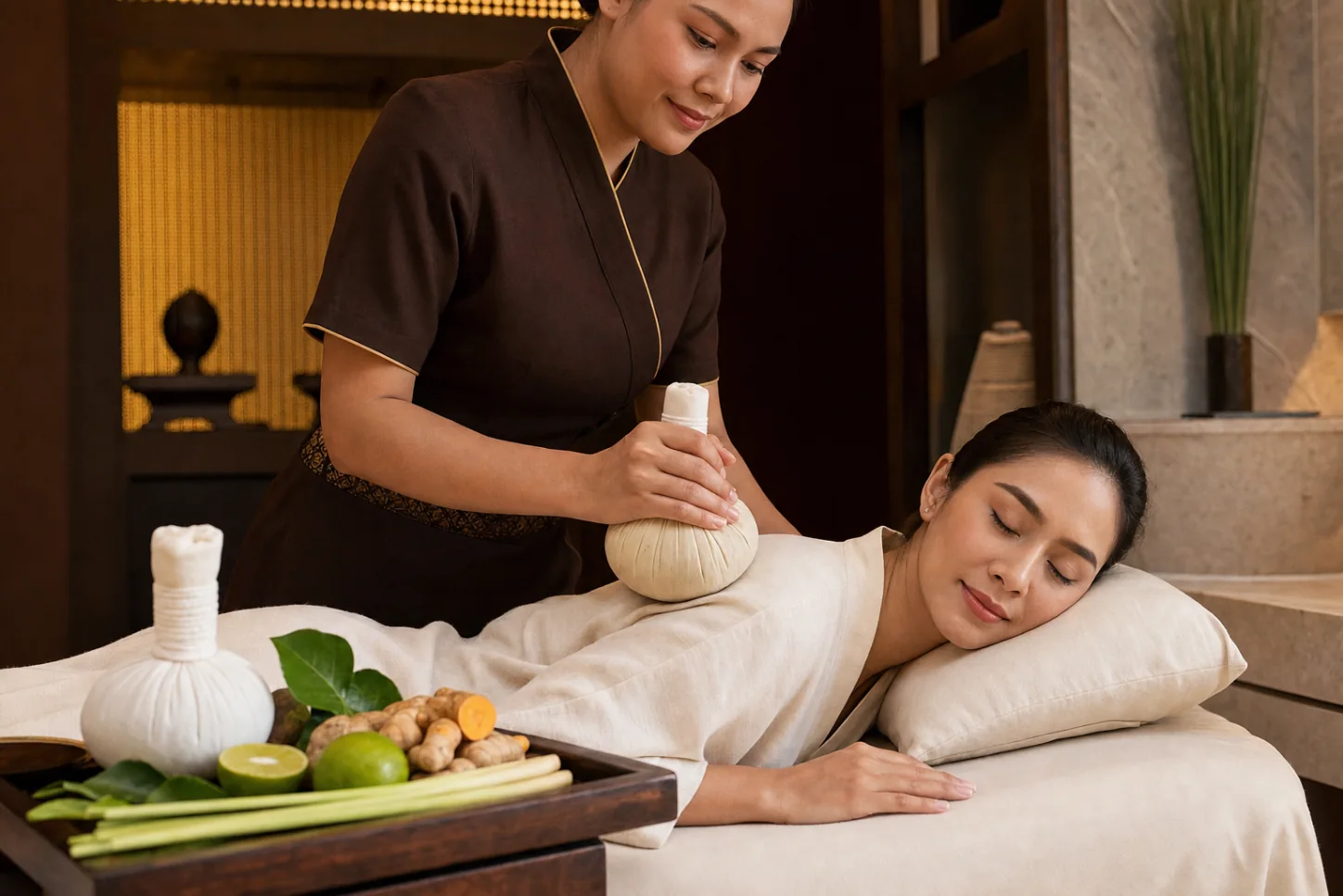
A Thai herbal compress, often called luk pra kob, encloses chopped or dried plant material inside a tied cloth bundle.
Steaming warms and moistens the bundle before it is pressed, rolled or held over selected areas.
The result combines superficial heat, touch, aroma and the guest's response to the formula.
A Living Thai Practice, Not a 4,000-Year Certificate
UNESCO's Nuad Thai record places hot herbal compresses inside the wider knowledge and practice of traditional Thai massage.
WHO historical material also records hot compresses among Thai traditional medicine practices.
Neither source verifies the archive's precise 4,000-year date, so this page preserves the tradition without repeating that number as fact.
The current Thai Herbal Compress
Loft Thai's current menu lists Thai Herbal Compress at 3,200 THB for 90 minutes and 4,200 THB for 120 minutes.
The format combines massage with warm compress work rather than presenting the bundle as an isolated medicine.
Confirm the branch, duration, massage style and exact formula before booking because menus and supplies can change.
Ask for the Actual Formula in the Room
Published Thai formulas often include plai, turmeric, lemongrass, makrut lime peel, tamarind leaf, salt, camphor or related aromatic materials.
Recipes vary by producer and purpose, so a research formula is not automatically the same as the current spa bundle.
The useful evidence is the product label, preparation record or ingredient list for the compress being used.
The Archived Herb List Mixed Traditions
The old page highlighted sage, aloe vera, turmeric, arjuna and ashwagandha but did not show that all five were inside the treatment bundle.
Arjuna and ashwagandha are not proof of a standard Thai compress recipe, and oral-herb claims cannot be transferred to brief skin contact.
This revised guide therefore separates historical copy from verified treatment composition.
Preparation Starts Before the Steamer
Ingredients should be identifiable, clean, appropriately cut and contained in intact cloth.
The bundle needs a secure handle and a shape that distributes pressure rather than exposing hard fragments.
Fresh and dried compresses can behave differently in aroma, moisture, storage and reuse policy.
Steam Activates Heat, Moisture and Aroma
Steaming warms the bundle and releases aromatic volatile compounds into the treatment environment.
It does not automatically extract a clinically meaningful dose of every plant constituent through intact skin.
Time and temperature need a repeatable process so the first application is not dangerously hot and later applications are not ineffective.
Temperature Must Be Tested Every Time
The therapist should test the compress before it touches the guest and begin through a towel or with shorter contact when needed.
Heat tolerance differs with body area, age, circulation, sensation, medicines and recent procedures.
Burning, sharp heat or numbness is a stop signal, not a stage to endure.
Press, Lift and Roll with a Clear Rhythm
A compress may be pressed briefly, lifted, rolled or alternated between two bundles as temperature changes.
Pressure and contact time should match the tissue and the guest's feedback rather than a fixed performance.
Heat can complement the massage sequence, but it should not replace consent about pressure, draping and areas to avoid.
Research Does Not Separate Every Ingredient
A 2015 systematic review found thirteen comparative studies involving 778 participants, mostly with methodological limitations.
For muscle pain, pooled results did not show a clear advantage over an ordinary hot compress.
The review therefore cannot prove that every herb, every formula or every spa session treats a medical condition.
Small Trials Are Context, Not a Universal Promise
Later randomised studies have compared massage with herbal compress, hot packs or topical treatments for selected pain conditions.
Those participants, protocols and outcomes do not represent every spa guest or every health concern.
A wellness menu should describe comfort and process without converting study findings into guaranteed relief.
Botanical Contact Can Still Irritate Skin
The systematic review reported that safety measurement was incomplete and cited rash and urticaria in an external adverse-event report.
Fragrance, camphor, citrus, plant particles, detergent residue or the cloth itself may matter to sensitive skin.
Disclose known allergies and stop for itching, hives, swelling or persistent burning.

Screen Conditions That Change Heat Safety
Reduced sensation, fragile skin, poor circulation, active inflammation, fever, recent surgery and some medicines can change suitability.
Avoid open wounds, infection, acute sunburn and any area that cannot reliably report temperature.
Pregnancy, postpartum recovery or a significant diagnosis needs individual guidance rather than a generic herbal promise.
The Bundle Needs a Clear Use and Storage Policy
Ask whether the compress is single-guest, single-use, freshly prepared or stored for later treatment.
Moist plant material and warm handling make clean preparation, refrigeration or disposal policy important.
A pleasant aroma does not demonstrate microbiological safety.
Before the Session
Share allergies, skin conditions, loss of sensation, heat intolerance, pregnancy, recent procedures and current injuries.
Confirm the formula, duration, price, massage style and whether oil is used.
Choose comfortable hydration and meals without relying on detox rules or forced water intake.
After the Session
Check the skin for persistent redness, blistering, rash or another unexpected reaction.
Keep aftercare simple and follow clinical advice for any condition that existed before the massage.
Seek appropriate assessment for a burn, spreading swelling, breathing difficulty or symptoms that do not settle.
Compare Herbal Compress with Other current Heat and Oil Options
Hot Stone Massage is listed at 3,200 THB for 90 minutes and 4,200 THB for 120 minutes.
Aromatherapy Oil Massage is listed at 2,000 THB for 90 minutes and 2,800 THB for 120 minutes.
Choose by heat tolerance, ingredient exposure, preferred massage technique and time rather than by the longest benefit list.
The Best Ritual Is Transparent and Adjustable
Thai herbal compress work can offer a richly sensory expression of Thai wellness when the formula and heat are understood.
Its credibility comes from preparation, communication, temperature control and modest evidence claims.
The preserved 2022 URL now points readers to the current service instead of an undocumented medicinal herb catalogue.
“The compress is a combined exposure to heat, pressure, moisture and botanicals; each part should be controlled rather than hidden behind the word traditional.”
Loft Thai Editorial Team
Continue your research
REFERENCES
Sources & further reading
PRACTICAL GUIDANCE
Frequently Asked Questions
How much is Thai Herbal Compress at Loft Thai?
The current menu lists 90 minutes at 3,200 THB and 120 minutes at 4,200 THB.
What herbs are inside a Thai herbal compress?
Formulas vary. Common published examples include plai, turmeric, lemongrass and makrut lime, but ask for the exact current product list.
Is herbal compress better than an ordinary hot compress?
The 2015 systematic review did not find a clear pooled advantage for muscle pain, and study quality was limited.
Can the compress burn the skin?
Yes. Steam-heated bundles need repeated temperature testing, controlled contact and extra caution when sensation or circulation is reduced.
Is every natural ingredient safe for sensitive skin?
No. Plant materials, fragrance, camphor and citrus can irritate or trigger allergy, so disclose reactions and stop if symptoms develop.
CONTINUE READING
Related stories

Healing Herbs of Thailand: Secrets Behind Herbal Compress Therapy
Herbal compress therapy, a traditional healing practice in Thailand, involves the use of heated compresses filled with a blend of medicinal herbs. This therapy is known for its therapeutic benefits, promoting relaxation, improving circulation, and alleviating…
Read the guide
A Guide to Thai Herbal Compress Therapy at Loft Thai Spa in Bangkok.
If you are looking for a unique and effective way to relax and rejuvenate your body and mind, look no further than Thai Herbal Compress Therapy. This ancient healing technique has been used in Thailand for centuries, and is now available at Loft Thai Spa in…
Read the guide
The Ultimate Guide to Thai Herbal Compress Massage: Benefits and Techniques
A long-used traditional medical procedure in Thailand is Thai herbal compress massage. This unusual massage method uses heated herbal compresses that are gently and rhythmically administered to the body.
Read the guide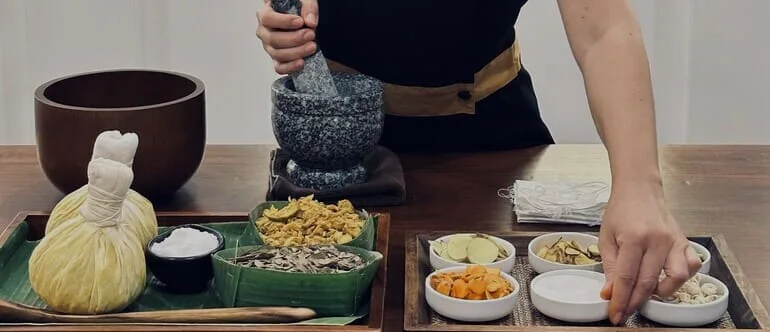
The Timeless Craft of Herbal Compress
In the heart of Loft Thai Spa, a therapeutic practice with ancient roots is blossoming anew: the art of herbal compress massage. This tradition, steeped in history, offers a holistic approach to healing, combining the tactile richness of massage with the…
Read the guide