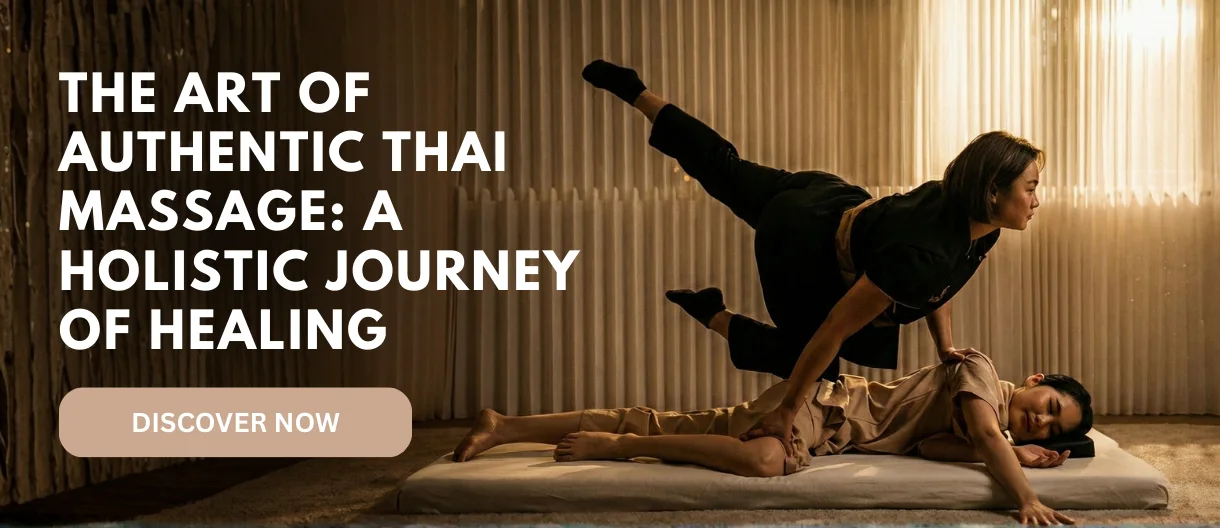
In the heart of Bangkok, where tradition meets modern sophistication, the art of Thai massage continues to thrive — not merely as a spa treatment, but as a cultural treasure and holistic wellness philosophy that has endured for over 2,500 years. Today, Thai massage is recognized worldwide as one of the most powerful forms of therapeutic bodywork, rooted in ancient healing practices from temples like Wat Pho and deeply intertwined with Ayurveda, yoga, and Buddhist mindfulness.
At Loft Thai Spa, we honor this heritage while elevating it through a modern luxury lens — crafting immersive wellness experiences that engage the five senses, balancing deep relaxation with therapeutic effectiveness. As our newest video invites you to step into our world of authentic Thai wellness, this editorial explores everything you need to know about Thai massage — from its origins and styles to its unique techniques, benefits, and how to choose the best experience in Bangkok.
What Is Traditional Thai Massage?
Unlike Western massages that rely mainly on muscle kneading and oils, Nuad Thai (Northern Thai technique) or Royal Thai Massage (more structured, Central style) is a fully clothed therapy that combines:
- Stretching inspired by traditional yoga
- Dynamic pressure using palms, elbows, knees, and feet
- Rhythmic compressions along energy pathways (Sen lines)
- Joint mobilization and muscle relaxation
Often described as “lazy yoga”, Thai massage works with the body’s natural energy flow to restore balance, improve flexibility, and release tension on a deeper level.
It is not just a physical therapy — it is mind–body healing that invites stillness, breath awareness, and profound emotional release.
The Philosophy Behind Thai Massage
Holistic Healing Ritual
Thai massage is grounded in the belief that the body contains invisible pathways called Sen Sip (energy lines). When these lines are blocked, discomfort, stiffness, fatigue, and stress may emerge.
Therapists use intentional pressure and mindful movement to:
- Release stagnant energy
- Activate natural mobility
- Enhance circulation and organ function
- Reset the nervous system
This ancient wisdom recognizes that wellbeing is not the absence of pain — it is the presence of vitality.
The Different Types of Thai Massage — Which One Is Right for You?
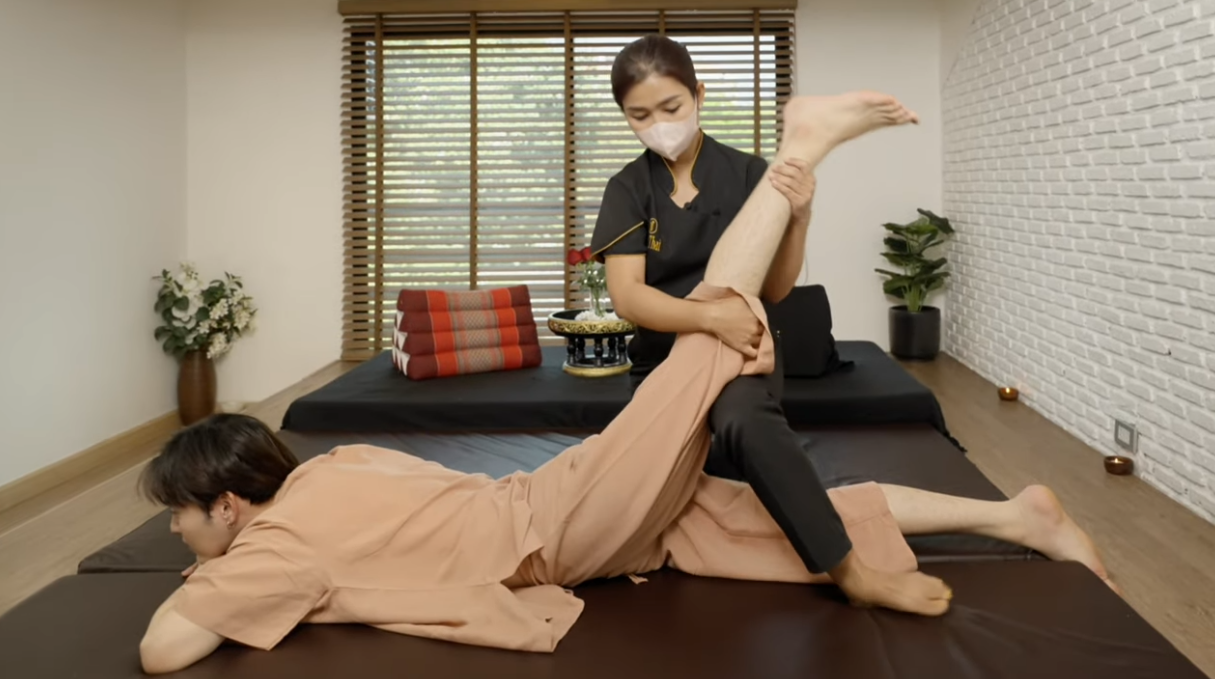
Thai massage is a deeply rooted healing tradition, passed down through generations and recognized by UNESCO as an Intangible Cultural Heritage of Humanity. At Loft Thai Spa, our therapists master these time-honored techniques through dedicated training at Nuad Thai School, our professional academy that upholds the highest standards of Thai wellness. Whether you seek pain relief, flexibility, or pure relaxation, there is a Thai massage style designed perfectly for your needs.
Traditional Thai Massage (Nuad Thai) remains the foundation of this ancient practice. Unlike oil-based massages, it combines rhythmic pressure along energy lines with gentle passive stretching. This method encourages full-body balance, improved posture, and relief from tension stored in the back, hips, and shoulders — especially common among desk workers or those with sedentary lifestyles. It’s one of the purest gateways into the world of Thai healing arts.
Thai Combination Massage offers the best of both worlds. Skillful pressure techniques are seamlessly blended with a soothing aromatic oil massage. This modern adaptation provides the therapeutic benefits of Nuad Thai while offering enhanced comfort and relaxation — a perfect choice for first-time visitors or those who love the calming feeling of spa oils on the skin.
Thai Yoga Massage invites the body to move more freely. Inspired by yoga postures and assisted stretching, it focuses on mobility, muscle elasticity, and fluid movement. It’s a favorite among active individuals, athletes, and yoga enthusiasts who want to prepare the body for better performance or recover after intense activity. The result is a body that feels open, aligned, and energized.
Thai Herbal Compress Massage introduces the healing power of nature. A warm poultice — filled with lemongrass, turmeric, camphor, ginger, and medicinal herbs — is steamed and applied along the body. The heat enhances circulation while the herbal blend helps reduce inflammation, soothe soreness, and promote detoxification. This massage is both nurturing and deeply restorative, especially after extended travel or physical strain.
Thai Warrior Massage is unique to Loft Thai Spa. Rooted in ancient martial traditions of Muay Boran warriors, this rare technique utilizes rope-assisted stretches and powerful pressure to realign the body and release chronic tension at its source. Reserved only for expert-level therapists, it is an extraordinary treatment designed for athletes and those seeking profound therapeutic transformation.
Every body is different, and so is every wellness journey. Whether you’re seeking relief from pain, freedom of movement, or a moment to disconnect, our team is here to guide you toward the treatment that best suits your goals. Step into Loft Thai Spa and discover the perfect Thai massage style crafted to elevate your well-being — mind, body, and spirit.
Stretching — The Signature of Thai Massage
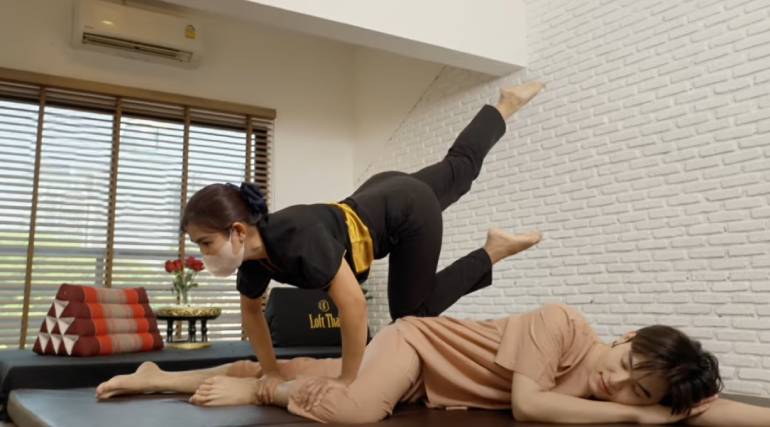
The first thing many guests notice after a Thai massage is a remarkable sense of lightness — the body feels longer, freer, and more aligned. This transformation comes from one of the core principles of Nuad Thai: assisted stretching.
While oil-based massages primarily focus on muscle relaxation, Thai massage works deeper. It lengthens the muscles, releases built-up tension, and encourages the body to return to its natural posture. The result is not just relief, but renewed mobility and balance.
Every stretch in Thai massage is purposeful. Spinal rotations align the vertebrae and restore fluidity to the back. Hip-opening movements ease the lower back. Hamstring elongation dissolves leg tightness caused by long sitting hours. Shoulder and chest work relieve “tech-neck.” Gentle joint mobilization stimulates circulation, helping the body heal naturally.
All techniques are applied with mindfulness. Therapists synchronize each stretch with breath, listening to the body’s limits and encouraging gradual progression. It is a partnership — your comfort and communication guide the flow of movement.
This unique blend of therapeutic stretching and rhythm makes Thai massage not just a treatment, but a rediscovery of how your body is meant to feel: open, strong, and alive.
The Loft Thai Spa Difference — Where Thai Tradition Meets Modern Luxury
At Loft Thai Spa, wellness is more than a treatment — it is an experience thoughtfully designed to honor Thailand’s healing heritage while embracing the sophistication of modern spa culture. Every element is curated to awaken the senses and enhance healing from within.
Our therapists, recognized for their exceptional skill, bring award-winning expertise rooted in authentic Thai techniques. They combine precise bodywork with aromatic essential oils crafted exclusively for our spa, elevating relaxation into something deeply refined and personal.
Art also plays a vital role in our spaces. Each branch features curated pieces from emerging Thai artists, allowing guests to immerse themselves in the creative spirit of the country as part of their wellness journey.
The experience extends beyond the massage table. After treatment, guests enjoy signature herbal teas, selected for their natural restorative qualities and ability to balance energy. Every detail — from the comfort of the room to impeccable hygiene — reflects world-class hospitality inspired by The Ritz-Carlton, Four Seasons, and Aman standards.
This commitment to excellence has earned Loft Thai Spa recognition as one of the Top 50 Best Spas in Asia by Spa Awards 2024 and a 4.9/5 satisfaction score from over 5,000 guests on Google — a reflection of our dedication to craft, care, and trust.
How to Find the Best Thai Massage in Bangkok
With countless spas throughout Bangkok, choosing the right one can feel overwhelming. Yet, a truly authentic Thai massage experience depends on several essential standards — those that protect your well-being and ensure therapeutic results.
1. Therapist Certification: Look for spas whose therapists are certified by UTTS or equivalent Thai wellness institutions. They understand anatomy, traditional pressure techniques, and safe stretching methods.
2. Authenticity: A genuine Thai massage harmonizes pressure, rhythm, and movement. Be cautious of places offering only light oil relaxation under the name “Thai massage.”
3. Consistency: High-quality spas maintain the same standards, hospitality, and techniques across all branches. Genuine guest reviews help verify this consistency.
4. Communication: The best therapists listen. You should feel comfortable expressing preferences for pressure, position, or focus areas — and the therapist should adjust accordingly.
Loft Thai Spa proudly embodies every one of these principles. From certified therapists and thoughtfully designed environments to unwavering service standards, we deliver safe, authentic, and transformative Thai massage — the kind of experience that defines Bangkok at its best.
UPDATED LOFT THAI GUIDE
Additional guidance and current information
The following editorial update expands on the original Loft Thai article with practical context, current treatment guidance and further reading.
Nuad Thai Is a Living Heritage
UNESCO inscribed Nuad Thai, traditional Thai massage, on the Representative List of the Intangible Cultural Heritage of Humanity in 2019. The recognition concerns knowledge, practice and transmission within Thai communities—not a ranking of spas or a guarantee that every treatment marketed as Thai is identical.
UNESCO describes Nuad Thai as part of the art, science and culture of traditional Thai healthcare. Its nomination records training and transmission through families, temples, schools, associations and professional organisations.
Calling it living heritage matters. Techniques are learned, practised and adapted in the present; they are not frozen choreography. Cultural respect includes accurate attribution, competent teaching and avoiding a mythical timeline when no source supports an exact age.
What Happens in a Traditional Thai Massage
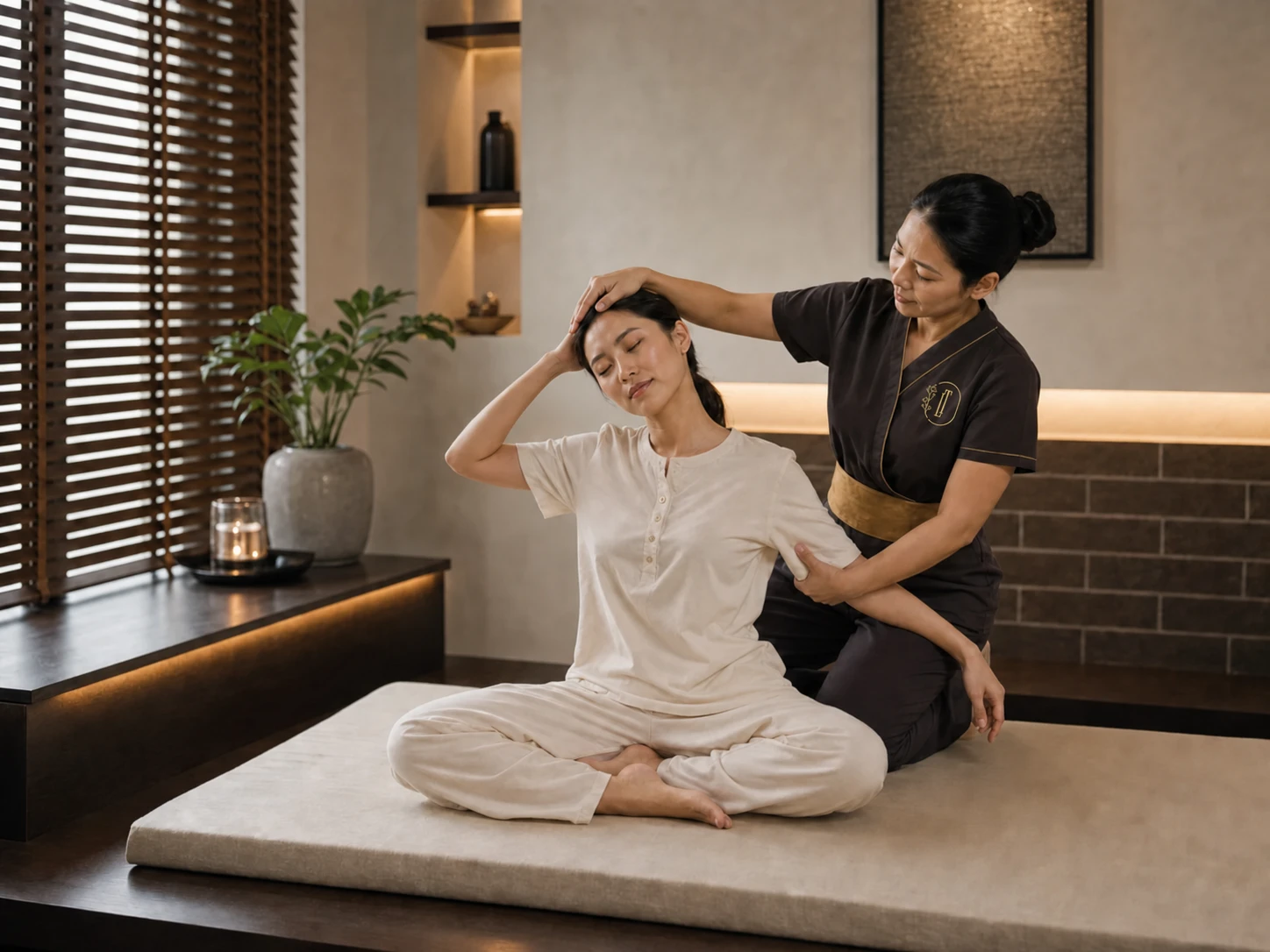
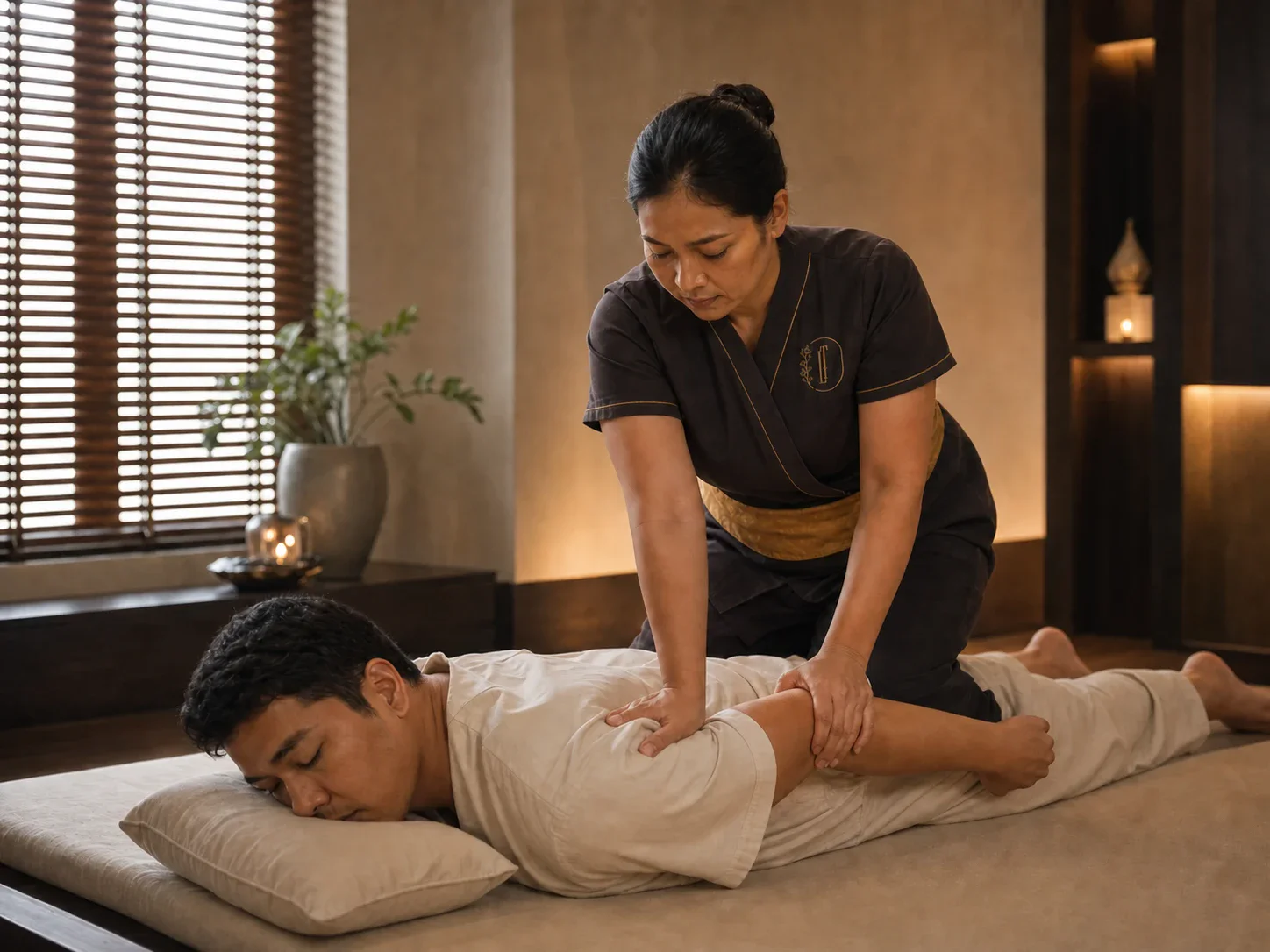
A guest normally changes into loose clothing and lies on a firm mat or low treatment bed. Oil is not usually necessary. The therapist works through the clothing with hands, thumbs, forearms or other carefully controlled contact and may guide the body through supported positions.
Rhythmic compression, gradual joint movement, rocking and passive stretching can all appear. The order, pace and range vary by training, treatment length and guest needs; there is no single universal sequence that every authentic practitioner must reproduce.
The experience can feel quiet and meditative, but it remains physical. A good therapist prepares a movement, supports the joint, observes resistance and changes course when the guest’s body or feedback calls for it.
-
01
Arrival
Confirm the service, duration, health context and pressure preference.
-
02
Changing
Use loose clothing supplied by the spa or agreed in advance.
-
03
Treatment
Receive rhythmic pressure and supported movement with ongoing consent.
-
04
Closing
Rise slowly, share feedback and allow time before returning to the city.
What Authenticity Looks Like in Practice
Authenticity is not a décor style, gong sound or promotional use of the word ancient. It begins with practitioners who can explain what they are doing, work within their competence and adapt rather than perform a rigid showpiece.
Look for a private consultation, clean clothing and linens, clear boundaries, stable support and a treatment description that matches the service delivered. The therapist should ask before working around an injury, changing pressure or using a position that may feel vulnerable.
A premium Bangkok setting and traditional practice can coexist. Warm lighting, a private room and thoughtful hospitality do not make the massage less authentic when the technique, consent and cultural attribution remain sound.
- Training that can be described clearly
- Consultation before technique
- Pressure and range adapted to the guest
- Clean, appropriate clothing and linens
- No forced movement or surprise technique
- No medical promise larger than the evidence
How to Understand Sen-Line Language
Traditional explanations of Nuad Thai often refer to sen, conceptual pathways used within the practice. UNESCO’s description records this cultural framework as part of how practitioners understand the body and treatment.
Sen should not be presented as a proven anatomical network equivalent to nerves, blood vessels or lymphatic vessels. Traditional terminology and biomedical anatomy answer different questions.
A therapist can respectfully use the language of lineage while remaining precise about evidence. Guests do not need to accept an invisible-energy diagnosis in order to enjoy skilled pressure, movement and attentive care.
Traditional Thai, Combination and Warrior Are Different Choices
Traditional Thai massage is the clearest entry point for a clothed, oil-free sequence. A Thai combination treatment blends some Thai pressure or movement with oil-based massage and different draping.
Loft Thai’s Thai Warrior Massage is a more dynamic signature that emphasises controlled assisted movement. Herbal compress and hot-stone options add heat and product considerations, so they should not be treated as interchangeable with a basic Nuad Thai booking.
Choose by format, not by a claim that one style is superior. First-time visitors who are unsure about stretching may prefer a traditional treatment with a gentle brief or a combination session.
Pressure Is a Conversation
Thai massage is often advertised as strong, but intensity is not a cultural obligation. A guest can request light, medium or firmer pressure and can change that request as the session develops.
Broad compression can feel substantial without being sharp. Stretching should create a manageable sensation, not panic, breath-holding, numbness or joint pain. The therapist’s control matters more than the apparent size of the movement.
Language differences can be reduced with simple signals agreed before treatment. “Less,” “stop,” “this area” and a hand gesture are enough; a professional spa should make it easy to communicate.
Keep the Benefits in Proportion
Massage may provide short-term comfort or relaxation for some people, and research has explored several pain conditions. The US National Center for Complementary and Integrative Health notes that evidence quality varies and is weak or limited for some outcomes.
An authentic Thai massage should not be sold as a cure for chronic pain, anxiety, posture, circulation, organ function, inflammation or a blocked nervous system. It does not replace diagnosis, rehabilitation or medical treatment.
The honest guest goal can be modest and worthwhile: a carefully delivered hour or two, a sense of ease and time away from Bangkok’s pace.

When to Modify or Postpone
Share pregnancy, recent surgery, fracture, joint replacement, osteoporosis, blood-thinning medication, clot history, acute injury, significant medical conditions and recent cosmetic procedures before treatment.
Fever, contagious skin problems, unexplained swelling, chest pain, breathing difficulty, sudden weakness, severe pain or neurological changes call for appropriate medical assessment. Do not book massage to test whether a concerning symptom disappears.
NCCIH reports that harmful effects from massage appear uncommon but that rare serious events have occurred, sometimes after vigorous work or in higher-risk people. Trained practitioners, honest disclosure and sensible intensity reduce avoidable risk.
How to Choose an Authentic Thai Massage in Bangkok
Start with a menu that names the service, duration, price and broad technique. Confirm whether the treatment is clothed, whether oil or heat is used and whether the room is private or shared.
Ask how therapists are trained and how the spa handles consultation, draping, hygiene, pregnancy, injuries and requests for a therapist of a particular gender. Reviews can reveal patterns, but they do not replace current information.
Location matters after the treatment. A branch close to a BTS station or hotel can make the experience calmer than a cheaper option that requires a long, uncertain trip through traffic.
- Exact treatment name and current price
- Clothing, oil and room format
- Consultation and pressure choices
- Therapist training and supervision
- Hygiene and privacy
- Travel time and cancellation terms
Simple Etiquette for a First Visit
Arrive early enough to complete consultation without rushing. Remove valuables and silence the phone. Use the clothing and changing space as directed, and ask when anything is unclear.
You do not need to endure discomfort to be polite. Speak during the treatment when pressure, temperature, position or privacy needs to change. Consent is continuous.
Afterwards, stand gradually and continue normal hydration and meals. Tipping practices vary by establishment and guest; confirm whether service charge is included rather than assuming a fixed rule.
Tradition Becomes Meaningful Through Care
Authentic Thai massage in Bangkok is not a competition for the strongest hands or the oldest slogan. It is a living practice carried by trained people and made relevant through attentive adaptation.
Choose a clear service, share your context, keep pressure collaborative and value evidence alongside heritage. That is a more respectful path into Nuad Thai than a promise of instant healing.
WATCH & LEARN
See the pace and setting of a Loft Thai massage experience in Bangkok
“Authenticity is visible in skilled adaptation, not in how far a therapist can move someone’s body.”
Loft Thai Editorial Team
Continue your research
REFERENCES
Sources & further reading
PRACTICAL GUIDANCE
Frequently Asked Questions
Do I keep my clothes on for traditional Thai massage?
Usually yes. Traditional Thai massage is commonly performed through loose clothing without oil, though the spa should confirm its exact format.
Should authentic Thai massage be painful?
No. Pressure can feel substantial, but sharp pain, numbness, instability or forced range should be reported and the technique changed.
Is every Thai massage sequence the same?
No. Training lineages, treatment duration, practitioner judgement and guest needs all influence the sequence.
Does UNESCO recognition certify a particular Bangkok spa?
No. UNESCO recognised Nuad Thai as intangible cultural heritage; it did not rank or certify individual businesses.
What is the best Thai massage for a first visit?
A standard traditional Thai massage with a clear, moderate brief is a practical starting point. A combination treatment may suit guests who prefer oil and less positional work.
CONTINUE READING
Related stories
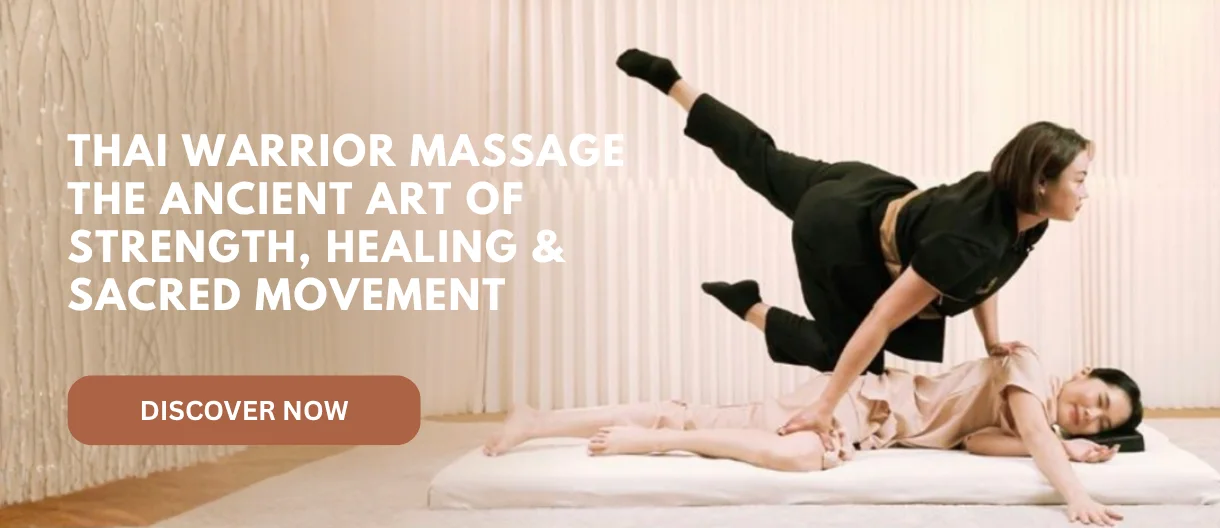
Thai Warrior Massage: The Ancient Art of Strength, Healing & Sacred Movement
Among the ancient healing traditions of Southeast Asia, the Thai Warrior Massage stands alone as a discipline that unites the physical intensity of martial arts with the elegance of therapeutic touch. It is at once a method of recovery, a ceremonial practice,…
Read the guide
Bangkok Spa Etiquette: Tipping, What to Wear, What to Say to Get the Pressure You Want in 2026
Booking a spa in Bangkok should feel exciting—not confusing. But if it’s your first time Thai massage or oil massage, it’s normal to wonder about the unspoken rules. Do you tip? How much? What do you wear? Do you keep underwear on? And how do you ask for the…
Read the guide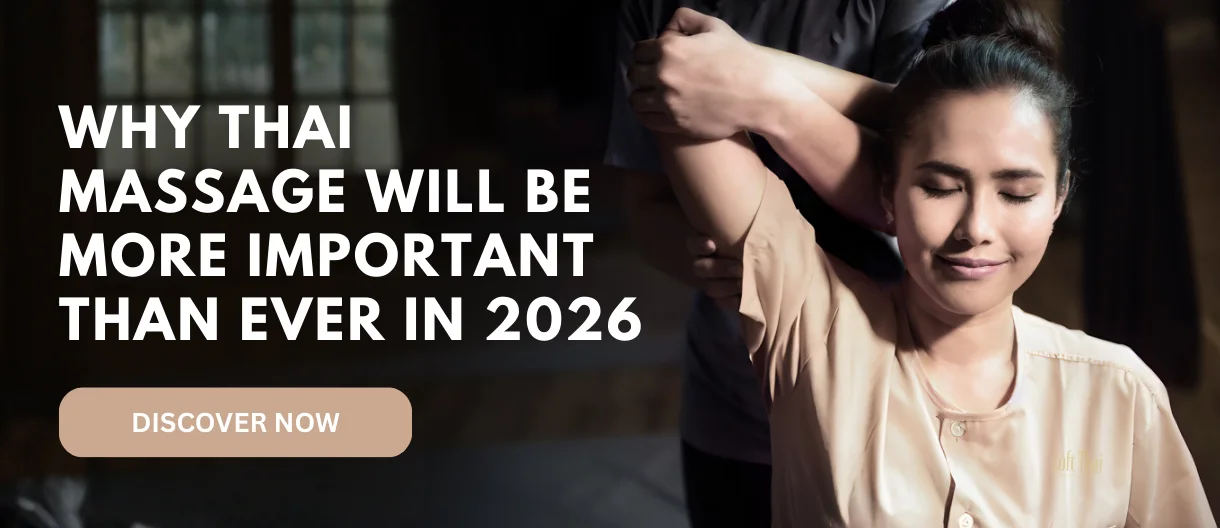
Why Thai Massage Will Be More Important Than Ever in 2026
As the world moves toward 2026, one thing is becoming increasingly clear: modern life is exhausting us in ways we are only beginning to understand. Longer working hours, constant digital stimulation, blurred boundaries between personal and professional life,…
Read the guide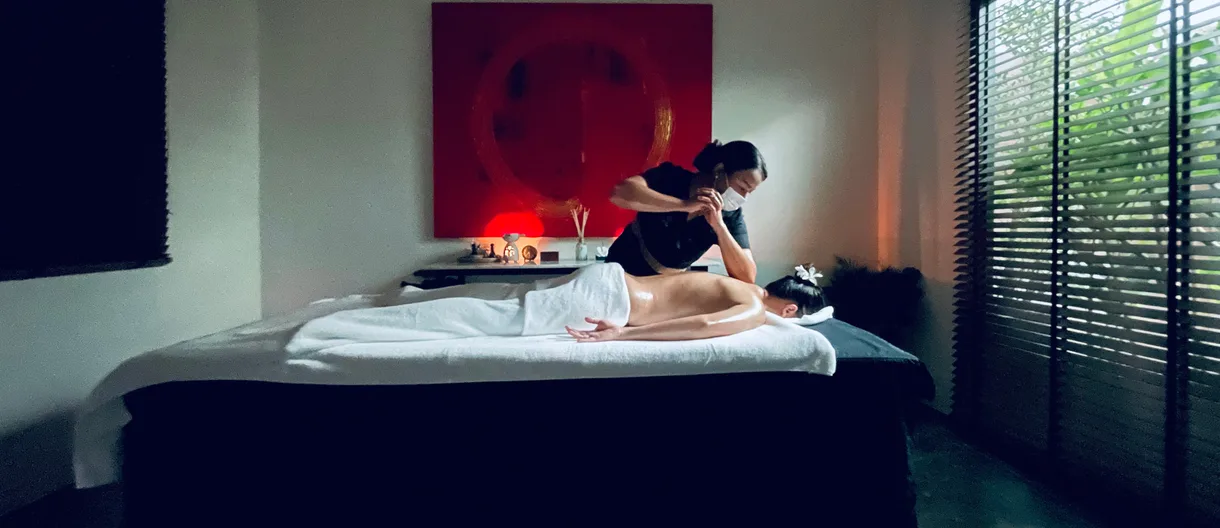
Best Thai Massage Thailand: The Loft Thai Story
Inside a Loft Thai treatment room, the first language is rhythm. A therapist settles her stance, listens to the guest’s breathing and lets pressure build without hurry. Hands pause before they move again; every stretch is supported, every change of position…
Read the guide