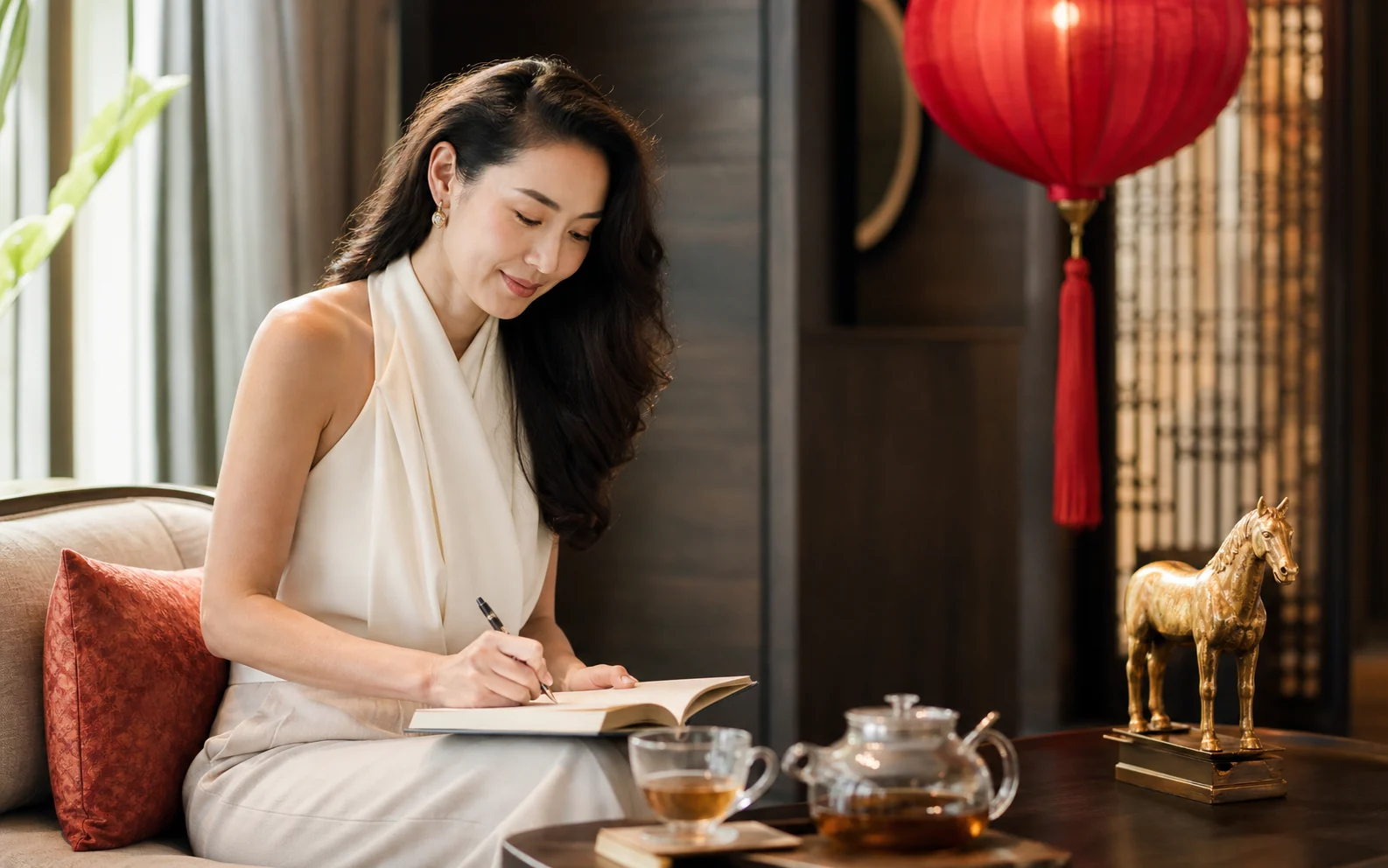
The Chinese New Year in 2026 carries a particularly powerful symbolic meaning, as it welcomes the year of Bing Wu in the traditional Chinese calendar. This designation is deeply rooted in the ancient system of Heavenly Stems and Earthly Branches, a cyclical method used for thousands of years in Chinese metaphysics to describe the flow of time, energy, and destiny.
While many people around the world simply refer to the zodiac animal of the year, the deeper structure behind it is far more complex and reveals a fascinating connection between cosmology, human behavior, and wellness. In 2026, the energetic signature of Bing Wu brings a strong and vibrant fire element that resonates with transformation, vitality, courage, and renewal. This symbolism offers a meaningful bridge between traditional Chinese philosophy and the modern wellness movement in Thailand, where ancient healing practices, spirituality, and holistic self-care have become increasingly popular among both locals and international visitors.
The Chinese New Year, also known as the Spring Festival, remains the most important cultural celebration for Chinese communities across the globe. It is a time when families reunite, express gratitude, and prepare for a new cycle of growth and prosperity. The holiday follows the lunar calendar, which means the exact date changes every year. In 2026, the Chinese New Year begins on February 17, marking the start of a new energetic phase. The period leading up to this day is traditionally filled with preparation, including deep cleaning of homes, settling debts, forgiving past grievances, and creating space for positive energy to enter. These rituals reflect a universal desire for renewal and healing, concepts that align closely with the philosophy of wellness.
To understand the deeper meaning of Bing Wu, one must explore the ancient Chinese metaphysical system known as the Sexagenary Cycle, which combines the ten Heavenly Stems and twelve Earthly Branches. This creates a sixty-year cycle that influences the energetic tone of each year. Bing is the third Heavenly Stem and represents Yang Fire. Wu is the seventh Earthly Branch and is associated with the Horse. Therefore, 2026 is often referred to as the Yang Fire Horse year. However, the significance goes far beyond the image of a horse. Yang Fire symbolizes the sun, illumination, expansion, leadership, and passion. It represents the ability to shine, to inspire, and to bring clarity. The Horse, in Chinese culture, symbolizes freedom, movement, independence, and vitality. When these two energies combine, the result is a year of dynamic transformation, innovation, and strong motivation.
In traditional Chinese philosophy, fire is not merely a physical element but also a representation of emotional and spiritual energy. It governs the heart and the circulation of life force, known as Qi. A strong fire element is associated with joy, enthusiasm, and connection. However, if unbalanced, it may also lead to stress, burnout, and emotional instability. This duality makes the year of Bing Wu particularly relevant to modern society, where people often struggle between ambition and well-being. The fast pace of contemporary life demands energy, performance, and resilience, yet it also creates a growing need for rest, recovery, and mental balance. This is where the connection with wellness in Thailand becomes especially meaningful.
Thailand has emerged as a global destination for wellness, healing, and holistic experiences. The country’s traditions of massage, herbal medicine, meditation, and spiritual retreat offer a natural antidote to the intense fire energy of Bing Wu. Many travelers, particularly from China, Singapore, Hong Kong, and other Asian countries, already visit Thailand to reconnect with themselves and restore balance. The year 2026 is expected to further accelerate this trend, as people seek environments that can support emotional regulation, physical recovery, and mental clarity.
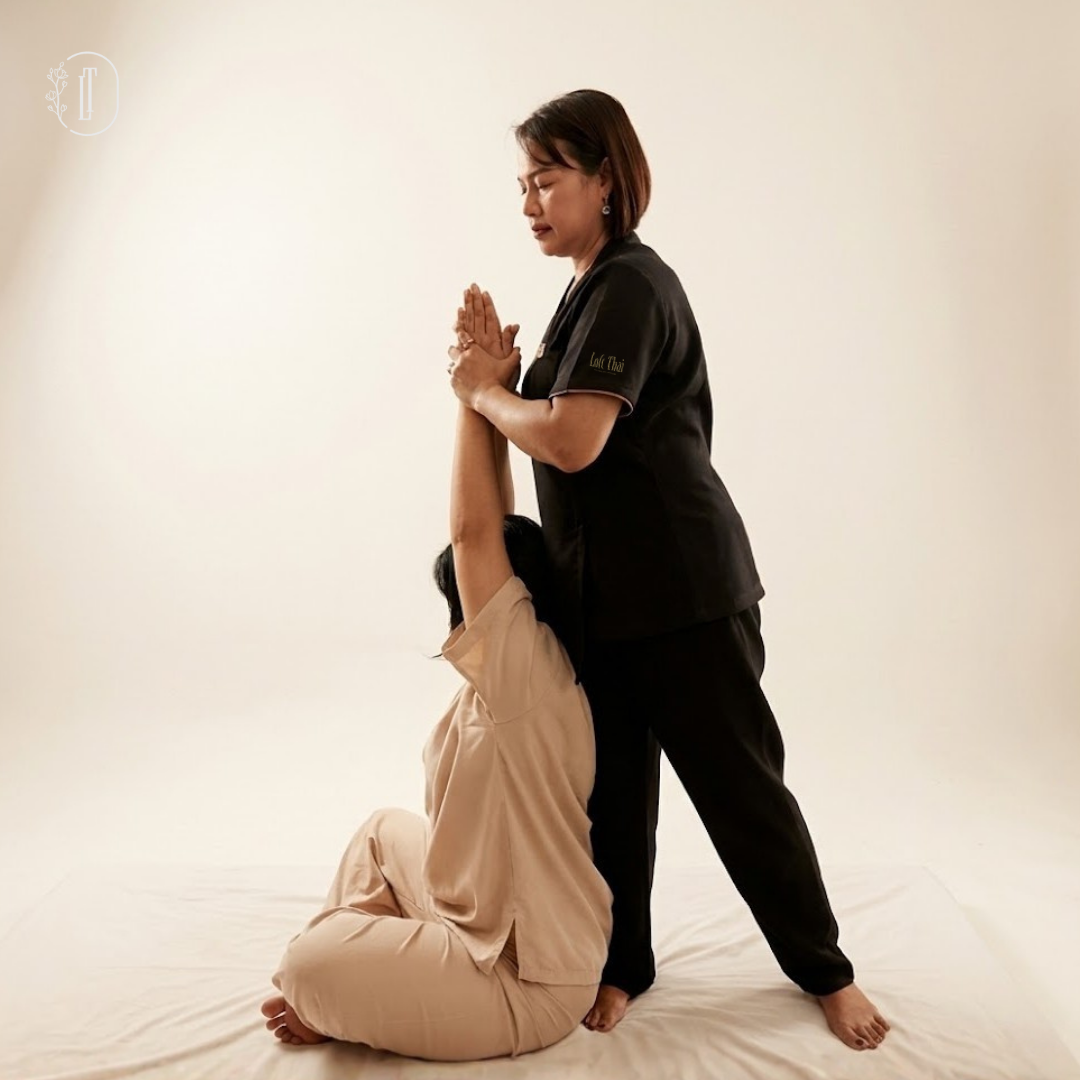
Traditional Thai healing philosophy shares many similarities with Chinese medicine. Both systems emphasize the balance of elements, the flow of energy, and the connection between body and mind. Thai massage, for example, works along energy lines called Sen, which resemble the meridian system in Chinese acupuncture. Herbal compress therapy, a signature Thai treatment, uses natural plants to restore circulation, release tension, and detoxify the body. These practices are particularly effective in calming excessive fire energy. They help regulate the nervous system, slow down the heart rate, and promote emotional stability. In the context of Bing Wu, such treatments are not only relaxing but also energetically meaningful.
The fire element also relates to visibility, success, and reputation. Many entrepreneurs and professionals believe that 2026 will be a year of strong growth, new opportunities, and global expansion. However, this also brings pressure, competition, and risk of burnout. Wellness is no longer perceived as a luxury but as a strategic investment in performance. Thailand’s spa and wellness industry has evolved to meet this demand by combining traditional therapies with modern science, luxury experiences, and personalized programs. High-end wellness destinations offer tailored retreats that include massage, facial treatments, detox, nutrition, mindfulness, and even business coaching. This holistic approach aligns perfectly with the transformative energy of Bing Wu.
The Chinese New Year itself includes numerous rituals that support mental and emotional wellness. Family gatherings provide a sense of belonging and security. Sharing meals strengthens relationships and emotional connection. Offering red envelopes symbolizes generosity and the circulation of prosperity. Wearing new clothes reflects a psychological reset and a fresh start. Even the famous fireworks, while festive, were historically intended to dispel negative energy and fear. These practices demonstrate that traditional culture has always recognized the importance of emotional well-being and resilience.
Another important aspect of the Bing Wu year is movement. The Horse represents travel, exploration, and change. In 2026, many people are expected to seek new experiences, relocate, or explore different lifestyles. Thailand, with its combination of modern infrastructure and deep cultural heritage, offers an ideal environment for this journey. From the vibrant energy of Bangkok to the peaceful mountains of Chiang Mai and the serene beaches of Phuket, the country provides diverse settings for self-discovery. Wellness tourism in Thailand is no longer limited to relaxation but also includes personal transformation, skill learning, and lifestyle optimization. Visitors increasingly participate in massage training, meditation courses, and holistic workshops to integrate wellness into their daily lives.
The concept of fire in Chinese philosophy is also linked to beauty, radiance, and youthfulness. In traditional medicine, a balanced heart and circulation reflect on the face through a natural glow. This explains why facial treatments and skincare rituals are becoming an important part of wellness. Modern spas in Thailand combine advanced technology such as HydraFacial, LED therapy, and anti-aging treatments with traditional herbal ingredients. This fusion of science and tradition reflects the global evolution of wellness. It also resonates with the symbolism of Bing Wu, where innovation and heritage coexist.
Spiritually, the year of Yang Fire encourages authenticity and self-expression. It is a time to align personal values with professional goals. Many people will reassess their priorities, focusing on purpose, creativity, and meaningful relationships. Thailand’s spiritual heritage, including Buddhism, mindfulness, and meditation, offers tools for this introspection. Silent retreats, temple visits, and mindfulness practices help individuals reconnect with their inner truth. This journey supports emotional resilience and clarity, which are essential in a dynamic and competitive environment.
The connection between Chinese New Year and wellness also reflects a broader cultural shift. In recent years, wellness has expanded beyond physical health to include mental health, emotional intelligence, and spiritual growth. The global pandemic accelerated this transformation, reminding people of the importance of self-care and balance. As a result, the Chinese New Year is increasingly viewed not only as a celebration but also as an opportunity for reflection and renewal. Many individuals set intentions related to health, mindfulness, and personal development.
In 2026, this mindset will likely become even more prominent. The strong fire energy encourages bold decisions, but it also requires grounding and discipline. Practices such as yoga, breathwork, and therapeutic massage help channel this energy in a constructive way. Thai wellness traditions are particularly effective because they combine physical and emotional healing. The human touch, the use of natural herbs, and the focus on compassion create a deeply nurturing experience.
The Bing Wu year also emphasizes leadership and influence. People are inspired to take initiative, start new projects, and express their vision. However, true leadership requires emotional intelligence and self-awareness. Wellness programs in Thailand increasingly include coaching, mindset training, and stress management. These services help individuals develop resilience, focus, and adaptability. The integration of wellness and business reflects a new paradigm where success and well-being are interconnected.

Another dimension of the Chinese New Year is generosity and community. In many Asian cultures, success is measured not only by personal achievement but also by the ability to contribute to society. Wellness initiatives in Thailand often include social responsibility, such as supporting local communities, preserving traditional knowledge, and promoting sustainable tourism. This ethical approach resonates with the values of the new generation, who seek meaningful and responsible experiences.
The symbolism of the Horse also suggests speed and progress. Technology, innovation, and digital transformation will play a major role in 2026. The wellness industry is already embracing artificial intelligence, data analysis, and personalized health tracking. Thailand is becoming a hub for this evolution, combining ancient wisdom with modern technology. Smart massage devices, AI-powered diagnostics, and customized skincare are redefining the future of wellness. This fusion reflects the essence of Bing Wu, where fire represents both tradition and innovation.
From a cultural perspective, the Chinese New Year in Thailand is particularly vibrant. Cities such as Bangkok host large celebrations, especially in areas like Chinatown. Decorations, lion dances, and street food create a festive atmosphere. Many Thai people of Chinese descent honor their ancestors and perform rituals for prosperity. This cultural diversity enriches the country’s identity and attracts international visitors. The integration of Chinese traditions with Thai hospitality creates a unique experience that supports tourism and cultural exchange.
Looking ahead, the year of Bing Wu in 2026 offers a powerful message. It encourages individuals to embrace change, pursue their passions, and cultivate resilience. At the same time, it reminds us of the importance of balance, compassion, and self-care. The connection between Chinese philosophy and Thai wellness reflects a universal truth: true success is not only about external achievements but also about inner harmony.
As the world becomes more interconnected, cultural traditions gain new relevance. The Chinese New Year is no longer limited to one community but has become a global celebration of renewal. Thailand, with its strong wellness culture, stands at the crossroads of this transformation. The year of Yang Fire Horse invites people to shine, to move forward, and to explore new horizons while staying grounded in health and mindfulness.
In this context, wellness in Thailand becomes more than a trend. It represents a philosophy of life that integrates body, mind, and spirit. The rituals of the Chinese New Year, the symbolism of Bing Wu, and the healing traditions of Thailand together create a meaningful path toward a balanced and fulfilling future. As 2026 unfolds, the energy of fire will illuminate new possibilities, inspiring individuals and communities to evolve, grow, and reconnect with what truly matters.
Find out more at https://www.loft-thai.com/special-offer/CHINESENEWYEAR2026
UPDATED LOFT THAI GUIDE
Additional guidance and current information
The following editorial update expands on the original Loft Thai article with practical context, current treatment guidance and further reading.
What Bing-wu Actually Means
The traditional Chinese calendar names years through a repeating combination of ten Heavenly Stems and twelve Earthly Branches. The result is a sixty-year cycle. In 2026, bing is the third stem and wu the seventh branch, associated with the Horse.
The Hong Kong Observatory’s official 2026 conversion table identifies it as the “Bing-wu year of the Horse.” In the five-phase correspondence system, bing is commonly translated as yang fire, which produces the familiar English phrase “Fire Horse.”
This is calendar and cultural vocabulary. It does not establish that everyone born in the year has one personality, that the year creates a measurable energy field or that the heart, circulation or nervous system needs a specific treatment because of the stem-and-branch combination.
- Bing-wu is a traditional calendar designation
- Horse is the corresponding zodiac animal
- Fire is a symbolic phase association, not a physical exposure
- Health decisions still require individual evidence and qualified advice
How to Read Fire Horse Symbolism
Popular interpretations connect the Horse with movement, independence and vitality, and yang fire with visibility, warmth or decisive action. These ideas can function like literary motifs: they offer a language for reflection and storytelling.
They should not be converted into deterministic predictions. No calendar sign can show that a person will burn out, need detoxification, travel, become more successful or experience a particular illness. Presenting those outcomes as fact turns heritage into pseudoscience.
A responsible wellness article can say that a reader chooses to use the symbolism as a prompt—perhaps to review pace, commitments or rest. It cannot claim that massage “balances Fire Horse energy” or that a facial corrects an elemental excess.
Renewal at Chinese New Year Is Social and Cultural
Chinese New Year practices vary by family, region and community. Common themes include reunion, honouring ancestors, cleaning and preparing the home, sharing meals, giving red envelopes and expressing wishes for prosperity and good fortune.
These actions can feel emotionally meaningful because they create time, attention and connection. The wellbeing value is experiential: belonging, memory, generosity, order and a pause between one cycle and the next. It does not require a claim that a ritual biologically removes negative energy.
In Bangkok, Thai-Chinese communities bring these traditions into homes, shrines, businesses and public spaces. Visitors should distinguish community observance from tourism programming and follow the lead of hosts or posted shrine guidance.
Thai Wellness Has Its Own History
Thai massage should not be presented as the Thai version of Chinese meridian therapy. UNESCO describes Nuad Thai as part of the art, science and culture of traditional Thai healthcare, with its own history, practices and concept of sen lines.
Traditional systems across Asia may share broad ideas about balance, touch and the relationship between body and life, but similarity does not make them interchangeable. A spa article should not merge qi, sen, chakras and zodiac elements into one universal mechanism.
At a contemporary Bangkok spa, massage is also a hospitality service shaped by consultation, consent, pressure preference, training, hygiene and comfort. Guests can appreciate cultural lineage while maintaining realistic expectations about what a session can and cannot do.
This distinction protects both traditions. Chinese calendar symbolism remains cultural context; Nuad Thai remains a Thai bodywork heritage; clinical care remains a separate professional domain.
Five Red Flags in Zodiac-Based Wellness Marketing
Seasonal storytelling can be elegant, but it becomes misleading when the calendar is used to diagnose the customer or manufacture urgency. Claims should be judged by what they actually promise, not by how beautiful the symbolism sounds.
Be cautious when a treatment says it is essential for everyone in a zodiac year, promises to purge “fire toxins,” guarantees business success, claims to regulate an organ because of an element or implies that declining the ritual leaves a person energetically vulnerable.
A credible provider can offer a limited-edition scent, tea, colour palette or gift experience and describe it as celebratory. It should still explain the actual massage, facial or body-care steps in ordinary language.
-
01
Separate story from mechanism
Ask which part is symbolic and which part describes a real product or technique.
-
02
Look for universal claims
A zodiac sign cannot establish one treatment need for millions of different people.
-
03
Check the health language
Detox, immunity, hormonal balance and disease claims require evidence beyond tradition.
-
04
Keep consent practical
Pressure, skin products, health history and comfort matter more than a calendar label.
A Fire Horse Reflection That Stays Grounded
If Bing-wu symbolism resonates, use it as a creative prompt. Movement might become a question about which activity feels enjoyable. Visibility might prompt a review of work boundaries. Warmth might suggest making time for family or hospitality.
Write one intention that can be observed rather than a prediction that cannot be tested. “I will keep one evening free each week” is clearer than “Fire Horse energy will transform my career.” A practical intention can be revised when life changes.
Rest can be included without becoming mystical. A massage, bath, walk, quiet meal or early night may be chosen because it feels restorative, not because a zodiac year requires it.
Experiencing the Year in Bangkok
Chinese New Year 2026 began on 17 February. Bangkok’s public programme included Yaowarat illuminations and cultural events, while homes and shrines held their own observances. The separate Loft Thai guide to Chinese New Year 2026 records the official dates, transport considerations and respectful visitor etiquette.
A spa visit can sit before or after a festival day as an ordinary pause from walking, heat and crowds. Choose the service by the body’s current condition and personal preference. Do not ask a therapist to interpret a birth chart or treat a symbolic element.
Allow travel time between Sukhumvit and Yaowarat, especially during controlled traffic periods. If massage is planned after a crowded evening, sleep, hydration and a comfortable journey home remain as important as the booking.
Responsible Luxury Leaves Room for Meaning
Luxury storytelling does not have to strip culture of depth. It can acknowledge the Horse-year calendar, use a restrained festive aesthetic and invite reflection while being precise about the treatment offered.
A responsible seasonal spa experience might include tea, a chosen aroma or a gift presentation. Its benefits should be described in sensory and hospitality terms: warm, quiet, private, unhurried, comfortable. Medical and psychological outcomes should not be guaranteed.
The most credible connection between Chinese New Year and wellness is therefore a human one. Festivals ask people to gather, remember, prepare and begin again. A spa can offer time and care around that occasion without claiming ownership of the tradition or turning its symbols into treatment science.
“Cultural symbolism can prompt a question about how we want to live; it cannot answer a medical question about how the body should be treated.”
Loft Thai Editorial Team
Continue your research
REFERENCES
Sources & further reading
PRACTICAL GUIDANCE
Frequently Asked Questions
What does Bing-wu mean in 2026?
Bing-wu is the stem-and-branch designation for the 2026 year in the traditional sexagenary calendar. Wu corresponds to the Horse, while bing is commonly associated with yang fire.
Is 2026 officially the Fire Horse year?
Official calendar tables identify 2026 as the Bing-wu Year of the Horse. “Fire Horse” is a common translation based on the traditional phase association of the bing stem.
Does Fire Horse energy affect health?
There is no scientific basis for diagnosing health or prescribing treatment from a zodiac year. The symbolism may be used for cultural reflection, not medical decision-making.
Are Chinese meridians and Thai sen lines the same?
No. They belong to different traditional systems with distinct histories and concepts. Similar language about energy or balance does not make the frameworks identical.
Can a spa create a Chinese New Year treatment responsibly?
Yes, if it clearly separates festive presentation from medical claims, respects the culture and explains the actual products, techniques, price and contraindications.
CONTINUE READING
Related stories
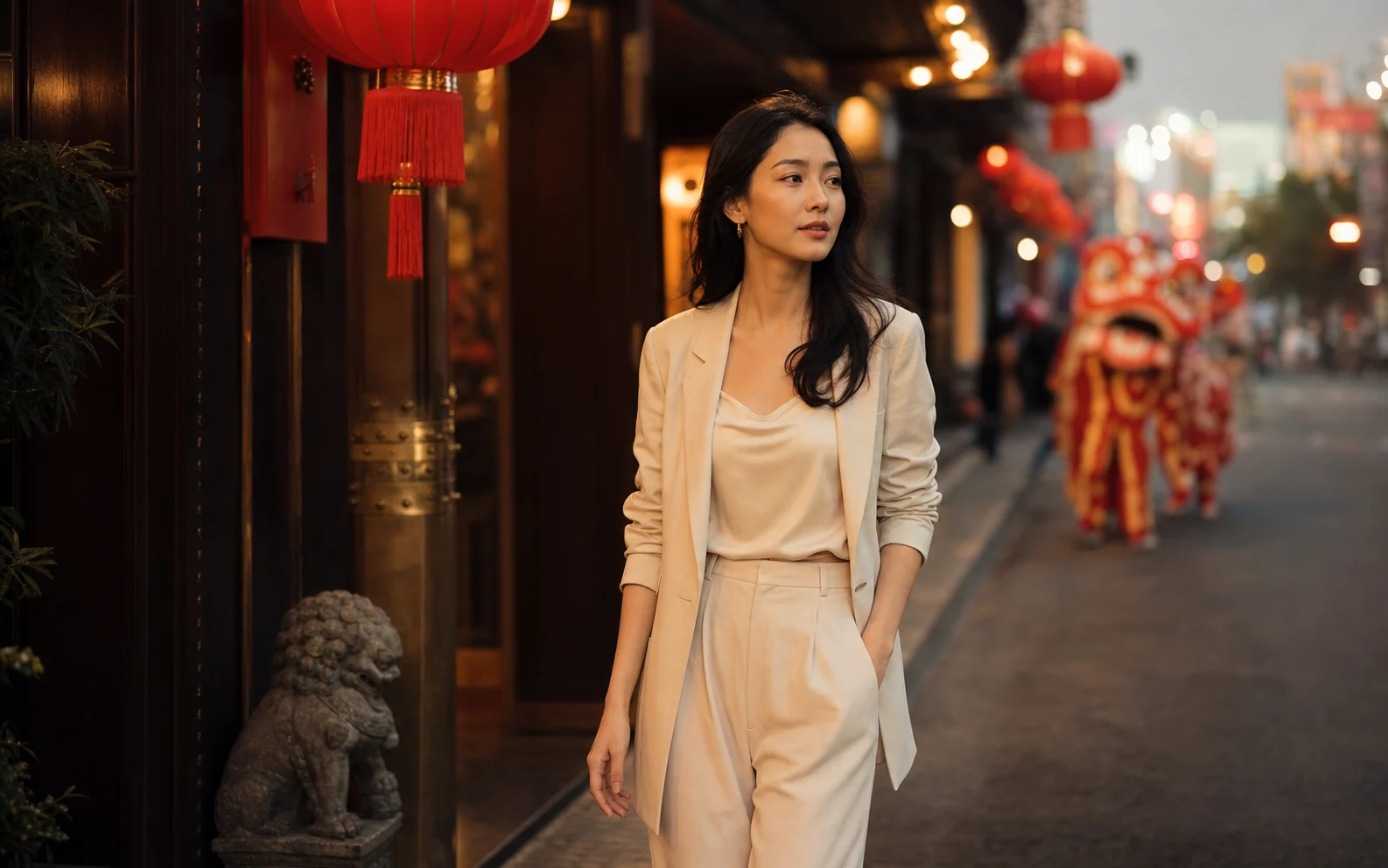
Chinese New Year 2026 Bing Wu: The Rise of Wellness, Thai Massage, and the New Luxury Lifestyle in Thailand
Chinese New Year has always been more than a celebration. It is a moment of reflection, renewal, family, and transformation. In 2026, this meaning becomes even more powerful as we enter the year of Bing Wu, the Yang Fire Horse.
Read the guide
What Makes Authentic Thai Massage Different from Spa Massage?
People often say “I want a Thai massage,” but what they actually mean can be very different.
Read the guide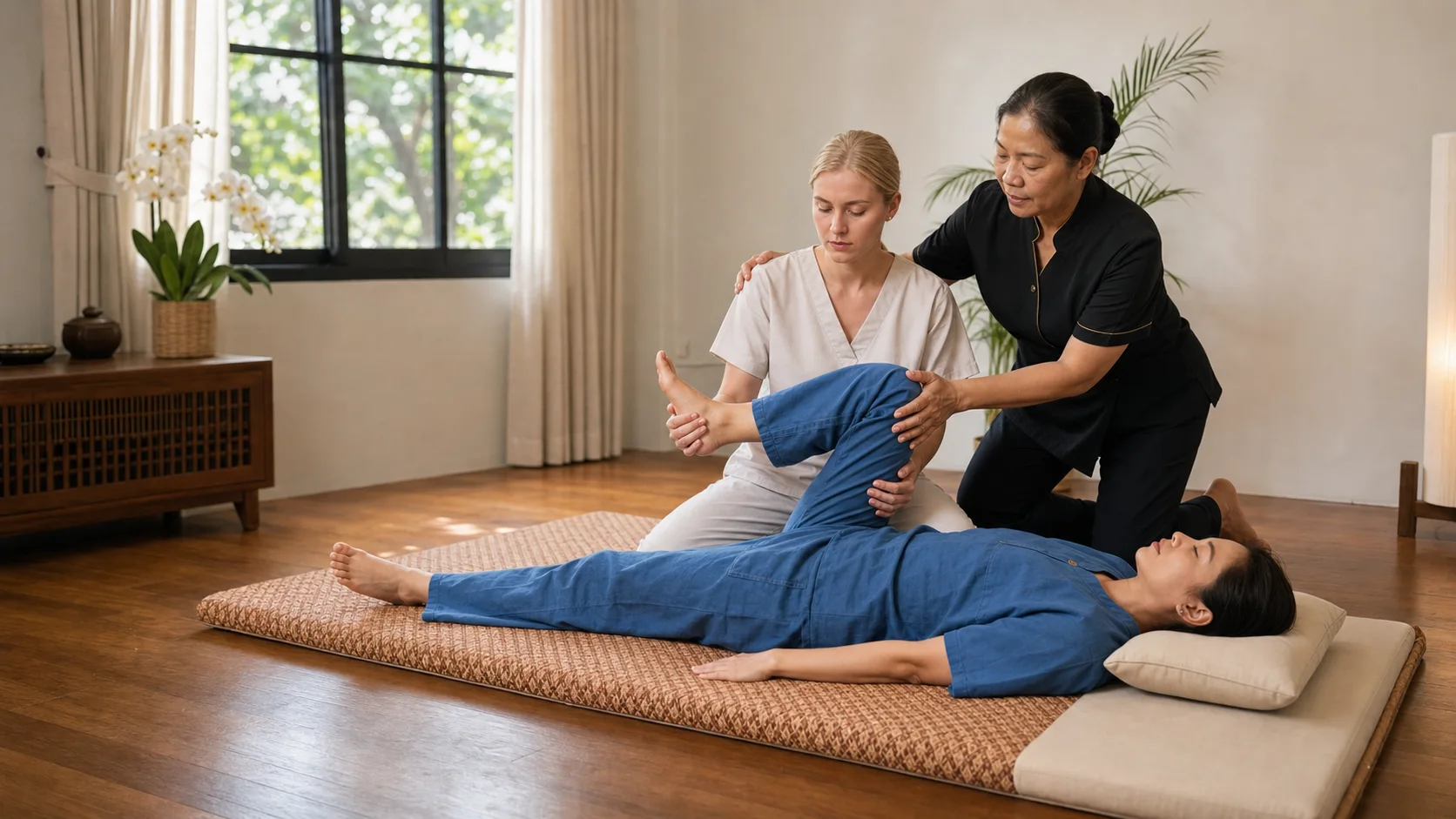
Nuad Thai School: One of the Best Thai Massage Schools and Spa Training Centers in Bangkok, Operated by Loft Thai Spa
Bangkok has long been recognized as one of the world capitals of massage, spa therapy, traditional healing, and wellness culture. For many international students, professional therapists, spa owners, and wellness entrepreneurs, Thailand is not simply a…
Read the guide
Bangkok Spa Etiquette: Tipping, What to Wear, What to Say to Get the Pressure You Want in 2026
Booking a spa in Bangkok should feel exciting—not confusing. But if it’s your first time Thai massage or oil massage, it’s normal to wonder about the unspoken rules. Do you tip? How much? What do you wear? Do you keep underwear on? And how do you ask for the…
Read the guide