In the vast and evolving landscape of holistic health and modern medicine, few modalities bridge the gap between ancient wisdom and contemporary physiological science as effectively as Cupping Therapy. Often recognized by the circular marks left on the skin of elite athletes and wellness enthusiasts, cupping is frequently misunderstood as merely a trend or a superficial treatment. However, when executed with precision and integrated into a comprehensive massage protocol, it represents one of the most powerful tools available for myofascial release, pain management, and systemic detoxification.
At the intersection of this historical lineage and modern therapeutic innovation lies the unique approach found at Loft Thai Spa, where the practice is not simply an add-on, but a sophisticated, medically informed ritual designed to reset the body’s healing mechanisms. To truly understand the transformative potential of the Cupping Therapy Massage, one must look beyond the surface and explore the intricate dialogue between the skin, the fascia, the circulatory system, and the energetic pathways that define our well-being.
The origins of cupping therapy are as deep and varied as the cultures that have utilized it. While often associated with Traditional Chinese Medicine, the practice spans continents and millennia. Ancient Egyptian texts, specifically the Ebers Papyrus dating back to 1550 BC, document the use of cupping for treating fever, vertigo, and menstrual imbalances, proving that the desire to draw illness out of the body is a fundamental human instinct. In China, the practice was originally termed "horn method" because animal horns were used to create suction before the advent of bamboo, ceramic, and eventually glass cups. The philosophy was rooted in the concept of Qi, the vital life force that flows through the body’s meridians. Practitioners believed that pain and illness were the results of stagnation—cold, dampness, or heat trapped within the body’s layers. Cupping was, and remains, the method of breaking this stagnation, allowing Qi and blood to flow freely once again. In the Middle East, the practice known as Hijama became a cornerstone of preventative medicine. Today, we view these ancient explanations through the lens of modern anatomy, realizing that what the ancients called "stagnation" correlates closely with what modern medicine identifies as hypoxia, lactic acid buildup, and fascial adhesion.
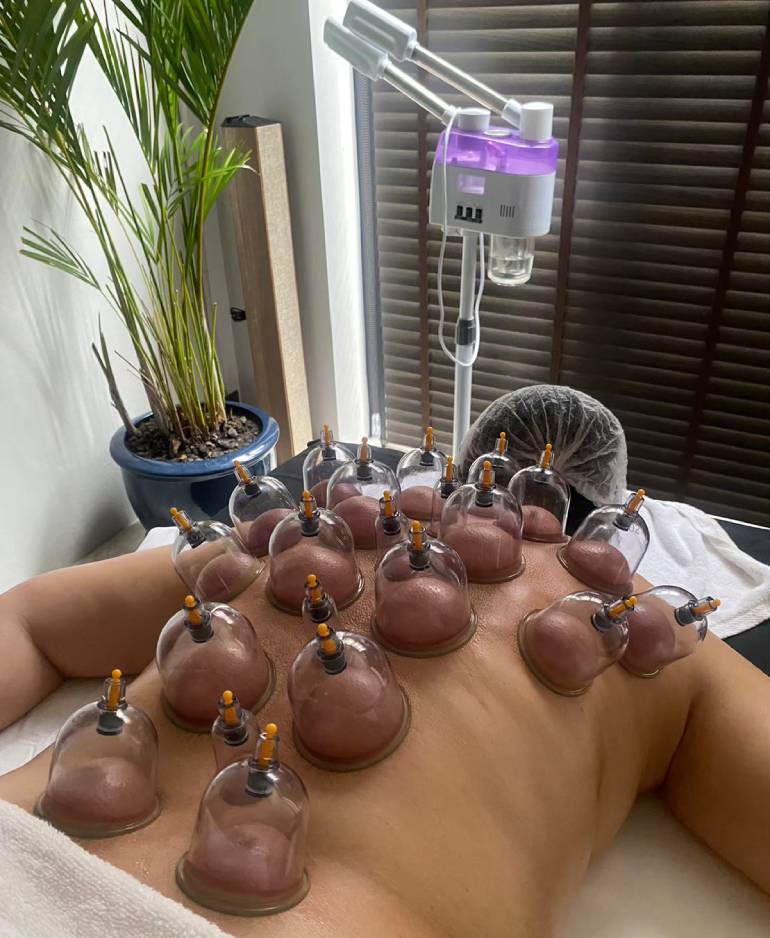
To appreciate the mechanism of Cupping Therapy Massage, one must first understand the fundamental difference between it and almost every other form of manual therapy. Standard massage techniques—whether Swedish, Deep Tissue, or Sports Massage—rely on compression. The therapist pushes tissues together to force relaxation. Cupping, conversely, relies on decompression. It creates negative pressure, lifting the skin, fascia, and muscles upward into the cup. This distinction is critical because compression can sometimes compress capillaries and lymph vessels further before release, whereas decompression immediately creates space. This suction effect acts as an inverse massage, separating the layers of connective tissue that may have become glued together due to trauma, inflammation, or sedentary lifestyles. When the cup is applied and the vacuum is created, the skin is pulled away from the muscle, and the muscle is pulled away from the bone. This separation allows for a rush of fresh, oxygenated blood to flood the area, a process known as vasodilation. The immediate influx of blood brings with it nutrients, platelets, and white blood cells needed for repair, while simultaneously flushing out metabolic waste products that have been trapped in the tissue.
The technique itself is an art form that requires a deep understanding of human anatomy. While stationary cupping involves placing cups on specific trigger points and leaving them for a set duration, Cupping Therapy Massage—the dynamic style perfected at Loft Thai Spa—is a more fluid and intricate process. In this modality, the skin is first lubricated with high-quality therapeutic oils to ensure a smooth glide. The therapist then applies the cups, creating a suction that is firm yet comfortable. Instead of leaving the cups in one place, the therapist glides them along the meridians and muscle fibers. This "moving cupping" technique mimics the kneading action of a deep tissue massage but with the added benefit of suction. The sensation is often described as a deep, pulling stretch that reaches layers of tissue that manual pressure simply cannot access. It feels as though the tension is being drawn out of the body rather than just pushed around. This dynamic movement serves to strip the muscles of adhesions, breaking down the knotty texture of scar tissue and realigning the fibers of the fascia.
The benefits of this comprehensive therapy are multidimensional, affecting the musculoskeletal, circulatory, and nervous systems simultaneously. From a medical perspective, the primary benefit is pain relief. When the vacuum lifts the tissue, it stretches the fascia and reduces the pressure on pain receptors, or nociceptors, located deep within the muscle belly. This is particularly effective for chronic conditions such as lower back pain, neck stiffness, and sciatica. The negative pressure engages the parasympathetic nervous system, shifting the body from a "fight or flight" state into a "rest and digest" mode. This creates a profound sense of sedation and relaxation that goes deeper than standard massage, often inducing a meditative state in the receiver. Furthermore, the therapy is a potent ally in detoxification. The lymphatic system, which is responsible for waste removal in the body, does not have a pump like the heart; it relies on muscle movement and external manipulation to move lymph fluid. The suction of cupping dramatically increases the drainage of lymph, pulling stagnant fluids from deep within the tissues to the surface where they can be more easily processed and eliminated by the body. This makes it an exceptional treatment for reducing edema, boosting immunity, and accelerating recovery from illness or fatigue.
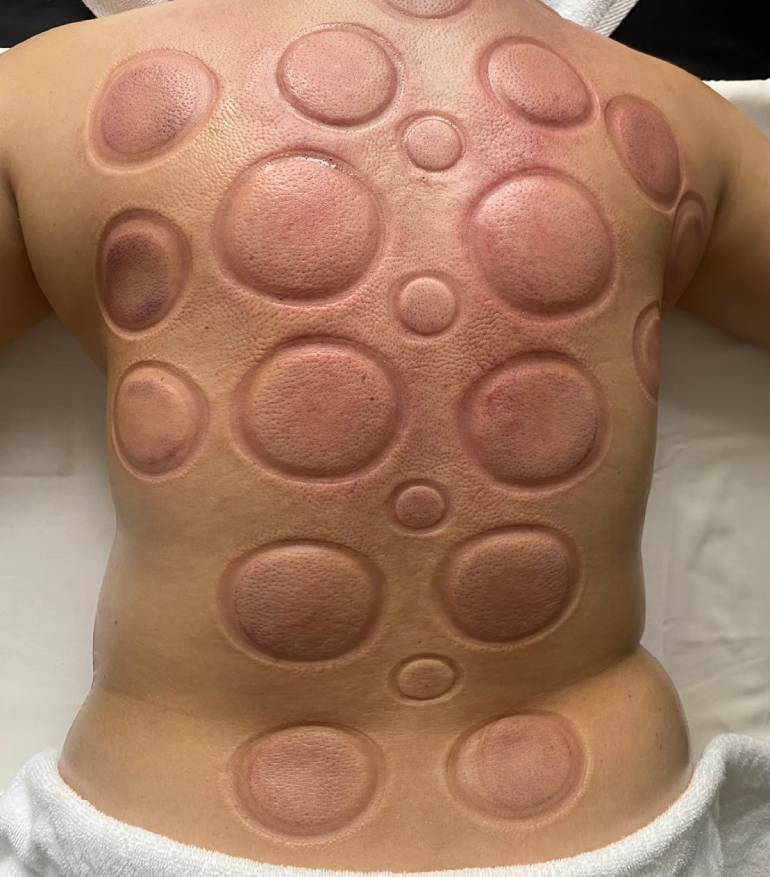
A common point of curiosity and sometimes concern regarding cupping is the appearance of circular marks on the skin following a session. It is imperative to understand that these are not bruises in the traumatic sense. A bruise implies a rupture of blood vessels due to impact. The marks from cupping, known as petechiae or ecchymosis, represent the release of "Sha"—the traditional term for dead blood cells, cellular debris, and pathogens that were stuck in the tissue. When the suction pulls these stagnation byproducts to the surface, the body’s immune system recognizes them as foreign material and clears them away. The color of the marks provides diagnostic information to the therapist: light pink indicates a healthy response, deep purple or black indicates severe stagnation and long-standing tension, and a mottled appearance can suggest distinct fascial adhesions. These marks are not painful and typically fade within a few days to a week, leaving the tissue underneath healthier, more pliable, and better oxygenated than before.
In the realm of respiratory health, cupping has a long-standing reputation for its efficacy in treating congestion and asthma. By applying suction over the lungs on the upper back, the therapy helps to loosen phlegm and fluid trapped in the respiratory tract, making it easier to expel. This mechanical loosening combined with increased blood flow helps to reduce inflammation in the bronchial tubes, providing relief for seasonal allergies, lingering colds, or chronic respiratory weakness. The holistic nature of the treatment ensures that while the physical symptoms are addressed, the stress and anxiety that often accompany chronic breathing issues are also alleviated through the sedative effect of the massage.
However, the true pinnacle of this therapy is realized when it is not merely applied as a mechanical tool but integrated into a holistic wellness philosophy, which is the defining characteristic of the experience at Loft Thai Spa. At Loft Thai Spa, the Cupping Therapy Massage is elevated from a clinical procedure to a luxurious and deeply therapeutic ritual. The spa recognizes that true healing requires precision, atmosphere, and an advanced understanding of the body’s energy lines. The approach here is distinctly different from generic clinics where cups might be placed haphazardly. At Loft Thai Spa, the therapists are trained in an advanced and accurate method that combines the anatomical precision of Western sports medicine with the energetic flow of Traditional Thai healing.
The uniqueness of the Loft Thai Spa technique lies in its sequence and integration. The session does not begin with cold glass on skin; it begins with the preparation of the body. The therapists utilize a specialized massage process that warms the tissue first, preparing the fascia for the decompression work to come. This preparation phase is crucial and often overlooked in standard practices. By effectively warming the muscles through manual Thai massage techniques, the therapist ensures that when the cups are applied, the tissue is pliable and receptive, minimizing discomfort and maximizing the release. The "special technique" employed at Loft Thai Spa involves a proprietary blend of rhythmic suction and gliding strokes that follow the Sen lines—the energy pathways of the body in Thai medicine. This fusion ensures that the treatment is not just addressing muscle knots, but is also unblocking the flow of vital energy throughout the entire system.
The accuracy mentioned in the Loft Thai Spa protocol refers to the targeted application of the cups. Rather than a general application, the therapists assess the client’s posture, tension patterns, and specific complaints to create a bespoke map for cupping. If a client suffers from office syndrome, for example, the focus is not just on the trapezius where the pain is felt, but on the pectorals to open the chest and the rhomboids to release the scapula, using the cups to re-educate the posture. This level of physiological strategy transforms the massage into a corrective therapy. The cups are used as extensions of the therapist’s hands, allowing for a continuity of touch that is unbroken and hypnotic. The sensation is one of being "unwound," as if the accumulated stress of daily life is being physically extracted from the pores.
Furthermore, the environment at Loft Thai Spa plays a critical role in the efficacy of the treatment. Holistic medicine dictates that the state of the mind influences the state of the body. The spa provides a sanctuary of calm, with aromatherapy, sound therapy, and a serene aesthetic that primes the nervous system for healing. When the brain is relaxed, the muscles are less guarded, allowing the cupping suction to penetrate deeper without resistance. This synergy of environment and technique makes the experience exclusively amazing. It is not just about fixing a backache; it is about restoring a sense of lightness and fluidity to the entire being. The oils used are often infused with therapeutic botanicals that work in tandem with the increased circulation caused by the cupping, allowing the medicinal properties of the oil to be absorbed rapidly into the bloodstream, further enhancing the anti-inflammatory and relaxation effects.
The therapeutic journey at Loft Thai Spa also emphasizes the importance of flow. In many establishments, cupping is static—cups are placed, and the therapist leaves the room. At Loft Thai Spa, the therapist stays present, constantly moving, adjusting, and blending manual massage with the cupping work. This ensures that the blood flow remains dynamic and that the client feels supported throughout the entire process. The transition between the manual strokes and the suction is seamless, creating a unique sensation that many clients find superior to traditional hand-only massage. The "gliding" or "slide" cupping performed here uses the negative pressure to lift the skin while moving along the length of the muscle, effectively "ironing out" the fascia. This is particularly beneficial for the IT bands, the quadriceps, and the expansive muscles of the back, providing a release that feels incredibly expansive.
Post-treatment, the benefits continue to unfold. Clients often report a feeling of immense lightness, as if a heavy coat has been removed from their shoulders. The increased circulation persists for hours, sometimes days, continuing to flush out toxins and repair tissue. Sleep quality typically improves dramatically following a session, as the deep parasympathetic activation resets the circadian rhythm. For athletes or those with high physical demands, the recovery time from exertion is significantly shortened, as the therapy clears lactic acid and metabolic waste much faster than rest alone. The mental clarity that ensues is a direct result of the pain reduction and the energetic unblocking achieved during the session.
In a world where we are constantly compressed—by gravity, by sitting, by stress—the decompression offered by Cupping Therapy Massage is a vital antidote. It offers a way to open up the body, to create space where there was once density, and to encourage the free flow of life force. The specialized approach at Loft Thai Spa honors this potential by treating it with the reverence and technical sophistication it deserves. By combining the ancient "horn method" with advanced anatomical knowledge and a luxurious, sensory-rich environment, Loft Thai Spa has curated a treatment that is unmatched in its ability to heal, restore, and rejuvenate. The result is not just a massage, but a holistic medical intervention that addresses the root causes of pain and stagnation, leaving the client with a profound sense of well-being that resonates long after the marks have faded. This is the art of cupping redefined—accurate, advanced, and deeply, exclusively therapeutic.
The Physiology of Decompression: A Closer Look
To further elucidate why this therapy is so effective, we must look deeper into the behavior of the fascia. Fascia is the connective tissue that surrounds every muscle, bone, nerve, and organ in the body. In a healthy state, fascia is fluid and flexible, allowing muscles to slide over one another friction-free. However, trauma, inflammation, and poor posture can cause the fascia to dehydrate and become sticky, adhering to the underlying muscle. This adhesion restricts range of motion and traps nerves, causing pain. Standard compression massage can sometimes struggle to separate these fused layers because pressing down pushes them closer together. The suction of cupping, however, physically lifts the fascia away from the muscle. This vertical lift creates a sudden expansion of the interstitial space, allowing fresh fluid to hydrate the desiccated tissue. This is why clients at Loft Thai Spa often feel an immediate improvement in flexibility and range of motion—the biological "glue" restricting them has been dissolved.
Moreover, the effect on the nervous system cannot be overstated. The skin is densely packed with sensory receptors. The unique sensation of suction provides a novel input to the brain. This "distraction" can interrupt chronic pain signals, a phenomenon known as the Gate Control Theory of pain. The brain prioritizes the new, non-painful sensation of the suction over the chronic background noise of back pain or stiffness. Over the course of a full session, this can help to "retrain" the nervous system, lowering the baseline volume of pain the client experiences daily. This neurological reset is a key component of the wellness philosophy at Loft Thai Spa, where the goal is sustainable health rather than temporary relief.
The Role of Blood and Detoxification
The medical community has long understood that blood flow is the cornerstone of healing. Ischemic tissue—tissue that lacks sufficient blood supply—is prone to pain and degeneration. The vacuum created during the Loft Thai Spa cupping experience causes a localized expansion of capillaries. This does not just bring blood into the area; it alters the chemical composition of the fluid environment surrounding the cells. It flushes out cytokines (inflammatory markers) and lowers the acidity of the tissue (often caused by lactic acid). This chemical reset allows the muscle fibers to relax at a cellular level. It is a biological cleansing process. The "Sha" or marks mentioned earlier are visual evidence of this cleansing. A body full of toxins and stagnation will produce dark, purple marks. As a client continues with regular treatments, the marks tend to become lighter and lighter, indicating that the systemic stagnation is clearing and the body’s natural filtration systems are working more efficiently.
The Energetic Dimension
While the physiological explanations are compelling, the holistic aspect remains equally vital. In the context of Thai healing traditions, the body is a conduit for energy. Blockages in this flow lead to emotional and physical lethargy. The Cupping Therapy Massage acts as a catalyst for movement. By vigorously moving blood and Qi, the therapy can help to release stored emotions. It is not uncommon for clients to experience an emotional release during or after deep bodywork, feeling a sudden lifting of sadness or anxiety. This is the "holistic" in holistic health—treating the person as a whole, integrated being. The therapists at Loft Thai Spa are sensitive to this connection, providing a safe and supportive space for whatever release occurs. The special technique employed ensures that the energy moves in the correct direction, balancing the body rather than overstimulating it.
Why Loft Thai Spa's Approach is Unique
The market is saturated with quick-fix treatments, but Loft Thai Spa differentiates itself through the "advanced and accurate" methodology. Accuracy in cupping is about understanding the topography of the body. Placing a cup on a bone is painful and ineffective; placing it on the belly of a muscle or a specific acupoint is therapeutic. The therapists at Loft Thai Spa possess the tactile intelligence to locate the exact epicenter of a muscle spasm and apply the cup precisely where it is needed. This accuracy minimizes the discomfort sometimes associated with cupping and maximizes the therapeutic yield.
Furthermore, the "special technique" implies a rhythm and flow that turns a clinical procedure into a dance. The integration of Thai stretches—where the therapist might gently stretch a limb while a cup is attached to the muscle belly—creates a compound effect. The muscle is being lengthened from the inside by the suction and from the outside by the stretch. This dual-action approach is rare and requires a high level of skill to execute safely. It amplifies the benefits of both modalities, resulting in a feeling of openness that is unparalleled. This exclusive technique is designed to be deeply therapeutic, tackling stubborn issues that other massages cannot reach, while remaining relaxing enough to be a luxurious escape.
In conclusion, the benefits of Cupping Therapy Massage are vast, spanning from the immediate relief of muscle tension to the deep systemic detoxification of the body. It is a therapy that respects the complex biology of the human form, utilizing physics to assist physiology. At Loft Thai Spa, this ancient practice is given a modern, sophisticated expression. Through advanced techniques, precise application, and a deep understanding of holistic wellness, the spa provides an experience that is not just a treatment, but a transformation. It is a testament to the power of touch and the enduring relevance of traditional healing arts, reimagined for the needs of the modern world. Whether seeking relief from chronic pain, a boost to the immune system, or simply a profound state of relaxation, the Cupping Therapy Massage at Loft Thai Spa offers a unique and exclusively amazing pathway to better health.
UPDATED LOFT THAI GUIDE
Additional guidance and current information
The following editorial update expands on the original Loft Thai article with practical context, current treatment guidance and further reading.
Cupping as a Sequence, Not a Spectacle
Online images often reduce cupping to rows of dramatic circles. Professional spa treatment should begin much earlier—with a purpose, health screening and agreement about where cups may be used. The visible mark is a possible side effect of suction, not the objective.
Loft Thai currently offers Cupping Aroma Therapy as one 120-minute service at THB 4,800. The format combines aromatic oil, hands-on massage and selected dry cups. Wet cupping, which pierces the skin, is a different practice and is not part of this spa ritual.
The longer duration allows time to warm tissue manually, introduce suction gradually, integrate cups with massage and finish without rushing. It does not mean cups remain stationary for two hours.
- Dry cupping only, without skin incision
- Aromatic massage before and around the cup work
- Stationary or moving application selected by area
- Suction adjusted from conservative rather than maximal
- Visible marks discussed before treatment begins
Stage 1: Consultation and Safety Screening
The therapist asks why the guest is considering cupping and what the body feels like today. A general sense of tightness after desk work is different from a recent fall, new weakness, severe unexplained pain or acute sports injury.
Disclose anticoagulant or antiplatelet medication, a bleeding disorder, fragile skin, neuropathy, vascular disease, diabetes, recent surgery, pregnancy, cancer treatment and any history of fainting or strong skin reactions. Individual medical advice may be needed before proceeding.
Cups should not be placed over broken or infected skin, sunburn, active rash, unexplained swelling, fresh scars, varicose veins, acute trauma or areas with reduced sensation. Cupping is not a substitute for evaluation of fever, chest symptoms, numbness, progressive weakness or severe pain.
The guest should also mention an upcoming event, flight, beach visit or clothing that exposes the back because circles can remain visible for several days.
Stage 2: Positioning, Oil and Manual Warm-Up
Comfortable prone positioning comes before technique. The face cradle, chest support, ankle bolster, room temperature and draping are adjusted so the guest can breathe easily and remain still without strain.
Aromatic oil supports gliding massage and, when moving cups are used, helps the cup travel across suitable muscle areas. Fragrance sensitivities, eczema and known allergies should be discussed. Burning or itching is not an expected part of the cupping effect.
The therapist begins with hands-on strokes to map tension and observe how the skin responds. This phase creates a baseline: normal warmth and colour before suction are useful comparisons when cups are removed.
Manual preparation also lets the guest communicate pressure preference before a less familiar sensation begins. The therapist can focus on broad back and shoulder areas while avoiding bones, the spine and contraindicated tissue.
Stage 3: Introduce Suction Conservatively
A cup creates negative pressure that draws skin and superficial tissue upward. The sensation may feel like a firm pull or local stretch. It should not feel sharp, burning, electric or numb.
Cup size, material, placement, suction strength and duration all influence the response. More suction is not automatically more effective. The therapist should begin conservatively, check comfort and reduce or remove a cup when the sensation becomes unpleasant.
Stationary dry cups remain over selected soft-tissue areas for a controlled interval. Moving cups use oil so the therapist can glide across a larger muscle region. The two methods feel different and may leave different patterns of redness.
The US National Center for Complementary and Integrative Health notes that most cupping research is low quality. Some studies suggest possible help for pain, but evidence is not strong enough to guarantee relief or justify medical claims for many conditions.
Stage 4: Integrate Cups with Hands-On Massage
Massage and cupping should not feel like two unrelated appointments. After selected cups are released, the therapist returns to manual contact, reassesses the area and decides whether another application is appropriate.
Hands provide compression, kneading, broad gliding and constant tactile feedback. Cups provide a pulling sensation over a more limited surface. Alternating them can create variety without asking one method to do everything.
In a 120-minute ritual, time can be distributed across the back, shoulders and other suitable areas rather than concentrating suction in one place until the skin becomes excessively marked. The treatment map should follow the consultation, not a standard photograph.
A guest who no longer wants cups can continue with massage. Consent applies throughout the session, and stopping suction does not mean the appointment has failed.
-
01
Warm
Use oil and manual massage to prepare suitable tissue and establish comfort.
-
02
Test
Apply one conservative cup and ask about pull, heat, pain and overall tolerance.
-
03
Treat
Use stationary or moving cups for selected areas, not as a full-body default.
-
04
Integrate
Return to hands-on massage, reassess the skin and finish with a calmer rhythm.
Stage 5: Read the Skin Without Reading “Toxins”
Pink, red or purple circles can appear because suction affects superficial tissue and small blood vessels. Their colour depends on pressure, time, location, skin characteristics and individual response.
Dark colour does not prove that toxins were removed, that an organ is unhealthy or that a chronic condition was found. Cupping marks are not a diagnostic map, and repeated sessions should not be intensified simply to make them darker.
The therapist should inspect the skin when each cup is released. Blistering, broken skin, severe pain or an unusual reaction is a reason to stop. The guest should be told what was observed in plain language.
Marks usually fade, but there is no exact universal timetable. They may remain visible for several days, which matters for events, swimming, sun exposure and travel.
Who May Appreciate the Combined Ritual
Cupping Aroma Therapy may appeal to guests who already enjoy firm bodywork, want a different pulling sensation or prefer a long massage with one focused technique inside it. Desk-related shoulder tension and post-training fatigue are common reasons guests ask about the service.
That does not establish a diagnosis or guarantee a result. Persistent pain, repeated injury, sciatica symptoms, weakness or limited movement may need a physiotherapist, sports-medicine clinician or doctor rather than progressively stronger spa treatment.
Guests who dislike visible marks, have very reactive skin or feel anxious about suction may prefer Deep Tissue Oil, Sport Massage or Office Syndrome Massage. Choosing another service is not settling for less; it is matching the method to preference and risk.
Stage 6: Aftercare and the Following Days
Keep marked skin clean, avoid scratching and choose loose clothing if the area feels tender. Protect it from strong sun and postpone aggressive exfoliation, very hot bathing or another intense treatment while sensitivity remains.
Normal hydration can support general comfort, but drinking excessive water does not flush toxins released by cups. Gentle movement may feel pleasant; strenuous activity should be guided by how the body responds and any clinical advice relevant to an injury.
Seek medical attention for infection signs, blistering, severe or worsening pain, spreading rash, weakness, numbness or other concerning symptoms. Tell the provider if a reaction lasts longer than expected.
Current duration and price in this article were reviewed on 28 July 2026. Confirm availability and share health information before booking. A well-delivered cupping massage ends with a clear explanation, not a dramatic interpretation of the marks.

WATCH & LEARN
See how Cupping Aroma Therapy is performed at Loft Thai Spa
“The goal is not to leave the darkest circles; it is to use the lightest effective suction inside a treatment the guest understands.”
Loft Thai Editorial Team
Continue your research
REFERENCES
Sources & further reading
PRACTICAL GUIDANCE
Frequently Asked Questions
How long is Cupping Aroma Therapy at Loft Thai Spa?
The current menu lists one 120-minute session at THB 4,800. The duration includes consultation, aromatic massage, selected cup work, manual integration and finishing time.
Are the cups left on for the full two hours?
No. Cups are used for controlled intervals within the massage. Two hours allows preparation, gradual suction, reassessment and hands-on work before and after.
Does moving cupping leave marks?
It can cause redness or more diffuse marks, while stationary cups may leave defined circles. Visibility varies with suction, duration, body area and individual skin response.
Does cupping remove toxins?
Reliable evidence does not support using marks or their colour as proof of toxin removal. Cupping is complementary bodywork, not a detoxification treatment.
Can I request massage without the cups once treatment starts?
Yes. Consent continues throughout the session. Ask for lower suction, cup removal or a switch to hands-on massage whenever needed.
CONTINUE READING
Related stories
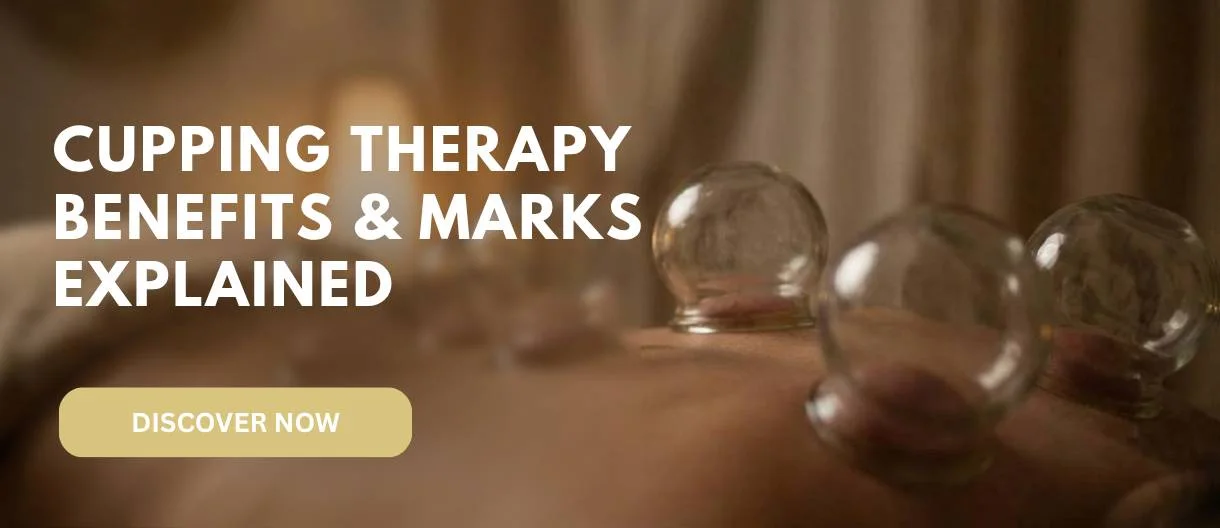
Cupping Therapy Explained: Technique, Marks, Benefits, and Medical Insights
Cupping therapy is one of the most visually recognizable bodywork techniques in the wellness world. Even people who have never tried it often recognize the round red or purple marks that can appear on the back, shoulders, or neck after a session.
Read the guide
Sports Recovery Massage in Bangkok: Best Treatments After Training or Travel (2026)
Bangkok is an amazing city for training—gyms, boxing, running routes, Pilates studios, and that “walk-all-day” lifestyle that quietly racks up 15,000–25,000 steps without you noticing. It’s also a city where travel fatigue hits hard: long flights, heat,…
Read the guide
Best Spa in Bangkok (2026 Guide): How to Choose a Luxury Spa That’s Actually Worth It
Bangkok has thousands of massage shops, day spas, hotel spas, and “luxury” venues that look premium in photos but feel rushed in real life. If you’ve ever walked out of a treatment thinking, “That was nice… but was it actually worth it?”—you’re not alone.
Read the guide
Why Stress and Burnout Are Driving the Luxury Spa Market
Luxury spas used to be framed as “treat yourself” experiences. In 2026, they’re increasingly positioned as stress-management infrastructure—a place people go to downshift their nervous system, recover from high-pressure work cycles, and protect long-term…
Read the guide