
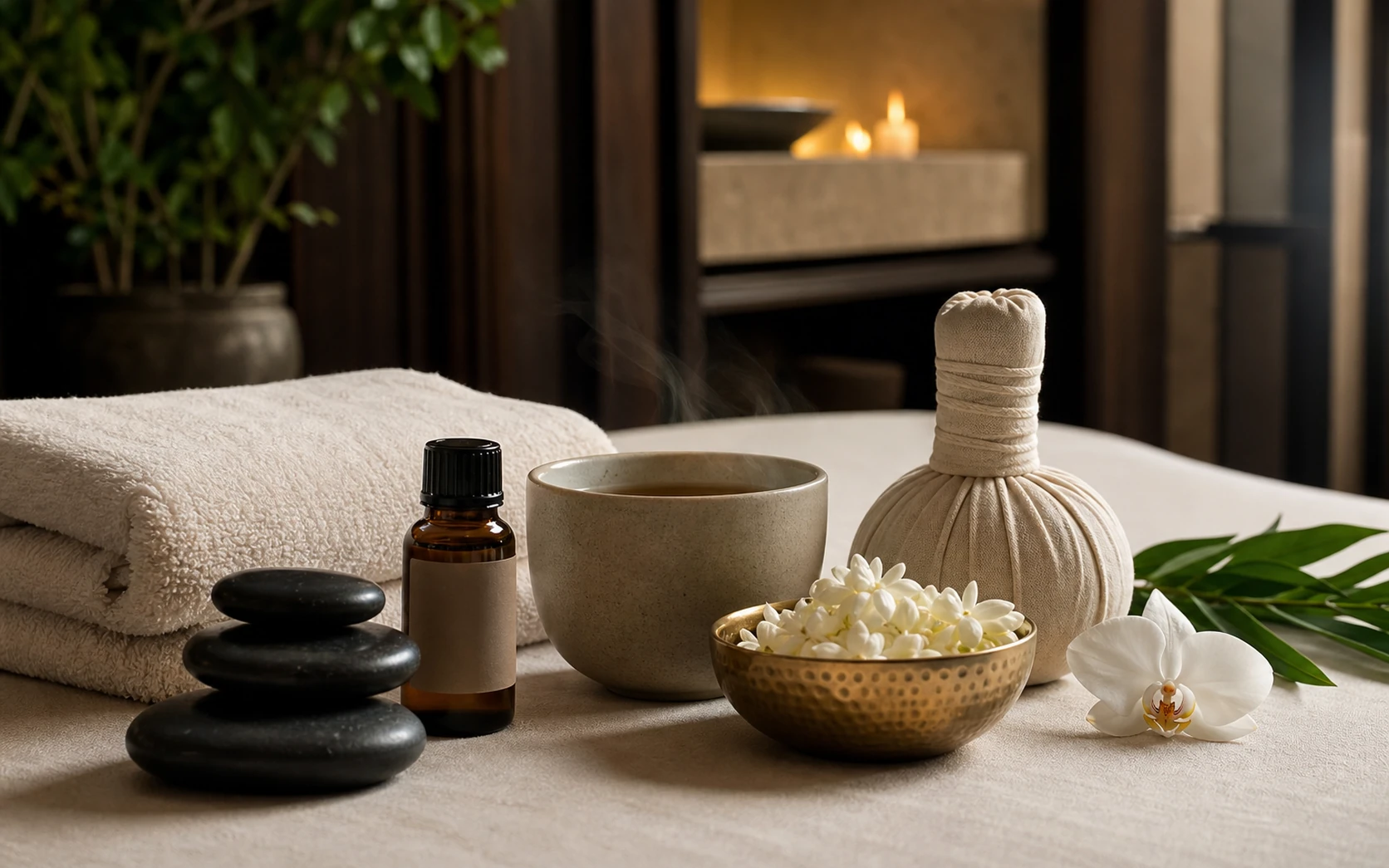
Luxury spas used to be framed as “treat yourself” experiences. In 2026, they’re increasingly positioned as stress-management infrastructure—a place people go to downshift their nervous system, recover from high-pressure work cycles, and protect long-term health. That shift (from indulgence → prevention and performance) is a big reason the luxury spa market keeps expanding.
Burnout is now a widely recognized work-health problem
The World Health Organization defines burnout as an occupational phenomenon resulting from chronic workplace stress that hasn’t been successfully managed, characterized by exhaustion, cynicism/mental distance from work, and reduced professional efficacy.
As “burnout language” becomes mainstream, demand rises for services that feel like immediate relief—especially experiences that are screen-free, sensory, and guided (exactly what spas sell).
The wellness economy is growing fast—and “mental wellness” is a major engine
Global Wellness Institute data shows the wellness economy hitting a new peak and forecasting continued rapid growth, with mental wellness highlighted as one of the explosive growth leaders.
Luxury spas benefit because they sit at the intersection of mental wellness and “in-person services”—they offer a tangible, physical ritual that people can justify as health spending, not just leisure.
Consumers are shifting toward “daily wellness,” not occasional self-care
McKinsey’s wellness research describes wellness as a daily, personalized practice—especially among Millennials and Gen Z—fueling demand for services that fit into routines (massage, facials, recovery treatments, guided relaxation).
That changes spa behavior: more repeat visits, memberships/packages, and “maintenance” appointments rather than once-a-year splurges.
Spas sell the antidote to modern stress: nervous-system downshift
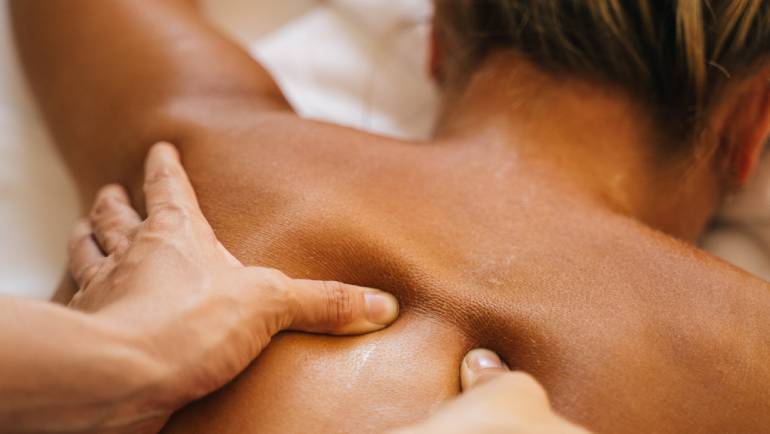
Stress today is often high-frequency and low-grade: constant notifications, long hours, social pressure, travel fatigue, and poor sleep. Luxury spas package the opposite:
- quiet environments
- human touch (massage, facial massage)
- warmth, scent, sound
- structured, time-bound recovery
This is powerful because it creates an immediate felt difference, which stressed consumers will pay for again.
Premiumization: when people feel overloaded, they pay for certainty
Under stress, people become less patient with “hit-or-miss” experiences. Luxury spas win by offering:
- consistency of therapist skill and protocol
- higher hygiene standards and privacy
- better time management and service flow
That’s the “certainty premium”—people pay more to avoid disappointment when they’re already depleted.
Wellness tourism is amplifying luxury spa demand
Wellness tourism has rebounded strongly, and it tends to be high-spend: wellness trips represent a smaller share of trips but a larger share of total tourism spending, and the sector is forecast to keep growing.
Bangkok in particular benefits from this trend because it’s globally known for high-quality massage and spa culture—and luxury brands can capture travelers looking for safe, premium “reset experiences.”
The spa industry’s own growth signals demand is structural, not a fad
The Global Wellness Institute’s 2025 monitor notes global spa industry revenues have surpassed pre-pandemic levels and reports strong recent growth, with projections for continued expansion.
That aligns with what we see in consumer behavior: stress isn’t going away, and people are actively buying solutions.
The takeaway
Stress and burnout aren’t just “feelings”—they’re shaping spending. As more people treat recovery like a necessity (not a luxury), high-end spas become one of the most accessible, repeatable ways to get fast relief + premium care + a controlled environment. That’s why luxury spa brands are growing: they’re selling restoration in an era where exhaustion is common.
UPDATED LOFT THAI GUIDE
Additional guidance and current information
The following editorial update expands on the original Loft Thai article with practical context, current treatment guidance and further reading.
Stress and Burnout Are Not Interchangeable
Every demanding week is not burnout. The World Health Organization includes burnout in ICD-11 as an occupational phenomenon rather than a medical condition. Its definition refers specifically to chronic workplace stress that has not been successfully managed and identifies exhaustion, increased mental distance or cynicism toward work, and reduced professional efficacy.
That definition matters for spa marketing. A tired traveller may want quiet after a flight. An office worker may feel tense after a deadline. Another guest may be experiencing persistent anxiety, depression, insomnia or symptoms that require professional assessment. A spa should not apply one fashionable label to all of them.
Massage, bathing, a facial or a quiet room may be chosen as part of ordinary self-care. None can diagnose burnout, remove its workplace causes or replace medical or psychological care. Responsible hospitality begins by stating that limit clearly.
What the Wellness Market Data Can—and Cannot—Show
The Global Wellness Institute estimated the global wellness economy at USD 6.8 trillion in 2024. Within that total, spa revenues reached approximately USD 157.4 billion, including USD 42.45 billion in Asia-Pacific. GWI reported worldwide spa revenue growth of 14.6 percent between 2023 and 2024.
These figures confirm that spa is a large and growing commercial sector. They do not prove that stress or burnout caused every booking or every dollar of growth. Travel recovery, skincare, gifting, cultural interest, ageing populations, higher disposable income and new hotel supply can also influence demand.
The credible conclusion is therefore modest: a strong spa market exists alongside widespread interest in rest, recovery and wellness. Providers still need to understand why an individual guest booked, rather than turning a global statistic into a personal diagnosis.
- Global wellness economy in 2024: approximately USD 6.8 trillion
- Global spa revenues in 2024: approximately USD 157.4 billion
- Asia-Pacific spa revenues in 2024: approximately USD 42.45 billion
- Market growth describes spending, not a guaranteed health outcome
What a Stressed Guest Is Really Buying
The treatment name is only one part of the purchase. A guest may also be buying relief from planning, notifications, commuting, noise and the need to make another dozen decisions. The reception, changing process, consultation, lighting, sound and transition back into the city all shape whether the experience feels restorative.
This helps explain why two massages with similar techniques can feel commercially different. One begins with unclear pricing, rushed questions and a noisy corridor. The other confirms the location and duration, welcomes preferences, prepares the room and leaves enough time to finish without pressure.
Luxury in this context is not excessive decoration. It is the removal of avoidable uncertainty. The guest knows where to go, what will happen, what it costs and how to change any part of the service.
Protected Time Has Become a Hospitality Product
In a connected workday, uninterrupted time can feel scarce. A well-run spa creates a bounded period with a beginning, middle and end. The phone is silent, another person manages the sequence and the environment is designed for one activity rather than constant switching.
The value is experiential, not medical. A quiet room does not resolve staffing problems, caregiving pressure or an unsustainable workload. It can, however, offer a temporary contrast that helps a guest notice fatigue, slow the pace and return to the day with a clearer sense of what they need.
That distinction makes the service more credible. The spa does not have to promise a nervous-system reset, detoxification or permanent stress relief. It can promise thoughtful preparation, adjustable touch, privacy and time that will not be casually interrupted.
Good Consultation Reduces Decision Fatigue
A large menu can become another burden when a guest is already tired. Consultation should simplify the choice. Instead of asking the client to decode every branded ritual, the team can establish the desired pressure, areas to avoid, sensitivity to fragrance or heat, recent procedures and whether the guest wants quiet or conversation.
The therapist can then recommend a treatment family and explain the trade-offs. Traditional Thai massage may involve clothing, compression and assisted movement. Aromatic oil massage offers a different rhythm and skin contact. A facial centres products and complexion goals. A multi-step spa ritual requires more time and transitions.
Professional guidance is not upselling by default. It is useful when the recommendation can also become shorter, gentler or less expensive because that option fits the day better.
-
01
Name the desired feeling
Choose a practical direction such as quiet, lighter pressure, focused muscle work or skin comfort.
-
02
Share relevant limits
Mention injuries, pregnancy, medication, allergies, recent procedures and any area that should not be touched.
-
03
Compare treatment styles
Ask what clothing, products, heat, stretching and room setup are involved.
-
04
Confirm the complete booking
Check branch, duration, price, taxes, arrival time and cancellation terms.
-
05
Keep communication open
Pressure, position, temperature and conversation should remain adjustable throughout.
What Massage Can Realistically Contribute
People often choose massage because touch, warmth and stillness feel pleasant and because tired muscles may feel more comfortable afterward. The U.S. National Center for Complementary and Integrative Health notes that massage has been studied for several health purposes, while also describing limitations and uneven evidence across conditions.
Massage is generally low risk when performed appropriately, but it is not risk-free. NCCIH records rare serious adverse events and notes that vigorous massage or a person with increased vulnerability can require particular caution. Training, screening and pressure that remains adjustable are therefore part of the luxury standard, not background details.
A spa appointment should not delay care for chest pain, breathing difficulty, neurological symptoms, fever, unexplained swelling, serious injury or a worsening mental-health concern. When a guest is unsure whether massage is appropriate, a healthcare professional is the right person to ask.
Luxury Is Shifting from Display to Precision
A dramatic lobby can attract attention, but repeat trust is built in smaller details. Does the booking team answer a question precisely? Is the room private? Are draping and consent handled professionally? Can fragrance be removed? Does the therapist remember that the left shoulder should be avoided?
Stressed guests may have less patience for ornamental complexity that creates more decisions. They can value a shorter menu with clear differences, a punctual start and a therapist who adapts without turning the consultation into a sales pitch.
This is why premium positioning increasingly depends on operations. Quiet is designed through scheduling and acoustics. Personalisation requires notes and communication. A polished finish requires enough time between appointments. Luxury is delivered by systems as much as by materials.
What This Means for Bangkok Spas
Bangkok serves residents, business travellers, couples, wellness tourists and guests recovering from long journeys. Their time budgets and expectations differ. A hotel guest may value integrated thermal facilities. A resident may prioritise evening hours and a convenient BTS route. A visitor may want Thai technique explained in English.
The city also makes location part of the treatment. An excellent appointment can lose value when the branch is unclear or the guest spends an hour in avoidable traffic. Precise directions, realistic arrival guidance and transparent late-booking rules are therefore part of the service proposition.
For independent spas, the opportunity is not to imitate every hotel facility. It is to make professional treatment accessible without losing privacy, consultation or atmosphere. A focused day spa can compete through therapist quality, extended hours, clear pricing and a menu that is easier to understand.
How to Choose Without Buying a Promise
Begin with what you want the next ninety minutes to contain, not what you want marketing to guarantee for the next ninety days. Compare the actual sequence, therapist approach, room privacy, facility access and travel time. A named ritual is useful only when the provider explains what the name means.
Treat medical language cautiously. Claims to cure burnout, eliminate anxiety, balance hormones, remove toxins or guarantee sleep go beyond ordinary spa hospitality. A provider can support comfort and relaxation without turning those experiences into clinical outcomes.
The strongest luxury spa proposition is consequently believable: a carefully prepared place, a skilled professional, a treatment adapted to the guest and a period of uninterrupted rest. That promise is narrower than a cure—and much easier to trust.
“The modern luxury spa is not valuable because it promises to fix a life in ninety minutes. It is valuable when it protects ninety minutes from avoidable friction.”
Loft Thai Editorial Team
Continue your research
REFERENCES
Sources & further reading
PRACTICAL GUIDANCE
Frequently Asked Questions
Can a spa treatment cure burnout?
No. WHO defines burnout as an occupational phenomenon related to chronic workplace stress that has not been successfully managed. A spa visit may provide rest or comfort, but it cannot diagnose burnout, change its workplace causes or replace appropriate professional care.
Does market growth prove that stress is driving spa bookings?
No. Current data show a large, growing spa sector, but they do not identify one cause for every booking. Travel, skincare, gifting, hospitality supply and broader wellness interest may all contribute.
What should a stressed guest tell the therapist?
Share pressure preferences, areas to avoid, injuries, pregnancy, medication, allergies, recent procedures and whether you prefer quiet. The therapist does not need a personal life story to adapt the service responsibly.
Is a more expensive spa automatically more relaxing?
No. Price may reflect facilities, location, products and hotel service, but calm also depends on punctuality, privacy, clear communication and therapist skill. Compare what is actually included.
When should someone choose healthcare instead of massage?
Urgent, severe, unexplained or worsening symptoms—including chest pain, breathing difficulty, neurological changes, fever, marked swelling or a mental-health crisis—require appropriate healthcare rather than a spa appointment.
CONTINUE READING
Related stories
Best Spa in Bangkok (2026 Guide): How to Choose a Luxury Spa That’s Actually Worth It
Bangkok has thousands of massage shops, day spas, hotel spas, and “luxury” venues that look premium in photos but feel rushed in real life. If you’ve ever walked out of a treatment thinking, “That was nice… but was it actually worth it?”—you’re not alone.
Read the guide
Late Night Massage in Bangkok: The Ultimate Way to Relax Before Sleep
Bangkok is a city that never truly sleeps. From vibrant night markets and rooftop bars to late-night dining and entertainment, the Thai capital remains lively long after sunset. Yet for many travelers and residents, the perfect way to end the day in Bangkok is…
Read the guide
Cupping Therapy Explained: Technique, Marks, Benefits, and Medical Insights
Cupping therapy is one of the most visually recognizable bodywork techniques in the wellness world. Even people who have never tried it often recognize the round red or purple marks that can appear on the back, shoulders, or neck after a session.
Read the guide
Sports Recovery Massage in Bangkok: Best Treatments After Training or Travel (2026)
Bangkok is an amazing city for training—gyms, boxing, running routes, Pilates studios, and that “walk-all-day” lifestyle that quietly racks up 15,000–25,000 steps without you noticing. It’s also a city where travel fatigue hits hard: long flights, heat,…
Read the guide