In the realm of holistic healing, cupping therapy stands as a beacon of ancient wisdom and therapeutic efficacy. This time-honored practice, with roots reaching back millennia, has been embraced by Loft Thai as an integral part of its holistic wellness offerings, inviting patrons to experience the rejuvenating effects of this traditional technique.
Tracing Ancient Roots
Cupping therapy finds its genesis in the annals of ancient civilizations, bearing testament to its widespread historical significance. Dating back to 1550 BC in Egyptian hieroglyphs, the practice was a revered healing ritual. China, too, contributed to its evolution, as seen in the ancient medical text, the Ebers Papyrus, where cupping was recommended for various maladies.
Cross-Cultural Adaptations
Throughout history, cupping therapy traversed continents and cultures, finding a place in Greek, Persian, and Islamic medicinal traditions. While the techniques underwent modifications, the fundamental principle of creating suction on the skin to stimulate healing remained constant.
Technique and Practice
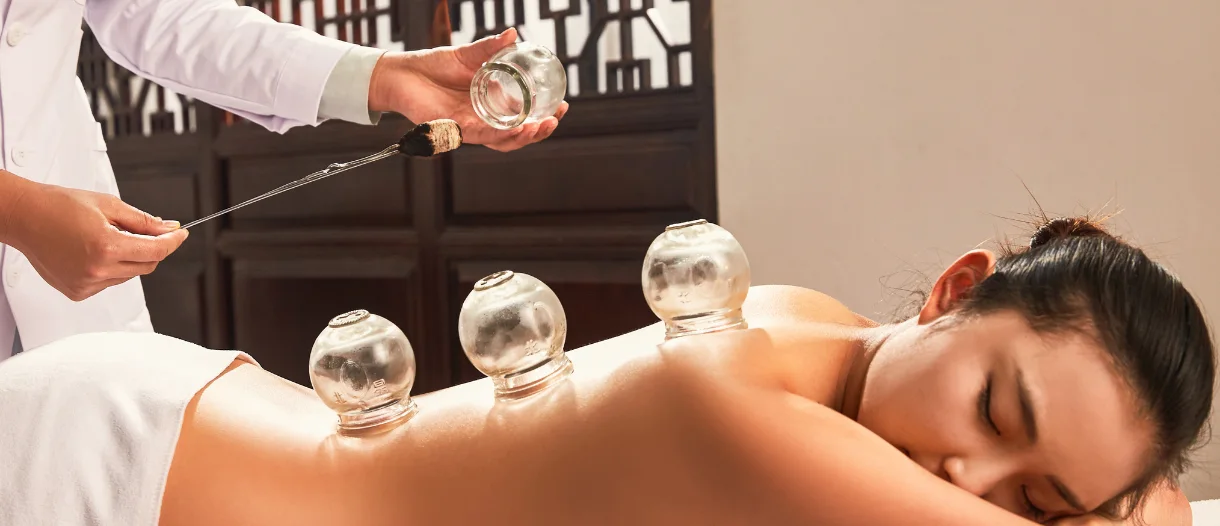
The art of cupping employs cups typically crafted from glass, bamboo, or ceramic. Through the application of heat and subsequent placement on specific points of the body, these cups create a vacuum effect, drawing the skin upwards. This process stimulates blood flow and promotes a sense of relaxation.
Diverse Approaches
Over time, variations in cupping techniques emerged, catering to individual preferences and conditions. Dry cupping, involving the direct application of cups, and wet cupping, which incorporates controlled skin incisions to release small amounts of blood, are notable approaches. Additionally, moving cupping, employing sliding cups and massage oils, offers a dynamic method to enhance circulation and alleviate tension.
Therapeutic Benefits and Healing Potentia
Cupping therapy is revered for its multifaceted benefits. It's sought after to alleviate muscle tension, ease chronic pain like migraines and backaches, and promote relaxation. By enhancing blood circulation and reducing inflammation, it serves as a holistic approach to well-being.
Advocates of cupping therapy attribute its potential to assist in detoxification by stimulating the lymphatic system and eliminating toxins. This process aids in revitalizing the body and fostering overall vitality.
Experience Cupping Therapy at Loft Thai
Loft Thai, dedicated to upholding ancient healing traditions, proudly introduces cupping therapy as part of its holistic wellness repertoire. This endeavor reflects Loft Thai Spa commitment to providing patrons with authentic healing experiences rooted in time-honored practices.
At Loft Thai, individuals seeking rejuvenation and holistic wellness are welcomed to experience the therapeutic touch of cupping therapy. With skilled practitioners employing authentic techniques tailored to individual needs, patrons can indulge in relaxation, tension relief, and an overall sense of well-being.
Cupping therapy stands as a testament to the enduring power of ancient healing practices in a modern world seeking holistic wellness. Loft Thai’s embrace of this time-honored tradition offers patrons an opportunity to explore and benefit from the therapeutic potential of cupping therapy. Step into Loft Thai and embark on a journey of rejuvenation, guided by the ancient wisdom of cupping therapy.
UPDATED LOFT THAI GUIDE
Additional guidance and current information
The following editorial update expands on the original Loft Thai article with practical context, current treatment guidance and further reading.
What Cupping Therapy Is
The US National Center for Complementary and Integrative Health defines cupping as a traditional-medicine practice that creates suction on the skin using glass, ceramic, bamboo or plastic cups.
Negative pressure may be produced by heat or a mechanical suction device.
The skin rises inside the cup, creating a distinctive pressure sensation and often a temporary circular mark.
A Cross-Cultural History, Not One Simple Origin Story
Cupping has been used in multiple traditional-medicine settings, including parts of China and the Middle East.
Techniques, explanations and materials changed across place and time, making one neat invention date or universal ancient protocol misleading.
At a contemporary Bangkok spa, the responsible approach is to name the actual method being delivered rather than borrow every historical claim associated with cupping.
Dry Cupping: Suction Without Piercing
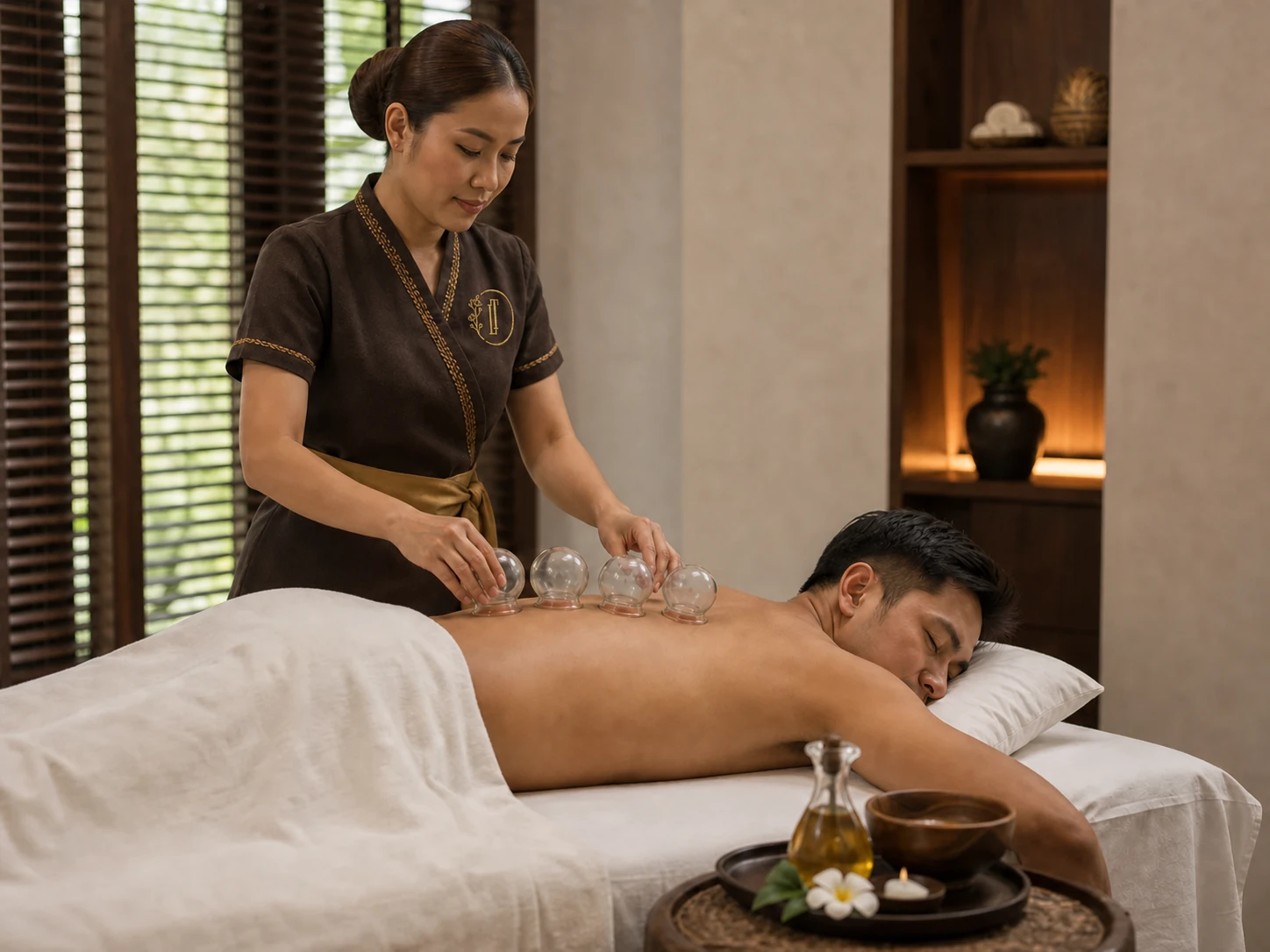
Dry cupping places suction cups on intact skin for a controlled period.
The provider chooses the location, strength and contact time, then monitors colour, sensation and comfort.
The skin is not intentionally cut or pierced.

Moving Cupping: Suction with Glide
Moving or sliding cupping uses sufficient product slip to move a cup across selected tissue rather than leaving every cup stationary.
Suction usually needs to be adjusted for controlled movement and guest comfort.
Because the skin is repeatedly contacted, oil suitability, friction and communication matter.
Wet Cupping Is a Different, Invasive Category
In wet cupping, the skin is intentionally pierced and blood enters the cup.
That creates a different infection, blood-exposure, sterilisation and scope-of-practice profile from a dry spa service.
The current Loft Thai Cupping Aroma Therapy description does not advertise skin piercing; guests should never infer wet cupping from the word cupping alone.
What the current Loft Thai Ritual Offers
The reviewed current menu lists Cupping Aroma Therapy as a 120-minute ritual at 4,800 THB, subject to live confirmation.
It combines cupping with aromatic oils and massage in a longer spa format focused on held tension, recovery and a grounded sensory finish.
Confirm the exact cup type, stationary or moving method, areas treated, oil formula and whether the service is suitable for your history before booking.
What Suction Feels Like
Cupping can feel like focused pulling, tightness or pressure rather than the downward compression of massage.
Intensity should remain adjustable, and sharp pain, burning, numbness or escalating discomfort is a reason to stop.
A stronger vacuum is not proof of a better outcome.
Why Circular Marks Appear
Suction can produce temporary red, purple or brown circular marks as local tissue and small blood vessels respond.
NCCIH specifically advises explaining the origin of these marks to healthcare providers so they are not mistaken for signs of physical abuse.
Mark colour is not a toxin map, diagnostic chart or reliable score of treatment effectiveness.
What the Evidence Can and Cannot Say
NCCIH reports that most cupping research is low quality and that evidence for pain reduction is not very strong.
There is not enough high-quality research to conclude that cupping helps other conditions.
Relaxation, a distinct pressure experience and a guest's short-term perception of ease can be discussed without presenting cupping as a cure for migraine, inflammation, circulation disorders or chronic disease.
Skin, Blood, Medicine and Procedure Questions
Share fragile skin, eczema or psoriasis in the treatment area, open wounds, active infection, unexplained bruising, reduced sensation, bleeding conditions, blood-thinning medicine and recent procedures.
Cupping over injured or medically concerning tissue is not a substitute for diagnosis.
If you are pregnant or have a significant health condition, seek appropriate clinical guidance and give the spa complete context before booking.
Hygiene and Equipment
NCCIH warns that contaminated cupping equipment can transmit blood-borne disease if not sterilised appropriately between people.
Even when a service is intended to be dry, skin can react or be damaged, so cup and skin hygiene still matter.
Ask whether the cups are single-use or how reusable cups are cleaned and prepared.
Side Effects and Stop Signals
NCCIH lists persistent discolouration, scars, burns and infection among possible side effects and notes that cupping may worsen eczema or psoriasis.
Seek medical advice for spreading redness, increasing warmth, discharge, fever, severe pain, neurological symptoms or any reaction that is unexpected or worsening.
Do not ask for repeat suction over damaged skin.
The Cupping Booking Card
Use this card to distinguish a transparent professional ritual from a vague ancient-detox promise.
Answers should be specific to the provider and your session.
-
01
Method
Dry stationary, moving or another clearly named technique?
-
02
Suction
How is pressure created, tested and reduced?
-
03
Area
Which regions are treated and which are avoided?
-
04
Product
Which oil or aromatic formula touches the skin?
-
05
Hygiene
How are cups and contact surfaces prepared?
-
06
Marks
What temporary appearance is realistic and how should it be managed?
-
07
History
Which skin, medicine, bleeding, procedure or health details change the plan?
“A cup mark records suction and skin response. Its colour does not diagnose toxins, prove detoxification or measure how successful the treatment was.”
Loft Thai Editorial Team
Continue your research
REFERENCES
Sources & further reading
PRACTICAL GUIDANCE
Frequently Asked Questions
Does Loft Thai offer wet cupping?
The reviewed current Cupping Aroma Therapy description does not advertise skin piercing. Confirm the exact method when booking; wet cupping is a different invasive category.
Are cupping marks bruises or toxins?
They are visible skin and small-vessel responses to suction. Their colour does not diagnose toxins or prove that detoxification occurred.
How long do cupping marks last?
Duration varies with suction, contact time, site and individual response. Ask the provider for a realistic range and plan around clothing, travel, sport or events.
Is cupping proven to treat chronic pain?
NCCIH says research is mostly low quality and evidence for pain reduction is not very strong. It should not replace medical assessment or prescribed care.
What is the current Loft Thai Cupping Aroma Therapy price?
The reviewed current menu lists 120 minutes at 4,800 THB. Treat price and availability as time-sensitive and reconfirm before booking.
CONTINUE READING
Related stories
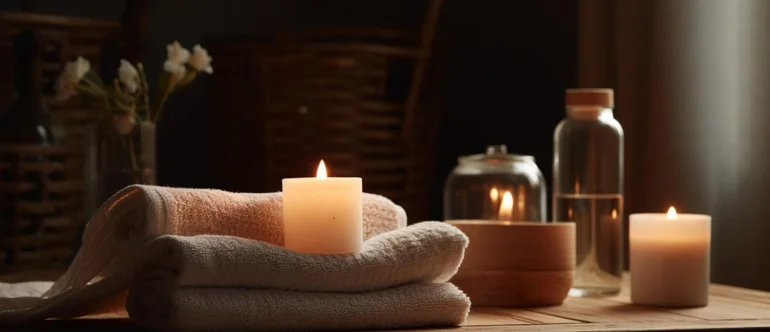
Art of Aromatherapy in Thai Spa: Harnessing Natural Essences for Wellbeing
Harnessing natural essences for wellbeing involves utilizing the therapeutic properties of plant-derived substances, such as essential oils, to promote physical, mental, and emotional health. This practice, often seen in spa treatments like aromatherapy,…
Read the guide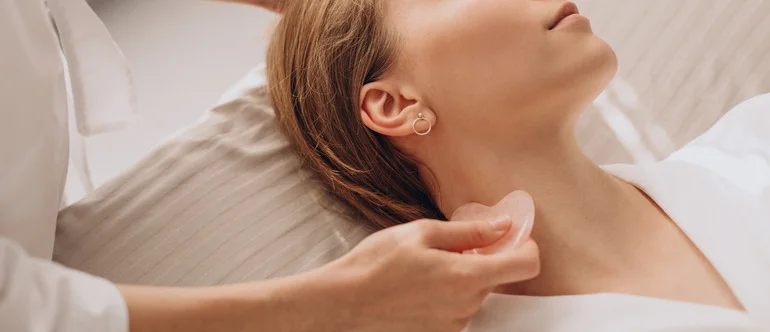
Healing Herbs of Thailand: Secrets Behind Herbal Compress Therapy
Herbal compress therapy, a traditional healing practice in Thailand, involves the use of heated compresses filled with a blend of medicinal herbs. This therapy is known for its therapeutic benefits, promoting relaxation, improving circulation, and alleviating…
Read the guide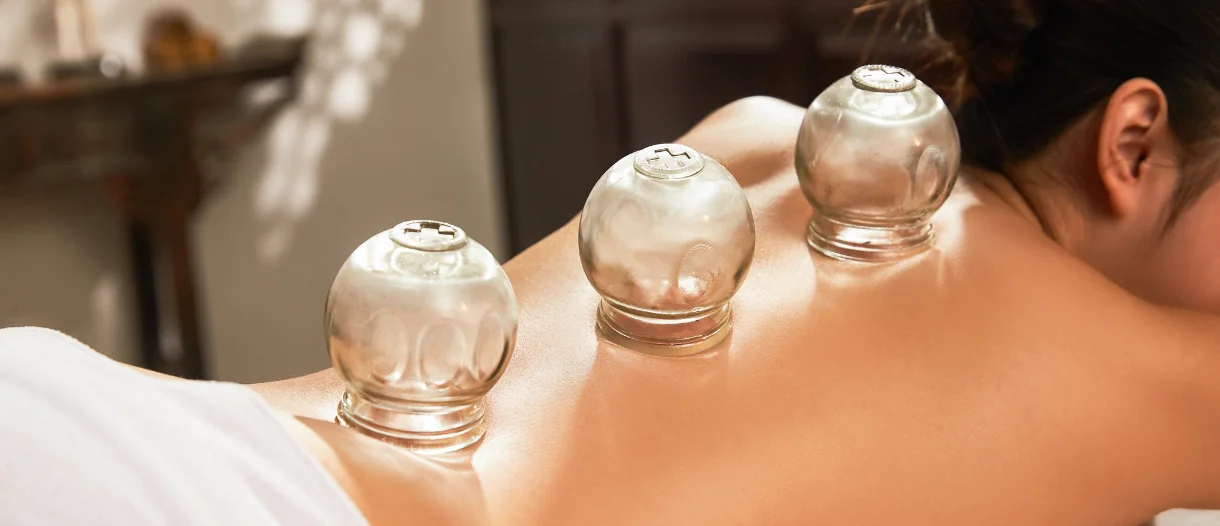
Signature Cupping Aroma Therapy with Loft Thai Spa
Step into the tranquil haven of Loft Thai Spa, where we are thrilled to introduce our newest offering: Signature Cupping Aroma Therapy. Crafted to revitalize your body and mind, this two-hour session combines ancient techniques with modern aromatherapy,…
Read the guide