

Aging is an inevitable part of life. For many people, one of the earliest indicators of aging appears on the face: wrinkles deepen, fine lines become more pronounced, and skin begins to lose its elasticity. Despite its inevitability, modern cosmetic science and holistic wellness practices offer a broad spectrum of solutions to help individuals manage or even temporarily reverse the visible signs of aging. Among these options, Botox injections and facelifts are two of the most discussed interventions. Yet, there’s a growing interest in non-invasive and minimally invasive alternatives that deliver impressive results without the downtime and risks associated with surgery. In particular, facelift massage has garnered significant attention as a more natural means of revitalizing the face, while additional treatments like HydraFacial promise vibrant skin without scalpels or needles.
1. A Brief History of Facial Rejuvenation
1.1 Early Cultural Practices
For millennia, humans have sought ways to maintain youthful-looking skin. Ancient civilizations—from the Egyptians to the Chinese—practiced herbal applications and facial manipulation techniques to preserve beauty and slow the signs of aging. Traditional Chinese Medicine introduced the concept of facial massage through gua sha and acupressure, believing that stimulating certain points of the face could enhance blood flow, balance energy (qi), and promote healthier-looking skin. Today, treatments like Facial Gua Sha Massage with Loft Thai Spa in Bangkok continue this tradition, offering a modern yet holistic approach to facial rejuvenation.
In Europe, historical figures like Cleopatra were known for their elaborate beauty regimens, including milk baths and facial treatments with plant-based oils. While these methods lacked the advanced scientific foundation we have today, they laid the groundwork for the modern spa culture and the notion that external manipulation of the face can be both beautifying and therapeutic.
1.2 The Advent of Cosmetic Surgery
Cosmetic surgery, in a form resembling modern procedures, gained momentum in the early 20th century. Wartime reconstructive surgeries advanced the field of facial procedures, eventually leading to specialized techniques aimed at improving aesthetic appearance. Facelifts—also known as rhytidectomies—emerged as an option for individuals looking to remove excess skin and tighten underlying facial muscles to achieve a more youthful look.
1.3 The Rise of Injectables
With the 1980s and 1990s came significant breakthroughs in injectable treatments, most notably Botox (onabotulinumtoxinA). This purified neurotoxin was originally used to treat medical conditions like strabismus (crossed eyes) and blepharospasm (uncontrollable blinking). Dermatologists soon recognized its potential for minimizing facial wrinkles by temporarily paralyzing targeted muscles. In parallel, dermal fillers—first made from collagen and later from hyaluronic acid and other substances—offered a way to add volume to the face without surgery.
1.4 Re-Emergence of Holistic Approaches
Despite the popularity and undeniable effectiveness of surgical and injectable methods, recent decades have seen a renewed interest in natural and non-invasive approaches—such as facelift massage, gua sha, facial acupressure, and advanced facial treatments (e.g., HydraFacial). Consumers are more informed than ever, seeking solutions that align with their lifestyle, health concerns, and personal values. Many desire the benefits of a lifted, younger-looking face but are hesitant to undergo invasive procedures, leading them to explore an array of gentler yet still effective alternatives.
2. The Science of Facial Aging
2.1 Skin Structure and Function
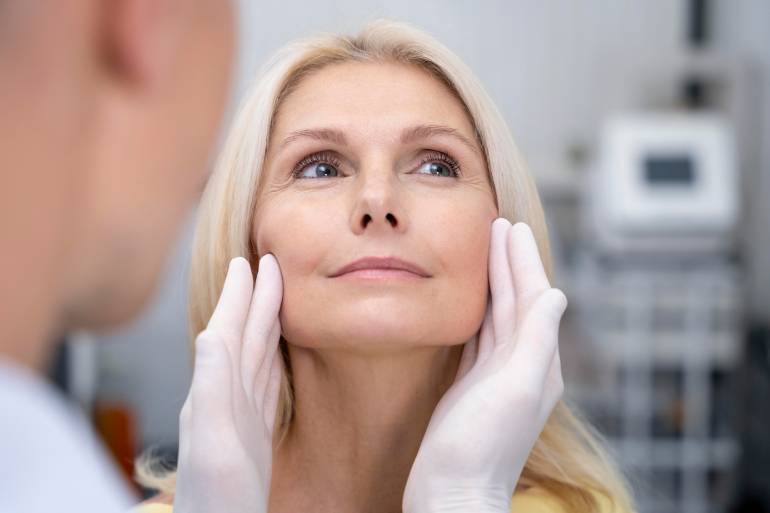
Your skin is composed of multiple layers: the epidermis (outer layer), dermis (middle layer containing collagen and elastin), and subcutaneous tissue (fatty layer beneath the dermis). Over time, natural biological processes cause changes in each layer. Collagen and elastin fibers start to break down, leading to wrinkles and reduced skin elasticity. Fat deposits in the subcutaneous layer may shift, resulting in sagging or hollows in different areas of the face.
2.2 Muscle Tension and Wrinkles
Facial muscles, such as the frontalis (forehead), orbicularis oculi (around the eyes), and orbicularis oris (around the mouth), work tirelessly to convey our emotions. Frequent muscle contractions form expression lines—like crow’s feet around the eyes or frown lines between the brows. Over time, these lines can settle in as permanent creases. Botox works by temporarily blocking the nerve signals that cause these muscle contractions, reducing the visibility of lines.
2.3 The Role of Gravity and Bone Structure
As we age, our bones undergo resorption. This can alter the structural support of the face, causing the skin to droop further, especially around the jawline and cheeks. Gravity compounds this effect, pulling facial tissue downward. Surgical facelifts address this by tightening underlying muscles and removing excess skin, while fillers can restore lost volume to certain parts of the face.
2.4 Lifestyle Influences
External factors also play a role in how quickly (and how severely) facial aging occurs:
-
Sun Exposure: Ultraviolet (UV) rays damage collagen and elastin.
-
Smoking: Accelerates collagen breakdown and narrows blood vessels in the skin.
-
Diet and Hydration: Poor nutrition and inadequate water intake can manifest as dull, saggy skin.
-
Stress and Sleep: Chronic stress elevates cortisol levels, which may contribute to premature aging. Lack of sleep impedes skin regeneration.
When considering any facial rejuvenation method—whether surgical, injectable, or massage-based—acknowledging these lifestyle factors is crucial for achieving and maintaining the best outcomes.
3. Botox and Other Injectables
3.1 What Is Botox?
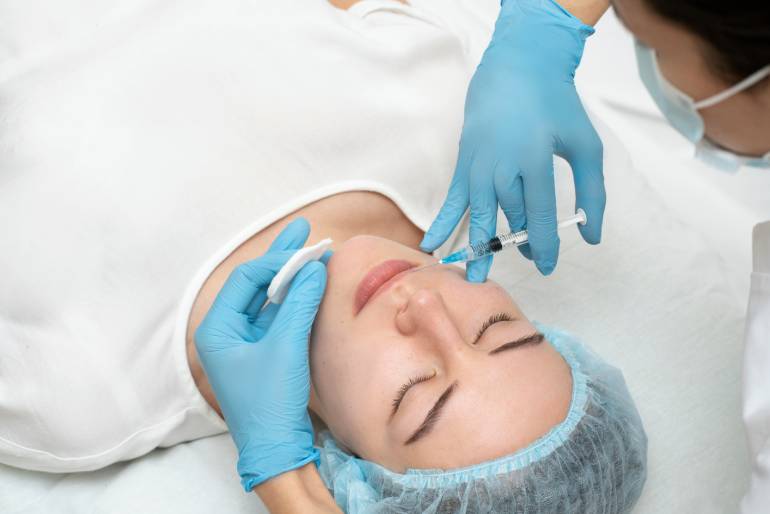
Botox is a brand name for a purified form of botulinum toxin type A. When injected in small, controlled doses into specific facial muscles, it temporarily relaxes these muscles by blocking nerve signals. Common treatment areas include:
-
Frown lines (between the eyebrows)
-
Forehead lines
-
Crow’s feet (around the eyes)
-
Bunny lines (on the sides of the nose)
Botox typically takes a few days to show visible results, which last around three to six months, depending on how quickly your body metabolizes the toxin.
3.2 Other Types of Neurotoxin Injections
While “Botox” has become a catch-all term, it is not the only botulinum toxin product on the market. Alternatives include Dysport, Xeomin, and Jeuveau, each with slightly different formulations and diffusion properties. However, their fundamental mechanism—blocking neuromuscular signals to reduce facial muscle contractions—is the same.
3.3 Dermal Fillers
In contrast to Botox, which relaxes muscles, dermal fillers add volume. Common filler substances include hyaluronic acid (HA) (e.g., Juvederm, Restylane) and calcium hydroxylapatite (e.g., Radiesse). Fillers can:
-
Plump up lips
-
Fill in nasolabial folds (the lines from the nose to the corners of the mouth)
-
Contour cheeks or chin
-
Smooth out marionette lines (mouth corners down to the chin)
Fillers generally last between six months and two years, depending on the product used and the injection area.
3.4 Collagen Stimulators and Other Injectables
Beyond HA and calcium-based fillers, newer products—such as Sculptra (poly-L-lactic acid)—stimulate your body’s natural collagen production for gradual but longer-lasting results. Additionally, Kybella (deoxycholic acid) is an injectable used to reduce submental fat (the “double chin”), offering another non-surgical approach to facial contouring.
3.5 Pros and Cons of Injectables
-
Pros: Quick (often 15–30 minutes), minimal downtime, relatively low risk if administered by a qualified practitioner, immediate or near-immediate results in many cases.
-
Cons: Results are temporary, requiring regular maintenance. Overuse or improper injection techniques can lead to unnatural looks or complications like drooping eyelids or lumps. Some individuals also experience bruising, swelling, or allergic reactions.
4. Surgical Facelift: The Traditional Option
4.1 What Exactly Is a Facelift?
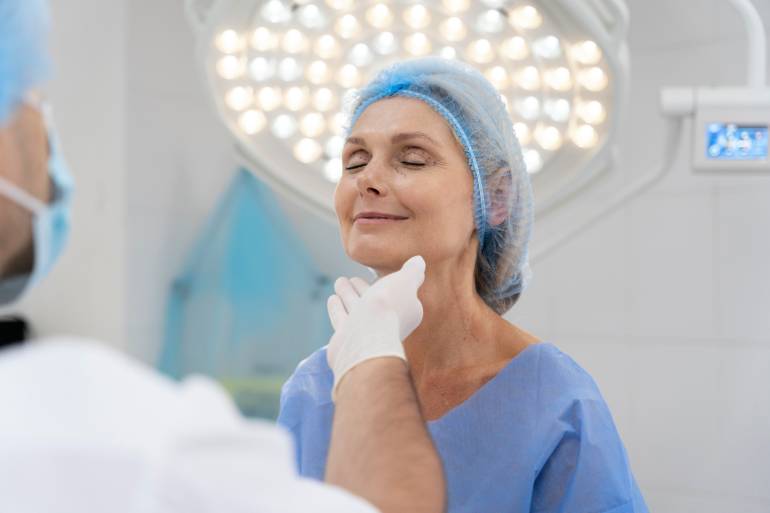
A facelift (rhytidectomy) is a surgical procedure in which a surgeon makes incisions along the hairline and around the ears to access deeper layers of facial tissue. Excess skin is trimmed away, and underlying muscles and connective tissues are tightened. Surgeons may also remove or reposition fat deposits. The goal is to create a more youthful contour around the jawline, cheeks, and neck.
4.2 Different Types of Surgical Facelifts
-
Traditional Facelift: Involves an incision from the temples down around the front of the ears and into the lower scalp. Designed for advanced signs of aging.
-
Mini Facelift: Less extensive than a traditional facelift, the incisions are shorter, and the procedure is often recommended for people with early signs of aging.
-
Mid-Facelift: Focuses primarily on the cheek area. Incisions may be made inside the mouth or behind the hairline to lift sagging cheeks.
-
Lower Facelift: Targets the jawline and neck, addressing jowls and loose neck skin.
-
Neck Lift: Sometimes performed separately or along with a facelift, specifically addressing sagging skin and muscle laxity in the neck area.
4.3 The Procedure and Recovery
A traditional facelift is performed under general anesthesia or local anesthesia with sedation. The surgery can last between two to five hours. Afterward, patients usually experience swelling, bruising, and discomfort, requiring a couple of weeks of downtime. Full recovery can take a few months, during which the skin settles, incisions heal, and final results become apparent.
4.4 Risks and Long-Term Outcomes
Facelift surgery yields relatively long-lasting results, often up to 10–15 years, though it does not halt the natural aging process. Common risks include scarring, infection, hematoma, and nerve injury. A carefully planned and executed facelift by a skilled surgeon typically minimizes complications and yields a natural-looking result.
4.5 Cost and Accessibility
Facelift surgery is among the more expensive facial rejuvenation procedures, reflecting the complexity and skill required. Costs vary depending on geographical location, surgeon reputation, and hospital or clinic facilities. Insurance generally does not cover cosmetic facelifts, though partial coverage may apply if certain reconstructive elements are deemed medically necessary.
5. Non-Invasive and Minimally Invasive Facelift Alternatives
While Botox and facelifts represent two poles of invasive potential, there is a vast middle ground. Many individuals seek methods that deliver noticeable improvements without incisions, significant pain, or extensive downtime. Let’s explore some popular technologies and techniques.
5.1 Thread Lifts
Thread lifts involve inserting dissolvable sutures under the skin to lift sagging areas, often the cheeks or jawline. The threads stimulate collagen production while physically propping up drooping tissue. Results are semi-permanent, typically lasting one to three years.
5.2 Ultrasound and Radiofrequency Therapies
Devices like Ultherapy use focused ultrasound energy to heat and tighten deep layers of facial tissue. Radiofrequency treatments, such as Thermage, produce similar effects by stimulating collagen renewal. These non-invasive procedures can target mild to moderate sagging and wrinkles with minimal downtime.
5.3 Laser Skin Tightening
Fractional CO2 lasers and other forms of laser treatments can help tighten the skin’s surface and stimulate collagen production. Though not primarily a “lifting” procedure, they can reduce fine lines, improve skin texture, and enhance overall facial appearance. Recovery times vary based on the aggressiveness of the laser.
5.4 Microneedling and PRP
Microneedling creates micro-injuries in the skin to promote collagen formation, and it can be combined with Platelet-Rich Plasma (PRP) to supercharge healing and rejuvenation. While it may not produce the dramatic lift that surgery does, it can noticeably improve skin tone, texture, and minor sagging when done consistently.
6. Facelift Massage: A Non-Intrusive Alternative
6.1 What Is Facelift Massage?
Facelift massage—also called facial rejuvenation massage or manual facelift—is a holistic practice that involves manual manipulation of the facial muscles and skin. It can include techniques such as:
-
Effleurage (gliding strokes)
-
Petrissage (kneading)
-
Tapotement (light tapping)
-
Acupressure on specific points
-
Lymphatic drainage to reduce puffiness
This approach aims to boost circulation, relax tense muscles, and encourage lymphatic flow to create a lifted and more vibrant look. Unlike surgery or injectables, facelift massage poses minimal risks and can be performed consistently over time for cumulative benefits.
6.2 The Science Behind Facelift Massage
Facelift massage capitalizes on the anatomy of the face, specifically the interplay between facial muscles, connective tissue, and the circulatory system. By applying strategic pressure, you can increase blood flow, deliver more oxygen and nutrients to skin cells, and help flush away metabolic waste via the lymphatic system. This can lead to:
-
Reduced puffiness, especially around the eyes and cheeks
-
Smoother skin texture
-
Temporary tightening of muscles, giving the face a firmer appearance
-
Stress relief, which minimizes unconscious facial tension
While it may not replicate the dramatic lift of a surgical procedure or the targeted muscle relaxation of Botox, facelift massage can produce a healthy glow and subtle lifting effect when practiced consistently.
6.3 Techniques and Tools
-
Gua Sha: A traditional Chinese scraping tool made from jade or other stones, gently glided along the contours of the face.
-
Jade Rollers: Rollers that often come with two sizes of stones, ideal for massaging larger areas like the cheeks and smaller areas like under the eyes.
-
Hands-On Massage: Using fingertips and palms to perform gentle yet firm strokes.
-
Facial Cupping: Small silicone or glass cups create suction to encourage blood flow and lymphatic drainage.
These methods can be enhanced with oils or serums suited to the individual’s skin type. Many spas offer specialized facelift massage sessions, often blending Eastern and Western techniques for maximum relaxation and rejuvenation.
6.4 Cultural Acceptance
Facelift massage has deep cultural roots in Eastern traditions, particularly Traditional Chinese Medicine. In recent decades, it has found enthusiastic audiences in Western spas, culminating in globally popular treatments like Kobido (a traditional Japanese facial massage) and Ayurvedic facial massage from India. The cross-cultural exchange has enriched the practice, making facelift massage an accessible option for diverse populations looking to delay visible signs of aging naturally.
6.5 Benefits and Limitations
-
Pros: Non-invasive, relaxing, improves circulation, can be done frequently, minimal to no downtime, often cheaper than clinical procedures, fosters holistic well-being.
-
Cons: Results are subtle and cumulative, not a quick fix, does not remove excess skin, cannot drastically reposition facial fat or muscle.
For those who want a gentler approach without needles or scalpels, facelift massage offers a highly appealing alternative.
7. HydraFacial: A Modern, Non-Invasive Treatment
7.1 What Is HydraFacial?
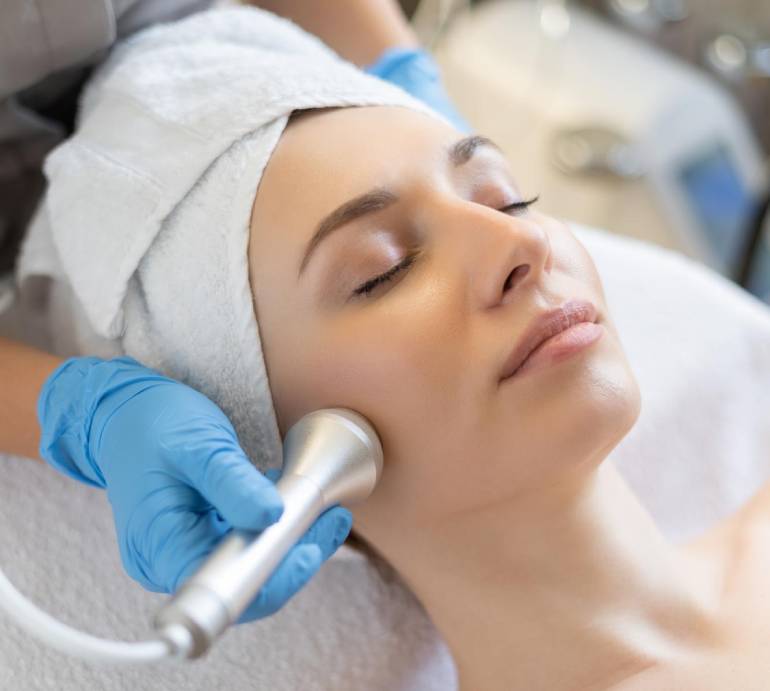
Hydrafacial & Microdermabrasion Treatment in Bangkok is a non-invasive skincare procedure that combines exfoliation, extraction, and hydration into one session. A specialized machine uses a unique vacuum-based tip infused with serums to remove dead skin cells and impurities while simultaneously delivering moisture and antioxidants to the skin.
7.2 How It Works
HydraFacial technology involves several steps:
-
Cleansing and Exfoliation: The skin is gently exfoliated to remove the outer layer of dead cells.
-
Acid Peel: A mild chemical peel (often glycolic or salicylic acid) loosens debris and dirt trapped in pores.
-
Extraction: A vacuum-like device clears blackheads and impurities.
-
Hydration: A serum rich in antioxidants, peptides, and hyaluronic acid is infused into the skin.
Each step aims to maximize your skin’s clarity, brightness, and moisture content without the discomfort commonly associated with manual extractions or harsh chemical peels.
7.3 Benefits
-
Immediate Glow: Many clients notice visibly clearer and more radiant skin after just one session.
-
Customizable: Treatment intensity and serum types can be tailored to individual skin concerns, such as acne, hyperpigmentation, or fine lines.
-
Minimal Downtime: Patients can typically resume normal activities right away.
-
Complementary with Massage: A HydraFacial can be combined with a facelift massage for a dual approach—deep cleaning plus muscle stimulation.
While HydraFacial does not “lift” the face in the same manner as surgery or even certain massage techniques, it can improve skin quality and hydration, making the face look fresher and more youthful.
8. Cultural Perspectives on Beauty and Aging
8.1 Western Ideals vs. Eastern Philosophies
In many Western cultures, there is a significant emphasis on youthfulness as an aesthetic ideal, often leading to earlier adoption of Botox, fillers, and surgical procedures. Eastern philosophies, while also valuing youthful skin, tend to emphasize balance and holistic well-being, promoting practices like facial gua sha, acupuncture, and herbal regimens that address internal imbalances as well as external appearances.
8.2 Societal Acceptance of Cosmetic Procedures
Acceptance of cosmetic interventions—whether surgical or non-surgical—varies widely by region and cultural norms. In South Korea, for instance, it is relatively common and culturally accepted to undergo surgical or injectable treatments to achieve a defined facial look. In other parts of the world, a more discreet approach might be the norm, with patients favoring subtle enhancements that do not drastically alter their appearance.
8.3 The Rise of “Natural” Aesthetics
In recent years, there has been a global shift toward a “natural look.” Patients increasingly seek treatments that refine their appearance without looking “done.” This trend has pushed aesthetic clinics to refine techniques—like microdosing Botox or combining mild fillers with facelift massage—to achieve organic, subtle improvements.
9. Comparing All Options: Botox, Fillers, Surgical Facelift, Facelift Massage, and HydraFacial
The choice between Botox, fillers, surgical facelifts, facelift massage, and advanced facial treatments like HydraFacial depends on various factors. Let’s summarize the core aspects:
| Treatment | Invasiveness | Longevity | Downtime | Cost Range | Ideal Candidate |
|---|---|---|---|---|---|
| Botox | Minimally invasive (injectable) | 3–6 months | Minimal (possible bruising) | Moderate (~5 000 THB – 10 000 THB+ per area) | Mild to moderate wrinkles, crow’s feet, frown lines |
| Dermal Fillers | Minimally invasive (injectable) | 6–24 months+ | Minimal (possible bruising) | Moderate to high (~10 000 THB – 20 000 THB+ per syringe) | Volume loss in cheeks, lips, nasolabial folds |
| Surgical Facelift | Invasive (surgical) | Up to 10–15 years | 2–4 weeks+ | High (often 50 000 THB – 200 000 THB or more) | Significant sagging, excess skin, deeper folds |
| Facelift Massage | Non-invasive | Ongoing results with consistency | None (immediate activity) | Low (2 000 THB – 5 000 THB+ per session, or DIY) | Overall facial rejuvenation, mild sagging, stress relief |
| HydraFacial | Non-invasive | Variable (temporary skin improvement) | None (immediate activity) | Moderate (~5 000 THB – 10 000 THB per session) | Skin dullness, dryness, mild fine lines, clogged pores |
10. Services Offered by Clinics and Spas
10.1 Medical Aesthetic Clinics
These facilities typically provide:
-
Consultations with plastic surgeons or dermatologists
-
Injectable treatments (Botox, fillers, Kybella)
-
Surgical options (facelifts, mini-facelifts, eye lifts)
-
Energy-based treatments (Ultherapy, radiofrequency, laser therapy)
-
Chemical peels, microneedling, PRP
Medical clinics are often the choice for those needing more advanced or invasive treatments. Licensed professionals can perform more robust procedures with higher efficacy and minimal risks.
10.2 Day Spas and Wellness Centers
These locations focus on non-invasive or minimally invasive treatments:
-
Facelift massage and other specialized facial massages
-
HydraFacial and other high-end facial treatments
-
Light chemical peels
-
Body and scalp massages (to complement facial care)
-
Holistic treatments (Ayurvedic facials, gua sha, acupressure)
Most day spas do not offer injectables unless there is a medical professional on staff. However, they excel in relaxation and consistent, routine-based care that can yield lasting improvements.
10.3 Hybrid or MedSpas
MedSpas combine the relaxing environment of a spa with the medical services of a clinic:
-
Injectables (Botox, fillers, etc.)
-
Laser treatments
-
Advanced facials (HydraFacial, microneedling, etc.)
-
Light chemical peels
-
Facial massage and body treatments
The integrated approach makes MedSpas a popular choice, providing one-stop shopping for clients who want both pampering and clinical-grade procedures.
11. Recommendations and Considerations
11.1 Age and Skin Condition
-
Younger Adults (20s–30s): May benefit from preventative Botox (often called “baby Botox”), filler for minor volume enhancements, HydraFacial for maintenance, and facelift massage for stress relief and improved circulation.
-
Middle-Aged Adults (40s–50s): Might consider combining injectables with advanced skincare treatments (lasers, radiofrequency), as well as facelift massage to keep blood flow and facial muscle tension in check.
-
Older Adults (60+): For significant sagging, a surgical facelift could offer the most dramatic change, possibly accompanied by fillers to restore volume and massage therapies for sustained muscle relaxation.
11.2 Health and Lifestyle
A healthy lifestyle can greatly enhance or prolong the effects of any cosmetic procedure. Here are key areas to consider:
-
Nutrition: A balanced diet rich in antioxidants and omega-3 fatty acids supports skin health.
-
Hydration: Proper water intake ensures a plumper, more elastic skin surface.
-
Sun Protection: Sunscreen is essential to avoid collagen breakdown and sun damage.
-
Exercise: Regular physical activity promotes circulation and overall well-being.
-
Stress Management: Techniques like meditation, yoga, or mindful breathing can reduce stress-related aging signs.
11.3 Budget and Maintenance
Procedures that appear cheaper upfront might require regular appointments (e.g., Botox every 3–6 months, monthly facials), adding up over time. A surgical facelift has a high initial cost but yields longer-lasting results. Facelift massage, while relatively inexpensive per session, demands consistency for cumulative benefits. Carefully consider not just the immediate expense but also the long-term upkeep and outcomes.
11.4 Psychological Readiness
It’s important to approach any cosmetic intervention—especially invasive options—with realistic expectations and healthy motivations. If you experience body dysmorphia or unrealistic goals, you may be dissatisfied even with successful treatments. A good practitioner will evaluate your mental well-being alongside physical indications, guiding you toward the most appropriate option.
11.5 Combining Treatments
It’s increasingly common to combine treatments for synergistic effects. For instance, a patient might:
-
Get Botox in the forehead for expression lines
-
Opt for filler in the cheeks for volume
-
Follow up with routine facelift massage and HydraFacial sessions to maintain skin health and circulation
-
Occasionally add radiofrequency sessions for an added collagen boost
When combined strategically, these treatments can address multiple aging concerns while minimizing the need for more aggressive interventions down the line.
12. Research and References
While this guide draws on a wide range of clinical and anecdotal evidence, below are a few key research areas and reputable sources for those who wish to delve deeper:
-
Clinical Studies on Botox:
-
Carruthers, A., Carruthers, J. (1992). “Botulinum Toxin Type A: A New Treatment for Facial Wrinkles.” Dermatologic Surgery.
-
Hexsel, D., Dal’forno, T., Hexsel, C. (2017). “Botulinum Toxin for Aging Face.” Dermatologic Surgery.
-
-
Efficacy of Fillers:
-
Friedmann, D. P., et al. (2017). “Long-Term Efficacy and Safety of Hyaluronic Acid Fillers.” Plastic and Reconstructive Surgery.
-
-
Facelift Techniques:
-
Baker, D. C., Gordon, H. L. (1989). “Newer Concepts and Techniques of Facelifting.” Plastic and Reconstructive Surgery.
-
-
Facelift Massage and Manual Therapies:
-
While research on manual facelift massage specifically is limited, multiple studies on facial lymphatic drainage and massage therapy highlight improved circulation and subjective benefits. See: Moraska, A. (2007). “Physiological and Psychological Benefits of Massage Therapy.” International Journal of Neuroscience.
-
-
HydraFacial:
-
Most available information on HydraFacial outcomes is found in case studies and manufacturer reports. Peer-reviewed, large-scale clinical studies are still emerging.
-
Always seek advice from certified practitioners and cross-reference information to ensure best practices align with current scientific understanding.
13. Cultural Insights and Global Trends
-
In Asia, especially South Korea and parts of China, there is significant social acceptance—and expectation—of facial enhancements. The market for non-invasive treatments like Botox and fillers is robust, and medical tourism thrives.
-
In Europe, there is a growing preference for natural, subtle enhancements. Facelift massage and holistic facial treatments are rapidly gaining traction, aligning with an overall shift toward cleaner lifestyles and well-rounded wellness routines.
-
In the United States, both surgical and non-surgical procedures remain popular. High-profile celebrities openly discuss their skincare regimens, normalizing Botox and fillers, while social media has brought lesser-known treatments like gua sha and manual facelift massage into mainstream visibility.
Across these regions, a unifying theme is the pursuit of personalization—finding the right blend of treatments to match individual goals, cultural values, and lifestyle preferences.
14. Putting It All Together: Making Your Decision
Choosing between Botox, a surgical facelift, facelift massage, or any other procedure depends on a range of factors—age, budget, lifestyle, comfort with invasiveness, and desired outcomes. Here is a simplified decision framework:
-
Non-Invasive Approach: If you prefer minimal disruption to your routine, seek relaxation, and favor natural methods, a consistent regimen of facelift massage, advanced facials like HydraFacial, and a healthy lifestyle may suffice—especially if you have mild to moderate signs of aging.
-
Mild Wrinkle Reduction: If your concerns center around expression lines and you want quicker results, Botox or other neurotoxins can be a great option. Pairing them with facelift massage can help you maintain skin health and reduce tension.
-
Volume Loss and Mild Sagging: Dermal fillers can restore lost volume in the cheeks, lips, or under-eyes. Combining fillers with HydraFacial sessions or radiofrequency treatments could further enhance skin quality.
-
Moderate to Severe Sagging: For those with deeper folds, jowls, and significant loose skin, a surgical facelift might be the most definitive solution. You can still incorporate spa treatments and facelift massage in your pre- and post-operative routine to optimize healing and maintain results.
-
Multi-Modality Strategy: Many individuals benefit from a combination approach—Botox for the forehead and crow’s feet, fillers for nasolabial folds, routine HydraFacial for skin brightness, and ongoing facelift massage to enhance circulation and reduce stress. This synergy can offer natural-looking, enduring improvements without fully relying on a single intervention.
15. Final Thoughts and Practical Tips
-
Consult Multiple Experts: Don’t hesitate to seek opinions from both dermatologists and plastic surgeons. Different professionals may offer different perspectives, helping you make a more informed choice.
-
Set Realistic Expectations: Even the best procedures have limitations. Understand the scope of what each treatment can deliver.
-
Commit to Aftercare: Whether you opt for a facelift or regular massage sessions, proper skincare, sun protection, and a balanced lifestyle are essential for prolonging results.
-
Stay Informed: Medical and aesthetic technologies evolve quickly. Keeping up-to-date with new research and emerging procedures can open up more options in the future.
-
Prioritize Safety: Always choose licensed professionals with strong reputations. The face is an intricate landscape of muscles, nerves, and arteries—placing yourself in competent hands ensures both efficacy and safety.
-
Consider the Emotional Component: How you feel about your appearance plays a big role in satisfaction. Ensure your motivations are healthy, and avoid chasing perfection or someone else’s standard of beauty.
-
Maintenance Is Key: Regardless of the method you choose, remember that aging doesn’t stop. Maintaining results is often an ongoing journey—monthly facials, routine Botox touch-ups, or periodic facelift massages, depending on your chosen path.
The decision between Botox, facelift massage, surgical options, or non-invasive treatments such as HydraFacial depends on personal preference, desired outcome, and overall health. By understanding the science, cultural viewpoints, and specific techniques behind these varied approaches, you can make an informed decision that best aligns with your goals and lifestyle. Ultimately, facial rejuvenation is not only about looking younger; it is about feeling confident, comfortable, and vibrant in your own skin—whatever age you may be.
UPDATED LOFT THAI GUIDE
Additional guidance and current information
The following editorial update expands on the original Loft Thai article with practical context, current treatment guidance and further reading.
Start With the Name: Botox Is a Brand
Botox Cosmetic is a brand name for onabotulinumtoxinA. Other botulinum toxin products exist, and their units are not automatically interchangeable.
This article uses Botox in the common search phrase but refers to botulinum toxin when discussing the treatment category. Approval, labelling and permitted use vary by product and country.
What Cosmetic Botulinum Toxin Does
A qualified medical professional injects a measured prescription product into selected muscles. By temporarily reducing targeted muscle activity, treatment can soften the appearance of certain expression lines.
The current US FDA label for Botox Cosmetic includes temporary improvement of specified glabellar, lateral canthal and forehead lines, as well as platysma bands in adults. That label does not mean every face, product or requested injection is appropriate.
What Facial Massage Does
Facial massage uses hands or tools over the skin with enough product for comfortable glide. A therapist may work across the jaw, cheeks, brow, temples and neck according to the facial protocol.
A small controlled study found increased local skin blood flow for at least ten minutes after a five-minute facial-roller session. That finding is interesting but narrow; it does not establish wrinkle paralysis, filler-like volume or a permanent facelift.

Why They Are Not Substitutes
If the goal is medical treatment of selected dynamic expression lines, massage cannot reproduce an injection’s mechanism. If the goal is a long, calming ritual with cleansing, products and manual contact, an injection does not provide that experience.
The honest comparison is not which is stronger. It is which goal you are trying to address and which professional scope that goal requires.
A Facelift Massage Is Not a Surgical Facelift
The phrase facelift massage is marketing shorthand for upward or contour-focused manual technique. It should not be read as a claim that massage removes excess skin, repositions deep tissue or produces a surgical result.
Temporary changes in puffiness, muscle tension, skin sheen or how facial contours photograph can occur. Permanent structural lifting is not established.
Botulinum Toxin Belongs in a Medical Setting
The AAD warns against botulinum toxin injections in a non-medical spa, salon, party or home. Safe injection requires medical knowledge of anatomy, product handling, contraindications and complication management.
In Bangkok, verify the medical facility and the licensed professional who will assess and inject you. A spa therapist’s facial or massage training does not authorise prescription injections.
Understand the Medical Risks Before Injection
Expected local effects can include soreness, swelling, redness or bruising. Weakness in a neighbouring muscle may cause temporary brow or eyelid droop.
The FDA prescribing information carries a boxed warning about distant spread of toxin effect. Symptoms can include generalised weakness, double vision, drooping eyelids, difficulty swallowing, speaking or breathing. Urgent medical help is required for serious symptoms.
A Medical Consultation Is Part of the Treatment
The injector should review goals, facial movement, previous treatment, medicines, supplements, pregnancy plans, relevant health history and factors that may increase risk.
Ask which product is being used, who will inject it, whether the use is approved or off-label, what result is realistic, what complications are possible and who provides follow-up.
Facial Massage Also Needs Screening
Non-invasive does not mean suitable on every day. Active infection, painful inflammation, broken skin, acute sunburn and a recent procedure may require adaptation or postponement.
Tell the therapist about injectables, filler, threads, laser, peel, surgery and prescription skincare. The therapist should avoid diagnosing a condition or promising to replace medical care.
Do Not Book Facial Massage Immediately After Injection
AAD aftercare advises patients not to rub or massage injected areas. A full facial adds pressure, product application and positioning that may conflict with the injector’s instructions.
Ask the treating clinician when your specific facial, massage, heat and device use can resume. Do not rely on a universal number of hours copied from a spa blog.

If You Use Both, Coordinate Rather Than Stack
Some guests choose medical treatment for expression lines and a separate spa routine for skincare and relaxation. The two appointments should be planned around medical advice, not marketed as a guaranteed synergy.
Tell both professionals what was done, where and when. If the skin or facial movement is not recovering as expected, contact the medical provider before adding another treatment.
Choose by Goal, Not by Fear of Ageing
Consider medical consultation when selected dynamic expression lines are the concern and you understand the temporary effect, cost, repeat treatment and medical risk. Consider facial massage when the priority is non-invasive relaxation, product application and a temporary refreshed feeling.
Neither choice is a requirement. Daily sun protection, a tolerable skincare routine and acceptance of normal facial movement remain valid options.
Reject Guarantees and Before-and-After Pressure
No responsible provider can guarantee a perfectly symmetrical, frozen, lifted or ageless face. Lighting, expression, lens choice and timing can make before-and-after images misleading.
A high-quality consultation should discuss limits and alternatives, including doing nothing. Pressure to decide immediately is not a clinical benefit.
What Loft Thai Offers — and Does Not Offer
Loft Thai’s current facial collection offers cosmetic spa facials and HydraFacial formats. Manual techniques may be incorporated for comfort and ritual depending on the service.
Loft Thai does not present botulinum toxin injections, dermal fillers, surgery or medical diagnosis as spa treatments. Guests seeking injections should use an appropriately licensed medical facility.
The Best Choice Is the One That Matches the Real Goal
Botulinum toxin is a prescription medical procedure with a defined pharmacological action and meaningful risks. Facial massage is a non-invasive spa technique with a different evidence base and different limits.
Use a medical clinician for injection decisions, a trained spa therapist for a cosmetic massage ritual, and clear communication whenever the two appear in the same skincare calendar.
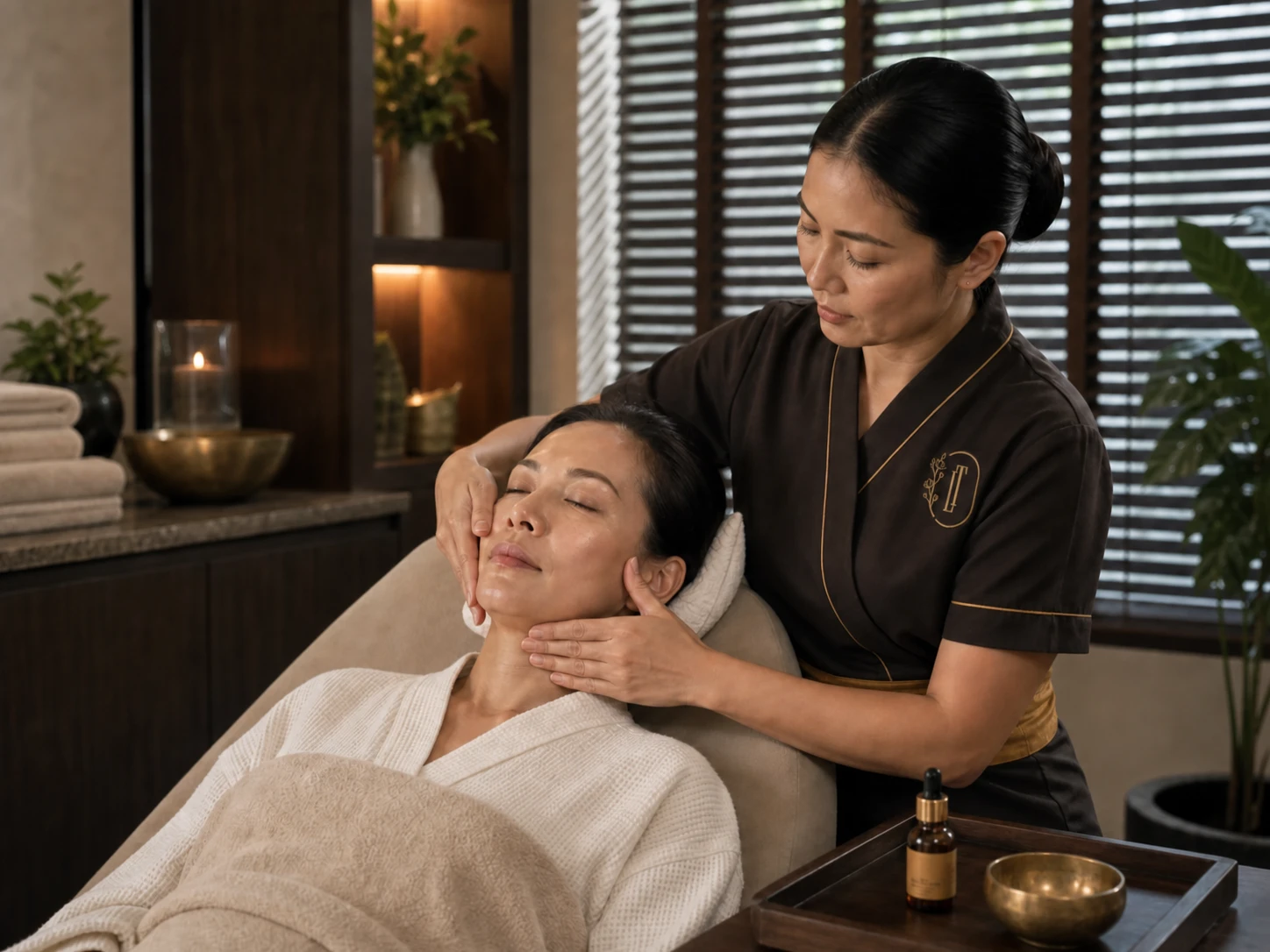
“Botulinum toxin changes selected muscle activity; facial massage changes the experience of touch. They are not substitutes.”
Loft Thai Editorial Team
Continue your research
REFERENCES
Sources & further reading
- US FDA: BOTOX Cosmetic prescribing information
- American Academy of Dermatology: Botulinum toxin overview
- American Academy of Dermatology: Botulinum toxin FAQs and aftercare
- American Academy of Dermatology: Preparing for botulinum toxin therapy
- PubMed: Facial massage roller, skin blood flow and vascular reactivity
- PMC: Preliminary computed-tomography study of facial massage
- Thailand.go.th: Health-establishment location, safety and service standards
- Loft Thai: Current facial-treatment collection
PRACTICAL GUIDANCE
Frequently Asked Questions
Is Botox the same as a facelift?
No. Botox Cosmetic temporarily reduces activity in selected muscles for approved indications. It does not surgically reposition facial tissue.
Can facial massage replace Botox?
No. Facial massage does not reproduce the pharmacological effect of botulinum toxin injections.
Can facial massage permanently lift the face?
Current evidence does not establish permanent structural lifting from spa facial massage.
How soon can I have a facial after Botox?
Ask the clinician who injected you. AAD guidance says not to rub or massage injected areas, and timing should be personalised.
Does Loft Thai offer Botox injections?
No. The current facial collection presents cosmetic spa facials and HydraFacial formats, not prescription injections.
CONTINUE READING
Related stories
Facial Treatments in Clinics vs Spas
Facial treatments have evolved significantly over the past few decades, becoming an integral aspect of modern skincare and self-care routines. Many people rely on facials to address various concerns, including acne, wrinkles, pigmentation, and sagging skin.…
Read the guide
The Science and Art of Facial Massage in Bangkok
Facial massage is one of humanity’s oldest beauty and wellness rituals. Rooted in Ayurvedic Mukhabhyanga, refined by Thai, Chinese, and Japanese traditions, and now supported by modern anatomy and dermatology, this practice offers a uniquely holistic path to…
Read the guide
Bangkok’s Premier Anti-Aging Facial Introducing the 2025 Award-Winning Age Defy Ritual by AVENE
Loft Thai Boutique Spa & Massage – an award-winning retreat recognized among Asia’s top 50 spas in 2023 ( tripadvisor.com ) – is proud to introduce its newly launched Anti-Aging Facial in collaboration with the famed French skincare brand Avène. This luxurious…
Read the guide
Facial for Men in Bangkok: Why More Men Are Booking Luxury Facials in 2026
Bangkok has always been a city where people take care of themselves. But in 2026, something has clearly shifted: men are no longer treating skincare as “optional” or “only for special occasions.” More men are booking facials regularly—before work trips, after…
Read the guide